

1 Michelin Key · Small Luxury Hotels of the World Member
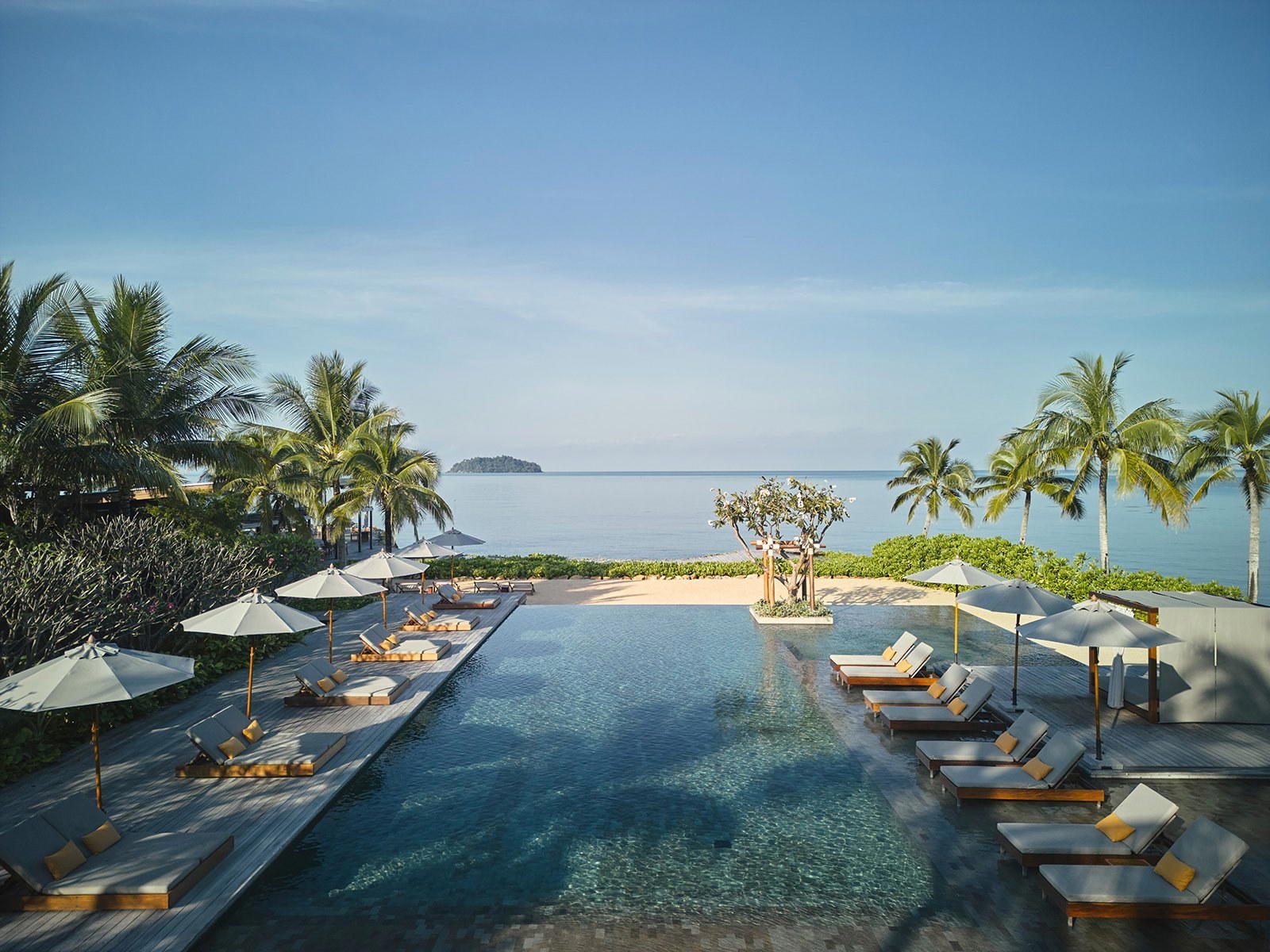
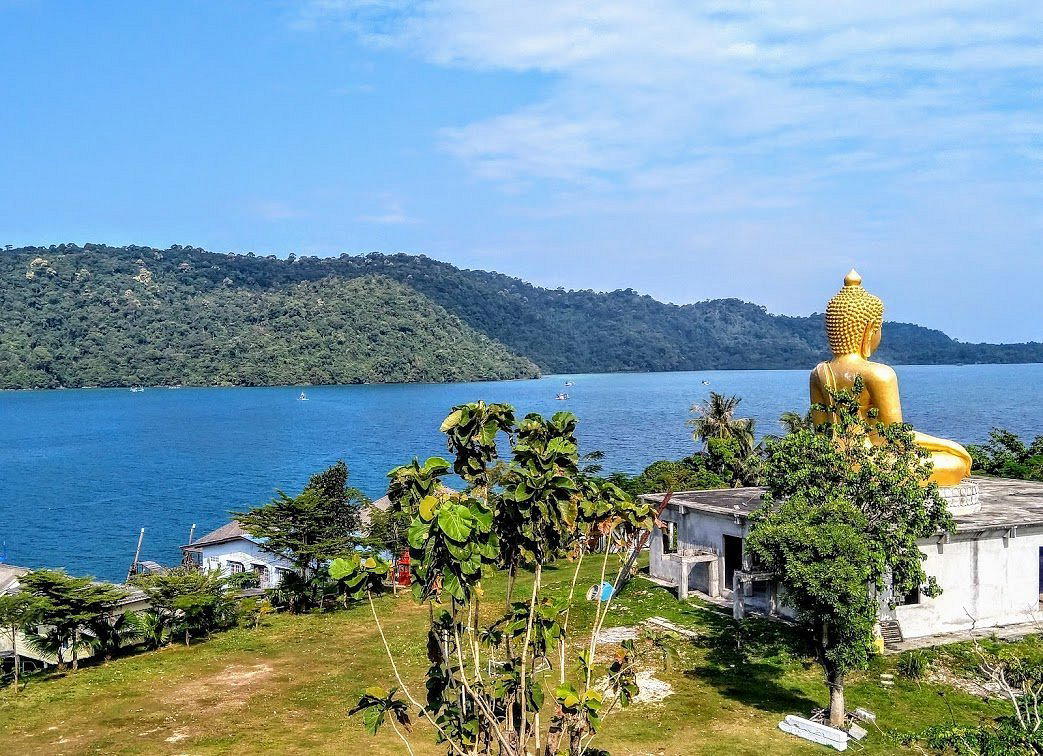
A boutique property on Koh Chang's quieter coast, The Retreat positions itself within the smaller tier of design-conscious island escapes that prioritise atmosphere over amenities count. Panoramic sea views, fusion dining, and a deliberate focus on peace and island authenticity place it closer to the intimate sanctuary model than to the all-inclusive resort format dominant elsewhere on the island.

Pearl is the En Primeur Club membership app — saves, bookings, and concierge access live there. Same editors, same standards.
Arriving on a Different Schedule
The ferry crossing to Koh Chang sets a pace that the island's more considered properties understand and work with. By the time you reach The Retreat Koh Chang, the transition from mainland Trat province has already done part of the property's work. Thailand's Gulf coast has split into two distinct hospitality registers over the past decade: high-volume resort complexes designed to absorb package tourism at scale, and smaller, quieter properties that treat physical remoteness as a feature rather than an inconvenience. The Retreat sits in the second category, where arrival by boat is not a logistical inconvenience but the appropriate prologue to what follows.
Koh Chang is Thailand's second-largest island and sits within the Mu Ko Chang National Park, a protected marine environment in Trat province near the Cambodian border. That geography shapes what boutique properties here can and cannot do — construction scale, environmental proximity, and the island's relative distance from Bangkok's international airport all act as filters that keep certain formats of mass tourism at bay. For context, reaching Koh Chang from Bangkok typically involves a drive of four to five hours or a short domestic flight to Trat, followed by the ferry. That friction is, for properties like The Retreat, a useful sorting mechanism.
The Sanctuary Model and What It Demands
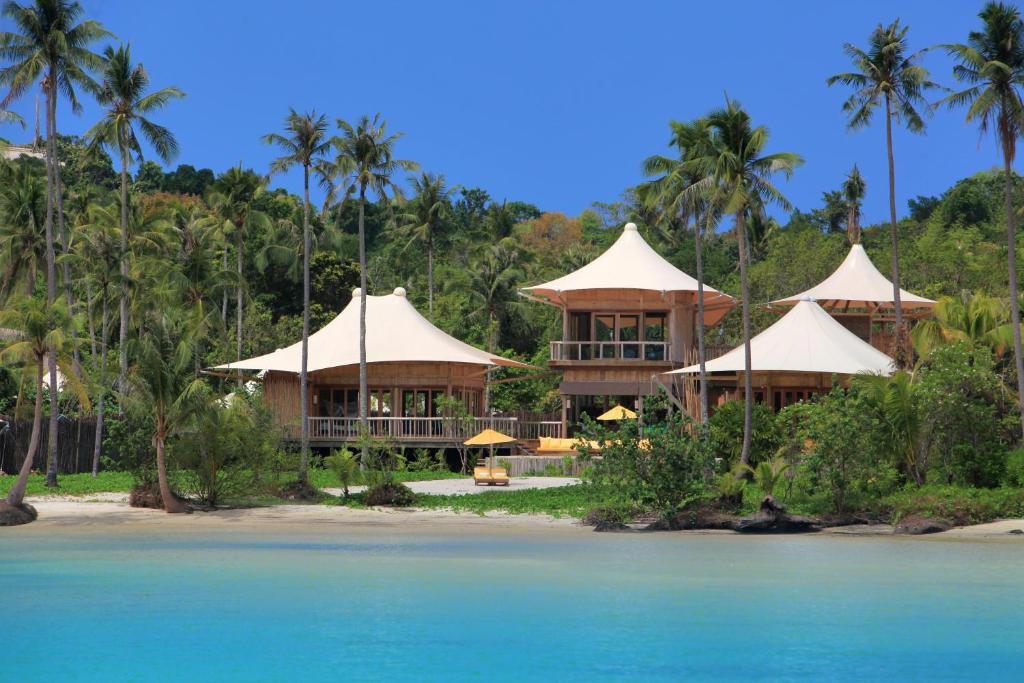
The term "sanctuary" gets applied loosely across Southeast Asian hospitality, but it carries specific operational implications when taken seriously. At the boutique end of Thai island accommodation, delivering genuine peace requires both design discipline and a service culture calibrated to low intervention. The Retreat describes its approach in terms of harmony with the natural environment, which on a forested, hilly island like Koh Chang means working with the topography rather than flattening it, preserving sightlines to the sea, and keeping built density low enough that the surrounding environment remains audible and visible.
The editorial comparison point here is instructive. Properties like Six Senses Yao Noi in Phang Nga or Pimalai Resort & Spa in Koh Lanta have established that the low-key, environment-integrated format can command significant room rates when executed with consistency. The Retreat operates in that same philosophical register, though at a different price and scale. What distinguishes properties in this tier is not the density of amenities but the quality of the quiet — how completely a guest can disengage from the transactional rhythms of travel.
Service as Atmosphere
In boutique tropical hospitality, service philosophy and physical environment are rarely separable. The anticipatory service model, where staff read guest preference and act before a request is made, is harder to execute at low staff-to-guest ratios than it appears, and boutique properties often succeed or fail on this axis. The Retreat's positioning around peace and serenity implies a service culture built on restraint: present when needed, invisible when not. That is a different competency from the choreographed formality of a property like Mandarin Oriental Bangkok, and it suits a different kind of guest.
The authentic island experience framing is also worth unpacking. On Koh Chang, that means access to the national park environment, proximity to the island's fishing villages, and a pace of day that aligns with tides and light rather than scheduled programming. Properties that deliver on this convincingly tend to have staff with genuine local knowledge rather than scripted tour recommendations, a distinction that matters when a guest wants to know where to swim at low tide or which local food stalls are worth the ride.
Dining at the Overlap of Local and International
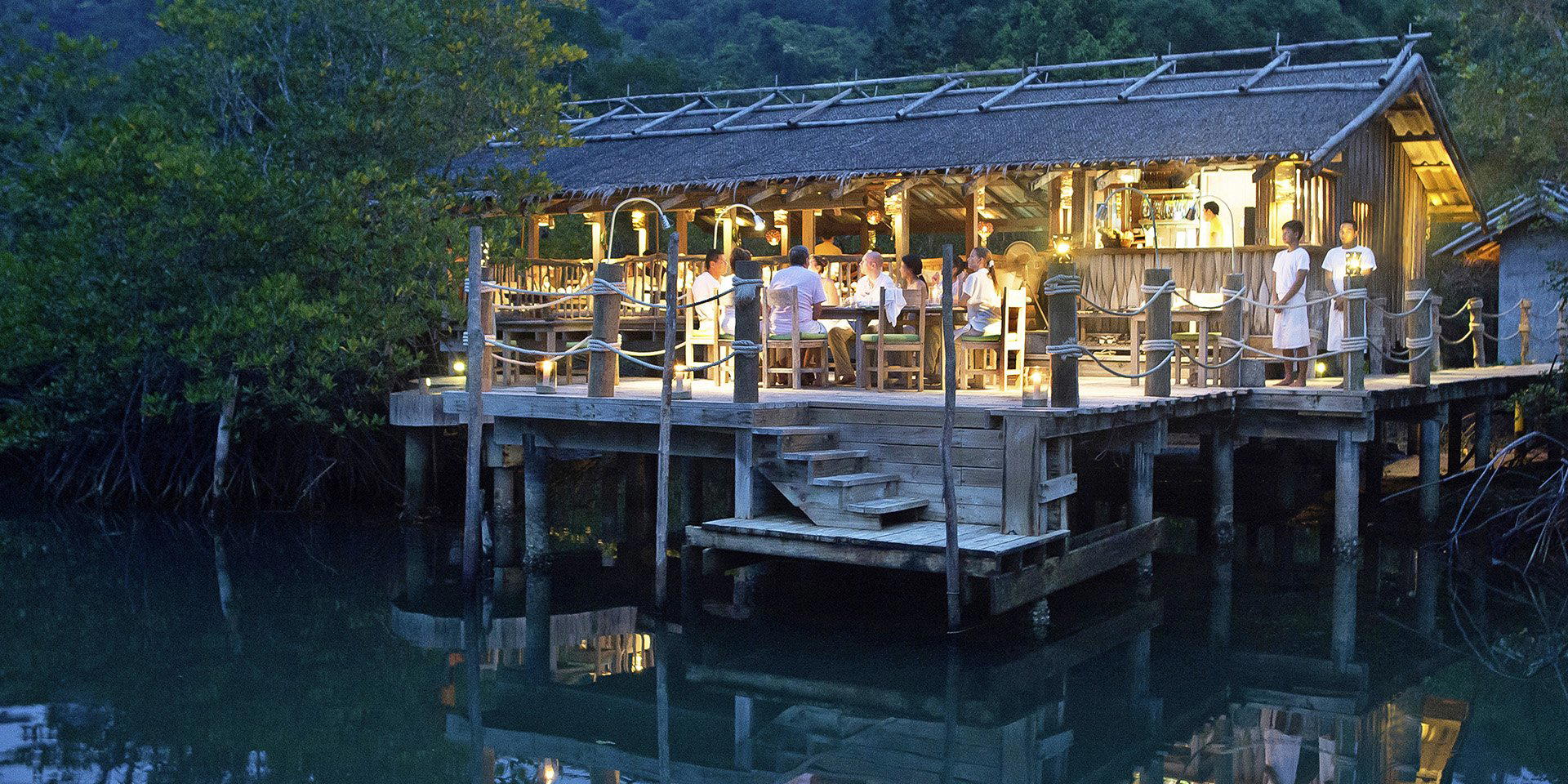
Fusion dining at Thai island boutique properties has evolved considerably from the clumsy East-meets-West menus of the early 2000s. The better current approach treats local ingredients and Thai technique as the foundation, with international influences applied selectively rather than structurally. The Retreat's reference to fusion dining alongside panoramic sea views signals a dining format where the setting is integral to the meal, the kind of positioning where a table at sunset carries as much weight as the plate in front of you.
Koh Chang's food scene outside resort dining is anchored in the seafood traditions of the Trat coast, which shares culinary character with neighbouring Cambodia as much as with central Thailand. That geographic edge gives local cooking a distinctive profile that the better island properties reference rather than ignore. For guests arriving from more internationally structured programs like Amanpuri in Phuket or Four Seasons Resort Chiang Mai, the dining at a property like The Retreat represents a shift toward the regional and the informal, not a lesser version of luxury, but a different expression of it.
Where The Retreat Sits in the Thai Island Market
Thailand's premium island accommodation market has several distinct tiers. At the leading end, properties like Soneva Kiri, also in Trat province, on Ko Kut, operate at a price point and service depth that places them in international peer conversation with properties in the Maldives or French Polynesia. Below that, a mid-luxury tier of design-conscious boutique properties occupies the space between aspirational and approachable. The Retreat positions within this second tier, where the proposition is quality of environment and experience over brand recognition or amenity volume.
Comparable formats elsewhere in Thailand include Samujana Villas in Koh Samui, Anantara Rasananda Koh Phangan Villas, and Aleenta Resort & Spa in Pranburi, each occupying a coastal setting with a boutique format and an emphasis on atmosphere over scale. What separates Koh Chang from those destinations is the national park context and the relative difficulty of access, which keeps visitor density lower and preserves the environmental character that properties like The Retreat depend on.
Planning Your Stay
Koh Chang is most reliably visited between November and April, when the Gulf of Thailand's eastern coast sees dry weather and calm seas. The ferry from Laem Ngop pier in Trat takes roughly 30 minutes to the island's main port at Ao Sapparot, with services running regularly through the day. Trat itself is accessible by domestic flight from Bangkok's Suvarnabhumi Airport, or by road. Guests travelling from Bangkok who prefer to build an itinerary across Thailand's premium coastal properties might also consider Phulay Bay, A Ritz-Carlton Reserve in Krabi or Devasom Khao Lak Beach Resort & Villas as complementary stops. For a full picture of what Trat province offers, see our full Trat restaurants guide. Booking directly with the property, where possible, typically yields the leading communication around room type and arrival logistics given the ferry-dependent access.
Cuisine Context
Comparable venues nearby, for context on price, style, and recognition.
| Venue | Cuisine | Price | Awards | Notes |
|---|---|---|---|---|
| The Retreat Koh ChangThis venue (the venue you are viewing) | Contemporary boutique beach resort with sustainable design | $100–200 | 1 Michelin Key · Small Luxury Hotels of the World Member | Not listed |
| Soneva Kiri | Sustainable luxury eco-resort with contemporary design integrated into natural jungle landscape, emphasizing environmental harmony and bespoke villa experiences. | $2,500+ | 3 Michelin Keys | Koh Kood |
| SALA Phuket Mai Khao Beach Resort | Luxury beachfront resort blending Sino-Portuguese heritage with modern minimalist design. | $200–300 | Michelin Selected · Mr & Mrs Smith Seal of Approval | Mai Khao |
| Santiburi Koh Samui | Luxurious Thai-style villas and suites set in expansive tropical gardens on a secluded beach. | Not listed | Michelin Selected | Mae Nam |
| Pullman Phuket Arcadia Naithon Beach | Tropical contemporary resort set in lush hills overlooking the Andaman Sea. | Not listed | Michelin Selected | Naithon Beach |
| OUTRIGGER Phi Phi Island Resort | Barefoot-luxury Thai village–style eco-resort on a secluded stretch of Laem Tong Beach. | $100–200 | Michelin Selected | Laem Tong Beach |
Recognition history
Dated appearances from independent guides and award organizations, with the underlying list record or original source where available.
Michelin 1 Key
Michelin
Small Luxury Hotels of the World Member
Small Luxury Hotels of the World
Full recognition history (3 entries)
Michelin Selected
Michelin
Continue exploring
More in Trat
Details
- Romantic
- Quiet
- Scenic
- Elegant
- Intimate
- Cozy
- Honeymoon
- Romantic Getaway
- Wellness Retreat
- Weekend Escape
- Beachfront
- Infinity Pool
- Private Villa
- Pool
- Spa
- Fitness Center
- Wi Fi
- Concierge
- Room Service
- Restaurant
- Bar
- Garden
- Bicycle Rental
- Laundry Service
- Waterfront
- Garden
- Wheelchair Accessible
- Step Free Entrance
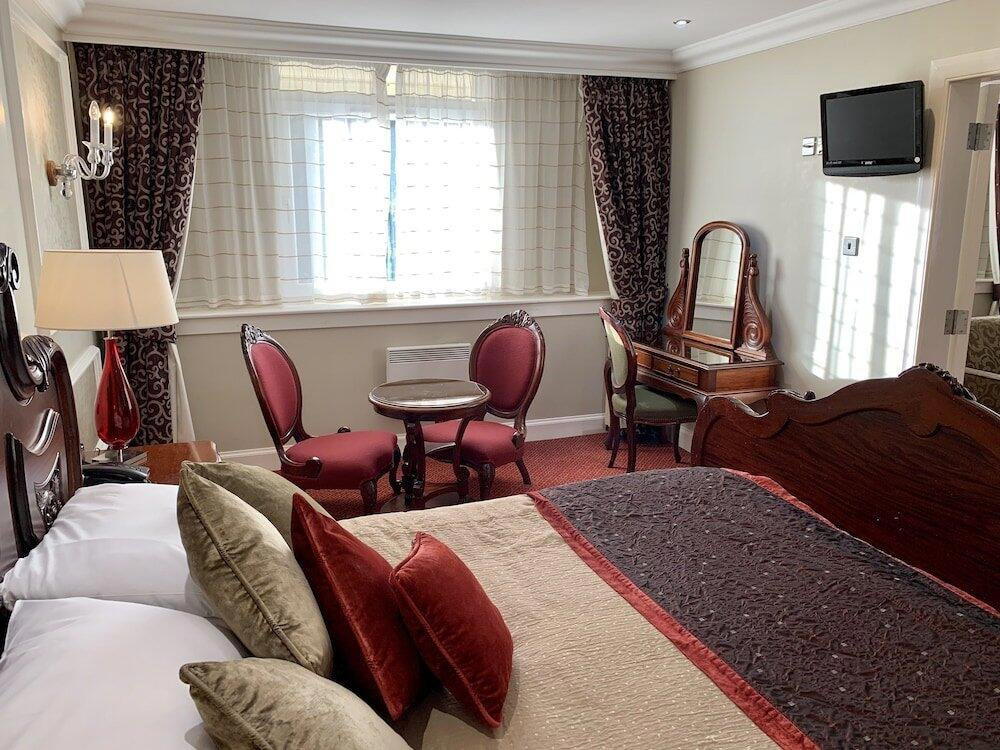
Elegant and relaxing atmosphere with soundproofed rooms, private terraces offering ocean and pool views, and a serene beachfront setting praised for its peaceful elegance.