
Michelin Selected
The Okura Prestige Taipei occupies a distinctive position in Zhongshan District's upper tier of international hotel addresses, carrying the Okura group's long-established Japanese hospitality philosophy into one of Taipei's most commercially active corridors. The property draws both long-stay business travellers and guests seeking a quieter counterpoint to the city's larger convention-scale hotels. Its Nanjing East Road address places it within reach of the city's core cultural and commercial infrastructure.

Pearl is the En Primeur Club membership app, where members save venues, book tables and use the concierge.
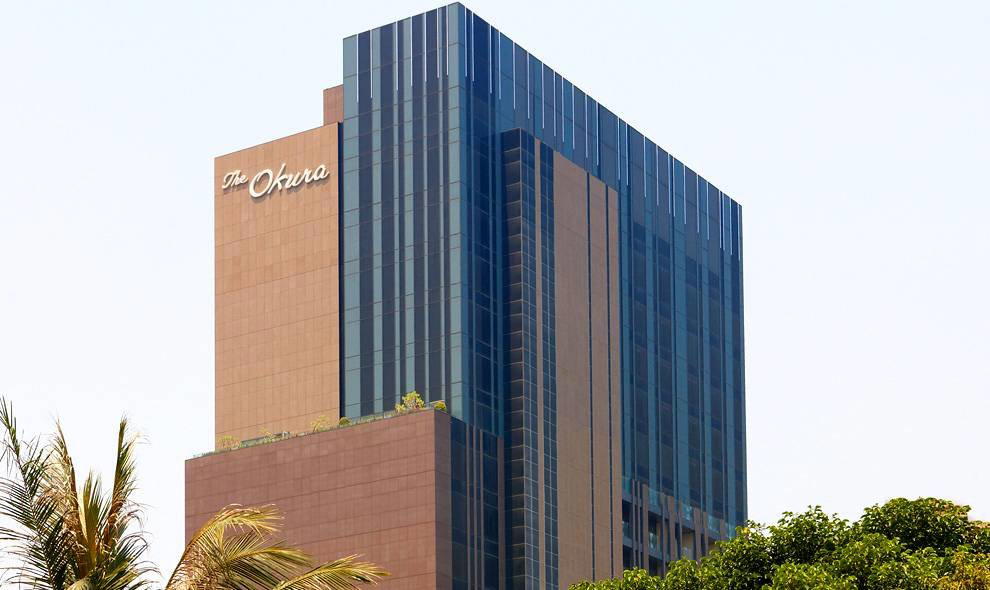
Where Japanese Hospitality Meets Taipei's Urban Core
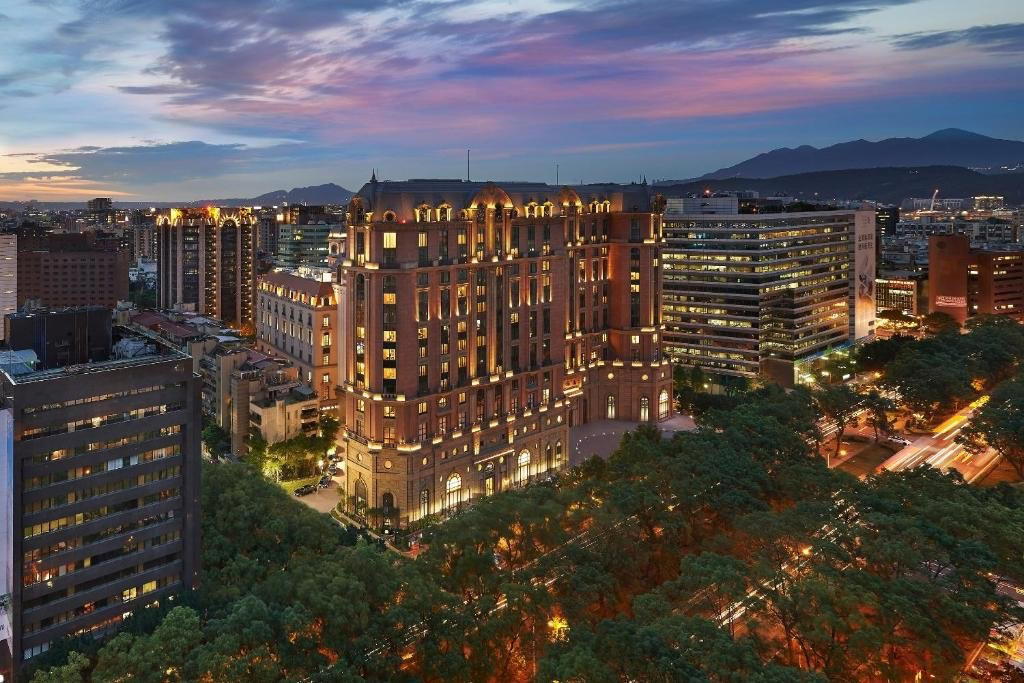
Zhongshan District has long been Taipei's default address for international business travellers and institutions that require proximity to both the commercial centre and the older diplomatic quarter. The stretch of Nanjing East Road where The Okura Prestige Taipei sits reflects that duality: polished towers in a neighbourhood that retains some of the mid-century urban grain that characterises central Taipei's older office and residential blocks. Arriving here, the building's verticality announces itself without theatrical gesture. The lobby's spatial language, which Japanese-affiliated hospitality groups have refined over decades, tends toward restraint, natural materials, considered proportions, a quietness that functions as an implicit contrast to the street-level density outside.
The Okura lineage matters as a reference point. The original Hotel Okura Tokyo, which opened in 1962 and became one of the most discussed modernist hotel interiors in Asia before its controversial partial demolition in 2015, established an aesthetic template that subsequent Okura properties have translated into local contexts with varying fidelity. Taipei's iteration positions itself in a competitive set that includes large international flagships operating at convention scale and a newer tier of design-led independents. The Okura Prestige Taipei belongs to neither extreme: it sits in the middle tier where the brand's Japanese-service identity does much of the differentiating work.
The Sustainability Lens on a Japanese Hospitality Model
One of the more consequential shifts across upper-tier hotels in Taiwan over the past decade has been the gradual integration of environmental considerations into procurement and operations, moving beyond the symbolic (towel re-use cards, lobby greenery) into supply chain and waste management practice. Japanese hospitality operators have been particularly attentive to this trajectory, partly because of longstanding domestic pressures around resource efficiency in Japan itself, and partly because international hotel guests, particularly those from Europe and North America, have begun to apply sustainability criteria to property selection in ways they did not a decade ago.
In the context of Taipei, where the hotel sector has faced growing scrutiny around food waste, energy consumption in high-rise properties, and the provenance of ingredients used in hotel restaurants, properties that can document their sourcing and waste-reduction practices hold a structural advantage. Taiwan's own agricultural identity, built around high-altitude tea cultivation, seasonal fruit production, and small-scale specialty farming in counties such as Nantou and Hualien, provides a genuinely local larder for hotels willing to source from it. Travellers for whom this matters should direct specific questions to the property directly ahead of booking.
For those building a Taiwan itinerary around properties with demonstrable ecological positioning, the island offers compelling alternatives at different price points and geographies. Hotel Indigo Alishan in Alishan operates in one of Taiwan's most ecologically significant mountain zones. Gloria Manor in Kenting National Park sits within a national park boundary, which imposes its own operational discipline. Hoshinoya Guguan in Taichung, from the Japanese Hoshino Resorts group, has a documented sustainability framework and uses a hot spring setting in a way that minimises infrastructure footprint.
Placing the Property in Taipei's Upper Hotel Market
Taipei's premium hotel market has expanded considerably since the mid-2010s, with new entrants sharpening the competitive pressure across several sub-segments. At the large flagship end, the Grand Hyatt Taipei and properties of that scale dominate the convention and large-group segment. At the design-led independent end, the Eslite Hotel occupies a culturally specific niche tied to the Eslite bookstore and lifestyle brand. Capella Taipei has entered the ultra-premium tier with a heritage building conversion that draws a different traveller profile entirely.
The Okura Prestige Taipei competes most directly in the segment that values a recognised international brand, Japanese-inflected service culture, and a central address without requiring the scale of a full convention property.
For travellers who prefer a locally rooted independent in the same district, amba Taipei Zhongshan and amba Taipei Songshan both operate at a different price register with a design sensibility that is more overtly Taiwan-specific. Grand Mayfull Hotel Taipei and Grand Victoria Hotel offer a more traditional Taiwanese luxury-hotel format for those whose preferences run in that direction. Hotel East Taipei and 三二行館 Villa 32 round out the range for travellers weighing lifestyle credentials against brand reassurance.
Planning a Stay: Logistics and Timing
Spring and autumn are Taipei's most hospitable seasons for travel. March through May brings moderate temperatures and lower humidity before the summer heat and typhoon season arrive. October and November offer a comparable window on the back end of the year. Both periods see higher hotel occupancy across the city's upper tier, which compresses availability and reduces rate flexibility, particularly around Taiwanese national holidays and major trade events concentrated in the Nangang and Xinyi exhibition corridors.
The Nanjing East Road address is served by the Songjiang Nanjing Metro station on the Zhonghe-Xinlu and Songshan-Xindian lines, making it accessible from both Taipei Main Station and the Xinyi commercial district without requiring surface transport. Guests arriving from Taiwan Taoyuan International Airport typically use the Airport MRT to Taipei Main Station and transfer from there, a journey that runs approximately 40 to 50 minutes depending on service timing. Booking should be made directly with the property for the most accurate rate and room availability, as the hotel's positioning at the upper end of the Zhongshan market means rates shift meaningfully around demand peaks. See our full Taipei restaurants guide for dining context in the surrounding neighbourhood.
For those extending a Taiwan stay beyond Taipei, the island's regional hotel infrastructure has matured considerably. Evergreen Resort Hotel (Jiaosi) in Yilan is accessible in under an hour from central Taipei via the Northeast Coast route. Hotel Beore Sun Moon Lake in Nantou and The Lalu Hotel Lake View Restaurant in Yuchi represent the Sun Moon Lake cluster for travellers combining Taipei with Taiwan's interior. Volando Urai Spring Spa and Resort in Wulai District sits within the greater Taipei metropolitan area for those who want a thermal spa retreat without a long transfer. Further afield, Grand Cosmos Resort Ruisui in Hualien County and YOHO Beach Resort in Pingtung anchor the east coast and southern itineraries respectively.
Similar Picks
A quick peer reference to anchor this venue in its category.
| Venue | Price | Awards |
|---|---|---|
| The Okura Prestige TaipeiThis venue (the venue you are viewing) | $200–300 | Michelin Selected |
| Grand Hyatt Taipei | $200–300 | Michelin Selected · Forbes Recommended |
| Mandarin Oriental, Taipei | $300–500 | 1 Michelin Key · La Liste Top Hotels |
| Shangri-La's Far Eastern Plaza Hotel, Taipei | Not listed | Michelin Selected · La Liste Top Hotels |
| Eslite Hotel | $100–200 | Forbes Recommended |
| Regent Taipei | $200–300 | Michelin Selected · La Liste Top Hotels |
Recognition history
Dated appearances from independent guides and award organizations, with the underlying list record or original source where available.
Michelin Selected
Michelin
Continue exploring
More in Taipei
Hotels in Taipei
All hotels in Taipei →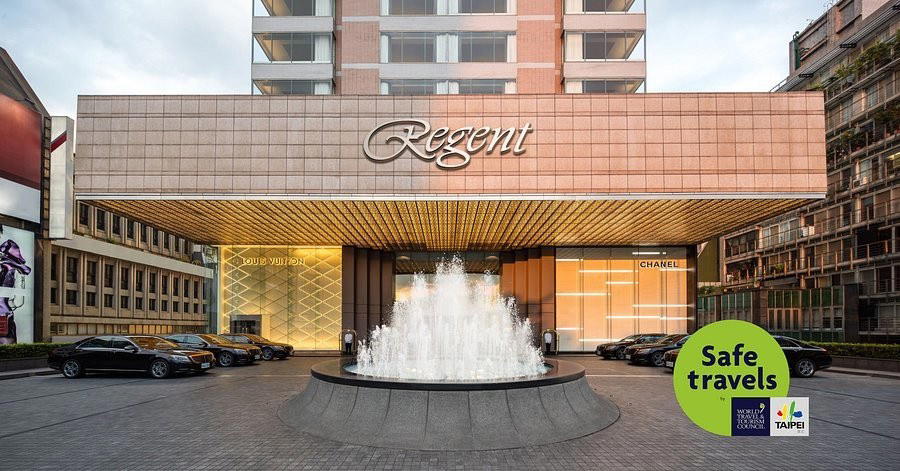
Bars in Taipei
All bars in Taipei →
Restaurants in Taipei
All restaurants in Taipei →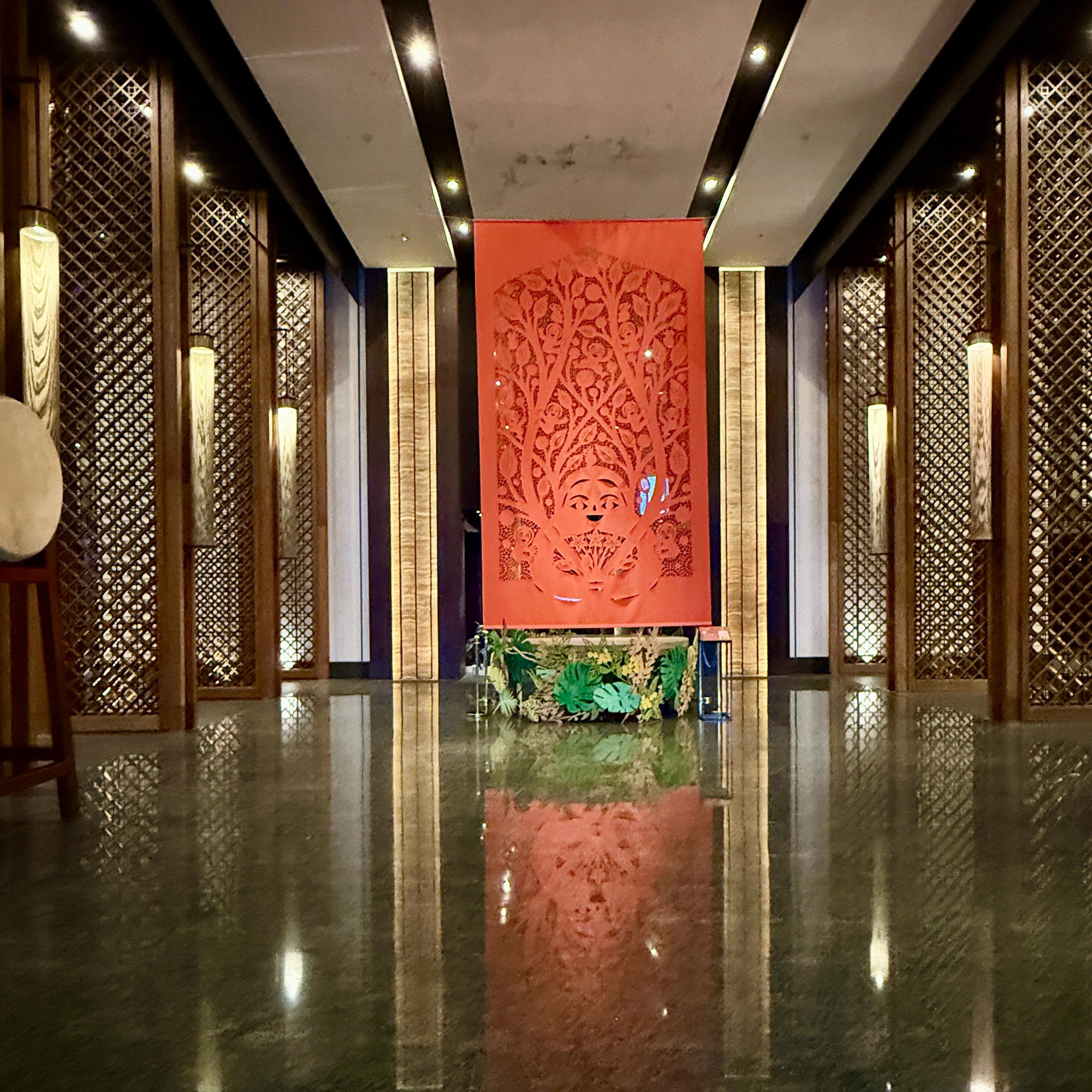
Wineries in Taipei
Browse all →
Details
- Elegant
- Sophisticated
- Modern
- Quiet
- Business Trip
- Romantic Getaway
- Weekend Escape
- Rooftop Pool
- Panoramic View
- Destination Spa
- Historic Building
- Design Destination
- Wi Fi
- Pool
- Spa
- Fitness Center
- Room Service
- Concierge
- Business Center
- Sauna
- Restaurant
- Bar
- Skyline
- Elevator
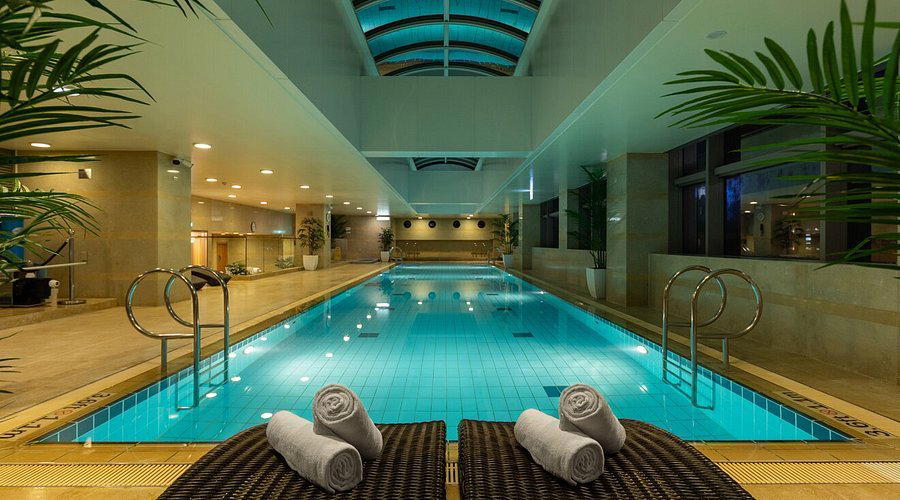
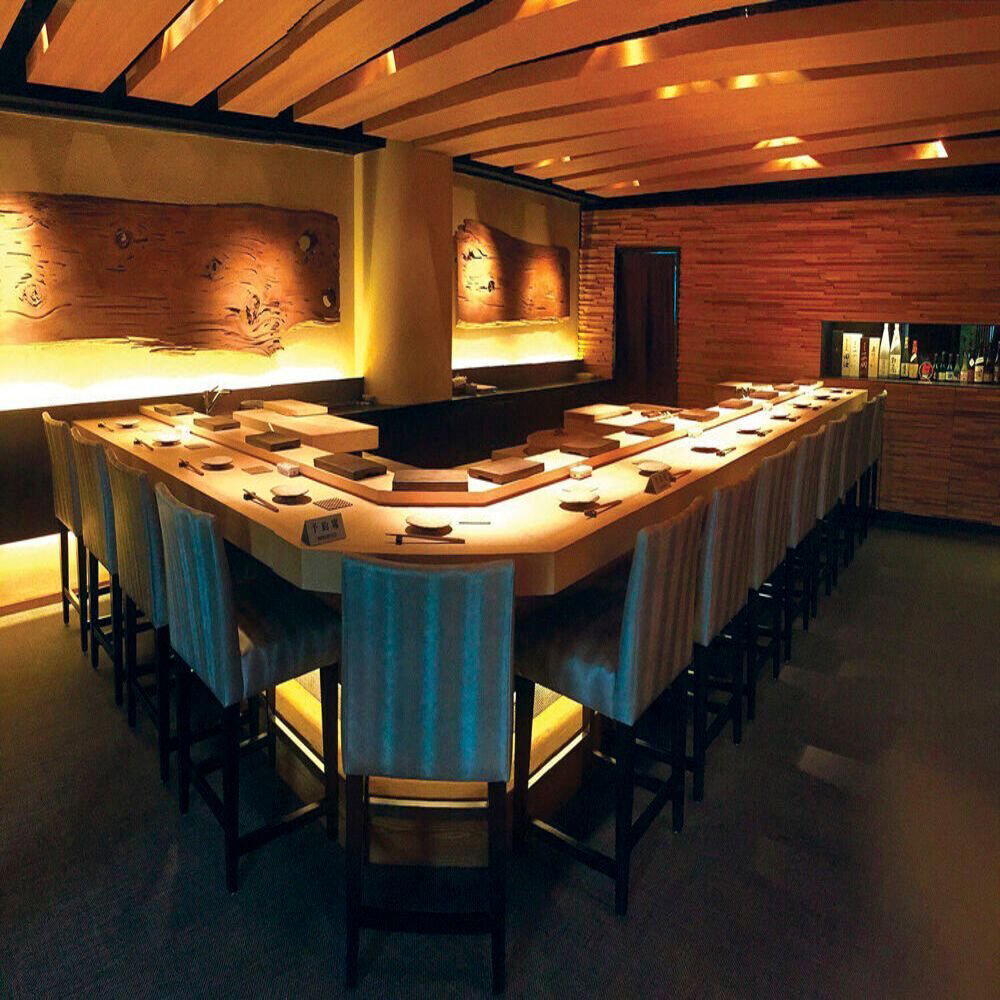
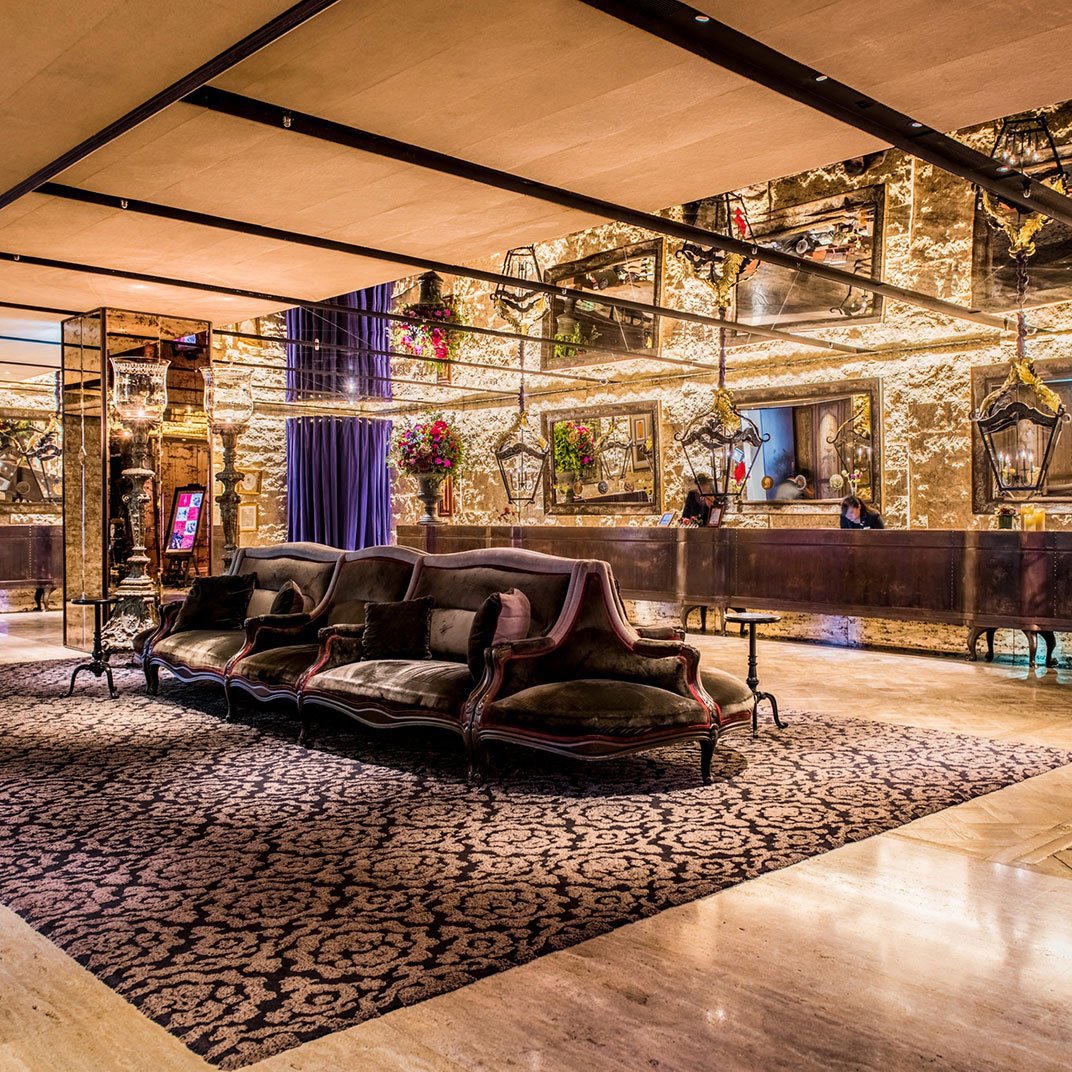
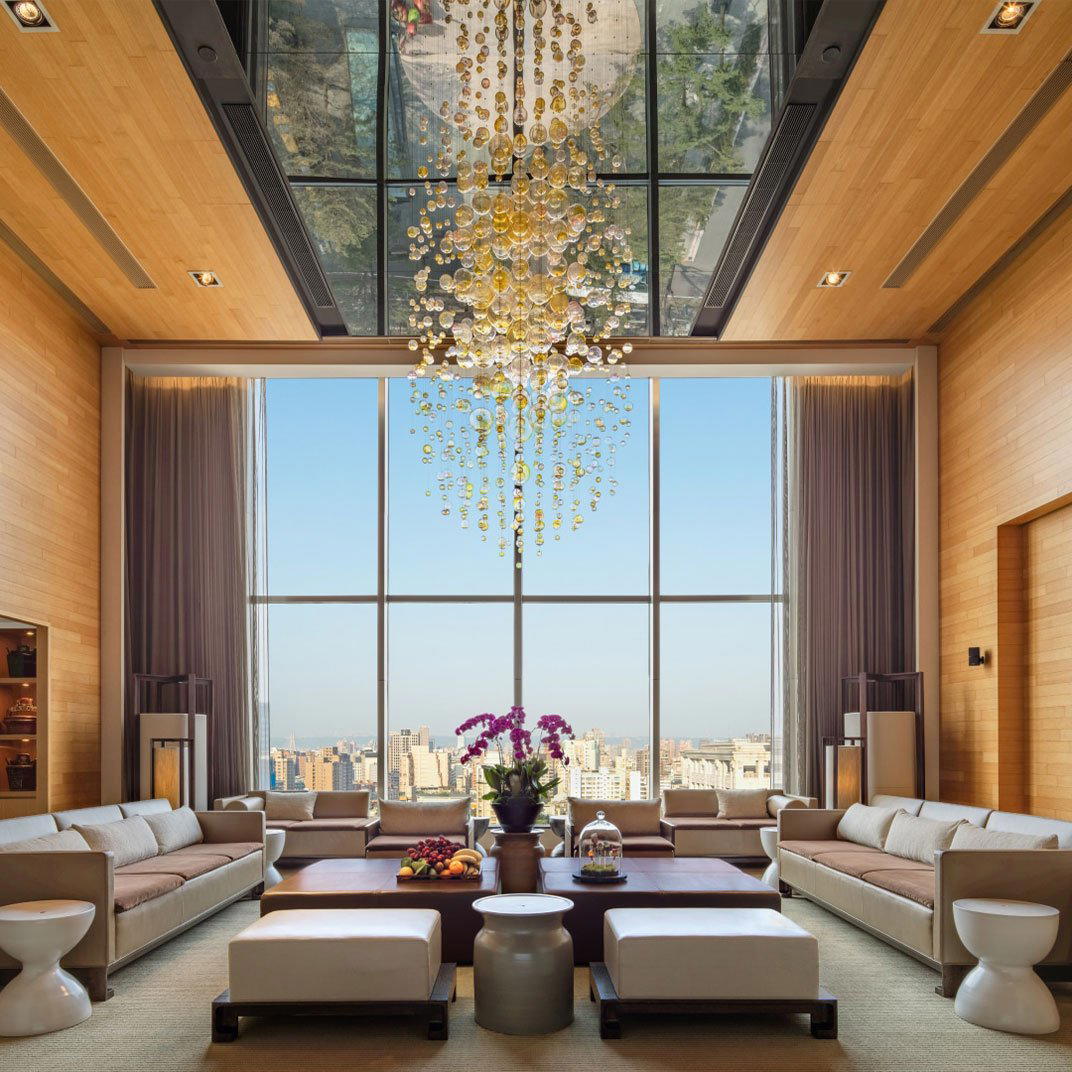
Soft, bright lighting with sophisticated design; modern classical European aesthetic balanced with traditional Japanese elegant design conveying harmony with nature; serene and tranquil atmosphere.