

1 Michelin Key · Relais Chateaux Award
A MICHELIN Selected property on Zhongshan Road, Villa 32 occupies a mid-century structure that has been reimagined as one of Taipei's most considered retreat-style stays. The address places guests within the Zhongshan cultural corridor, a stretch defined by Japanese-colonial architecture and independent design boutiques. It reads less like a conventional hotel and more like a private compound that happens to accept reservations.

Pearl is the En Primeur Club membership app — saves, bookings, and concierge access live there. Same editors, same standards.
- Address
- No.32 Zhongshan Road, Taipei, Taiwan
- Phone
- +886.2.6611.8888
- Directions
- Get directions
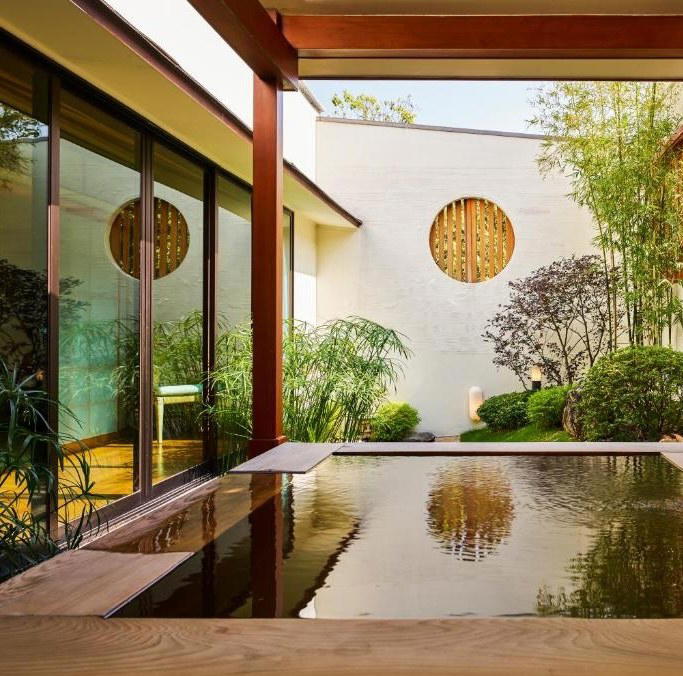
A Building That Remembers Being Something Else
Zhongshan Road in Taipei holds a particular kind of architectural memory. The street was laid out during the Japanese colonial period, and many of the structures along it carry the physical traces of successive eras: colonial-era proportions updated with mid-century interventions, then adapted again by a generation of Taiwanese designers who came to value restraint over spectacle. Villa 32 sits within this lineage at No. 32, sober material choices, and a deliberate separation from the high-floor, high-lobby conventions of Taipei's larger international hotels.
The building's presence on the street is low and horizontal rather than vertical. Where properties like Grand Hyatt Taipei or Capella Taipei occupy tower footprints that signal scale, Villa 32 reads as compound-like, its entry sequence suggesting arrival at a residence rather than a lobby check-in. That distinction is deliberate and defines the property's competitive positioning within Taipei's accommodation tier.
Thermal Culture as Organizing Principle
Taipei has a longer relationship with hot spring bathing than most of its peer cities in East Asia's urban hotel circuit. The tradition runs from the Beitou hot spring district in the city's northern hills, developed commercially during the Japanese colonial administration in the early twentieth century, through to contemporary properties that have brought geothermal water into the urban fabric of the city proper. Villa 32 belongs to this second category, drawing on Taipei's hot spring heritage and translating it into an urban spa format. In a city where the spa offering at many five-star hotels is largely imported in style and concept, a property organized around Taiwan's own bathing tradition occupies a distinct position.
This framing matters for how to read the property's MICHELIN Selected status in 2025. The MICHELIN hotel selection rewards properties that demonstrate a clear, coherent identity within their category rather than simply accumulating amenities. Villa 32's inclusion reflects a judgment about the consistency and character of the experience it delivers, not a points-tally of facilities against the Grand Mayfull Hotel Taipei or the full-service scale of Grand HiLai Taipei.
The Zhongshan Corridor and What It Offers
The area around Zhongshan Road has shifted significantly over the past decade. It now functions as one of Taipei's primary addresses for design-conscious hospitality, sitting between the older commercial density of Zhongzheng and the boutique density of Da'an. Properties like amba Taipei Zhongshan and amba Taipei Songshan have anchored a younger, design-literate tier in the neighbourhood. Villa 32 occupies different territory within the same corridor: older, quieter, and oriented toward an adult guest who has moved past novelty-seeking toward something more durable.
The Zhongshan MRT station keeps the property accessible without requiring the kind of taxi dependency that some Taipei boutique addresses impose. Guests can reach the main Taipei Main Station interchange in under ten minutes by rail, and the Xinyi shopping and dining district is a direct ride on the Red Line. For the broader Taipei stay, see our full Taipei restaurants guide for context on where to eat and drink within reach of the Zhongshan area.
Where It Sits in the Taipei Hotel Conversation
Taipei's premium hotel market has stratified considerably. At one end sit the global-brand towers, the Hyatts and the Sheratons, which compete primarily on loyalty programs and business-travel infrastructure. At the other end, a smaller set of properties competes on character, local design language, and the specificity of their experience offer. Eslite Hotel represents one version of this second group, built around the Eslite cultural retail identity. EPISODE Daan Taipei represents another, within the JDV by Hyatt framework. Villa 32 is neither culturally branded nor chain-affiliated in the conventional sense. It draws its identity from the building and from the bathing tradition it practices, which makes it harder to categorize and, for a specific kind of guest, more compelling for exactly that reason.
When placed against equivalent properties in other Taiwan cities, the comparison is instructive. H2O HOTEL in Kaohsiung and The Moment Hotel Yilan by Lakeshore operate in resort or semi-resort formats where the natural environment does much of the heavy lifting. Villa 32 achieves a comparable quality of decompression within a dense urban address, which is a harder problem to solve and one that the MICHELIN selection implicitly acknowledges.
For guests using Taipei as a base for broader Taiwan travel, the island's hospitality range is worth noting. The Grand Hilai Sun Moon Lake in Yuchi, Hualien Farglory Hotel in Yanliau, InterContinental Taichung, and resort properties like YOHO Beach Resort in Pingtung or Hotel dua Kenting represent a well-developed circuit of places to stay across the island. Smaller properties such as Deer Chaser in Lugu Lake, Grasse Grace Manor in Miaoli, and Evergreen Resort Hotel (Jiaosi) in Yilan fill out the character-driven tier across regions. In the south, Hotel Dùa in Kaohsiung City, RedDot Hotel in Taichung City, and U.I.J Hotel & Hostel in Tainan City complete a picture of Taiwan's increasingly sophisticated independent hotel circuit.
Compared to MICHELIN Selected hotels on other continents, Villa 32 operates at a different register than urban European landmarks like Hôtel de Paris Monte-Carlo or Badrutt's Palace Hotel in St. Moritz, or North American counterparts such as The Fifth Avenue Hotel in New York City. The MICHELIN framework accommodates this range because the selection is not a single standard applied globally but a recognition of coherence within a given category and context.
Planning a Stay
Villa 32 is at No. 32 Zhongshan Road, Taipei, a short walk from Zhongshan MRT station. The property's character makes it better suited to guests staying two or more nights rather than one-night transit stops; the bathing and retreat format rewards time spent rather than quick turnover. Given its MICHELIN Selected recognition for 2025 and its position as one of the few urban thermal-spa properties in central Taipei, advance reservations are advisable, particularly for weekends when local guests supplement international visitors. Pricing and availability should be checked directly through the property, as Villa 32 operates at the boutique scale where rates respond to season and demand.
Peers in This Market
Comparable venues nearby, for context on price, style, and recognition.
| Venue | Cuisine | Price | Awards | Notes |
|---|---|---|---|---|
| Villa 32This venue — the venue you are viewing | Contemporary art-filled hot springs retreat blending Japanese Zen and European luxury. | $500–750 | 1 Michelin Key · Relais Chateaux Award | Not listed |
| 三二行館 Villa 32 | Private luxury retreat positioning itself as an exclusive members-only sanctuary rather than a traditional hotel, emphasizing bespoke service and curated experiences. | $500–750 | 1 Michelin Key · Relais Chateaux Award | Beitou |
| Éclat Hotel Taipei | Luxury art boutique hotel blending fashion, art, and professional service. | $200–300 | Michelin Selected | Yi'an |
| Sheraton Grand Taipei Hotel | Polished modern hotel blending Chinese and Western styles with contemporary art. | $100–200 | Michelin Selected | Zhongzheng District |
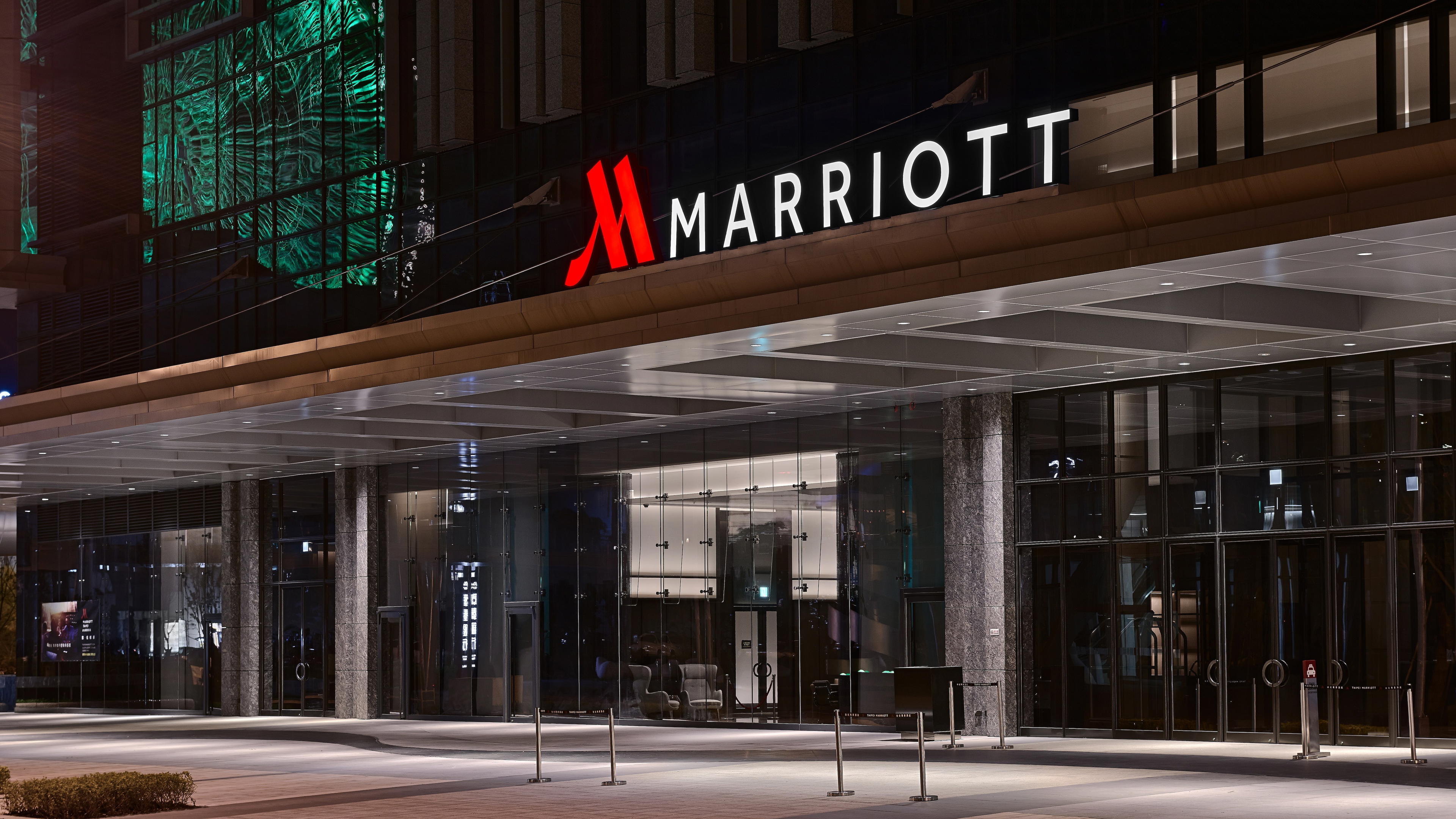
| Taipei Marriott Hotel | Premier urban landmark with sophisticated comfort for leisure and business. | Not listed | La Liste Top Hotels · Forbes 4-Star | Xikang |
| Hotel Proverbs Taipei | Boutique design hotel with understated elegance and meticulous service. | $200–300 | Michelin Selected · Design Hotels Member | Guangwu |
Recognition history
Dated appearances from independent guides and award organizations, with the underlying list record or original source where available.
Michelin 1 Key
Michelin
Relais Chateaux Award
Relais Chateaux
Full recognition history (3 entries)
Michelin Selected
Michelin
Continue exploring
More in Taipei
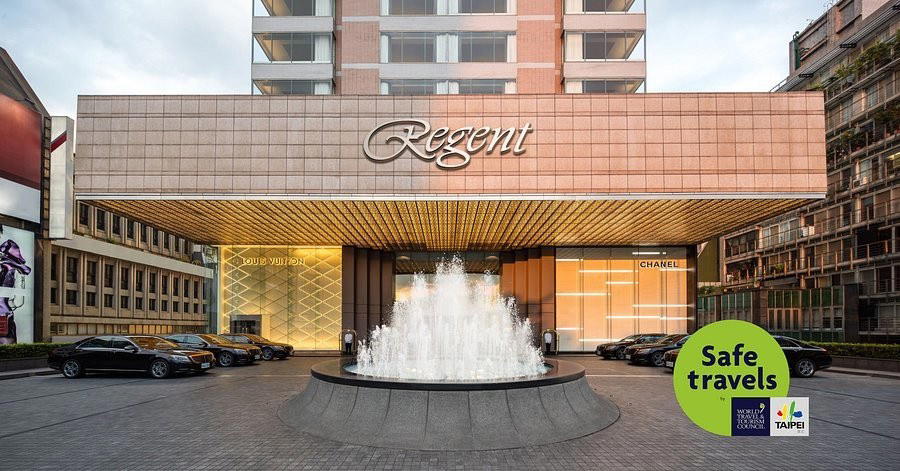
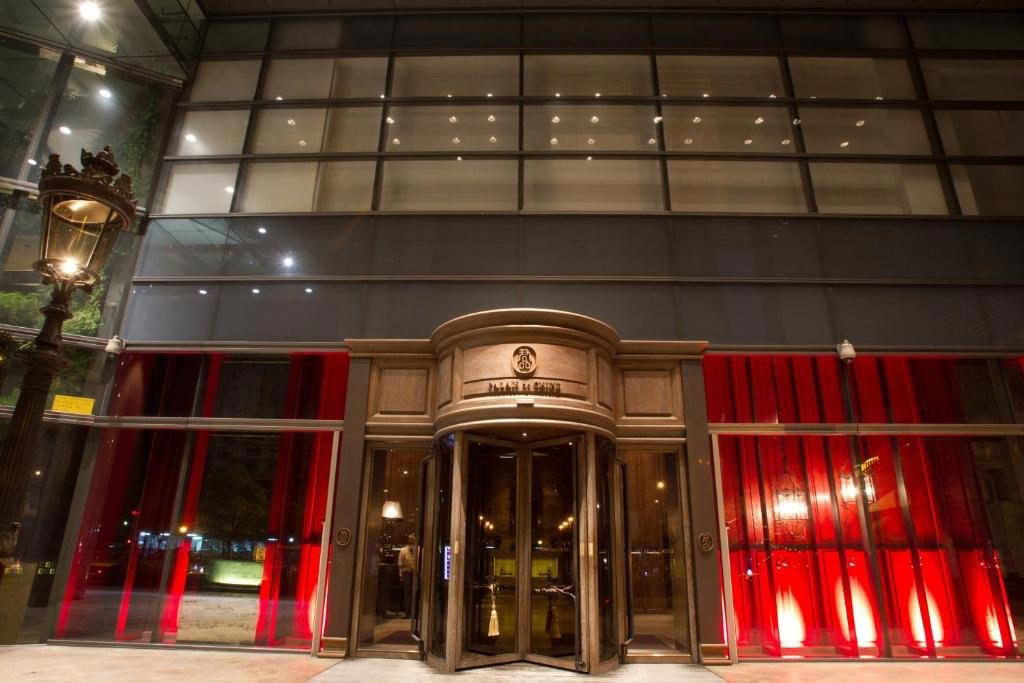
Hotels in Taipei
Browse all →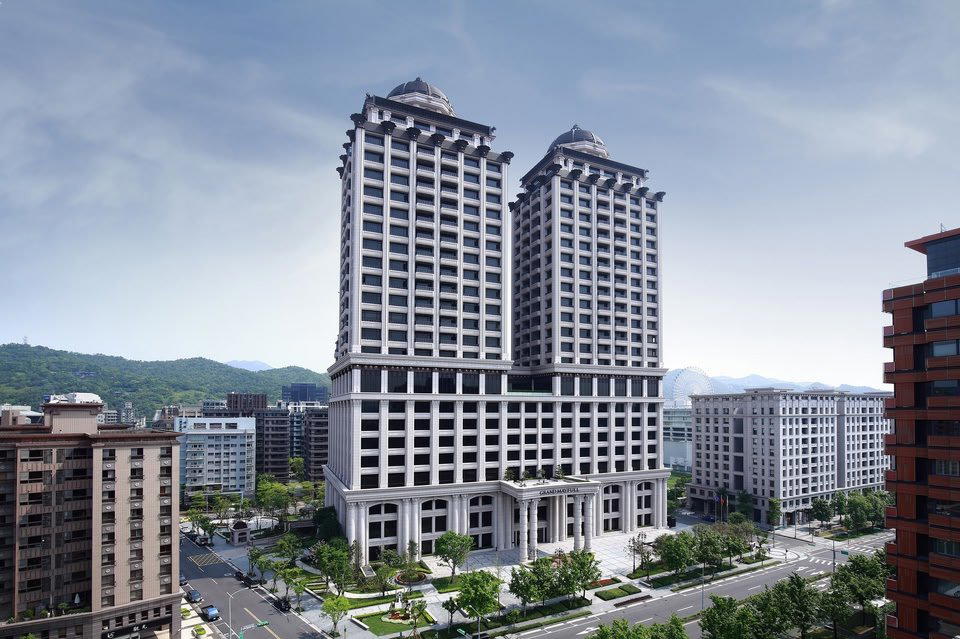
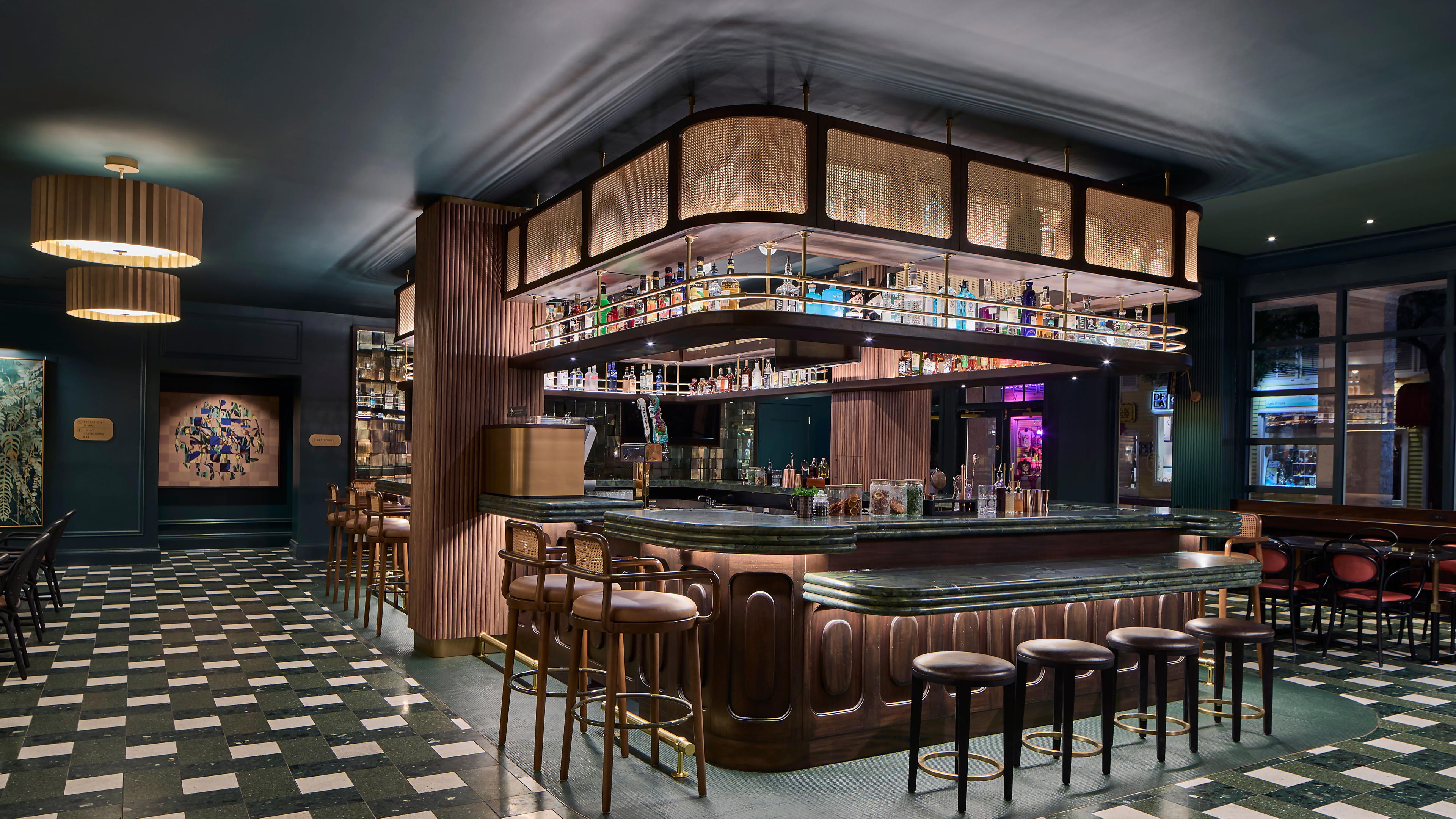
Bars in Taipei
Browse all →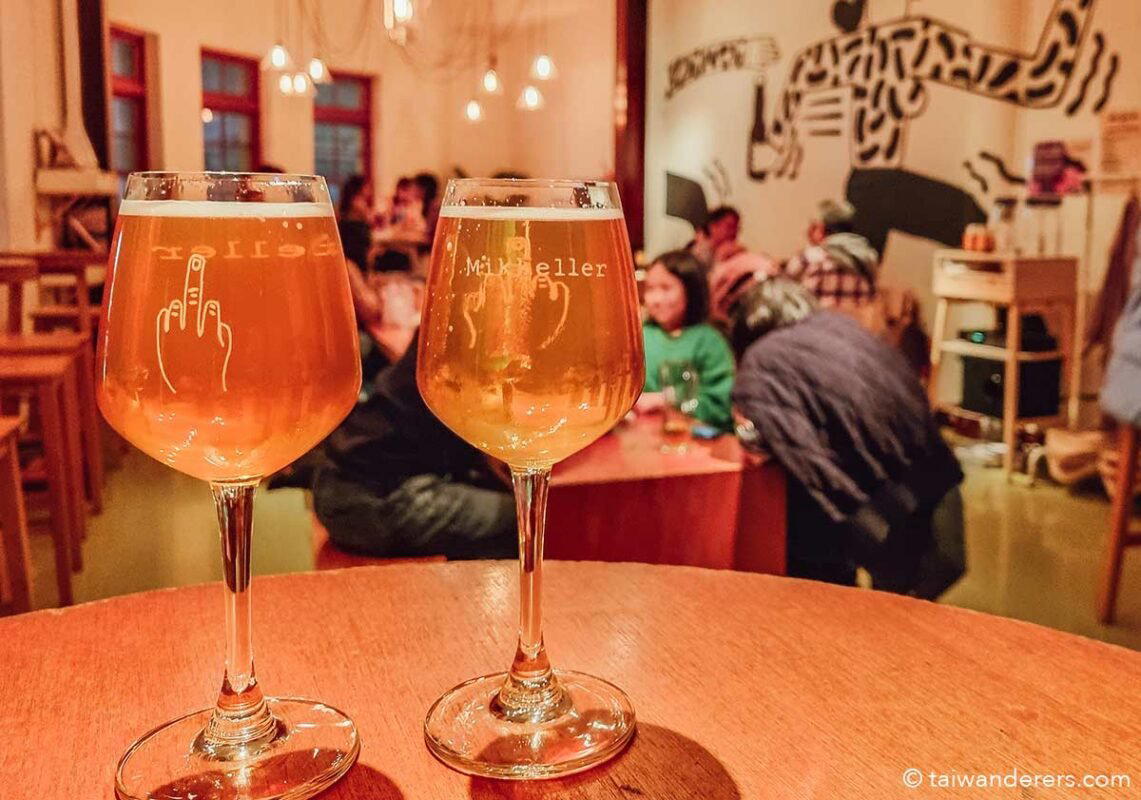
Restaurants in Taipei
Browse all →
Wineries in Taipei
Browse all →
Details
- Quiet
- Modern
- Elegant
- Intimate
- Sophisticated
- Minimalist
- Romantic Getaway
- Wellness Retreat
- Anniversary
- Weekend Escape
- Private Villa
- Rooftop Pool
- Panoramic View
- Wi Fi
- Pool
- Spa
- Massage
- Room Service
- Concierge
- Restaurant
- Garden
- Mountain
- Garden
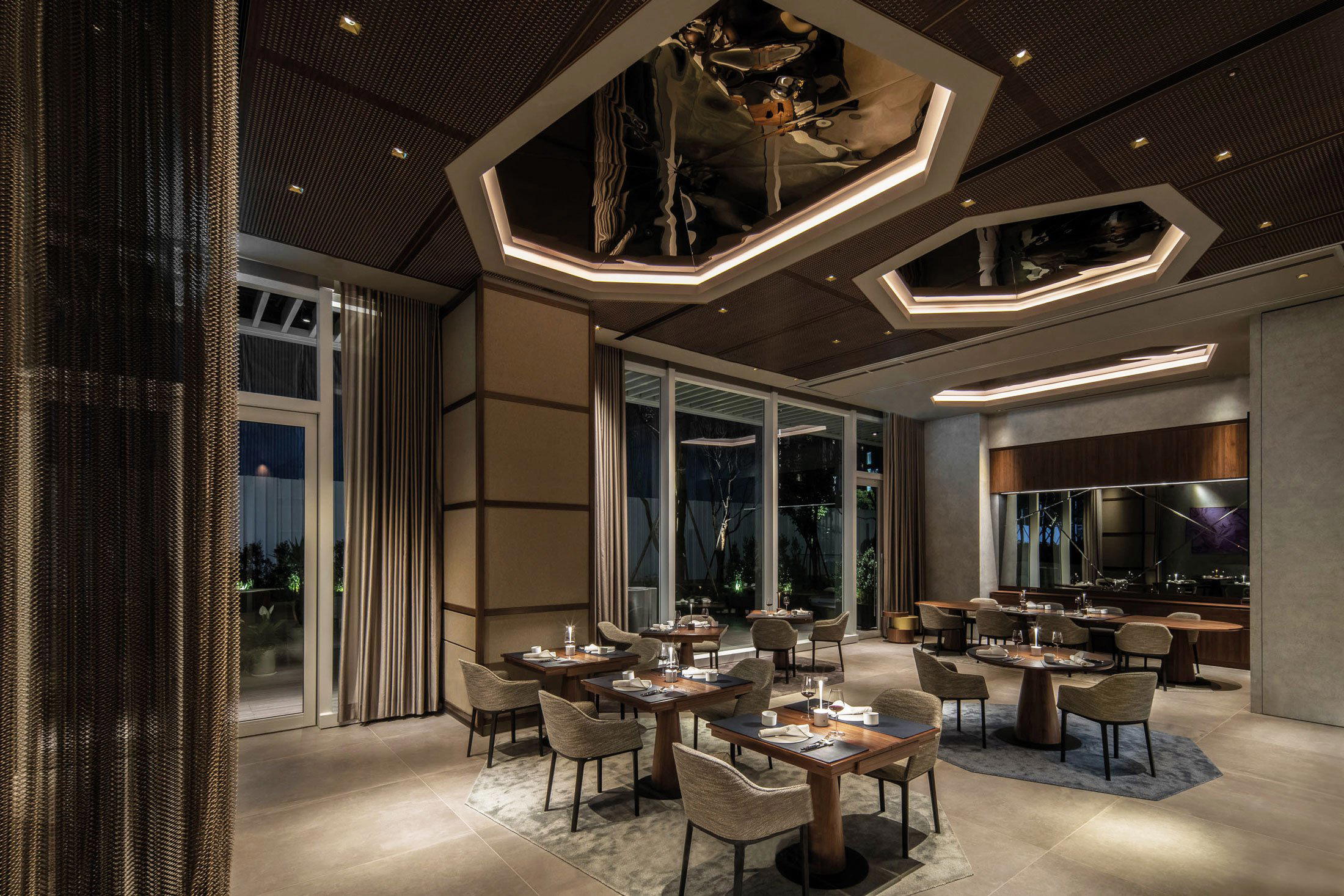
Serene Zen tranquility with aromatic cypress wood interiors, soft natural light, misty geothermal valley views, and calming spa-like atmosphere.