The Newman






1 Michelin Key · Mr & Mrs Smith Seal of Approval · AFAR Best New Hotels
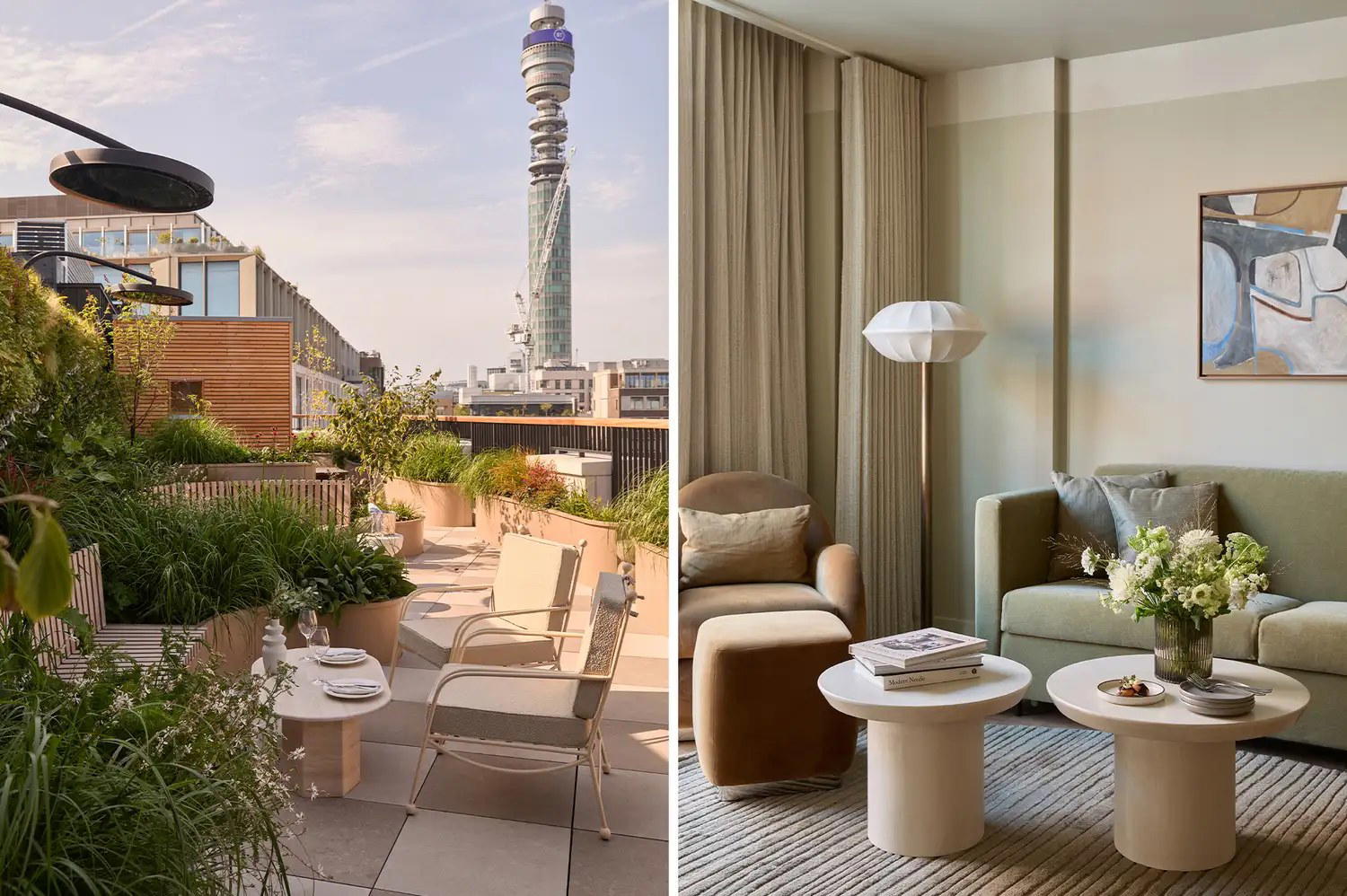
The Newman occupies a converted Fitzrovia townhouse at 50 Newman Street, offering 84 rooms in one of central London's most walkable and culturally dense neighbourhoods. Its compact scale and residential character place it in a different tier from the grand Mayfair flagships, making it a considered option for travellers who want proximity to both the West End and Marylebone without the weight of a large hotel footprint.

Pearl is the En Primeur Club membership app, where members save venues, book tables and use the concierge.
Fitzrovia and the Case for Staying Smaller
London's hotel market has long been defined by its poles: the grand dame institutions of Mayfair and the Strand, and the boutique conversions that have multiplied across Shoreditch and Soho. Fitzrovia sits between those gravitational fields, and it is precisely that in-between quality that makes the neighbourhood interesting. Newman Street itself runs north from Oxford Street into a quieter grid of Georgian terraces, independent restaurants, and design studios. Staying here means the British Museum is walkable to the east, Charlotte Street's restaurant row is a short turn away, and the retail concentration of Oxford Street is near enough to access without living inside the noise of it.
The Newman, with 84 rooms at 50 Newman Street, occupies this position deliberately. At that room count, it sits in the mid-scale boutique tier, larger than the true micro-hotels that have proliferated in London's inner postcodes but well short of the convention-scale properties that dominate the area around Paddington or Victoria. For travellers arriving in September or October, when London's cultural season accelerates and gallery openings, fashion week, and theatre programming all overlap, the Fitzrovia location functions as a practical base that avoids the premium surcharges of Mayfair without sacrificing central access.
The Retreat Logic of a City-Centre Stay
There is a version of urban travel that functions as a retreat, and it depends less on square footage than on neighbourhood texture. The wellness and retreat mindset, which has reshaped how many travellers approach city breaks since the mid-2010s, does not require a countryside spa or a coastal property. It requires a base that permits a different rhythm: morning walks without crowds, proximity to green space, and a neighbourhood that does not demand performance. Fitzrovia offers that. Fitzroy Square, a short walk north of Newman Street, is one of central London's quieter garden squares, ringed by Grade I listed architecture and largely bypassed by tourist traffic. The Regent's Park boundary sits within reasonable walking distance to the north.
This matters in the context of how city hotels are increasingly being evaluated. Properties like Lime Wood in Lyndhurst and The Newt in Somerset have set a high bar for the countryside retreat format, and Gleneagles in Auchterarder remains the benchmark for the full-scale resort experience in Britain. The Newman is not competing in that tier. What it offers is the urban counterpart: a contained, manageable stay in a neighbourhood that rewards slow movement over packed itineraries.
Where The Newman Sits in the London Hotel Conversation
London's premium hotel tier is anchored by properties whose reputations have compounded across decades. Claridge's and The Connaught in Mayfair operate at a level where the address itself is the product. The Savoy and Raffles London at The OWO carry institutional weight that shapes guest expectations before arrival. Newer entrants like NoMad London and The Emory have added design-led credibility to the upper-mid tier. 1 Hotel Mayfair has brought a sustainability-first positioning that appeals to a specific segment of the market.
The Newman sits below that bracket in terms of scale and likely price positioning, which is not a weakness in the right context. For travellers whose priority is neighbourhood character over lobby theatre, and who treat their room as a base rather than a destination in itself, the 84-room format at a Fitzrovia address makes practical sense. The comparison set is less the grand Mayfair flagships and more the mid-scale design hotels that have appeared across London's inner zones in the past decade, properties where the neighbourhood does a significant share of the work.
Across the United Kingdom more broadly, the same logic applies in different registers. Hope Street Hotel in Liverpool and King Street Townhouse Hotel in Manchester demonstrate how urban boutique properties in secondary cities have matured, and Glasgow Grosvenor Hotel shows a similar pattern in Scotland. The Newman's Fitzrovia position is the London expression of that format: central enough to matter, compact enough to feel considered.
Seasonal Timing and the Fitzrovia Advantage
February, September, and October represent the peak search periods for London hotels of this type, and the pattern makes sense when mapped against the city's programming calendar. February brings concentrated cultural activity in the gap between January quietness and the spring surge. September marks the reopening of major institutions after summer, with the Frieze art fairs, the London Design Festival, and a dense schedule of theatre premieres all landing within weeks of each other. October extends that density.
For each of those windows, Fitzrovia's position is genuinely useful. The Wellcome Collection on Euston Road sits at the neighbourhood's northern edge. The British Museum is a 15-minute walk east. The galleries concentrated around Cork Street and Mayfair are accessible on foot. Charlotte Street's restaurant concentration, which includes some of the more interesting mid-range dining in central London, is within the immediate neighbourhood. Travellers using the area as a cultural base during these peak months will find the location compounds across a week-long stay in ways that a more isolated address does not.
Those drawn to further retreat options beyond London can reference Estelle Manor in North Leigh for Oxfordshire proximity, or extend further to Dun Aluinn in Aberfeldy and Langass Lodge in Na H-Eileanan an Iar for genuinely remote Scottish options. The full range of British hotel options, from coastal Cornwall at Lifeboat Inn, St Ives to the Scottish Borders at Burts Hotel in Melrose, provides useful context for how The Newman fits within a broader UK travel framework. For international comparisons at the boutique city-hotel level, The Fifth Avenue Hotel in New York City and Aman New York represent very different points on the spectrum, while Aman Venice shows how the category performs in a European historic context. See our full London restaurants and hotels guide for broader orientation across the city.
Know Before You Go
- Address: 50 Newman St, London W1T 3EB
- Rooms: 84
- Neighbourhood: Fitzrovia, W1T
- Nearest transport: Goodge Street (Northern line) and Tottenham Court Road (Central, Elizabeth lines) are both within walking distance
- Peak booking periods: September and October (London cultural season); February (mid-season demand spike)
- Leading for: Travellers prioritising neighbourhood walkability and central London access over grand-hotel amenities
Cuisine Lens
Comparable venues nearby, for context on price, style, and recognition.
| Venue | Cuisine | Price | Awards | Notes |
|---|---|---|---|---|
| The NewmanThis venue (the venue you are viewing) | Contemporary Art Deco with bohemian influences, blending Fitzrovia's cultural heritage with modern luxury design. | $300–500 | 1 Michelin Key · Mr & Mrs Smith Seal of Approval | Not listed |
| St. Pancras Renaissance London Hotel | Victorian heritage luxury hotel blending 1873 railway station architecture with contemporary five-star amenities and design. | $300–500 | Michelin Selected · Forbes 4-Star | King's Cross |
| Park Hyatt London River Thames | Luxury urban riverside sanctuary with contemporary art and wellness focus | Not listed | Michelin Selected · Esquire Best New Hotels | Nine Elms |
| South Place Hotel | Contemporary luxury boutique hotel housed within a Victorian facade of a former 1884 railway hotel, designed by Conran + Partners with playful, inspired details reflecting the lively City and East End neighbourhood. | $300–500 | Michelin Selected · Preferred Hotels Member | St Luke's |
| Chiltern Firehouse | Converted historic fire station with Gothic architecture and courtyard. | $750–1,000 | Not listed | Marylebone |
| ME London | Contemporary architectural landmark blending bold design with central London luxury. | $300–500 | Michelin Selected | Aldwych |
Recognition history
Dated appearances from independent guides and award organizations, with the underlying list record or original source where available.
Michelin 1 Key
Michelin
AFAR Best New Hotels
AFAR · AFAR 40 Best New Hotels 2026
Esquire Best New Hotels
Esquire
Mr & Mrs Smith Seal of Approval
Mr & Mrs Smith
Travel + Leisure It List Hotels
Travel + Leisure
Full recognition history (7 entries)
Michelin Selected
Michelin
Preferred Hotels Member
Preferred Hotels
Continue exploring
More in London
Hotels in London
All hotels in London →
Bars in London
All bars in London →



Details
- Elegant
- Sophisticated
- Intimate
- Modern
- Bohemian
- Wellness Retreat
- Romantic Getaway
- Business Trip
- Weekend Escape
- Destination Spa
- Terrace
- Rooftop Pool
- Panoramic View
- Private Dining
- Design Destination
- Wi Fi
- Spa
- Fitness Center
- Pool
- Sauna
- Restaurant
- Bar
- Room Service
- Concierge
- Laundry Service
- Skyline
- Street Scene
- Wheelchair Accessible
- Elevator
- Step Free Entrance
- Accessible Restroom
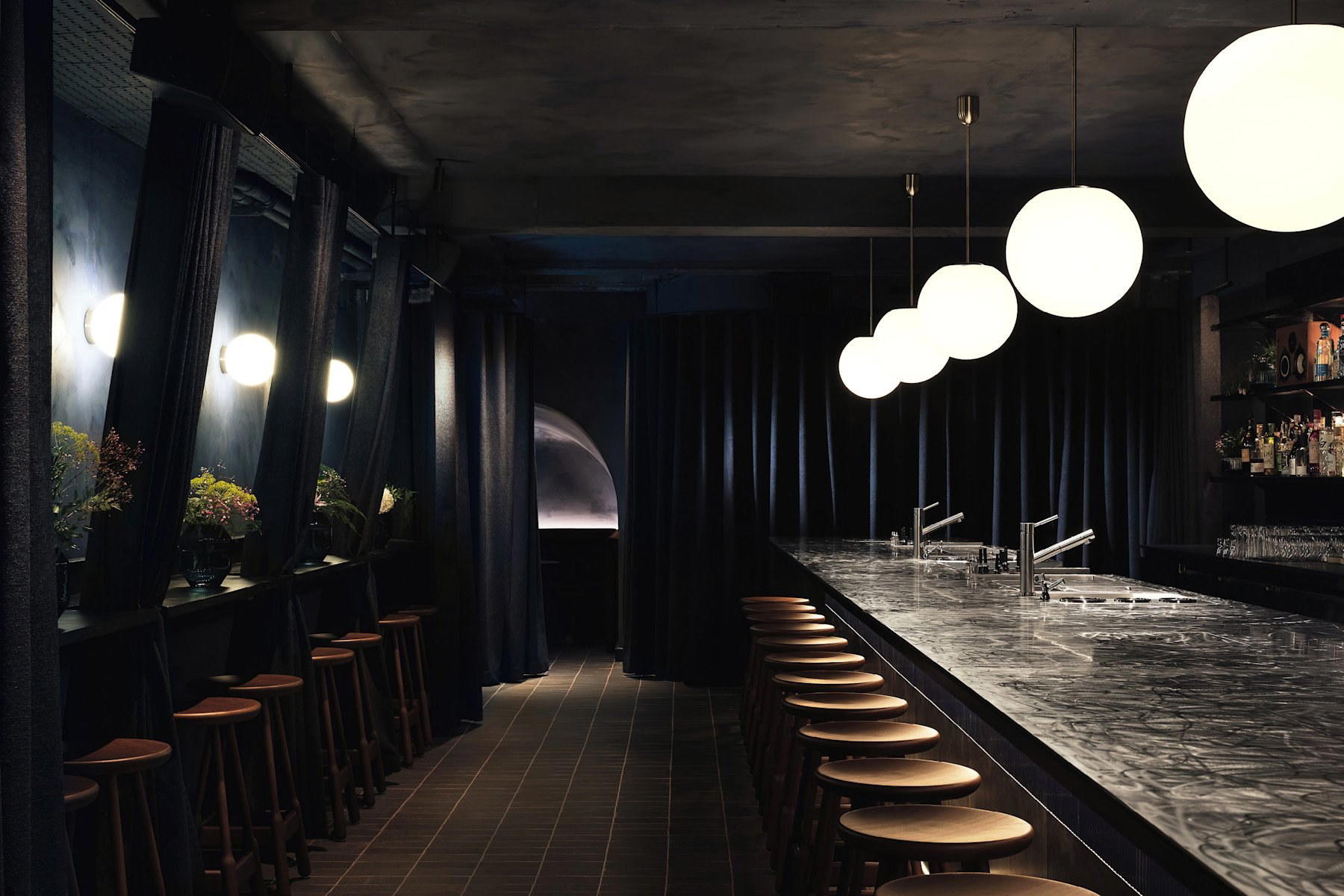
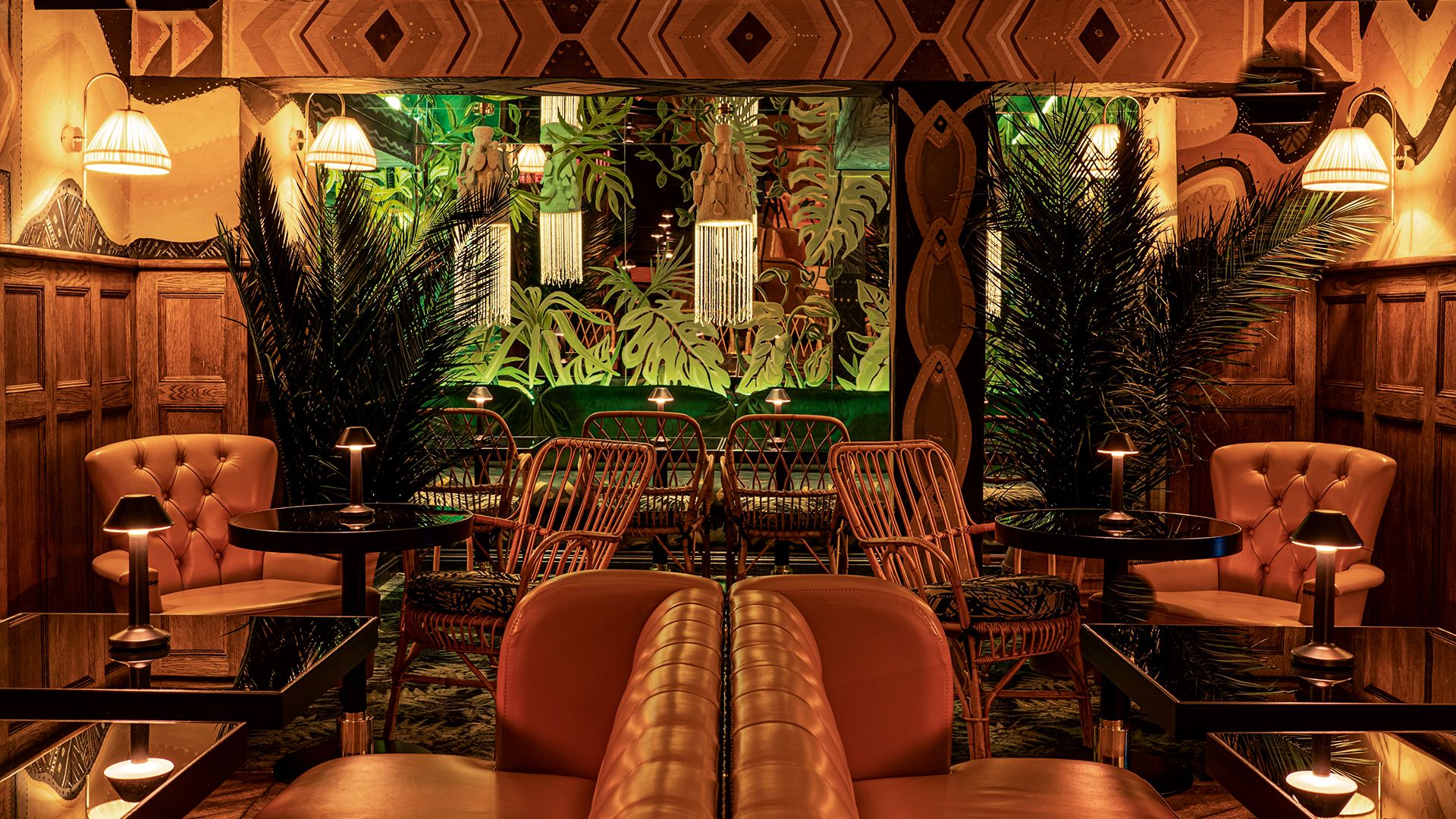
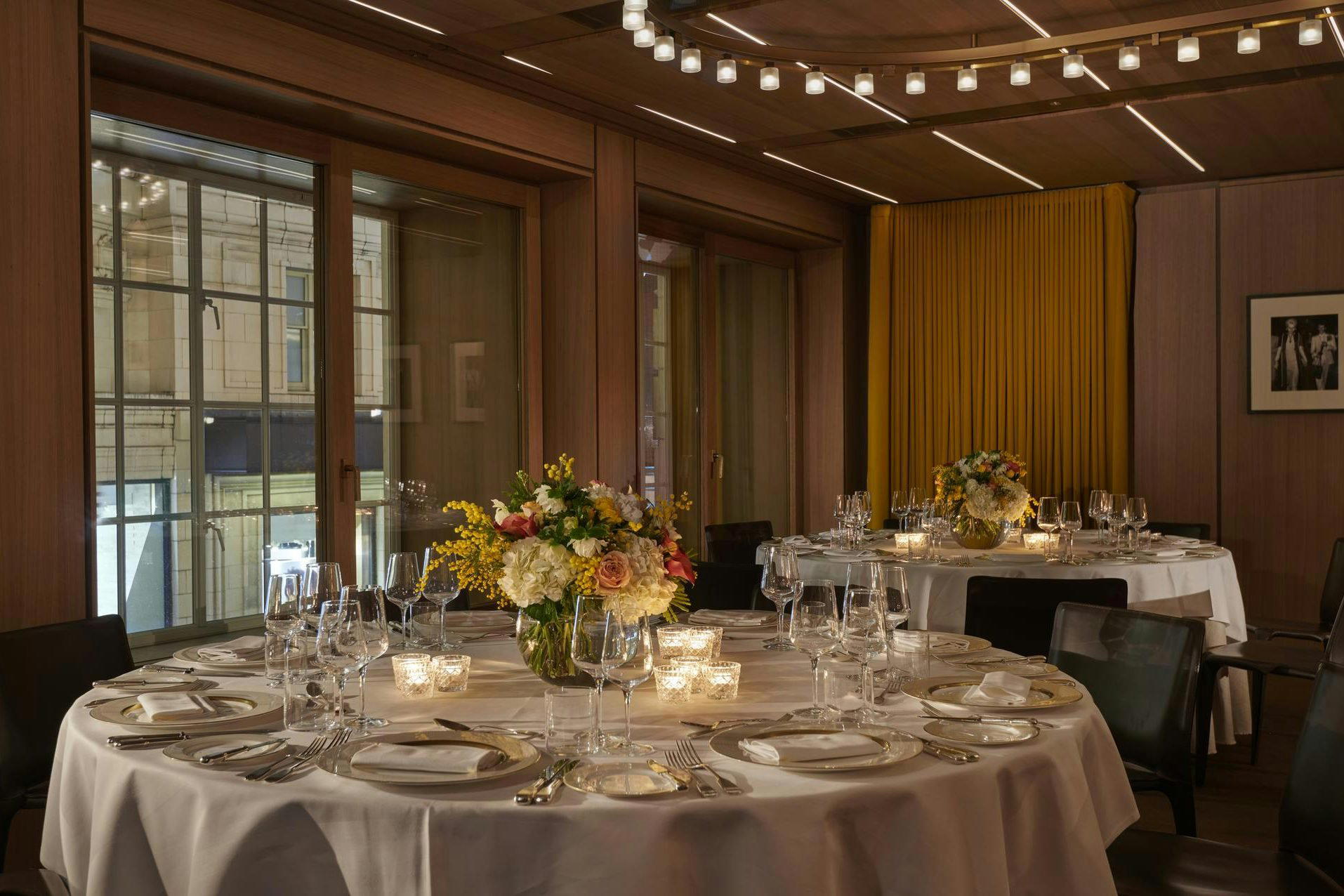
Intimate and snug with clean-lined ceilings, dark timber, brass and steel accents; naturally lit during day with airy palette; restful spa spaces with layered textures and tapestries inspired by Swedish Grace movement.