South Place Hotel


Michelin Selected · Preferred Hotels Member
South Place Hotel occupies a sharp-edged position in the City of London's EC2 postcode, operating 80 rooms at the intersection of Moorgate finance culture and the creative fringe of Shoreditch. The property sits within a cluster of design-conscious hotels that treat the Square Mile as a neighbourhood rather than a transit zone, making it a practical and considered base for those whose London revolves around the eastern districts.

Pearl is the En Primeur Club membership app, where members save venues, book tables and use the concierge.
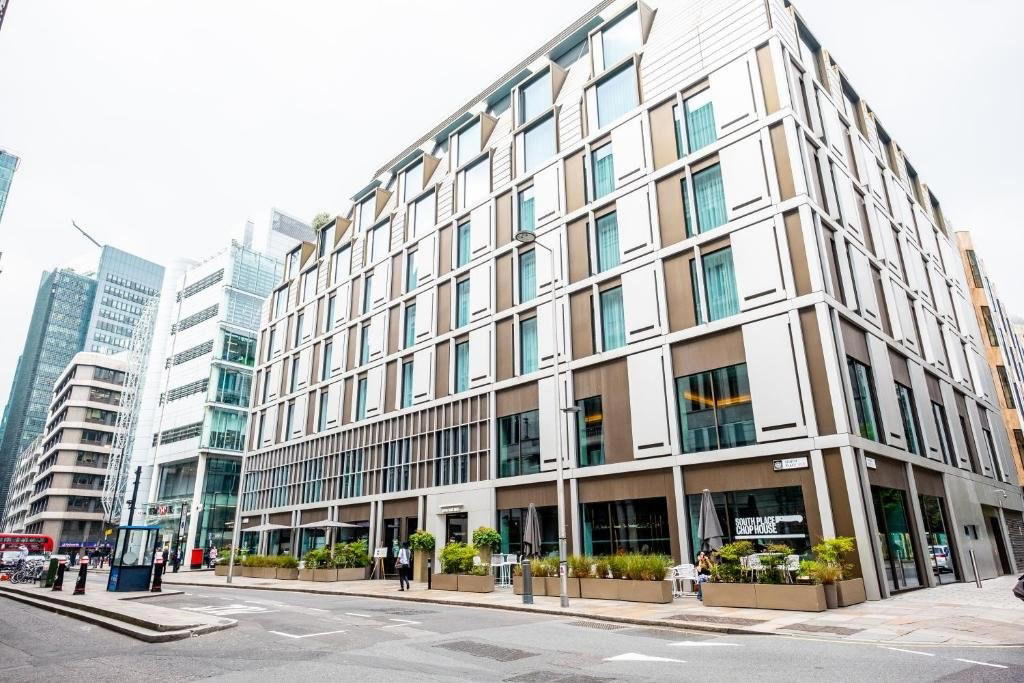
The City After Hours: Where EC2 Hotels Find Their Register
London's financial district has spent the better part of two decades arguing with itself about what it wants to be once the trading floors empty. The answer, increasingly, is somewhere worth staying. South Place Hotel at 3 South Place, EC2M 2AF sits at the northern edge of that negotiation, a few minutes from Moorgate station and close enough to the Shoreditch boundary that the surrounding streets carry both the precision of the City and the looser energy of EC1. For hotels, that dual address is an editorial statement as much as a geographical one.
The broader category of design-led City hotels has matured considerably since the early 2000s, when putting a contemporary property east of Aldgate felt like a provocation. Today, the EC2 corridor hosts properties that price and position against design hotels in other global financial districts rather than against the traditional West End luxury tier. South Place operates within that framework, with 80 rooms that place it in a mid-scale, manageable footprint compared to the grander counts at properties like Raffles London at The OWO or The Savoy. Eighty rooms is a deliberate size: large enough to carry proper food and beverage programming, small enough to avoid the anonymity that plagues large conference-hotel operations.
The Ritual of Eating in the Square Mile
City dining operates on a rhythm that differs from the West End or Mayfair circuits. Lunch here is a transactional meal with social ambition: it runs long, it involves wine, and it carries the implicit understanding that the table is also a meeting room. Dinner skews to a different crowd entirely, those who live near enough to return, or who have specifically chosen the eastern districts for an evening away from the polished predictability of Claridge's territory.
Hotels in this part of London that take their dining seriously tend to operate a format where the restaurant reads as a neighbourhood resource first and a hotel amenity second. That positioning matters because it changes the pace and register of the meal. You are not eating in a room reserved for guests; you are eating in a room that the surrounding streets also use. That distinction affects service rhythm, noise levels, and the social texture of the experience. For a guest calibrating how to spend an evening, it is worth understanding which category a hotel restaurant falls into before booking a table.
The dining rituals of the City also carry a degree of formality that has not entirely dissolved. Business dress remains common at lunch, even as the broader culture has relaxed. Arriving slightly early for a reservation, knowing the layout of the room, and understanding the difference between the bar and the dining floor: these are small signals that experienced City diners read automatically. Hotels that train their floor staff to interpret those signals, rather than treating every table as a tourist interaction, operate at a different level of service confidence.
Positioning Against the London Hotel Field
Within the London hotel market, South Place occupies a distinct geographic niche. The prestige cluster of The Connaught, 1 Hotel Mayfair, The Emory, and 11 Cadogan Gardens anchors in W1 and SW1, serving a clientele for whom proximity to Mayfair, Knightsbridge, or Belgravia is itself the point. NoMad London stakes out the Covent Garden middle ground. South Place belongs to neither of those gravitational fields.
That cohort competes on programming, food and beverage quality, and the intelligence of their design, rather than on heritage or postcode prestige. For travellers whose London itinerary is built around the Barbican, Spitalfields, Shoreditch, or the finance sector itself, the location calculus changes entirely. The time saved by not crossing the city twice a day matters. The hotels that understand this position themselves accordingly, and 80 rooms allows South Place to do so without the operational drag of a much larger property.
For those building a broader United Kingdom itinerary, the City works as a staging point as well as a destination. Properties like Gleneagles in Auchterarder, The Newt in Somerset, Lime Wood in Lyndhurst, and Estelle Manor in North Leigh represent the country-house and estate end of the spectrum, while regional city options such as Hope Street Hotel in Liverpool, King Street Townhouse Hotel in Manchester, and Glasgow Grosvenor Hotel extend the design-hotel sensibility to other British cities. South Place slots into that network as the London City anchor.
Further afield in Scotland, options like Langass Lodge, Dun Aluinn in Aberfeldy, Glen Mhor Hotel in Highland, and Burts Hotel in Melrose serve a very different register: remote, landscape-dependent, and seasonal. The contrast helps clarify what an EC2 property like South Place actually offers: urban density, walkable access to major transport hubs, and the specific pleasures of a neighbourhood that doubles as a global financial nerve centre.
For international travellers comparing London to other city hotel markets, properties such as The Fifth Avenue Hotel in New York City, Aman New York, and Aman Venice represent the upper tier of design-led urban hotels globally. South Place competes in a different price bracket, but operates on a similar philosophical premise: that the hotel should read as a piece of the city rather than a sealed-off luxury envelope. See our full London restaurants guide for broader context on how the City's dining scene maps across the capital. Equally, Muir, A Luxury Collection Hotel in Halifax and Lifeboat Inn, St Ives offer useful reference points for understanding how the design-hotel format translates across different British contexts.
Know Before You Go
- Address: 3 South Place, London EC2M 2AF
- Nearest transport: Moorgate station (Elizabeth line, Circle, Metropolitan, Hammersmith & City lines) is the closest major interchange; Liverpool Street is a short walk east
- Room count: 80 rooms
- Area character: Northern City fringe, close to the Barbican and within walking distance of Shoreditch
- Well suited for: Guests with business in the Square Mile or east London, and those exploring the Barbican, Spitalfields, and Shoreditch on foot
Reputation Context
Comparable venues nearby, for context on price, style, and recognition.
| Venue | Cuisine | Price | Awards | Notes |
|---|---|---|---|---|
| South Place HotelThis venue (the venue you are viewing) | Contemporary luxury boutique hotel housed within a Victorian facade of a former 1884 railway hotel, designed by Conran + Partners with playful, inspired details reflecting the lively City and East End neighbourhood. | $300–500 | Michelin Selected · Preferred Hotels Member | Not listed |
| Nobu Hotel London Portman Square | Luxury lifestyle hotel fusing Japanese minimalism with London's cosmopolitan culture | Not listed | Michelin Selected · Virtuoso Luxury Hotel Partner | Marylebone |
| The Newman | Contemporary Art Deco with bohemian influences, blending Fitzrovia's cultural heritage with modern luxury design. | $300–500 | 1 Michelin Key · Mr & Mrs Smith Seal of Approval | Fitzrovia |
| The Whiteley | Mixed-use luxury development in restored historic building | Not listed | Not listed | Bayswater |
| Dorset Square Hotel | Regency townhouse | $300–500 | Michelin Selected · Design Hotels Member | Lisson Grove |
| Kaya Great Northern Hotel | Historic boutique hotel with railway heritage | Not listed | Michelin Selected | King's Cross |
Recognition history
Dated appearances from independent guides and award organizations, with the underlying list record or original source where available.
Michelin Selected
Michelin
Preferred Hotels Member
Preferred Hotels
Continue exploring
More in London
Hotels in London
All hotels in London →
Bars in London
All bars in London →
Restaurants in London
All restaurants in London →



Details
- Sophisticated
- Modern
- Elegant
- Lively
- Romantic Getaway
- Business Trip
- Celebration
- Weekend Escape
- Destination Spa
- Historic Building
- Design Destination
- Garden
- Terrace
- Private Dining
- Wi Fi
- Spa
- Fitness Center
- Room Service
- Concierge
- Business Center
- Valet Parking
- Restaurant
- Bar
- Garden
- Street Scene
- Wheelchair Accessible
- Elevator
- Accessible Restroom
- Step Free Entrance
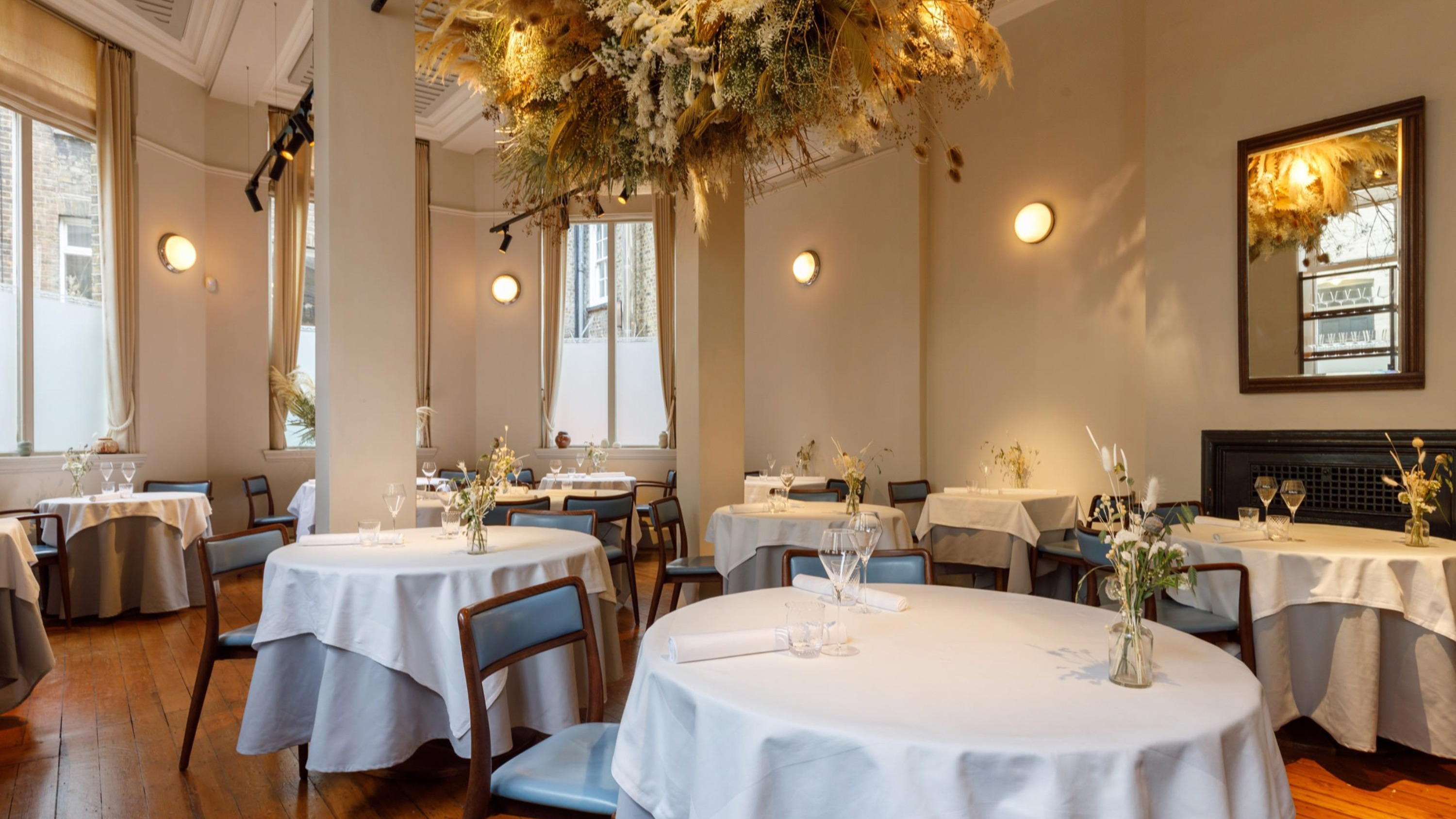
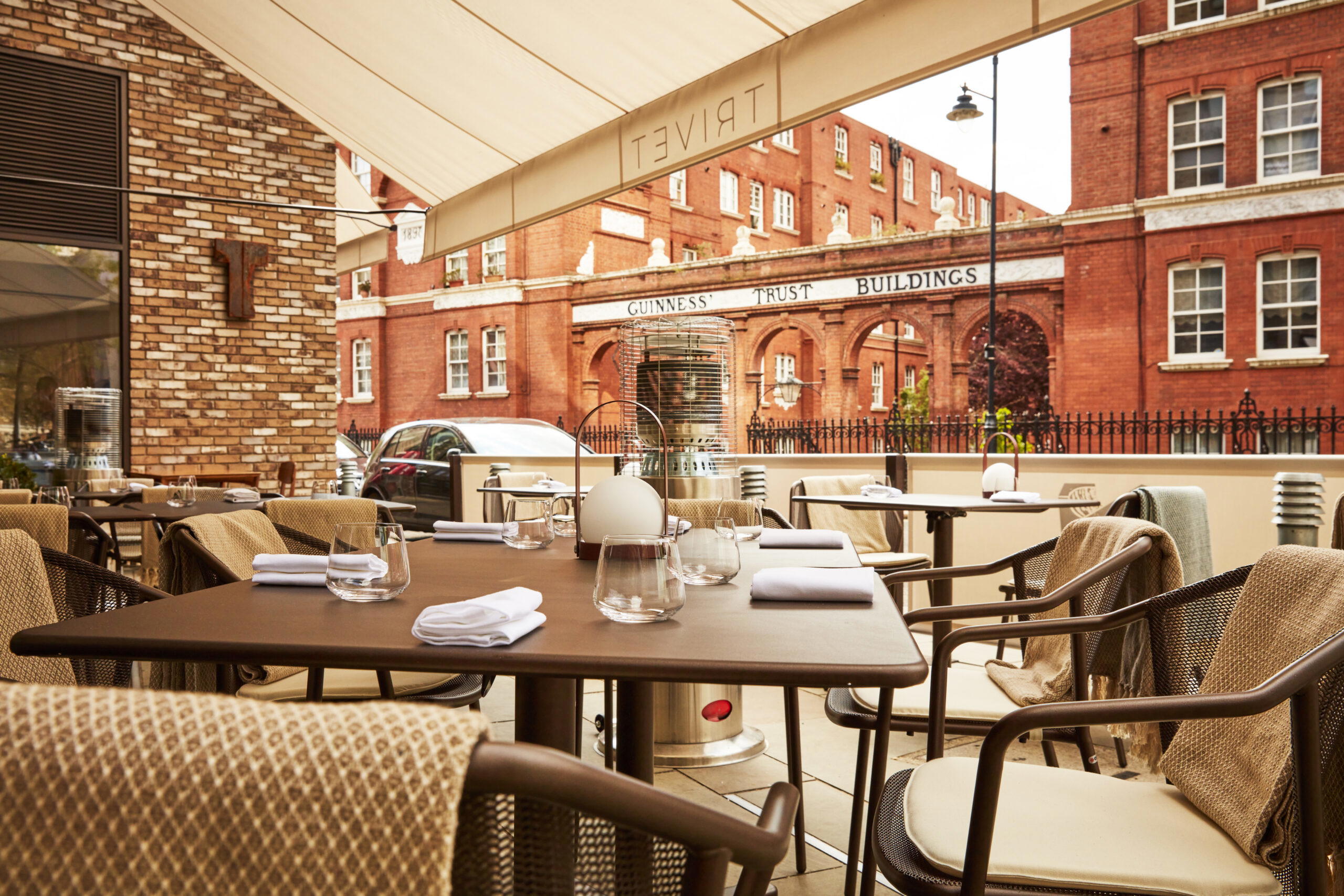
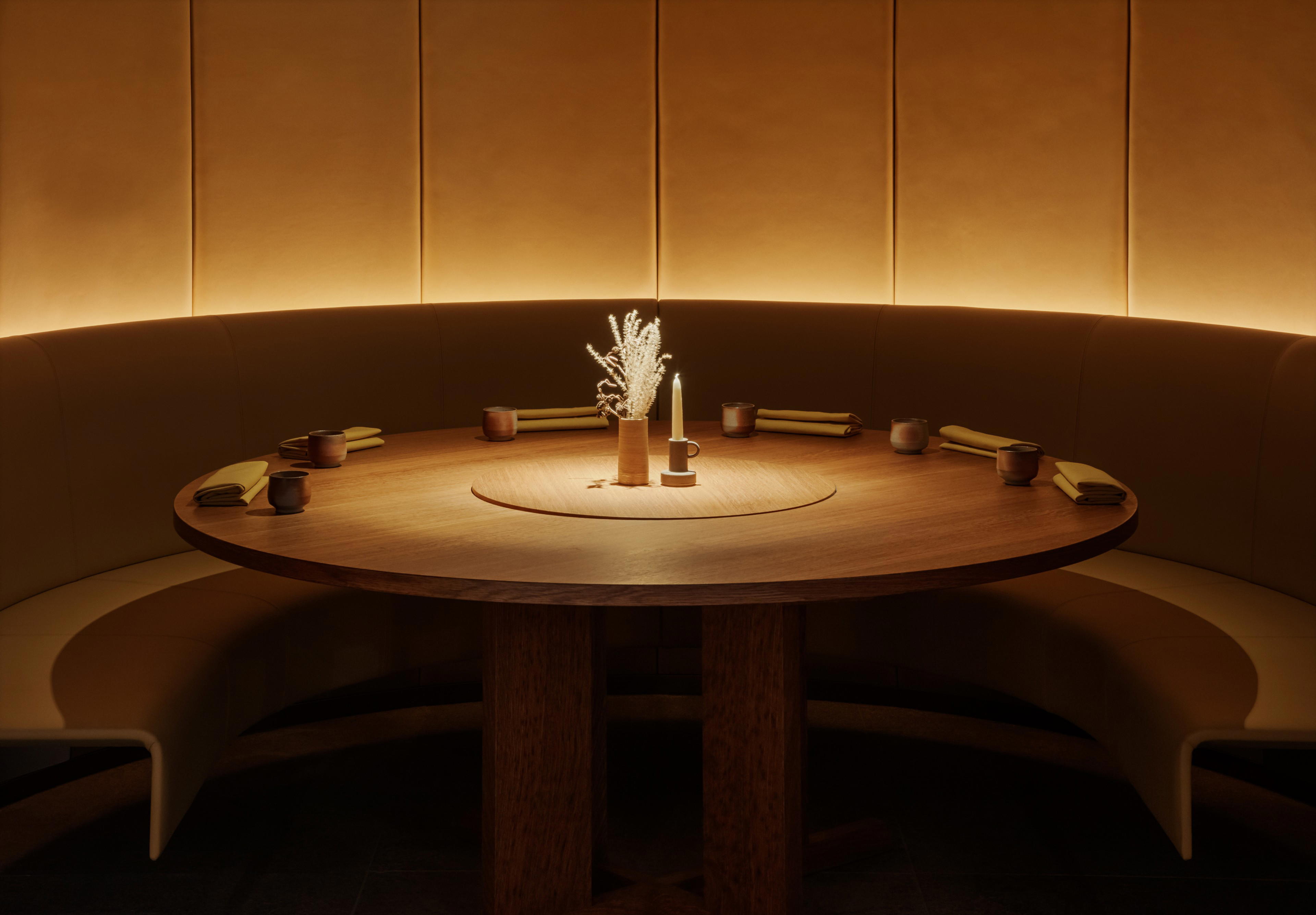
Stylish and inviting with modern, well-lit spaces; described as cosy yet contemporary with excellent service creating a warm welcome throughout the property.