

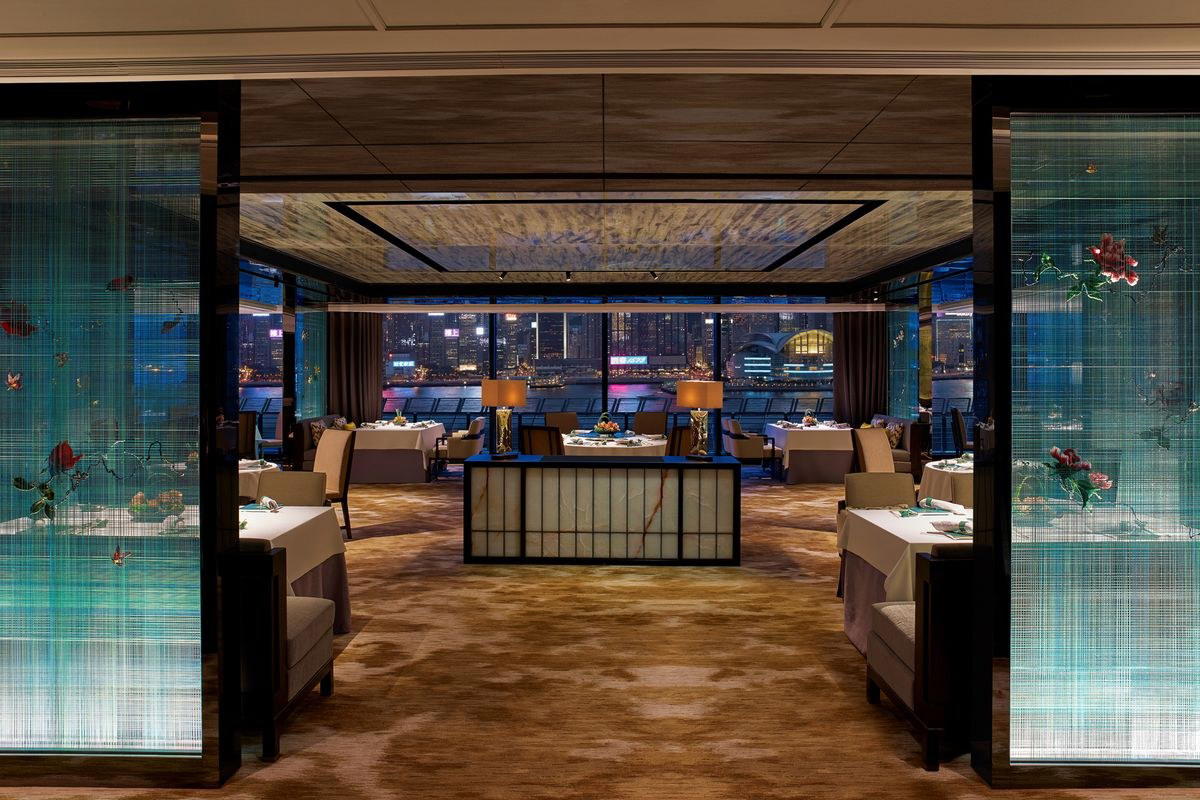
On Nathan Road in the heart of Tsim Sha Tsui, The Mira Hong Kong occupies a different tier from the grand colonial institutions across the harbour. Where the Peninsula trades in heritage ceremony and the Four Seasons in skyline spectacle, The Mira positions itself as a design-forward lifestyle address with a food and drink programme built for guests who treat the hotel as a neighbourhood base rather than a backdrop.
Pearl is the En Primeur Club membership app — saves, bookings, and concierge access live there. Same editors, same standards.
- Address
- Mira Place, 118-130 Nathan Road, Tsim Sha Tsui, Hong Kong
- Phone
- 852 2368 1111
- Website
- marriott.com
- Directions
- Get directions
 Saves & bookings on Pearl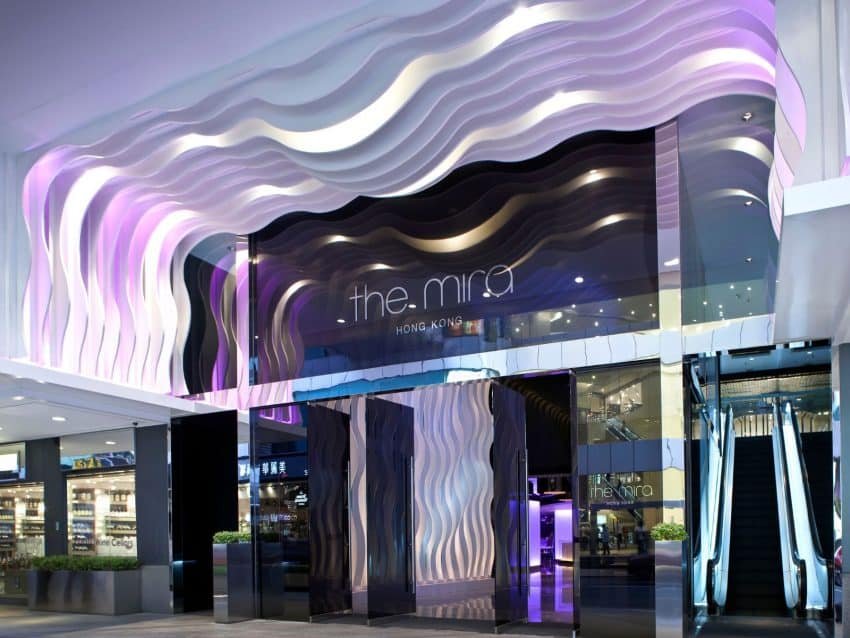
A Kowloon Address That Reads the Room Differently
Tsim Sha Tsui is a neighbourhood of competing registers. Nathan Road runs through it as one of Hong Kong's most commercially dense corridors, flanked by electronics retailers, luxury flagships, and a rotating cast of mid-range hotels that treat location as their only argument. Within that mix, a narrower cohort of properties has opted for a different proposition: design-led identity, a programmed food and drink offer, and a guest profile that skews toward the culturally engaged over the conventionally comfortable. The Mira Hong Kong at 118-130 Nathan Road sits in that cohort, functioning less as a transit node and more as what the hospitality industry now calls a lifestyle hotel.
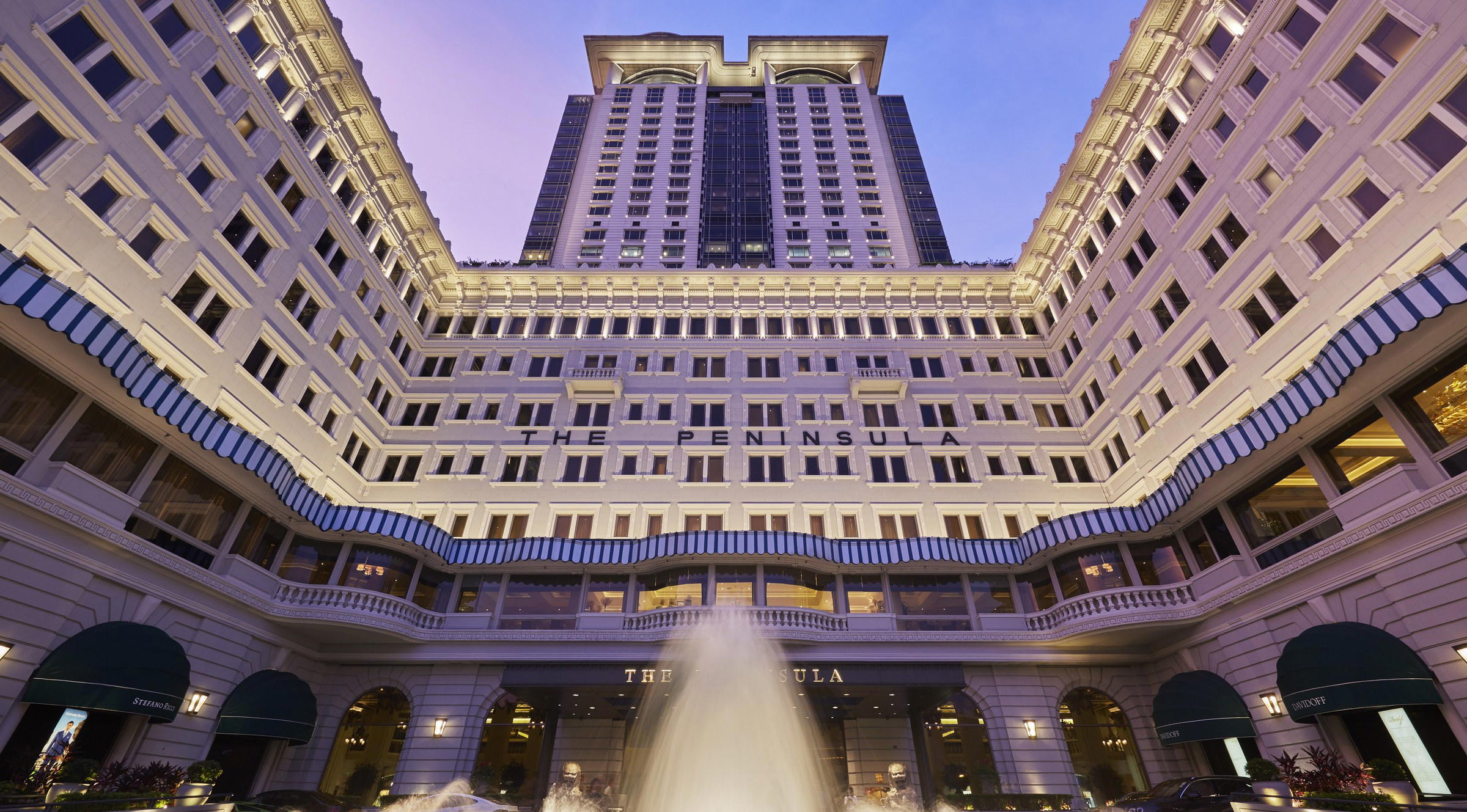
Compared to the harbour-front institutions, The Mira operates on a different logic. The Four Seasons Hotel Hong Kong and Mandarin Oriental, Hong Kong compete on legacy and location, with ICC and harbour views doing significant work. The The Peninsula Hong Kong carries a century of institutional weight. The Mira's argument is different. Its comparable set is the generation of urban hotels, found from Tokyo to Berlin to New York, that have built reputations around food programming, interior design choices, and a kind of curatorial sensibility that makes the public spaces feel less like lobbies and more like destinations in their own right.
The Dining Programme as the Hotel's Main Event
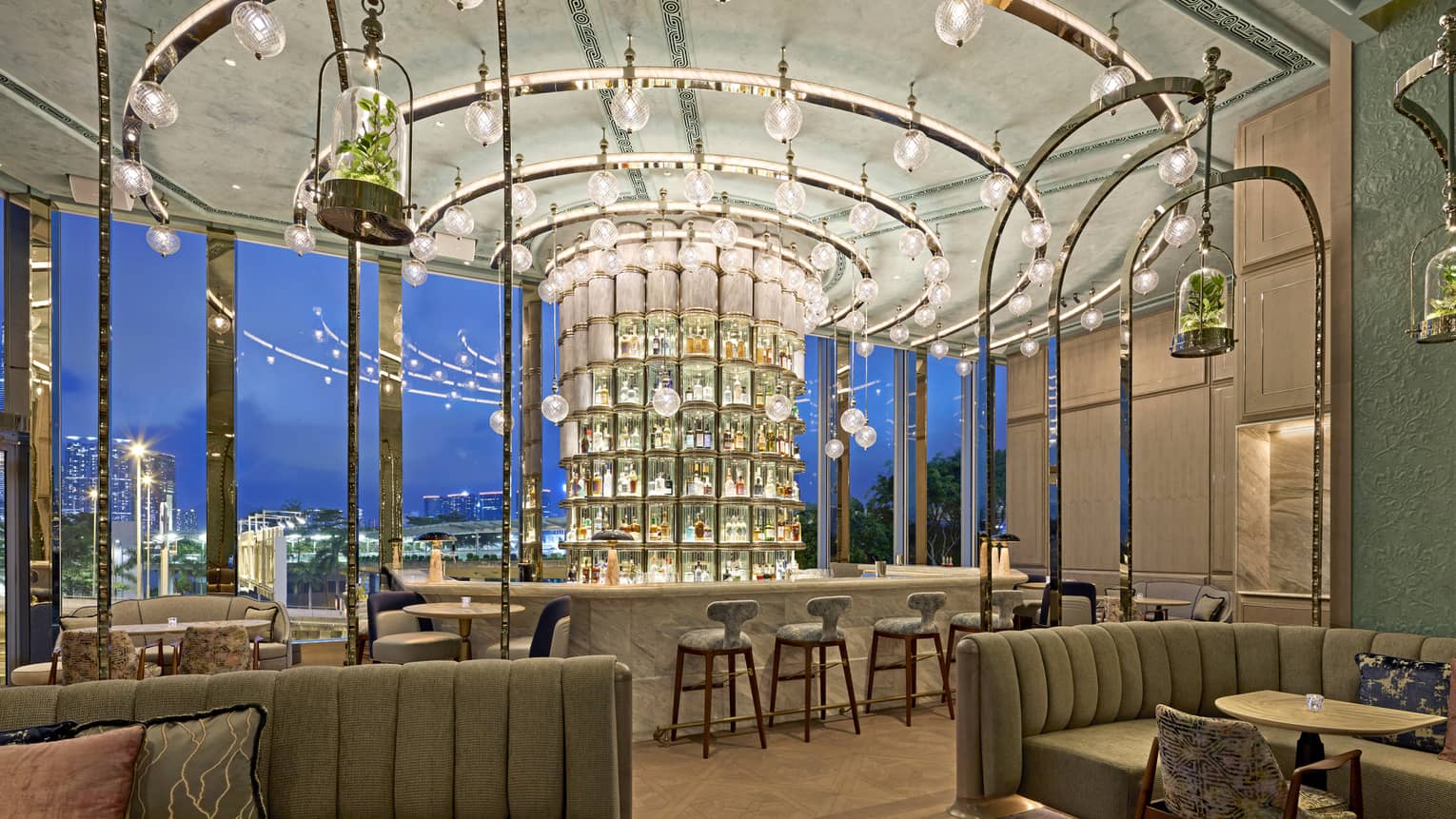
In the current generation of design hotels, the food and drink offer has become the primary differentiator. A room is a room; a restaurant with a coherent identity and a neighbourhood following is something harder to replicate. This is the logic that drives particularly competitive lifestyle properties globally, from Cheval Blanc Paris, where the restaurant programme carries serious critical weight, to Rosewood Hong Kong, whose Victoria Dockside address has allowed it to build one of Kowloon's more ambitious food and beverage stacks. The Mira's dining programme is positioned as central to its lifestyle identity rather than ancillary to its room offer.
Hong Kong's hotel dining scene has undergone a structural shift over the past fifteen years. The city's Michelin coverage, which began in 2009, redistributed prestige across a wider range of venues than many expected, legitimising hotel restaurants that had previously been dismissed as convenient rather than compelling. The pressure on hotel food and beverage teams has increased correspondingly: guests who know the city's independent restaurant scene, from the roast goose specialists in Sham Shui Po to the omakase counters in Wan Chai, bring sharper reference points. A hotel dining programme that does not hold its own against that independent field loses the argument quickly.
For The Mira, operating in Tsim Sha Tsui rather than on Hong Kong Island carries specific implications. Kowloon's restaurant culture has its own depth, distinct from the island's more internationally visible scene. The neighbourhood around Nathan Road encompasses everything from the Cantonese roasting houses of Jordan to the Korean and Japanese concentrations further north. A hotel dining programme in this context works well when it offers something the surrounding streets cannot, whether that is format, access, or a level of technical precision that the surrounding neighbourhood's price points make unlikely.
Lifestyle Hotels and the Question of What They're Actually Selling
The lifestyle hotel category, of which The Mira is a representative example, has become one of the more contested segments in premium travel. The term was loosely applied for years to any property with a DJ in the lobby and a monochrome colour scheme. What distinguishes a genuine lifestyle address from a hotel that has simply hired a designer is the depth of the programming: whether the food and drink offer attracts guests who are not staying there, whether the events and collaborations feel editorially coherent rather than commercially opportunistic, and whether the design choices extend to the quality of materials and spatial decisions rather than stopping at the furniture specification.
Across the global market, the properties that have executed this most convincingly tend to share a few characteristics. They are typically mid-scale in room count rather than large convention properties. Their public spaces carry more weight than their room count would suggest. And their food and drink venues operate with enough independence to build reputations that exist separately from the hotel brand. The Upper House in Hong Kong's Admiralty has demonstrated what this looks like at the high end of the local market. Internationally, properties like Aman New York, Hotel Bel-Air in Los Angeles, and La Réserve Paris show how far the concept can travel when the programming and physical quality align.
Positioning and Practical Considerations
Tsim Sha Tsui's transport connections are among the strongest in Hong Kong. The MTR station at the southern end of Nathan Road provides direct access to both the airport express interchange at Hong Kong station and the cross-harbour lines to Wan Chai and Admiralty. For guests whose itinerary covers both sides of the harbour, a Kowloon base reduces travel time to the main cultural attractions: the Hong Kong Museum of History, the Avenue of Stars, and the ferry pier for cross-harbour transit are all within walking range of Mira Place.
The The Landmark Mandarin Oriental, Hong Kong and Conrad Hong Kong offer the alternative proposition of an island-side address, with direct mall connectivity and proximity to the central business and dining districts. The choice between Kowloon and the island is partly logistical and partly experiential: the north side of the harbour offers a different texture of street life, a denser mix of local retail, and the perspective of looking back at the skyline rather than being inside it.
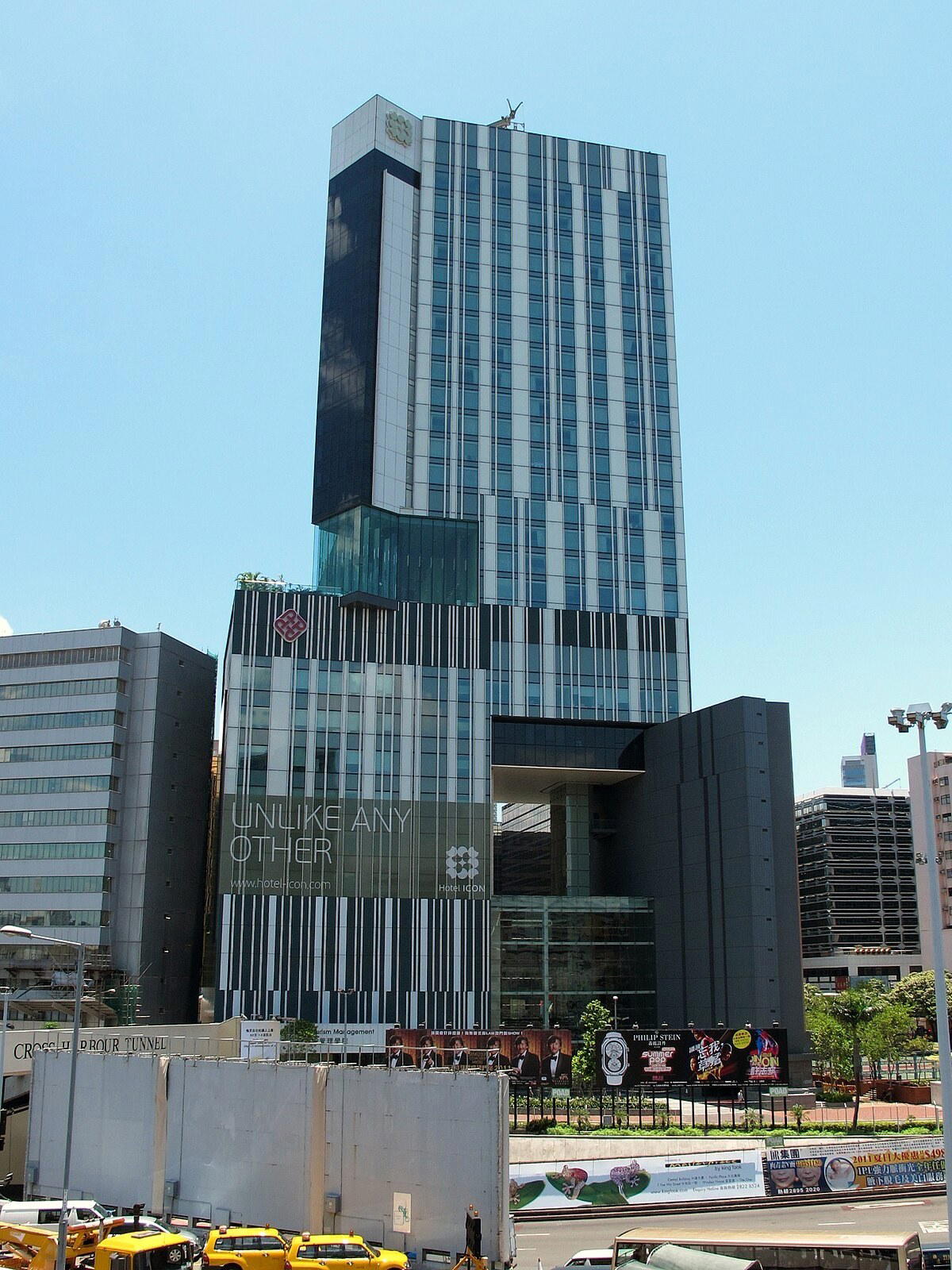
For guests considering The Mira against its immediate Kowloon neighbours, the relevant comparison is not the Crowne Plaza Hong Kong Kowloon East, which operates in a different district and price tier, but the handful of design-oriented properties clustered around the Tsim Sha Tsui core. Within that set, The Mira's lifestyle positioning and its food and drink identity are the primary differentiators.
A Tight Comparison
Comparable venues nearby, for context on price, style, and recognition.
| Venue | Cuisine | Price | Notes |
|---|---|---|---|
| The Mira Hong KongThis venue — the venue you are viewing | Not listed | $$$$ | Not listed |
| Crowne Plaza Hong Kong Kowloon East | Not listed | $$$ | Tseung Kwan O South, Modern international business hotel with MTR connectivity |
| Mira Moon | Not listed | $$$$ | Wan Chai, Award-winning story boutique design hotel in the Mira Hotel Collection. |
| Kowloon Shangri-La | Not listed | $$$$ | Yau Tsim Mong South, Luxury waterfront hotel blending contemporary comfort with classic elegance, positioned as a premier business and leisure destination in Hong Kong's prime Tsim Sha Tsui location. |
| The Pottinger Hong Kong | Not listed | $$$$ | Central, Boutique hotel blending historic charm with modern luxury |
| Cordis, Hong Kong | Yau Tsim Mong North, City Hotel | $$$$ | Not listed |
Recognition history
Dated appearances from independent guides and award organizations, with the underlying list record or original source where available.
Design Hotels Member
Design Hotels
Michelin Selected
Michelin
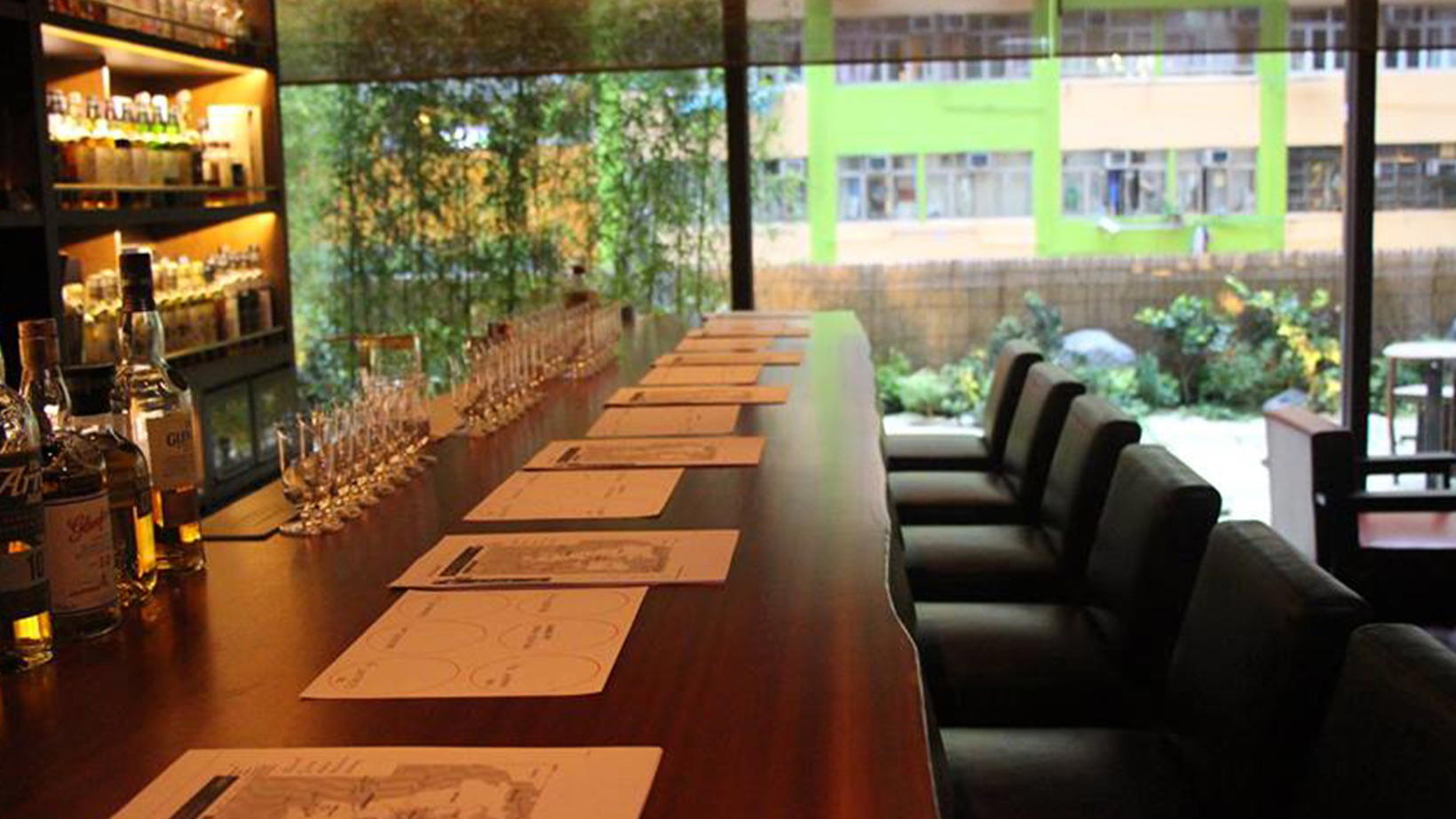
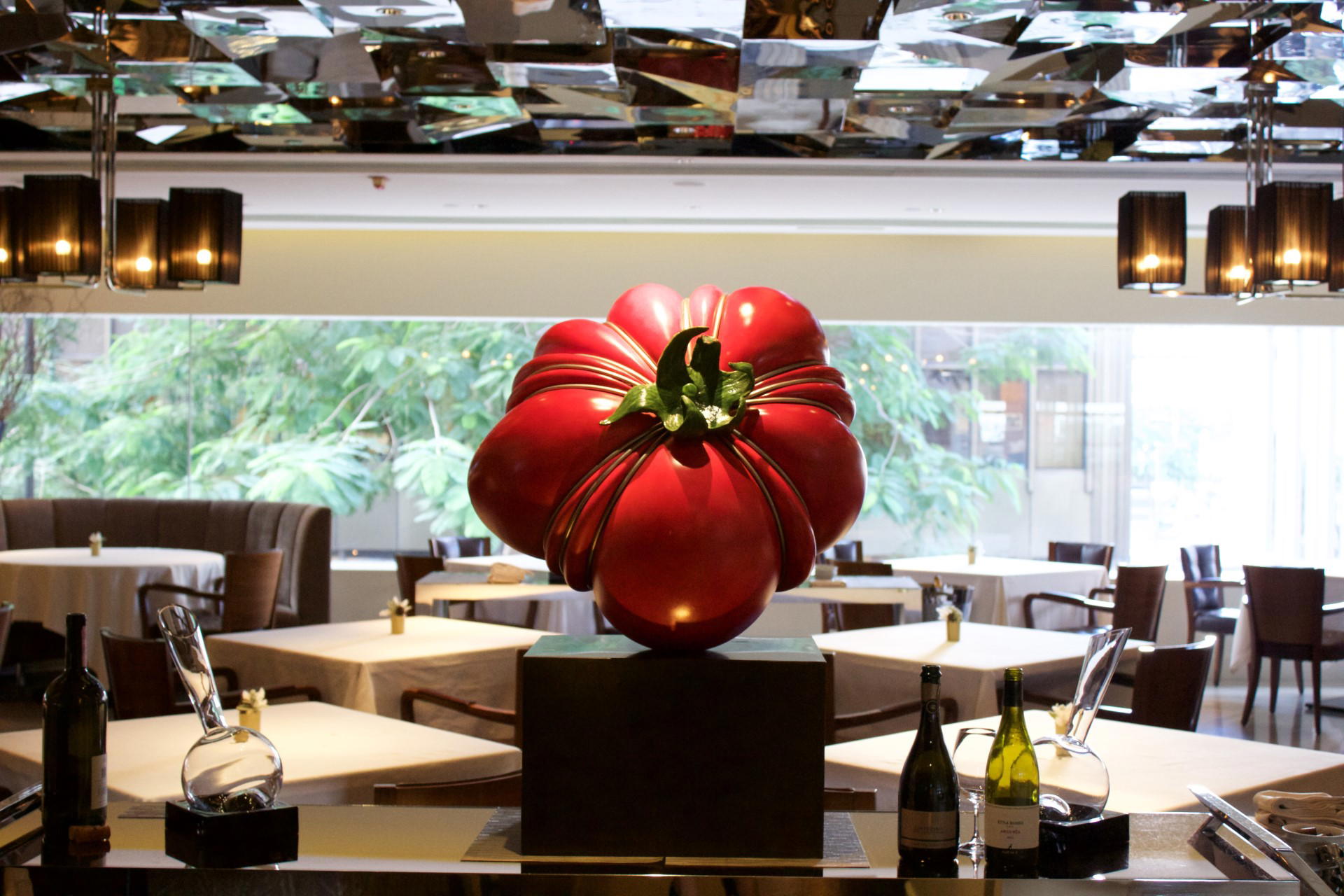
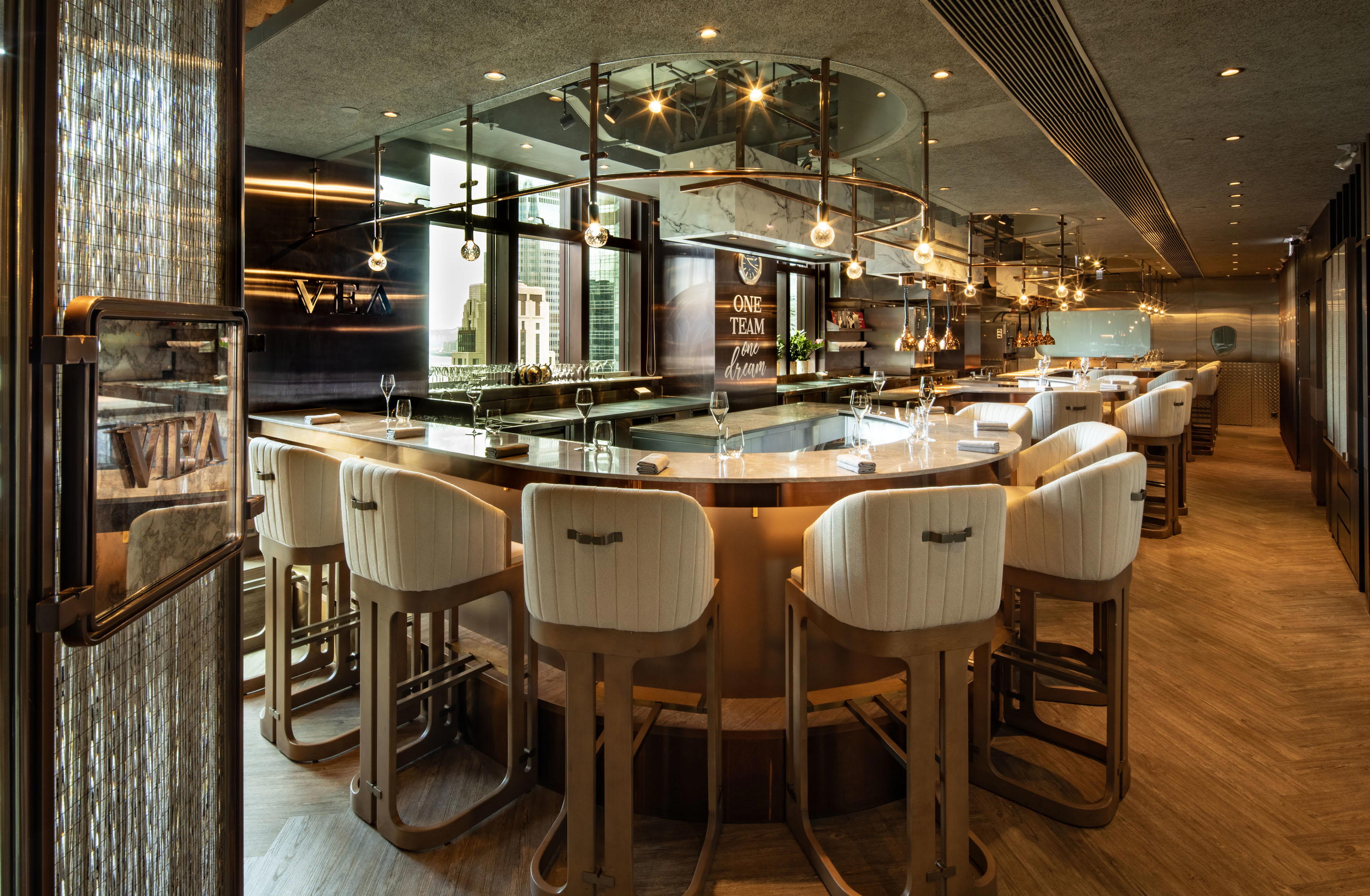
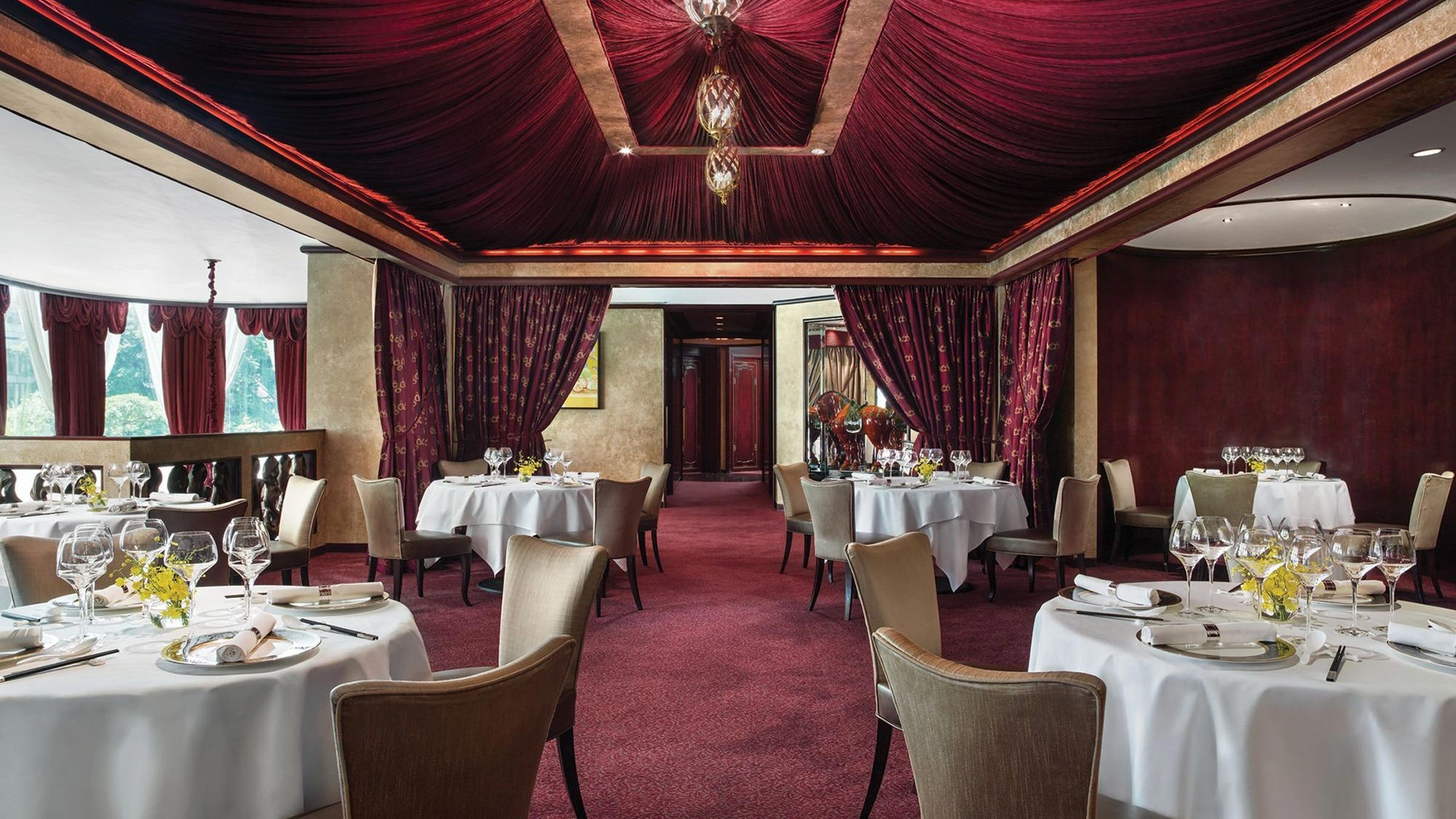
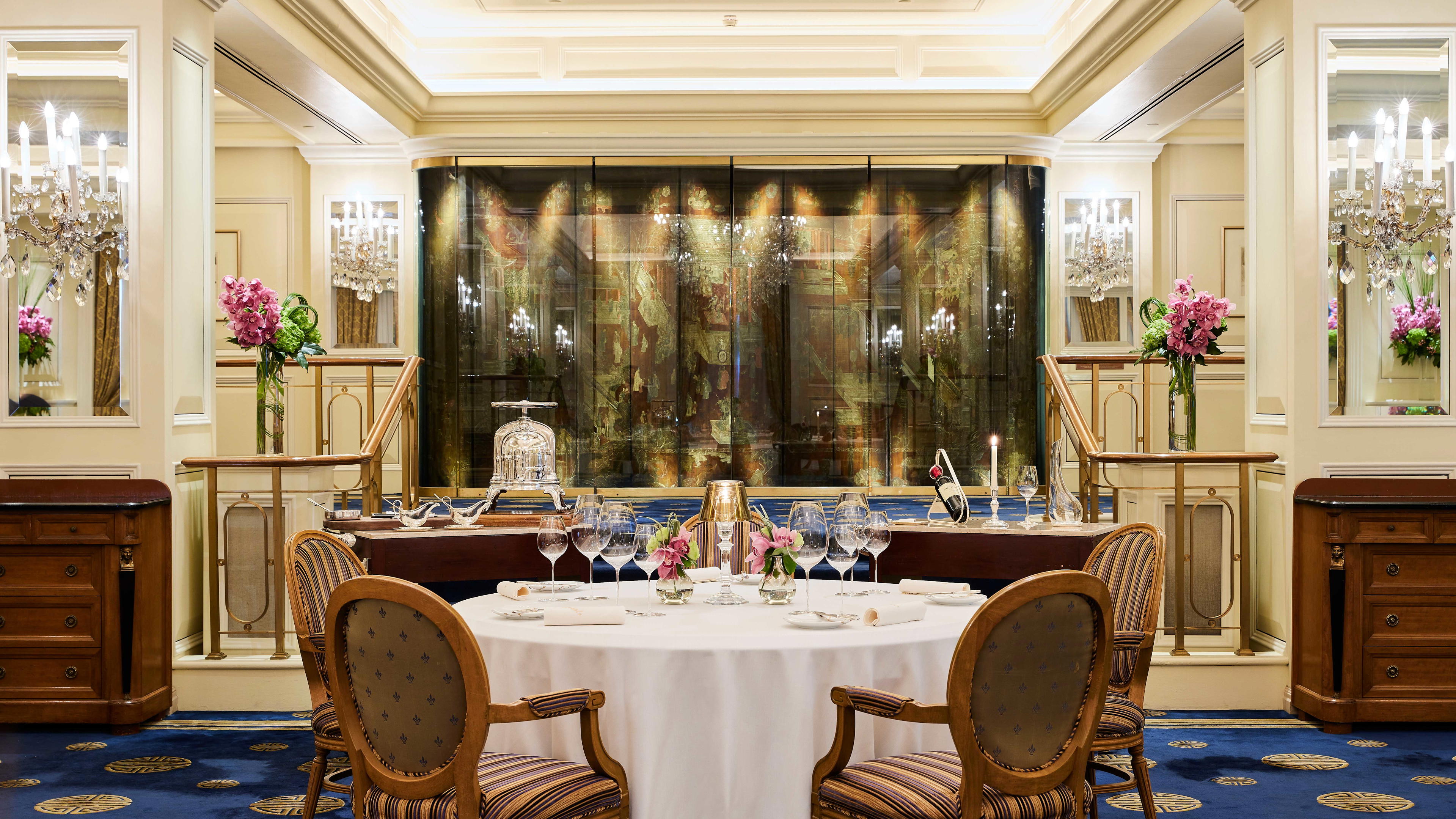
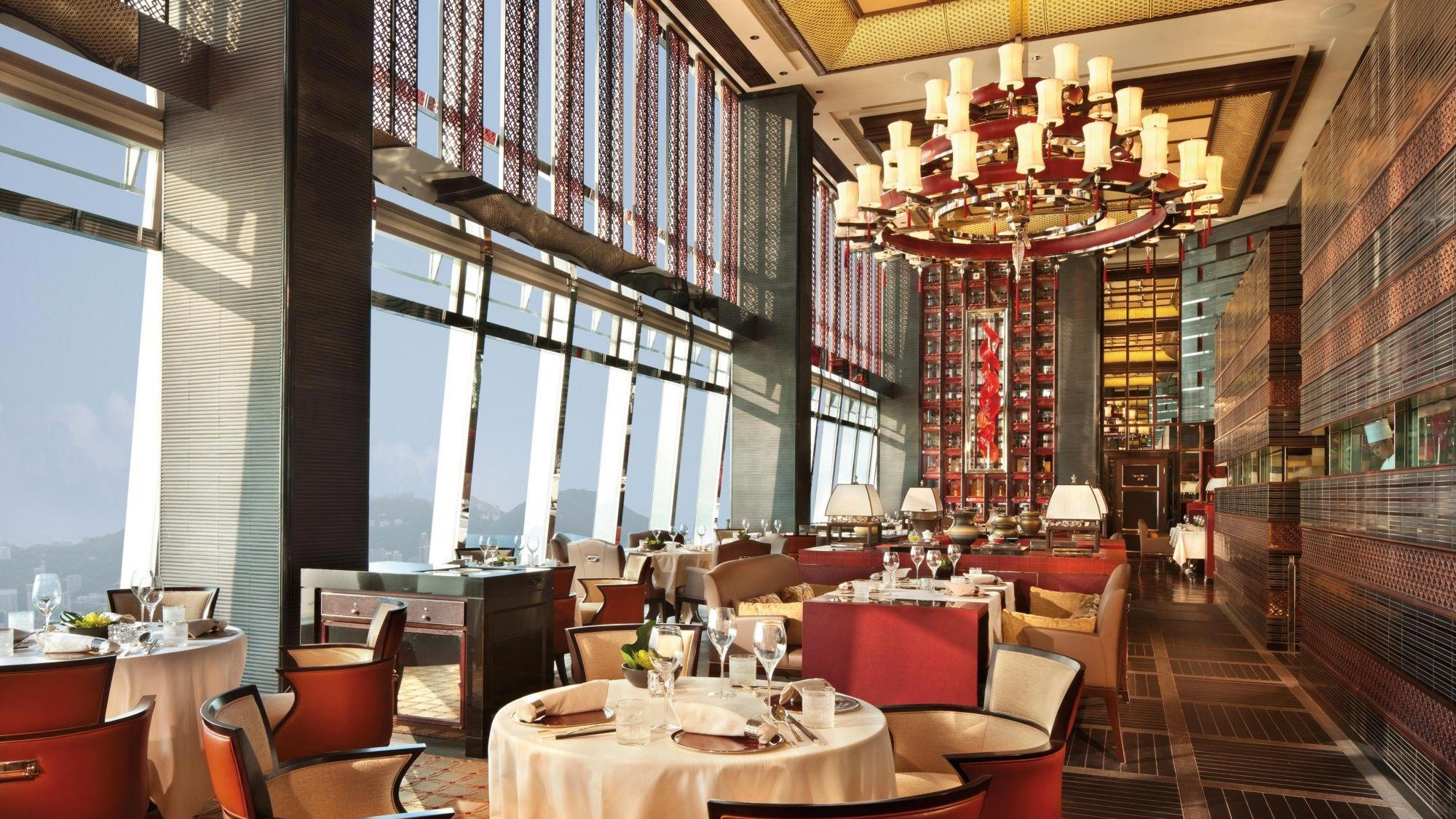
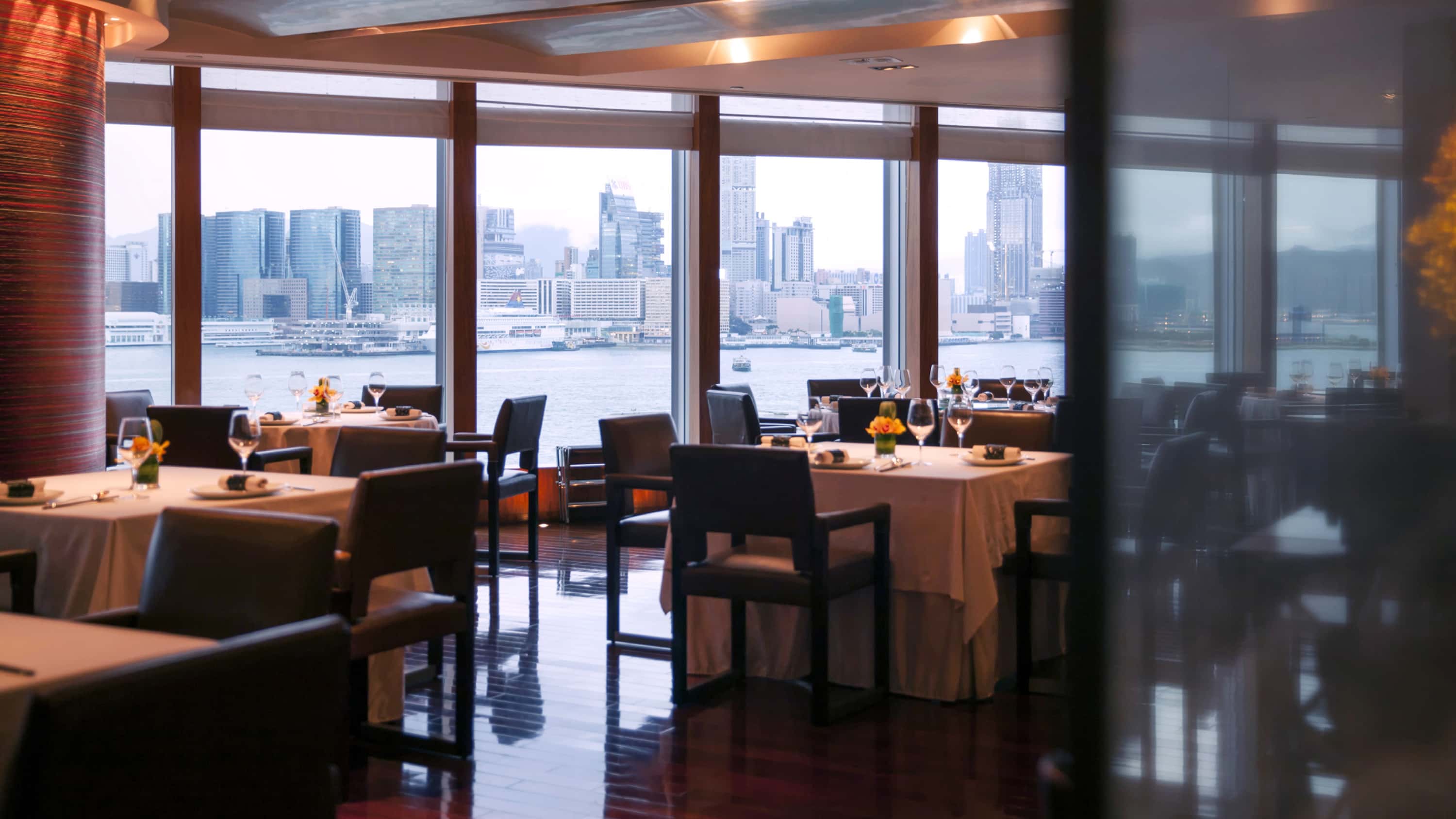
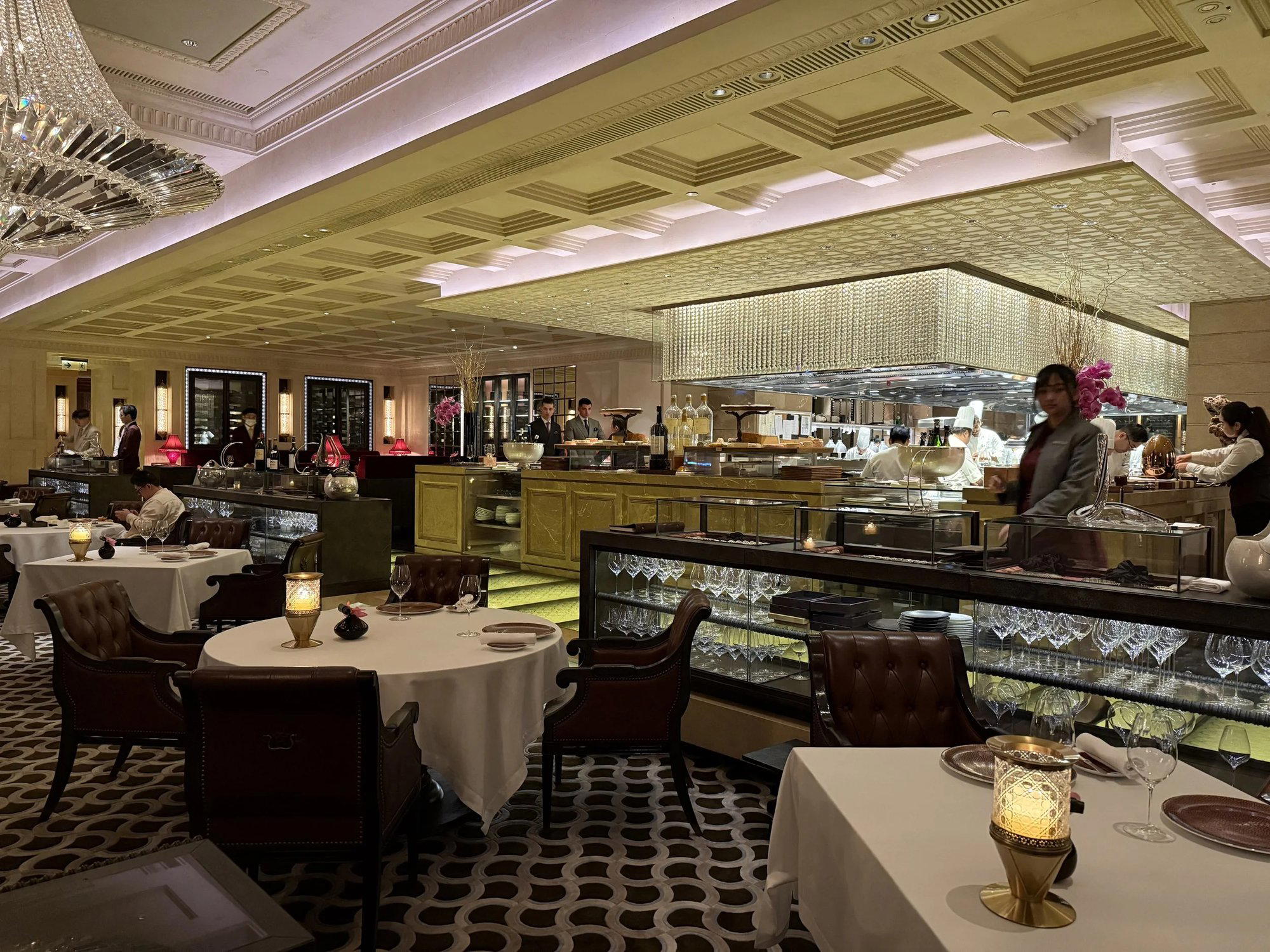
At a Glance
- Modern
- Trendy
- Sophisticated
- Elegant
- Business Trip
- Romantic Getaway
- Weekend Escape
- Rooftop Pool
- Infinity Pool
- Panoramic View
- Wi Fi
- Pool
- Spa
- Fitness Center
- Room Service
- Concierge
- Business Center
- Skyline
- Wi Fi
- Pool
- Spa
- Fitness Center
- Room Service
- Concierge
- Business Center
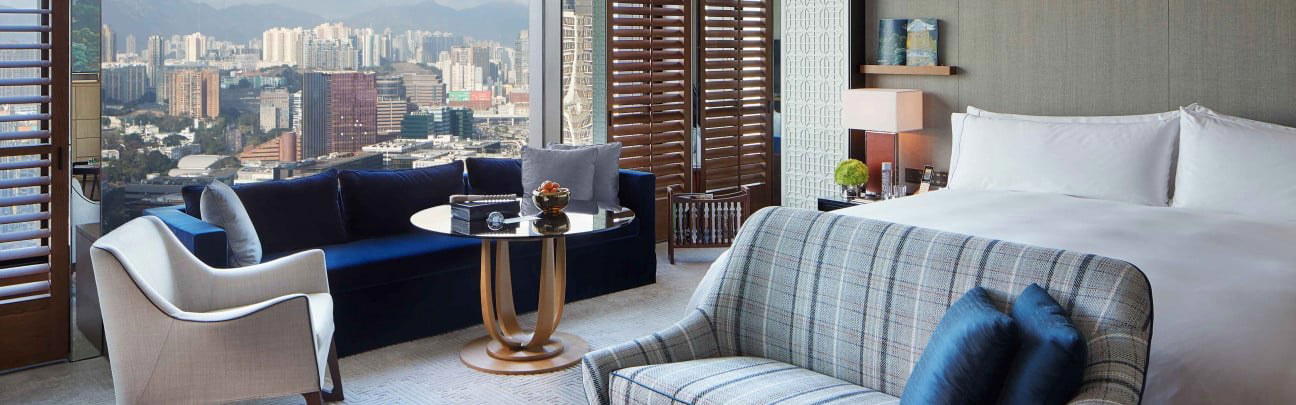
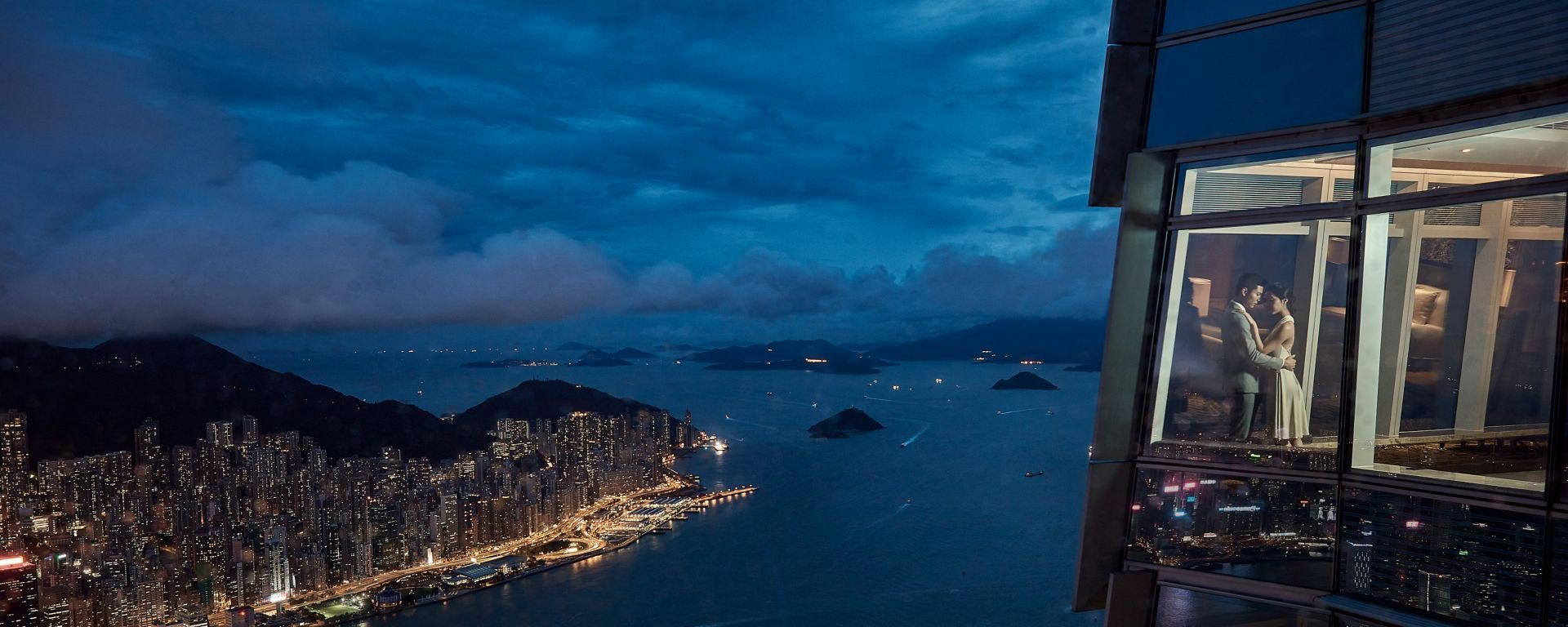
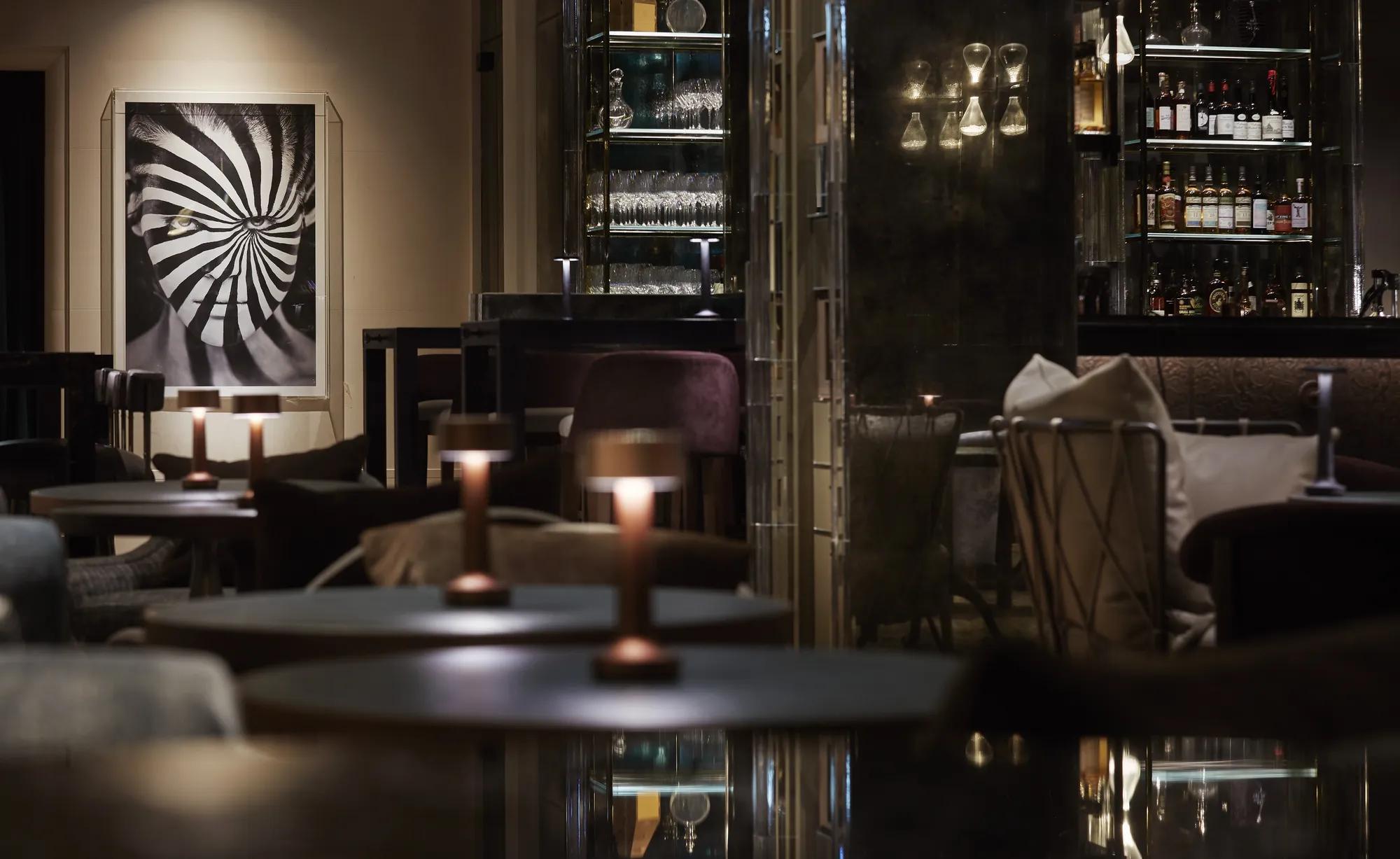
Contemporary and lively with bold colorful interiors, mood lighting, and ambient soundscapes creating a sophisticated urban retreat.