The Mermaid Inn
One of England's oldest surviving inns, The Mermaid Inn on Rye's cobbled Mermaid Street has been receiving guests since the fifteenth century. The building's medieval bones, low-beamed bars, and inglenook fireplaces place it firmly in the tradition of the historic English coaching inn, making it a reference point for the town's character as much as its hospitality offering.

Pearl is the En Primeur Club membership app, where members save venues, book tables and use the concierge.
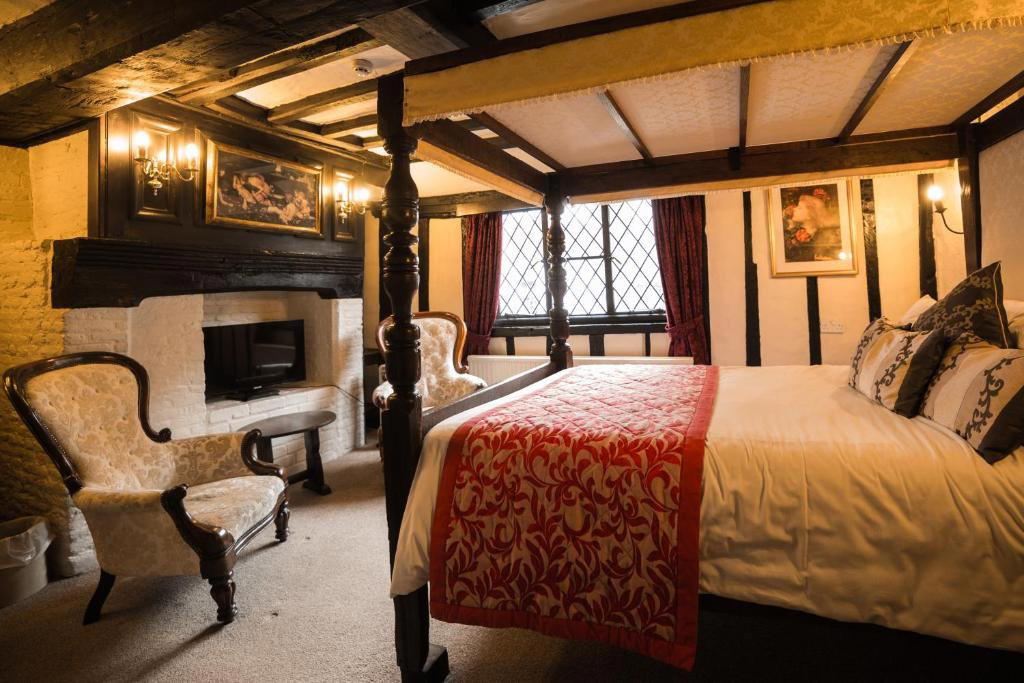
A Medieval Inn on England's Most Photographed Street
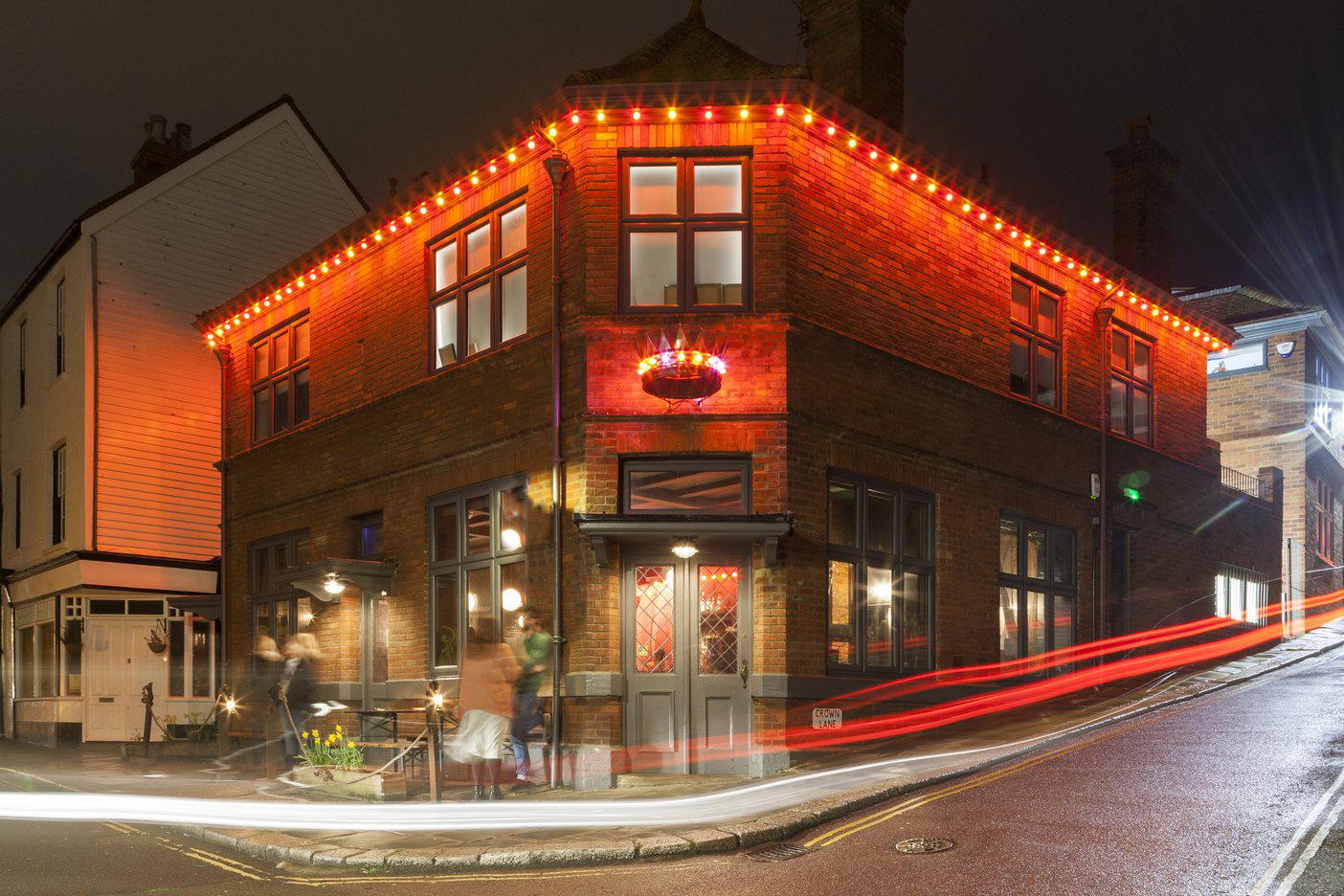
Mermaid Street in Rye is the kind of address that functions as shorthand for a certain version of English history: tilting timber-framed facades, uneven cobbles, and buildings that have been standing since the town was a Cinque Port of strategic importance. The Mermaid Inn sits at the heart of that street, and its presence there is not decorative. Records place an inn on this site from 1420, rebuilt substantially in 1420 after French raids, and the fabric of the building reflects that layered timeline in ways that modern restoration rarely achieves. The great hall, the carved fireplaces, and the irregular room proportions are not reproductions. They are the thing itself.
For travellers weighing up Rye's accommodation options, the choice broadly splits between contemporary boutique hotels, such as The Gallivant, which brings a coastal-modern sensibility just outside town, and historic properties that trade in atmosphere built over centuries rather than seasons. The Mermaid occupies the latter category without competition at this depth of provenance. That said, choosing it is a decision about priorities: the building's age is also its character, which means sloping floors, low doorways, and rooms that were not designed with luggage storage in mind.
The Dining Programme: Bar, Fireplace, and the Weight of Tradition
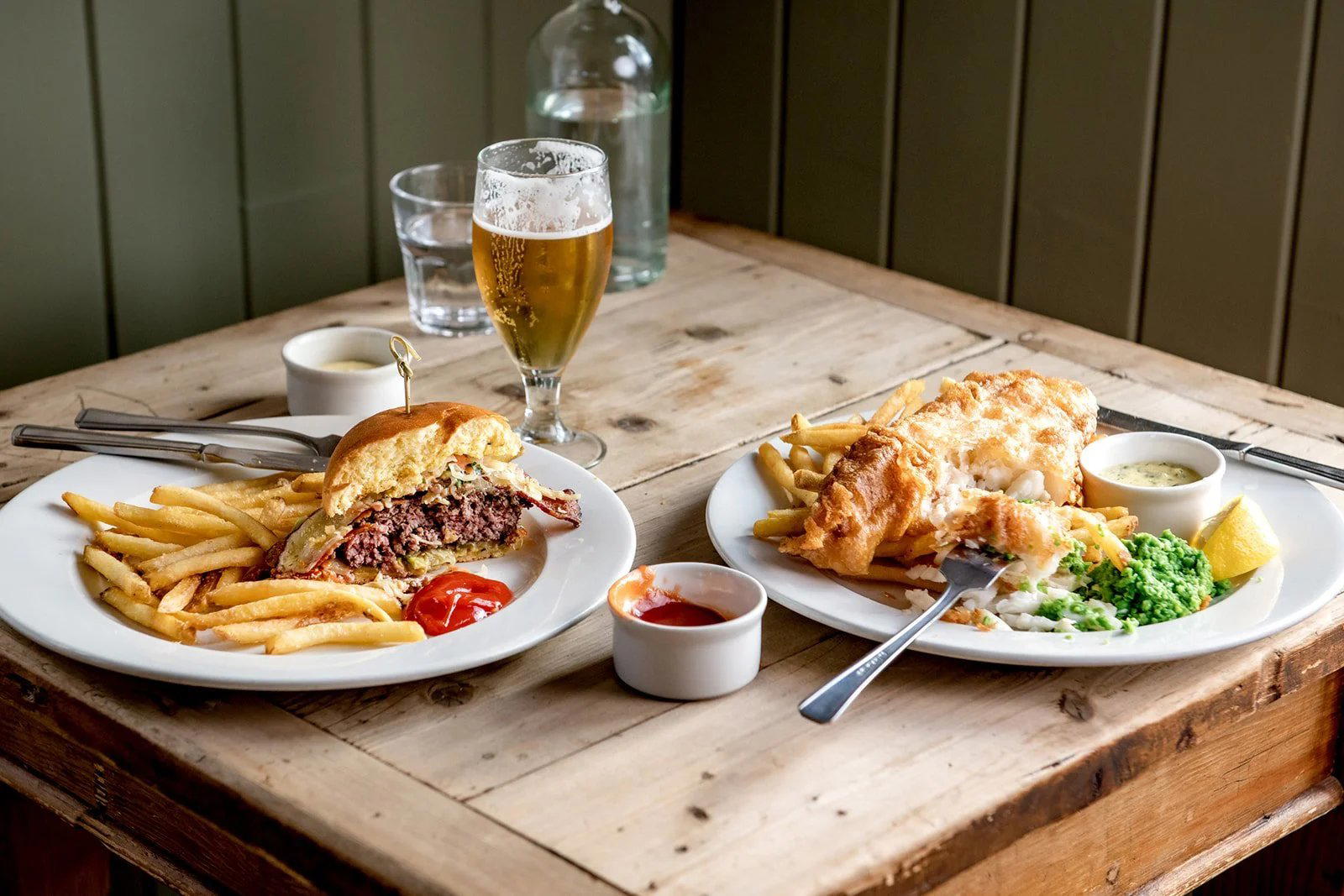
The dining identity of a property like The Mermaid Inn is inseparable from its architecture. Historic English inns of this type established the template for what a certain kind of unhurried, fireside meal should feel like, and the bar and restaurant at The Mermaid draw directly on that tradition. The low-beamed bar with its inglenook fireplace is not a stylistic gesture toward the past; it is the past, and the meals served there inherit that atmosphere by default.
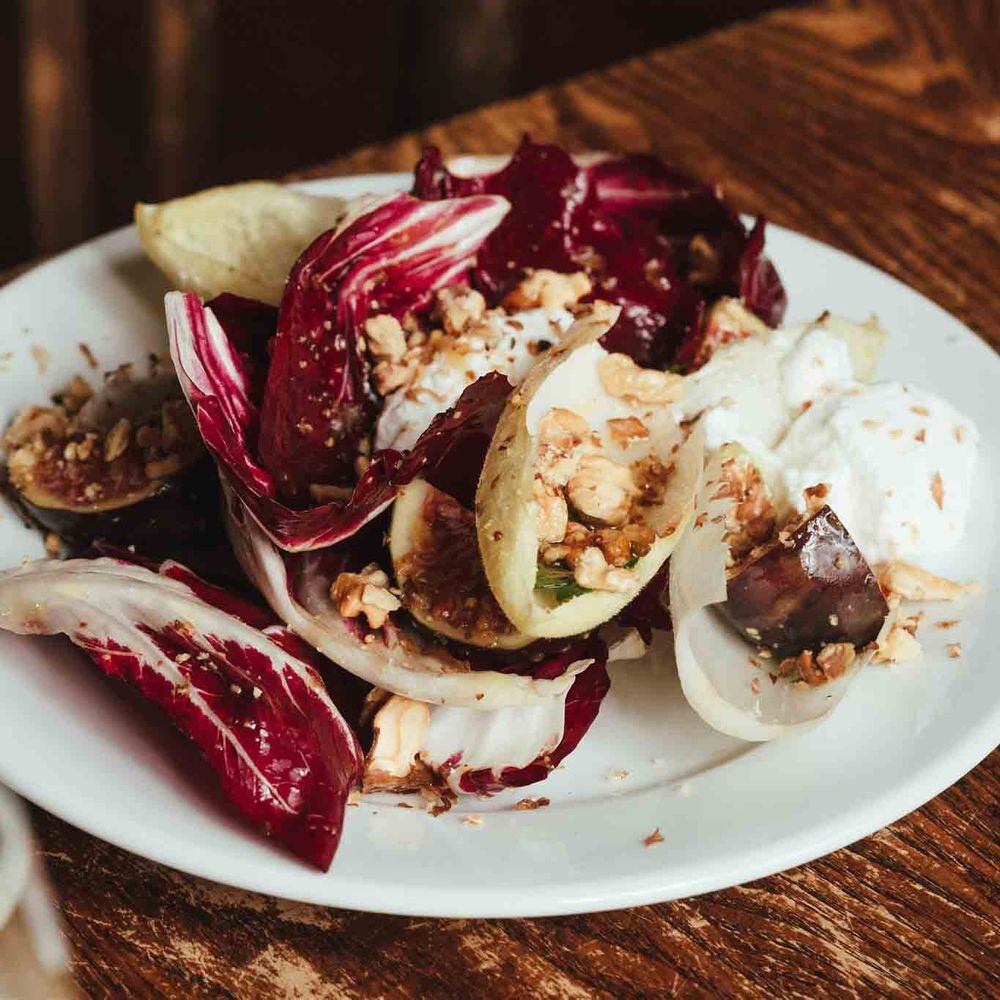
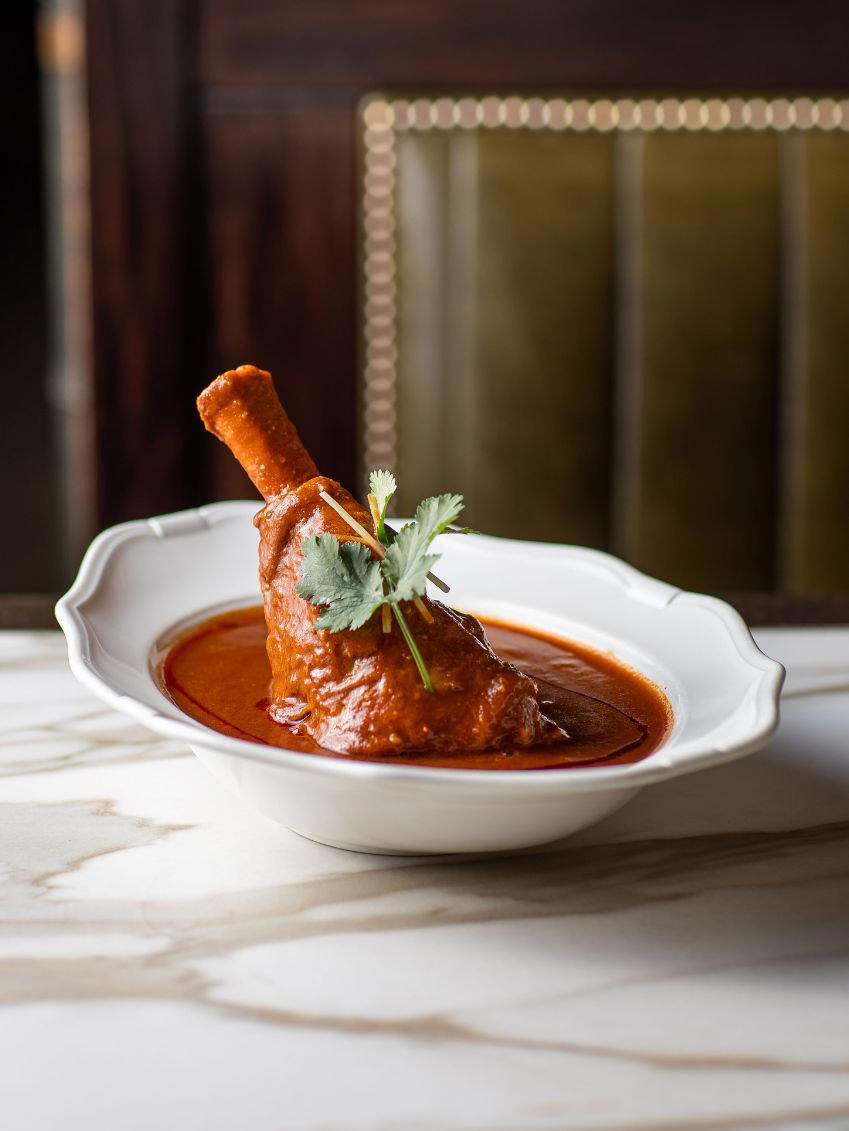
Across the broader English country hotel and inn category, dining programmes have moved in two directions: either toward destination-restaurant ambition, with imported culinary talent and tasting-menu formats more commonly associated with properties like Lime Wood in Lyndhurst or Estelle Manor in North Leigh, or toward a more grounded, produce-led approach that suits the character of a market town or coastal setting. Rye's food identity falls into the second camp: the town's proximity to the Romney Marsh, the East Sussex coast, and the surrounding farmland has historically shaped what ends up on local menus, with lamb and fish as recurring anchors.
Where The Mermaid Sits in Rye's Accommodation Picture
Rye punches considerably above its size as a destination. The town draws visitors from London (under two hours by rail from St Pancras or London Bridge with a change at Ashford), from the wider Southeast, and increasingly from international travellers who have exhausted the obvious English heritage circuits and are looking for something less managed. It appears regularly in editorial coverage of the country's most characterful small towns, and that recognition has sharpened the accommodation market accordingly.
Within that market, The Mermaid holds a position that no new-build or recently converted property can replicate: it is the building that visitors are photographing when they photograph Mermaid Street. That visibility functions as a kind of ambient trust signal, reinforced by the property's appearance in British heritage and travel publishing over many decades. For those comparing it against The Gallivant's more contemporary offer, the decision usually comes down to whether the priority is atmospheric immersion in a medieval setting or the cleaner, more predictable comfort profile of a purpose-built boutique hotel.
Visitors who prefer the latter but want to experience historic properties elsewhere in the UK might look at a range that runs from Burts Hotel in Melrose or Langass Lodge in Na H-Eileanan an Iar at the intimate end, through to the grander scale of Gleneagles in Auchterarder. Each represents a different calibration of heritage setting against contemporary hospitality standards. The Mermaid's position is clear: it prioritises the former.
Planning Your Visit
Rye is accessible by train from London with journey times of approximately 90 minutes to two hours depending on the service and connection point. The town is compact and walkable; Mermaid Street is a short walk from the high street and the train station. Peak season runs from late spring through early autumn, when the town's medieval character draws the largest visitor volumes and accommodation across Rye fills quickly. Booking well ahead of any summer or bank holiday visit is not optional at a property of The Mermaid's profile and size. Autumn and winter visits carry a different reward: the town is quieter, and a fireside evening in a medieval bar takes on a more genuine quality when the tourist footfall has eased. For a full picture of where The Mermaid sits among Rye's broader dining and accommodation options, our full Rye restaurants guide covers the town's offer in detail.
A Pricing-First Comparison
| Venue | Price | Awards |
|---|---|---|
| The Mermaid InnThis venue (the venue you are viewing) | $100–200 | Not listed |
| Lime Wood | Not listed | 2 Michelin Keys · La Liste Top Hotels |
| Muir, A Luxury Collection Hotel, Halifax | $300–500 | 1 Michelin Key · Forbes 4-Star |
| Raffles London at The OWO | $1,000–1,500 | 3 Michelin Keys · World's 50 Best #28 |
| The Connaught | $1,000–1,500 | 3 Michelin Keys · World's 50 Best #49 |
Continue exploring
More in Rye
Hotels in Rye
All hotels in Rye →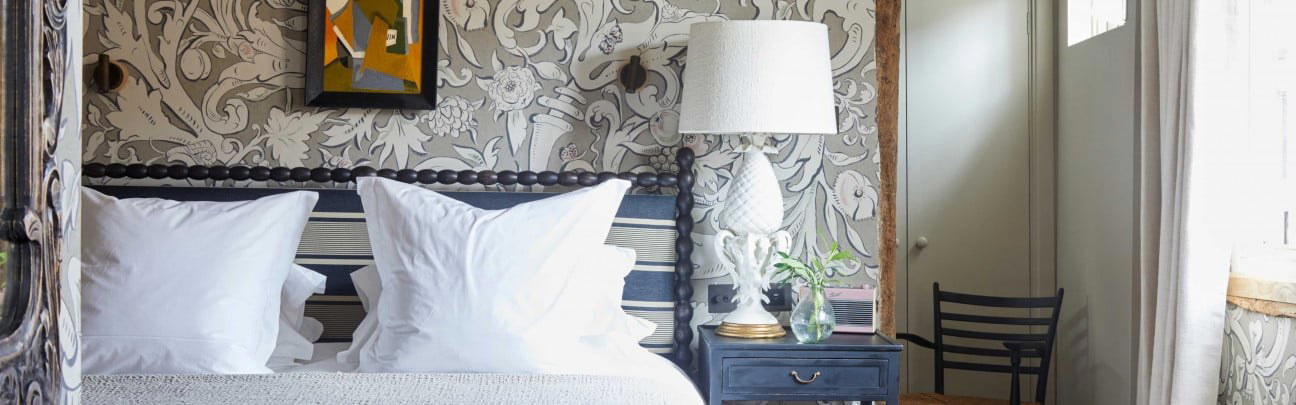
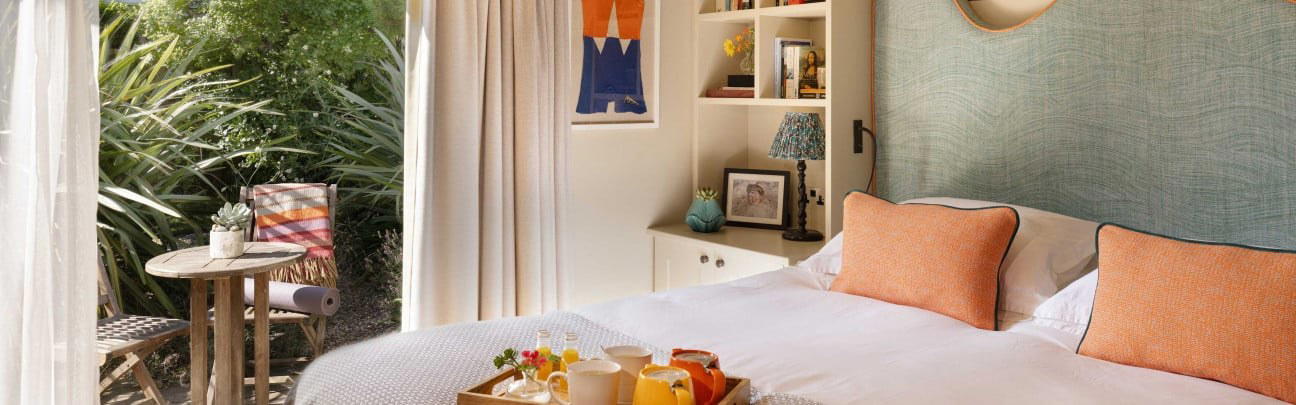
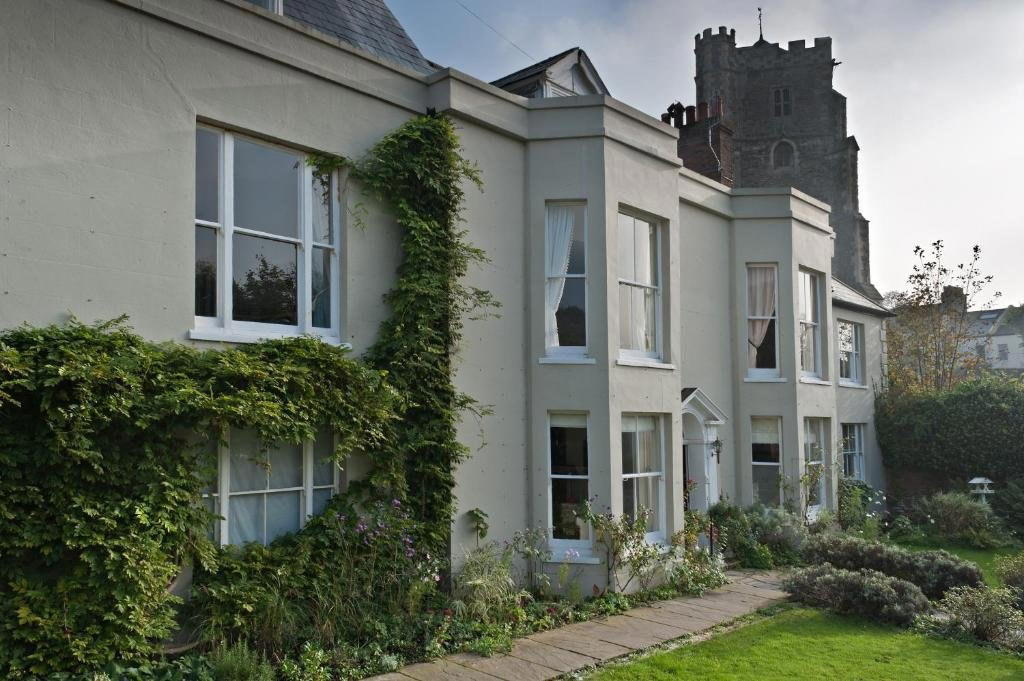
Bars in Rye
All bars in Rye →

Details
- Romantic
- Classic
- Cozy
- Well Known
- Romantic Getaway
- Weekend Escape
- Celebration
- Historic Building
- Terrace
- Garden
- Wi Fi
- Restaurant
- Bar
- Room Service
- Street Scene
Medieval charm with period features, warm lighting from historic fireplaces, intimate dining spaces with fine art, and an atmosphere that transports guests back in time.