Google: 4.6 · 2,172 reviews
The Mermaid Inn
One of England's oldest coaching inns, The Mermaid Inn has occupied its timber-framed position on Rye's cobbled Mermaid Street since the fifteenth century. The building's low beams, inglenook fireplaces, and stone-flagged floors set a tone that no amount of boutique hotel design can manufacture. For visitors to this corner of East Sussex, it functions as both landmark and lodging in equal measure.
 Discover on Pearl
Pearl is the En Primeur Club membership app — saves, bookings, and concierge access live there. Same editors, same standards.
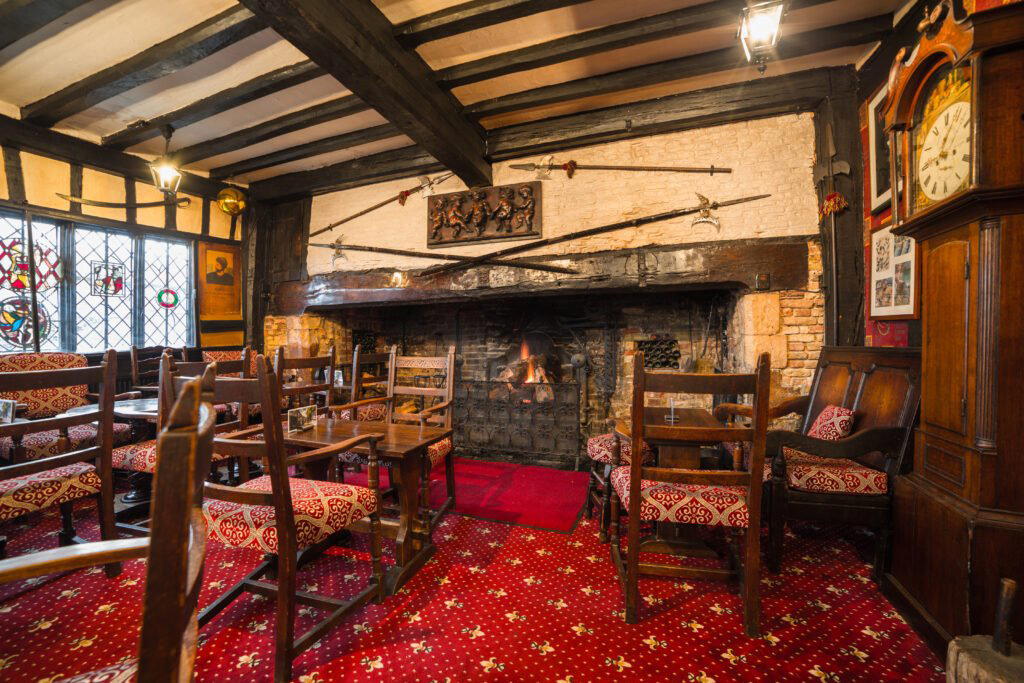
A Street That Arrives Before the Building Does
Mermaid Street announces itself before you reach the inn. The gradient is steep by English town standards, the cobbles uneven enough to slow a confident stride, and the timber-framed facades lean at angles that suggest centuries of settlement rather than structural concern. By the time The Mermaid Inn comes into view, the visual grammar of medieval England is already established. The building, which dates to the fifteenth century with portions rebuilt following earlier fires, does not compete with this context. It extends it.
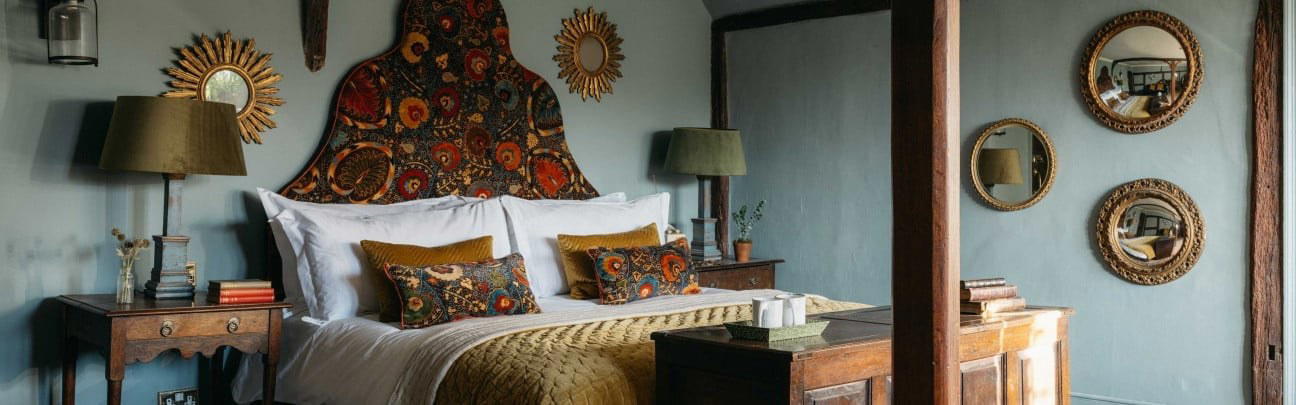
This matters because the atmosphere inside is not manufactured from salvage-market finds or a designer's mood board. The low oak beams carry the darkening of genuine age. The inglenook fireplaces in the public rooms are proportioned for the winters of an era before central heating. Stone-flagged floors, uneven from centuries of foot traffic, run through the ground level in a way that modern restoration would smooth away. The Mermaid Inn sits in a category of historic British hospitality where the building itself is the primary design statement, and everything placed within it is measured against that fact.
How Historic Inns Function as Social Anchors
Across England's older market towns, a small number of medieval inns have survived the various commercial pressures that converted most of their peers into flats, retail units, or chain hotel inventory. Rye, a fortified hilltop town on the East Sussex coast that once served as one of the Cinque Ports, has retained its physical character more completely than most comparable settlements. The Mermaid Inn is part of the reason that character reads as coherent rather than fragmentary. Inns of this age in working towns function differently from country house hotels: they were built for travellers arriving by horse, requiring stabling, food, drink, and a night's lodging, and that layered hospitality purpose is still legible in the building's layout.
The bar and dining areas occupy ground-floor rooms that would have served similar functions five hundred years ago, while accommodation sits above. This vertical stacking of public and private space is a structural logic that modern hotel design frequently inverts, placing bars at rooftop level and rooms as far from social noise as possible. At The Mermaid Inn, you are expected to pass through the living centre of the building on your way to bed, which produces a different relationship between guests and the place they are staying.
Rye's Position in East Sussex Hospitality
Rye draws visitors from London primarily on the strength of its preserved medieval streetscape, its proximity to the Romney Marsh, and a dining and drinking scene that has become notably more considered over the past decade. The town is small enough that the difference between a good and a poor meal matters to the overall impression of a visit. Several independent operators have raised the general standard: Rye Waterworks Micropub represents the kegged and cask end of the local drinking culture, The Globe Inn Marsh Rye operates as a community pub with a longer history, and The Plough adds to an offer that rewards longer stays. For a broader picture of what Rye offers across restaurants and bars, our full Rye restaurants guide maps the town's current options.
The Mermaid Inn occupies a different tier from most of these: it is simultaneously a drinking destination, a dining venue, and accommodation, which means its competitive set is not purely local. Guests travelling from London or from further afield for a weekend in East Sussex will compare it against other historic inn stays in Kent and Sussex rather than against the town's day-visitor offer.
The Mood at Different Hours
Historic inns of this type shift in character across the day in ways that purpose-built hotels do not. Morning in the public rooms carries a particular quality of light, winter or summer, filtered through leaded windows that do not admit much direct sun. By mid-afternoon, particularly in cooler months when the fireplaces are lit, the ground floor settles into a warmth that functions as an argument against leaving. Evening tilts the atmosphere again: the beams absorb candlelight in a way that LED equivalents cannot replicate, and the stone floors, which read as austere by day, become part of an overall sensory register that is harder to achieve than most modern hospitality operators recognise.
This is the kind of atmosphere that British hospitality elsewhere in the country has worked to reconstruct through varying degrees of success. Venues like Merchant Hotel in Belfast achieve a comparable historic gravitas through meticulous restoration of Victorian grandeur. Bramble in Edinburgh takes the opposite approach, creating intimacy through design rather than age. 69 Colebrooke Row in London, Schofield's in Manchester, Horseshoe Bar Glasgow, and Mojo Leeds each represent distinct points on the spectrum between inherited and constructed atmosphere. L'Atelier Du Vin in Brighton and Bar Leather Apron in Honolulu demonstrate that considered atmosphere is a global priority for hospitality operators working at this level. The Mermaid Inn's position in this conversation is unusual: it does not need to construct what it already has.
Planning a Visit
Rye is accessible from London via train to Rye station, with the town centre a short walk from the platform. Mermaid Street is a few minutes uphill from the main high street, and the gradient is part of the arrival sequence that makes reaching the inn feel like a destination in itself. Given the inn's profile and the limited accommodation inventory that a medieval building imposes, booking ahead for overnight stays is advisable, particularly across summer weekends and the Christmas period when the fireside rooms at an inn of this age carry obvious appeal. Day visitors using the bar and dining rooms have more flexibility, though weekend afternoons during peak season fill the public spaces. The inn's address, Mermaid St, Rye TN31 7EY, is the practical starting point for navigation, and the street itself is signposted from the main approaches to the town.
Cuisine and Awards Snapshot
These are the closest comparables we have in our database for quick context.
| Venue | Cuisine | Awards | Notes |
|---|---|---|---|
| The Mermaid Inn | This venue | ||
| The Plough | |||
| Rye Waterworks Micropub | |||
| The Globe Inn Marsh Rye |
Continue exploring
More in Rye
Bars in Rye
Browse all →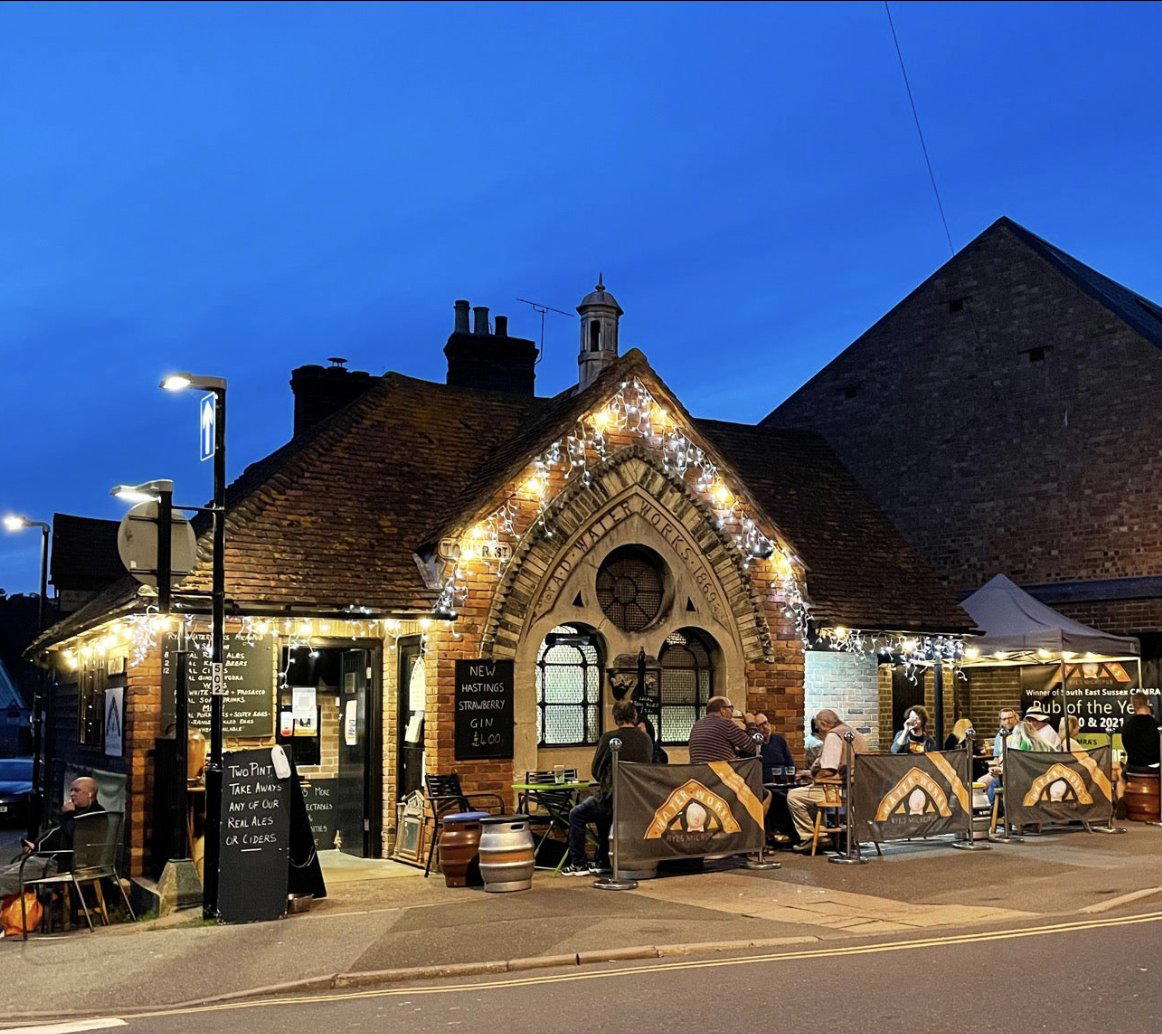
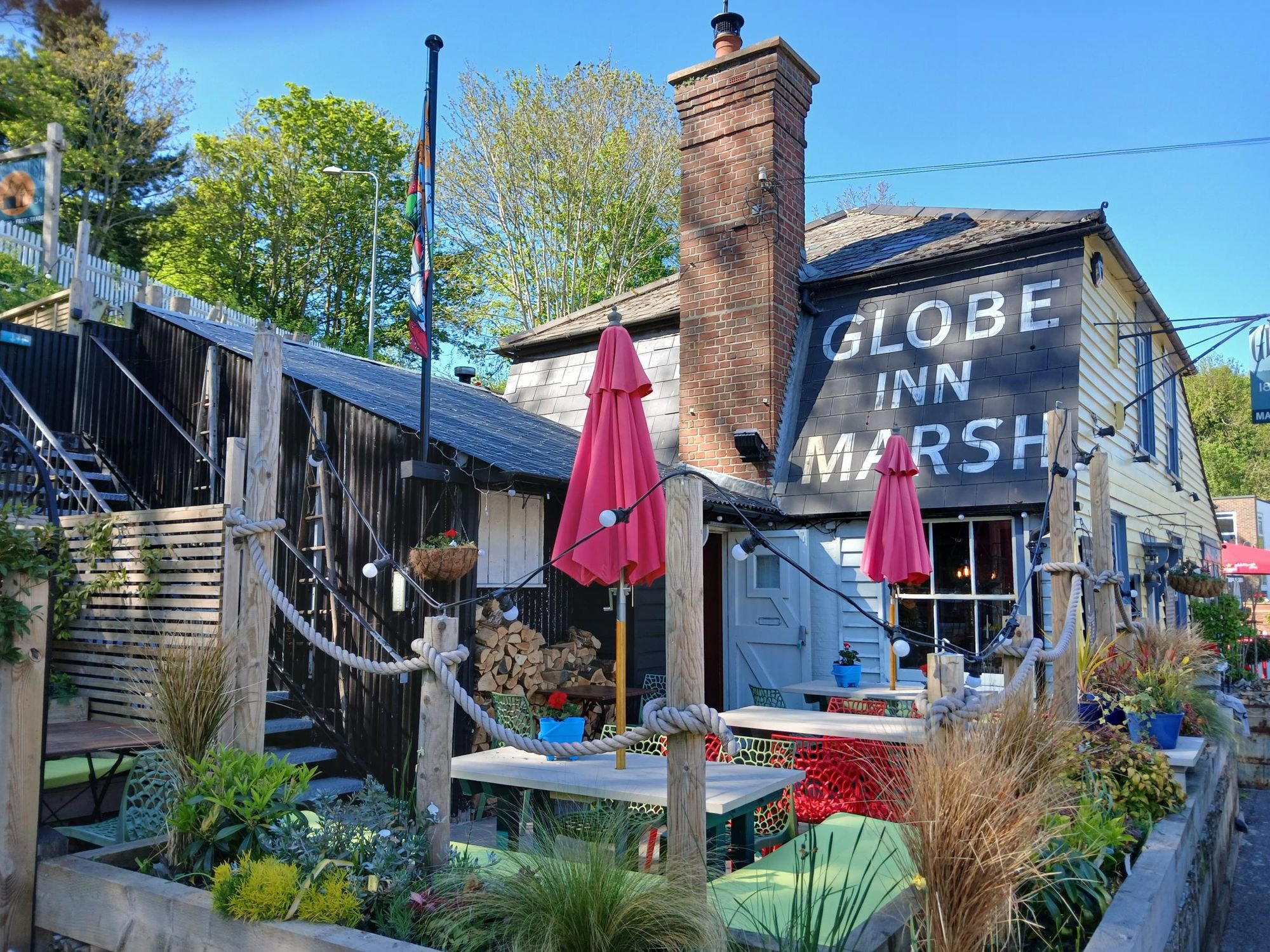
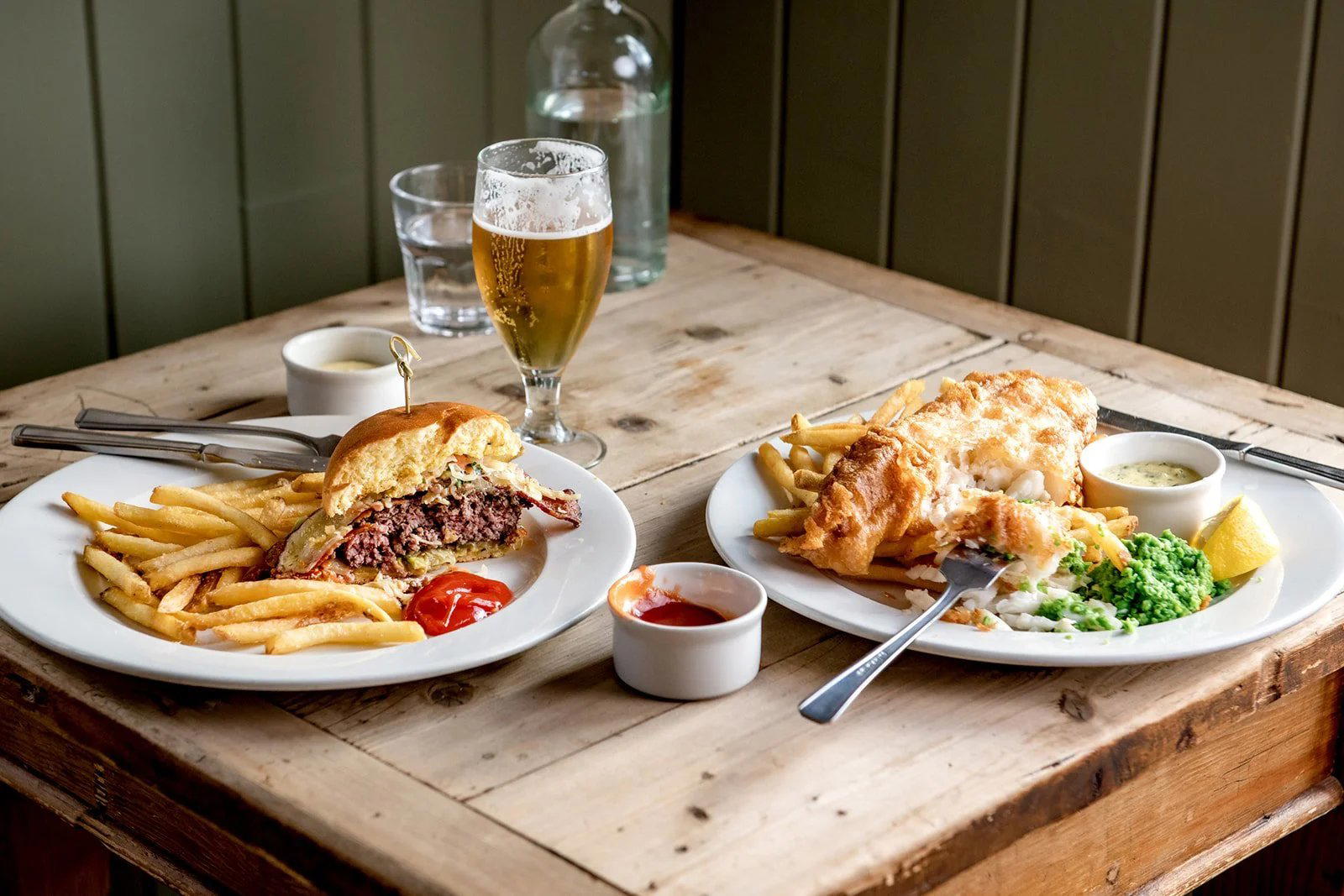
Restaurants in Rye
Browse all →
Hotels in Rye
Browse all →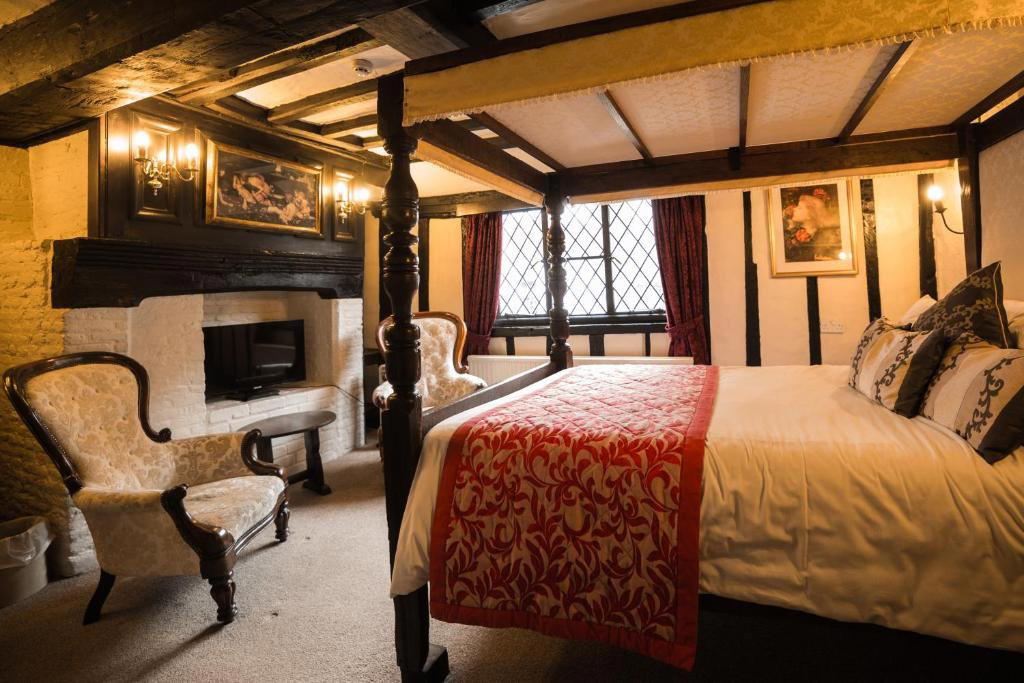
Wineries in Rye
Browse all →
At a Glance
- Historic
- Cozy
- Rustic
- Intimate
- Casual Hangout
- Special Occasion
- Historic Building
- Seated Bar
- Outdoor Terrace
- Whiskey
- Gin
Warm and atmospheric with massive inglenook fireplace, linenfold paneling, and medieval charm evoking a step back in time.