The Dean
The Dean brings a sustainability-conscious hospitality approach to Miami, positioning itself within a city where ethical sourcing and design-led independent properties are gaining ground against the area's larger resort brands. For travelers seeking something outside the conventional South Beach formula, it represents a considered alternative worth examining before committing to the obvious options.

Pearl is the En Primeur Club membership app — saves, bookings, and concierge access live there. Same editors, same standards.
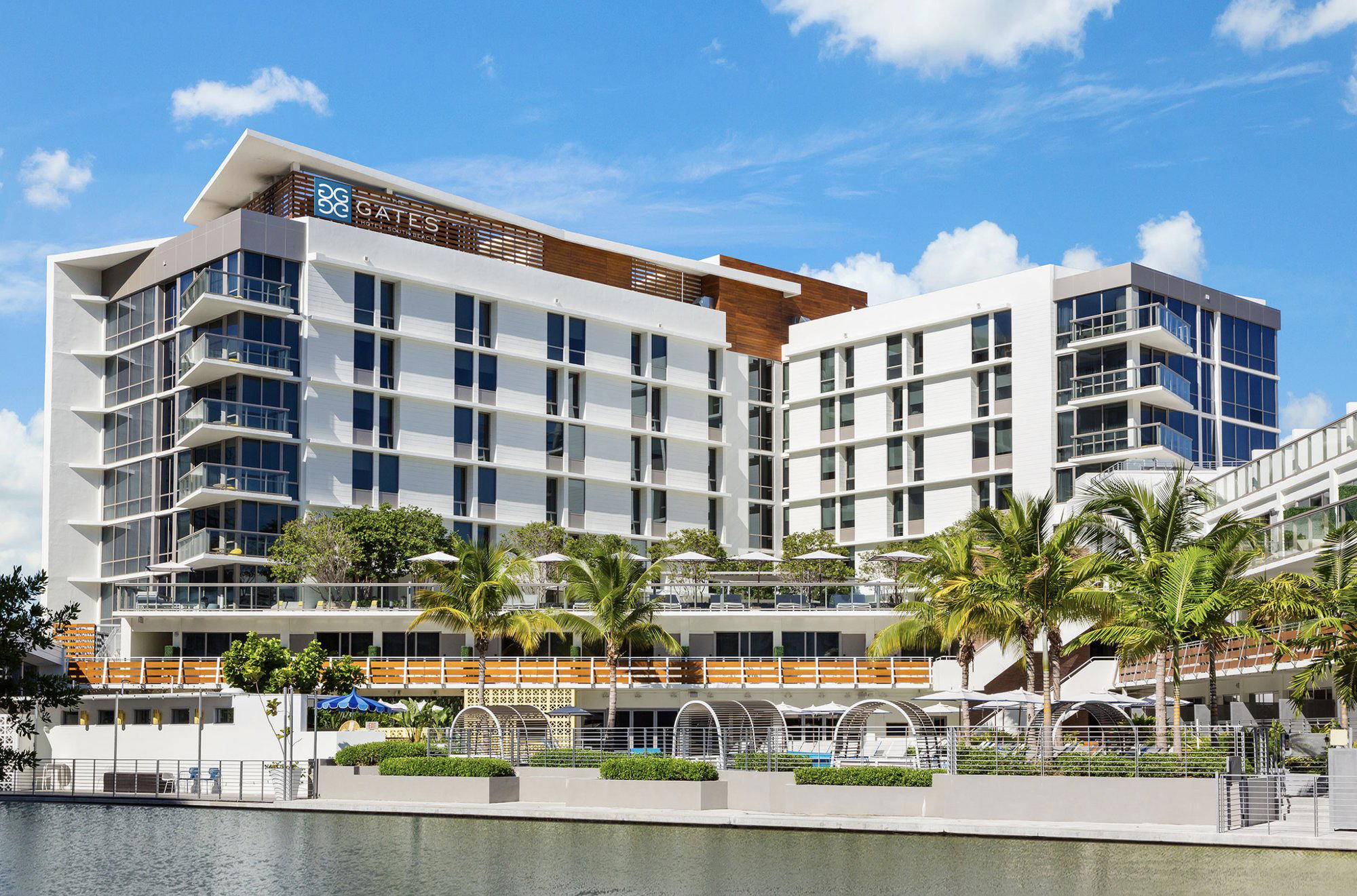
Where Miami's Independent Hotel Tier Is Headed
Miami's hotel market has long organized itself around two poles: the large-format resort brands concentrated in South Beach and Brickell, and the boutique properties that periodically break through the noise with a more specific editorial point of view. The gap between those two cohorts has narrowed in recent years as travelers increasingly ask whether scale and sustainability can coexist, and whether a smaller, more principled property can hold its own against the Four Seasons, the Ritz-Carlton Bal Harbour, and the rest of the established luxury tier. The Dean sits inside that question. Its presence in Miami signals something about where the city's independent hospitality sector is moving, even if the specific contours of its offering require closer examination than the available public record currently supports.
That caveat matters. Venue records for The Dean carry limited confirmed data at this stage, which means the editorial task here is partly to situate it within the forces shaping the broader Miami market rather than to describe operational specifics that cannot be verified. What can be said with confidence is that the direction of travel in Miami's premium independent sector favors properties that take environmental accountability seriously, not as marketing language but as a structural commitment embedded in sourcing, waste management, and material choices. Properties like 1 Hotel South Beach have demonstrated that sustainability positioning can command genuine premium rates in this market, shifting the conversation from niche preference to mainstream expectation among a particular traveler cohort.
The Sustainability Shift in South Florida Hospitality
South Florida's ecological context gives sustainability messaging more weight here than in most American cities. The Everglades, Biscayne Bay, and the broader reef system are not abstract environmental concerns for Miami hoteliers; they are part of the physical and commercial reality that shapes the city's appeal. Hotels that source responsibly, reduce single-use plastics, and engage with local food systems are responding to a regional imperative as much as a global trend. The distinction matters because it separates properties with genuine structural commitments from those that apply the language of sustainability as a surface layer over conventional operations.
Across the wider American market, the properties that have made sustainability a genuine operational pillar rather than a communications strategy share certain characteristics: they tend to favor local and regional supplier relationships over centralized procurement, they design waste reduction into kitchen and housekeeping operations from the outset rather than retrofitting, and they calibrate their physical footprint to minimize environmental load. Post Ranch Inn in Big Sur and SingleThread Farm Inn in Healdsburg represent different expressions of that commitment at the high end, and both demonstrate that ethical sourcing and premium positioning are not in tension when the execution is consistent. Sage Lodge in Pray offers another reference point for how landscape-responsive design can reinforce sustainability credentials without sacrificing comfort or service depth.
What the Miami market context does make clear is that properties in the independent tier that fail to take a clear position on these questions are increasingly disadvantaged relative to those that do, particularly as the traveler segment willing to pay for principled hospitality grows in size and sophistication.
How The Dean Fits the Miami Independent Cohort
Miami's independent hotels occupy a complicated competitive space. On one side, the established luxury brands, including the Ritz-Carlton Coconut Grove and Key Biscayne properties, provide a consistent high-service benchmark. On the other, design-led boutiques like Faena Hotel Miami Beach, Esmé Miami Beach, and Mayfair House Hotel and Garden compete on aesthetic distinctiveness and program depth. The Dean's positioning, insofar as it can be assessed, appears to target the overlap between those two zones: travelers who want independent sensibility without sacrificing service reliability, and who factor environmental accountability into their decision calculus.
That traveler profile overlaps significantly with the cohort drawn to properties like Betsy and Hotel Greystone in the South Beach market, both of which have built identities around specific values rather than scale. The Setai, Miami Beach operates in an adjacent but distinct tier, where the emphasis falls on material richness and quiet formality rather than principled positioning. Mr. C Miami in Coconut Grove offers another useful point of comparison, particularly for travelers considering neighborhoods outside the South Beach core.
For context on how sustainability-forward independent hotels perform across other American markets, Canyon Ranch Tucson and Troutbeck in Amenia both illustrate how deeply embedded wellness and environmental values can define a property's entire commercial identity rather than functioning as a secondary program. Internationally, Aman Venice and Badrutt's Palace Hotel in St. Moritz demonstrate that heritage and environmental stewardship are not mutually exclusive in the high-end tier.
Planning a Stay: What to Consider
Given the limited confirmed operational data currently available for The Dean, travelers planning a Miami visit are advised to treat it as part of a comparative evaluation rather than a destination booking made on editorial confidence alone. Consulting the property directly for current room availability, rate structure, and sustainability program details is the appropriate starting point. Miami's hotel market operates on dynamic pricing, and rates across the independent tier can shift substantially depending on season, with the period from December through April representing peak demand and corresponding rate premiums.
For travelers building a broader Miami itinerary, our full Miami restaurants and hotels guide provides context on neighborhoods, seasonal timing, and how the city's dining and hospitality sectors align. The Four Seasons at The Surf Club in Surfside represents the large-brand benchmark at the northern end of the beach corridor, while Little Palm Island Resort and Spa in Little Torch Key illustrates how far South Florida's premium hospitality extends beyond Miami proper. For travelers also considering other gateway cities, Raffles Boston, The Fifth Avenue Hotel in New York City, Aman New York, and Hotel Bel-Air in Los Angeles provide useful calibration points for independent and flagship luxury across the American urban market. Those planning Western or remote escapes may also find Amangiri in Canyon Point, Kona Village, A Rosewood Resort in Kailua Kona, and Auberge du Soleil in Napa instructive in how different climate zones approach sustainable luxury at different price points.
Comparable Venues
Comparable venues nearby, for context on price, style, and recognition.
| Venue | Cuisine | Price | Awards | Notes |
|---|---|---|---|---|
| The DeanThis venue — the venue you are viewing | Lifestyle hotel shaped by place with character-driven design. | Not listed | Not listed | Not listed |
| Kimpton Surfcomber Hotel | Art Deco boutique with French Riviera-inspired playful and earthy design | $100–200 | Michelin Selected | South Beach |
| Casa Faena | Historic beachside guesthouse with residential-style guestrooms. | Not listed | Michelin Selected | Mid Beach |
| ME Miami | luxury lifestyle hotel | Not listed | Not listed | Park West |
| Arlo Wynwood Miami | Sophisticated boutique hotel blended with urban event venue featuring rotating art and spontaneous events. | Not listed | Michelin Selected | Midtown |
| Four Seasons Hotel Miami | Hotel | $500–750 | Forbes 4-Star · Virtuoso Luxury Hotel Partner | Miami Financial District |
Continue exploring
More in Miami
Hotels in Miami
All hotels in Miami →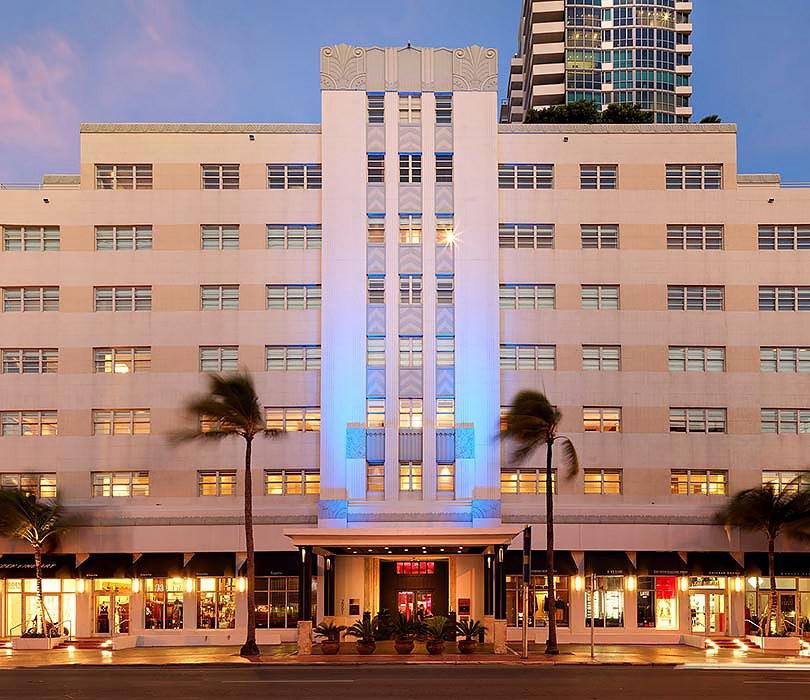
Details
- Trendy
- Modern
- Lively
- Sophisticated
- Weekend Escape
- Celebration
- Rooftop Pool
- Terrace
- Pool
- Spa
- Fitness Center
- Room Service
- Concierge
- Street Scene
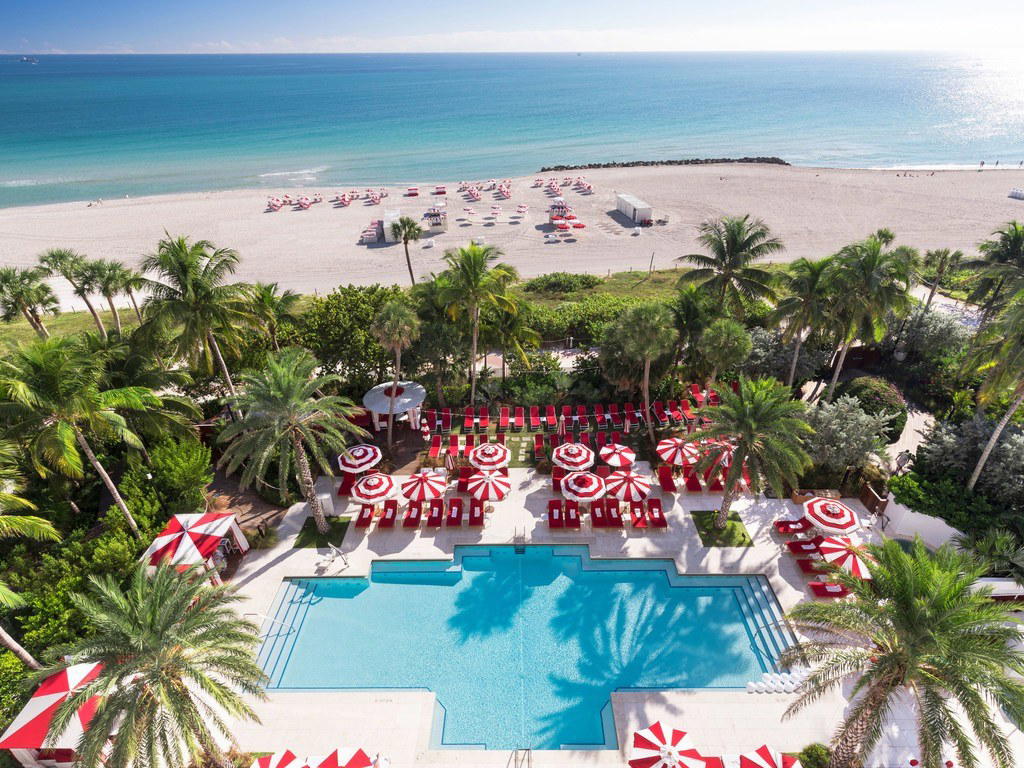
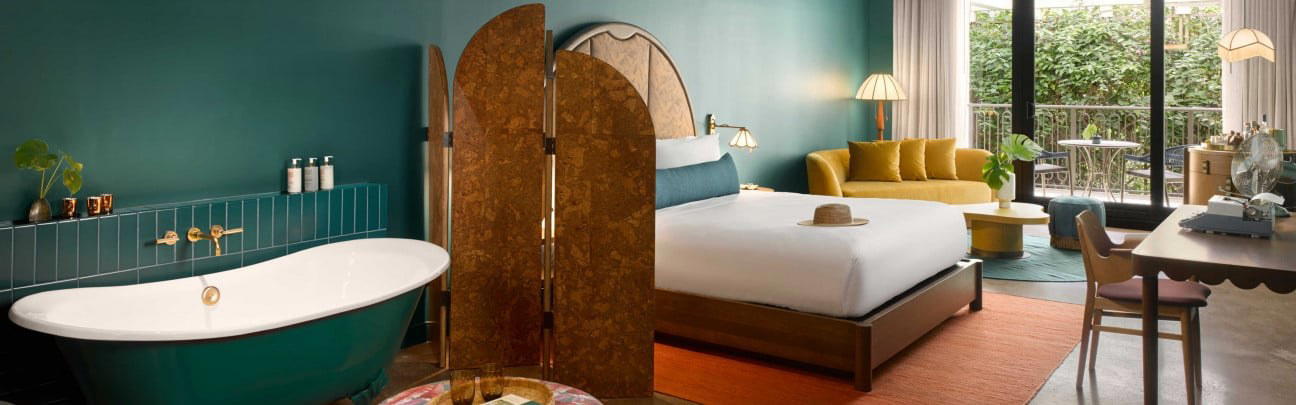
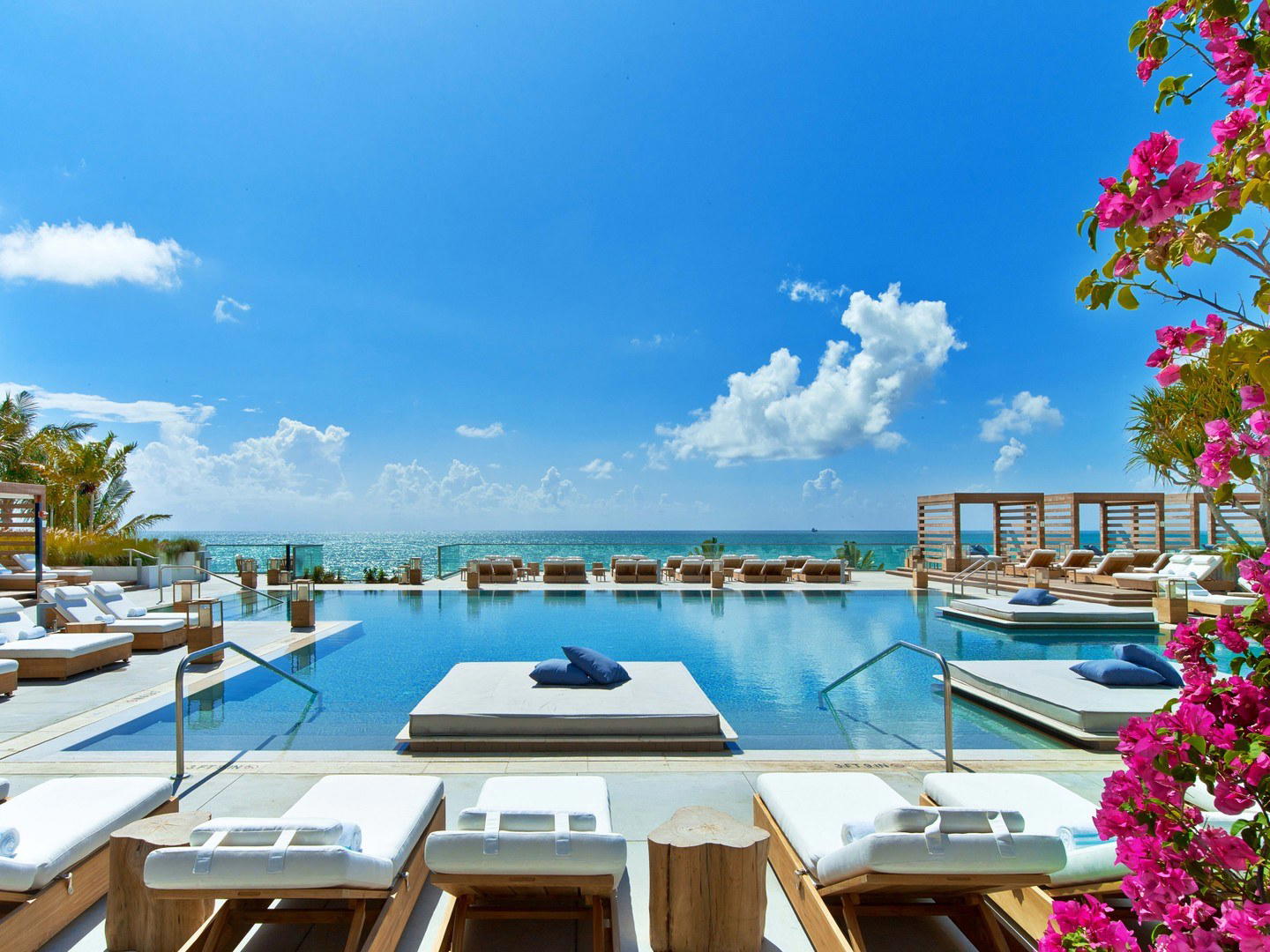
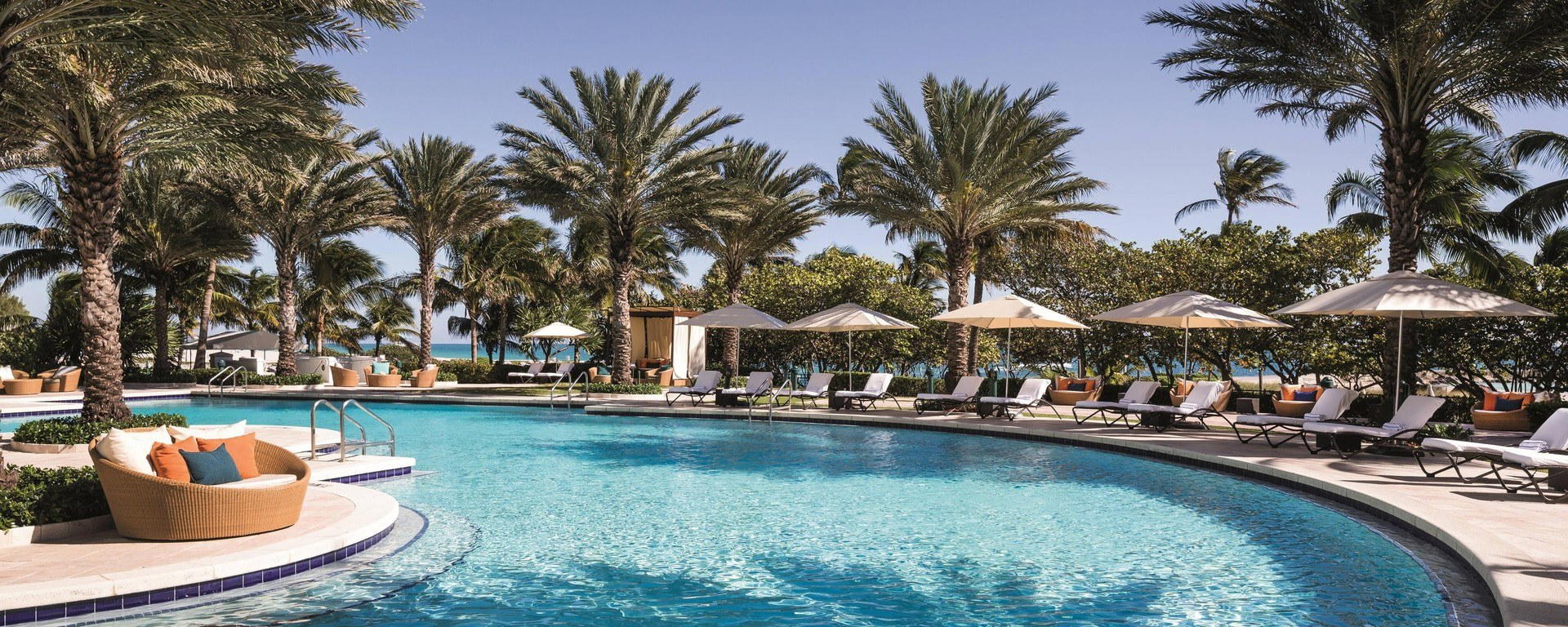
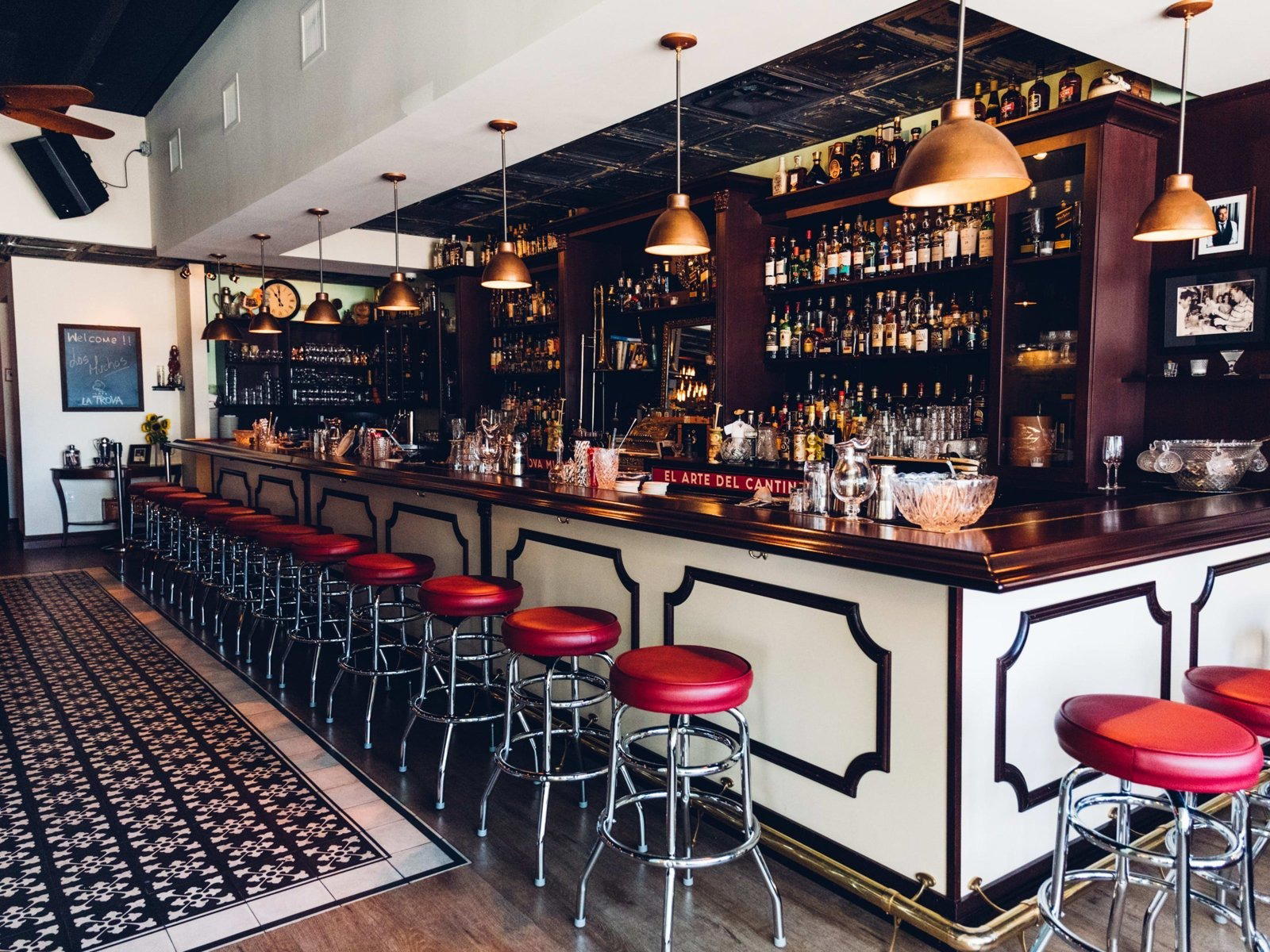
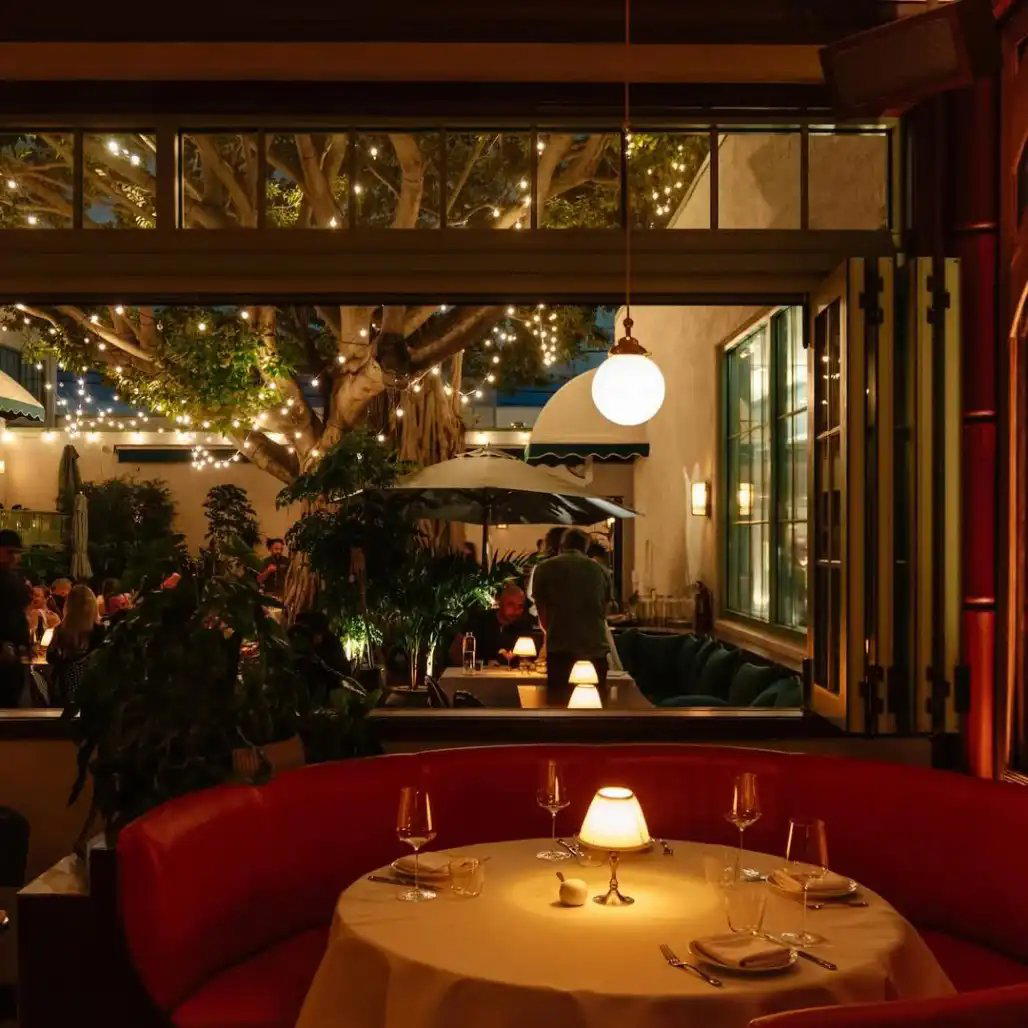
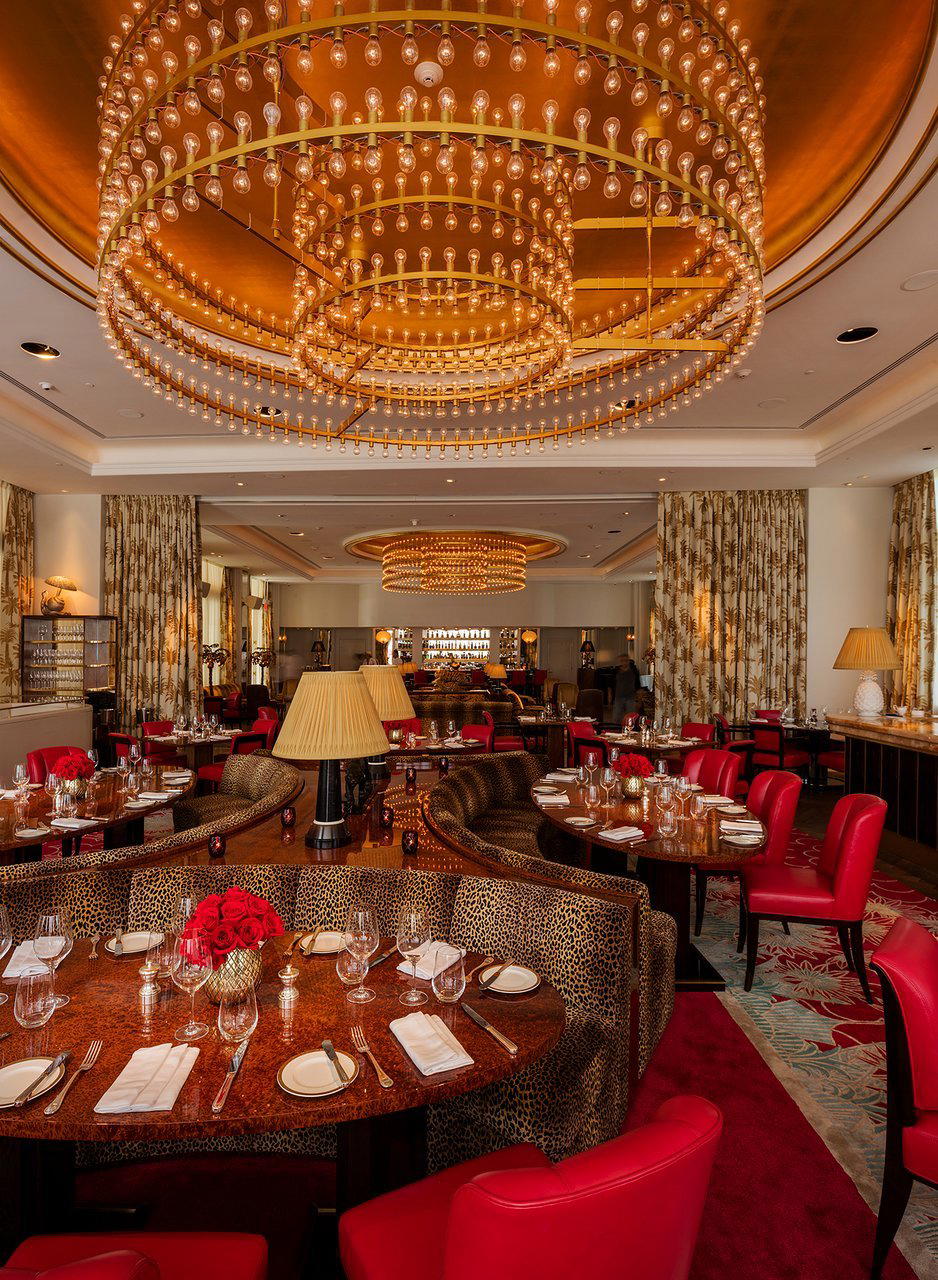
Lively and energetic with creative design blending local cultural rhythms, poolside relaxation, and social wellness spaces.