
Falstaff Winery - Listed
Tudernum is a large cooperative winery in Todi, founded in 1958 and built around Umbrian growers rather than estate theatrics. Its interest lies in breadth: Grechetto, Sagrantino, Sangiovese, Merlot and Cabernet Sauvignon sit within a cellar-door format that feels practical, local and value-led rather than polished for luxury wine tourism.

Pearl is the En Primeur Club membership app, where members save venues, book tables and use the concierge.
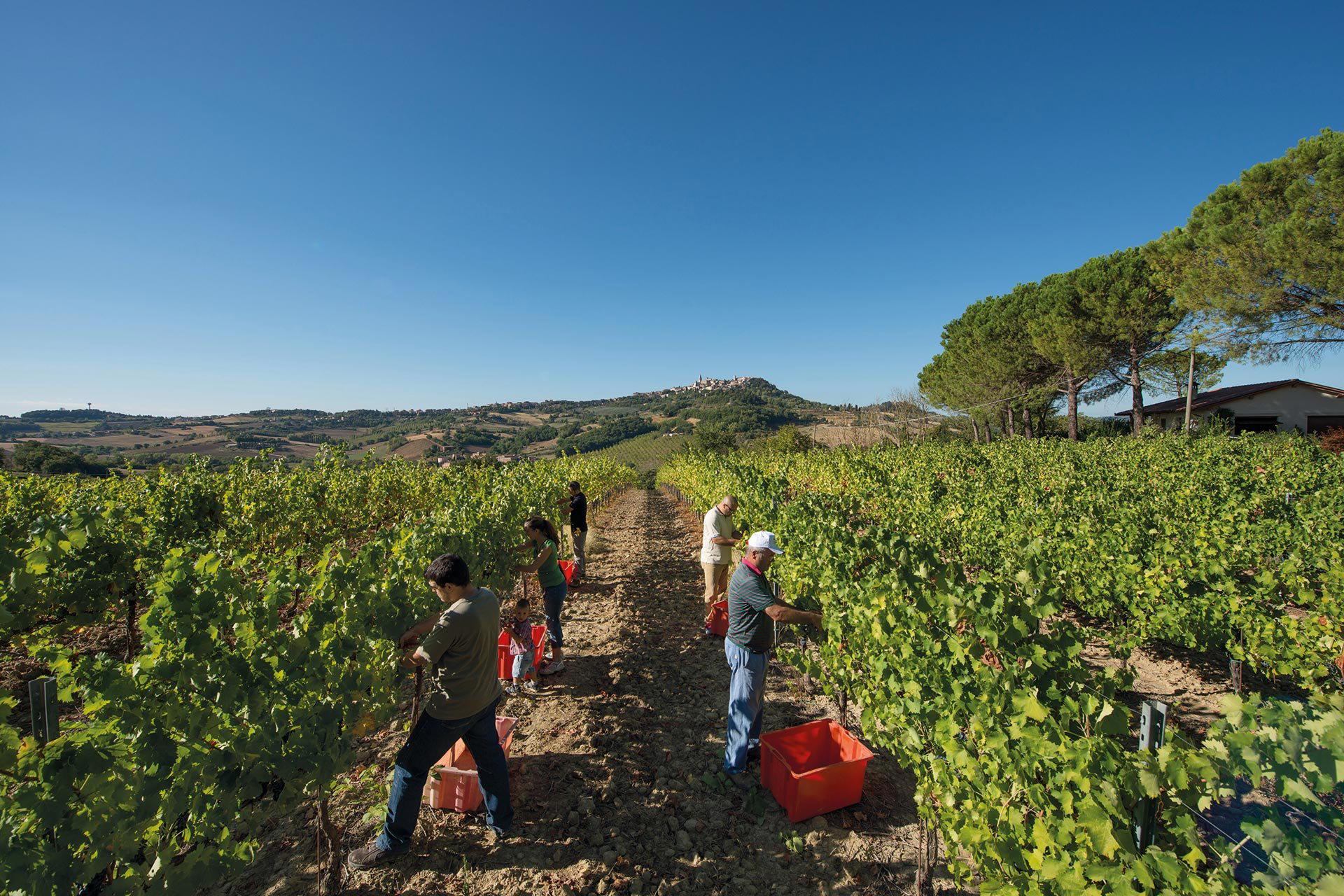
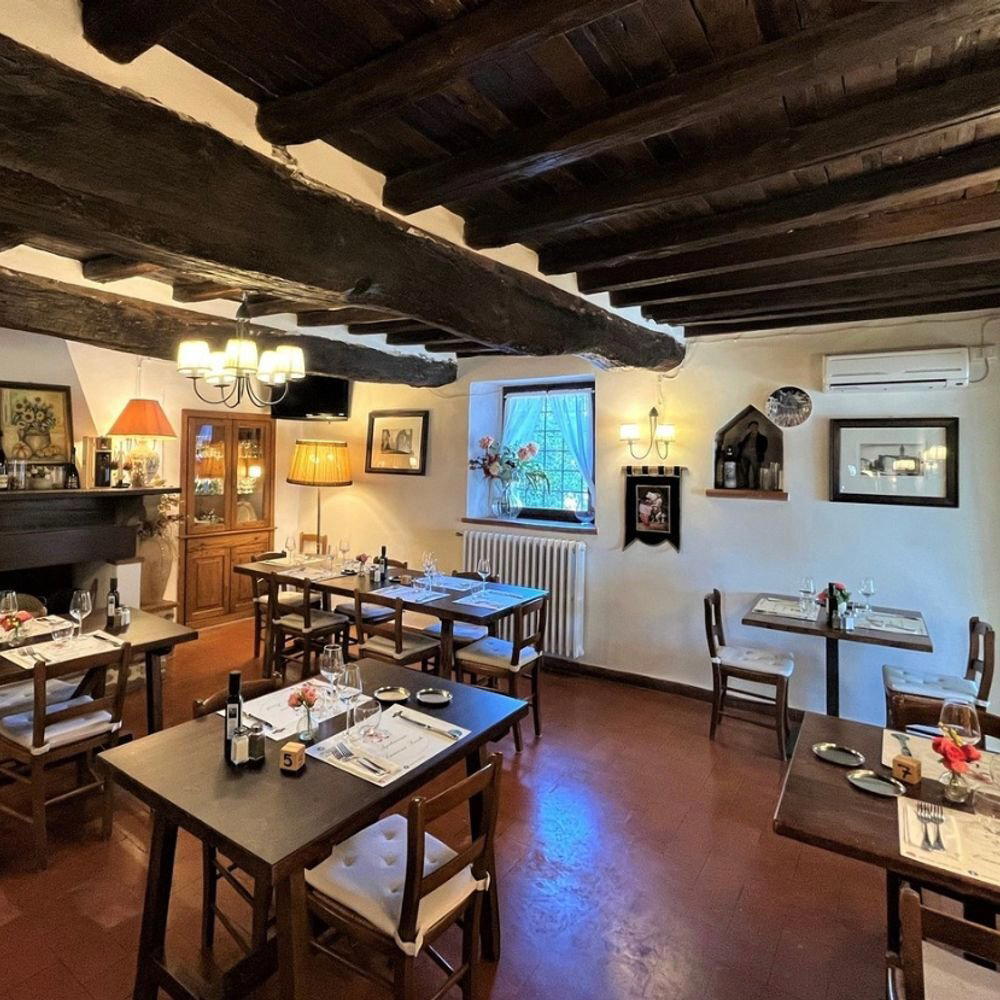
The first impression is not choreographed glamour. Tudernum belongs to the working-cellar side of wine culture in Todi: organized, direct, friendly, and shaped more by cellar routine than by lounge furniture or architectural performance. That matters for visitors who are not looking for a polished tasting-room aesthetic, or for a winery visit framed mainly as lifestyle theatre. The picture is simpler and more useful: this is a cooperative winery with a rustic, traditional atmosphere and a value-focused reputation.
Specific claims about grape varieties, appellations, production figures, founding history, seat counts, tasting formats, opening arrangements, or special services should be checked directly with the venue before planning a visit around them. What can be said with confidence is that the character is informal, classic and working-cellar in feel. In other words, the reliable expectation is not a scripted luxury experience, but a direct encounter with a practical wine venue whose strengths are ease, clarity and local usefulness.
A cooperative reading of the venue
The strongest grounded reason to take Tudernum seriously is the cooperative identity itself. A cooperative winery is different from a manicured estate built around a single owner’s mythology or a luxury tasting-room script. It tends to foreground practicality, local buying habits and direct hospitality. At Tudernum, that comes through in the simple, traditional atmosphere described by guests: friendly, well organized and focused on value.
That value orientation is also reflected in the listed price level, which is $. The price marker should not be read as a promise about any individual bottle, tasting or purchase; it is simply the pricing category available for the venue. Still, it supports the broader impression of Tudernum as a grounded stop rather than a prestige-driven one. The point is less about bargain-hunting than about tone: the venue reads as accessible, functional and refreshingly uninflated.
For travelers, the useful frame is not scarcity or spectacle. Tudernum is better understood as a place where the appeal lies in directness. The working-cellar feel may be exactly the point: a rustic, classic setting that keeps the focus on the cooperative winery itself rather than on a staged hospitality environment. That can be especially appealing in a region where visitors often move between restaurants, town views and historic streets; here, the attraction is a more everyday version of wine culture.
What the cellar-door character tells you
Hospitality at this kind of winery should be judged by different standards from appointment-only estates or design-led wine bars. The appeal is not theatrical scarcity; it is access to a practical version of local wine culture. Tudernum’s atmosphere is old-school and traditional, with a simple cellar feel that guests describe as friendly and organized. That makes it a good fit for visitors who prefer direct local character over a polished showroom, and who are comfortable with a venue whose charm is tied to usefulness rather than display.
It is also important not to overstate what is known. Details can change, and the available public picture does not justify turning the place into something more elaborate than it is. Those may or may not exist at a given time, but they should not be treated as confirmed here. Anyone planning around a particular service should contact Tudernum directly.
What remains is still useful. Many premium guides overdescribe wineries by turning every venue into a fully choreographed experience. Tudernum does not need that treatment. Its identity is clearer when described plainly: a cooperative winery in Todi with a rustic, traditional, working-cellar atmosphere and a reputation for friendliness, organization and value. That plain description is not a limitation; it is the most accurate way to set expectations and to help the right visitors recognize why they might enjoy it.
How to place Tudernum in a Todi itinerary
Tudernum is a sensible choice for travelers who want a grounded wine stop in Todi rather than a destination designed around ceremony. The setting is casual rather than glossy, and the price category suggests an accessible experience. It can work as part of a wider day in Todi, especially for visitors who want to balance the city’s dining and hospitality options with a more practical winery visit. In that context, Tudernum functions best as a direct counterpoint: less about performance, more about the cellar-door side of the local wine scene.
If you need a particular tasting format, group arrangement, purchase option, language support or schedule, verify it with the venue. If your priority is atmosphere, the grounded expectation is a friendly, old-school and value-minded cellar rather than a highly polished tasting-room environment. Approach it with that frame, and Tudernum’s simplicity becomes part of its usefulness rather than something to explain away.
Recognition history
Dated appearances from independent guides and award organizations, with the underlying list record or original source where available.
Falstaff Winery - Listed
Falstaff
Continue exploring
More in Todi
Wineries in Todi
All wineries in Todi →

Bars in Todi
All bars in Todi →
Details
- Rustic
- Classic
- Group Outing
- Wine Education
- Solo Exploration
- Historic Building
- Private Tasting
- Grechetto
- Sagrantino
- Sangiovese
- Merlot
- Cabernet Sauvignon
- Still Red
- Still White
- Guided Tasting
- Walk In Tasting
- Retail Tasting
A cooperative winery with a simple, working-cellar feel rather than a polished tasting-room aesthetic; guests describe it as well organized, friendly, and focused on value, with an old-school, traditional atmosphere.