Taverna del Capitano
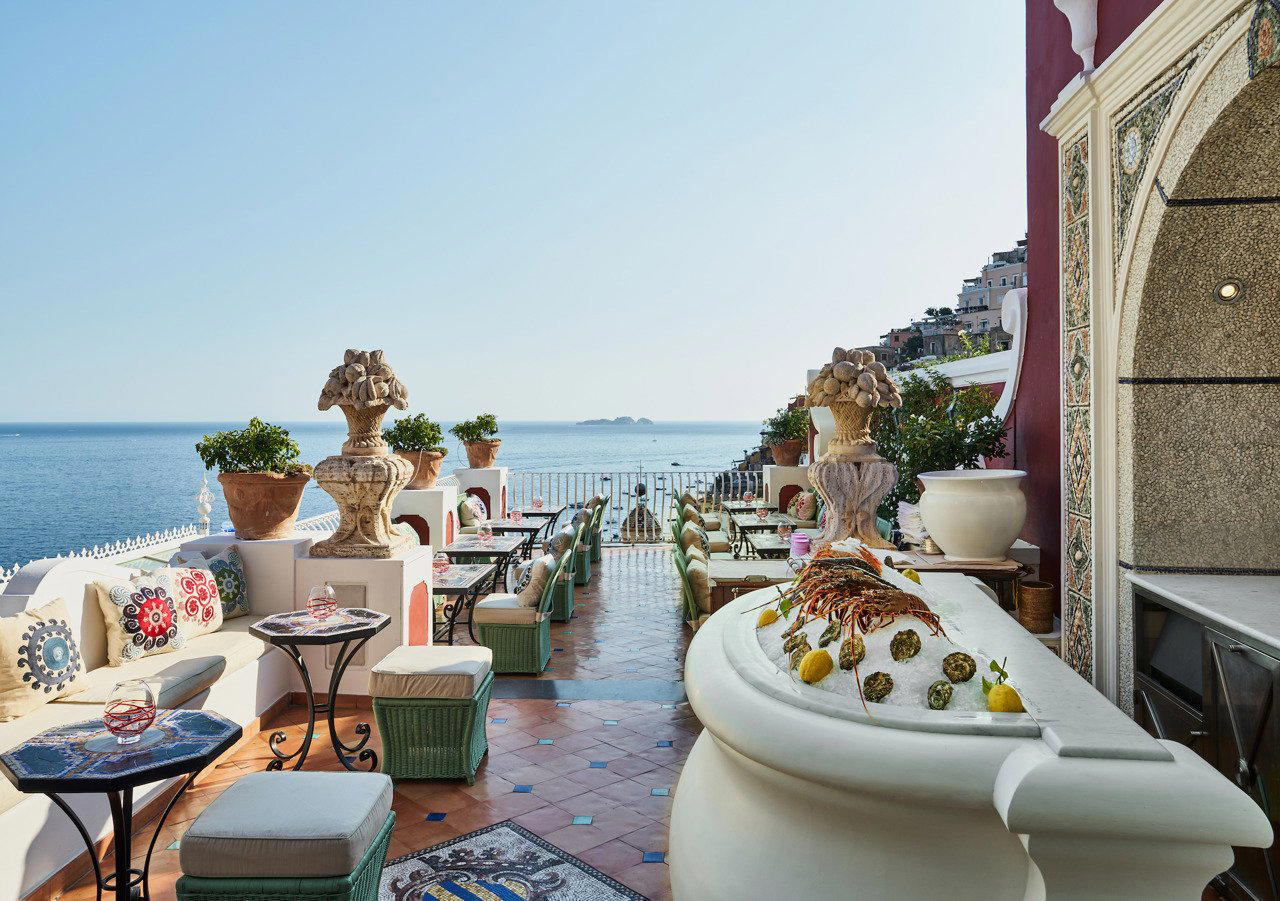
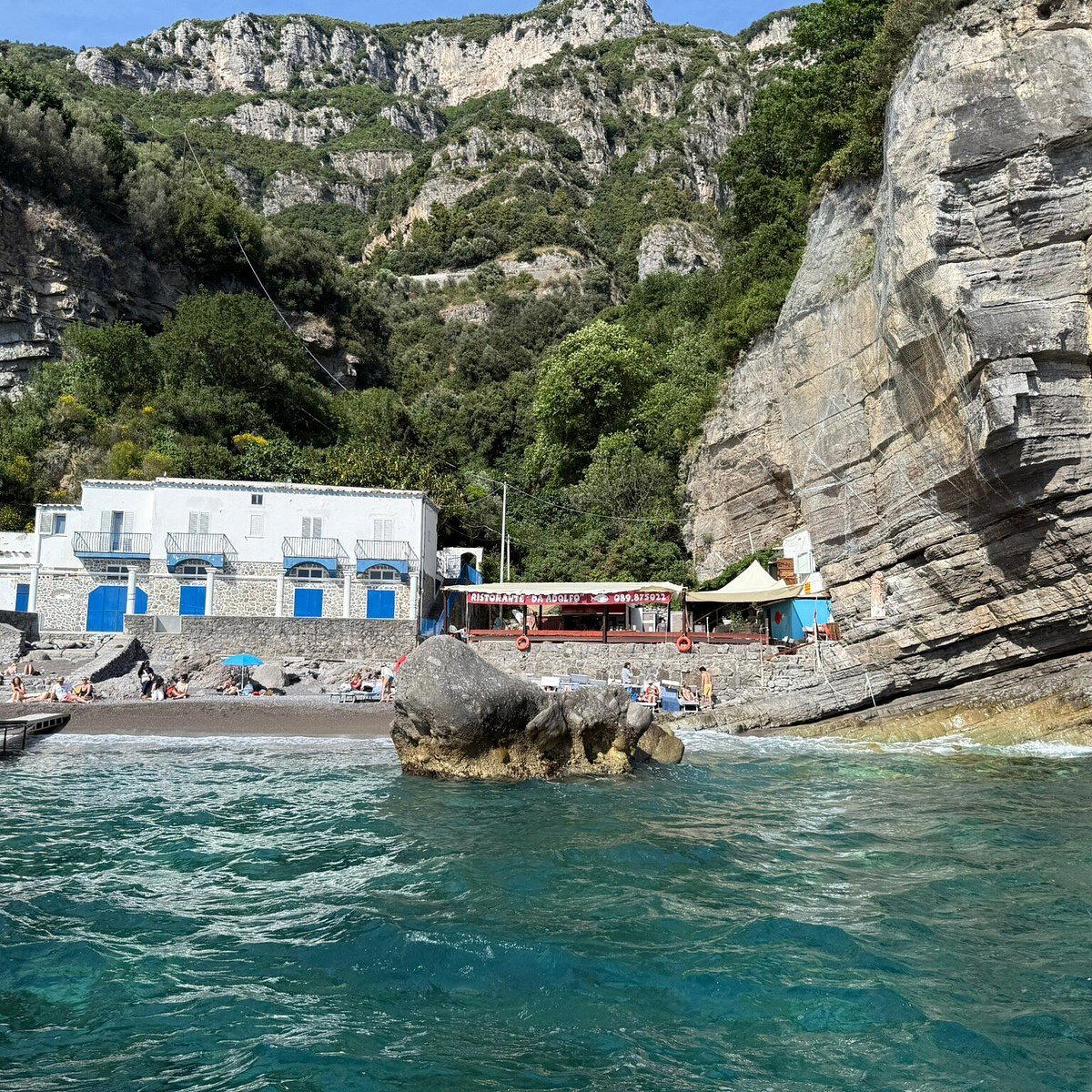
On the Sorrento Peninsula, where the Amalfi Coast road thins and the crowds thin with it, Taverna del Capitano occupies a terrace above the small harbour of Nerano. The setting frames a dining tradition rooted in what local fishermen actually catch, prepared with the kind of matter-of-fact confidence that belongs to southern Italian coastal cooking at its most persuasive. For visitors staying along this stretch of coastline, it represents the cleaner alternative to the peninsula's more theatrical dining options.
Pearl is the En Primeur Club membership app — saves, bookings, and concierge access live there. Same editors, same standards.
- Address
- Piazza delle Sirene, 10, 80061 Nerano NA, Italy
- Phone
- +39 081 808 1028
- Website
- tavernadelcapitano.com
- Directions
- Get directions
 Saves & bookings on Pearl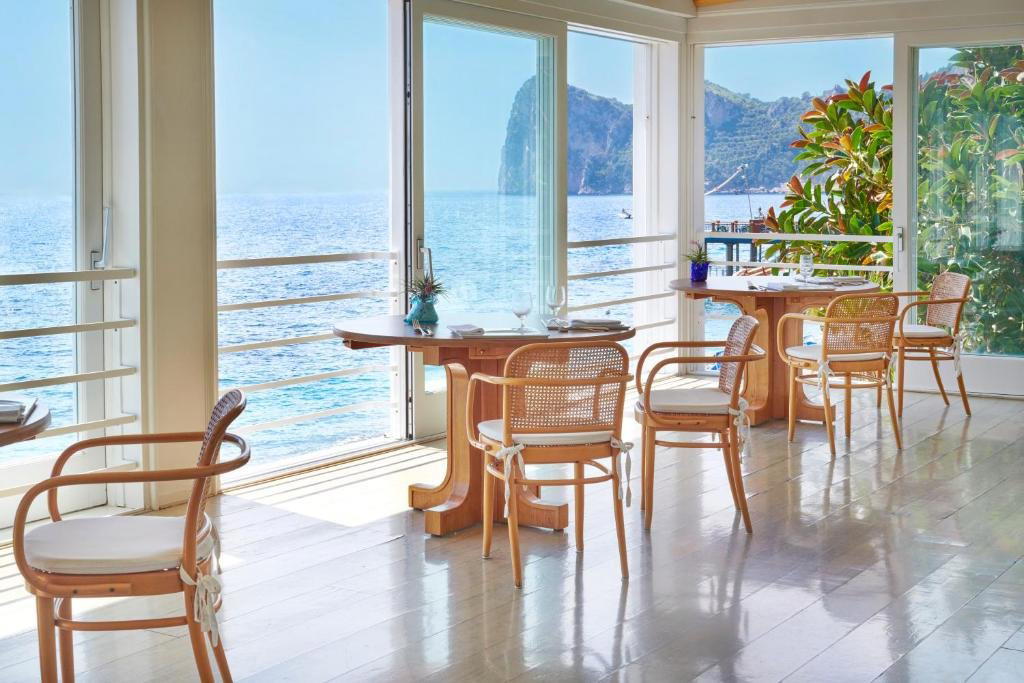
Where the Peninsula Quiets Down
The Sorrento Peninsula has two registers. There is the busier, hotel-dense corridor between Sorrento and Positano, where dining rooms fill with tourists who arrive by ferry and leave by sunset boat, and then there is the quieter southwestern tip, where the road narrows, the villages grow smaller, and the restaurants tend to operate with a more local logic. Nerano sits firmly in the second category. Its small harbour, Piazza delle Sirene, draws a fraction of the foot traffic that Positano absorbs on a summer afternoon, and the dining establishments here answer to a different set of expectations. Taverna del Capitano stands at that address, with a terrace position above the water that places it inside one of the more genuinely unhurried corners of the entire Gulf of Naples coastline.
This stretch of the peninsula between Massa Lubrense and the tip at Punta Campanella sits directly across from Capri, close enough that the island reads clearly in the evening light. For a broader sense of the area's accommodation and dining, our full Massa Lubrense restaurants guide maps the options across the municipality, which covers a wider area than its small population might suggest.
The Nerano Tradition and What It Demands of a Kitchen
Southern Italian coastal cooking at this level operates under a specific pressure: the ingredients are so close and so good that the kitchen has fewer places to hide. The waters between the peninsula and Capri are among the cleaner fishing grounds remaining in the Tyrrhenian, and the vegetables grown on the terraced hillsides above Nerano have a concentration that flat-land produce rarely matches. The zucchini grown here became the basis for among the more discussed pasta dishes in this part of Campania, a preparation of spaghetti with fried zucchini and provolone that Nerano restaurants have served for decades and that the area has since claimed as its own regional reference point. Any kitchen operating in this village is implicitly measured against that standard, and against the broader expectation that what arrives at the table reflects the day's catch rather than a fixed menu designed for volume.
That kind of cooking, when done with discipline, requires a service culture to match. Tables linger. Courses arrive without urgency. The assumption is that guests have come to spend time at the water's edge rather than to clear a slot for the next sitting. This is the hospitality register that distinguishes the better restaurants on this part of the peninsula from their counterparts along the more trafficked Amalfi Coast to the east, where Borgo Santandrea represents the accommodation tier that expects similar pacing from its dining.
Service as the Primary Argument
On the Gulf of Naples coastline, the distinction between a restaurant that trades on its view and one that has earned its reputation through sustained hospitality tends to become legible quickly. The former relies on the terrace to do most of the work. The latter invests in a service culture that functions whether the light is well-suited or not. Taverna del Capitano sits in Nerano's most visible harbour position, which means the view is undeniably present, but the restaurant's longer-term standing in this part of Campania depends on something more operational: the way tables are read, the pacing of the meal, the capacity of the staff to adjust to a table of first-time visitors and a table of returning guests in the same service.
This kind of personalised, anticipatory service is harder to sustain in high-season conditions than it appears from the outside. The southern Campanian summer compresses visitor numbers into June through September, when the peninsula operates at full stretch and every terrace table on the water is sought after. Restaurants that maintain a consistent guest experience across that window, without retreating to a conveyor-belt format, are making a specific operational choice. It is the same choice that separates the better dining rooms in Italy's premium accommodation tier from the merely scenic: places like Il San Pietro di Positano and Bellevue Syrene 1820 in Sorrento have built reputations on exactly this kind of service continuity. Comparable logic applies at the restaurant level in Nerano.
Placing Taverna del Capitano in Its comparable set
Along this stretch of the peninsula, the dining options split broadly between hotel restaurants serving captive guests and independent addresses that draw their own clientele. Taverna del Capitano operates in the independent category, which means its guest mix tends toward visitors who have sought it out specifically, alongside locals from Massa Lubrense and the surrounding villages who use it as a reliable address for occasion dining. That self-selecting audience creates a different room dynamic than a hotel dining room, where the guest has already committed to the property for the night.
For those planning accommodation nearby, the area has two properties that position themselves at the design-conscious end of the local market: Art Hotel Villa Fiorella and Relais Blu both sit within Massa Lubrense and represent the accommodation comparable set most likely to direct guests toward a dinner at a restaurant of this standing. The combination of a smaller hotel with a focused independent restaurant is a format that works particularly well on the quieter sections of the Italian coastline, where neither venue is trying to do everything.
Further along the Italian coast and into the country's interior, the properties that operate in the same deliberate, quality-focused tier include Il Pellicano in Porto Ercole, Passalacqua in Moltrasio, and Castello di Reschio in Lisciano Niccone, each of which anchors a specific Italian microregion through a combination of setting and service seriousness. The hotel operates on the restaurant side of the same equation in Nerano.
Planning a Visit
Nerano is accessible by road from Sorrento in approximately 30 to 40 minutes, depending on summer traffic on the peninsula's coastal routes. The village has limited parking; arriving by boat from Capri or Positano is a practical alternative that many visitors prefer during peak season, and the small harbour accommodates day-tripper arrivals by water taxi. Those staying on Capri, including guests at JK Place Capri, regularly make the crossing to Nerano specifically for lunch at harbour-side restaurants, a trip of roughly 20 minutes by private boat. Booking ahead is advisable for terrace tables from late May through early October, when the better positions fill across the week rather than only at weekends.
What It’s Closest To
Comparable venues nearby, for context on price, style, and recognition.
| Venue | Cuisine | Price | Awards | Notes |
|---|---|---|---|---|
| Taverna del CapitanoThis venue — the venue you are viewing | Charming family-run beachfront boutique | $$$ | 4-Star | Not listed |
| Relais Blu | Mediterranean boutique villa with intimate luxury | $$$$ | Michelin 1 Key | Marciano-Termini |
| Art Hotel Villa Fiorella | Contemporary art-centric boutique on a hilltop with panoramic Mediterranean views | $$$$ | Michelin 1 Key | Massa Lubrense |
| Villa Svetoni Wine Resort | Historic Tuscan estate reimagined as luxury wine resort; blends 18th-century architectural heritage with contemporary hospitality and wellness focus. | $$$ | 4-Star | Montepulciano |
| The Glam Boutique Hotel & Apt | Modern boutique hotel blending classical elements with contemporary furnishings. | $$$ | 4-Star | Vicenza |
| Olympic SPA Hotel | Family-run Alpine spa hotel blending traditional charm with modern extension. | $$$ | 4-Star | Vigo di Fassa |
Continue exploring
More in Massa Lubrense
Hotels in Massa Lubrense
Browse all →
Bars in Massa Lubrense
Browse all →
Restaurants in Massa Lubrense
Browse all →
Wineries in Massa Lubrense
Browse all →
At a Glance
- Romantic
- Scenic
- Elegant
- Rustic
- Intimate
- Romantic Getaway
- Honeymoon
- Weekend Escape
- Beachfront
- Wi Fi
- Room Service
- Concierge
- Massage
- Private Beach
- Restaurant
- Waterfront
- Wi Fi
- Room Service
- Concierge
- Massage
- Private Beach
- Restaurant
Warm and welcoming coastal atmosphere with beachfront dining and relaxed terrace seating.