Relais Blu

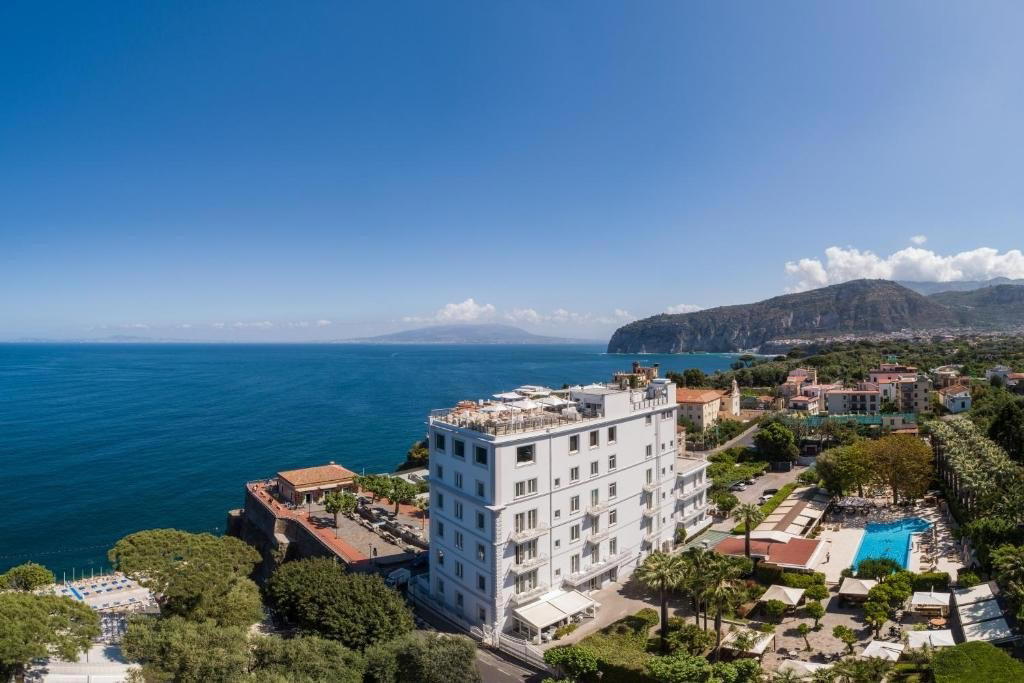
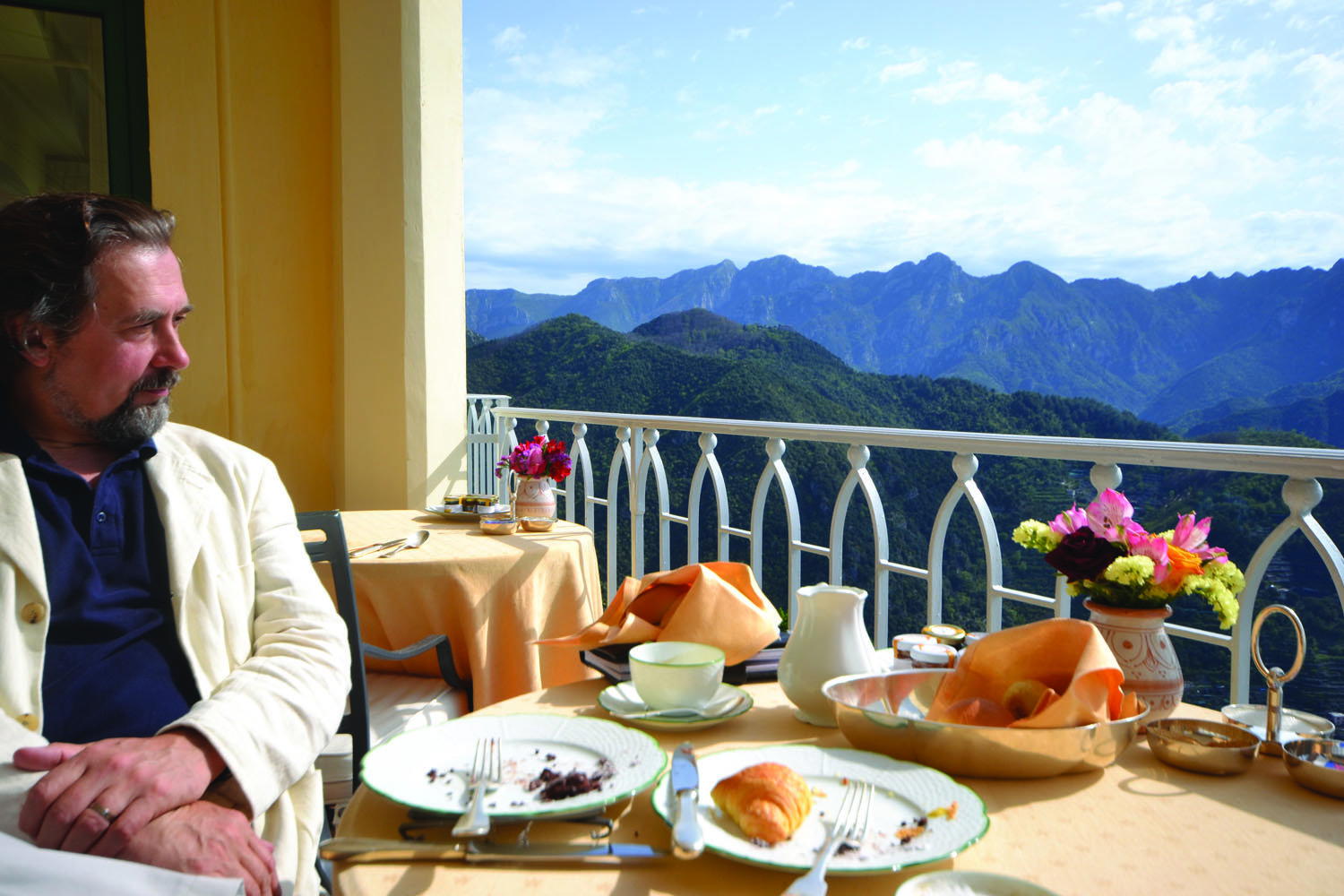
The 15-room property pairs a modernist design approach with a kitchen focused on absolute ingredient freshness, cooking lessons three times weekly, and panoramic terrace views across to Capri. Open seasonally from late March through early November.
Pearl is the En Primeur Club membership app — saves, bookings, and concierge access live there. Same editors, same standards.
- Address
- Via Roncato, 60, 80061 Termini NA
- Phone
- +39 081 878 9552
- Website
- relaisblu.com
- Directions
- Get directions
 Saves & bookings on Pearl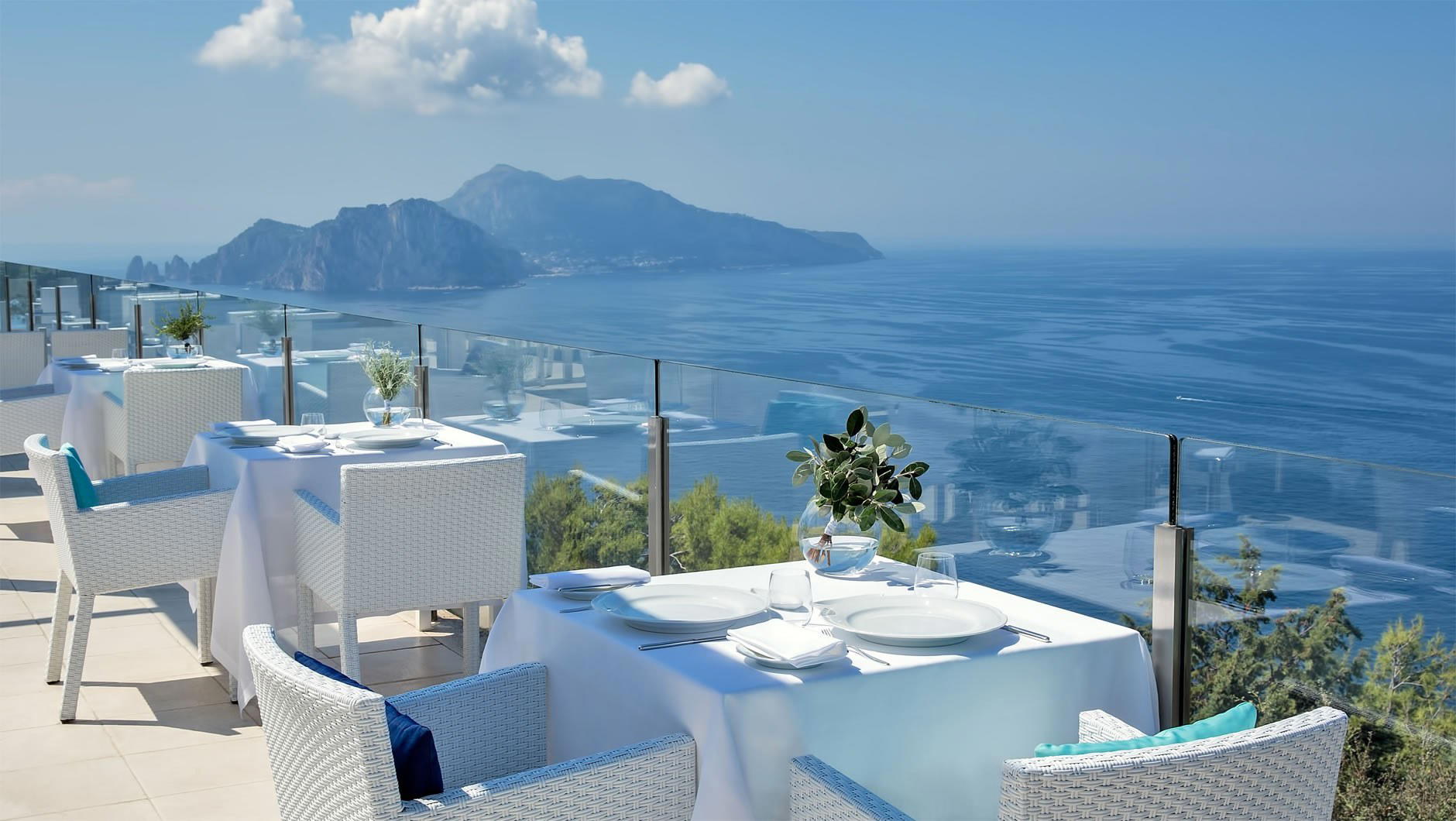
Where the Sorrentine Peninsula Runs Out of Land
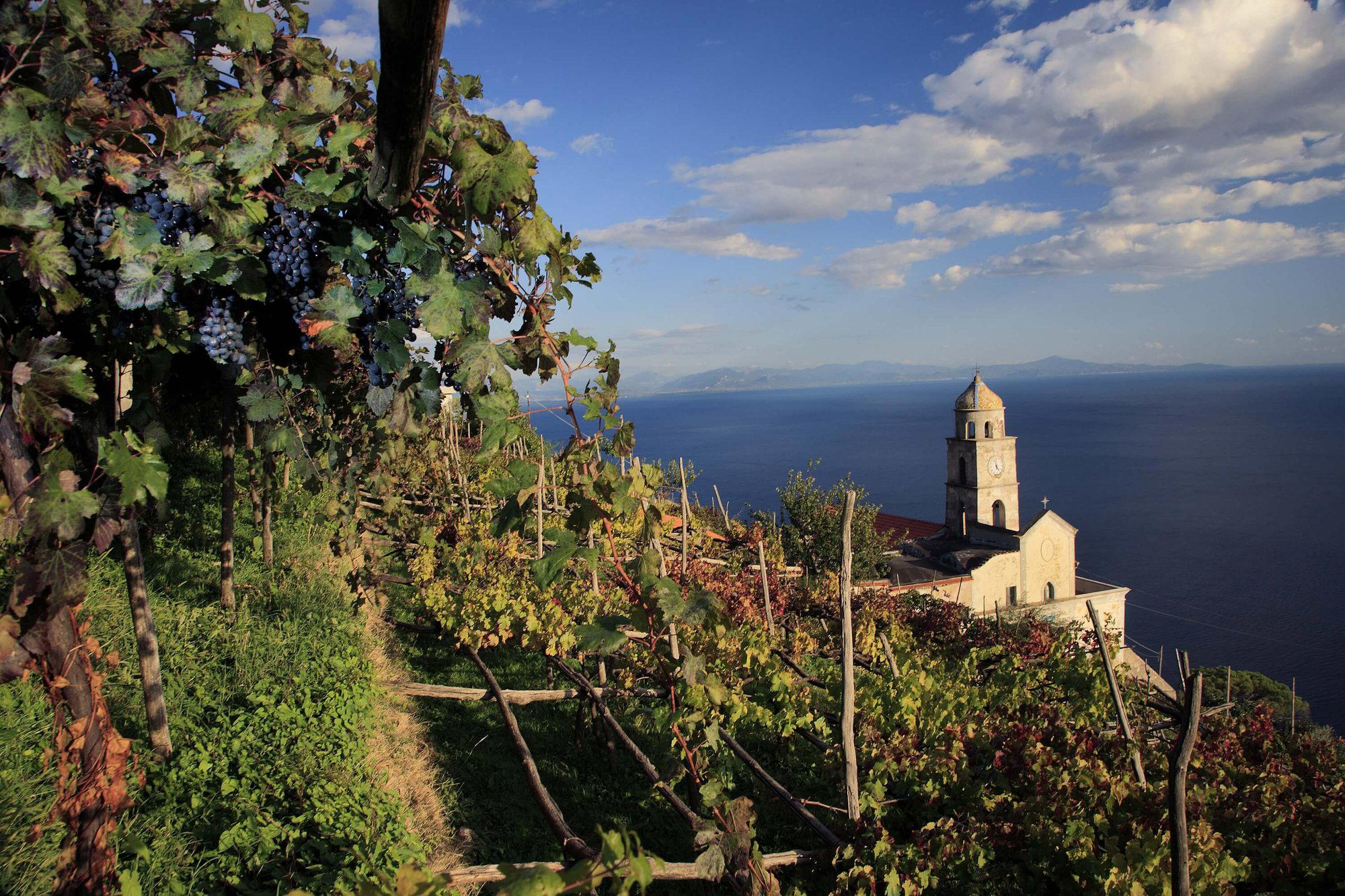
The far tip of the Sorrentine Peninsula is a different proposition from the resort towns that precede it. Sorrento has its grand hotels facing the gulf; Positano has its cliffside tumble of pastel buildings. By the time you reach Termini, the village that sits above the olive and pine groves at the peninsula's western edge, the tourist infrastructure has thinned, the views have widened, and the pace has shifted into something that more closely resembles how this coastline actually lives. That context matters when placing Relais Blu, because the property earns its position not through spectacle but through specificity: 15 rooms, a terrace that faces the Bay of Naples and the outline of Capri, and a kitchen awarded one Michelin Key in 2024.
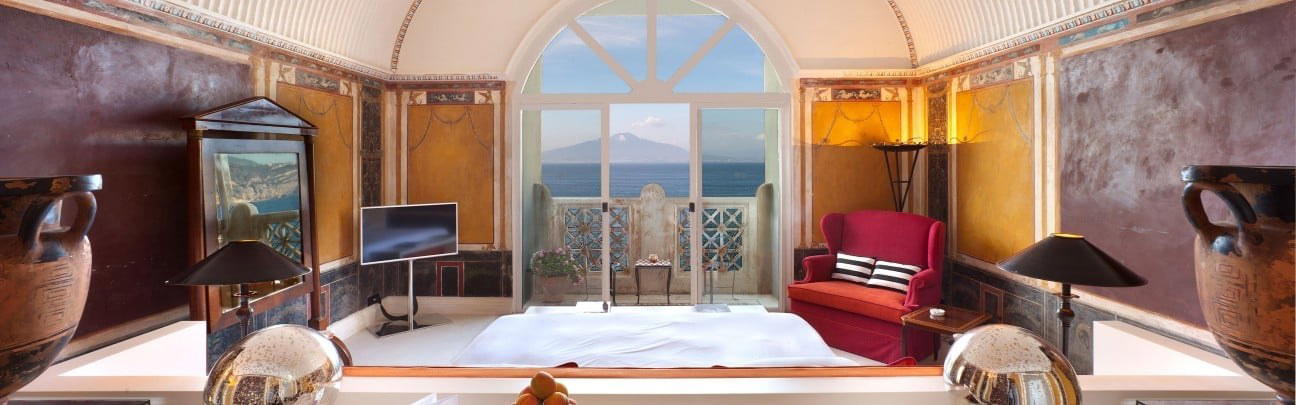
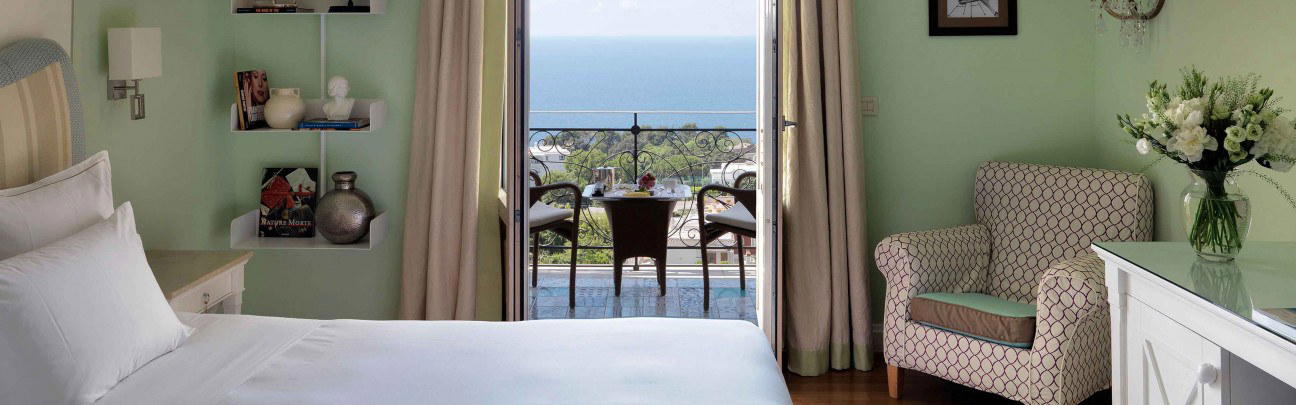
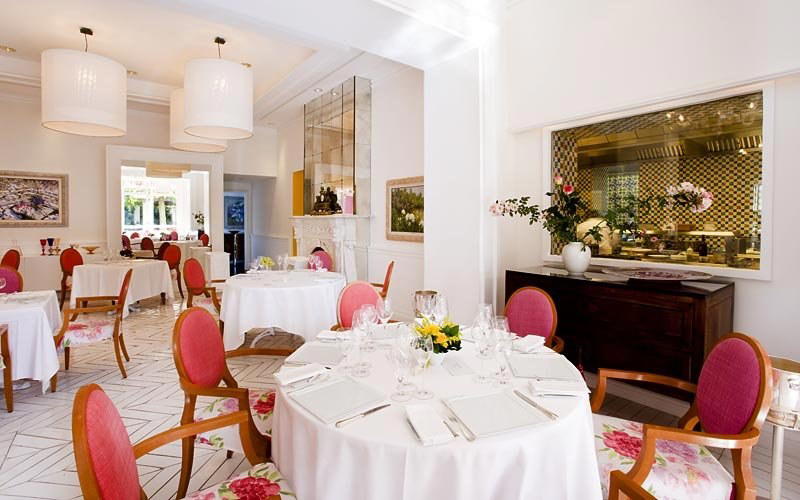
The design language inside reads as coastal modernism applied with restraint. Pale palettes and uncluttered furniture, the sort of aesthetic that can read as clinical in an urban hotel, resolve differently here, where the picture windows in every room frame olive groves and open water. Each room comes with a balcony, meaning the outside is always present. That interplay between interior calm and the full colour of the Campanian coastline gives the minimalist approach a purpose it rarely achieves in city properties. For a point of comparison within the Italian boutique tier, properties like Borgo Santandrea on the Amalfi Coast and Il San Pietro di Positano occupy a similar niche of small-key coastal design, though each with distinct architectural approaches to cliff and sea.
The Kitchen as the Programme's Anchor
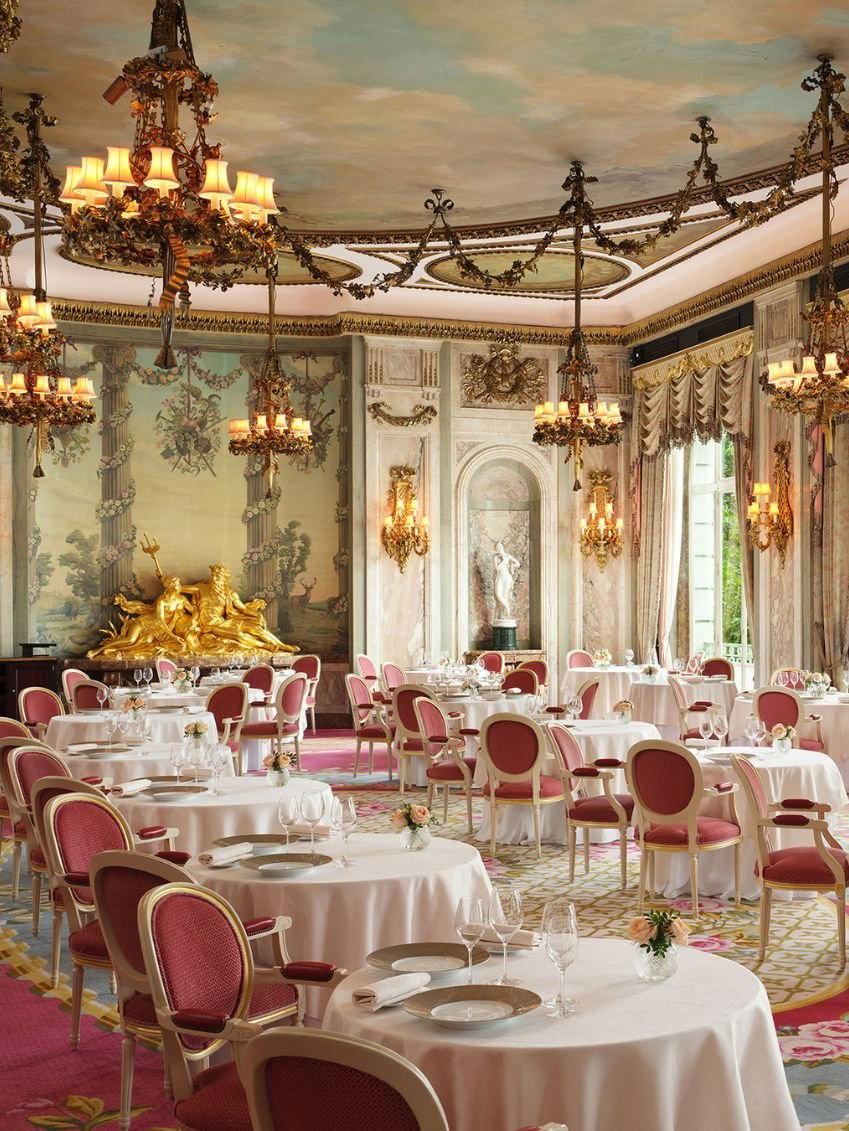
Dining operation at Relais Blu is built around ingredient proximity. Under chef Roberto Allocca, the restaurant's reputation rests on freshness as a discipline rather than a claim. In a region where the tomatoes, lemons, and seafood set the standard against which everything else is measured, that orientation is the right one. The kitchen operates in a culinary tradition where the Sorrentine and Amalfitano coastlines supply ingredients that require little intervention to perform: local fish, garden produce, and the citrus that defines this particular corridor of southern Italian cooking.
What separates Relais Blu's dining format from the typical hotel restaurant model is the integration of participation. Cooking lessons run three times a week and conclude with a meal served on the terrace, which means the instruction has a tangible endpoint rather than functioning as a standalone activity. That format places it closer to the agriturisimo tradition of land-anchored cooking education than to the demonstration theatre of many hotel kitchens. The terrace itself, with its view across the bay toward Capri, is where sunset drinks and the end of most evenings should logically converge. The Michelin Key, awarded in 2024, confirms the property's standing within the broader southern Italian dining conversation, a category that includes properties from Positano to the Cilento coast.
For those measuring this against other Italian hotel restaurants that hold culinary recognition, the comparable set runs wide across the country: from Casa Maria Luigia in Modena, where the dining operation is the primary draw, to Rosewood Castiglion Del Bosco in Montalcino, where cuisine is embedded in a broader estate identity. At Relais Blu the scale is smaller, the geography more specifically coastal, and the cooking more directly tied to the surrounding Campanian supply chain.
Massa Lubrense and What It Offers That Its Neighbours Do Not
Massa Lubrense is a municipality of scattered villages rather than a single concentrated town, which means the property sits within a terrain that rewards exploration rather than one that delivers its pleasures immediately at street level. The private beaches below, the coves along the coastline, and the path network across the peninsula provide the framework for days that move at the speed of the landscape. Organised excursions to Pompeii offer a cultural counterweight, roughly 45 minutes from the peninsula by road. The island of Capri, visible from every terrace-facing room, sits close enough that a day trip by boat is direct to arrange.
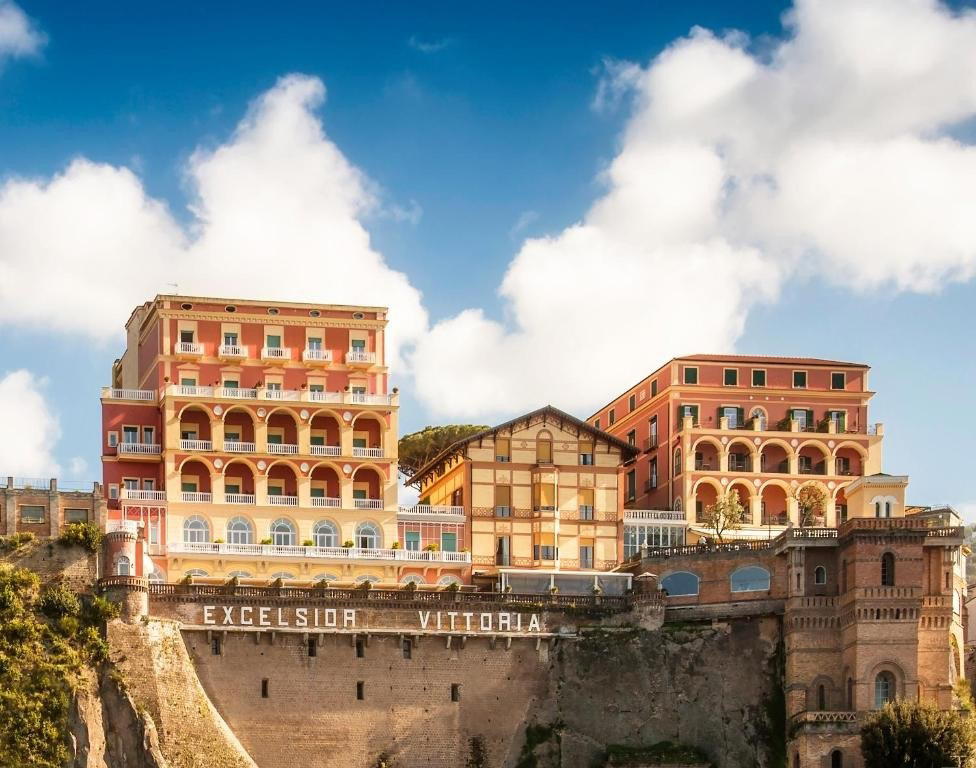
The nearest major neighbours worth framing against are Bellevue Syrene 1820 in Sorrento, which operates within the more developed town environment, and JK Place Capri, which takes the island-boutique format to its logical extreme. The hotel occupies the quieter middle: less urban than Sorrento, less destination-specific than Capri, and more rooted in the actual working geography of the peninsula tip. Within the Massa Lubrense scene itself, Art Hotel Villa Fiorella and Taverna del Capitano provide alternative reference points, see our full Massa Lubrense restaurants and hotels guide for the broader local picture.
Planning the Stay
The hotel operates on a seasonal calendar, open from the end of March through the beginning of November. That window corresponds with the Sorrentine Peninsula's weather pattern: the season runs warm from April, peaks through July and August, and remains agreeable well into October, when the crowds have thinned and the light on the bay takes on a lower, more angled quality that rewards those who come late in the season rather than at its height.
Getting to Termini requires some intent. Naples Capodichino Airport is approximately 90 minutes by car, one direct route. By public transport, the Circumvesuviana railway from Naples Centrale (Piazza Garibaldi station) runs to Sorrento in roughly an hour, from where SITA buses continue toward Massa Lubrense, Marciano, and Termini. Taxi service from Sorrento station is available as an alternative. The distance from the main transport arteries is part of what makes Termini feel removed from the peninsula's more trafficked sections, so the slightly involved journey functions as a transition rather than an inconvenience.
The property holds 15 rooms, all fitted with picture windows and balconies, at a scale that keeps the guest count low and the atmosphere away from the hotel-resort register.7 across 620 reviews suggests consistent delivery across a meaningful sample, and the 2024 Michelin Key award provides the calibration point for the property's position. For those building a broader Italian itinerary that extends beyond the south, comparable small-property experiences with strong culinary identities include Passalacqua in Moltrasio on Lake Como, Castel Fragsburg in Merano in the Alto Adige, and Borgo San Felice Resort in Castelnuovo Berardenga in Chianti. At a different scale and price register entirely, Aman Venice, Four Seasons Hotel Firenze, and Bulgari Hotel Roma represent the upper band of Italian hotel dining, against which the hotel's focused, seasonal, ingredient-led kitchen occupies a deliberately different position.
Price and Positioning
Comparable venues nearby, for context on price, style, and recognition.
| Venue | Price | Awards | Notes |
|---|---|---|---|
| Relais BluThis venue — the venue you are viewing | $$$$ | Michelin 1 Key | Not listed |
| Art Hotel Villa Fiorella | $$$$ | Michelin 1 Key | Massa Lubrense, Contemporary art-centric boutique on a hilltop with panoramic Mediterranean views |
| Taverna del Capitano | $$$ | 4-Star | Marina del Cantone, Charming family-run beachfront boutique |
| Sextantio Le Grotte della Civita | $$$$ | Michelin 1 Key | Civita (Sassi), Albergo Diffuso (scattered hotel) concept preserving authentic Sassi cave dwellings with contemporary luxury restoration; blends archaeological heritage with sensory indulgence. |
| The First Arte, Rome | $$$$ | Michelin 1 Key | Campo Marzio, Contemporary luxury boutique hotel blending 19th-century palazzo architecture with modern design and curated contemporary Italian art. |
| Hotel Signum | $$$$ | Michelin 1 Key | Malfa, Aeolian country house with modern refinements |
Recognition history
Dated appearances from independent guides and award organizations, with the underlying list record or original source where available.
Michelin 1 Key
Michelin
Michelin 1 Key
Michelin
Continue exploring
More in Massa Lubrense
Hotels in Massa Lubrense
Browse all →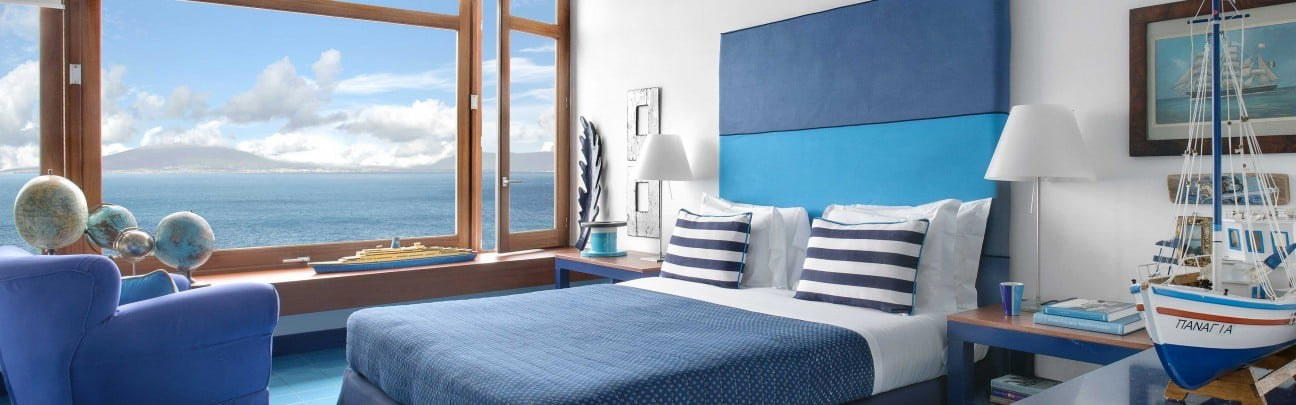
Bars in Massa Lubrense
Browse all →
Restaurants in Massa Lubrense
Browse all →

At a Glance
- Romantic
- Quiet
- Elegant
- Scenic
- Intimate
- Sophisticated
- Honeymoon
- Romantic Getaway
- Anniversary
- Weekend Escape
- Infinity Pool
- Panoramic View
- Waterfront
- Wi Fi
- Pool
- Spa
- Fitness Center
- Room Service
- Concierge
- Restaurant
- Bar
- Hot Tub
- Massage
- Waterfront
- Wi Fi
- Pool
- Spa
- Fitness Center
- Room Service
- Concierge
- Restaurant
- Bar
- Hot Tub
- Massage
Tranquil and elegant with dramatic sea views, stylish modern decor, and a peaceful atmosphere praised for its serenity and attentive service.