Swallow Barn Frome
Swallow Barn sits at The Cross in Buckland Dinham, a quiet Somerset village a few miles outside Frome, placing it within a wider regional circuit of countryside retreats that trade on rural character and architectural authenticity. The barn conversion format — common across Somerset and Wiltshire — here occupies a village-centre address that gives it a different grain from the more isolated rural properties nearby. For those exploring the Frome area, it represents the smaller, place-specific end of the accommodation spectrum.

Pearl is the En Primeur Club membership app — saves, bookings, and concierge access live there. Same editors, same standards.
- Address
- Swallow Barn, The Cross, Buckland Dinham, Frome BA11 2QS, United Kingdom
- Phone
- +44 7967 003261
- Website
- swallowbarnfrome.com
- Directions
- Get directions
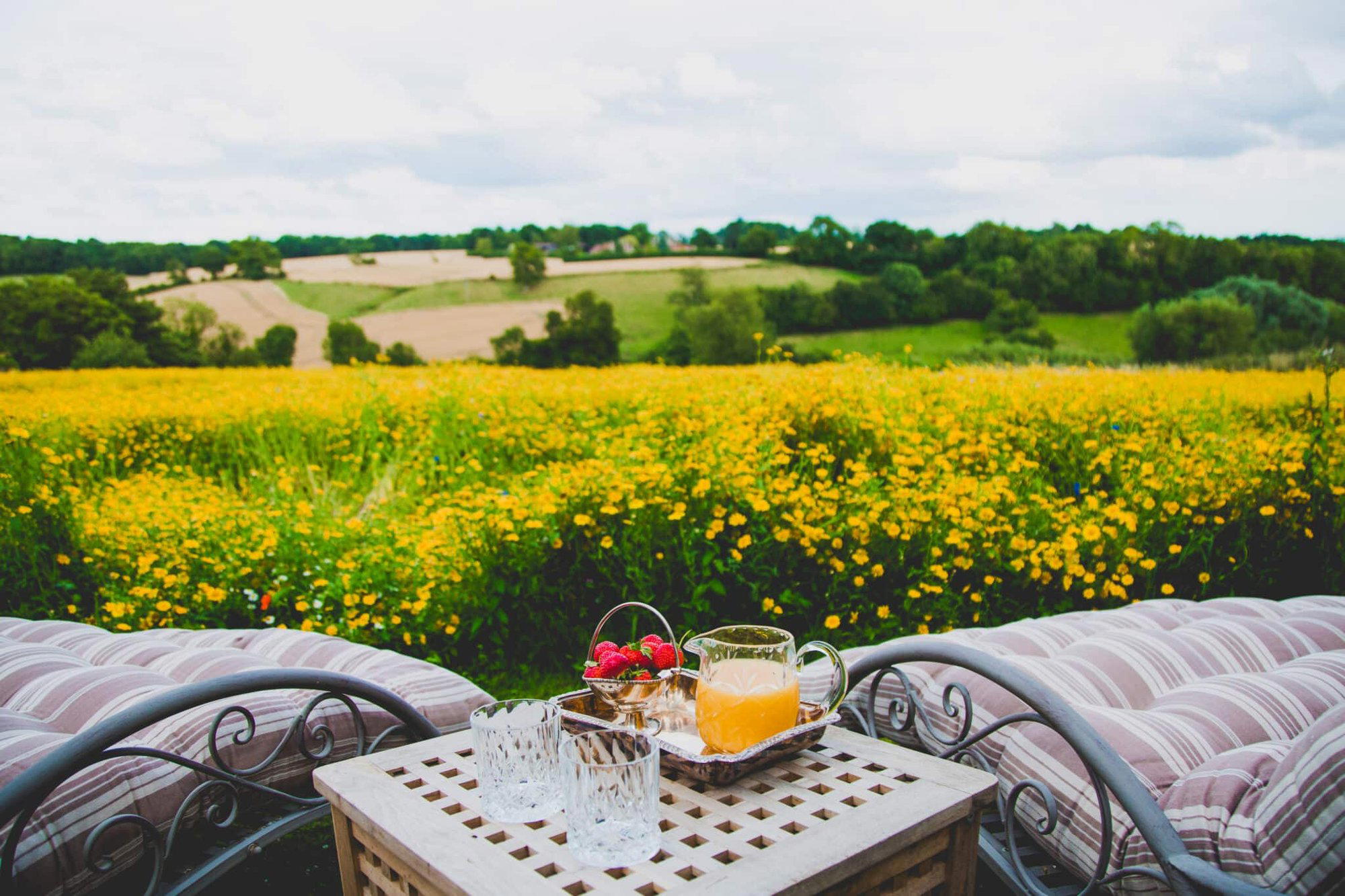
Stone, Timber, and the Village Cross: Reading Buckland Dinham Through Its Architecture
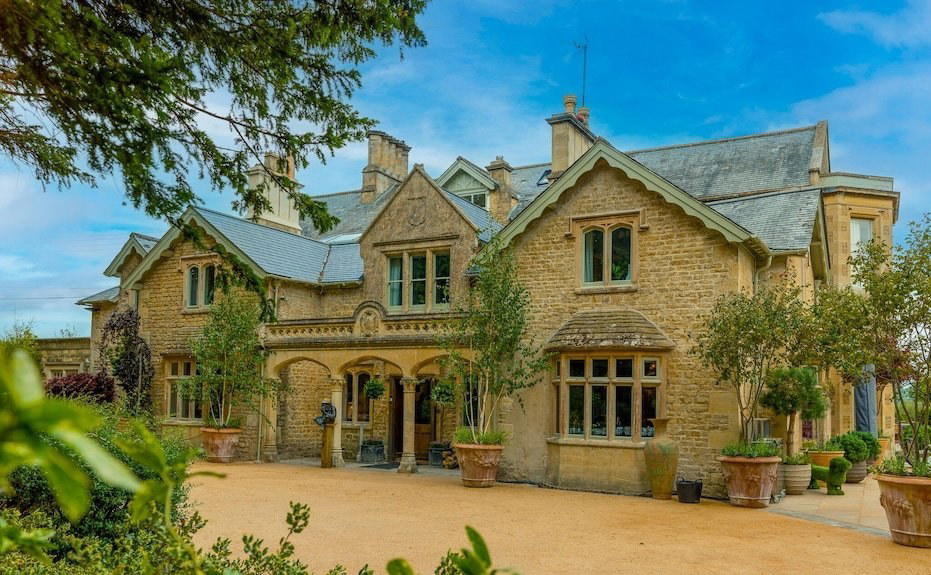
The English barn conversion has become one of the most legible formats in rural hospitality — a building type that carries its own set of expectations around exposed beams, lime-rendered walls, and the particular silence that comes from thick agricultural stone. In Somerset, that format runs from the large-scale estate operations, such as Babington House in Kilmersdon, down to single-property conversions in villages that most visitors pass through without stopping. Buckland Dinham sits firmly in the latter category: a small settlement of limestone cottages arranged around a medieval church, with The Cross as its social and geographical centre. Swallow Barn Frome addresses that junction directly, its position at The Cross placing it inside the village fabric rather than at the rural edge.
That distinction matters architecturally. Properties that sit within a village centre inherit a different visual relationship with their surroundings than those set in open fields or private parkland. The street-facing barn reads as part of a continuous historical built environment, where the scale and materiality of the structure align with the neighbouring cottages and churchyard walls. Somerset's local limestone — the same warm, slightly honeyed stone visible throughout this part of the county, dominates the palette, connecting Swallow Barn to a building tradition that predates any hospitality use by several centuries.
A Barn in Its Regional Context
The broader Somerset and Wiltshire corridor contains a high concentration of barn conversions positioned at various price points and formats, from working farm stays to design-led rural retreats. The Newt in Somerset at Castle Cary represents the estate-scale end of that spectrum, where the conversion is embedded within a landscaped agricultural property with considerable amenity infrastructure. Swallow Barn occupies a smaller, more contained position within that regional picture, a single barn at a village address, oriented toward visitors who want proximity to Frome's independent retail and food scene rather than immersion in a managed rural estate.
Frome itself has developed a particular identity over the past decade. The town has attracted a density of independent businesses, makers, and food producers that gives it a character closer to Totnes or Hebden Bridge than to a standard market town. For a visitor base drawn to that kind of place, a barn conversion in the satellite village of Buckland Dinham, three miles out, provides a quieter overnight base without full disconnection from the town's activity. The arrangement follows a pattern visible elsewhere in the UK, where visitors use a rural address as a retreat point while the nearby town functions as the primary dining and cultural destination. For those considering the Southwest more broadly, Lime Wood in Lyndhurst and Avon Gorge by Hotel du Vin in Bristol illustrate how the region handles larger-footprint rural and urban hospitality at higher service levels.
The Conversion Format and What It Implies
Barn conversions as a building typology carry inherent architectural tensions. The original agricultural function, storage, threshing, livestock, produced volumes that don't map cleanly onto residential or hospitality use. High ridge lines, wide floor plates, and minimal original fenestration create spaces that conversion architects typically resolve through inserted mezzanines, added dormer windows, or skylights cut into the roof plane. The quality of those interventions determines whether a converted barn reads as a coherent contemporary space or as a building at war with its own proportions.
In village-centre positions like Buckland Dinham's, planning constraints also shape the result significantly. Conservation area designations and listed building adjacencies, both common in Somerset villages of this age and character, tend to limit external alterations and require sympathetic material choices. The effect is that the most architecturally convincing village barn conversions often succeed precisely because constraint forces restraint: the original structure remains legible, and the hospitality use is fitted within rather than imposed over it.
For visitors comparing options across the UK's rural accommodation circuit, that restraint-led approach produces a different experience than the purpose-built luxury formats found at properties like Estelle Manor in North Leigh or the managed estate experience at Gleneagles in Auchterarder. The barn conversion offers texture and historical legibility in place of comprehensive amenity.
Planning a Visit to Buckland Dinham
Buckland Dinham sits roughly equidistant between Frome to the north and Radstock to the west, with the A362 providing the most direct road link. Frome railway station connects to Bath and beyond, making the village accessible without a car for visitors willing to use a taxi or local transport for the final few miles. The village itself is small enough that most points of interest are walkable from The Cross: the Church of St Michael and All Angels dates from the medieval period and is the primary architectural reference point in the immediate area. For visitors planning a longer regional stay, Hell Bay Hotel in Bryher and Lifeboat Inn, St Ives offer coastal Southwest alternatives for those extending their itinerary. For those travelling further afield in the UK, Burts Hotel in Melrose and Monachyle Mhor Hotel in Stirling represent the Scottish equivalent of the rural small-property format. See our full Buckland Dinham restaurants guide for dining options in the area.
Further Afield: Positioning Within the Broader EP Club Network
For travellers who move between urban and rural stays, Swallow Barn's Somerset location connects logically to city bases at either end of the region. Hope Street Hotel in Liverpool, King Street Townhouse Hotel in Manchester, and Glasgow Grosvenor Hotel in Glasgow represent the urban end of that circuit. At the international scale, Aman New York and Claridge's in London illustrate the full range of the hospitality spectrum that EP Club covers, from village barn to metropolitan landmark. Aman Venice adds a European reference point for those planning multi-destination itineraries.
In Context: Similar Options
| Venue | Price | Awards |
|---|---|---|
| Swallow Barn FromeThis venue — the venue you are viewing | Not listed | Not listed |
| Lime Wood | Not listed | 2 Michelin Keys · La Liste Top Hotels |
| Muir, A Luxury Collection Hotel, Halifax | $300–500 | 1 Michelin Key · Forbes 4-Star |
| Raffles London at The OWO | $1,000–1,500 | 3 Michelin Keys · World's 50 Best #28 |
| The Connaught | $1,000–1,500 | 3 Michelin Keys · World's 50 Best #49 |
| 51 Buckingham Gate, Taj Suites and Residences | Not listed | Michelin Selected · La Liste Top Hotels |
Continue exploring
More in Buckland Dinham
Hotels in Buckland Dinham
Browse all →
Bars in Buckland Dinham
Browse all →

Restaurants in Buckland Dinham
Browse all →
Wineries in Buckland Dinham
Browse all →
Details
- Rustic
- Cozy
- Scenic
- Romantic Getaway
- Weekend Escape
- Historic Building
- Garden
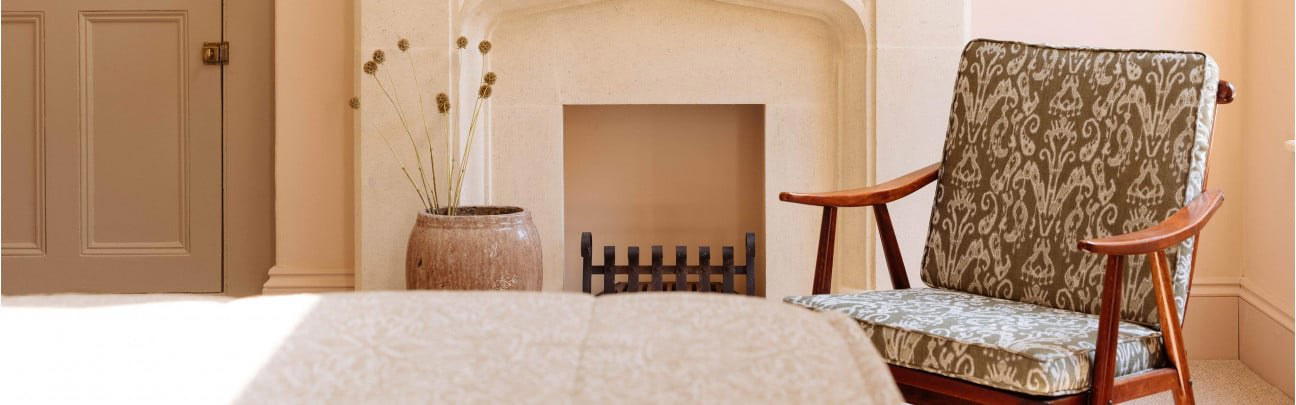
Cozy and peaceful with high-quality linen in a rustic barn setting.