Split Apple Retreat

La Liste Top Hotels
Split Apple Retreat sits on a granite headland above Kaiteriteri, where the Abel Tasman National Park meets the Tasman Sea. Recognised in La Liste's Top Hotels ranking with 91.5 points in 2026, the property positions itself in New Zealand's small-capacity luxury tier, where setting and architectural integration carry as much weight as service. The surrounding coastline sets the scene before guests even arrive.

Pearl is the En Primeur Club membership app — saves, bookings, and concierge access live there. Same editors, same standards.
- Address
- 195 Tokongawa Drive, Kaiteriteri 7197
- Phone
- +64 3 527 8377
- Website
- splitapple.com
- Directions
- Get directions
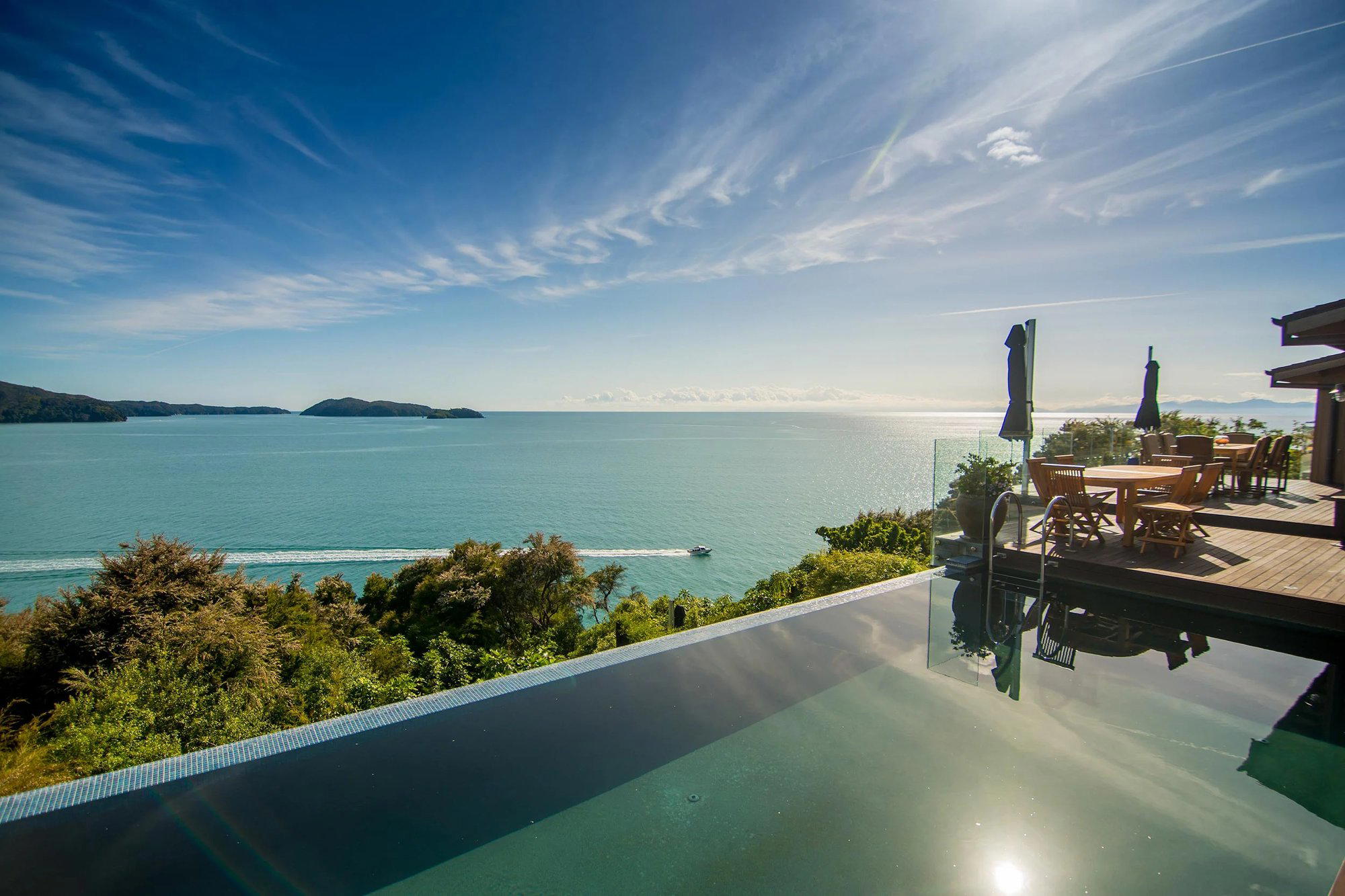
Where the Rock Meets the Water: Setting and Architecture at Split Apple Retreat
New Zealand's premium lodge category has long traded on the relationship between built structure and raw landscape. From the high-country stations of the South Island to the coastal headlands of Northland, the properties that register internationally tend to be those where architecture recedes into terrain rather than competing with it. Split Apple Retreat, perched above Kaiteriteri on the edge of Abel Tasman National Park, belongs to this tradition in a particularly literal way. The site takes its name from the split granite boulder that sits offshore in the bay — a formation that has defined the visual character of this stretch of coast for as long as anyone has been drawing maps of it.
That kind of site specificity matters in a country where the lodge category is increasingly defined by how well a property can hold its own against the scenery outside the window. The answer, in this case, appears to be: by designing into the rock rather than beside it. The retreat sits on a granite headland at 195 Tokongawa Drive, Kaiteriteri 7197, and the integration of the built environment with the geology beneath it is the central architectural gesture. This is not a property that imports a design language from elsewhere and plants it on a hillside. The stone and the structure are in conversation.
Kaiteriteri's Position in New Zealand's Coastal Luxury Market
To understand where Split Apple Retreat sits within New Zealand's luxury accommodation spectrum, it helps to map the wider field. The country's high-end lodge market has split, broadly, into two types: the large-footprint, internationally branded properties that operate at volume, and the small-capacity, owner-operated or independently managed retreats where exclusivity is built into the model. Properties like Huka Lodge and Blanket Bay in Glenorchy have established the benchmark for the latter category on the North and South Islands respectively. Eagles Nest in Russell and Helena Bay Lodge do comparable work in Northland, where marine landscape drives the design logic.
Kaiteriteri sits in the northern South Island, at the southern gateway to Abel Tasman National Park — New Zealand's smallest national park, and one of its most visited. The town itself is compact, and the surrounding coastline of golden sand and granite outcrops has made it a draw for independent travellers for decades. What has been slower to develop is the kind of premium accommodation infrastructure that turns a destination into a serious luxury stop. Split Apple Retreat is the property most clearly making that case, and La Liste's 2026 recognition with 91.5 points is one external signal that the case is being heard internationally.
The Design Logic of a Granite Headland
Properties built on geological formations rather than flat land tend to make different architectural choices. The terrain imposes discipline: room placement is non-negotiable, circulation paths follow the rock, and views are pre-determined by topography. This constraint, when taken seriously, often produces more coherent design than a blank site would allow. At Split Apple Retreat, the granite is not backdrop, it is structure. The property reads less like a hotel dropped onto a headland and more like a set of pavilions that found their positions by following the stone.
This approach places Split Apple Retreat in conversation with a broader shift in high-end New Zealand lodges toward materials-led, site-responsive design. Compare the approach at Hapuku Lodge in Kaikoura, where tree-house structures use elevation to negotiate the gap between farmland and sea, or at Minaret Station Alpine Lodge near Wānaka, where accessibility by helicopter effectively makes the terrain part of the arrival sequence. In each case, the design decision is inseparable from the landscape decision. Split Apple Retreat follows the same logic, but the specific vocabulary is stone, water, and light on the Tasman coast.
La Liste, which aggregates critical and guest assessments across a broad panel to produce its annual hotel and restaurant rankings, positioned Split Apple Retreat at 91.5 points in its 2026 Leading Hotels list. That score places the retreat in a tier that includes properties operating at the intersection of design integrity and experiential specificity, a different register from the chain-affiliated five-star market.
Otahuna Lodge in Tai Tapu brings a heritage architecture angle to the South Island lodge market. Annandale Villas in Pigeon Bay operates on a working farm with a similar emphasis on total environmental immersion. Wharekauhau Country Estate in the Wairarapa brings a coastal-hill-country setting to the same conversation. Each of these properties competes less on facilities count and more on the coherence of the experience relative to its setting. Split Apple Retreat makes its claim from the Tasman coast, where the raw material, granite, native bush, sheltered coves, the light that comes off the sea in the morning, is as strong as anywhere in the country.
For travellers building an itinerary that connects multiple lodge-style properties across New Zealand, the northern South Island has historically been an underserved stop. The Marlborough wine region, accessed via Carnmore Chateau Marlborough in Blenheim, sits a few hours south. Fiordland Lodge in Te Anau and Lakestone Lodge in Twizel represent the deeper South Island. Kaiteriteri, with Split Apple Retreat as its anchor property, functions as the northern South Island node in that kind of circuit.
Planning a Stay
Kaiteriteri is accessible from Nelson, which has its own airport with connections to Auckland and Wellington. The drive from Nelson takes under an hour, which makes fly-in-fly-out itineraries workable for those combining a coastal stop with onward South Island travel. Abel Tasman National Park's walking tracks, water taxis, and kayaking routes all depart from Kaiteriteri or its immediate environs, giving the area an activity infrastructure that extends well beyond the retreat's own grounds. For those approaching from the North Island, the Interislander ferry route through Picton connects to the region by road.
Given the retreat's small-capacity format and La Liste-level recognition, forward planning is advised. Properties in this tier across New Zealand, see also Solitaire Lodge in Rotorua or Poronui Lodge in Taharua, tend to fill months ahead during the November-to-April peak season. The shoulder months of October and late April offer the clearest skies for coastal walking without the summer-crowd pressure that makes Kaiteriteri's beaches less suited to the retreat's register.
For context on the wider Kaiteriteri dining and accommodation scene, see our full Kaiteriteri restaurants guide. Travellers comparing across the New Zealand lodge field may also find value in reviewing options at Rosewood Kauri Cliffs in Matauri Bay, Rosewood Cape Kidnappers in Te Awanga, and Omana on Waiheke Island to calibrate the spectrum before committing. For international reference points that operate in a comparable design-led, low-key-luxury register, Aman Venice and Aman New York sit at the global end of that category, while The Fifth Avenue Hotel in New York City and Hotel DeBrett in Auckland Central show how design-forward boutique properties operate at a different scale and price point.
Quick Comparison
| Venue | Price | Awards |
|---|---|---|
| Split Apple RetreatThis venue — the venue you are viewing | Not listed | La Liste Top Hotels |
| Huka Lodge | $2,500+ | 2 Michelin Keys · World's 50 Best #82 |
| Blanket Bay | $500–750 | 2 Michelin Keys · La Liste Top Hotels |
| Cordis, Auckland | $200–300 | Michelin Guide New Hotels New Hotel · Michelin Selected |
| Delamore Lodge | Not listed | 2 Michelin Keys · La Liste Top Hotels |
| Otahuna Lodge | $750–1,000 | 2 Michelin Keys · Relais Chateaux Award |
Recognition history
Dated appearances from independent guides and award organizations, with the underlying list record or original source where available.
La Liste Top Hotels
La Liste
Continue exploring
More in Kaiteriteri
Bars in Kaiteriteri
Browse all →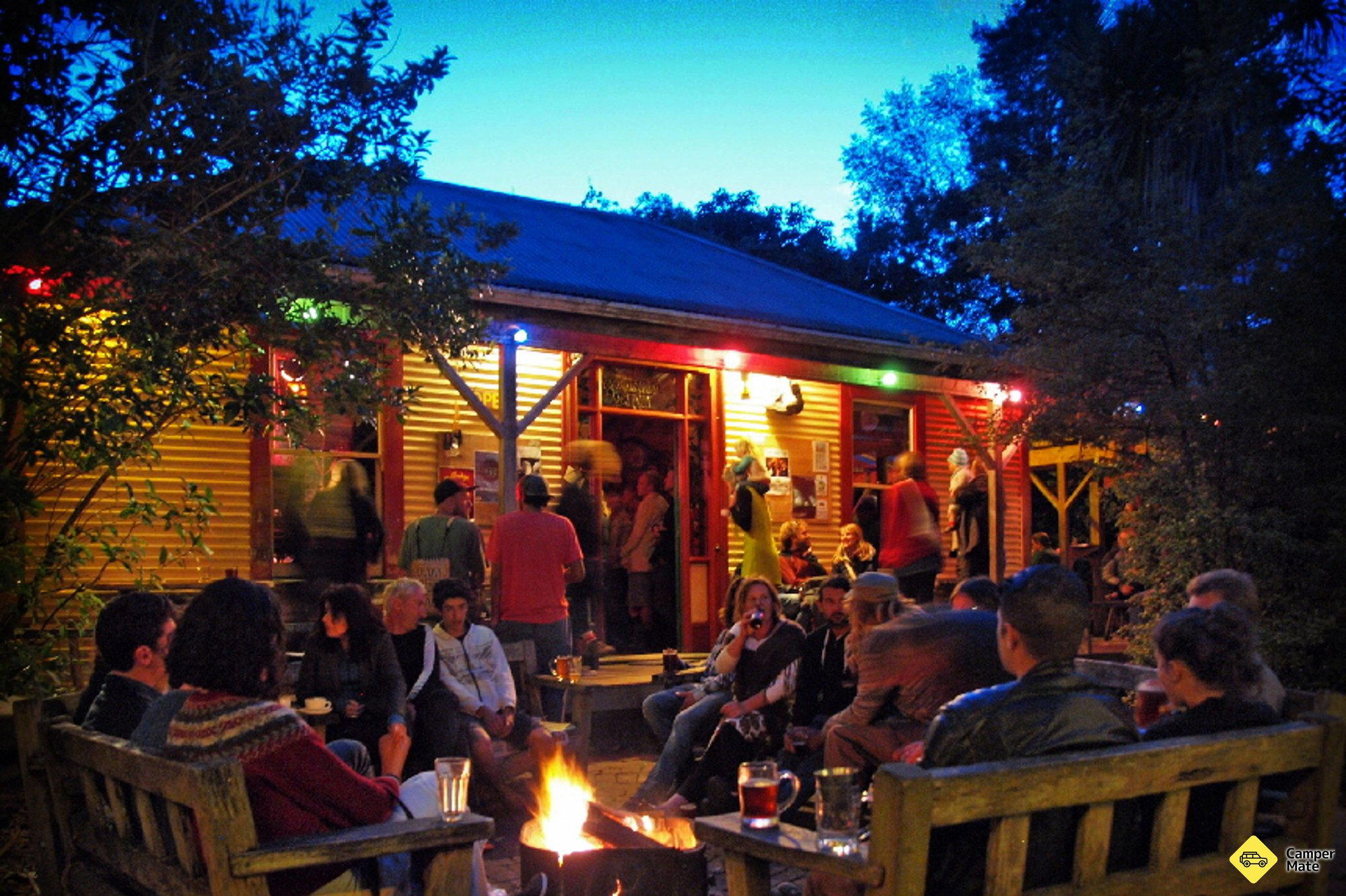
Restaurants in Kaiteriteri
Browse all →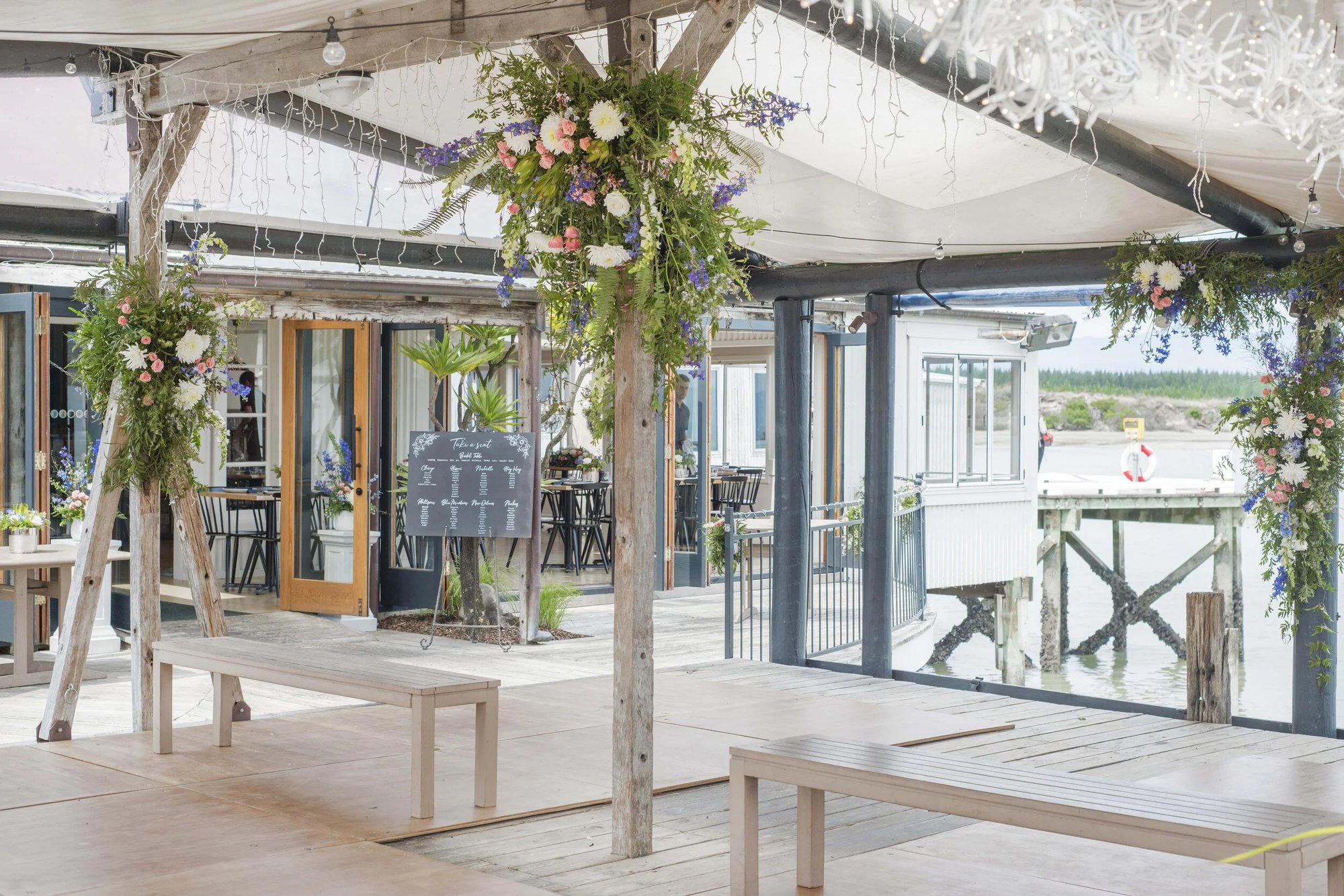
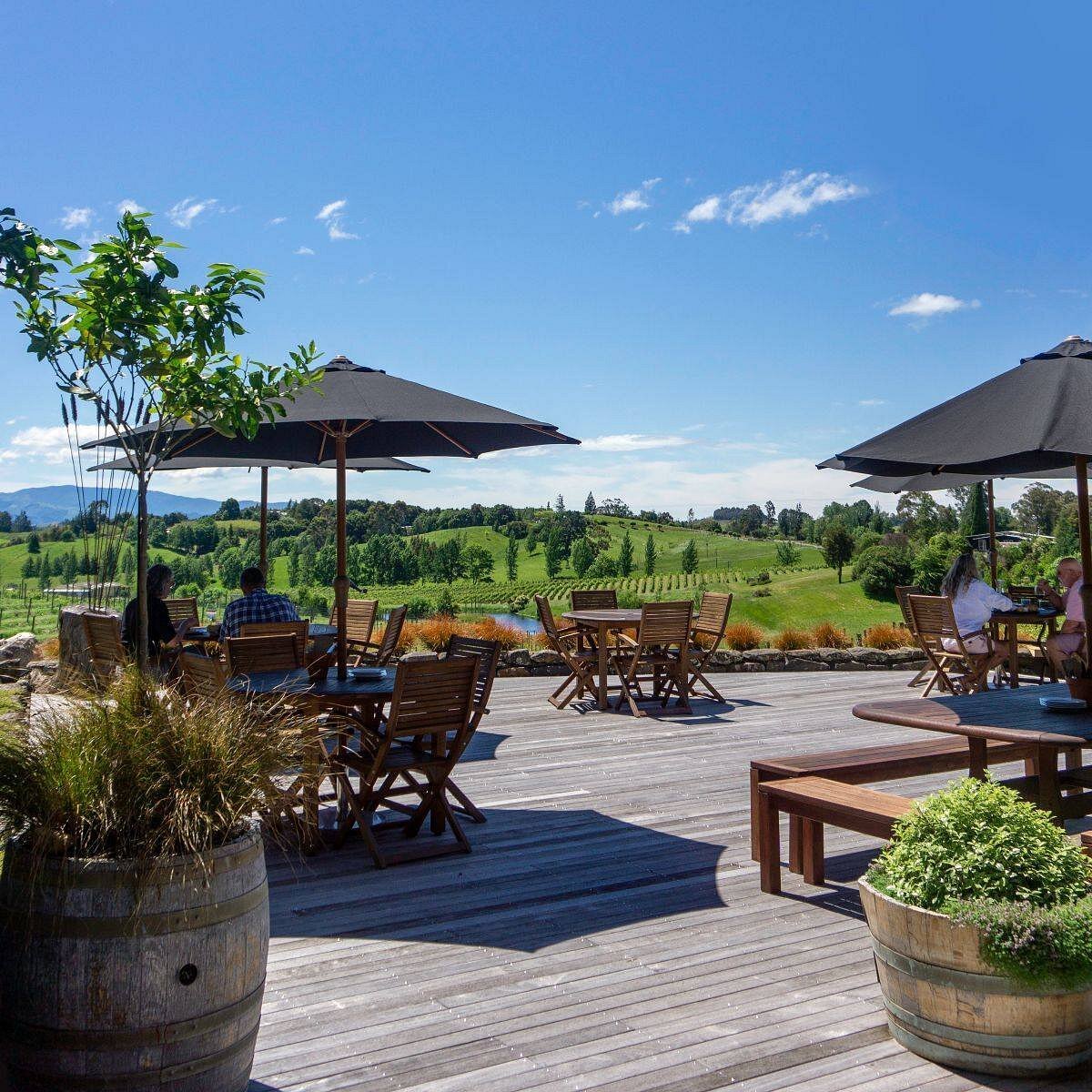

Details
- Romantic
- Quiet
- Scenic
- Intimate
- Elegant
- Cozy
- Honeymoon
- Romantic Getaway
- Wellness Retreat
- Anniversary
- Weekend Escape
- Beachfront
- Infinity Pool
- Panoramic View
- Private Villa
- Pool
- Spa
- Sauna
- Massage
- Wi Fi
- Beach Access
- Waterfront
- Mountain
Serene and joyful sanctuary with sweeping sea views, impeccably decorated rooms featuring private decks and gardens, soft lighting in a home-like setting fostering tranquility and warmth.