
A dual award-winner for Luxury Lifestyle Resort and Luxury Hideaway Resort, Sofitel Singapore Sentosa occupies a quieter register than the city's downtown hotels, set on Sentosa Island with garden and resort grounds that create genuine separation from the urban core. For travellers who want Singapore's infrastructure without its density, this is one credible off-island option in the Accor stable.
Pearl is the En Primeur Club membership app — saves, bookings, and concierge access live there. Same editors, same standards.
- Address
- 2 Bukit Manis Rd, Sentosa, Singapore 099891
- Phone
- +65 6708 8310
- Website
- sofitel.accor.com
- Directions
- Get directions
 Saves & bookings on Pearl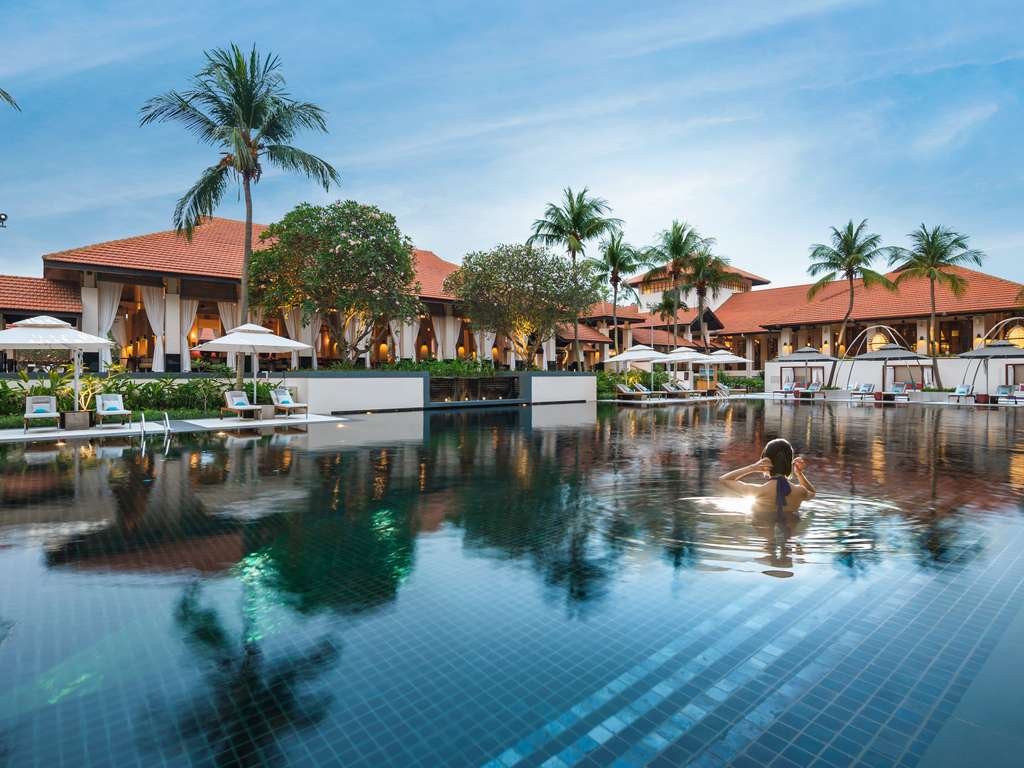
The Island Offset: Why Sentosa Changes the Calculation
Properties on the main island, from Raffles Hotel Singapore in the Colonial District to Conrad Singapore Marina Bay along the waterfront, position themselves within walking distance of finance, commerce, and the city's restaurant concentration. Sentosa operates differently. The causeway crossing, short as it is, creates a psychological and practical break that reshapes the guest experience entirely. Sofitel Singapore Sentosa sits on the southern end of that island, on Bukit Manis Road, surrounded by resort-scale grounds rather than street-level density.
That separation is the offering, not an inconvenience. Guests who want the Orchard Road shopping belt or the Marina Bay Sands casino on a given evening can reach both in under twenty minutes by taxi or the Sentosa Express monorail. But the return journey brings them back to something that functions more like a standalone resort than a city hotel, grounds large enough to create genuine quiet, an environment where the ambient noise is birds rather than traffic. For that trade-off to make sense, the property needs to deliver on resort credentials as well as hotel credentials. The dual award recognition here, Regional Winner for Luxury Lifestyle Resort and Country Winner for Luxury Hideaway Resort, suggests it does.
What Two Awards in Different Categories Actually Signal
Award categories in luxury hospitality are worth reading carefully. A Luxury Lifestyle Resort designation typically rewards breadth: pool facilities, dining program, recreational infrastructure, the kind of property that generates a stay-in-place guest rather than a base-camp commuter. A Luxury Hideaway Resort designation rewards something narrower: seclusion, atmosphere, the sense that the outside world is genuinely at a distance. Winning both in the same competitive cycle is unusual, and positions Sofitel Singapore Sentosa in a particular niche within Sentosa's own comparable set.
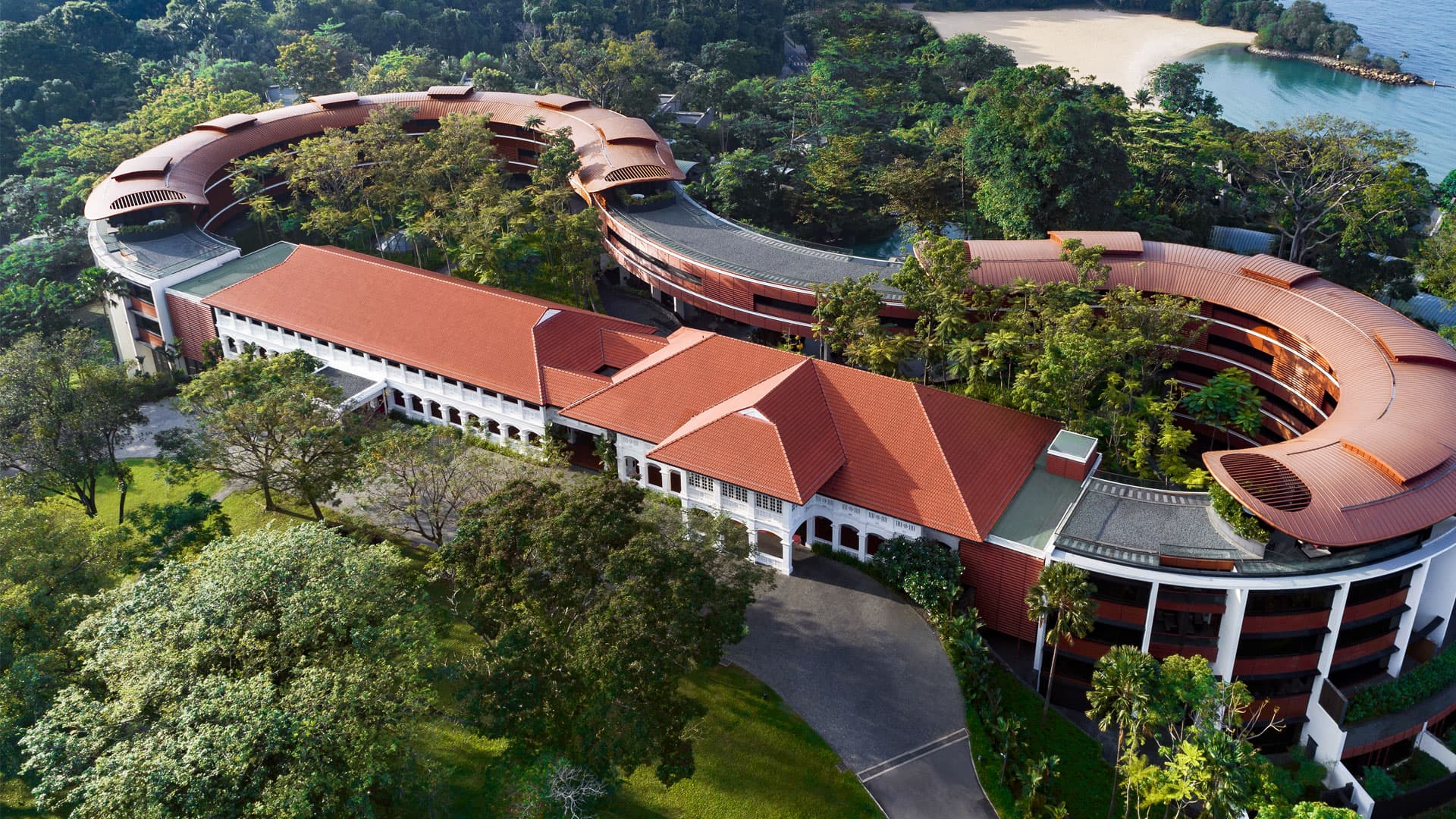
Compare the competitive set on Sentosa itself. Capella Singapore operates at the ultra-luxury end, with a colonial heritage structure, villa configurations, and a price tier that competes with the leading addresses in the region. The Outpost Hotel Sentosa by Far East Hospitality sits at the more accessible, design-forward end of the market. Sofitel Singapore Sentosa occupies the middle ground: Accor's premium French-inflected brand, resort scale, and a positioning that reads as genuinely upscale without chasing the ultra-luxury niche that Capella owns. That distinction matters when planning where to place a budget and what kind of stay to expect in return.
The Service Architecture of a Resort Hotel
Resort properties present a specific challenge for hospitality teams: the guest relationship is longer and more varied than in a city hotel. A business traveller at a downtown property like Andaz Singapore or Artyzen Singapore often needs little beyond a reliable room, fast connectivity, and proximity to meetings. A resort guest may spend four or five days on the property, moving between pool, restaurant, spa, and bar, with service touchpoints accumulating across each transition. The quality of that experience depends less on any single element than on how the team coordinates across departments.
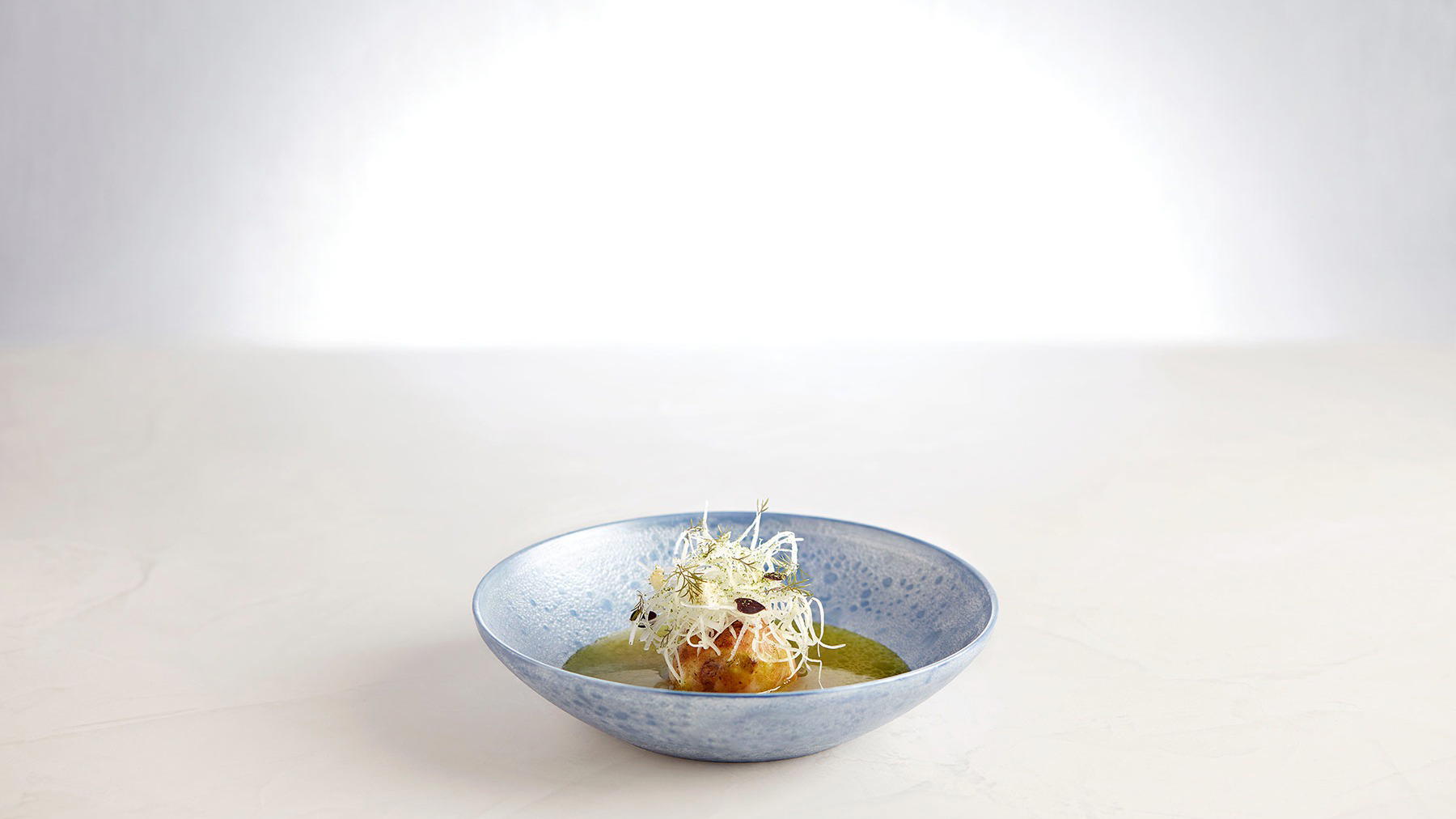
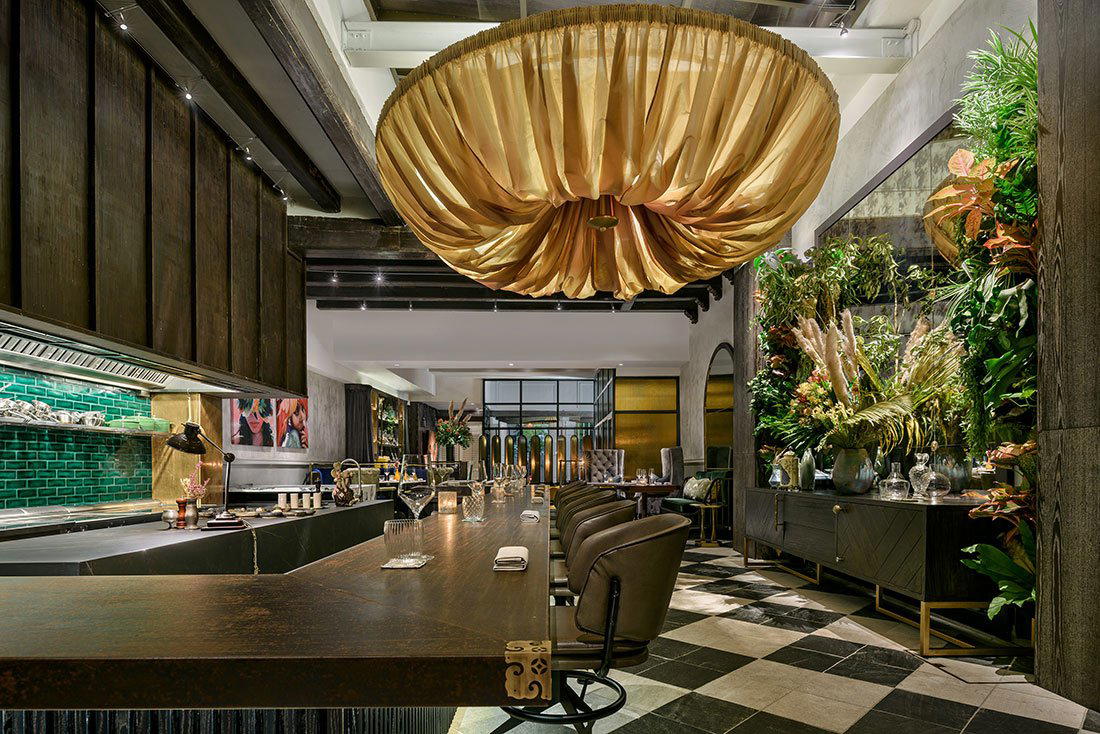
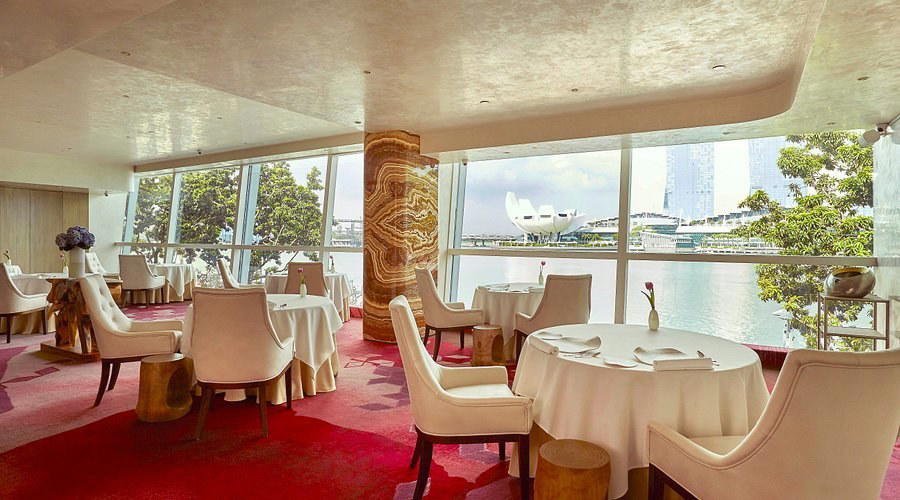
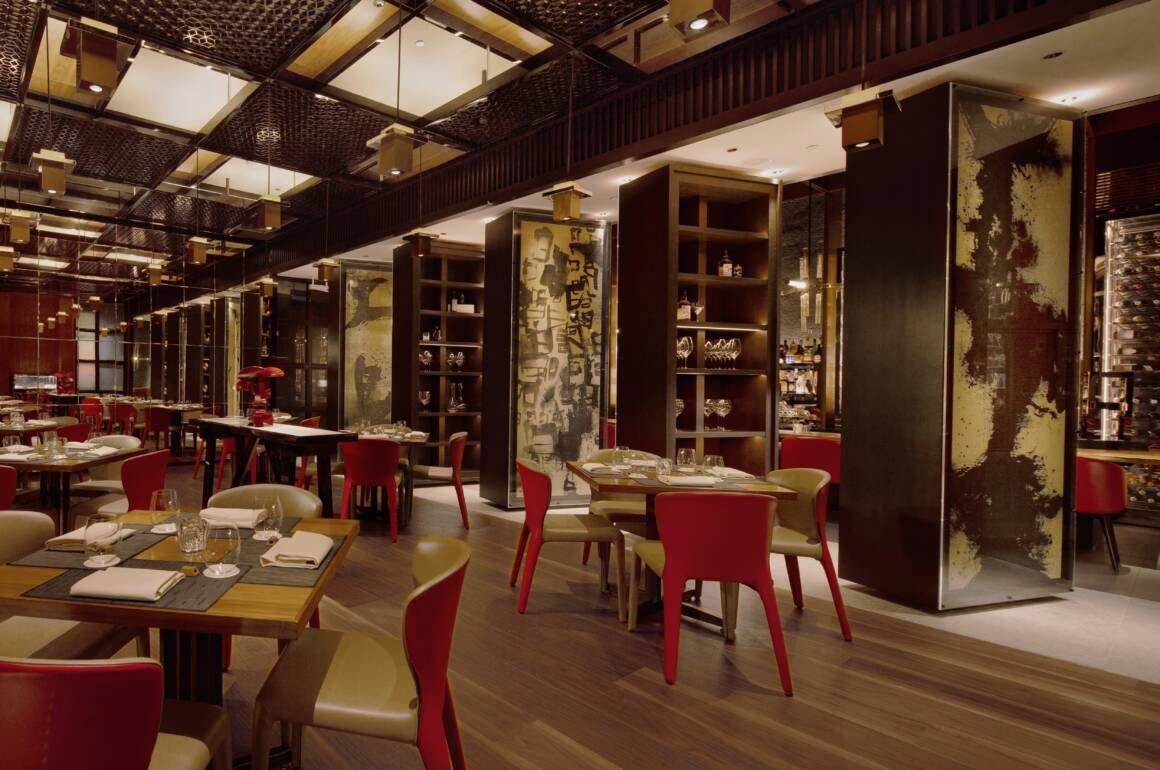
At properties of this tier, the signal tends to come from how the dining program integrates with the rest of the stay rather than existing as a separate revenue centre. Singapore's luxury resort dining has moved substantially over the past decade, with properties recognising that in-house restaurants need to hold their own against the city's standalone restaurant market, particularly when guests are willing to take the short trip across to the main island for dinner. A resort restaurant that can create genuine reasons to stay on property for at least some meals is doing something right.
Situating the Stay: What the Address Delivers
The Bukit Manis Road location on Sentosa puts the property close to Sentosa's southern coastline, which means proximity to the island's beach clubs, golf facilities, and Universal Studios Singapore. Families, couples on longer stays, and corporate retreat groups all find something to work with in that geography. For the independent traveller more accustomed to city-centre bases like Amara Singapore or Carlton Hotel Singapore in the CBD, the adjustment requires accepting that spontaneous evening walks to a neighbourhood hawker centre are off the table. What replaces that convenience is a different quality of morning: grounds, air, the absence of the city's ambient compression.
In terms of planning the stay, Sentosa's transport links are well-developed by the standards of resort islands. The Sentosa Express connects the island to VivoCity and the HarbourFront MRT interchange, which then feeds directly into Singapore's metro network. Taxis and private hire vehicles operate freely across the causeway. The practical isolation is modest; the psychological shift is considerably greater, which is precisely the point for guests choosing this address over a Marina Bay property.
Travellers looking for reference points in the wider global luxury resort category might find comparisons in properties that similarly prioritise natural setting over urban access: Amangiri in the American Southwest, Hotel Esencia in Tulum, or Castello di Reschio in Umbria all operate on the logic that removing the guest from the city grid is itself the product. The hotel does this at a shorter remove than those properties, but within the Singapore context, the effect is proportionally similar.
Planning the Visit
The property sits at 2 Bukit Manis Road, Sentosa, Singapore 099891. Sentosa's sheltered southern position reduces exposure relative to the city's open northern districts, but travellers planning around outdoor activities should factor in afternoon storm patterns common across the island's wet season months.
21 Carpenter for boutique positioning in the CBD, and Raffles Hotel Singapore for guests prioritising heritage and central location above resort amenities.
Comparable Venues
Comparable venues nearby, for context on price, style, and recognition.
| Venue | Cuisine | Price | Awards | Notes |
|---|---|---|---|---|
| Sofitel Singapore SentosaThis venue — the venue you are viewing | French-inspired luxury resort blended with Asian elegance | $$$$ | 5-Star | Not listed |
| Pan Pacific Serviced Suites Orchard, Singapore | Luxury serviced apartments with home-like comforts in prime shopping location | $$$$ | 5-Star | SOMERSET |
| Andaz Singapore | Contemporary urban luxury infused with Singaporean cultural heritage | $$$$ | 5-Star | BUGIS |
| Conrad Singapore Marina Bay | Contemporary luxury hotel with panoramic city views | $$$$ | 5-Star | MARINA CENTRE |
| Hotel Fort Canning | Heritage luxury boutique hotel combining British colonial architecture with contemporary minimalist design and wellness focus. | $$$$ | 5-Star | FORT CANNING |
| Shangri-La Singapore | Luxury urban resort with garden sanctuary | $$$$ | 5-Star | NASSIM |
Recognition history
Dated appearances from independent guides and award organizations, with the underlying list record or original source where available.
World Luxury Hotel Awards WLHA Country Winner
World Luxury Hotel Awards
World Luxury Hotel Awards WLHA Regional Winner
World Luxury Hotel Awards
Continue exploring
More in Singapore
Hotels in Singapore
Browse all →
Bars in Singapore
Browse all →
Restaurants in Singapore
Browse all →
At a Glance
- Elegant
- Sophisticated
- Scenic
- Romantic Getaway
- Family Vacation
- Wellness Retreat
- Beachfront
- Rooftop Pool
- Wi Fi
- Pool
- Spa
- Fitness Center
- Room Service
- Concierge
- Business Center
- Valet Parking
- Beach Access
- Waterfront
- Garden
- Wi Fi
- Pool
- Spa
- Fitness Center
- Room Service
- Concierge
- Business Center
- Valet Parking
- Beach Access
Tranquil oasis amid lush gardens with relaxed atmosphere under palm trees and sweeping sea breezes.