



Michelin Selected · La Liste Top Hotels · Virtuoso Luxury Hotel Partner
Set across 15 acres of garden grounds near Orchard Road, Singapore operates on a scale that few city hotels in Southeast Asia attempt: 792 rooms and suites spread across three distinct wings, recognized on both La Liste's Top Hotels 2026 list (94.5 points) and Tatler Asia-Pacific's Best Hotels 2025. The property positions itself between grand-scale international flagships and Singapore's newer boutique tier.

Pearl is the En Primeur Club membership app, where members save venues, book tables and use the concierge.
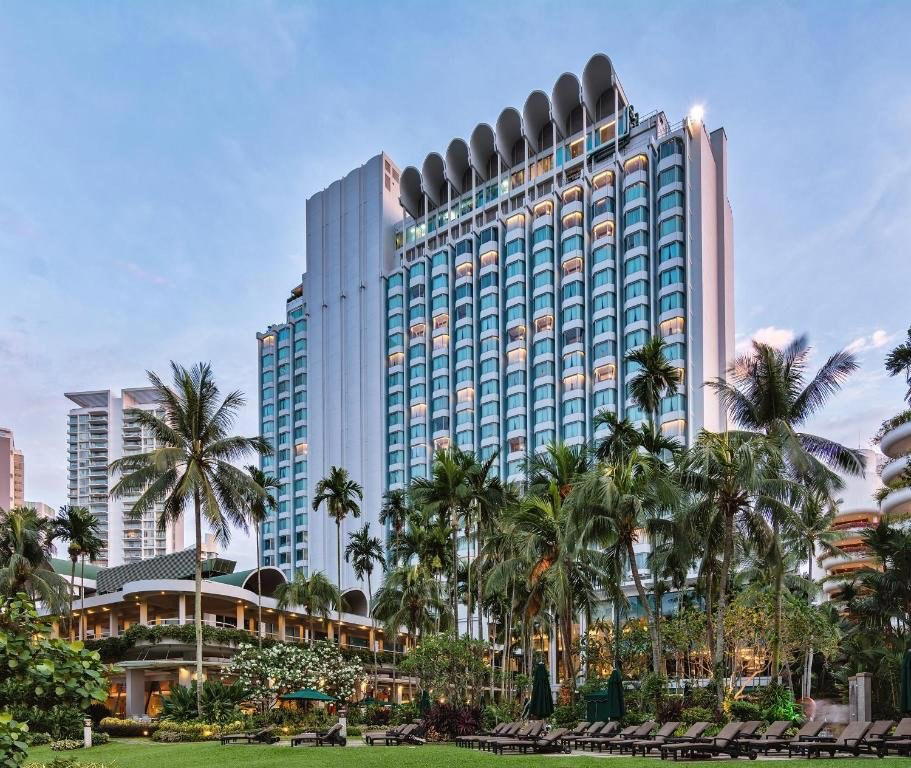
Singapore's upper-tier hotel market has fractured in interesting ways over the past decade. On one side sit the design-forward boutique properties, low in key count and high in editorial attention. On the other sit the legacy grand hotels, trading on history, scale, and the kind of infrastructure that only comes with decades of investment. Singapore belongs firmly to the second category, and it makes no apologies for that positioning. For a property of this vintage and scale, sustained dual-list recognition matters: it signals consistent execution rather than a single strong year.
Three Wings, Three Registers
The hotel's 792 guestrooms and suites are distributed across three architecturally distinct wings, each carrying a different character. This is not cosmetic differentiation. The wing structure reflects different eras of development and genuinely different room types, outlooks, and proximities to the gardens. Guests who treat all wings as interchangeable tend to have a flatter experience than those who select deliberately. The garden-facing orientations within the Valley Wing have historically been the most requested for good reason: the sense of removal from the city is pronounced in a way that surprises visitors expecting standard urban-hotel views. The Tower Wing, by contrast, offers the property's largest key count and suits those who want the full hotel infrastructure within easy reach. The Horizon Wing occupies a middle ground.
Singapore's comparable full-service hotels in the Orchard corridor, including the Andaz Singapore and properties further toward the Marina Bay precinct like the Conrad Singapore Marina Bay, operate with different spatial philosophies. None of them offer outdoor grounds at this scale. The Capella Singapore on Sentosa comes closest to the garden-resort-within-city-reach formula, though its location on Sentosa Island places it in a separate market context.
The Sensory Register: Gardens, Light, and Proportion
What the grounds actually deliver is worth being precise about. Singapore's humidity and year-round growing season mean that 15 acres of maintained landscape produces a density of green that photographs rarely capture at full fidelity. The light through the canopy shifts across the day in a way that gives outdoor areas a different quality in the morning versus late afternoon. The outdoor pool is set within this environment rather than perched above it, which changes the experience of using it: the sightlines are horizontal rather than panoramic, and the effect is immersive rather than scenic.
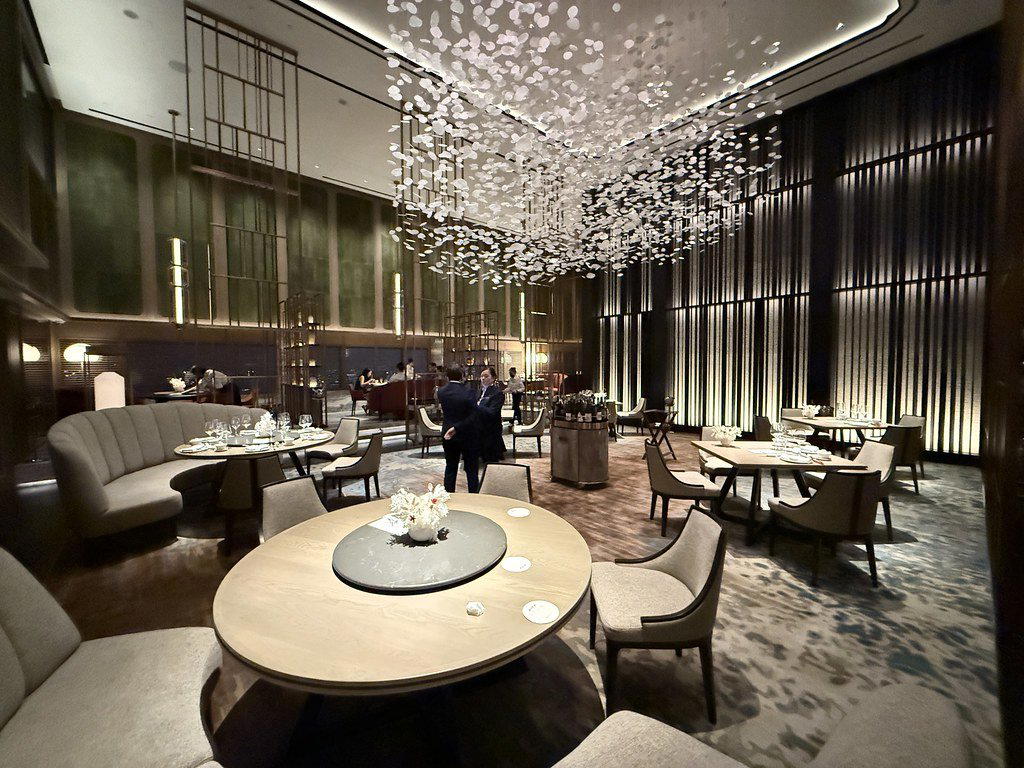
Interior volumes follow a similar logic of proportion. The lobby reads as a space designed to absorb guests rather than impress them with height alone. In large-footprint properties across Asia, lobby theatrics have become a competitive norm, particularly in markets like Kuala Lumpur or Bangkok where dramatic atriums signal ambition. Singapore's approach is more restrained, prioritising breadth and the visual pull toward the gardens rather than vertical spectacle. Whether that reads as classic or dated depends on the guest.
The spa operation, CHI, The Spa, follows a design philosophy common to the group: a defined treatment vocabulary rooted in Asian wellness traditions, delivered in purpose-built facilities. The spa adds a meaningful dimension to the leisure offering, particularly for guests whose visit is structured around recovery or transition between long-haul flights rather than active city exploration.
Culinary Scope at Scale
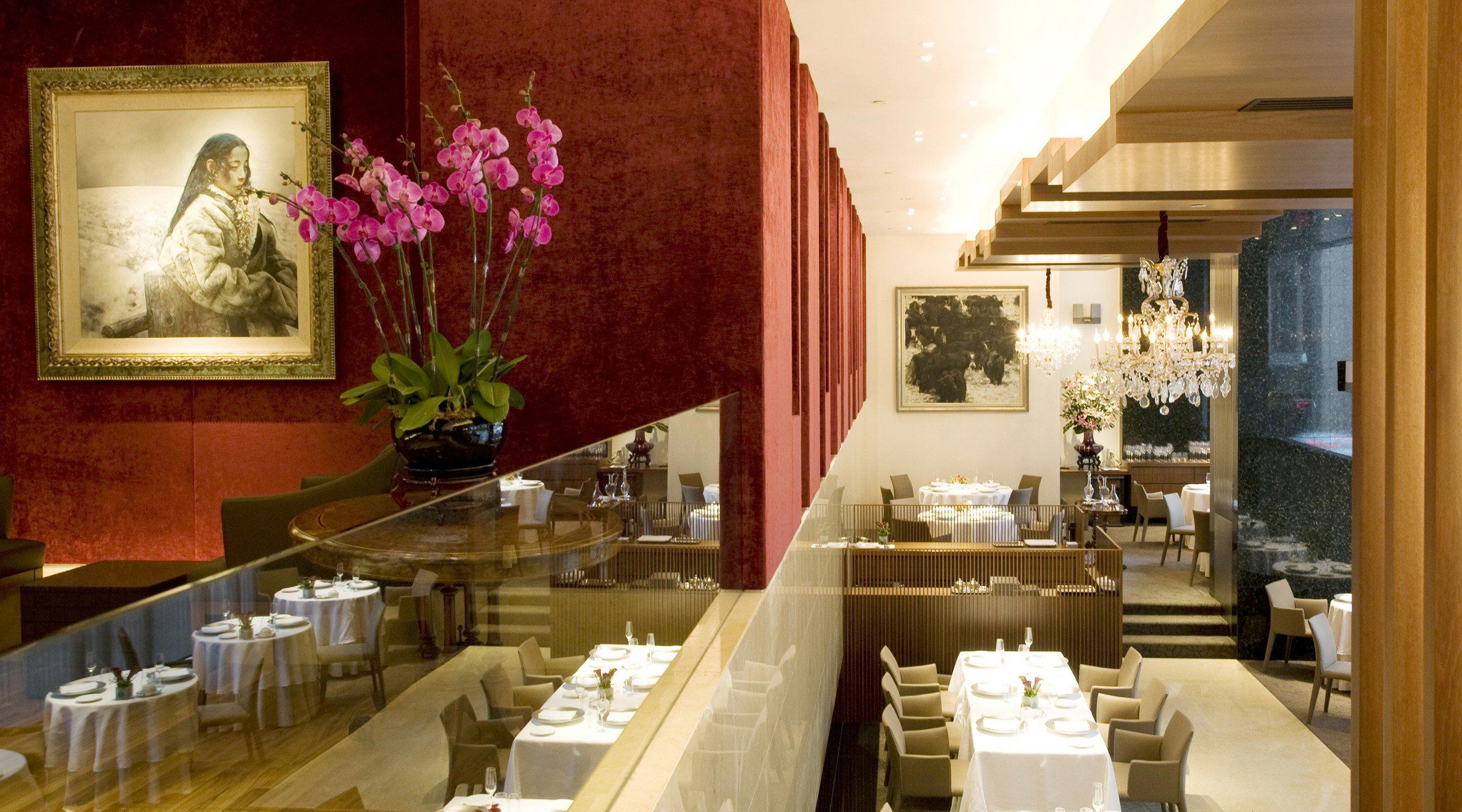
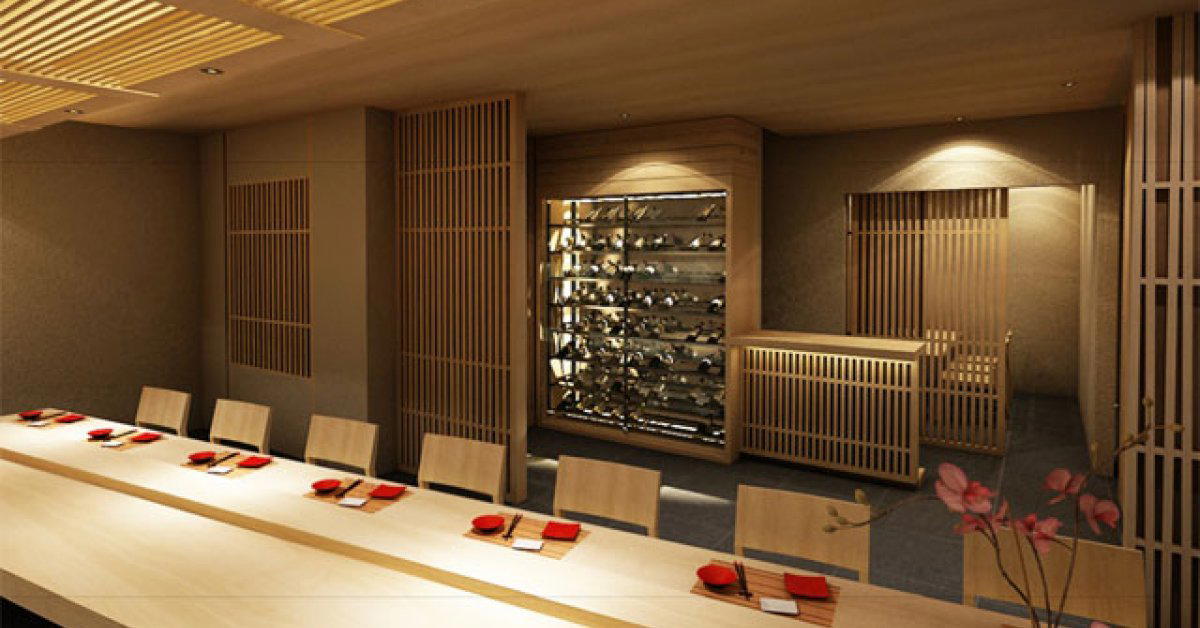
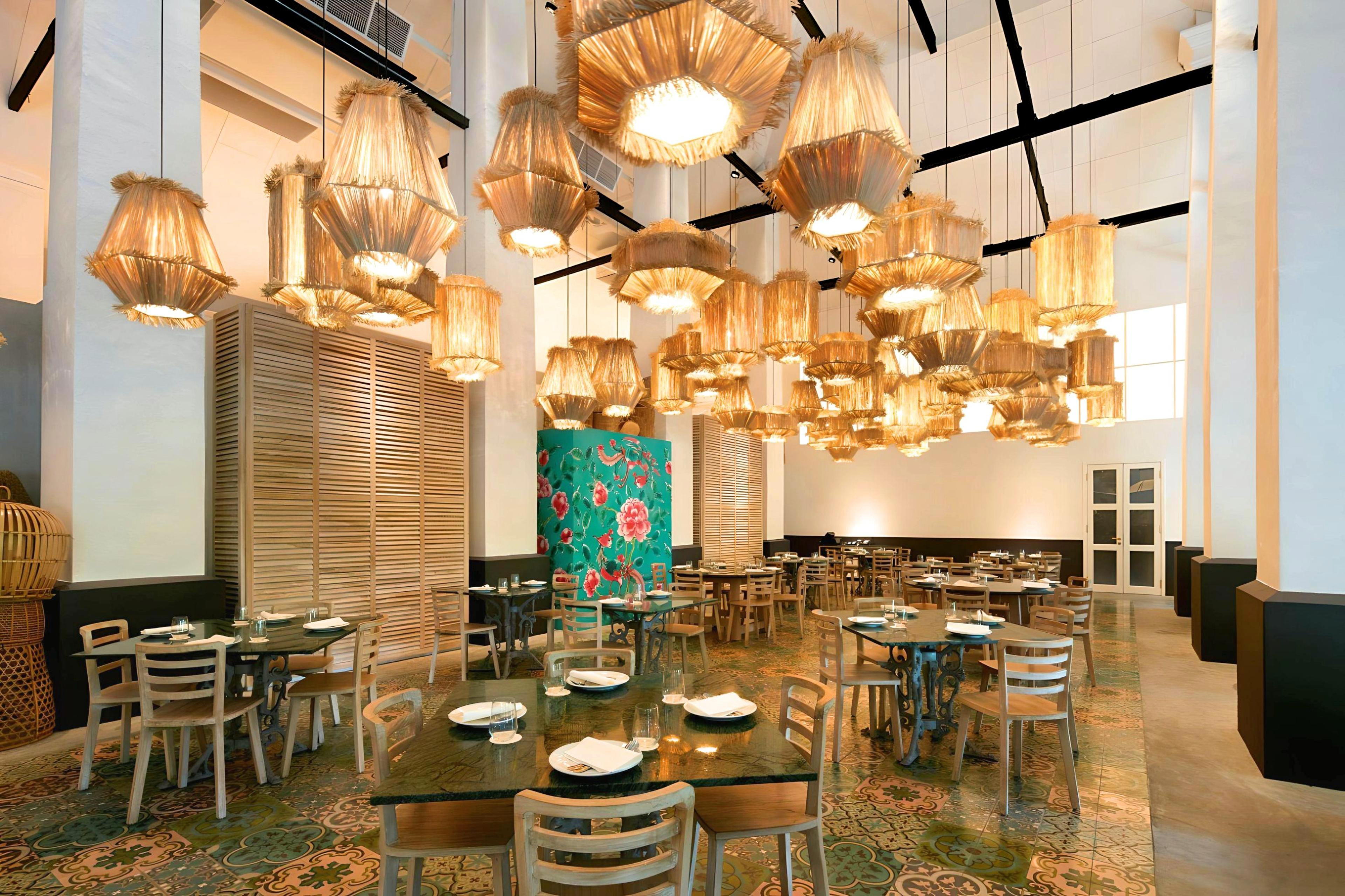
Singapore operates one of the wider culinary programmes among Singapore's city hotels. The property houses multiple dining outlets covering different cuisine categories, which is a natural function of its room count: a hotel with nearly 800 keys plus serviced apartments requires on-site F&B; infrastructure that a 150-key boutique property does not. In Singapore's restaurant market, where standalone dining options are dense and competitive, the strength of a hotel's F&B; matters most to in-house guests and meeting delegates rather than to the city's dining public. That context is worth naming, because the hotel's dining operation should be evaluated accordingly rather than against the city's leading independent restaurants. For broader Singapore dining context, our full Singapore restaurants guide covers the independent scene in detail.
Who Stays Here, and Why
The guest mix at Singapore historically skews toward two overlapping categories: business travellers attending events or meetings at the property's conference facilities, and leisure guests who want a large-format resort experience without leaving the city. The 182 serviced apartments and residences indicate a third segment: long-stay guests who prioritise space, stability, and hotel services over the compressed footprint of a standard room. That three-way composition shapes everything from lobby traffic patterns to the tone of the pool deck on a weekday afternoon.
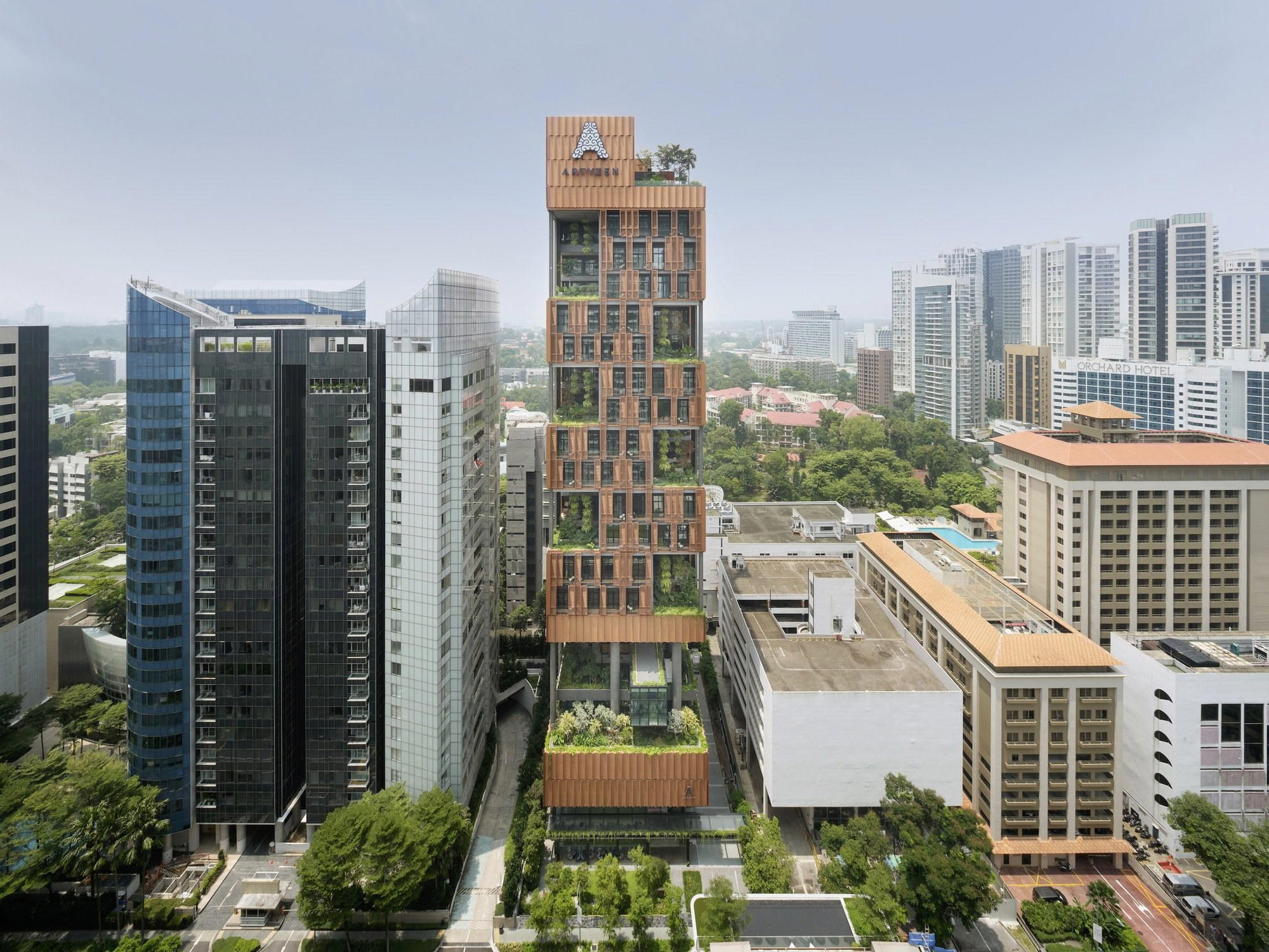
Singapore's hotel market in the Orchard corridor also includes the Artyzen Singapore, the Amara Singapore, and further into the CBD, properties like the 21 Carpenter and Carlton Hotel Singapore. Each occupies a different niche. 's particular proposition is the combination of scale, garden setting, and the infrastructure to handle large groups without those groups overwhelming the leisure experience for individual guests. That balance is harder to achieve than it sounds.
Guests comparing Singapore options with properties they know elsewhere in the global luxury tier might draw references to large-footprint hotels like Hotel Bel-Air in Los Angeles or Hotel Du Cap-Eden-Roc in Cap d'Antibes, where outdoor grounds define the property's identity as much as the rooms do. The analogy is imperfect, but the underlying logic connects: there are hotels where the building is the product, and hotels where the land is the product. Singapore operates as the latter inside a city that has run out of room to produce more of them.
For guests considering Singapore hotels in a broader Asia-Pacific context, comparisons with HOTEL THE MITSUI KYOTO in Kyoto or Bvlgari Hotel Tokyo are useful for calibrating the different registers of luxury the region offers: heritage-rooted and garden-defined on one hand, design-forward and urban-vertical on the other. The Singapore sits clearly in the first camp, and the La Liste 94.5-point score suggests that camp still has a committed audience.
The property is accessible via the Orchard MRT station, approximately a 10-to-15-minute walk or a short taxi ride, which makes its level of spatial remove from the commercial district feel more pronounced than the actual distance. Booking directly through the hotel's website or via recognised travel programmes typically unlocks the most flexible rate structures; the property's scale means it participates in most major loyalty and preferred-partner frameworks that business travellers rely on.
A Lean Comparison
Comparable venues nearby, for context on price, style, and recognition.
| Venue | Price | Awards | Notes |
|---|---|---|---|
| Shangri-La SingaporeThis venue (the venue you are viewing) | Not listed | Michelin Selected · La Liste Top Hotels | Not listed |
| One Farrer Hotel | $200–300 | Michelin Selected · World Luxury Hotel Awards WLHA Country Winner | FARRER PARK, Contemporary 'hotels-within-a-hotel' lifestyle environment with chic rooms, suites, and villas. |
| W Singapore, Sentosa Cove | $300–500 | Michelin Selected · Forbes Recommended | SENTOSA, Contemporary luxury resort with bold W Hotels signature design language, blending tropical island aesthetics with cosmopolitan sophistication. |
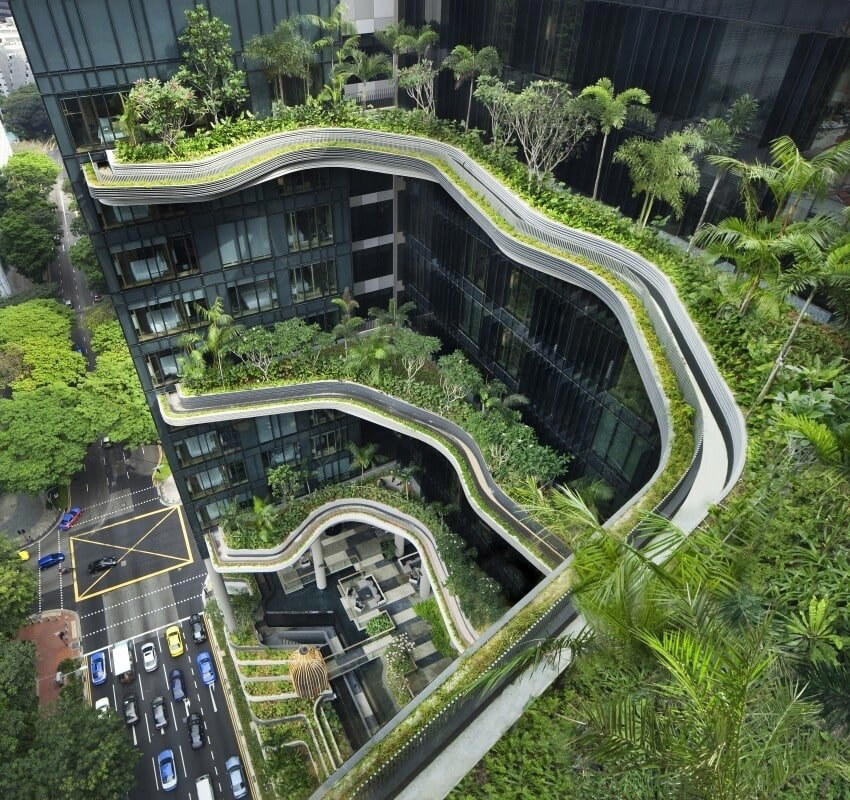
| PARKROYAL COLLECTION Marina Bay, Singapore | $200–300 | Michelin Selected · Star Wine List | MARINA CENTRE, Sustainable urban luxury with integrated green oasis |
| Pan Pacific Singapore | Not listed | World Luxury Hotel Awards WLHA Continent Winner · Forbes Recommended | MARINA CENTRE, Contemporary luxury high-rise with soaring atrium |
| Marina Bay Sands | $300–500 | 1 Michelin Key · La Liste Top Hotels | BAYFRONT SUBZONE, Well-known urban luxury resort with cantilevered skypark. |
Recognition history
Dated appearances from independent guides and award organizations, with the underlying list record or original source where available.
Michelin Selected
Michelin
La Liste Top Hotels
La Liste
Virtuoso Luxury Hotel Partner
Virtuoso
Tatler Listed in Best Hotels Asia-Pacific
Tatler
Continue exploring
More in Singapore
Hotels in Singapore
All hotels in Singapore →
Bars in Singapore
All bars in Singapore →
Details
- Elegant
- Sophisticated
- Scenic
- Family Vacation
- Business Trip
- Romantic Getaway
- Rooftop Pool
- Garden
- Panoramic View
- Pool
- Spa
- Fitness Center
- Room Service
- Concierge
- Business Center
- Valet Parking
- Kids Club
- Garden
- Skyline
- Wheelchair Accessible
- Elevator
- Step Free Entrance
- Accessible Parking
Tranquil and elegant with lush garden views, natural light, and a resort-like atmosphere amid city bustle.