Sofitel London St James



1 Michelin Key · La Liste Top Hotels · Forbes 4-Star
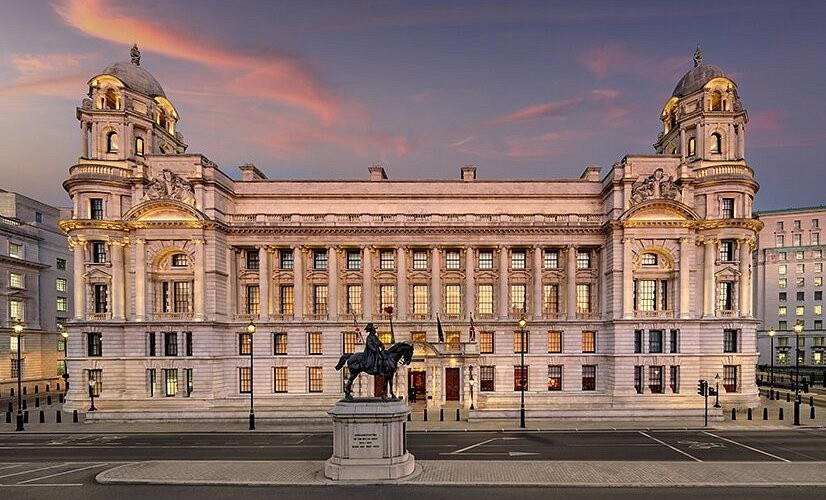
A neoclassical Edwardian bank turned five-star hotel, Sofitel London St James sits at the corner of Waterloo Place and Pall Mall, placing guests within walking distance of St James's Park and Piccadilly Circus. The 183-room property earned La Liste Top Hotels recognition in 2026 (90.5 points) and houses Wild Honey St James, a Michelin-starred restaurant where French technique meets British produce. Designer Pierre-Yves Rochon's interiors balance heritage architecture with deliberately irreverent detail.

Pearl is the En Primeur Club membership app, where members save venues, book tables and use the concierge.
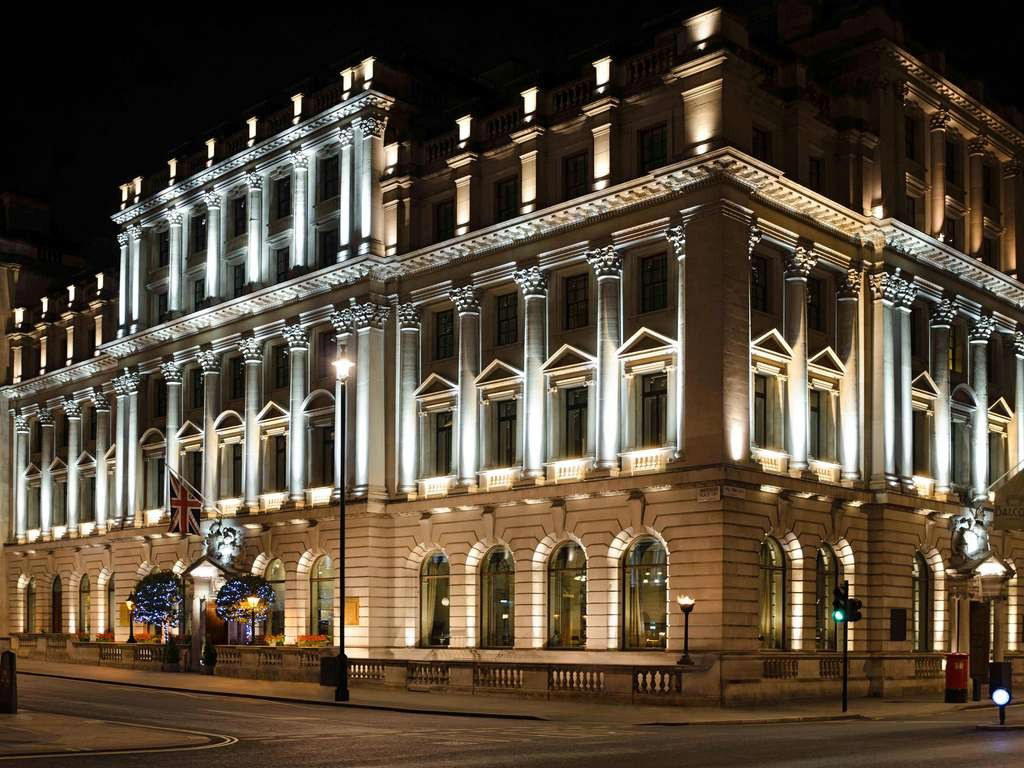
Where Pall Mall's History Meets a French Sensibility
Pall Mall has spent centuries accumulating institutional weight. It was the first street in London lit by gas, in 1807, and for generations it defined the geography of British club culture and fine art dealing. The building at 6 Waterloo Place carried its own chapter of that history as a Cox's and King's bank before Accor's Sofitel brand reimagined it as a London address with a deliberately French character. That translation, from British financial institution to continental luxury hotel, is not merely cosmetic: it shapes every decision about the rooms, the food, and the sourcing behind both.
Designer Pierre-Yves Rochon, working within the neoclassical shell, converted former bank managers' offices into guest rooms and brought a design language that broke from the country-house formula that still dominates much of London's five-star tier. The palette runs toward electric blue and fuchsia tartan underfoot, playful geometric wallpaper, design books on shelves, and Smeg kettles on counters. It reads less like a heritage property preserving itself in amber and more like one that has decided what its own personality actually is. For a neighbourhood so weighted with tradition, that confidence of tone is itself a distinguishing feature.
The hotel's La Liste Leading Hotels score of 90.5 points in 2026 places it inside a small cohort of London properties recognised on that global index. Across the 183 rooms, rates open from approximately $613, positioning the property in London's mid-to-upper five-star band, below the ultra-premium of a Claridge's or The Connaught, but with a food programme that competes at a different level entirely.
The Sourcing Logic Behind Wild Honey St James
London's leading hotel restaurants increasingly occupy one of two positions: the showpiece dining room that trades on spectacle and name value, or the kitchen that earns its credibility through what it puts on the plate and where that comes from. Wild Honey St James, which holds a Michelin star, has staked its ground firmly in the second camp. The kitchen, helmed by chef Anthony Demetre, runs a menu built around a productive tension between French technique and British provenance.
That tension is not decorative. The honey used in ice cream is sourced from the Cotswolds, a deliberate link to an English landscape that has been producing artisanal goods long before the current wave of hyper-local sourcing made it fashionable. Bouillabaisse, a dish that belongs entirely to the south of France, sits on the same menu as British custard tarts. This is not fusion cooking in the blended sense; it is a kitchen operating two distinct registers simultaneously, using classical French method to handle British ingredients and letting both traditions speak for themselves.
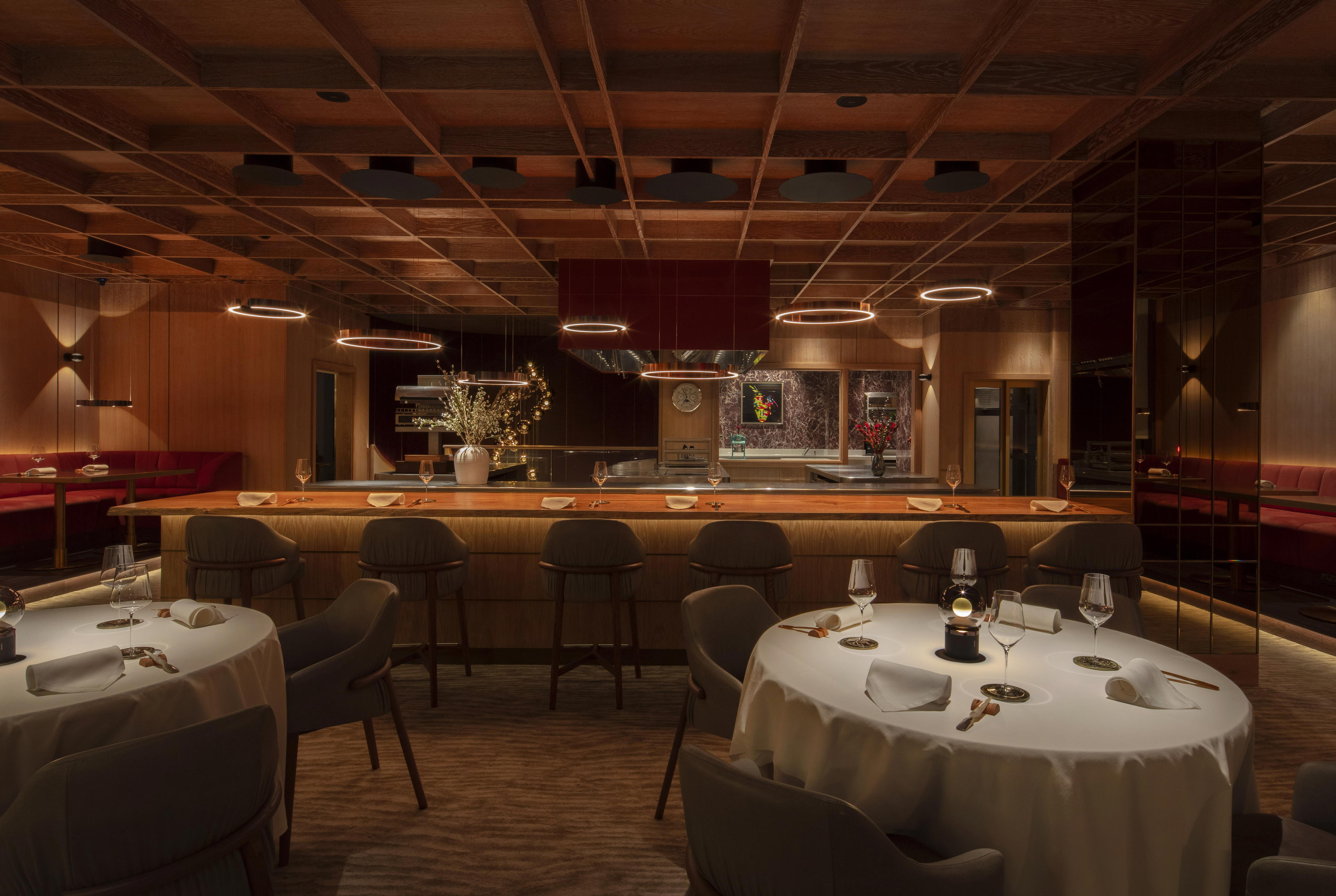
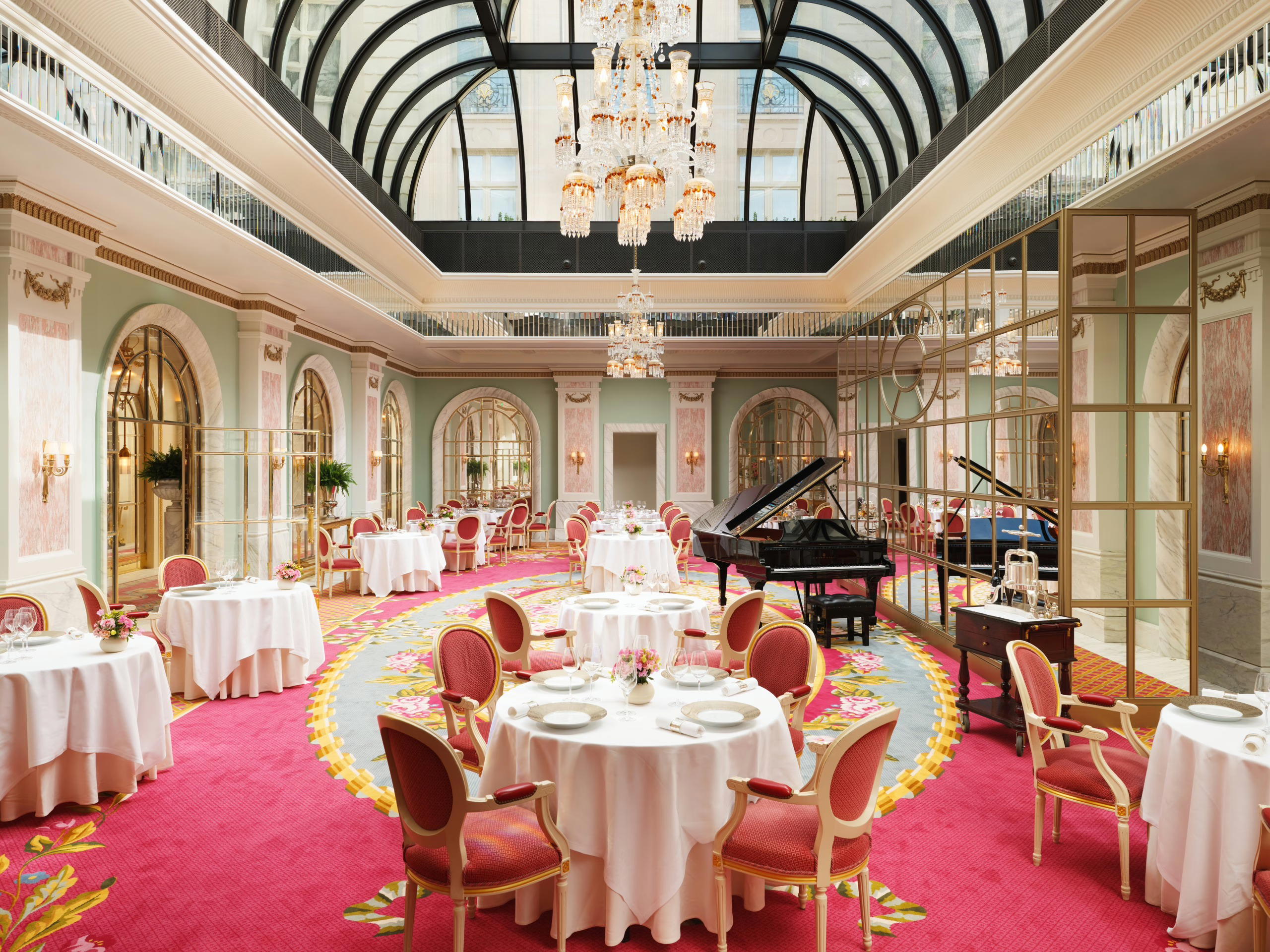
The dining room itself sets the right conditions for that kind of cooking. Plush velvet seating, marble-topped tables, and direct sightlines toward St James create an environment where the formality of the architecture is balanced by the warmth of the service register. Evening views of the surrounding streetscape, one of London's best-preserved Georgian and Edwardian corridors, add context to the sourcing argument being made inside.
Bistrot Wild Honey and the Case for Bistronomy
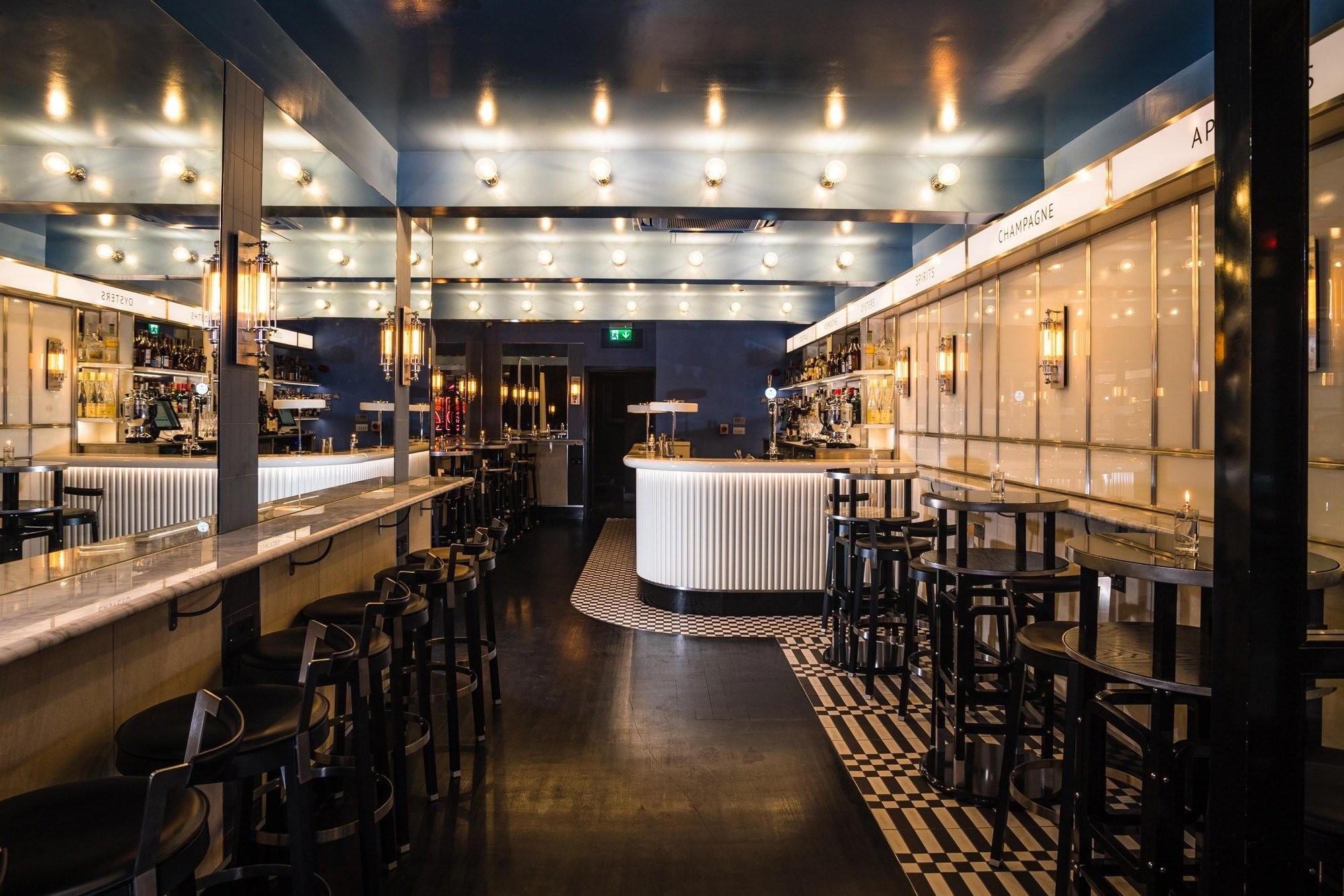
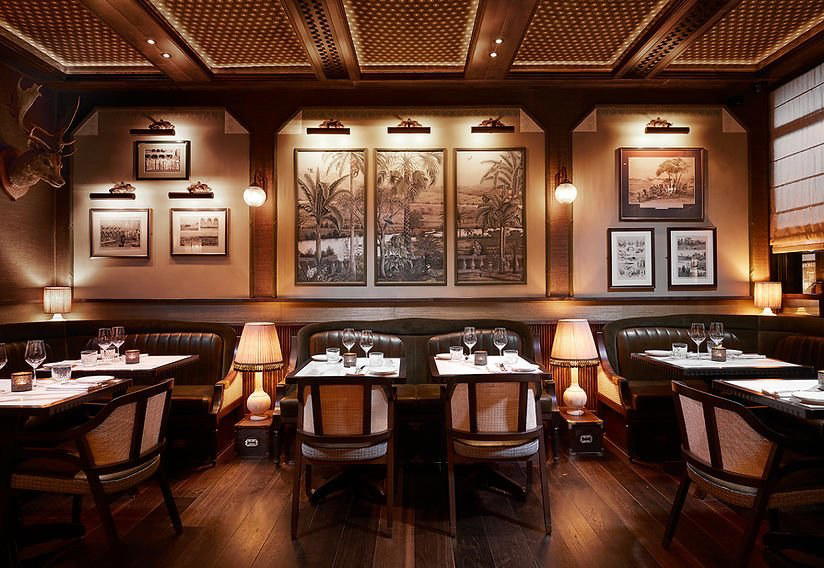
In April 2024, chef Demetre launched Bistrot at Wild Honey, reclaiming the bar space adjacent to the main restaurant and repositioning it as a neighbourhood wine bar and dining room built around bistronomy. The bistronomy model, which took hold in Paris in the early 2000s and has been slowly migrating through European cities since, prioritises honest cooking at more accessible price points without abandoning technical rigour. Within a hotel that charges five-star room rates, that format serves a specific function: it opens the food programme to guests who want a lower-commitment meal and to locals who might not choose a full Michelin-starred tasting experience on a Tuesday evening.
This kind of two-speed food operation, a starred restaurant and a casual satellite, has become more common among London hotel properties. Raffles London at The OWO and NoMad London both run similarly layered hospitality programmes. The Sofitel's version distinguishes itself by keeping both formats under the same chef's vision rather than treating them as separate brand exercises.
The St James Bar and the Rose Lounge
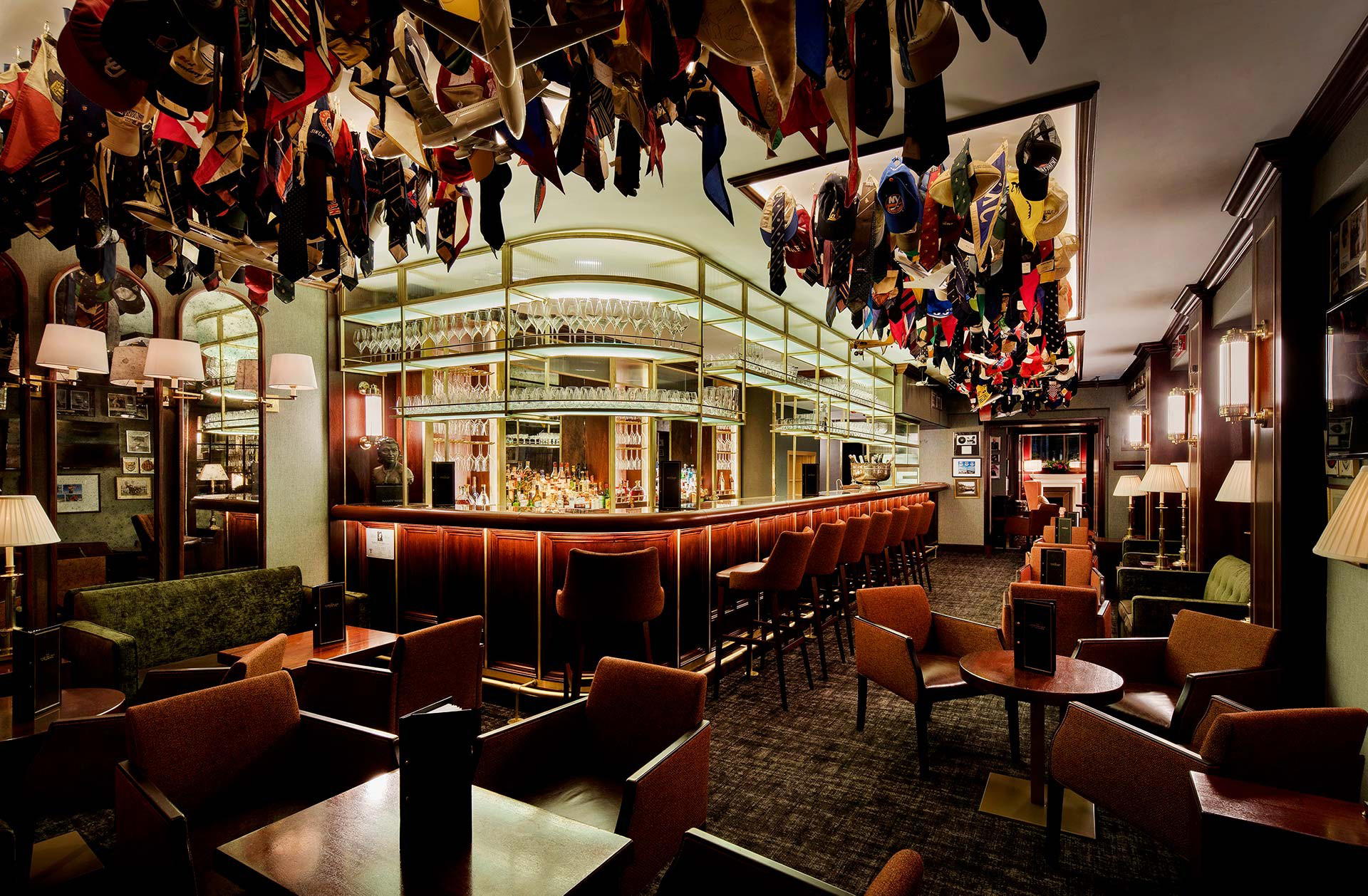
The St James Bar operates on a different frequency from the restaurants. Between 3 and 4 p.m. the bar is particularly active, functioning less like a hotel lobby fixture and more like a destination in its own right. The cocktail menu is the primary draw, and the service calibre at that hour reflects the volume and seriousness of the crowd it attracts.
Afternoon tea at the Rose Lounge rounds out the food offering. Head Pastry Chef Lerrick Coelho leads the spread, and in a city where afternoon tea has become both a tourist ritual and a serious competition among major hotels, the Rose Lounge positions itself toward the kitsch end of that spectrum without abandoning quality. For a neighbourhood where the Piccadilly Circus tube exit is a short walk away, the lounge serves as a natural landing point for guests returning from the city's central attractions.
Art, Context, and the Pall Mall Address
The hotel's art choices are deliberately site-specific. Scottish artist Elliot Killick's contemporary portrait of William Murdoch, the engineer credited with inventing gas lighting, hangs in a building on the very street where gas lighting was first used publicly. Pall Mall was lit by gas in 1807, and the painting's placement is an editorial decision as much as a decorative one: it anchors the building to its neighbourhood history in a way that a generic luxury print collection never could.
That attention to location carries through to the spa, where treatments include a Turkish hammam and jacuzzi alongside standard beauty and relaxation offerings. For guests arriving from long-haul flights, the property also provides access to an AlphaSphere by Sha chair, complimentary for all guests, with the claim that twenty minutes of use equates to eight hours of restorative sleep. It is an unusual amenity for a London hotel of this type, and its presence signals a wellness programming ambition that sits slightly apart from the spa menus at comparable addresses like The Emory or 1 Hotel Mayfair.
Rooms: The Prestige and Junior Suite Case
For guests prioritising views, the Prestige and Junior Suites offer direct sightlines onto Waterloo Place and Pall Mall, with the additional spectacle of London's red double-deckers framed in the window. The rooms across the property carry Rochon's signature blend of French design vocabulary and British cultural reference, expressed through the bold tartan carpets and 1960s-inflected ornamental choices that run counter to the hushed neutrality of most five-star London rooms. The Sofitel My Bed programme, an in-house sleep experience, extends the wellness thread from the spa into the bedroom.
For comparable design-led properties elsewhere in the UK, Estelle Manor in North Leigh and The Newt in Somerset represent the country-house alternative to the city-hotel format. Within London itself, for guests drawn to historic buildings with distinct food programmes, The Savoy and 11 Cadogan Gardens each represent a different configuration of the same appetite. Internationally, the Accor group's approach here shares DNA with properties like Aman Venice in its willingness to let a building's existing history do significant editorial work. For more London options, see our full London restaurants and hotels guide.
Know Before You Go
- Address: 6 Waterloo Place, London SW1Y 4AN
- Nearest Tube: Piccadilly Circus (short walk)
- Rooms: 183
- Rate from: approximately $613 per night
- Restaurant: Wild Honey St James (Michelin Star); Bistrot at Wild Honey (opened April 2024)
- Awards: La Liste Leading Hotels 2026, 90.5 points
- Wellness: Sofitel Spa with Turkish hammam, jacuzzi, AlphaSphere by Sha chair (complimentary)
- Leading bar window: St James Bar, 3–4 p.m.
- Hotel group: Accor (Sofitel)
Style and Standing
Comparable venues nearby, for context on price, style, and recognition.
| Venue | Cuisine | Price | Awards | Notes |
|---|---|---|---|---|
| Sofitel London St JamesThis venue (the venue you are viewing) | Modern French luxury in historic setting | Not listed | 1 Michelin Key · La Liste Top Hotels | Not listed |
| Knightsbridge Hotel, Firmdale Hotels | Victorian townhouse in a leafy residential area | $300–500 | 1 Michelin Key · Mr & Mrs Smith Seal of Approval | Brompton |
| One Aldwych | Contemporary independent British luxury in an Edwardian building | Not listed | 1 Michelin Key · La Liste Top Hotels | Aldwych |
| Number Sixteen, Firmdale Hotels | Luxury townhouse collection property featuring individually designed bedrooms and curated art collection in an elegant residential district. | $300–500 | 1 Michelin Key · Design Hotels Member | West Brompton |
| Charlotte Street Hotel | Boutique luxury with creative British design | Not listed | 1 Michelin Key · Design Hotels Member | Fitzrovia |
| Broadwick Soho | Boutique luxury with maximalist opulence tailored to Soho's lively energy. | Not listed | 1 Michelin Key · Mr & Mrs Smith Seal of Approval | Soho |
Recognition history
Dated appearances from independent guides and award organizations, with the underlying list record or original source where available.
Michelin 1 Key
Michelin
La Liste Top Hotels
La Liste
Forbes 4-Star
Forbes
Full recognition history (5 entries)
Forbes 4-Star
Forbes
Michelin 1 Key
Michelin
Continue exploring
More in London
Hotels in London
All hotels in London →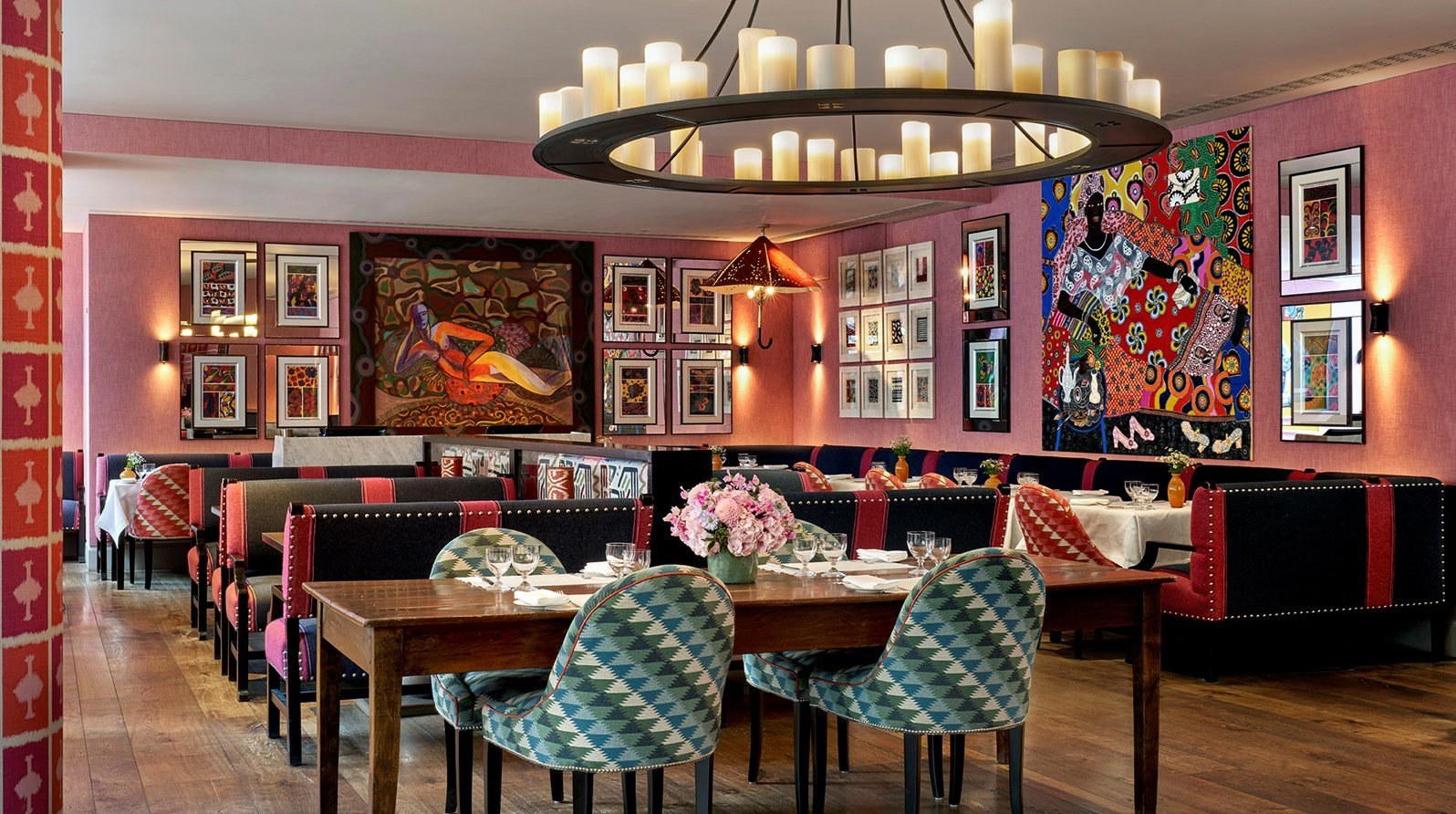
Bars in London
All bars in London →
Restaurants in London
All restaurants in London →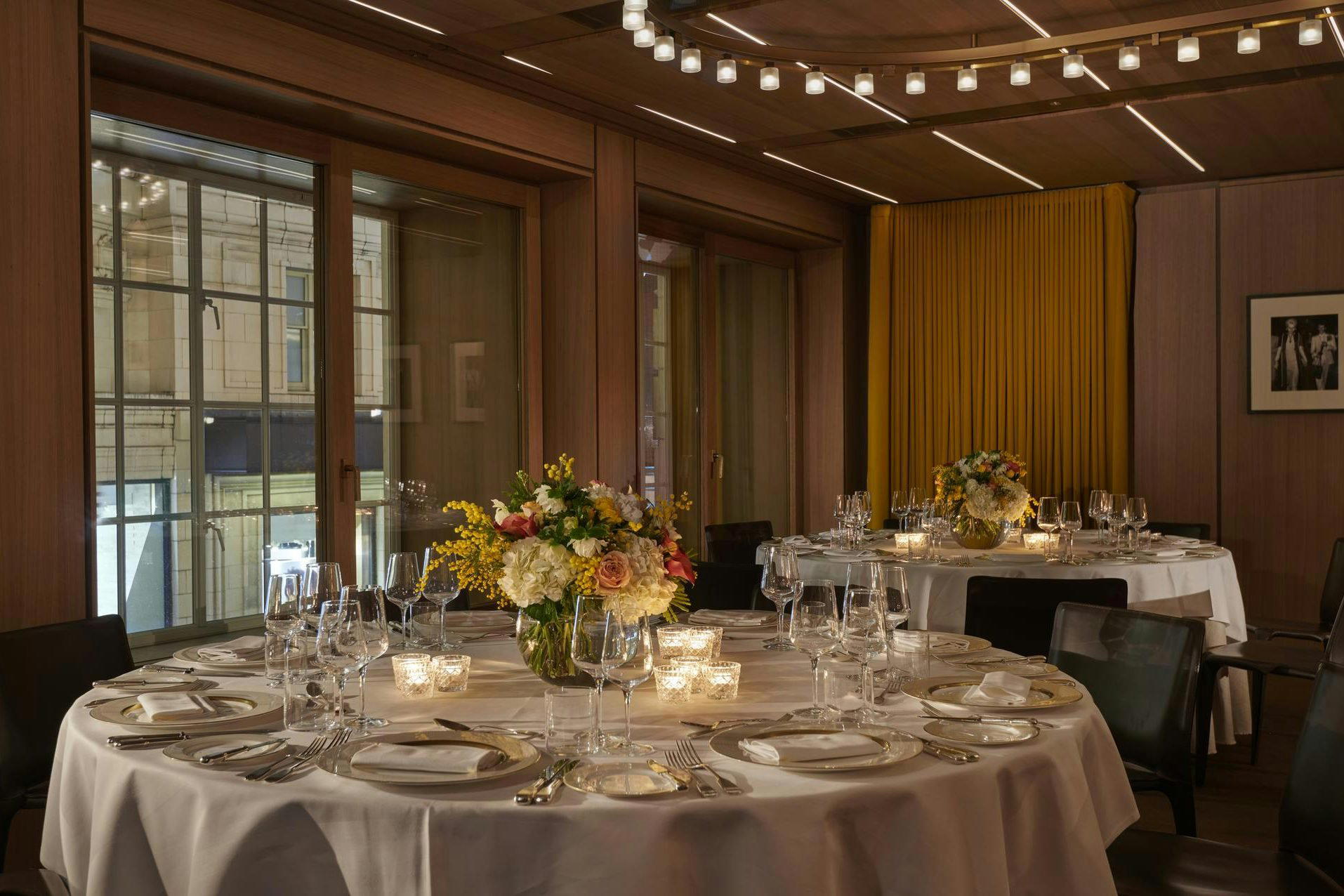

Details
- Elegant
- Sophisticated
- Ornate
- Classic
- Romantic Getaway
- Business Trip
- Anniversary
- Historic Building
- Spa
- Pool
- Fitness Center
- Room Service
- Concierge
- Business Center
- Valet Parking
- Wi Fi
- Street Scene
- Wheelchair Accessible
- Elevator
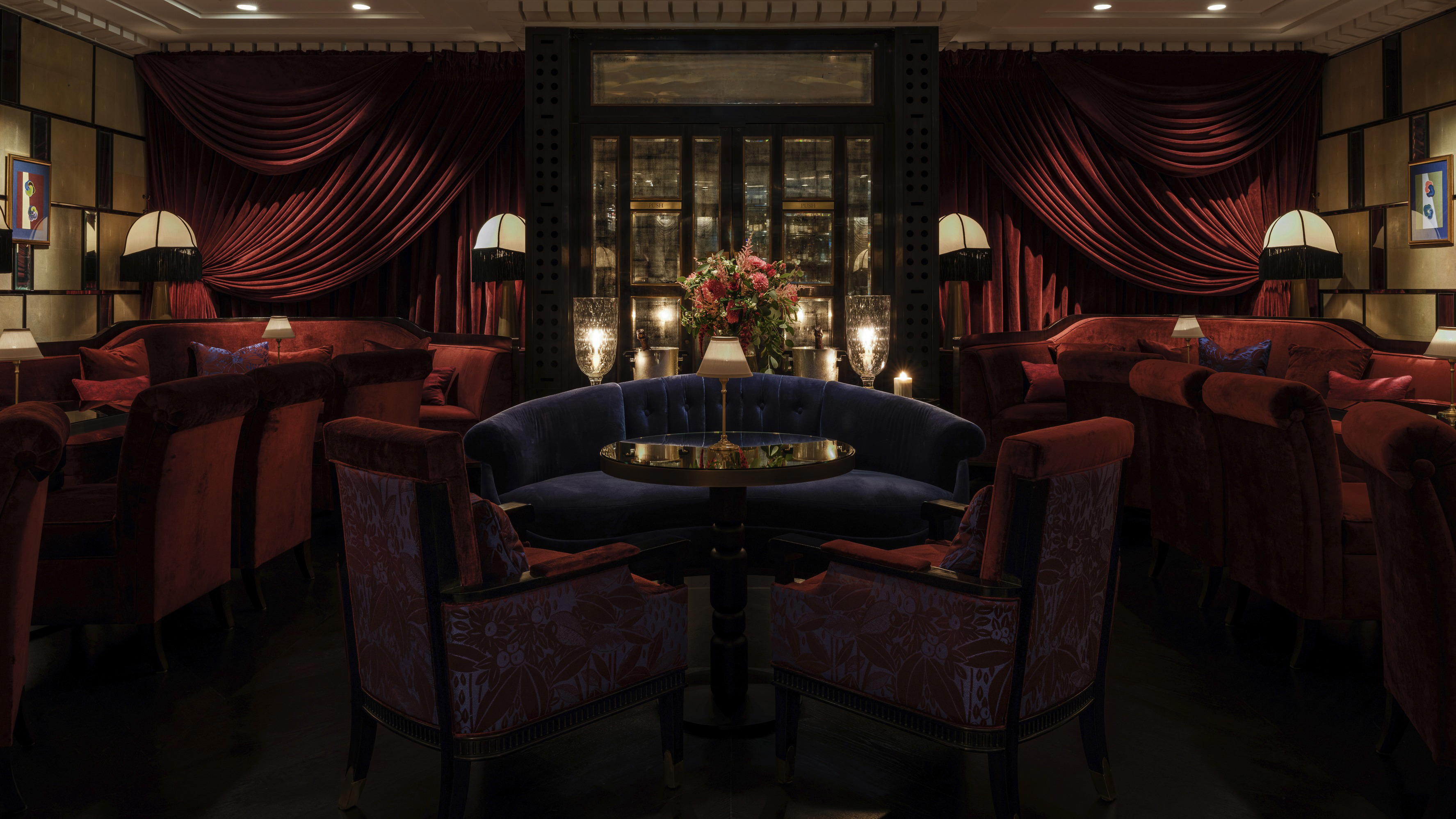
Intimate and tranquil retreat with low-lit lamps, emerald velvet in the bar, and rejuvenating spa atmosphere amid lively London energy.