Shangri-La Resort, Shangri-La
At nearly 3,200 metres above sea level in Diqing Tibetan Autonomous Prefecture, Resort sits where the Tibetan plateau meets the edge of Yunnan's high-altitude pine forests. The property draws from the architectural vocabulary of traditional Khampa Tibetan construction, positioning it within a small tier of lodges that treat the built environment as an argument about place rather than a generic luxury template.
Pearl is the En Primeur Club membership app — saves, bookings, and concierge access live there. Same editors, same standards.
- Address
- Shangri-La City, Diqing Tibetan Autonomous Prefecture, China, 674400
- Phone
- +86 887 899 8998
- Directions
- Get directions
 Saves & bookings on Pearl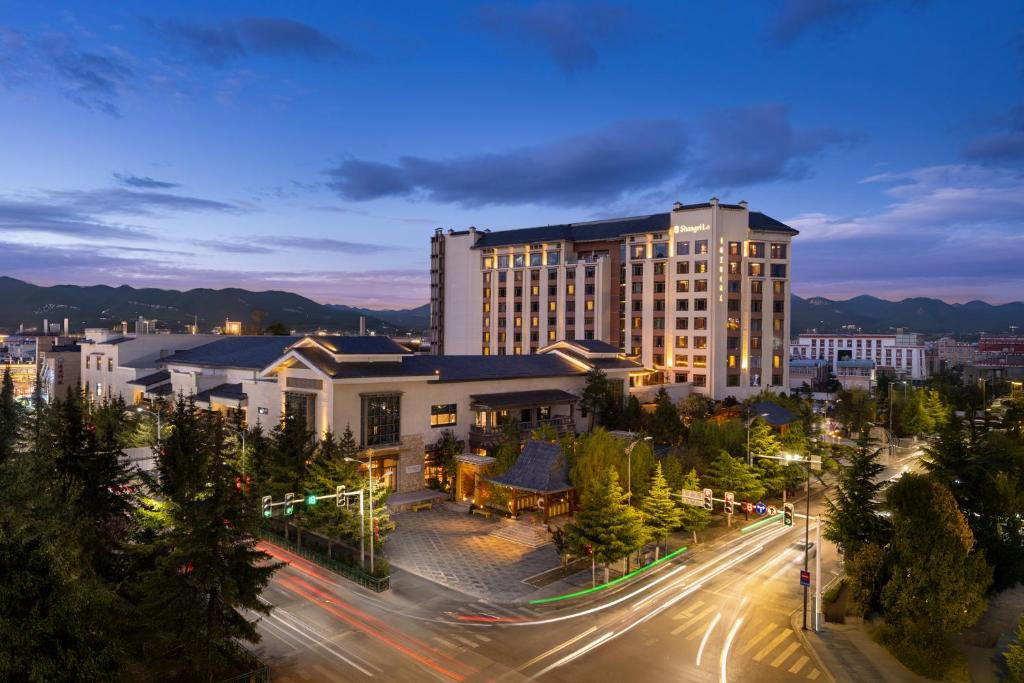
Where the Built Environment Becomes the Argument
There is a particular logic to high-altitude resort architecture that only a handful of properties in southwest China have managed to resolve convincingly. At close to 3,200 metres, the air in Diqing Tibetan Autonomous Prefecture is thinner, the light harder, the temperature swings across a single day more pronounced than most travellers expect. Buildings that ignore these conditions tend to feel like transplants. Those that work with them tend to become inseparable from the terrain. Shangri-La Resort, Shangri-La sits in the second category, drawing from the visual grammar of Khampa Tibetan construction, heavy stone plinths, carved timber detailing, and courtyard orientations that manage wind and sunlight.
This matters because the Diqing plateau has become one of the more contested destinations in Chinese luxury travel over the past two decades, with properties ranging from converted farmhouses to large-format resort complexes arriving in rapid succession. Within that field, the properties that hold their position over time are generally those where the physical structure does conceptual work, where the design communicates something about Tibetan building tradition, altitude ecology, or regional material culture rather than simply signalling category membership.
Khampa Construction Logic and What It Looks Like on the Ground
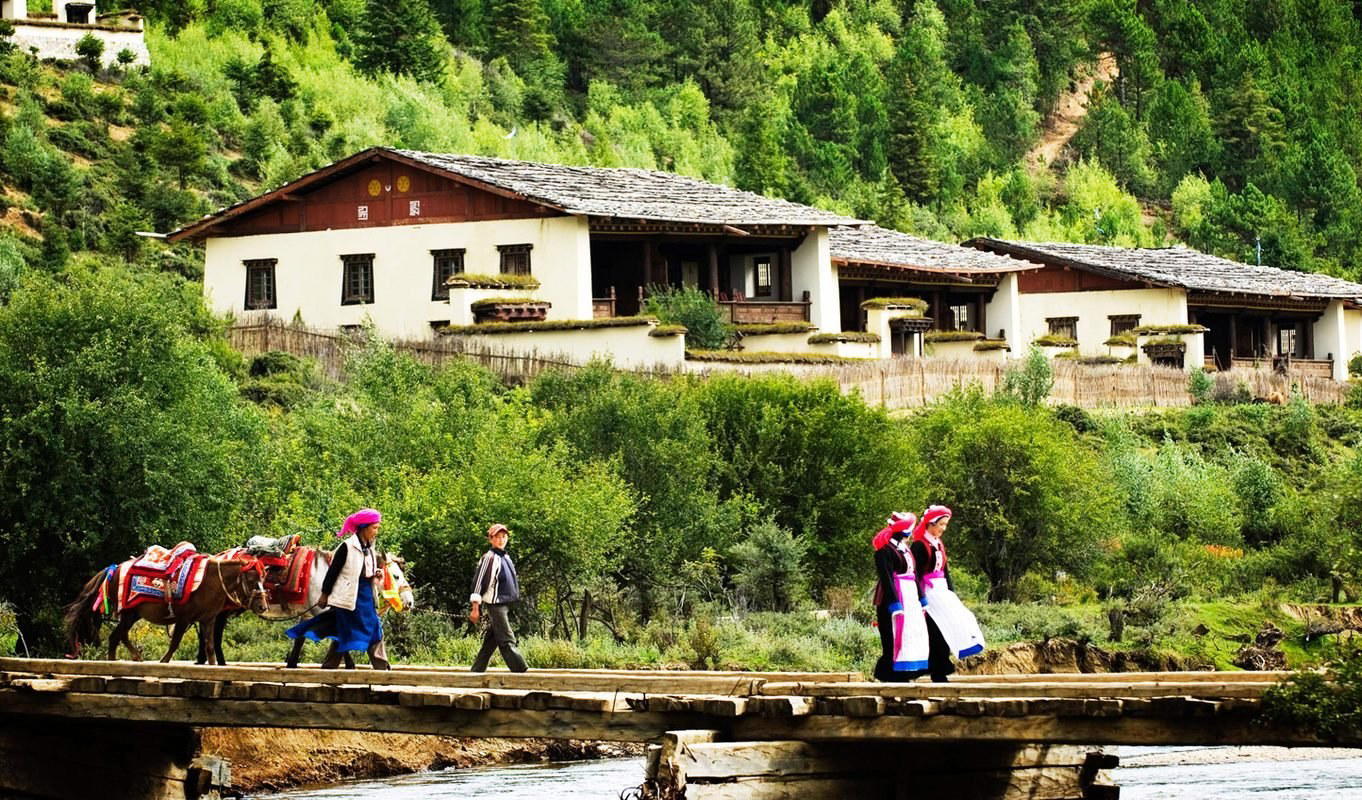
Traditional Khampa architecture, the vernacular building tradition of eastern Tibet and the areas of Yunnan that border it, is defined by a specific set of material and spatial decisions. Thick-walled construction using local stone provides thermal mass, keeping interiors cooler in the midday sun and retaining warmth after dark. Carved wooden window surrounds and pillar capitals signal social status and regional identity, with motifs that vary between valleys. Interior courtyards or semi-enclosed gathering areas function as transitional climate zones, neither fully inside nor fully outside, designed for the kind of communal activity that high-altitude life organises around. Rooflines are typically flat or gently pitched, with parapet detailing that catches the eye from a distance against the treeline.
Resorts in this region that reference these traditions convincingly, rather than applying surface decoration to an otherwise generic building shell, tend to read as physically grounded in a way that is immediately legible to any traveller arriving from one of China's eastern megacities. The contrast with properties like InterContinental Chongqing Raffles City in Chongqing or The St. Regis Shenzhen Bao'an in Shenzhen is not merely aesthetic, it reflects a fundamentally different set of architectural priorities, one where climate response and cultural legibility take precedence over branded minimalism or height-as-statement.
The Tibetan Plateau as Setting: Altitude, Season, and Arrival
Getting to Diqing Tibetan Autonomous Prefecture requires planning that most Chinese domestic trips do not. Diqing Airport connects to Kunming, Chengdu, and a small number of other hubs, but flight frequency and altitude-related delays mean that building in buffer time is sensible rather than optional. The plateau sits at an elevation that can produce mild altitude sickness in travellers arriving from sea level, particularly those who move directly from the airport to strenuous outdoor activity. Most experienced travellers to the region recommend a quiet first afternoon, moderate hydration, and restraint on the first evening's itinerary.
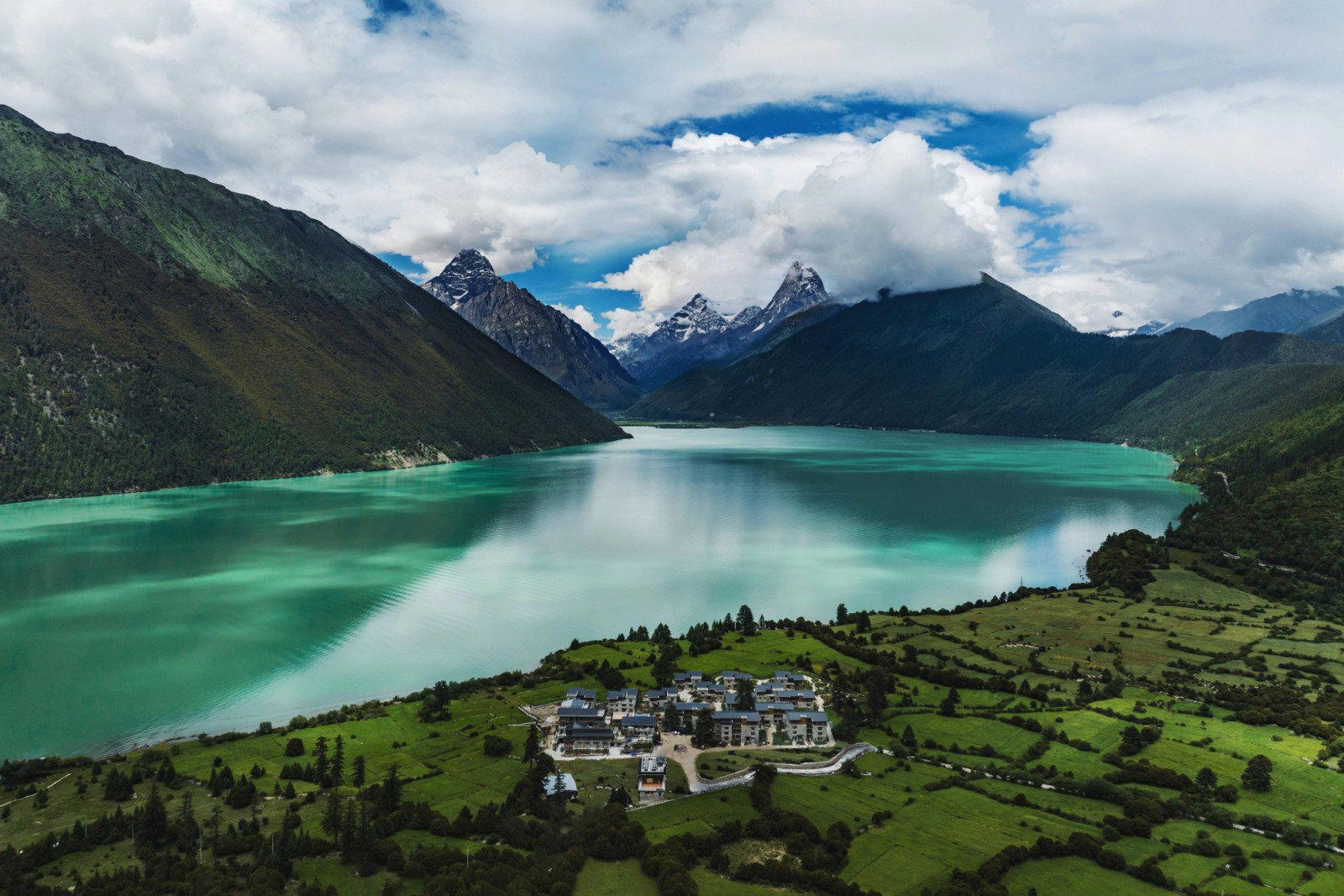
Seasonally, the Diqing region rewards visitors who time their arrival carefully. Late spring and early summer bring alpine meadow wildflowers across the grasslands surrounding City, with rhododendron forests at lower elevations peaking between April and early May. Autumn, particularly September and October, delivers clear skies and the leading visibility toward the Meili Snow Mountains to the northwest, a range that properties like Songtsam Meili Lodge in Diqing have built their entire positioning around. Winter is cold and quiet, with snowfall that transforms the surrounding landscape and significantly reduces visitor numbers. For travellers interested in comparing Tibetan plateau accommodation more broadly, Songtsam Linka Retreat Lhasa in Lhasa represents the Tibet Autonomous Region equivalent of this tier.
The immediate surroundings of City offer a density of cultural and natural sites that few Chinese destinations at this altitude can match: Ganden Sumtseling Monastery, the largest Tibetan Buddhist monastery in Yunnan, sits within easy reach and remains an active religious site rather than a preserved museum piece. The Napa Sea wetland area, a high-altitude lake ecosystem that shifts dramatically between seasons, draws serious birdwatchers and landscape photographers in roughly equal numbers. The area offers a range of dining options, from Tibetan hotpot restaurants around the old town to a handful of properties with serious kitchen programs.
Positioning Within the Regional comparable set
The luxury accommodation tier in Diqing has expanded considerably over time. Within the current field, properties separate broadly into two groups: large-format resorts with significant room counts and full amenity programs, and smaller, more architecturally focused lodges that trade scale for specificity. The latter group includes properties like Hylla Vintage Hotel in Lijiang, which operates in a similar cultural geography further south along the Yunnan corridor, and The ArcadiaPlace at Lugu Lake, which serves a different niche audience around the matriarchal Mosuo cultural area.
Planning Your Stay
Flights into Diqing Airport from Kunming take approximately one hour; from Chengdu, slightly longer. The airport sits at high altitude itself, so the transition begins on landing rather than at the hotel. Travellers arriving from international connections should factor in acclimatisation time before committing to day trips involving significant elevation gain. The old town of City is walkable from most properties in the central zone and provides immediate orientation in the form of its reconstructed wooden architecture, monastery lanes, and the concentrated cluster of Tibetan teahouses and restaurant fronts that define the street-level character of the area.
At-a-Glance Comparison
Comparable venues nearby, for context on price, style, and recognition.
| Venue | Cuisine | Price | Awards | Notes |
|---|---|---|---|---|
| Shangri-La Resort, Shangri-LaThis venue — the venue you are viewing | Tibetan-Yunnan fusion resort | $$$$ | 4-Star | Not listed |
| DC Hotel Hangzhou CBD | Modern business-lifestyle hotel with serviced-residence features. | $$$ | 4-Star | Qianjiang New Town / Qianjiang CBD |
| Urcove Nanjing Zhongshan Mountain National Park | Heritage conversion of a historic military academy into a contemporary lifestyle resort, blending cultural preservation with modern hospitality. | $$$ | 4-Star | Xuanwu District |
| Vaperse Hotel | condo design style fashion elegant refined and comfortable | $$$$ | 5-Star | Zhujiang New Town |
| Songtsam Meili Lodge (松赞梅里山居) | Luxury boutique lodge built in carefully selected locale with traditional Tibetan architectural design and modern comforts, positioned as a sacred mountain retreat. | $$$$ | 5-Star | Gujiunong, Deqin County |
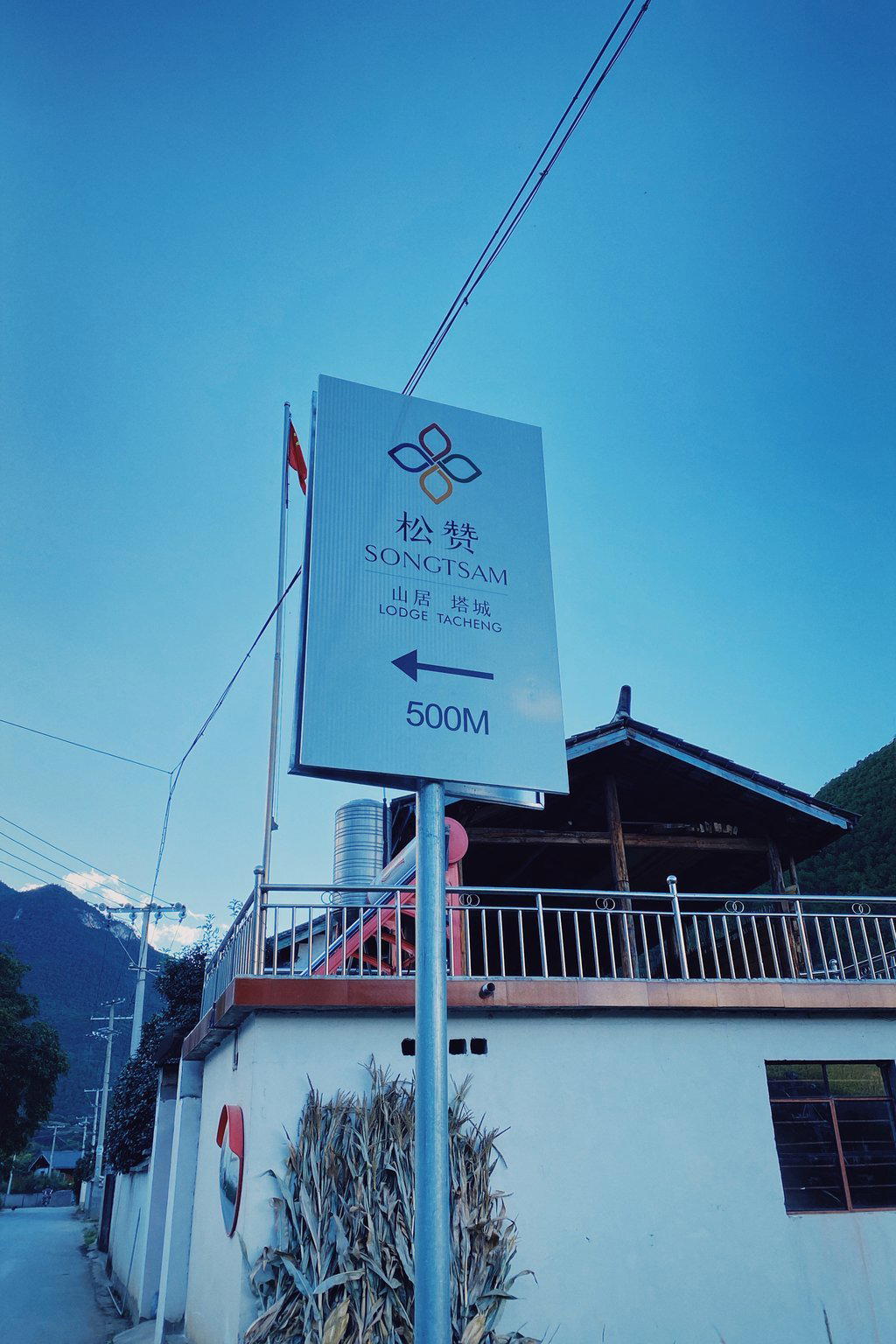
| Songtsam Tacheng Lodge (松赞塔城山居) | Traditional Tibetan architectural marvel blending heritage with modern comforts. | $$$$ | 5-Star | Tacheng |
Continue exploring
More in Diqing Tibetan Autonomous Prefecture
Hotels in Diqing Tibetan Autonomous Prefecture
Browse all →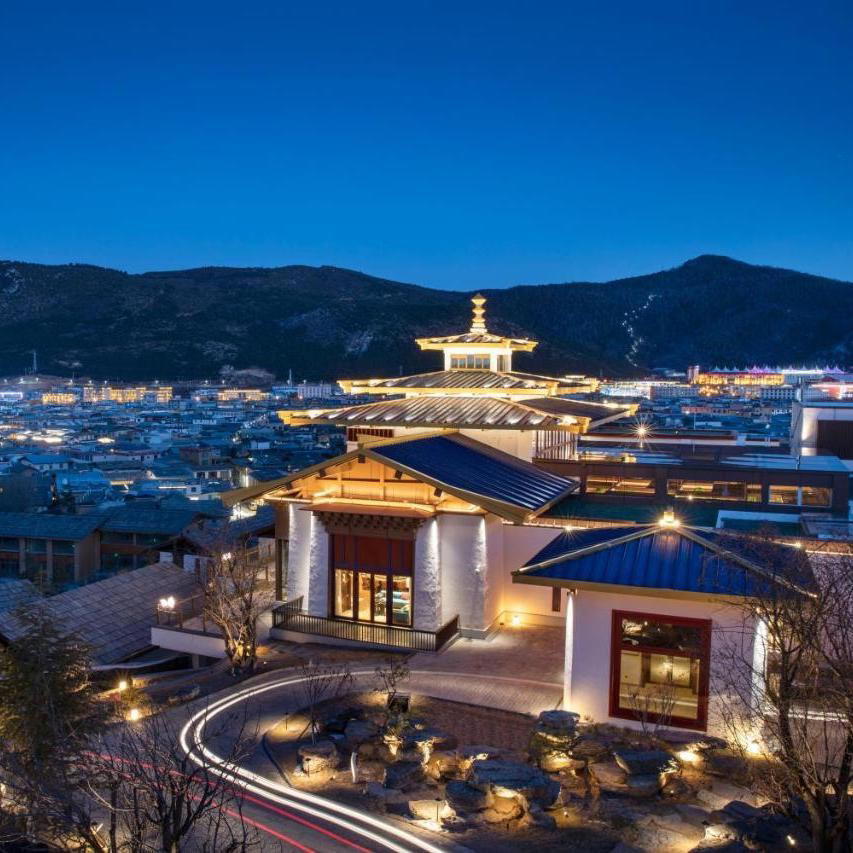
Bars in Diqing Tibetan Autonomous Prefecture
Browse all →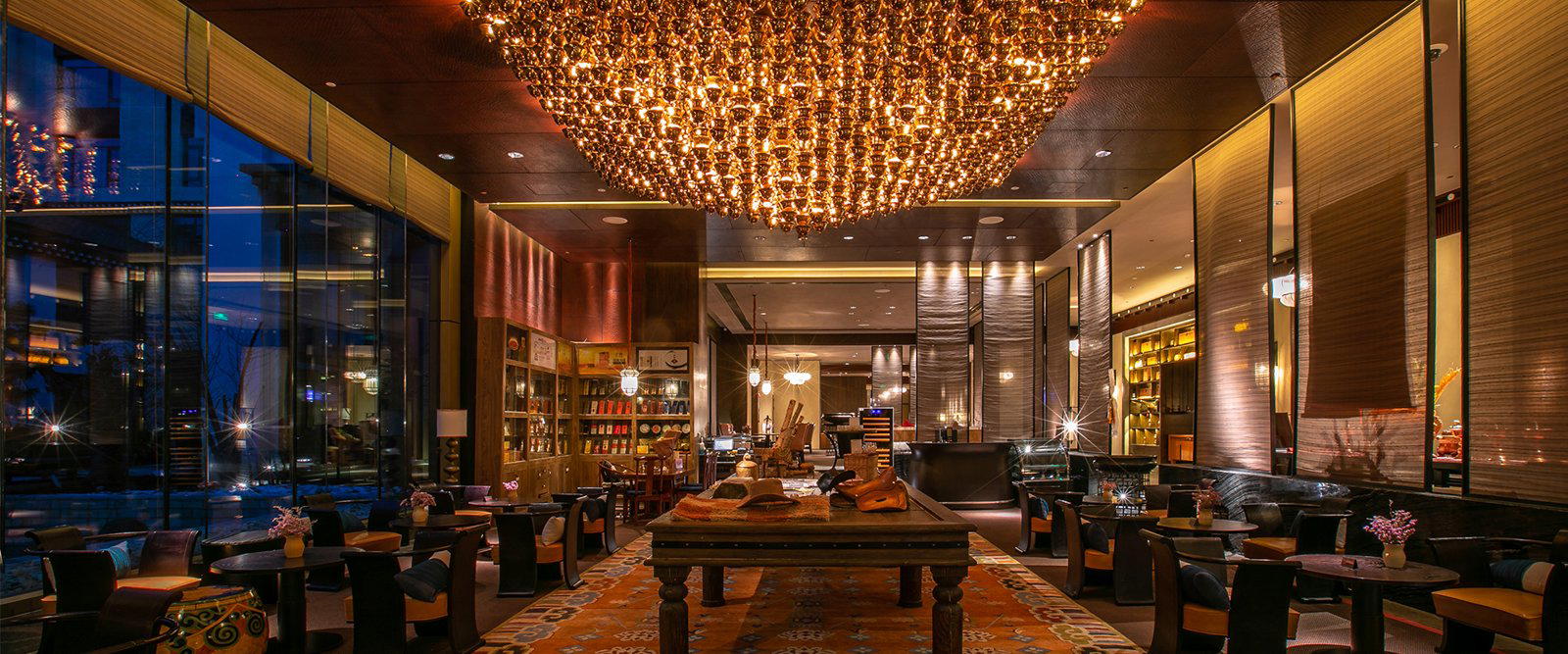
Restaurants in Diqing Tibetan Autonomous Prefecture
Browse all →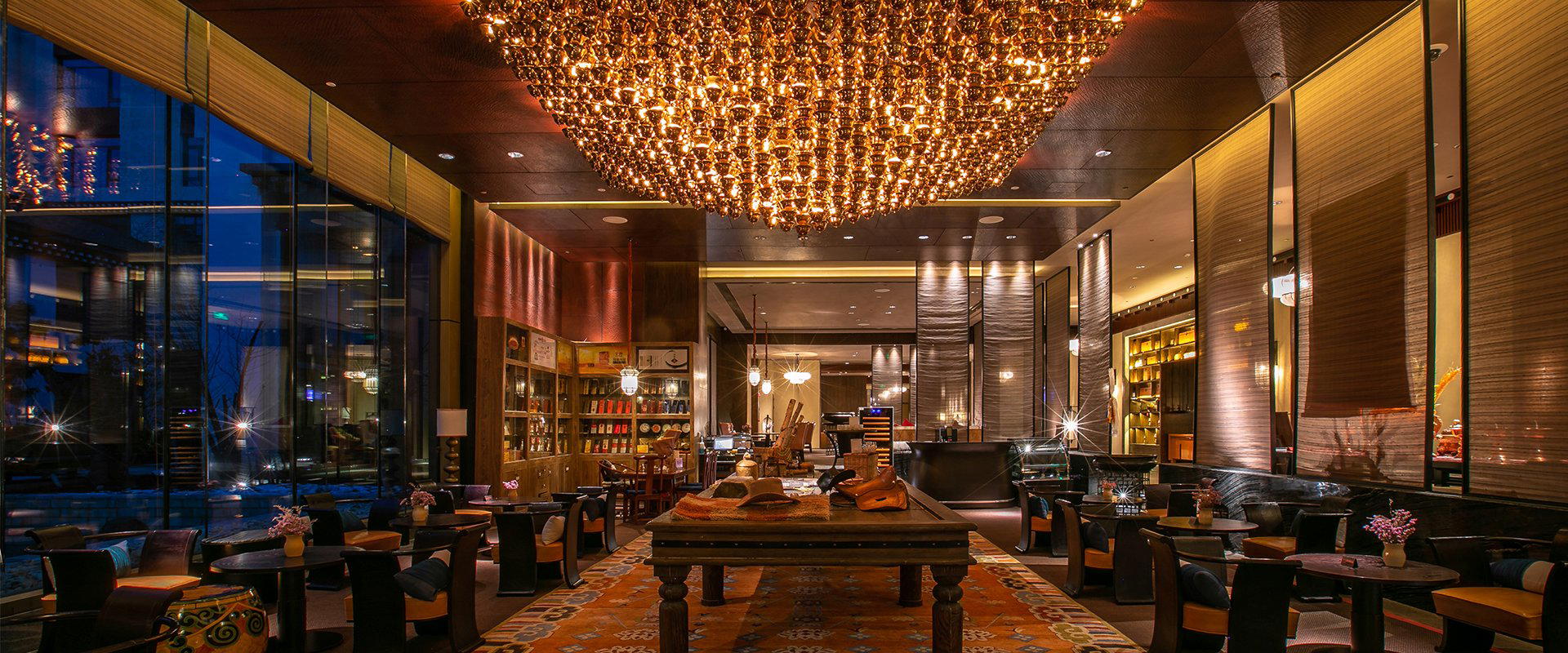
At a Glance
- Scenic
- Elegant
- Rustic
- Romantic Getaway
- Family Vacation
- Wellness Retreat
- Panoramic View
- Garden
- Pool
- Spa
- Fitness Center
- Restaurant
- Concierge
- Airport Transfer
- Indoor Pool
- Mountain
- Garden
- Pool
- Spa
- Fitness Center
- Restaurant
- Concierge
- Airport Transfer
- Indoor Pool
Exotic courtyards and gardens with warm wooden features, local fabrics, and sophisticated Tibetan-inspired lighting creating an elegant yet authentic highland retreat.