Royal Malewane




Royal Malewane sits at the summit of the Greater Kruger safari hierarchy, recognised as the 2025 World's Leading Luxury Lodge by the World Travel Awards and listed with Leading Hotels of the World. Across four distinct lodges and three private villas, the property pursues the classic colonial safari format at its highest pitch, with rates from $2,329 per night and a guiding team that holds the deepest tracker qualifications in the region.
Pearl is the En Primeur Club membership app — saves, bookings, and concierge access live there. Same editors, same standards.
- Address
- Road D1771, Orpen Road, Kruger National Park, Kruger National Park, South Africa
- Phone
- +27157930150
- Website
- theroyalportfolio.com
- Directions
- Get directions
 Saves & bookings on Pearl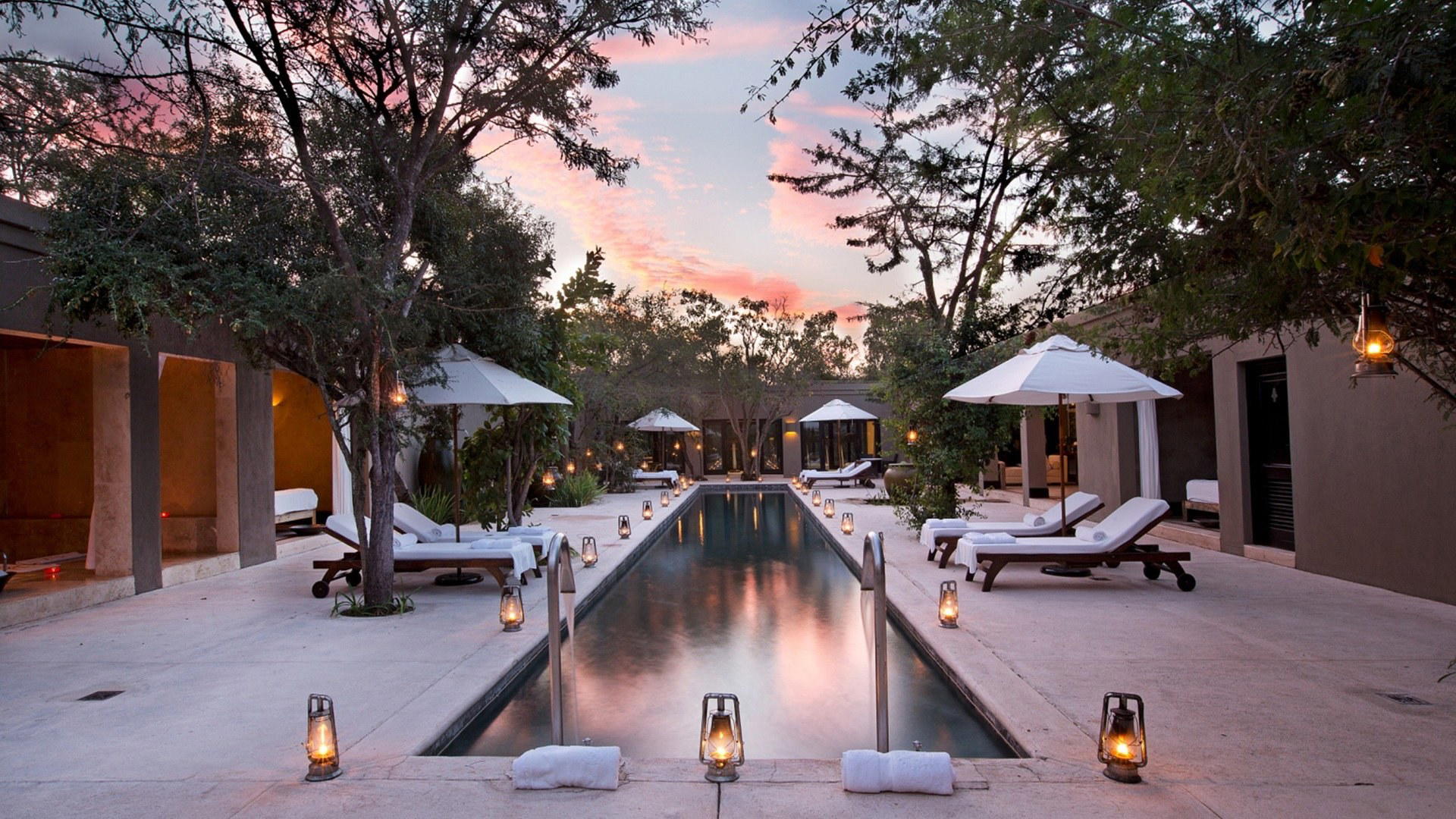
What the Address Provides
The Greater Kruger ecosystem is one of the largest unfenced game reserves in Africa, and positioning within it matters more than most guests anticipate. Road D1771 off Orpen Road places Royal Malewane inside a section of the park where the bush remains largely undisturbed by the volume of vehicle traffic that concentrates around more accessible gates. That translational advantage shows up in the guiding program: multiple daily game drives operate across terrain where the Big Five move without the convoy effect common near popular entry points. For properties operating at this price tier, proximity to low-pressure wilderness is not incidental, it is the core product.
The approach to the lodge reinforces that geographic logic. Thatched-roof structures set on stilts above the bush line, connected by raised walkways, keep guests physically above the ground level where animals move at dusk. That elevation does more than provide sightlines; it places you inside the canopy layer rather than behind a perimeter fence, a distinction that separates lodges with genuine bush integration from those that happen to be located near a reserve. Among the Kruger's high-tier operators, including Singita – Kruger National Park and Londolozi Game Reserve, architectural integration with the landscape has become a differentiating factor rather than a given.
The Format: Colonial Tradition Taken to Its Conclusion
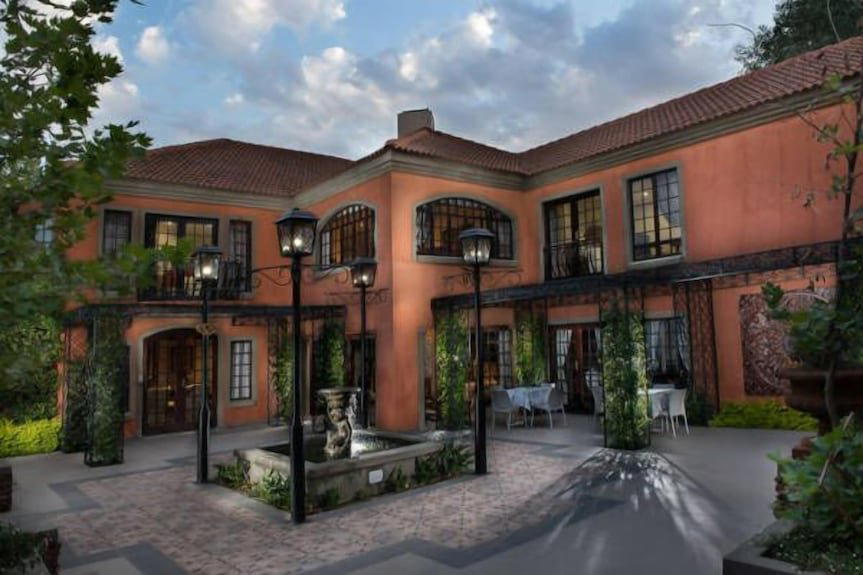
Luxury safari lodges in the Greater Kruger broadly split into two camps. One group differentiates through contemporary design intervention: local materiality, stripped-back minimalism, design-led interiors that signal a break from colonial safari conventions. Royal Malewane belongs firmly to the other tradition, the one that pursues the classic safari camp format with rigour rather than revision. Canopy beds on Ralph Lauren linens, colonial antiques, claw-foot bathtubs, fireplaces, and silver and crystal at dinner: the property reads as a considered argument that the original idiom, executed without compromise, remains the standard against which alternatives are measured.
That argument is legible in the suite configuration. Across Malewane Lodge, Waterside, Farmstead, and Masiya's Camp, guests choose from eight suites, each spacious, air-conditioned, and designed around privacy rather than communal programming. The Royal and Malewane suites are two-bedroom residences with jacuzzis, plunge pools, and dedicated chef and butler service, formats that situate them in the upper bracket of suite categories across the wider South African portfolio, comparable in scope to what andBeyond Phinda Private Game Reserve Lodges offers at its villa tier. For groups or families requiring full compound exclusivity, the three private villas, Africa House, Waterside House, and Farmhouse, operate as standalone bookings.
The Guiding Program as Competitive Differentiator
In the Greater Kruger's premium tier, the guiding team is often what separates a competent safari from one that justifies the price. Royal Malewane's rangers and master trackers carry qualifications that the World Travel Awards citation characterises as the deepest in Africa at this level. What that means practically is that tracker-ranger pairs work in concert on vehicles, with the tracker reading ground sign from a seat mounted on the front of the vehicle while the ranger manages guest communication and animal behavior interpretation. This two-person system, standard among the Kruger's leading operators but varying sharply in credential depth, determines how consistently a lodge can locate elusive species and how safely it manages close-range encounters.
Multiple daily game drives, typically dawn and dusk, with the option for night drives depending on sector permits, structure the daily rhythm around the moments when animal activity peaks and the heat of the midday hours are used for spa treatments, meals, and rest. This cadence is common across the comparable set, including Singita – Singita Kruger National Park and andBeyond Kirkman's Kamp, but the terrain and the tracker credentials that accompany it vary considerably between properties.
Recognition and Competitive Positioning
The 2025 World Travel Awards recognised Malewane Lodge at Royal Malewane as the World's Leading Luxury Lodge, while the property holds three Michelin Keys, placing it at the apex of a category that includes candidates from across sub-Saharan Africa. Membership in the Leading Hotels of the World further positions the property within an international comparable set that includes Mount Nelson, A Belmond Hotel, Cape Town and urban properties such as Aman New York. In South Africa specifically, the property competes at the summit of a safari market that has expanded significantly in the premium segment over the past decade, with properties like Makanyane Safari Lodge and Abelana River Lodge operating in adjacent game areas but at different price and format tiers.
At $2,329 per night, the hotel prices at the upper end of the Greater Kruger market, a bracket that includes Singita properties and particularly private-use configurations at andBeyond Ngala Safari Lodge. At that rate, guests are paying for suite size, guide credentials, the colonial-luxury format, and the award validation that comes with World Travel Awards recognition. Comparable investment in South Africa's Western Cape, at properties such as Babylonstoren or Clouds Estate, returns a different category of experience entirely, centred on wine country and agricultural estates rather than wilderness access. The decision between them is a decision about what the location is asked to provide.
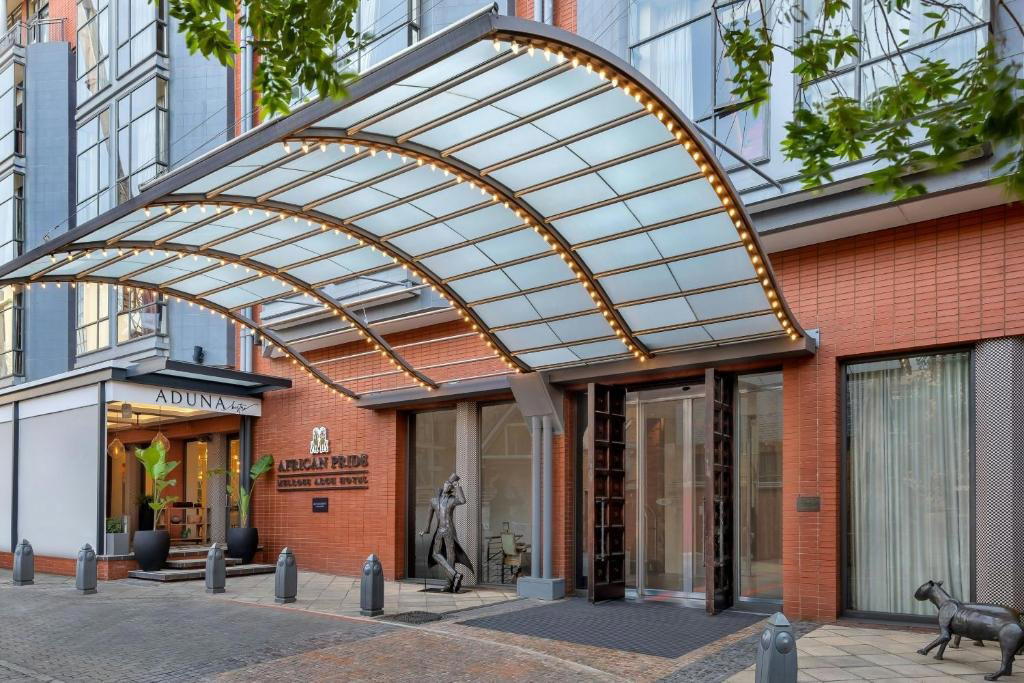
Guests looking to explore more of South Africa's game areas may also consider andBeyond Phinda Forest Lodge in KwaZulu-Natal, or the remote desert positioning of ! Xaus Lodge in the Kalahari, each offering fundamentally different terrain and wildlife concentrations from the Kruger ecosystem. For those anchoring their South Africa itinerary in Johannesburg before heading into the bush, African Pride Melrose Arch, Autograph Collection and Hyatt Regency Johannesburg provide urban holding points before the transfer east.
Getting There and Planning
Guests arriving in Johannesburg connect to Eastgate Airport via South African Express Airlines, a flight of approximately one hour and twenty minutes. A hotel representative meets guests at Eastgate for the forty-five-minute drive to the lodge. That transfer sequence means Johannesburg to lodge in under three hours from landing, a logistics advantage that reduces the friction of the long-haul journey considerably. Guests booking through EP Club can access our full Kruger National Park guide for broader context on the region's lodge categories, seasonal game viewing conditions, and how the hotel positions against the full competitive set. For South African itinerary planning that extends beyond the Kruger, consider also Akademie Street Boutique Hotel in Franschhoek or Bosjes Manor House in the Witzenberg Valley as counterpoints to the bush.
The Short List
Comparable venues nearby, for context on price, style, and recognition.
| Venue | Price | Notes |
|---|---|---|
| Royal MalewaneThis venue — the venue you are viewing | $$$$ | Not listed |
| Londolozi Game Reserve | $$$$ | Sabi Sand Game Reserve, luxury safari lodges with classic African elegance and modern touches |
| Singita – Kruger National Park | $$$$ | Kruger National Park, Contemporary safari chic lodge integrated into cliffside wilderness |
| Singita - Singita Kruger National Park | $$$$ | Kruger National Park, Contemporary cliffside eco-luxury integrated into wilderness |
| Lukimbi Safari Lodge | $$$$ | Kruger National Park, Luxury safari lodge blending seamlessly with Kruger wilderness |
| Honeyguide Tented Safari Camps | $$$$ | Manyeleti Game Reserve, Authentic luxury tented safari camp blending classic safari tents with contemporary design |
Recognition history
Dated appearances from independent guides and award organizations, with the underlying list record or original source where available.
Virtuoso Luxury Hotel Partner
Virtuoso
Leading Hotels of World Member
Leading Hotels of World
Michelin 3 Keys
Michelin
World Travel Awards
World Travel Awards
Continue exploring
More in Kruger National Park
Hotels in Kruger National Park
Browse all →
Bars in Kruger National Park
Browse all →
Restaurants in Kruger National Park
Browse all →
Wineries in Kruger National Park
Browse all →
At a Glance
- Romantic
- Classic
- Elegant
- Scenic
- Ornate
- Sophisticated
- Honeymoon
- Romantic Getaway
- Family Vacation
- Wellness Retreat
- Anniversary
- Celebration
- Private Villa
- Butler Service
- Destination Spa
- Panoramic View
- Private Dining
- Garden
- Waterfront
- Spa
- Pool
- Fitness Center
- Room Service
- Concierge
- Garden
- Mountain
- Spa
- Pool
- Fitness Center
- Room Service
- Concierge
Colonial elegance with warm, intimate lighting in thatched-roof suites; evenings feature candlelit dinners under the stars and quiet library lounges overlooking the African bushveld.