Makanyane Safari Lodge
Makanyane Safari Lodge sits inside Madikwe Game Reserve, one of South Africa's largest malaria-free reserves, where low-density positioning and proximity to Johannesburg make it a practical choice for travellers weighing safari access against travel time. The lodge operates in a tier of Madikwe properties where architecture and landscape integration define the experience as much as the game-viewing itself.
Pearl is the En Primeur Club membership app — saves, bookings, and concierge access live there. Same editors, same standards.
- Address
- Madikwe Game Reserve, Madikwe, 2876, South Africa
- Phone
- +27 14 778 9600
- Website
- makanyane.com
- Directions
- Get directions
 Saves & bookings on Pearl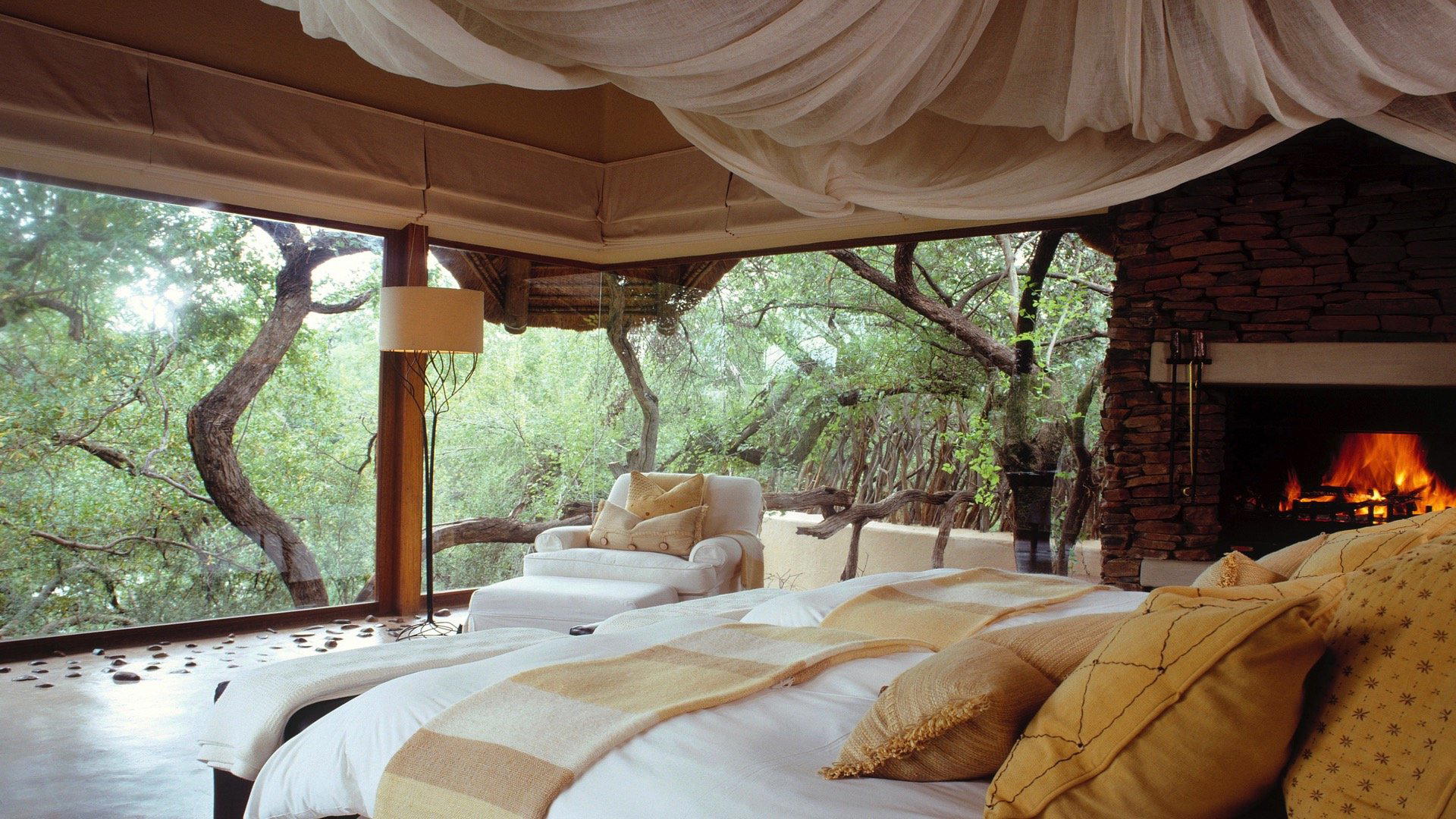
Where the Reserve Does the Work
Madikwe Game Reserve, in South Africa's North West Province near the Botswana border, occupies roughly 75,000 hectares of mixed bushveld and is one of the country's larger malaria-free reserves. That last point matters more than it might first appear. The malaria-free designation removes a practical barrier that keeps many travellers away from Limpopo and Mpumalanga circuits, and it positions Madikwe as a family-accessible alternative to safari destinations that require prophylaxis regimens. Makanyane Safari Lodge operates inside that reserve, and the reserve's ecology, not any single lodge's amenity list, is the primary reason to consider this part of South Africa.
Architecture as Positioning
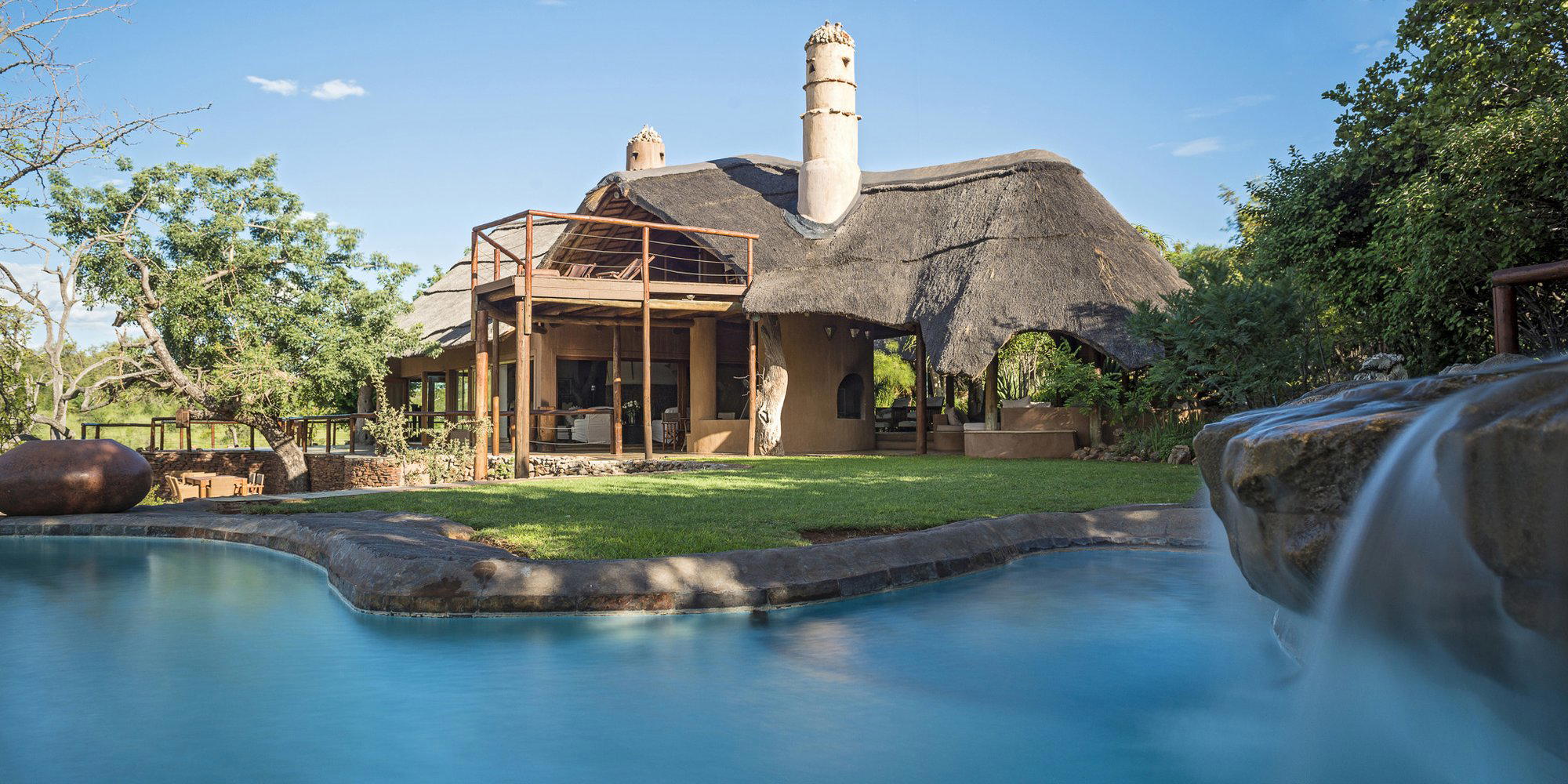
Across the premium end of South African safari hospitality, design philosophy has become a meaningful differentiator. The decade that produced properties like Singita in Kruger National Park and Cheetah Plains in Sabi Sand established a high baseline for what architectural integration with the bush can look like. Makanyane's built environment places it in that design-conscious cohort rather than among the older, more utilitarian safari camp formats that still populate parts of the country's reserve system.
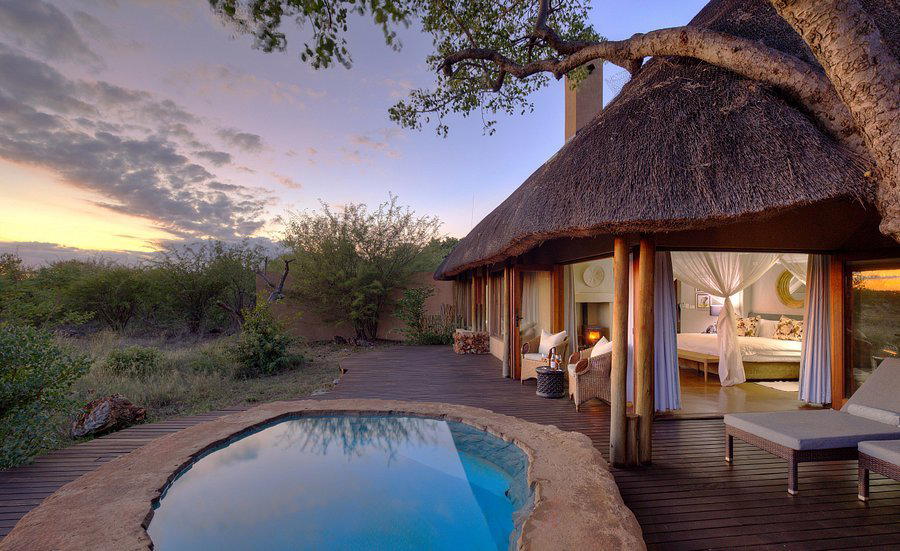
The lodge's setting along the Marico River is its strongest architectural argument. Where many safari properties rely on refined decks or constructed viewpoints to manufacture a sense of connection with the bush, a riverine corridor does that work organically. The water source draws game throughout the day, which means the boundary between the lodge's built environment and the reserve's wildlife activity is porous in a way that more inland bush placements rarely achieve. Stone, timber, and materials that read as belonging to the landscape rather than imposed on it are the architectural vocabulary Madikwe's premium lodges have converged around, and Makanyane is no exception to that regional grammar.
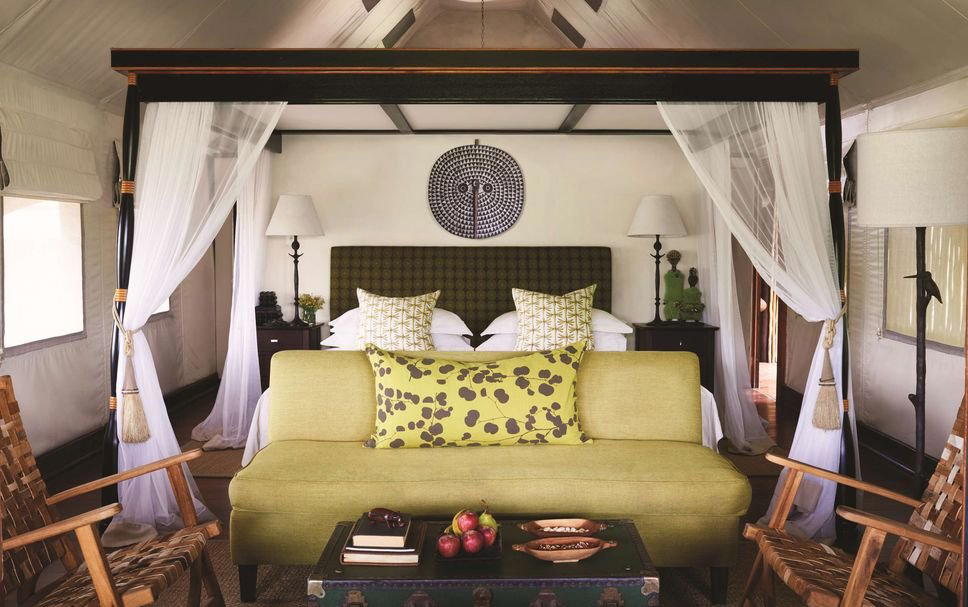
South Africa's upper-tier safari lodges have broadly split into two design camps over the past fifteen years: those that pursue a contemporary international aesthetic, deploying clean lines and monochrome palettes that could read in a design magazine anywhere in the world, and those that lean into textural, material-driven approaches rooted in the specific geology and vegetation of their reserve. Makanyane sits closer to the latter, where the physical landscape outside the suite walls informs the palette and materiality inside rather than competing with it.
The Madikwe comparable set
Madikwe hosts properties across a wide range of scales and price points, from family-run bush camps to lodges operating at the summit of the South African private reserve market. The properties competing for the same traveller as Makanyane are those with limited suite counts, riverine or refined bush positions, and a format built around low-density game drives rather than high-turnover guest volumes. That places it in a mid-to-upper bracket within Madikwe specifically, even if the reserve itself sits outside the more globally marketed circuits centered on Kruger, Sabi Sand, and the Waterberg.
The reserve is roughly 360 kilometres northwest of Johannesburg, close enough to do by road if preferred, and reachable by charter flight for travellers prioritising time. This contrasts with Limpopo lodges like Abelana River Lodge or the andBeyond properties around Hoedspruit and Skukuza, where distances from Johannesburg are greater and the Kruger ecosystem dominates.
What the Reserve Provides
Madikwe was established in 1991 through Operation Phoenix, one of the largest animal translocation exercises in conservation history, reintroducing more than 8,000 animals across 27 species to land previously used for cattle ranching. The Big Five are present, and the reserve's management structure, overseen by North West Parks, limits total visitor numbers through the lodge concession system rather than through mass-market day access. That structural decision is what keeps the game-viewing experience from the density problems that affect more accessible reserves on busy days.
For travellers who have done Kruger's more established circuits, Madikwe offers a slightly different rhythm. The reserve is less trafficked by self-drive visitors, meaning guided game drives operate without the multiple-vehicle convergence that can occur at popular sightings in Kruger. That lower-intensity environment tends to suit travellers for whom the quality of observation matters more than the volume of sightings per drive.
Planning Considerations
Madikwe's climate runs warm to hot for most of the year, with the summer months (November through February) bringing afternoon rains that green the reserve but can reduce visibility through dense foliage. The dry winter months (June through September) concentrate animals around water sources and are generally considered the stronger game-viewing window, with cooler temperatures in the early morning and evening making open-vehicle drives more comfortable. Bookings at Madikwe's smaller-capacity lodges typically require planning three to six months ahead for the peak winter season, and shorter lead times risk limited suite availability, particularly for groups. Travellers comparing Madikwe against the Western Cape's game and wilderness options, such as Bushmans Kloof or Aquila Private Game Reserve, should weigh the wildlife density and Big Five access that the north's larger reserves provide against the convenience of combining with Cape Town stays at properties like Mount Nelson or Hyatt Regency Cape Town.
A Quick Peer Check
Comparable venues nearby, for context on price, style, and recognition.
| Venue | Cuisine | Price | Awards | Notes |
|---|---|---|---|---|
| Makanyane Safari LodgeThis venue — the venue you are viewing | Hidden luxury safari lodge beneath dense tree canopy on private concession | $$$$ | Not listed | Not listed |
| Honeyguide Tented Safari Camps | Authentic luxury tented safari camp blending classic safari tents with contemporary design | $$$$ | Not listed | Manyeleti Game Reserve |
| Masiya’s Camp | tented safari camp blending vintage charm with modern luxury | $$$$ | Not listed | Greater Kruger National Park |
| Marataba Safari Lodge | luxury tented eco-safari camp | $$$$ | Not listed | Marakele National Park |
| Vuyani Safari Lodge | Exclusive private safari lodge in vast game reserve | $$$$ | 4-Star | Moditlo Private Game Reserve |
| Hyde Johannesburg Rosebank | Contemporary tower hotel with bohemian-luxe aesthetic | $$$$ | 4-Star | Rosebank |
Continue exploring
More in Thabazimbi
Hotels in Thabazimbi
Browse all →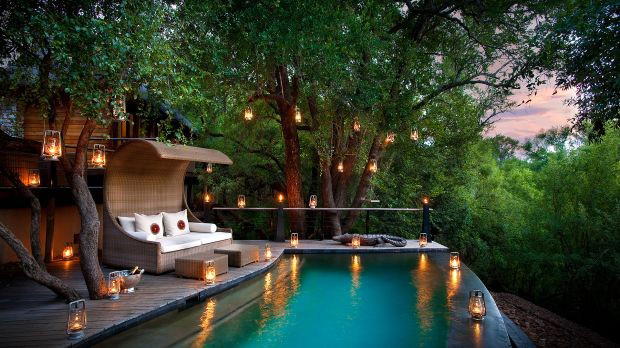
Restaurants in Thabazimbi
Browse all →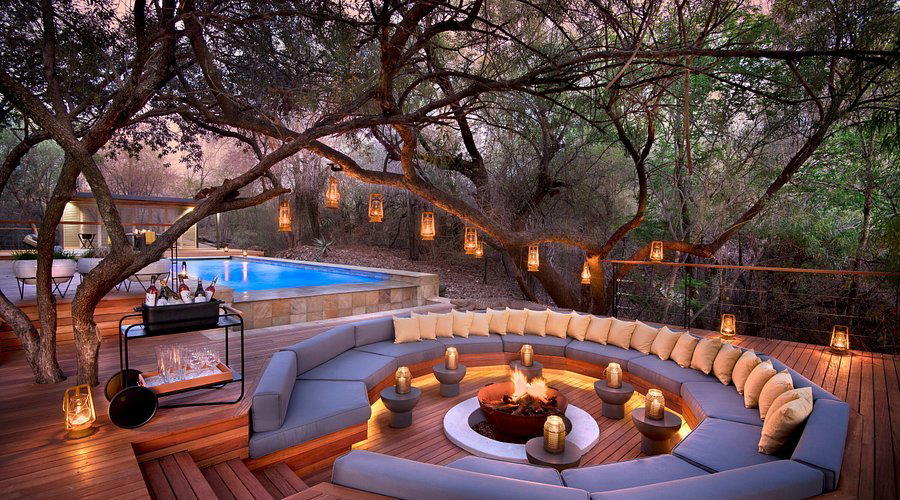
At a Glance
- Romantic
- Scenic
- Elegant
- Intimate
- Rustic
- Ornate
- Honeymoon
- Romantic Getaway
- Anniversary
- Weekend Escape
- Group Retreat
- Panoramic View
- Wi Fi
- Fitness Center
- Pool
- Laundry Service
- Mountain
- Garden
- Wi Fi
- Fitness Center
- Pool
- Laundry Service
Relaxed yet luxurious interiors with wrap-around glass walls providing an intimate bush atmosphere enhanced by natural surroundings.