andBeyond Phinda Private Game Reserve Lodges


Spread across nearly 74,000 protected acres in KwaZulu-Natal, andBeyond Phinda Private Game Reserve operates six architecturally distinct camps, each calibrated to a different habitat and guest experience. Ranked No. 37 on Condé Nast's Best Resorts list for 2025, Phinda sits firmly in the upper tier of South Africa's private reserve circuit, where design, conservation scale, and exclusivity define the competitive set.
Pearl is the En Primeur Club membership app — saves, bookings, and concierge access live there. Same editors, same standards.
- Address
- andBeyond Phinda Private Game Reserve, 3936
- Phone
- +27 11 809 4300
- Website
- go.andbeyond.com
- Directions
- Get directions
 Saves & bookings on Pearl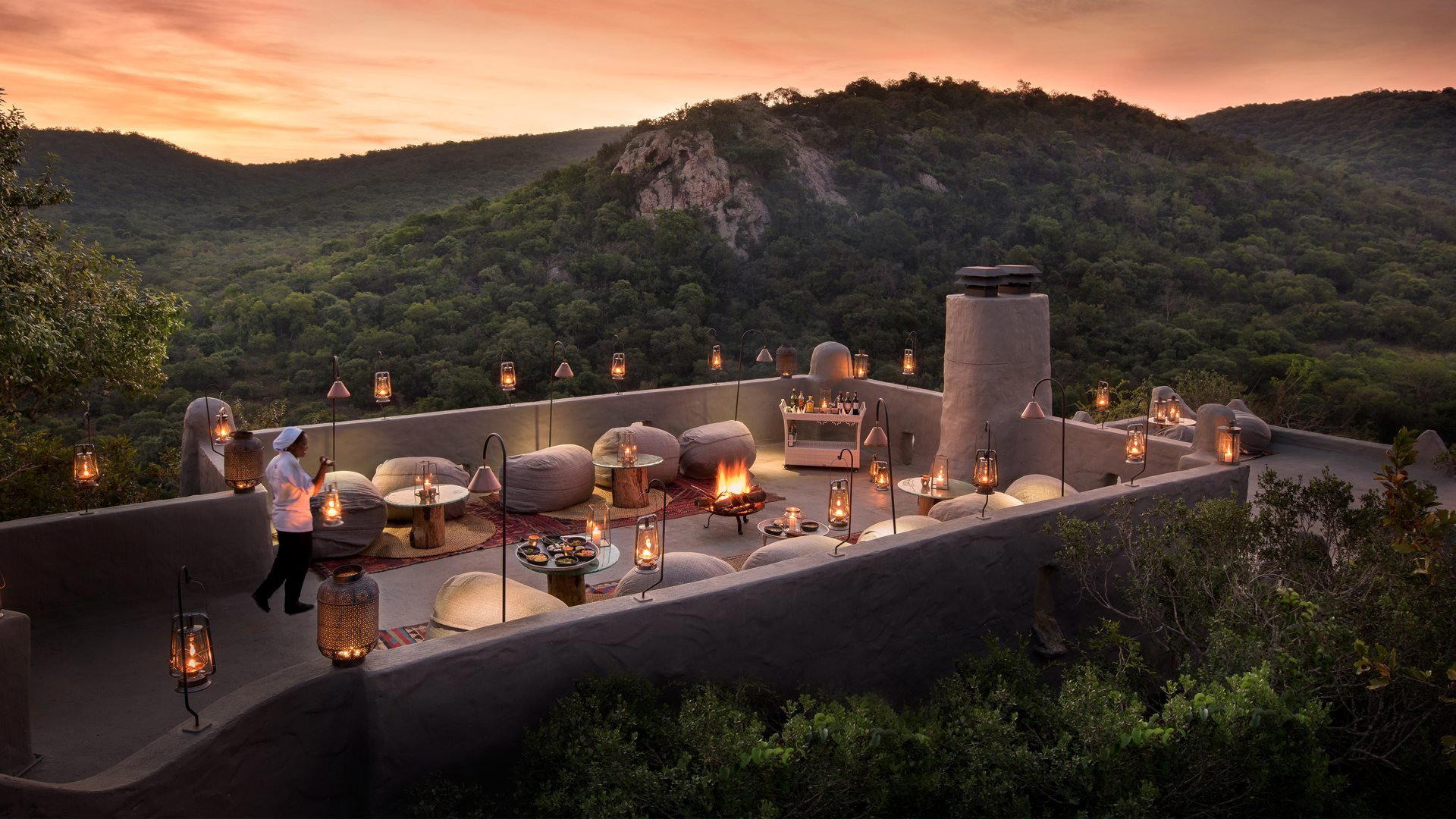
Six Camps, One Reserve: How Phinda Structures Luxury at Scale
KwaZulu-Natal's private reserve circuit operates differently from Limpopo's Sabi Sand or Kruger corridors. The terrain is more varied, the Big Five access less guaranteed but more dramatic when it comes, and the lodges have historically attracted a guest who values ecological complexity over pure volume of sightings. andBeyond Phinda Private Game Reserve sits squarely in that tradition, covering nearly 74,000 protected acres and housing six separate camps, each designed to occupy a distinct ecological zone within the reserve. That structural decision separates Phinda from most competitors: rather than a single lodge with room categories, the reserve functions as a portfolio, where camp selection is itself an editorial choice about habitat, architecture, and intimacy level.
Architecture as Habitat Response
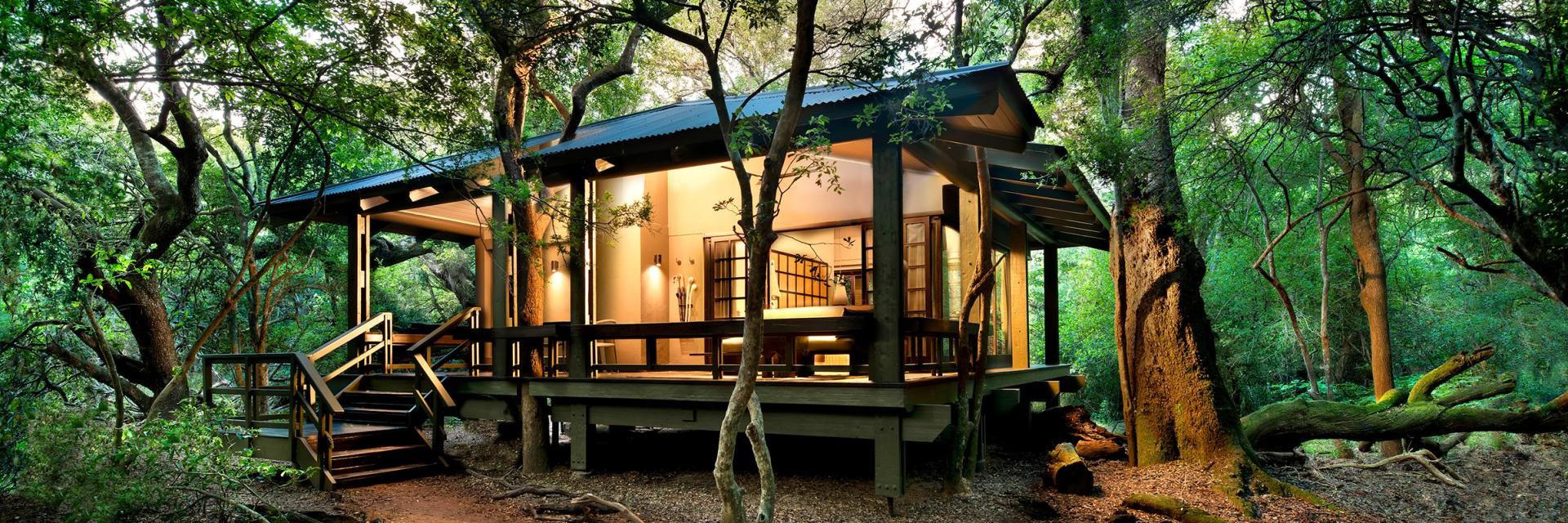
One coherent way to understand Phinda's camp design is through its relationship to environment rather than to aesthetic trend. South African luxury lodges broadly split between two schools: those that impose a signature design language across a single property (think polished concrete and cantilevered infinity pools), and those that subordinate architecture to site conditions. Phinda belongs to the second school, where each of the six camps reads as a distinct response to the specific biome it occupies. The forest camps, most notably andBeyond Phinda Forest Lodge, are built on stilts within a rare sand forest, using glass walls and refined platforms to place guests inside the canopy rather than adjacent to it. The design vocabulary here is restrained and largely transparent: the architecture's job is to disappear into the tree line.
This approach to site-specific design places Phinda alongside properties where architecture carries real weight alongside the game experience. The distinction matters when booking: camps that read as design objects attract a different guest than camps that read as field stations with refined comfort, even within the same reserve and operator group.
What the Condé Nast Ranking Signals About Competitive Position
Phinda's appearance at No. 37 on Condé Nast Traveller's Leading Resorts list for 2025 is a useful marker. The same andBeyond group claims the No. 1 position on that list through andBeyond Bateleur Camp, which sets a high internal benchmark. Phinda's placement in the top 40 of a reader-driven global ranking confirms that it operates in the upper tier of the South African private reserve market, where the competitive field includes properties with significant design investment, conservation credentials, and service depth. Reader-ranked lists skew toward repeat visitors and word-of-mouth strength, which typically reflects operational consistency rather than novelty. Phinda's position is built on that consistency across six camps over a considerable operational history.
The reserve circuit and the urban hotel circuit serve different purposes. City properties anchor a city-based itinerary, while Phinda anchors the wilderness component. The two categories rarely compete directly; they sequence. Travellers who pair a Cape Winelands stay at Babylonstoren in Paarl or Clouds Estate in Stellenbosch with a KwaZulu-Natal reserve stay will find Phinda logistically accessible by regional flight to Richards Bay or Phinda's own airstrip.
The Six-Camp Structure: How to Choose
The practical consequence of six camps is that the booking decision requires more research than a single-property lodge. Each camp occupies a different part of the reserve and delivers a materially different spatial experience. The forest camps prioritise architectural immersion in a specific biome. Other camps within the reserve open onto wetland, mountain, or pan habitat, each with different wildlife patterns and sightlines. Camp size varies too, with some configurations running at low capacity, which affects the ratio of game vehicles to guests and therefore the quality of sighting time.
This structural complexity is one of Phinda's strengths when navigated correctly and a potential source of disappointment when it isn't. A guest who books based on the reserve's overall reputation without matching camp selection to personal priorities, habitat preference, and travel dates may land in a camp that doesn't align with what drew them to Phinda in the first place. Informed pre-booking research matters.
Conservation Scale as a Design Principle
Nearly 74,000 protected acres is not an incidental figure. At that scale, the reserve's conservation function becomes inseparable from the guest experience, because density of human infrastructure stays low relative to habitat area. This is a deliberate design constraint: andBeyond's model across its African portfolio links conservation investment to lodge revenue, which means the reserve is managed as an integrated ecological system rather than as a game-viewing backdrop. The practical effect for guests is that sightings happen within a managed but genuinely large wilderness rather than in a concentrated corridor where multiple operators are running high vehicle volumes.
This model positions Phinda differently from smaller, fence-adjacent reserves where sighting density is high but spatial experience is compressed. Travellers who have done smaller-capacity reserves in Limpopo, such as Makanyane Safari Lodge in Thabazimbi or African Flair Boutique Safari Lodge in Limpopo, will notice the difference in scale immediately. Phinda's conservation acreage is a product feature as much as a conservation credential.
Planning Your Stay
Phinda sits in KwaZulu-Natal's north, accessible via Richards Bay airport or the reserve's own landing strip for charter flights from Johannesburg or Durban. The reserve operates year-round, but the dry winter months from June through September generally produce strong game viewing, as vegetation thins and animals concentrate around water sources. Summer (November through February) brings heat, humidity, and dramatic afternoon storms, but also the calving season and peak birding activity in the wetland zones, which can be compelling for the right traveller.
The group also operates lodges across the continent, including andBeyond Kirkman's Kamp in Skukuza and andBeyond Ngala Safari Lodge, making multi-reserve itineraries within a single operator relationship direct to construct. Rates across Phinda's camps are all-inclusive of meals, game drives, and conservation fees, which is standard at this tier of the South African reserve market. Comparing value across properties in this bracket requires looking at camp capacity, vehicle-to-guest ratios, and habitat access.
How It Stacks Up
Comparable venues nearby, for context on price, style, and recognition.
| Venue | Cuisine | Price | Awards | Notes |
|---|---|---|---|---|
| andBeyond Phinda Private Game Reserve LodgesThis venue — the venue you are viewing | Luxurious thatched bush lodge perched on a mountain crest overlooking the Lebombo Mountains and Phinda reserve. | $$$$ | 5-Star | Not listed |
| andBeyond Phinda Zuka Lodge | Intimate thatched Zululand bush lodge with cool coastal bush style. | $$$$ | 5-Star | Phinda Private Game Reserve |
| andBeyond Phinda Vlei Lodge | Plantation-style safari lodge blending old-world luxury with contemporary features. | $$$$ | 5-Star | Phinda Private Game Reserve |
| andBeyond Phinda Forest Lodge | Polished glass suites blending seamlessly with rare sand forest for comprehensive privacy and wildlife proximity. | $$$$ | 5-Star | Phinda Private Game Reserve |
| Aquila Private Game Reserve & Spa | Luxurious safari lodge with rustic cottages blending into the Karoo landscape. | $$$$ | 4-Star | Ceres |
| Sanbona | Multiple luxury lodges including restored farmhouse and tented camp in wildlife reserve | $$$$ | 5-Star | Barrydale |
Recognition history
Dated appearances from independent guides and award organizations, with the underlying list record or original source where available.
Conde Nast Best Resorts #37
Conde Nast
Travel + Leisure 100 Favorite Hotels in the World #79
Travel + Leisure
Continue exploring
More in Phinda Private Game Reserve
Hotels in Phinda Private Game Reserve
Browse all →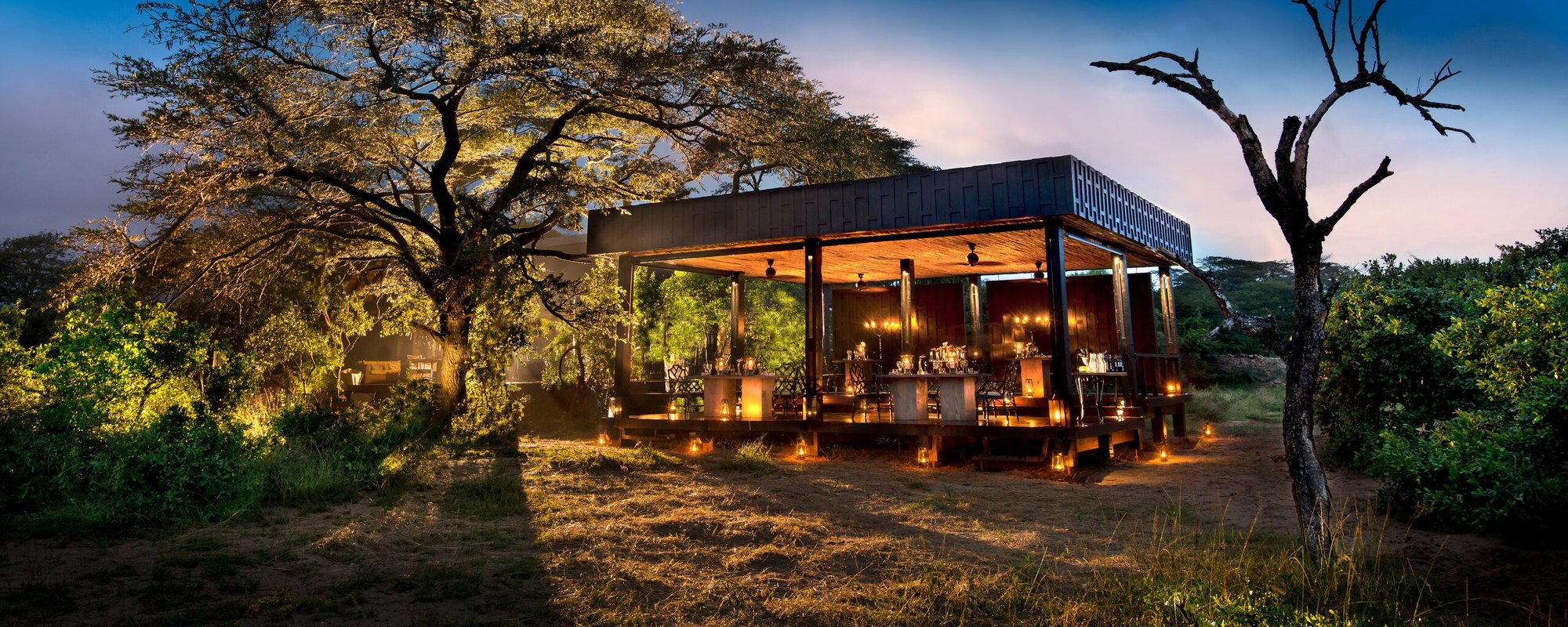
Restaurants in Phinda Private Game Reserve
Browse all →
At a Glance
- Romantic
- Quiet
- Elegant
- Scenic
- Intimate
- Sophisticated
- Honeymoon
- Romantic Getaway
- Family Vacation
- Anniversary
- Weekend Escape
- Panoramic View
- Private Villa
- Private Dining
- Infinity Pool
- Pool
- Spa
- Fitness Center
- Room Service
- Concierge
- Laundry Service
- Mountain
- Garden
- Pool
- Spa
- Fitness Center
- Room Service
- Concierge
- Laundry Service
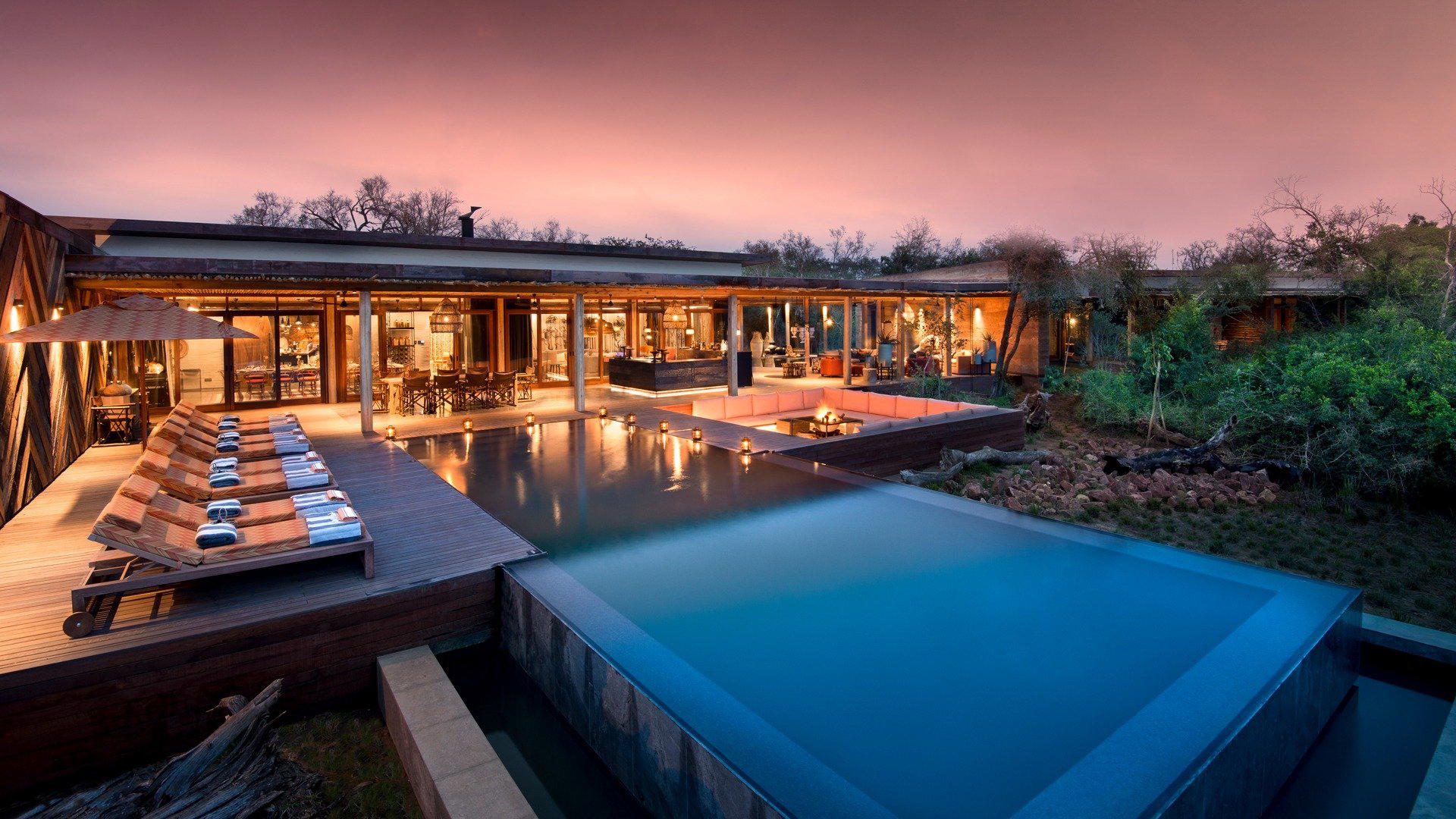
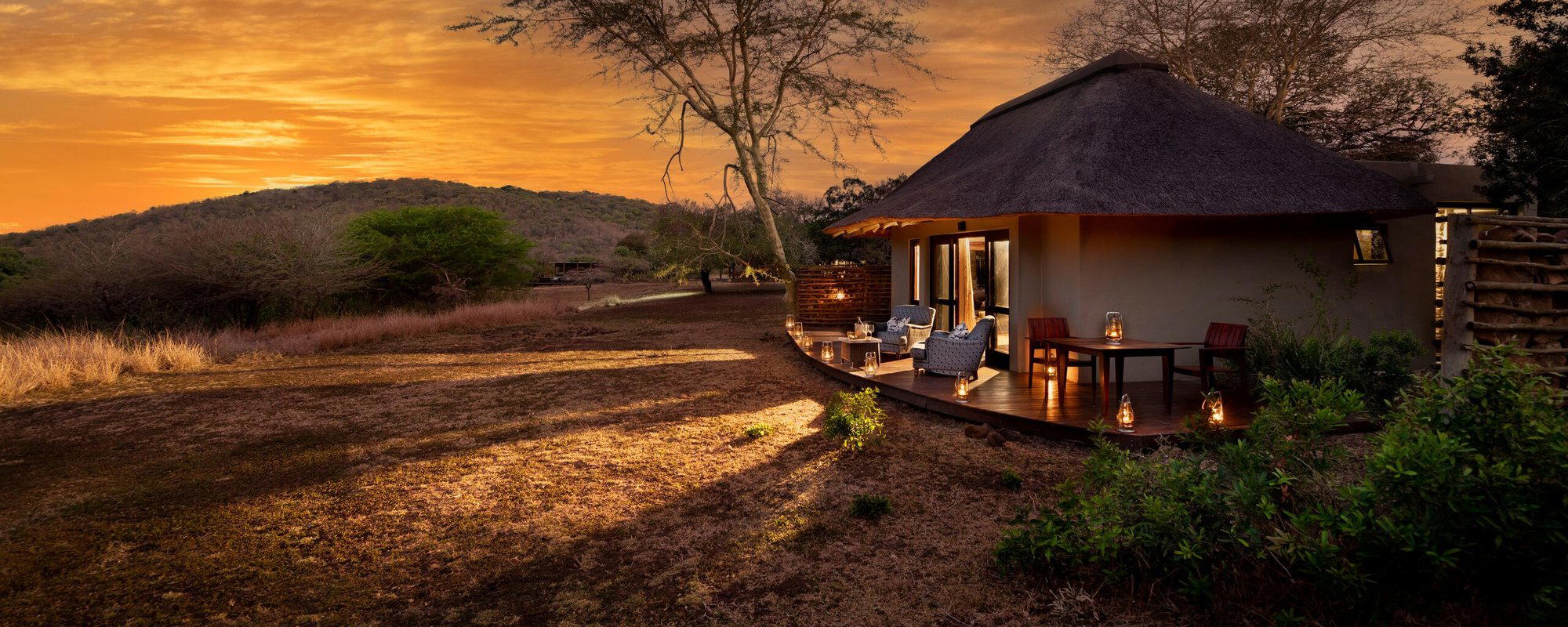
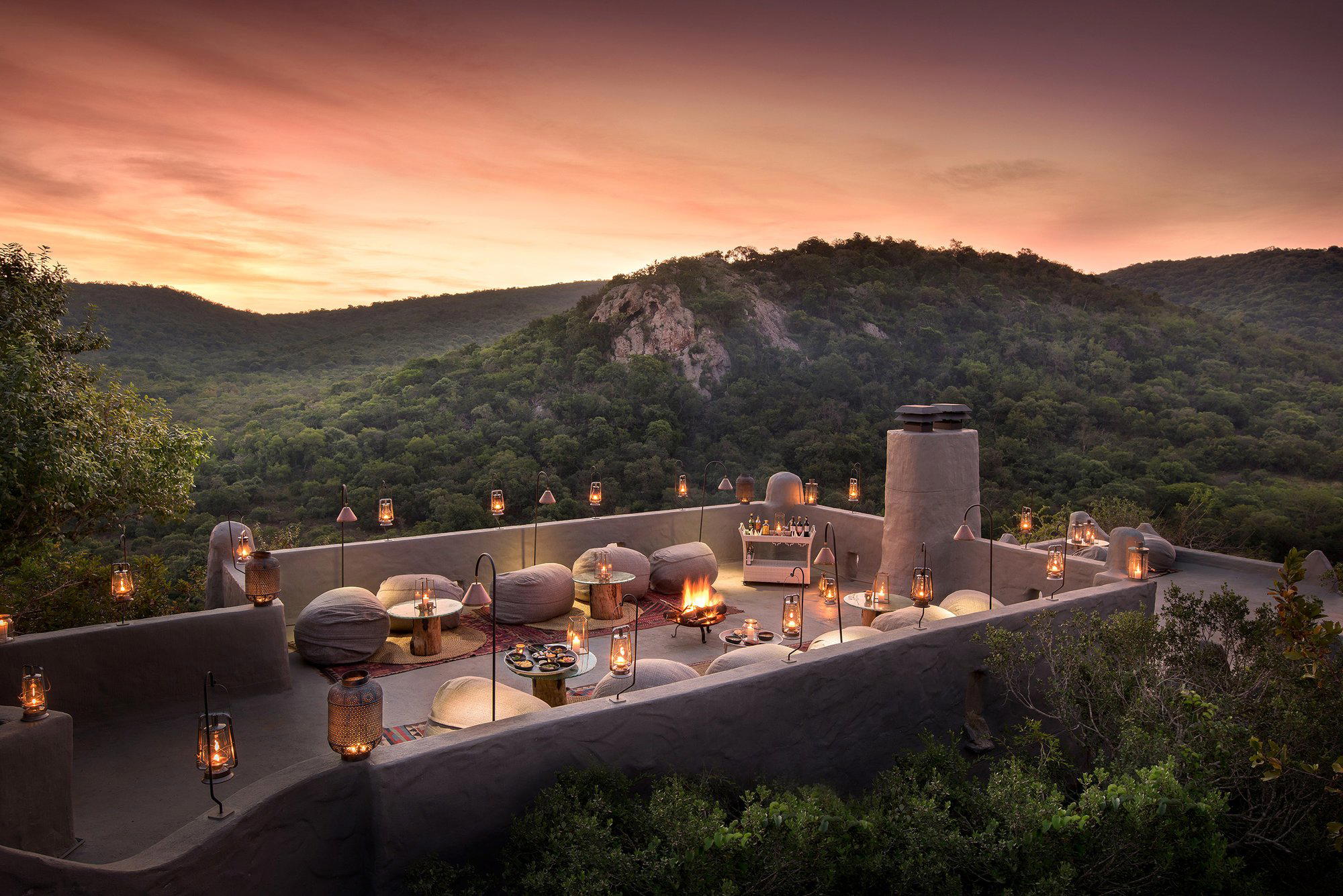
Sophisticated yet inviting with contemporary accents, cool colors, indoor-outdoor flow, wooden decks, and serene bush atmosphere enhanced by open fireplaces and al fresco boma dining.