andBeyond Kirkman's Kamp

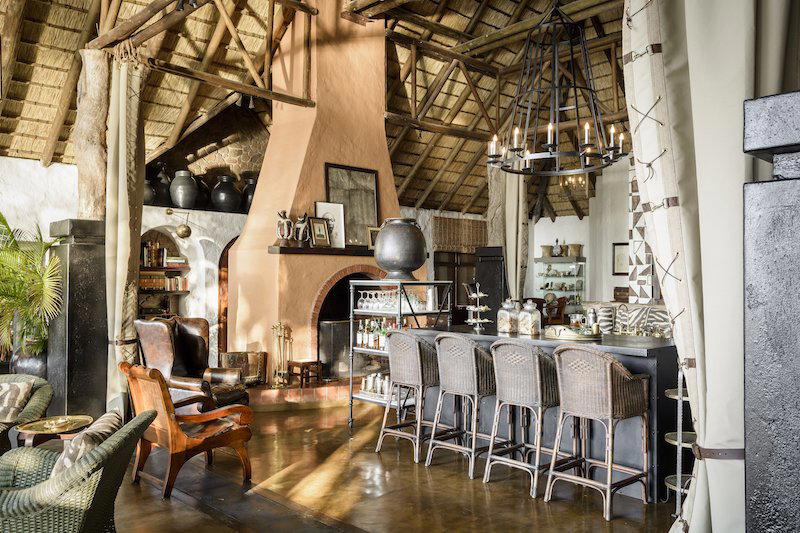
andBeyond Kirkman's Kamp sits inside the Sabi Sand Private Game Reserve, one of the oldest private concessions bordering Kruger National Park. Its 12 rooms occupy a 1920s heritage camp whose colonial-era architecture has been preserved rather than reinvented, placing it in a distinct tier among Sabi Sand properties where historical character, not contemporary minimalism, is the design proposition.
Pearl is the En Primeur Club membership app — saves, bookings, and concierge access live there. Same editors, same standards.
- Address
- Sabi Sand Private Game Reserve, Sabi Sand, 1350
- Phone
- +27 11 809 4300
- Website
- go.andbeyond.com
- Directions
- Get directions
 Saves & bookings on Pearl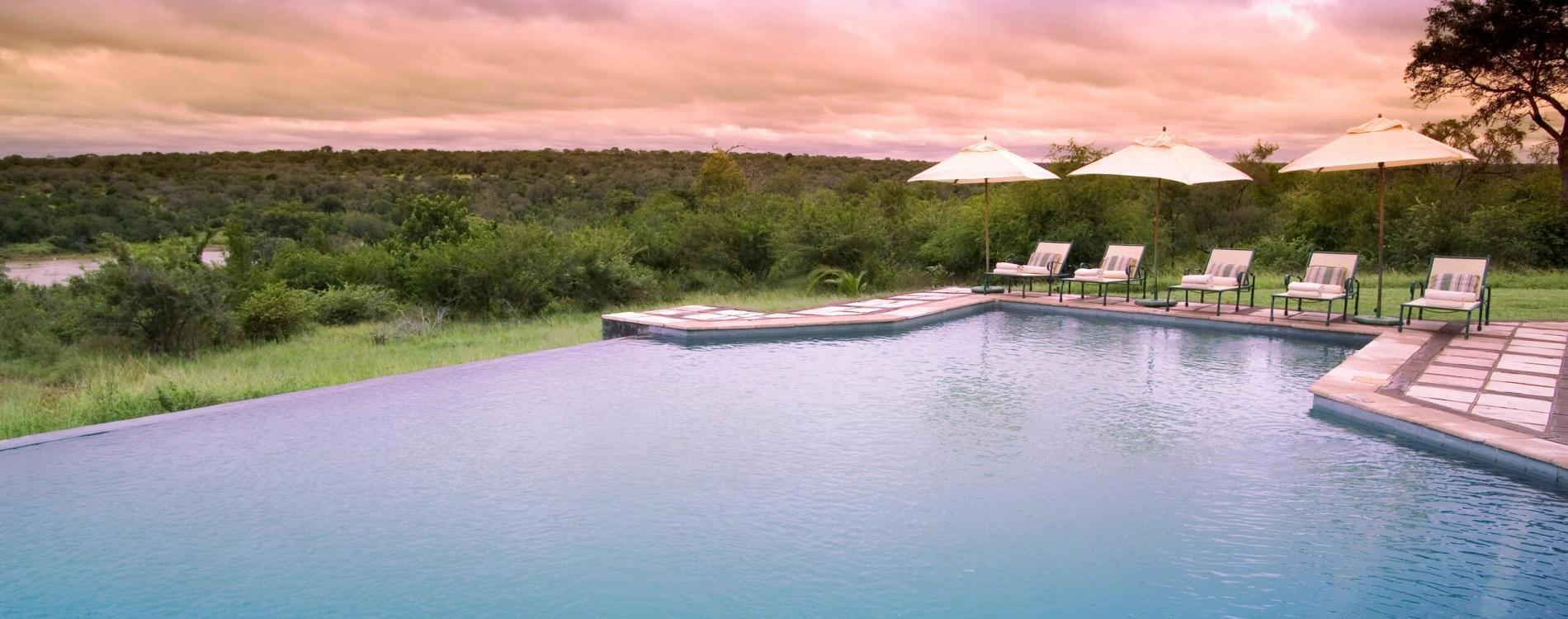
A Camp Built From History, Not Concept
The private game reserve model in South Africa has, over the past two decades, diverged sharply. One path leads toward the architecturally theatrical: glass-and-steel lodges suspended over dry riverbeds, infinity pools pointed at open plains. The other path, less travelled and considerably harder to maintain with authenticity, runs back through time. andBeyond Kirkman's Kamp occupies that second path with unusual consistency. The camp's physical identity derives from a 1920s homestead built by Harry Kirkman, one of the early wardens of what would become the greater Kruger ecosystem. That origin is not decorative, it is structural, both literally and in terms of how the property positions itself against peers.
Inside the Sabi Sand Private Game Reserve, where the density of premium safari properties is higher than almost anywhere in sub-Saharan Africa, differentiation through heritage architecture is a specific editorial choice. Most new-build lodges in this reserve compete on modernity. Kirkman's Kamp competes on provenance, and the distinction shapes everything from the proportions of its rooms to the palette of its communal spaces.
The Architecture as Argument
Colonial-era safari camps in this part of South Africa were designed around functional permanence rather than aesthetic statement. Thick walls managed heat. Wide verandas extended usable living space into the bush. Pitched roofs handled seasonal rain. These were engineering decisions that also happened to produce a particular aesthetic register: shaded, horizontal, rooted. Kirkman's Kamp retains these structural logics rather than reproducing them as theme-park facsimile.
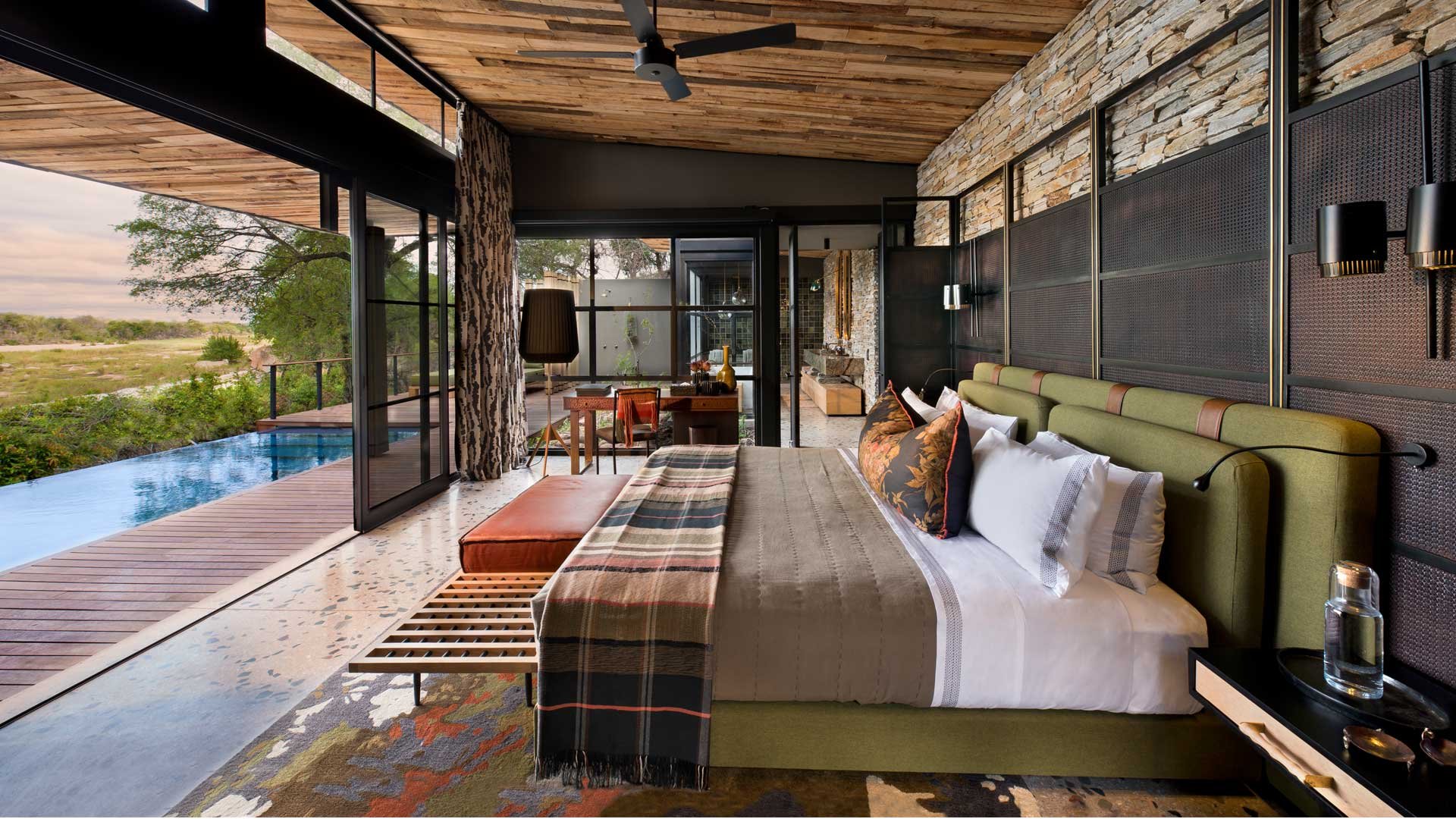
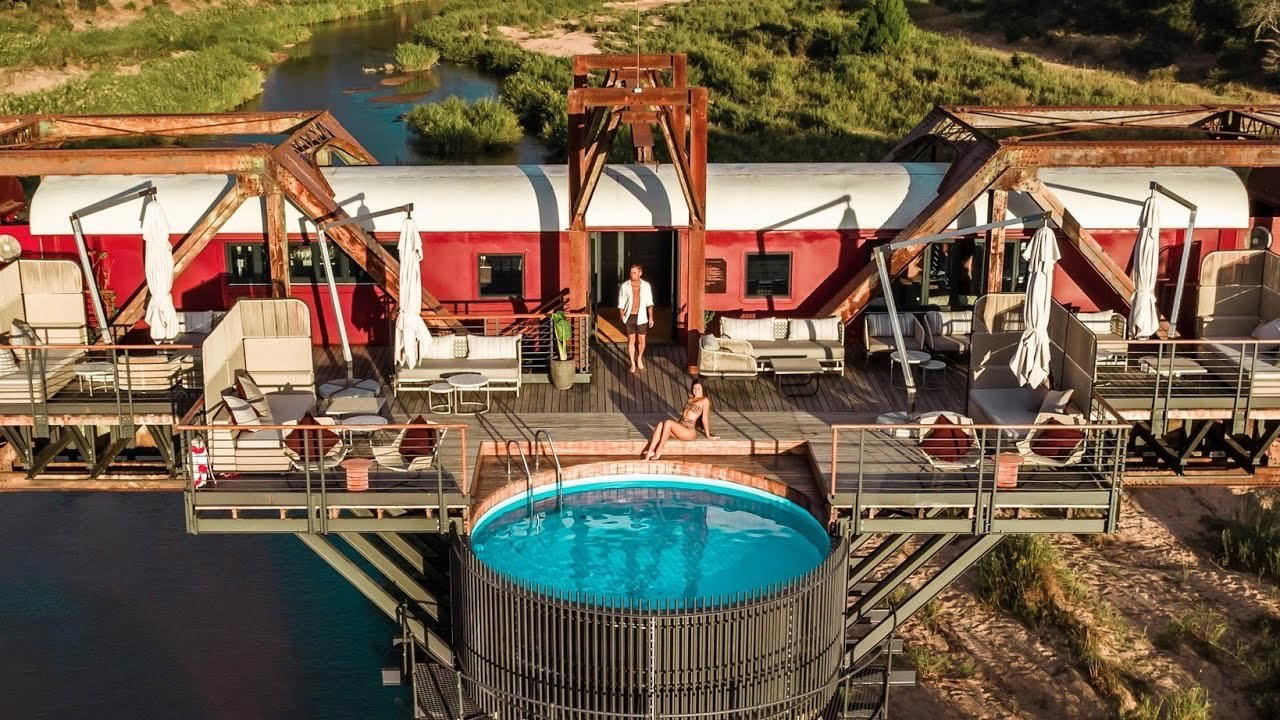
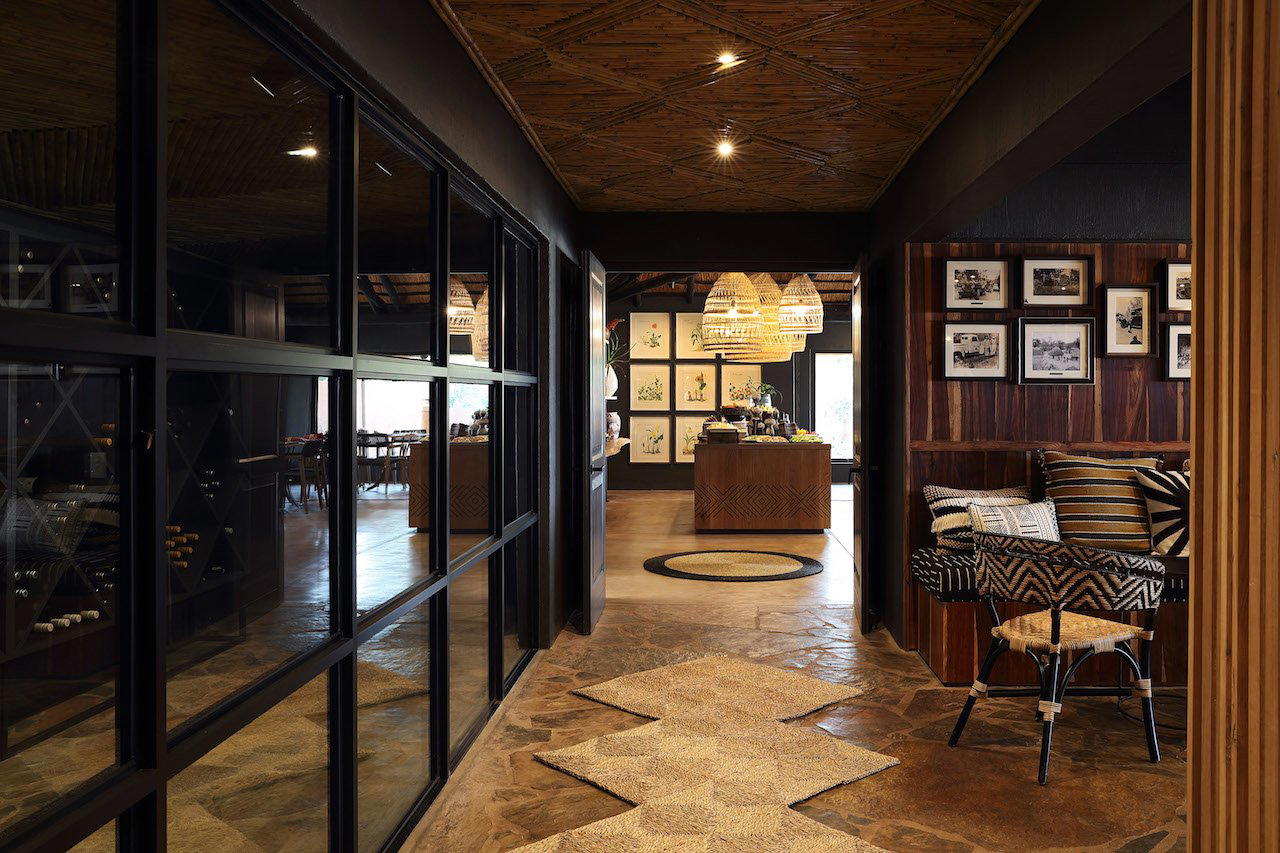
The 12 rooms, a deliberate restraint in capacity that places the camp firmly in the low-density, high-attention tier of Sabi Sand accommodation, sit within a plan that reflects the original homestead's sprawl. There are no tower blocks, no stacked configurations, no architectural elements that would look out of place on a contemporary urban hotel. The materials read as period-appropriate without being performatively rustic. This matters because it positions the camp differently from properties like andBeyond Tengile River Lodge, which pursues a more contemporary design language within the same andBeyond portfolio, or from Kruger Shalati - The Train on The Bridge, whose converted-train concept is an explicitly modern architectural gesture.
At 12 rooms, Kirkman's Kamp also sits in a different competitive cohort than the larger lodge formats found across the Sabi Sand. Properties at this scale are more common in remote East African conservancies than in a reserve this close to a major international park. The capacity constraint is a design decision as much as a commercial one: fewer guests means quieter communal areas, fewer vehicles at sightings, and a pace calibrated to the landscape rather than to group throughput.
The Sabi Sand Context
The Sabi Sand Private Game Reserve has operated as a fenced-off, privately managed extension of Kruger since fences between the two areas were dropped in the 1990s. This means animals move freely between Kruger's national park land and the private concessions. What the Sabi Sand offers is the combination of exclusivity in vehicle access and the ability to conduct night drives, which are prohibited inside Kruger itself. For a camp with only 12 rooms, this translates to a vehicle-to-guest ratio that makes sightings a more controlled, less crowded experience than the public park's roads during peak season.
For those mapping the broader geography of South African safari stays, the Sabi Sand sits roughly five hours from Johannesburg by road, or accessible via the small Skukuza Airport inside Kruger, which handles light aircraft connections from O.R. Tambo International. Properties in this reserve occupy the higher end of South African safari pricing. Comparable properties at this scale and heritage positioning include Jock Safari Lodge, which draws on its own early-twentieth-century narrative, and Singita in Kruger National Park, which operates at a higher price tier with a more contemporary design sensibility.
Within andBeyond's Portfolio
andBeyond operates across Africa, Asia, and South America, but its South African properties cover a range of ecosystems and design registers. andBeyond Ngala Safari Lodge in the Timbavati operates under a different reserve agreement, while the andBeyond Phinda Private Game Reserve Lodges in KwaZulu-Natal sit within a different biome altogether, offering coastal and forest safari combinations. andBeyond Phinda Forest Lodge takes the design-in-landscape approach even further with its tree-canopy positioning. Kirkman's Kamp within this portfolio is the heritage anchor: the property whose value proposition rests least on architectural novelty and most on historical continuity.
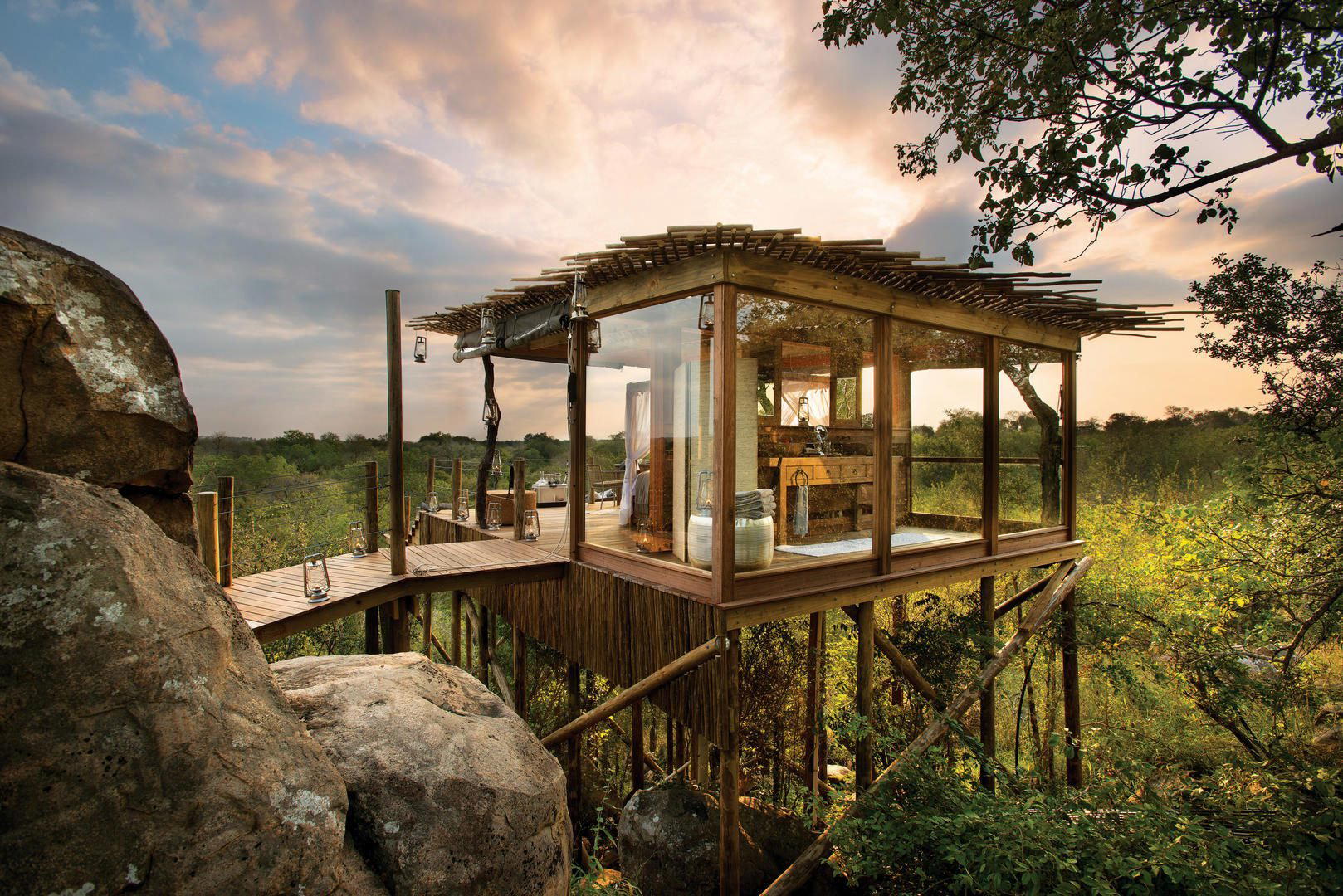
That positioning has a specific market consequence. Guests choosing Kirkman's Kamp over other andBeyond South Africa options are, in most cases, selecting for character over modernity. The camp does not compete on spa infrastructure or glass-walled suites. It competes on the weight of its particular history and on an architectural environment that makes the bush feel like a constant, immediate presence rather than a curated backdrop.
Planning a Stay
The Sabi Sand's peak wildlife viewing season runs from May through September, when the dry winter months reduce vegetation and concentrate animals around water sources. The shoulder months of April and October offer a middle ground: lower density and transitional vegetation. At 12 rooms, Kirkman's Kamp books out faster than larger-capacity lodges during high season, so lead time matters more here than at properties with double or triple the capacity.
Quick Comparison
Comparable venues nearby, for context on price, style, and recognition.
| Venue | Cuisine | Price | Awards | Notes |
|---|---|---|---|---|
| andBeyond Kirkman's KampThis venue — the venue you are viewing | Historic colonial safari lodge celebrating 1920s African heritage with modern luxury comforts, positioned as an exclusive wilderness retreat. | $$$$ | 5-Star | Not listed |
| Jock Safari Lodge, Kruger National Park | Secluded thatched suites in harmony with Kruger wilderness | $$$$ | 5-Star | Skukuza |
| andBeyond Tengile River Lodge | Luxury safari lodge with enormous suites polished on stilts in riverine forest | $$$$ | 5-Star | Sabi Sand Game Reserve |
| Kruger Shalati - The Train on The Bridge | luxury safari train hotel on historic bridge | $$$$ | Michelin 2 Key | Skukuza |
| Makalali Private Game Reserve | Ethnic-style bush retreat blending West African influences with contemporary design; three separate intimate camps along riverbanks offering personalized safari experiences. | $$$$ | 5-Star | Hoedspruit |
| Lion Sands Game Reserve | Ultra-luxury safari lodge with private riverside villas | $$$$ | 5-Star | Sabi Sand Game Reserve |
Recognition history
Dated appearances from independent guides and award organizations, with the underlying list record or original source where available.
Preferred Hotels Member
Preferred Hotels
At a Glance
- Romantic
- Classic
- Scenic
- Elegant
- Intimate
- Honeymoon
- Romantic Getaway
- Family Vacation
- Anniversary
- Destination Wedding
- Waterfront
- Private Villa
- Panoramic View
- Historic Building
- Garden
- Terrace
- Destination Spa
- Wi Fi
- Pool
- Spa
- Room Service
- Concierge
- Laundry Service
- Waterfront
- Garden
- Wi Fi
- Pool
- Spa
- Room Service
- Concierge
- Laundry Service
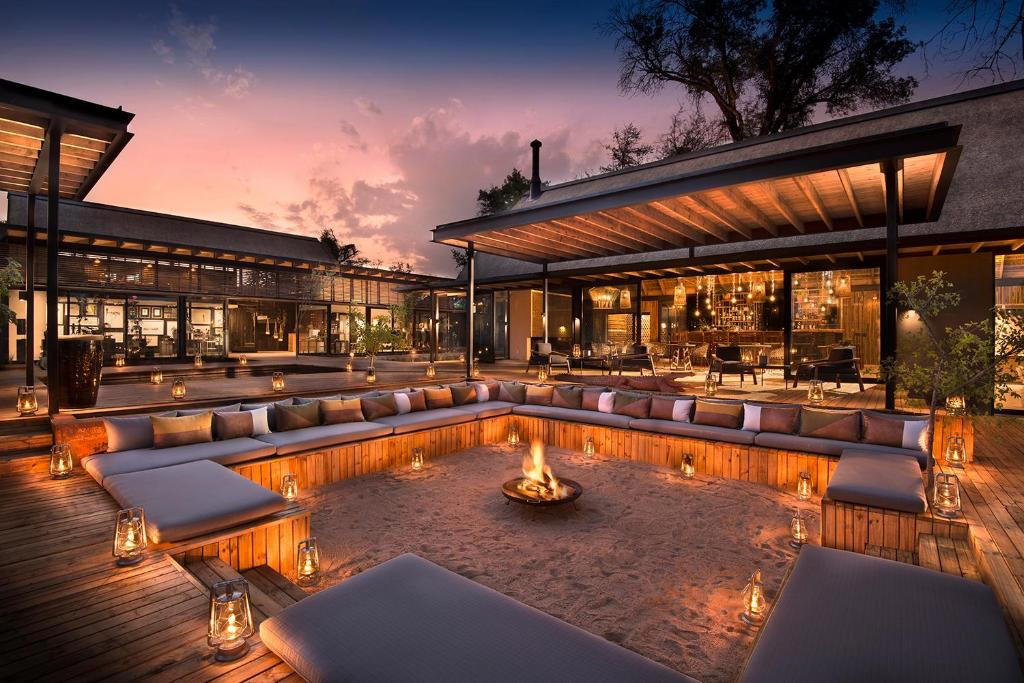
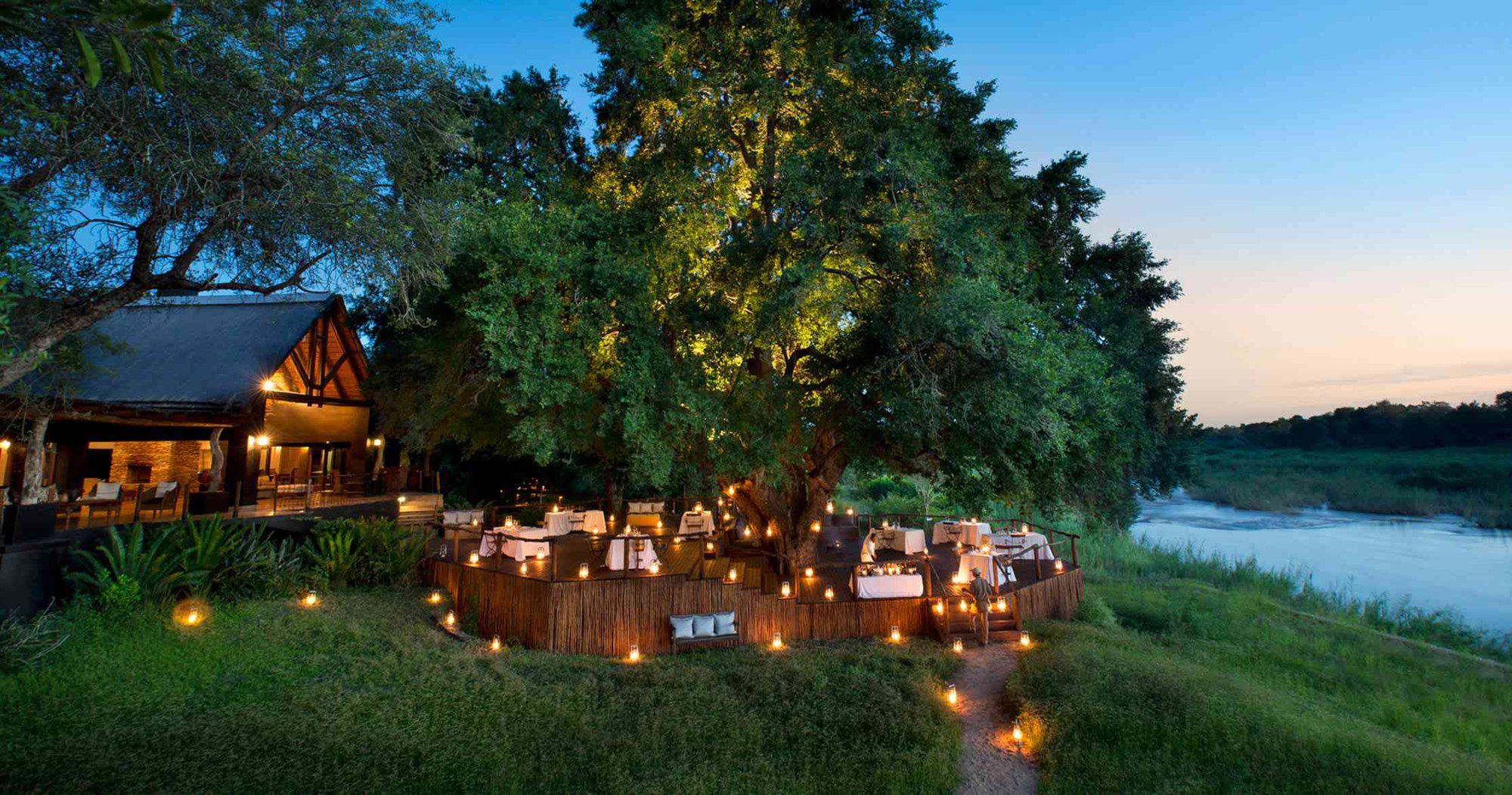
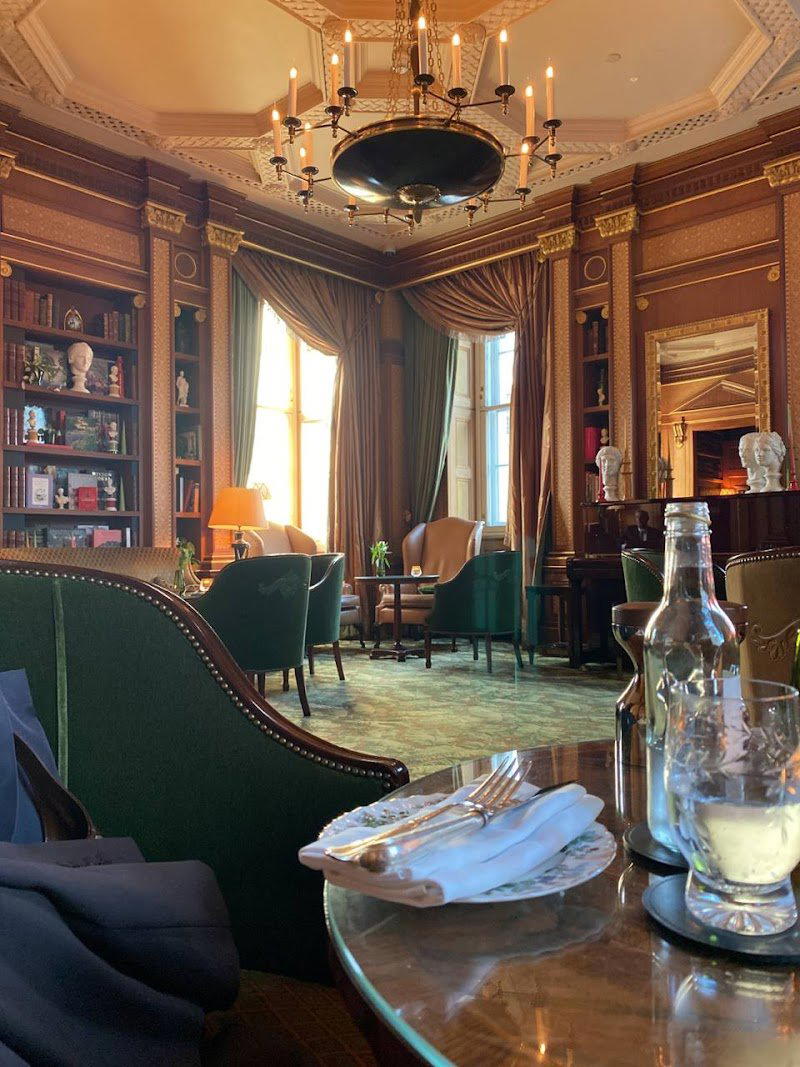
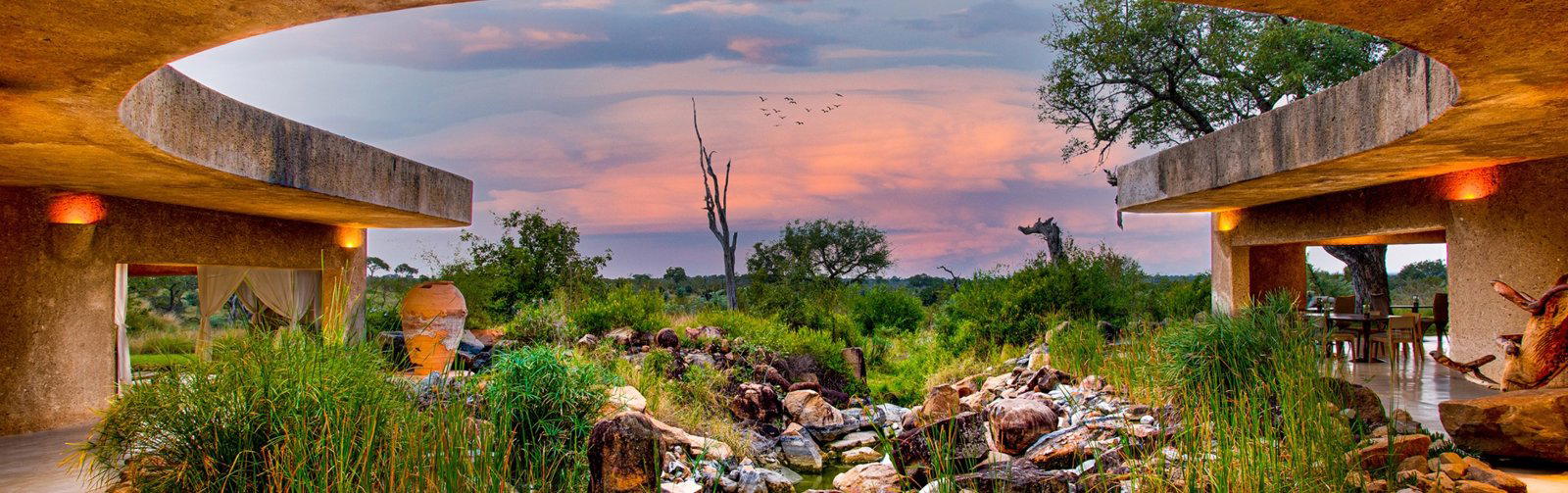
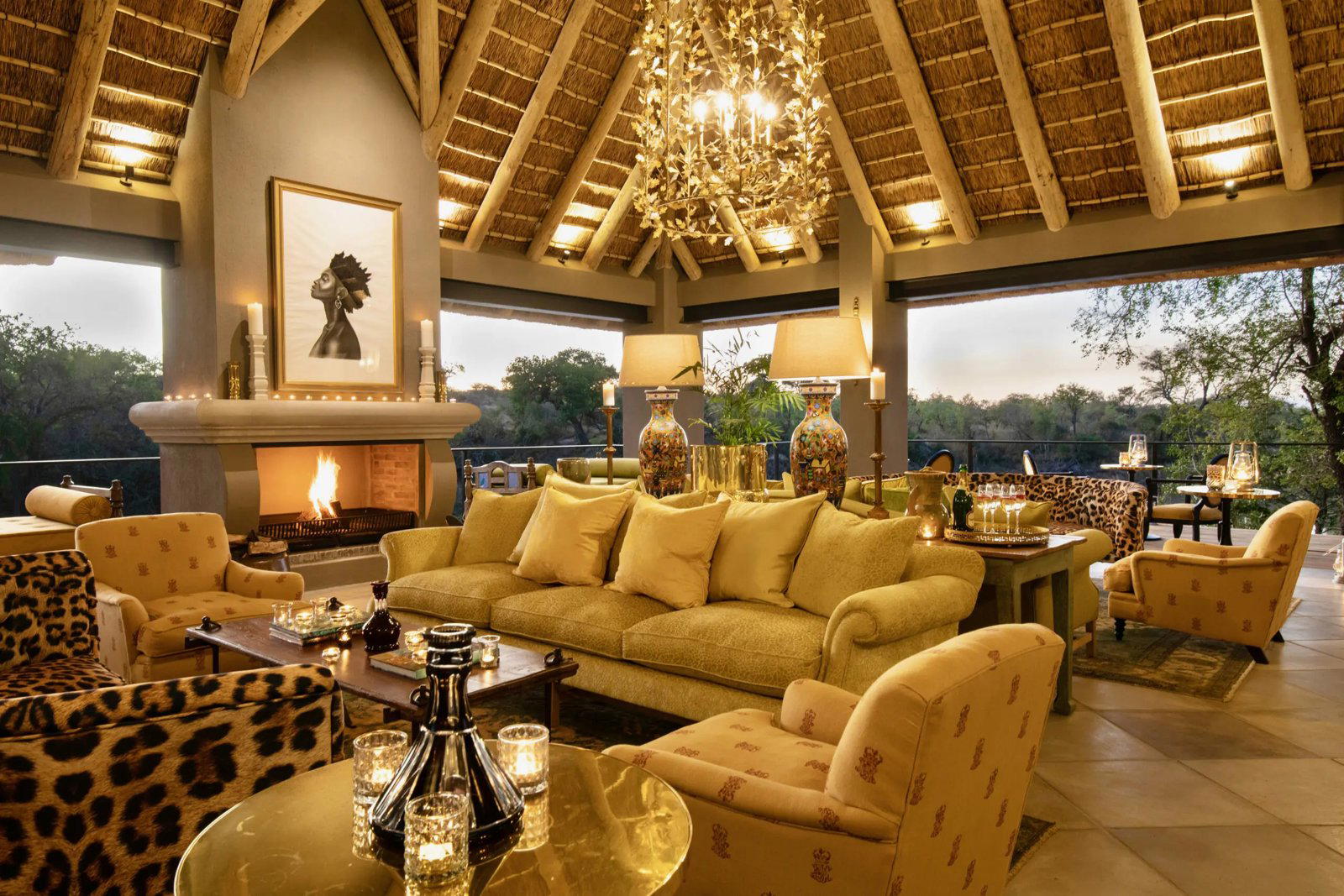
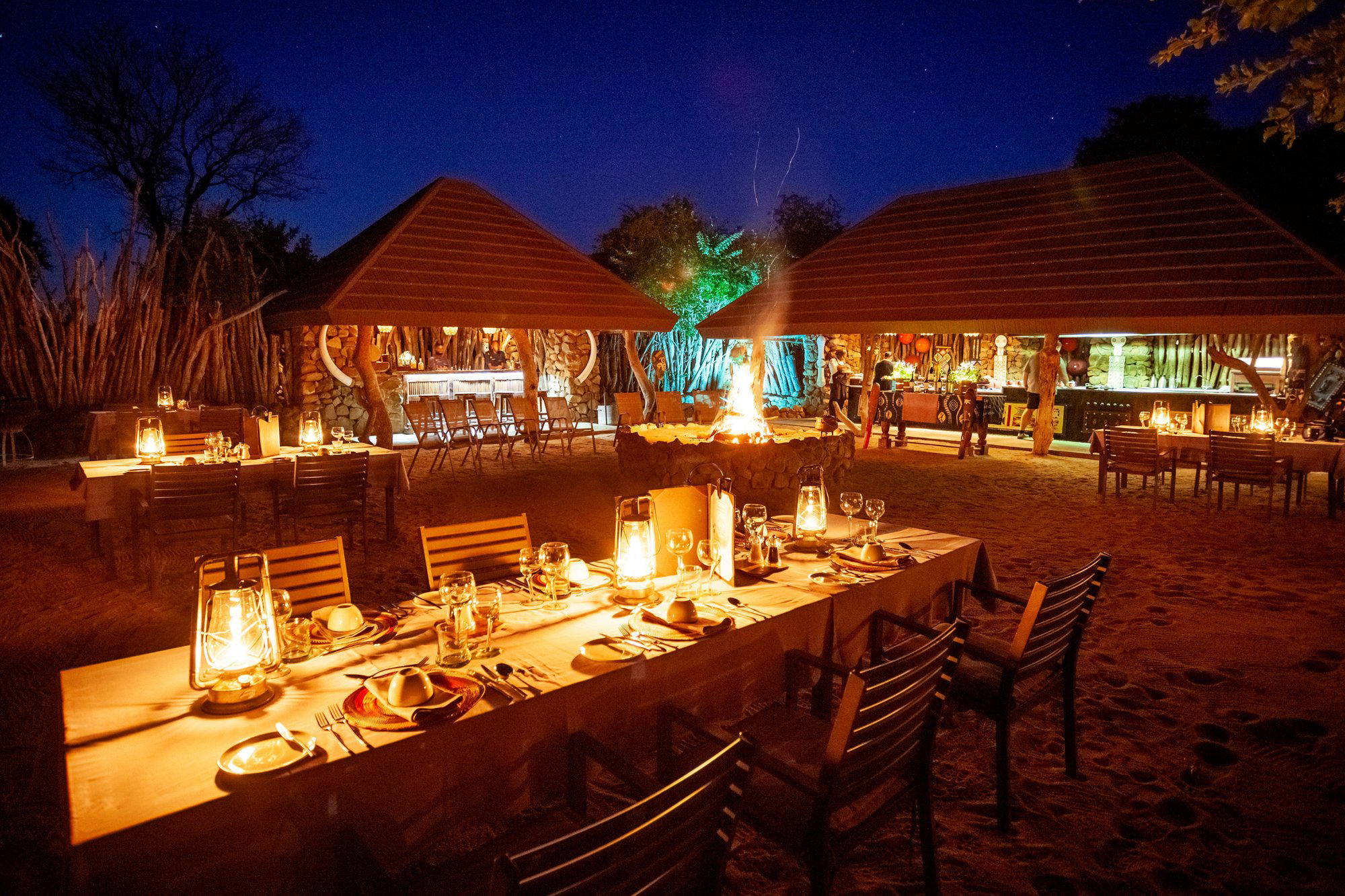
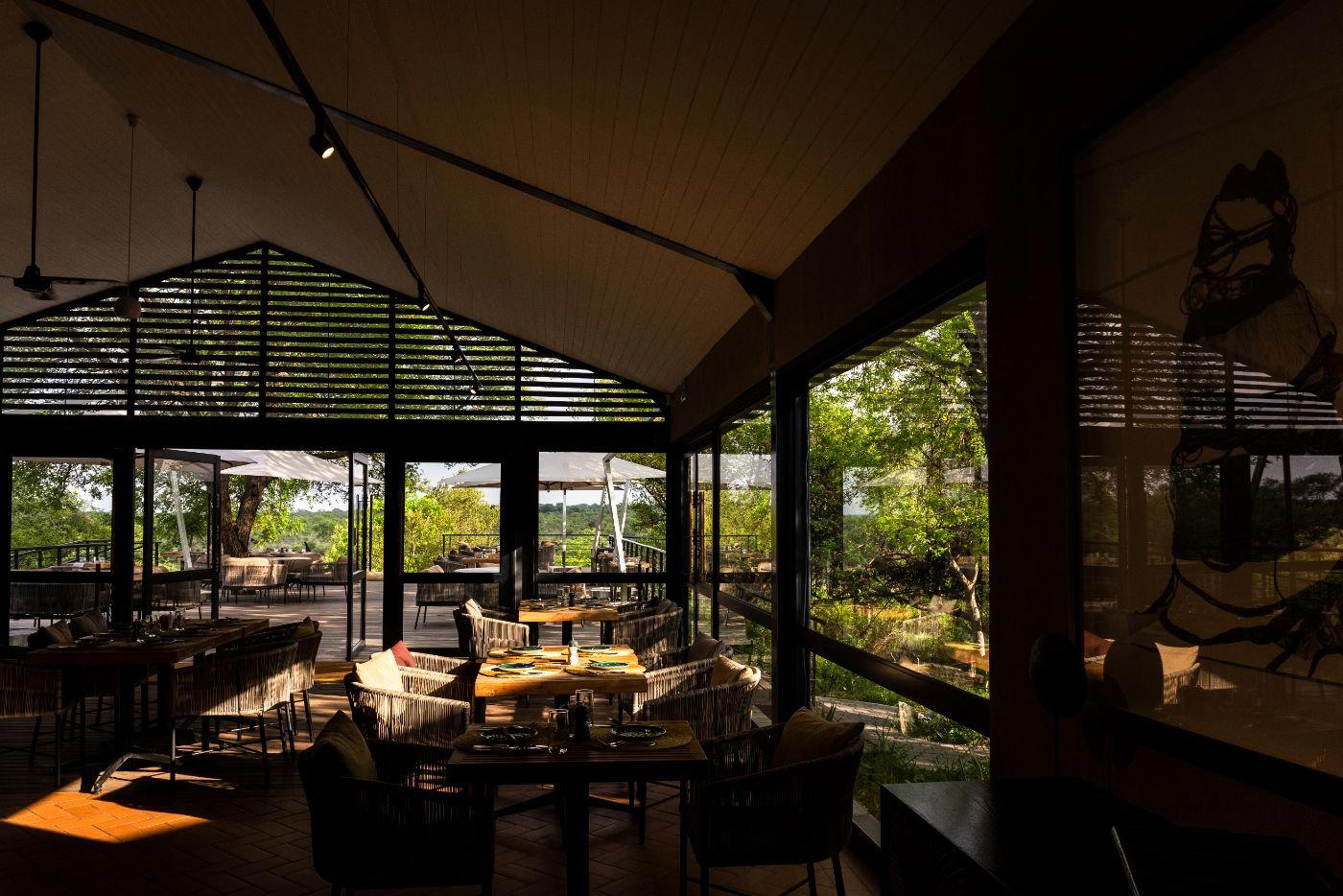
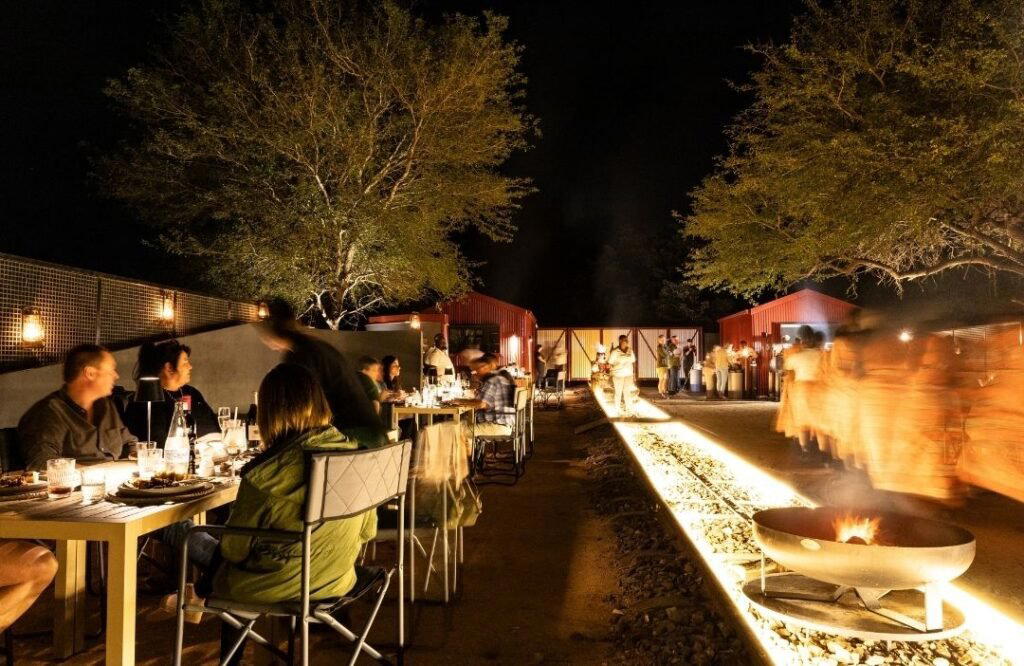
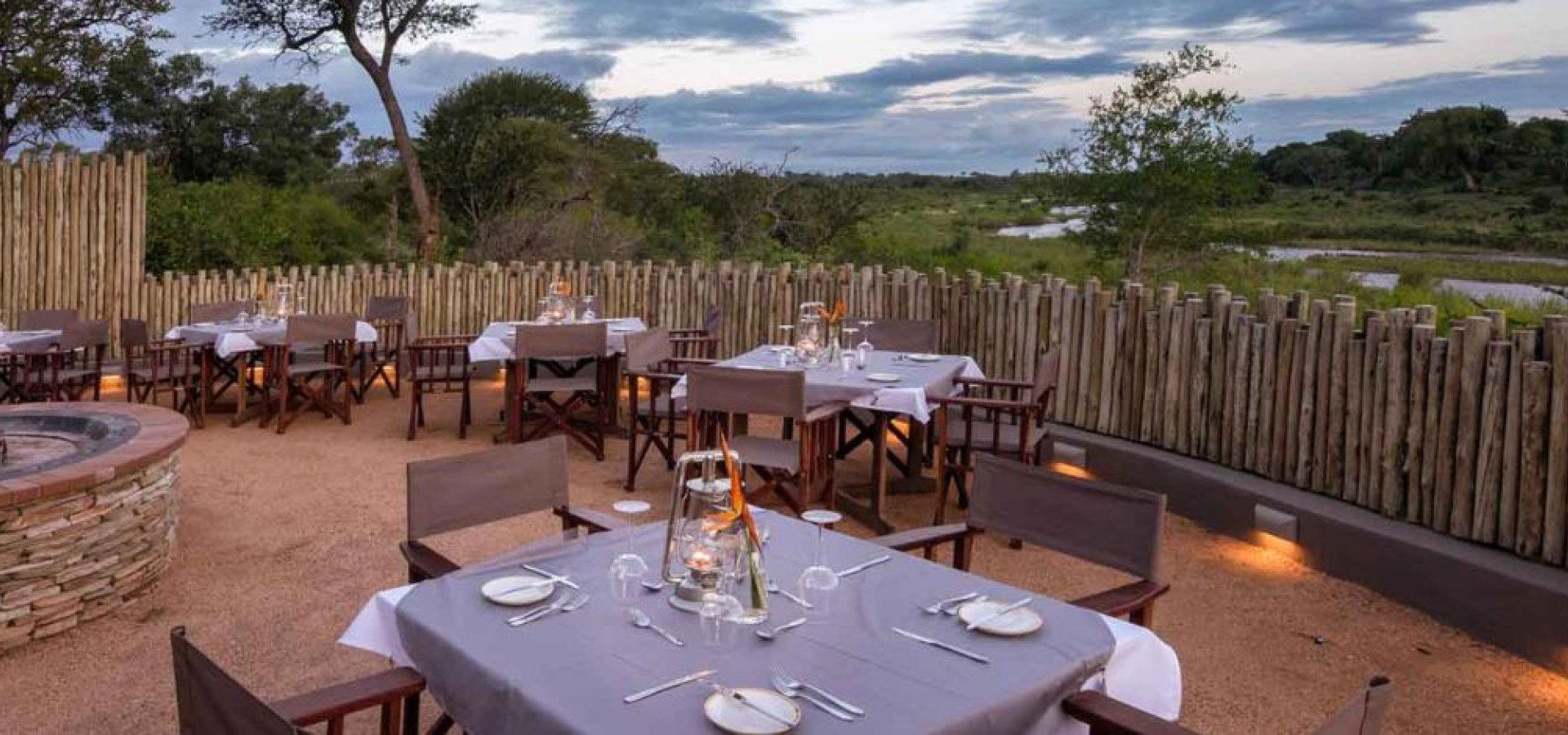
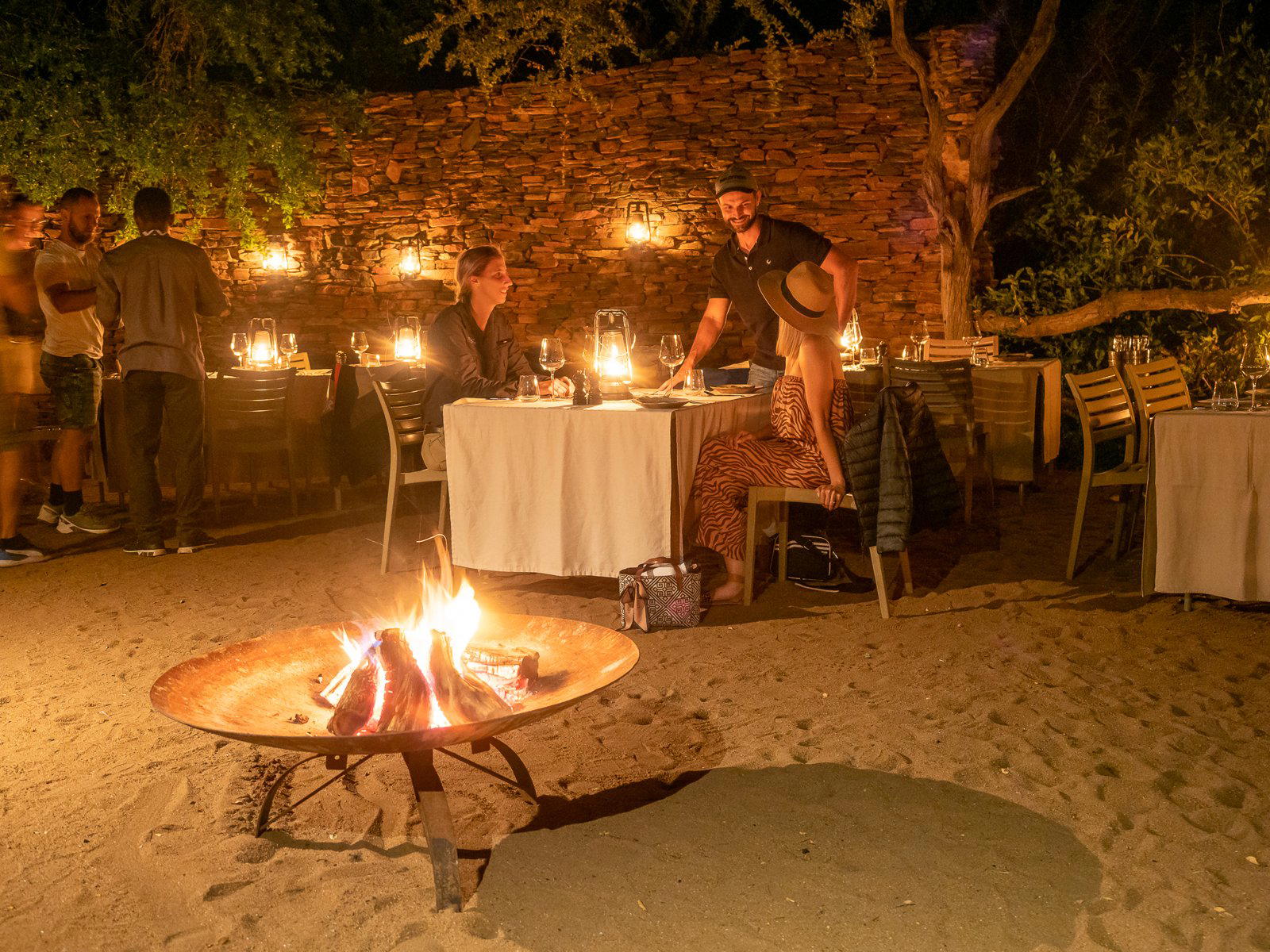
Classical 1920s colonial atmosphere with candlelit bush dinners, open-air boma settings, and peaceful lodge spaces overlooking the Sand River valley; intimate and serene with emphasis on natural beauty and wildlife immersion.