Londolozi Game Reserve




Established in 1926 on the Sand River in Sabi Sand, Londolozi is the original blueprint for the luxury safari model now replicated across southern Africa. In 1993 it became the first game reserve in the world to receive Relais & Châteaux status. Across five lodges and 32 rooms, thatched architecture, dolerite stone, and multi-generational conservation work define what the category looks like at its most considered.
 Discover on Pearl
Pearl is the En Primeur Club membership app — saves, bookings, and concierge access live there. Same editors, same standards.
- Address
- Londolozi Game Reserve Sparta Farms, Skukuza, 1350
- Phone
- +27 13 735 5653
- Website
- londolozi.com
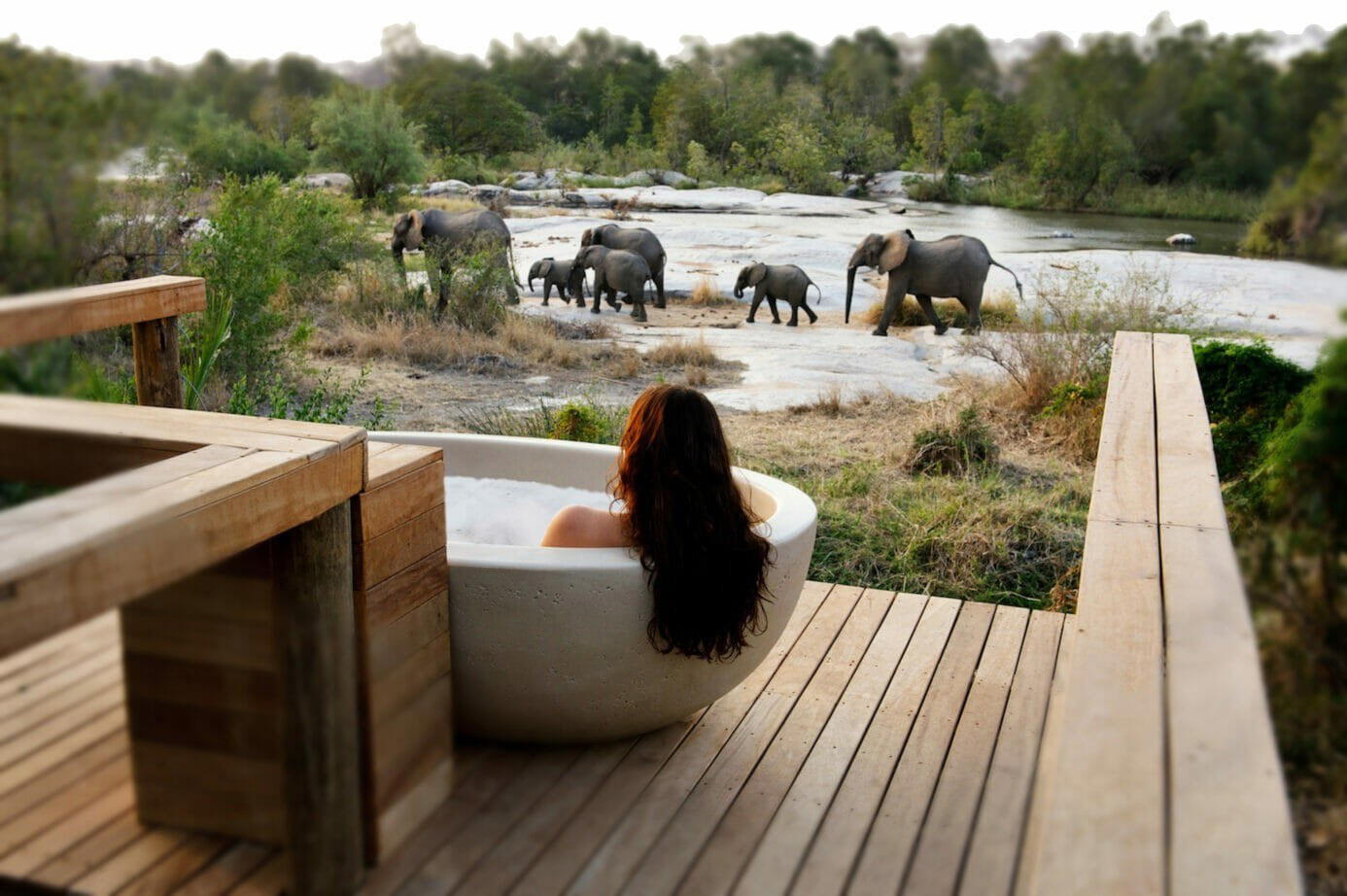
The Architecture of a Safari Original
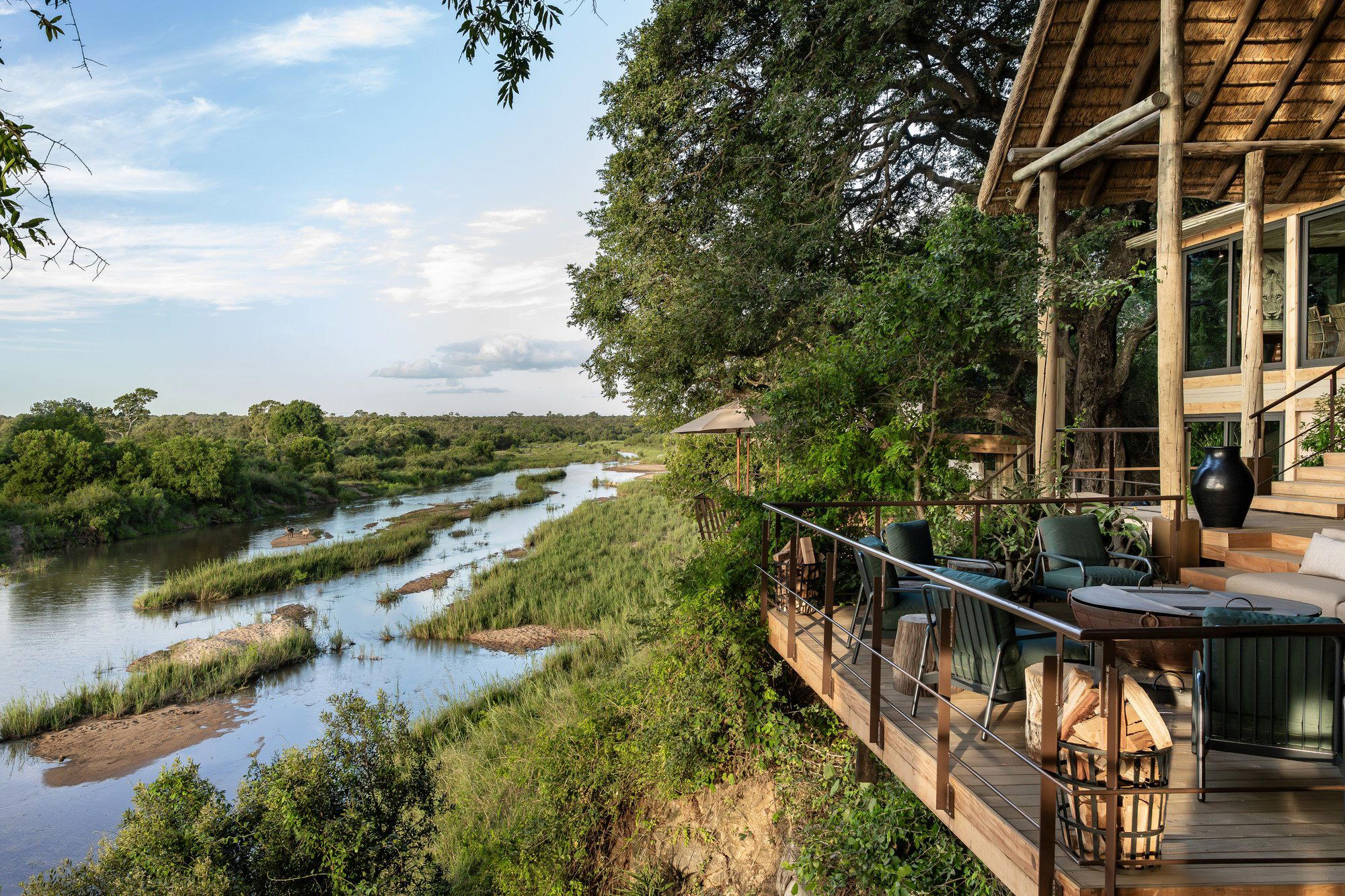
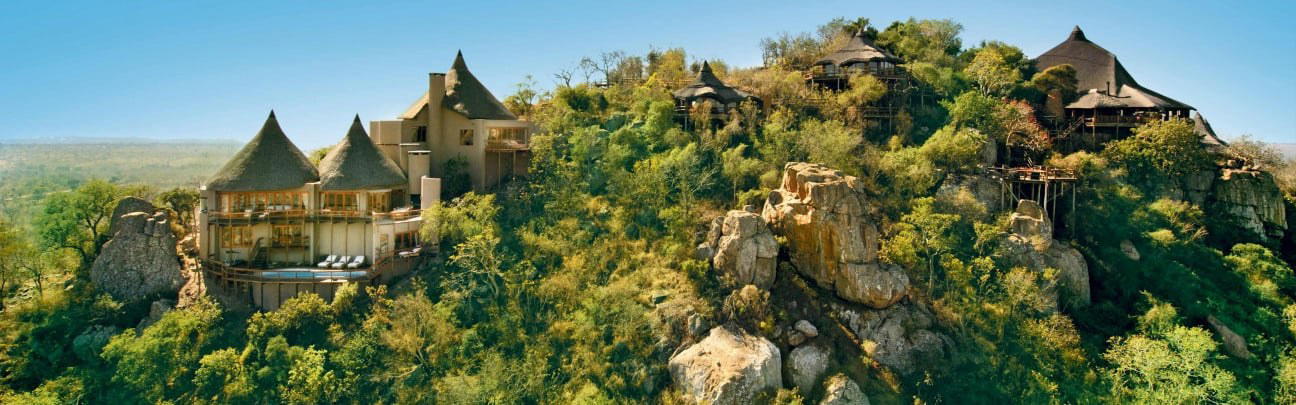
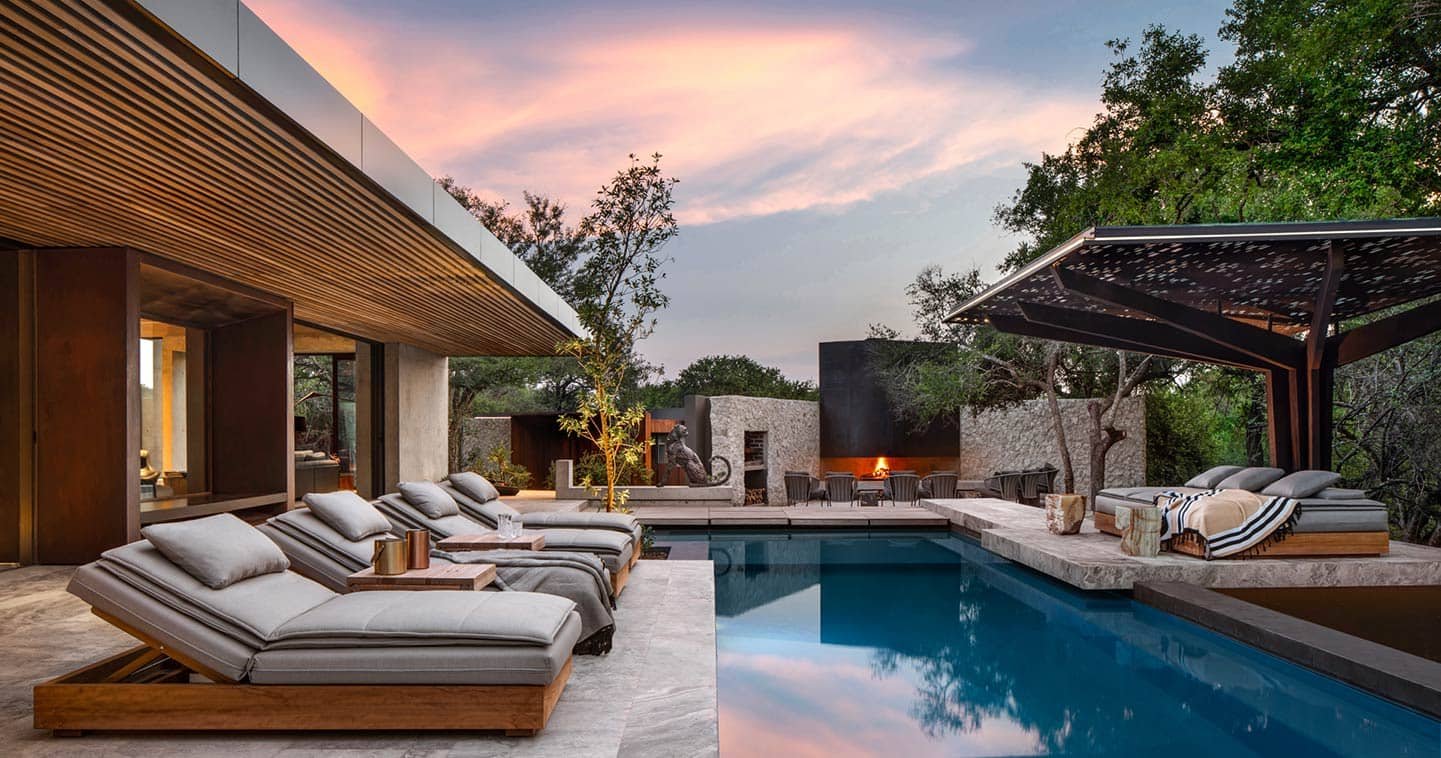
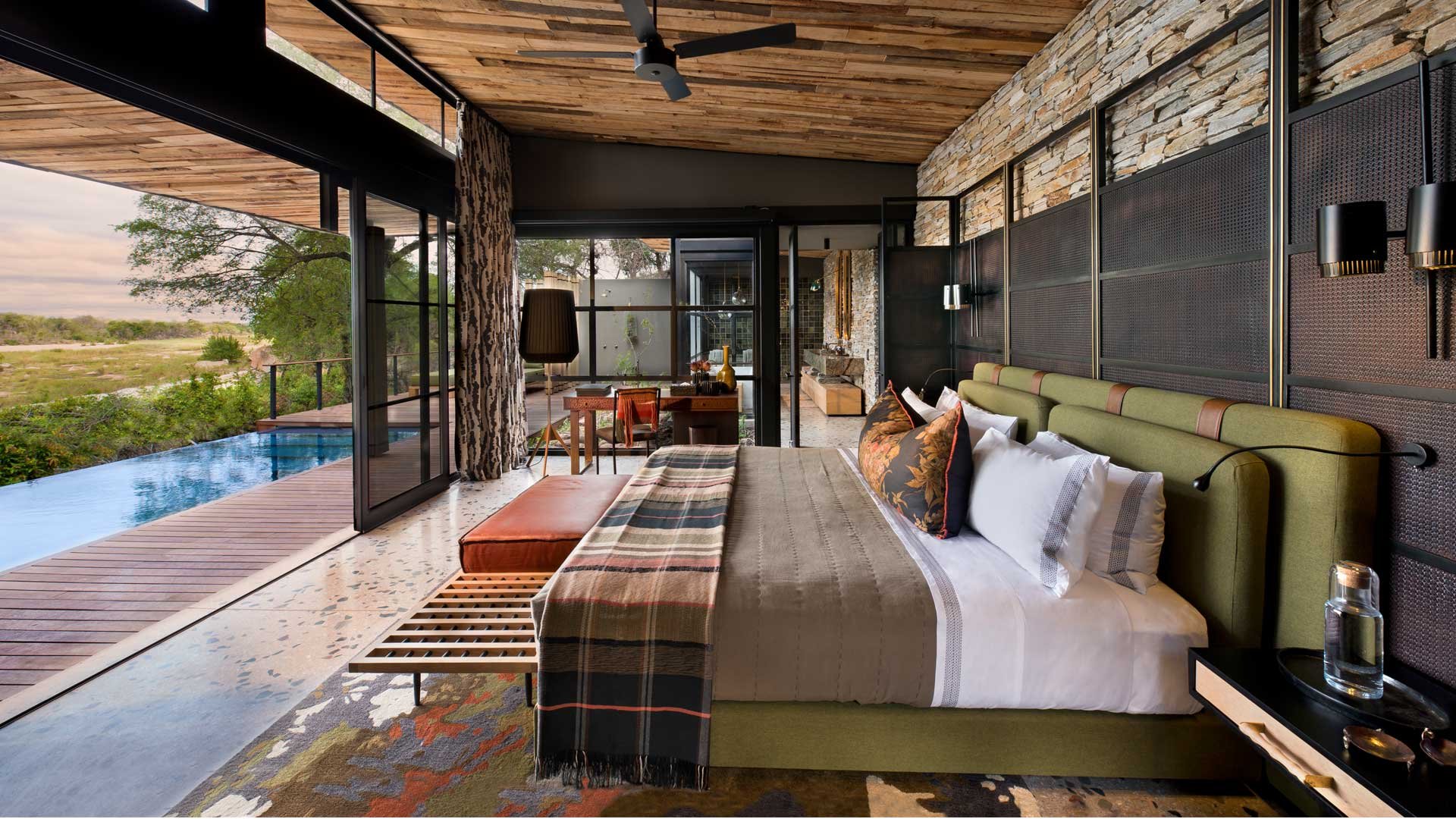
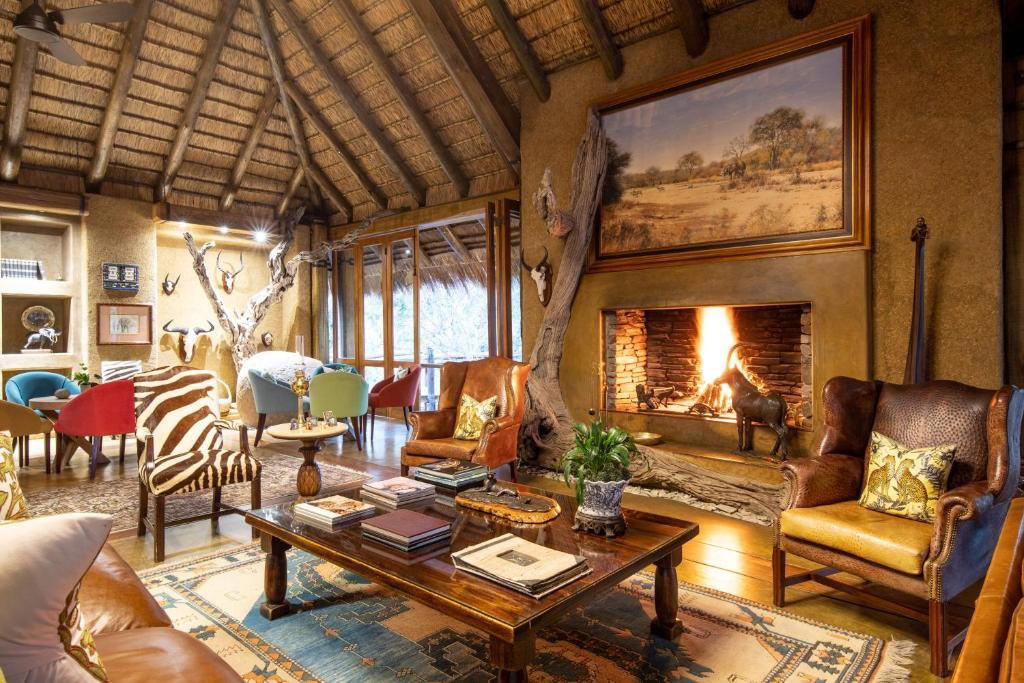
The Sabi Sand Wildtuin sits on the western boundary of Kruger National Park, and within it, the design language of the great camps tells you almost everything about the philosophy behind them. At Londolozi, that language is thatched roofs, dolerite stone, and riverine timber, materials drawn from the landscape rather than imported against it. Where newer luxury safari properties tend toward glass-and-steel pavilions designed to frame the bush as spectacle, Londolozi occupies the opposite position: a compound that reads more like a village than a resort, with five distinct lodges arranged along a bend of the Sand River that has been in continuous use since 1926.
The term "eco-lodge" did not exist when the Varty family first built here. What they created instead was a working model of how permanent human habitation could coexist with wild land, a model that the broader industry would eventually adopt, rename, and market as something new. The physical spaces reflect that origin: organic in profile, low in the landscape, built to minimize silhouette rather than maximize view. The result is a camp that feels inhabited rather than staged, which is a rarer quality in premium safari than the brochures suggest.
Conservation as Design Brief
In much of southern Africa, conservation credentials have become marketing language, applied to properties that preserve little more than a logo. At Londolozi, the conservation record is the design brief. The reserve's name derives from a Zulu word meaning "Protector of All Living Things," and the Varty family's management of the land over nearly a century has been documented internationally for its approach to land restoration and community involvement, particularly in relation to leopard population recovery in the Sabi Sand.
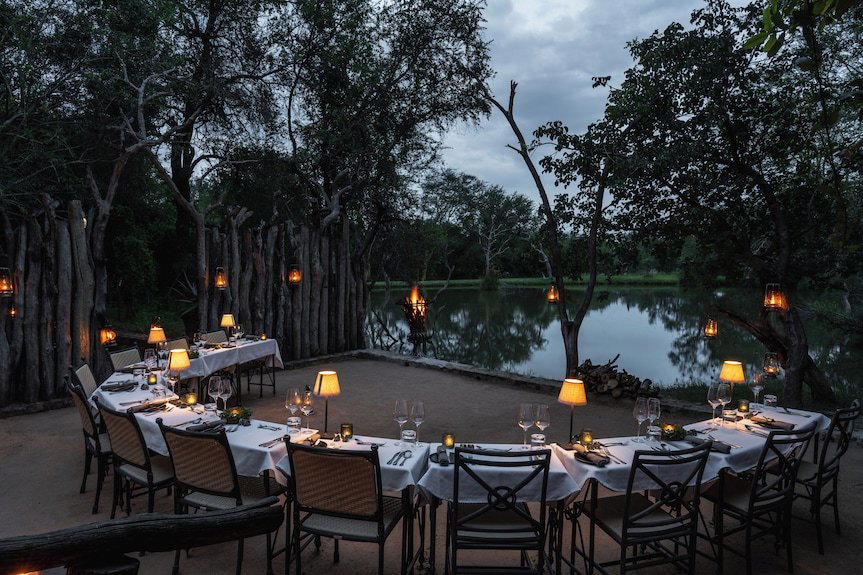
The 1993 Relais & Châteaux designation was the first ever awarded to a game reserve, which positioned Londolozi at the intersection of two categories that had not previously occupied the same space: luxury hospitality and serious conservation. That dual identity shapes the physical experience of being there. Game drives track leopard through grassland and woodland without the convoy dynamics that can reduce wildlife encounters to spectator events at higher-traffic properties. Open-air dinners return guests to the landscape rather than retreating from it. The Conde Nast Traveller ranking (No. 36 among the world's leading resorts, 2025) reflects sustained recognition, not a single strong year.
For comparable properties in the Kruger ecosystem, Singita – Kruger National Park and Royal Malewane occupy the same upper tier, each with distinct architectural and conservation approaches worth comparing before booking. The broader Kruger National Park guide maps the full range of camps and lodges across the region.
Five Lodges, One Village Logic
The five-lodge structure at Londolozi is worth understanding before arrival, because it drives both the experience and the booking decision. Safari camp design in Sabi Sand has generally moved toward fewer, more private units, a response to demand from guests who want seclusion rather than community. Londolozi runs against that trend by maintaining a village model, where multiple lodges share the same stretch of river and the same conservation footprint while offering different scales of privacy and different price positions.
The camp's 32 rooms span these five lodges, from the more intimate configurations preferred by families or small groups to the larger, more social atmosphere of the main camp. Rates open from US$4,401 per night, positioning Londolozi at the upper end of Sabi Sand pricing, where it sits alongside properties like Singita - Singita Kruger National Park. At this price point, the differentiation between camps becomes meaningful: architectural character, proximity to water, game-drive territory, and the number of guests sharing a vehicle all shift depending on which lodge you select.
For guests whose interest extends to community architecture and conservation design rather than pure wildlife volume, the Londolozi model offers something structurally different from the single-lodge, six-suite format that dominates the premium tier elsewhere. Properties like andBeyond Kirkman's Kamp in adjacent Skukuza and andBeyond Ngala Safari Lodge near Hoedspruit offer the single-camp alternative for comparison.
Getting There and Planning the Stay
Access to Londolozi follows the standard Sabi Sand routing, with options calibrated to budget and time. The reserve maintains its own private airstrip 1.2 km from camp, which handles light aircraft transfers from Skukuza Airport (approximately 45 minutes), Nelspruit (around 1 hour 30 minutes), and Johannesburg's OR Tambo International (the road distance from Johannesburg is approximately 500 km, making the flight transfer the practical choice for most international arrivals). By road, the route runs from Kruger Mpumalanga International Airport through Hazyview, then 8 km from Paul Kruger Gate toward Newington Gate, following signage. GPS coordinates -24.7971, 31.4990 are the reliable terminal point. Rates open from US$4,401 per night, covering lodge accommodation, game drives, and meals.
South Africa's broader luxury property circuit connects logically to a Londolozi stay. Guests arriving via Cape Town often extend into the Winelands through properties like Clouds Estate in Stellenbosch or Babylonstoren in Paarl before routing north to Sabi Sand. Those transiting through Johannesburg have options at African Pride Melrose Arch or Hyatt Regency Johannesburg for a city night before or after the bush. For properties in other conservation regions, andBeyond Phinda in KwaZulu-Natal and Makanyane Safari Lodge in Limpopo offer structural alternatives worth weighing against the Sabi Sand experience.
What the Relais & Châteaux Status Actually Signals
When Londolozi received Relais & Châteaux membership in 1993, the designation carried meaning beyond hospitality marketing. The network, built around independent properties with strong culinary and accommodation standards, had never previously admitted a game reserve. The inclusion established that luxury safari could be evaluated against the same criteria applied to European country house hotels, food quality, service consistency, physical character, rather than simply against other bush camps. That framing changed how the category was perceived internationally, and Londolozi's position within it has remained consistent across the three decades since.
For guests comparing properties across Africa, this signals a specific type of stay: one where evening meals and service cadence are as deliberately constructed as the morning game drive, and where the physical environment has been built and maintained with the same intention as the wildlife management. Comparable properties at this intersection of formal hospitality standards and serious conservation include andBeyond Phinda Forest Lodge and, at the coastal end of the South African premium circuit, Mount Nelson, A Belmond Hotel in Cape Town.
At-a-Glance Comparison
Comparable venues nearby, for context on price, style, and recognition.
| Venue | Cuisine | Price | Awards | Notes |
|---|---|---|---|---|
| Londolozi Game ReserveThis venue — the venue you are viewing | luxury safari lodges with classic African elegance and modern touches | $$$$ | Michelin 3 Key | |
| Singita – Kruger National Park | Contemporary safari chic lodge integrated into cliffside wilderness | $$$$ | World's 50 Best #15, 5-Star | Kruger National Park |
| Royal Malewane | Colonial-inspired luxury safari lodge blending timeless elegance with contemporary comfort, featuring thatched-roof suites on stilts overlooking pristine bushveld. | $$$$ | Michelin 3 Key | Thornybush Private Game Reserve, Greater Kruger National Park |
| Lukimbi Safari Lodge | Luxury safari lodge blending seamlessly with Kruger wilderness | $$$$ | 5-Star | Kruger National Park |
| Singita - Singita Kruger National Park | Contemporary cliffside eco-luxury integrated into wilderness | $$$$ | 5-Star | Kruger National Park |
| Honeyguide Tented Safari Camps | Authentic luxury tented safari camp blending classic safari tents with contemporary design | $$$$ | , | Manyeleti Game Reserve |
Continue exploring
More in Kruger National Park
Hotels in Kruger National Park
Browse all →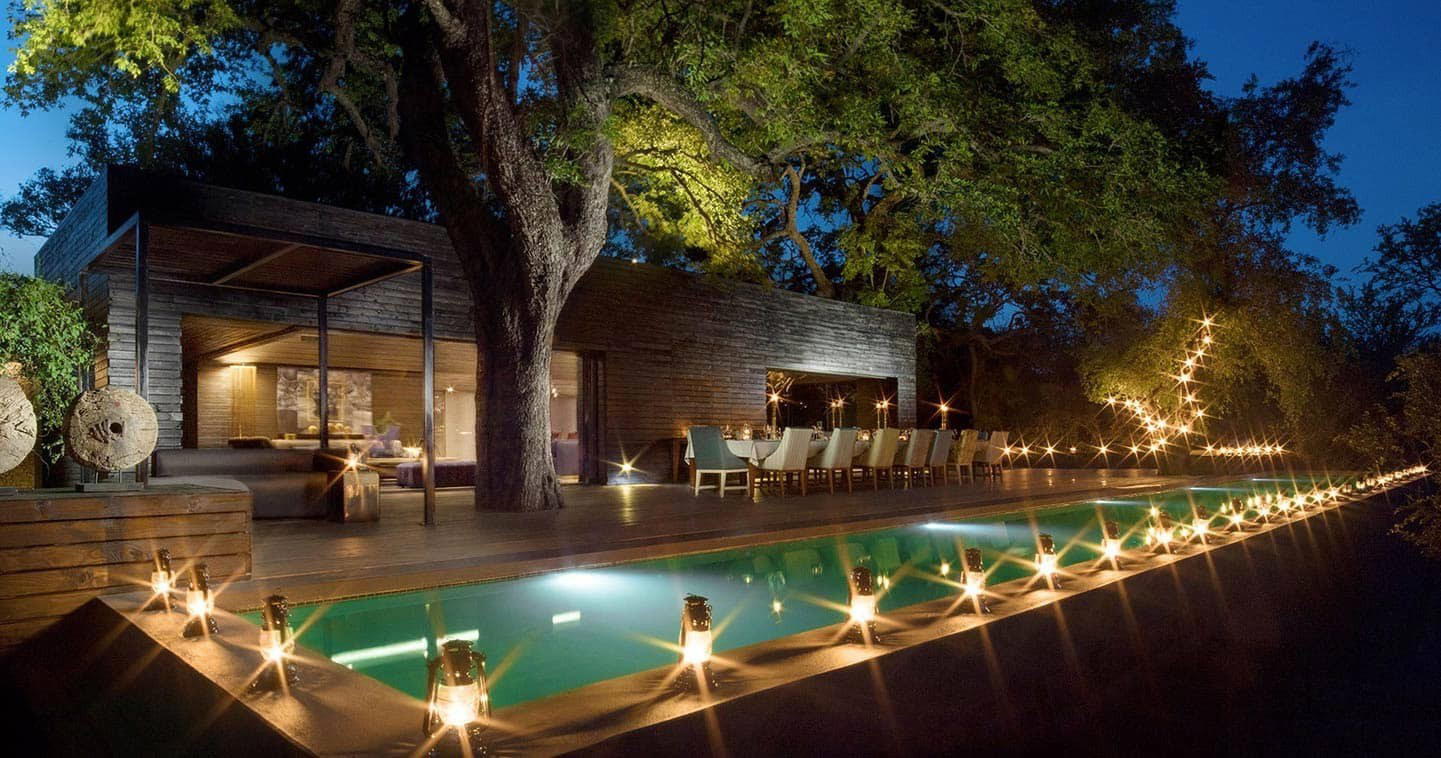
Restaurants in Kruger National Park
Browse all →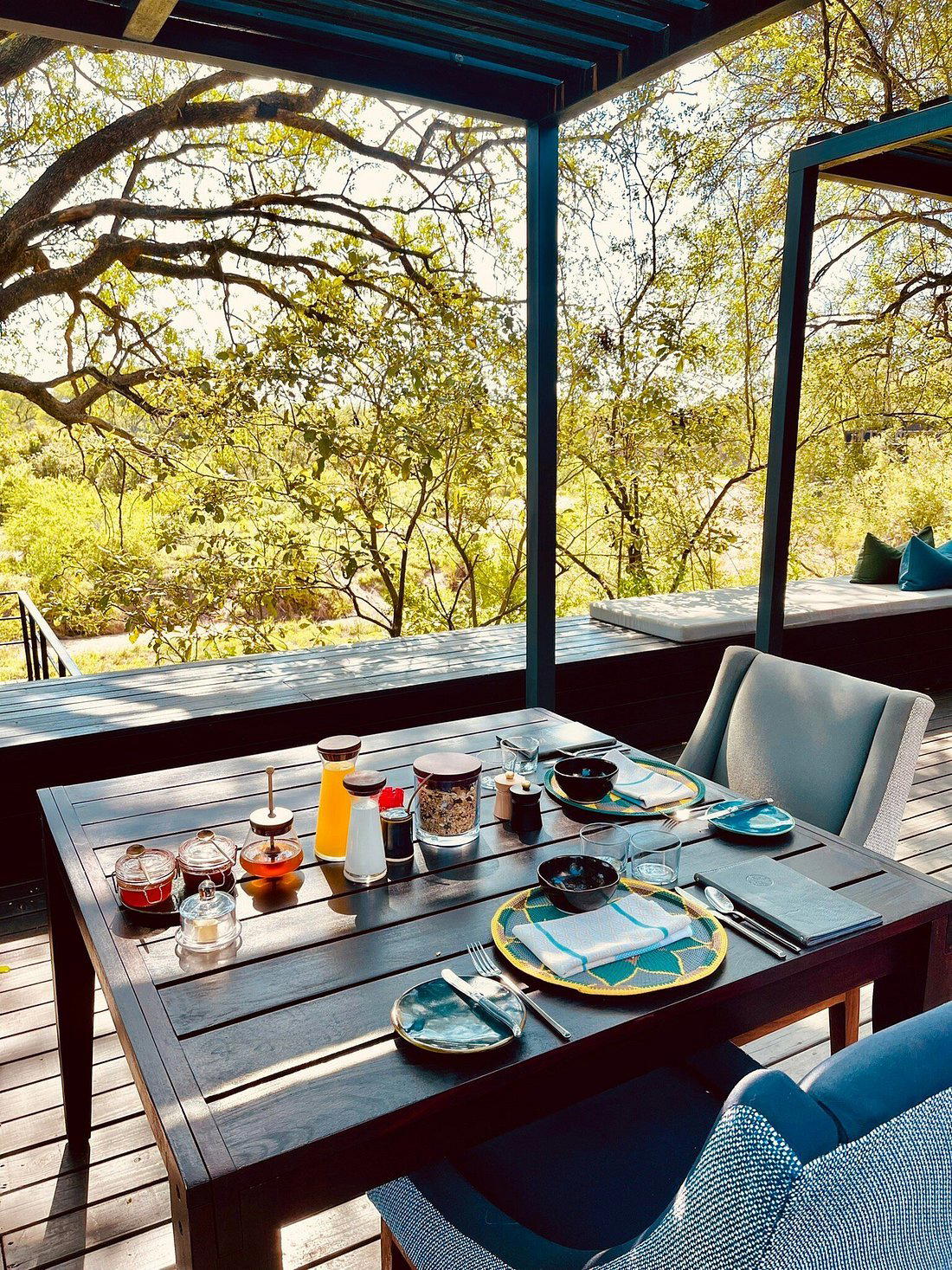
Wineries in Kruger National Park
Browse all →
At a Glance
- Romantic
- Scenic
- Elegant
- Intimate
- Sophisticated
- Opulent
- Honeymoon
- Romantic Getaway
- Family Vacation
- Anniversary
- Group Retreat
- Panoramic View
- Pool
- Spa
- Yoga
- Fitness Center
- Room Service
- Concierge
- Garden
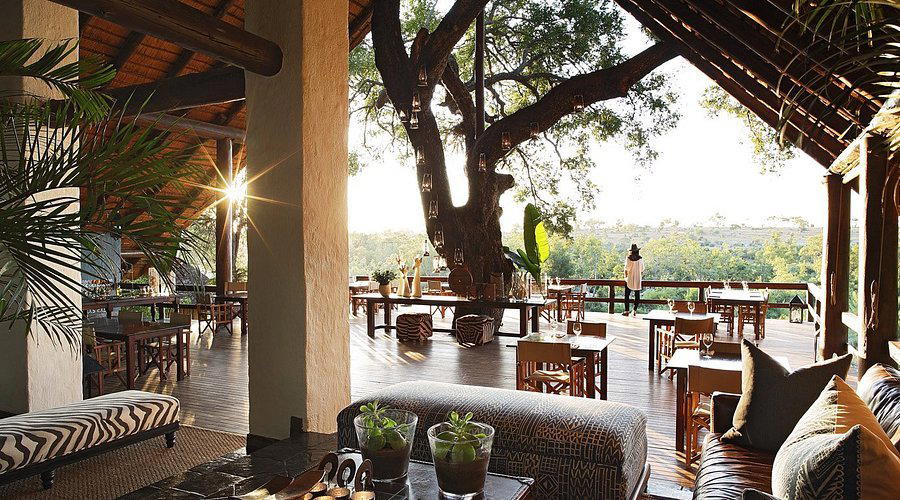
Soulful and luxurious bush atmosphere with thatched roofs, soft lighting from lanterns, open-air dinners, and a deeply lived-in, welcoming village feel amid pristine wilderness.