Radisson Collection Hotel, Waterfront Cape Town
Radisson Collection Hotel, Waterfront Cape Town belongs to the city’s harbour-facing hotel set, where the draw is less resort seclusion than proximity to water, light, and the working edge of the Atlantic. With limited verified property data available, the useful reading is comparative: choose it for a waterfront base in Cape Town, then judge it against heritage addresses, mountain-view boutiques, and wine-country retreats.
Pearl is the En Primeur Club membership app — saves, bookings, and concierge access live there. Same editors, same standards.
- Address
- Cape Town, South Africa
- Website
- radissonhotels.com
 Saves & bookings on Pearl
Waterfront hotels and Cape Town's argument with the sea
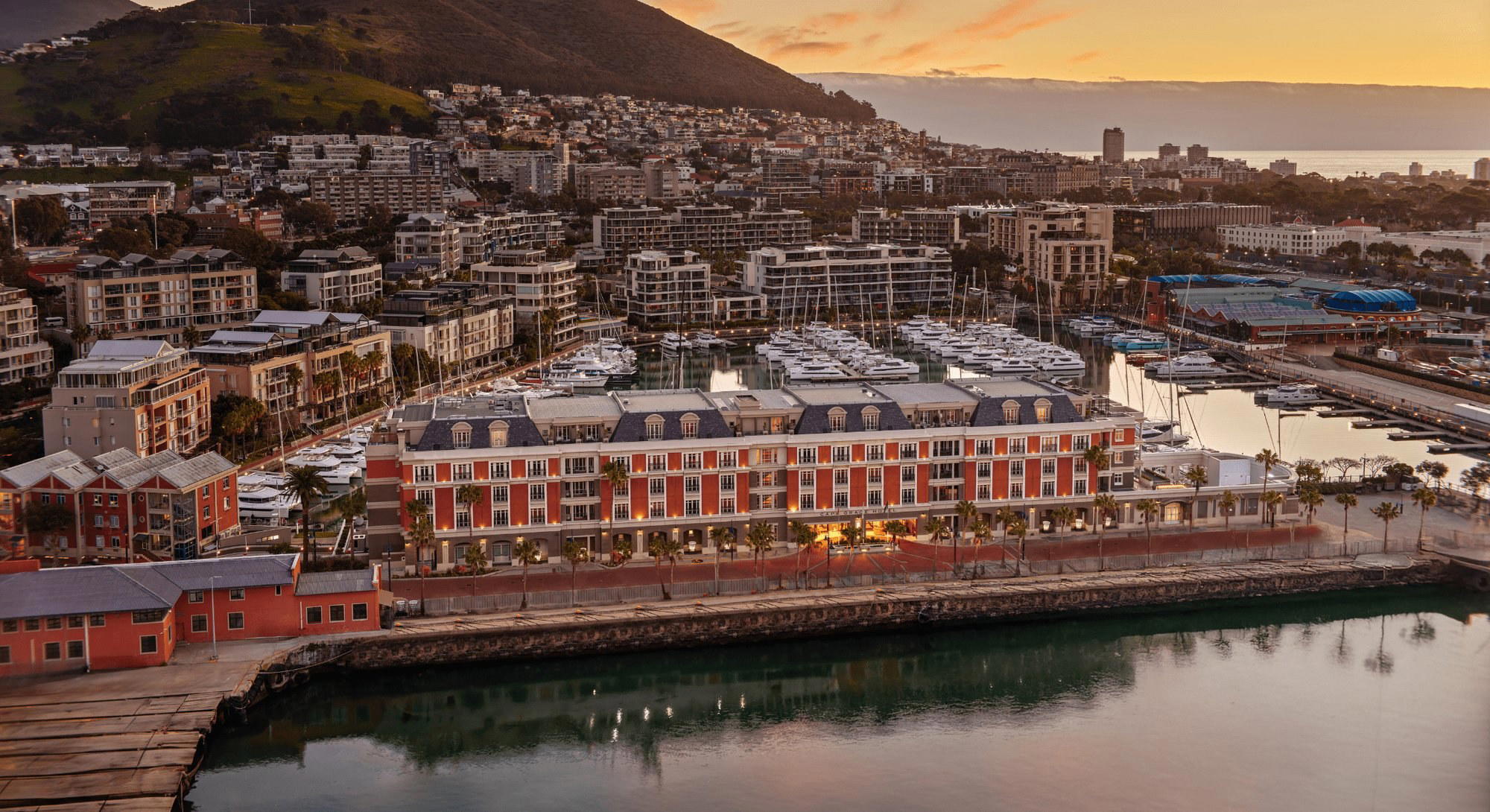
Approaching Cape Town’s waterfront, the city changes register. The mountain remains the fixed backdrop, but the foreground becomes practical and maritime: quays, wind, Atlantic glare, ferries, restaurants, and hotel lobbies built to catch movement rather than hide from it. Radisson Collection Hotel, Waterfront Cape Town belongs to this harbour-facing category, a hotel type that gives Cape Town visitors a direct relationship with water without asking them to leave the city’s central orbit.
That matters in Cape Town because hotel choice is rarely just about room count or brand. The city is physically dramatic and spatially fragmented. A guest can choose a gardened heritage address, a cliffside villa-style retreat, a wine-country estate, a business-friendly central base, or a waterfront property where the day begins with ships, sea air, and a short urban radius.
In design terms, waterfront hotels in Cape Town sit between resort language and urban hotel discipline. They need enough polish for international arrivals, enough informality for a coastal city, and enough practical structure for guests who may be splitting time between meetings, galleries, restaurants, beaches, and the Winelands. That mixed-use character distinguishes the waterfront tier from more residential-feeling properties such as 21 Nettleton and 21 Nettleton Boutique Hotel, where the appeal is closer to private-house elevation above the Atlantic.
The design question: view, movement, and civic proximity
Cape Town hotels are often sold through scenery, but scenery alone is a weak way to read the city’s hospitality scene. The sharper question is how a property uses its setting. Waterfront addresses usually privilege horizontal movement: guests pass between lobby, promenade, dining rooms, taxis, boats, and retail spaces with less friction than in hillside or residential districts. The architecture and interior planning in this category tend to work around arrivals and departures, not long-house seclusion.
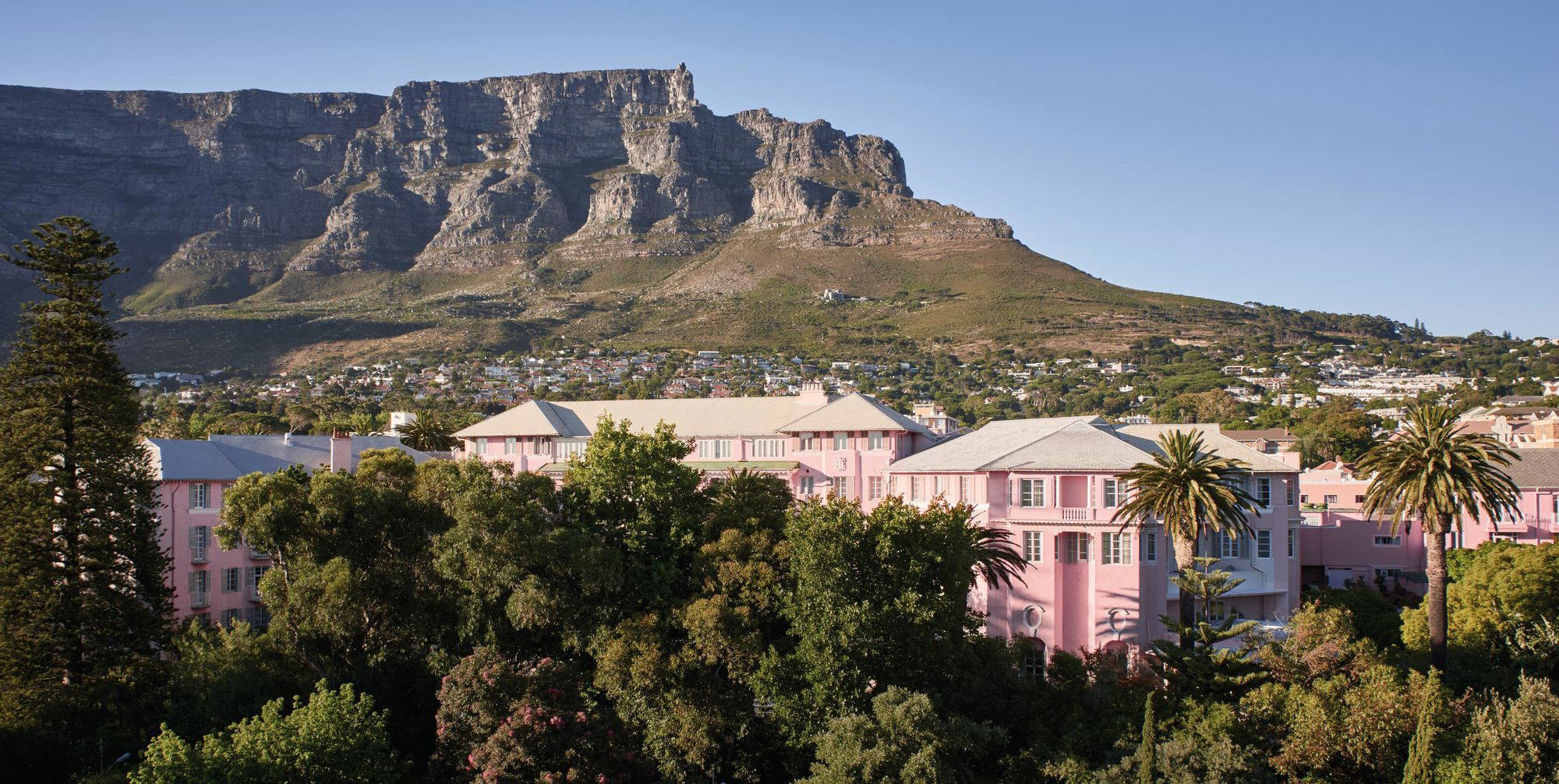
That makes the waterfront a different proposition from gardened heritage hotels such as Mount Nelson and Mount Nelson, A Belmond Hotel, Cape Town. Those addresses trade on lawns, ceremony, and a sense of being buffered from the city. A waterfront hotel, by contrast, uses exposure. Wind and light are part of the atmosphere. The successful version does not pretend to be a country-house retreat; it turns the working harbour and Atlantic edge into the visual rhythm of a stay.
In a market where several Cape Town hotels lean into domestic scale, historical fabric, or mountain drama, the Radisson Collection address reads as a city-facing choice rather than a hideaway. This is a waterfront base within Cape Town’s premium hotel conversation.
How the waterfront compares with Cape Town's other hotel zones
Heritage Cape Town
The heritage tier is where Cape Town’s colonial-era buildings, restored townhouses, and garden hotels carry the emotional weight. Cape Heritage Hotel represents the older urban fabric, while Cape Cadogan Boutique Hotel sits closer to the boutique-townhouse idea: smaller scale, residential mood, and a stronger sense of street-by-street Cape Town. These hotels suit travellers who want the city’s built history close at hand, even if that means giving up the constant marine theatre of the waterfront.
Mountain and Atlantic-edge privacy
The Atlantic-facing boutique tier works differently. Properties on the slopes or near the coast sell distance from the central grid, not proximity to it. Camissa House points toward the mountain-and-neighbourhood side of the city, while the Nettleton addresses belong to a more private, villa-inflected comparable set. This is the right comparison for travellers deciding whether Cape Town should feel like a city break with water access or a coastal retreat with occasional city excursions.
The polished harbour set
Within the harbour-facing tier, Cape Grace, A Fairmont Managed Hotel provides a natural comparison because it also occupies the waterfront conversation. The difference between waterfront properties usually turns on specific room views, service tone, brand identity, and how much of the public realm the guest wants at the doorstep. Travellers should compare current room descriptions and booking terms directly rather than infer hierarchy from brand name alone.
Atmosphere: public, coastal, and practical
Atmosphere-wise, expect the broader waterfront character to shape the stay: daylight off the water, an urban-resort tempo, and a setting that keeps Cape Town’s visitor infrastructure close. If a traveller wants a hushed, residential hotel where arrival feels intentionally removed from the city, the waterfront may feel too public. If the priority is a coastal base with access to restaurants, transport links, and harbour activity, the location logic becomes clear.
This is also where Cape Town differs from many leisure cities. The premium hotel map does not radiate from a single grand boulevard. It breaks into distinct zones with different trade-offs. The waterfront offers convenience and marine setting. Gardens and Oranjezicht bring mountain proximity and neighbourhood rhythm. Clifton and Bantry Bay tilt toward Atlantic privacy. Constantia and the Winelands shift the day around vineyards and longer lunches. A waterfront hotel is not a neutral choice; it sets the pace of the trip before any itinerary begins.
Dining context around the hotel
No verified cuisine type, chef name, signature dishes, or restaurant format is available in the record. The practical advantage is location rather than a documented in-house culinary identity. Cape Town’s dining scene is broad enough that many travellers treat the hotel as a base and let the city provide the table: contemporary South African cooking, seafood-led rooms, Cape Malay influences, wine-focused dining, and casual harbour-adjacent meals all sit within the wider city conversation.
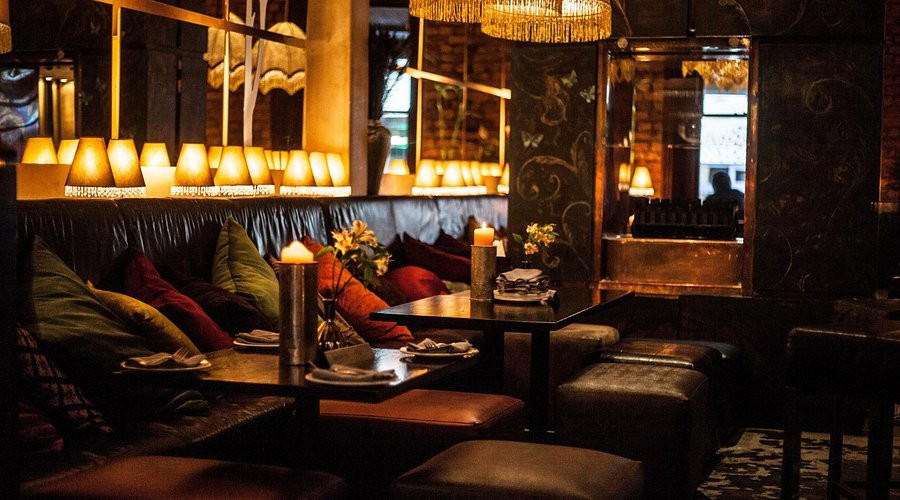
For planning beyond the property, Cape Town’s restaurants guide gives the stronger editorial map. The city’s restaurant culture has moved well beyond a simple waterfront-versus-city split. Serious dining now runs from central tasting-menu rooms to neighbourhood restaurants and wine-country destinations, with Cape wine lists often doing as much work as the kitchen. A waterfront base gives flexibility, but it should not be mistaken for a complete dining strategy.
Drinkers should make the same distinction. Hotel bars can be useful for arrivals and late returns, yet Cape Town’s stronger drinking culture often sits in specialist cocktail rooms, wine bars, and restaurants with serious cellars. Cape Town’s bars guide is the better tool for separating harbour convenience from cocktail ambition. For cellar-door days, Cape Town’s wineries guide helps frame the larger wine region rather than treating the city as a standalone stop.
Who should choose a waterfront base
The waterfront makes sense for travellers who value low-friction logistics. First-time visitors often appreciate a setting that is easy to understand on arrival: water, promenades, restaurants, taxis, tour departures, and central access within a compact orbit. Business travellers may value the same clarity for different reasons. Families and multigenerational groups can also benefit from a district where not every meal or errand requires a complicated transfer.
The trade-off is atmosphere. Waterfront districts tend to be more public and visitor-facing than residential neighbourhoods. That is not a flaw, but it changes the emotional register of a stay. Travellers chasing hush, local street texture, or design-led intimacy may find stronger alignment in smaller Cape Town hotels. Those who want the city to feel legible from day one may find the waterfront’s clarity useful, particularly on a short stay.
For the full city comparison, Cape Town’s hotels guide is the necessary companion. It places harbour properties beside boutique houses, heritage hotels, and coastal retreats, which is how Cape Town should be judged. The city rewards choosing by neighbourhood character first and brand second.
Beyond Cape Town: South African hotel context
Cape Town is only one expression of South African hospitality. The country’s premium hotel scene stretches from coastal towns to safari reserves, wine valleys, and Johannesburg residences, and each setting changes the definition of luxury. Comparing a waterfront city hotel with Singita – Kruger National Park in Kruger National Park or Singita Ebony Lodge in Sabi Sand is not a like-for-like exercise; it shows how sharply place dictates hospitality format.
Safari properties such as Shamwari Long Lee Manor in Paterson and Thornybush Game Lodge in Bushbuckridge build the day around drives, meals, and the managed rhythm of the reserve. Wine-country hotels such as Le Quartier Francais in Franschhoek and Clouds Estate in Stellenbosch make restaurants, tasting rooms, and vineyard views central to the stay. Coastal properties such as Abalone Hotel & Villas in Paternoster and The Marine in Hermanus depend on sea-facing pace rather than urban access.
Johannesburg brings another register again. The Munro Boutique Hotel in Johannesburg belongs to a city where altitude, residential enclaves, and business movement shape the hotel experience. Against that national spread, a Cape Town waterfront hotel occupies a specific lane: urban, coastal, accessible, and oriented toward travellers who want the city and the sea in the same frame.
Planning notes and verification
That absence should shape planning. Treat current rates, room categories, cancellation terms, dining availability, parking, and check-in details as items to verify through the official booking channel or a trusted travel adviser before committing.
Reservation-only status cannot be confirmed from the supplied data. In practice, Cape Town’s premium hotels often vary their policies by season, room type, group size, and event calendar, with the December-to-February summer period placing heavier pressure on waterfront inventory. Travellers comparing several Cape Town hotels should look at total stay cost, view category, transfer needs, and restaurant plans together rather than isolating nightly rate.
For activities beyond the hotel, Our full Cape Town experiences guide helps separate high-volume sightseeing from more specialist cultural formats. Cape Town rewards that extra planning because geography changes the day: a morning on the mountain, lunch near the water, and an afternoon in the galleries or vineyards can be efficient or tiring depending on where the hotel sits.
How it reads against international grand hotels
International comparisons are useful when they clarify expectations rather than inflate them. The Fifth Avenue Hotel in New York City speaks to urban design and neighbourhood theatre; Hôtel de Paris Monte-Carlo in Monte Carlo is tied to palace-hotel ceremony and casino-square visibility; Badrutt's Palace Hotel in St. Moritz belongs to Alpine seasonality and old resort culture. Cape Town’s waterfront category is different: less about inherited European ritual, more about coastal urban immediacy and the meeting of harbour, mountain, and city.
That comparison is the cleanest way to read Radisson Collection Hotel, Waterfront Cape Town without overclaiming. The property’s strongest documented cue is not a Michelin-starred restaurant, a named architect, or a published award count. It is location within a city where geography does much of the storytelling. Choose it if that geography, water first and city close, is the desired frame.
In Context
Comparable venues nearby, for context on price, style, and recognition.
| Venue | Price | Awards | Notes |
|---|---|---|---|
| Radisson Collection Hotel, Waterfront Cape TownThis venue — the venue you are viewing | $$$$ | 5-Star | Not listed |
| The Westin Grand Cape Town | $$$$ | 5-Star | Schotschekloof, Modern luxury conference hotel integrated with convention centre |
| 21 Nettleton | $$$$ | 5-Star | Clifton, Clifftop luxury mansion converted boutique hotel |
| Erinvale Estate Hotel & Spa | $$$$ | 5-Star | Somerset West, Cape Dutch estate with modern spa wing |
| President Hotel | $$$ | 4-Star | Bantry Bay, Classic seaside luxury with modern apartments |
| Camissa House | $$$$ | 5-Star | Vredehoek, Mid-century inspired boutique with fynbos-named rooms and open-plan communal spaces |
Continue exploring
More in Cape Town
Hotels in Cape Town
Browse all →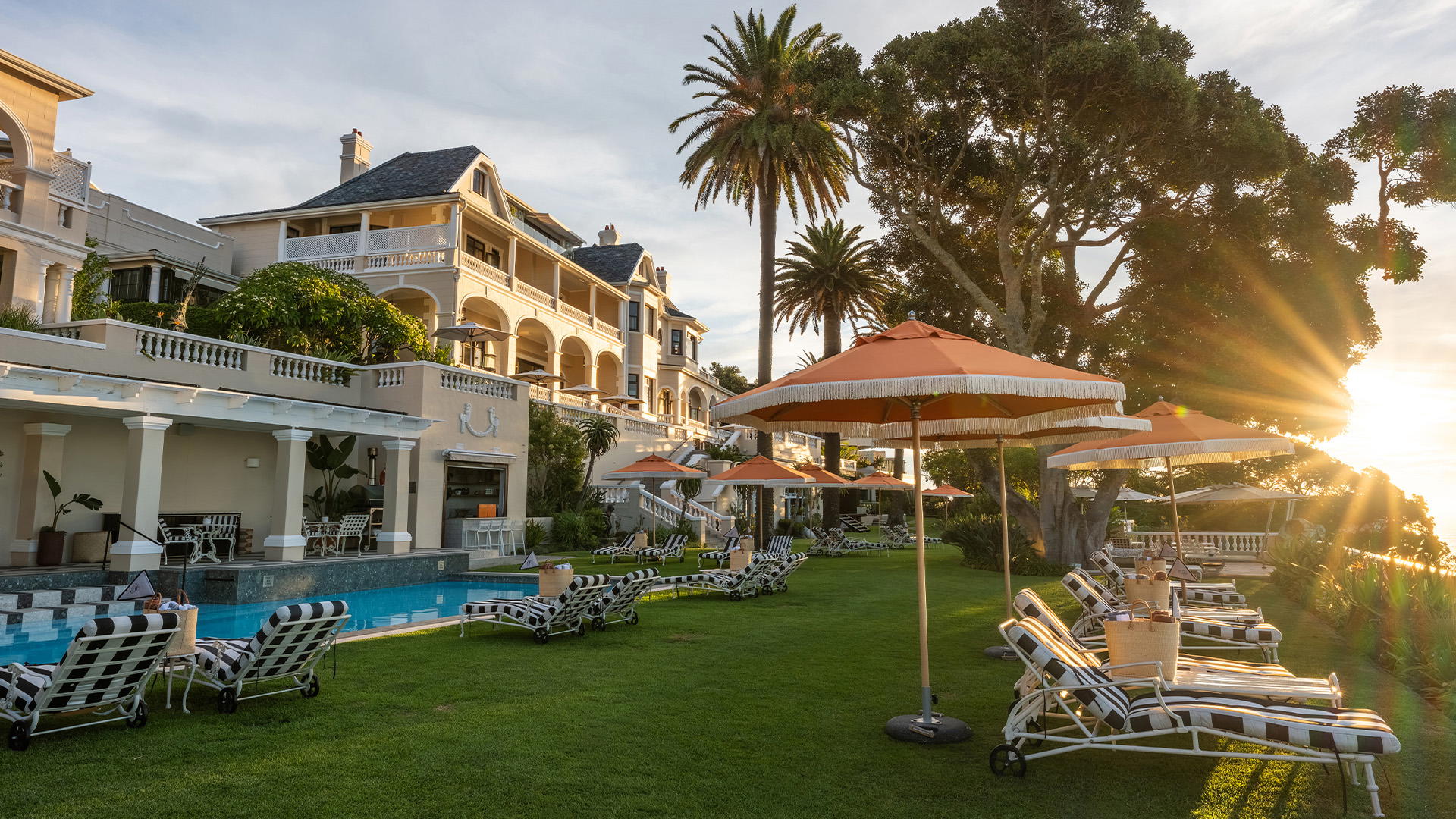
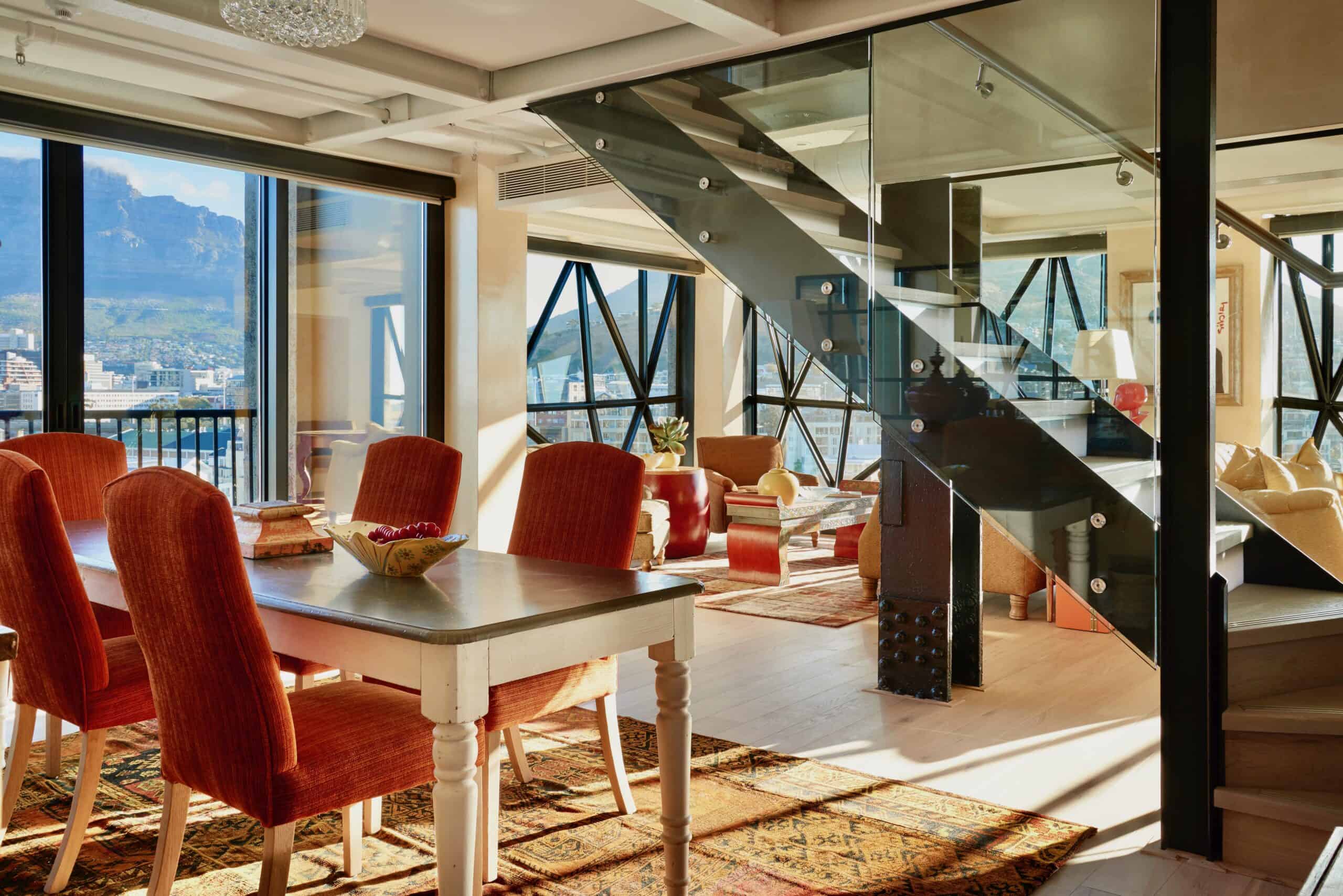
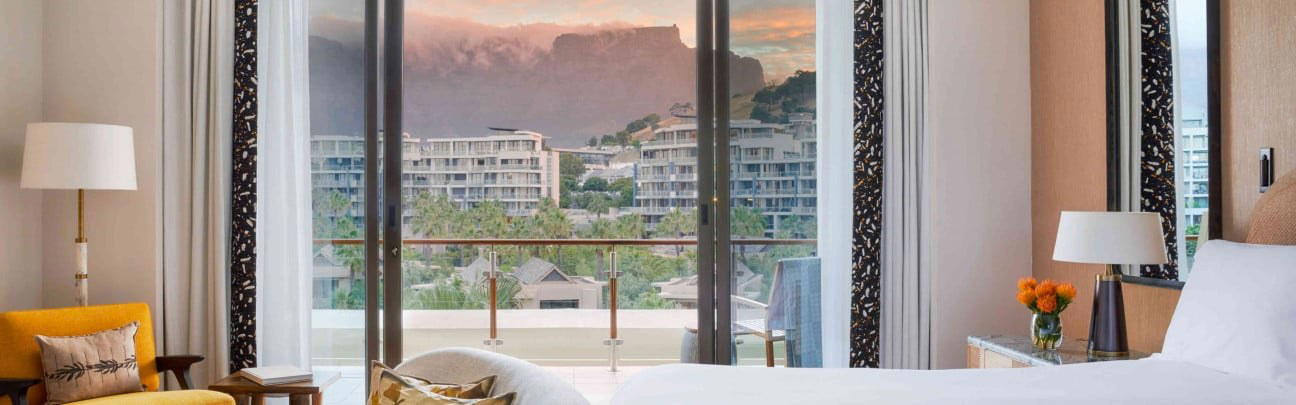
Bars in Cape Town
Browse all →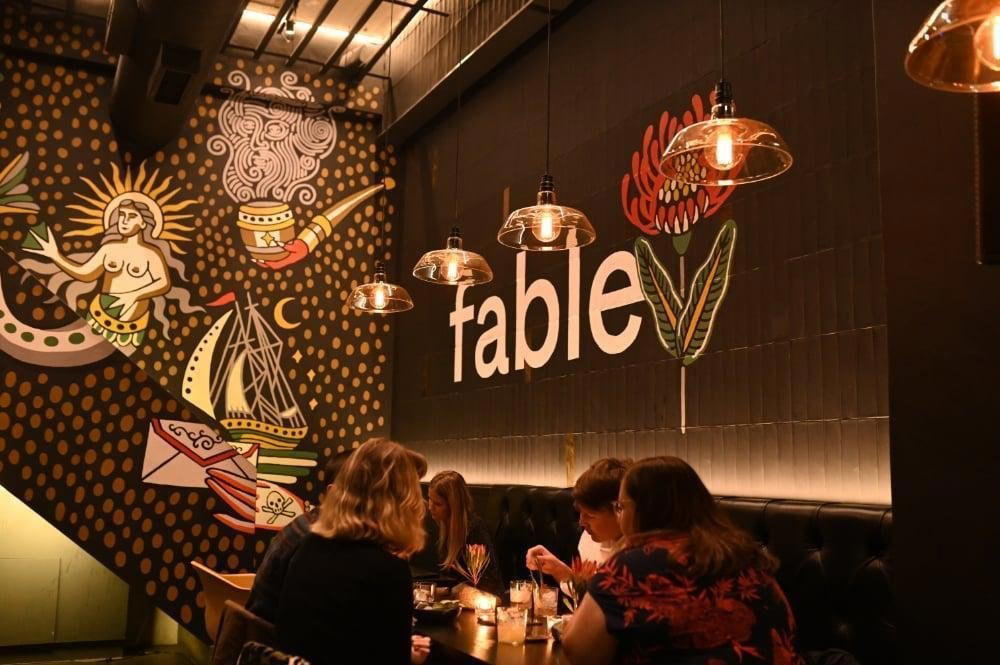

Restaurants in Cape Town
Browse all →

At a Glance
- Scenic
- Modern
- Elegant
- Sophisticated
- Romantic
- Romantic Getaway
- Family Vacation
- Business Trip
- Weekend Escape
- Group Retreat
- Destination Wedding
- Waterfront
- Beachfront
- Infinity Pool
- Terrace
- Panoramic View
- Destination Spa
- Wi Fi
- Pool
- Spa
- Fitness Center
- Room Service
- Concierge
- Business Center
- Valet Parking
- Beach Access
- Meeting Rooms
- Waterfront
- Mountain
- Wi Fi
- Pool
- Spa
- Fitness Center
- Room Service
- Concierge
- Business Center
- Valet Parking
- Beach Access
- Meeting Rooms
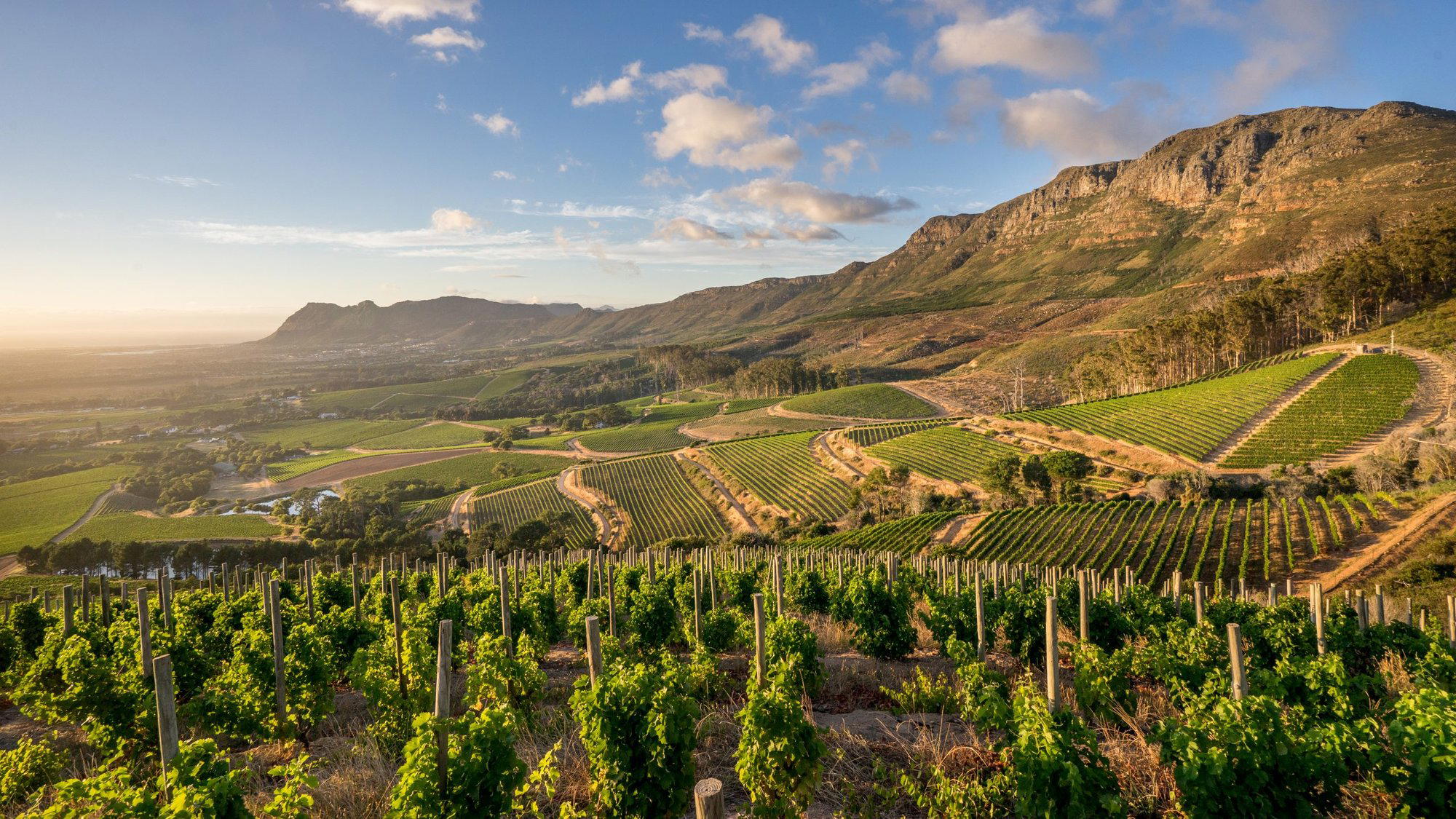
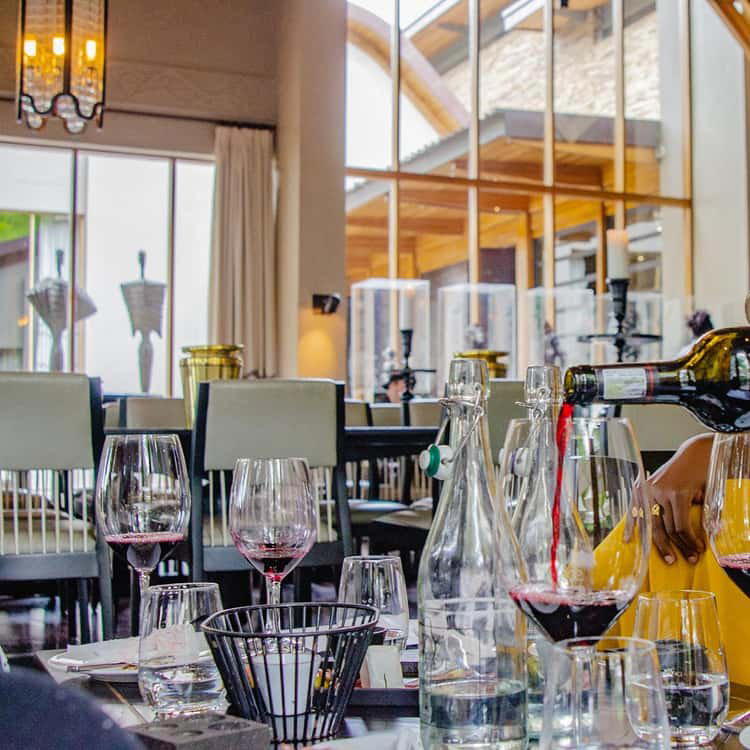
A sleek, contemporary coastal hotel with floor‑to‑ceiling windows, open-plan public spaces, and interiors that blend modern sophistication with African craftsmanship, creating a relaxed yet upscale atmosphere that feels both resort-like and urban.