

Michelin Selected · Mr & Mrs Smith Seal of Approval
A Michelin Selected property occupying a 17th-century haveli compound directly below Mehrangarh Fort, RAAS Jodhpur places guests inside the old city rather than above it. The architecture works with the original sandstone fabric rather than against it, producing a hotel that reads as a precise design intervention on a historic site. It is among the more architecturally considered addresses in Rajasthan's premium tier.

Pearl is the En Primeur Club membership app — saves, bookings, and concierge access live there. Same editors, same standards.
- Address
- Tunwar ji ka Jhalra, Makrana Mohalla, Gulab Sagar Rd, Sagrar, Jodhpur, Rajasthan 342001, India
- Phone
- +91 291 350 5200
- Website
- raashotels.com
- Directions
- Get directions
Stone, Sky, and the Fort Wall
Jodhpur's old city operates on vertical logic. Mehrangarh Fort rises 125 metres above the blue-washed rooftops of Makrana Mohalla, and almost every premium address in the city arranges itself in relation to that mass of honey-coloured sandstone. Most hotels settle for a view of it. RAAS Jodhpur is built into the base of its approach road, which means the fort is not a backdrop here but a near presence, close enough that the scale shift from hotel courtyard to fortress wall reads as genuinely disorienting on arrival.
That physical relationship is the starting point for understanding what RAAS does architecturally. The property occupies a cluster of 17th-century havelis, traditional Rajput merchant houses with internal courtyards, carved jharokha windows, and the kind of thick-walled masonry that keeps interiors cool against the Thar Desert heat. Rather than demolishing or heavily overlaying that fabric, the design approach treats the historic structures as the primary material and inserts contemporary elements as a counterpoint: clean-edged pavilions in the same local Jodhpur sandstone, unornamented pool edges, and modern room volumes that read as additions to something older rather than replacements of it.
The Design Logic of a Heritage Intervention
Within India's premium hotel tier, there are broadly two approaches to historic buildings. The palace-conversion model, represented by addresses like Umaid Bhawan Palace here in Jodhpur or Taj Lake Palace in Udaipur, treats the original structure as the total statement, with hospitality layered onto an intact ceremonial building. The adaptive-reuse model, which RAAS exemplifies, works with a more fragmented site and makes the conversation between old and new the central design argument.
The RAAS Jodhpur project is credited to the Delhi-based firm Equinox Design, and it won the Aga Khan Award for Architecture in 2013, one of the most closely watched prizes in the field of culturally engaged architecture. Among Rajasthan properties, Amanbagh in Ajabgarh and Suryagarh in Jaisalmer both operate at the intersection of heritage architecture and contemporary design thinking, but the Aga Khan recognition for RAAS is a specific, documented distinction within that cohort.
For the 2025 Michelin Selected Hotels list, RAAS Jodhpur appears as one of a small number of Indian properties to receive that designation, which positions it within Michelin's curated tier below star classification but above general recommendation. Across India, Michelin Selected status in the hotels programme tends to cluster around addresses that combine design credibility with location specificity, and RAAS fits that pattern.
Inside the Compound
The haveli compound unfolds across multiple levels, following the natural gradient of the hillside below the fort. Courtyards connect at different heights, and the routing through the property involves short flights of stone steps and covered passages that keep revealing new sightlines toward the fort wall. This is not a property that reads completely on first arrival; the spatial sequence is deliberately incremental.
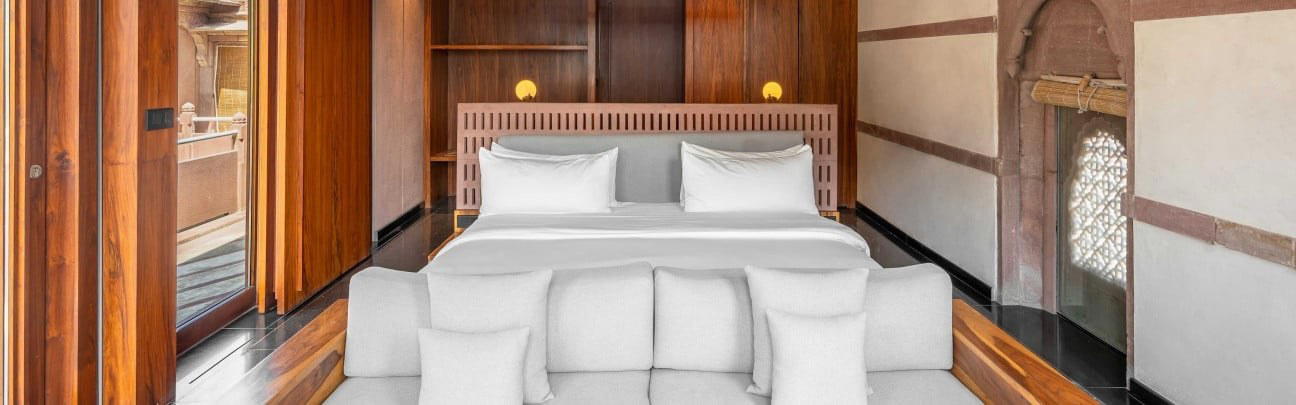
Guest rooms occupy both the restored haveli structures and the newer pavilion blocks. The older rooms sit within the original masonry, with thicker walls, more irregular geometry, and jharokha projections that frame the fort or the rooftop city below. The newer pavilion rooms offer a more standardised contemporary finish but retain the sandstone materiality and the fort orientation. Guests who prioritise architectural texture over spatial regularity tend to request the haveli categories; those who weight contemporary bathroom standards and room consistency more highly find the pavilion rooms more predictable in the better sense.
The rooftop terrace is the property's social anchor point, particularly in the cooler months between October and March when Jodhpur's climate supports extended outdoor time. The fort looms directly above at that elevation, and at night, when Mehrangarh is lit, the scale of it from the terrace is a different experience from any street-level perspective in the city.
Where RAAS Sits in Jodhpur's Accommodation Picture
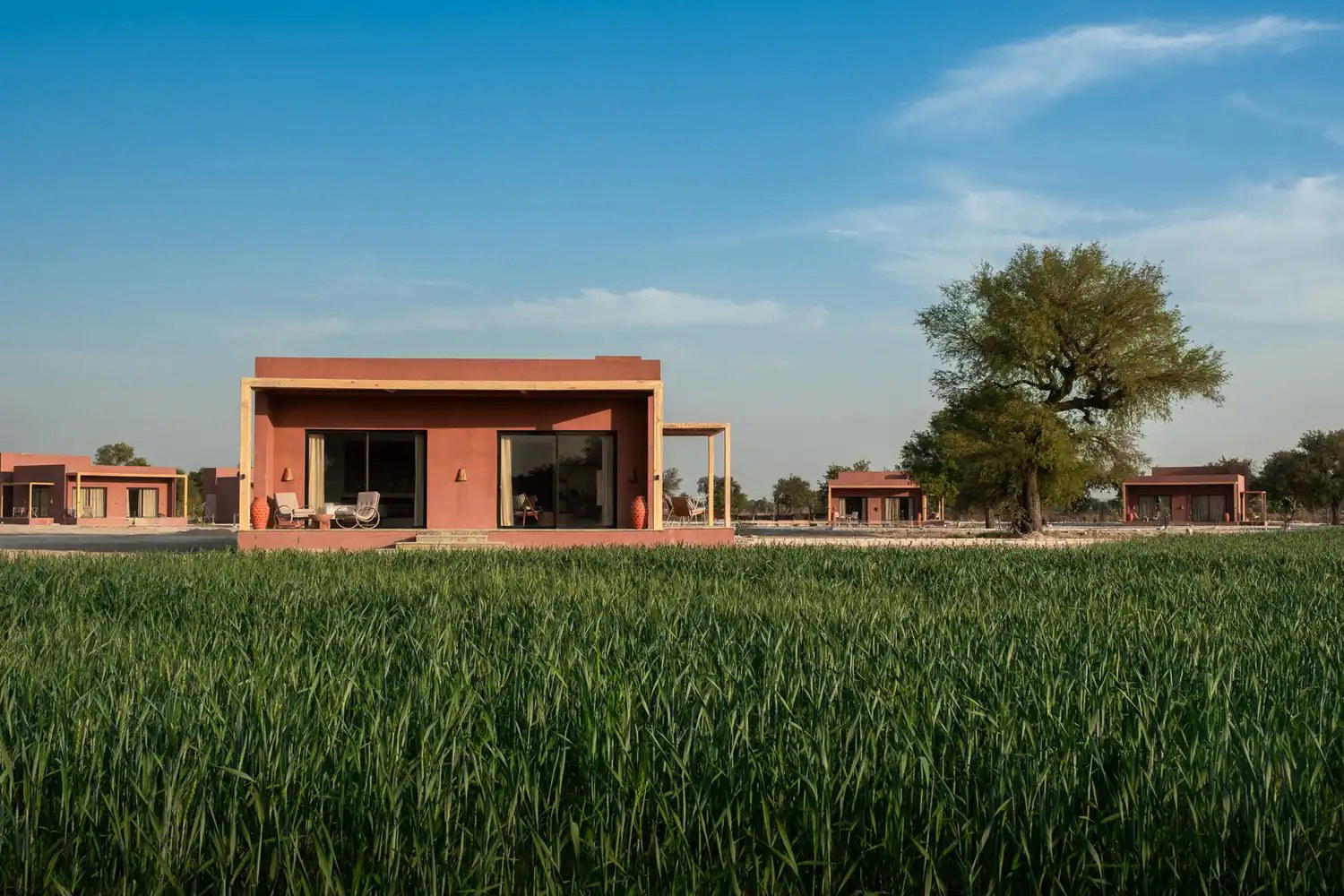
Jodhpur's premium hotel market is smaller and less internally competitive than Jaipur or Udaipur. At the leading sits Umaid Bhawan, a Taj-managed palace with the category advantages of genuine royal scale and brand infrastructure. RAAS operates in a different register: smaller, more architecturally specific, and positioned toward travellers for whom the design argument matters as much as the palace experience. Mharo Khet represents a further step toward boutique rural immersion outside the city, illustrating how the Jodhpur accommodation tier spreads from palace grandeur through urban design hotels to agrarian retreat formats.
For travellers building a Rajasthan circuit, RAAS functions as the Jodhpur anchor in an itinerary that might also include The Leela Palace Jaipur to the east or Suján Jawai in Pali for a wildlife detour into the Jawai leopard territory to the south. The old city location means RAAS guests are already inside the historic fabric rather than commuting to it, which changes the pace of a Jodhpur stay considerably. The bazaars of Sardar Market and the clock tower district are walkable, and the fort entrance is a short climb rather than a drive.
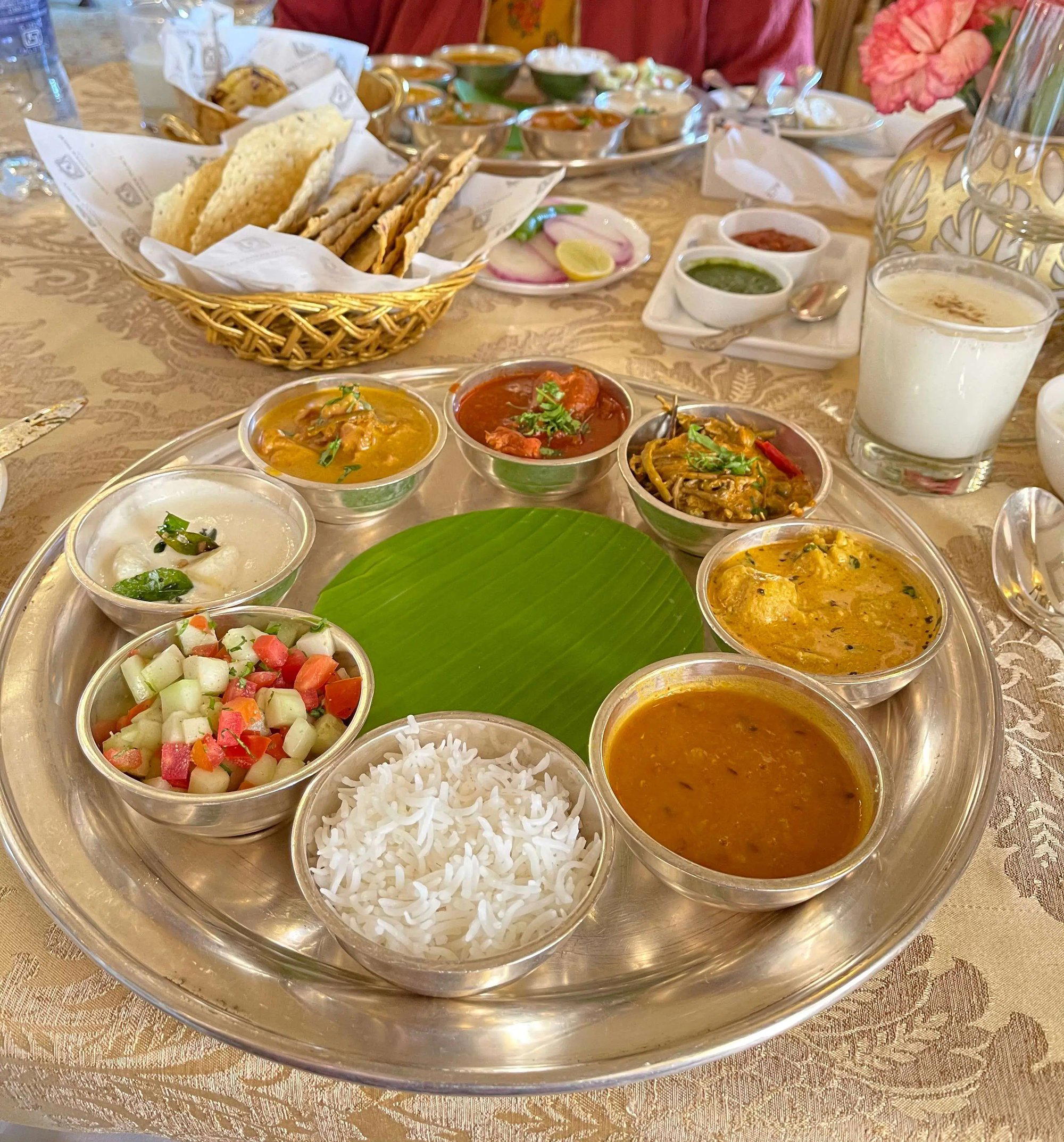
Dining in and around the property gives access to Jodhpur's specific culinary register, which differs from Jaipur's more tourist-facing food scene. For a broader picture of where to eat in the city, the full Jodhpur restaurants guide covers the range from street-level dal baati churma to the hotel dining rooms operating in the upper tier. Among wider Indian comparisons, properties like The Oberoi Amarvilas in Agra and The Taj Mahal Palace, Mumbai operate the monument-proximity model at large institutional scale; RAAS works from a more compressed site with a more deliberate design vocabulary.
Planning a Stay
The optimal window for Jodhpur is October through early March. Summer temperatures in the Thar Desert region regularly exceed 40°C, and while the thick-walled haveli rooms at RAAS manage heat better than modern constructions, the outdoor spaces and the fort itself are significantly more hospitable in cooler months. The Jodhpur Flap, an international equestrian polo tournament held in late February or early March, draws a particular international crowd to the city and compresses availability at RAAS and Umaid Bhawan simultaneously, so early booking is advised around that window.
RAAS Jodhpur sits on Gulab Sagar Road in Makrana Mohalla, the residential quarter that climbs toward the fort base. Jodhpur airport connects to Delhi, Mumbai, and Jaipur with multiple daily services, and the property is approximately 20 to 25 minutes from the terminal by road. For travellers arriving by train, Jodhpur Junction is around 3 kilometres from the old city, manageable by auto-rickshaw or hotel transfer.
Comparable Venues
Comparable venues nearby, for context on price, style, and recognition.
| Venue | Cuisine | Price | Awards | Notes |
|---|---|---|---|---|
| RAAS JodhpurThis venue — the venue you are viewing | Heritage haveli restored with modern additions | Not listed | Michelin Selected · Mr & Mrs Smith Seal of Approval | Not listed |
| Umaid Bhawan Palace | Heritage Art Deco palace hotel | $500–750 | Michelin Selected · Virtuoso Luxury Hotel Partner | Chittar Hill |
| Mharo Khet | luxurious farmstay retreat with cottages inspired by Rajasthani raags | $500–750 | 1 Michelin Key · Travel + Leisure It List Hotels | Manai |
| Taj Santacruz Mumbai | Art Deco-inspired luxury with spacious rooms | Not listed | Michelin Selected | Santacruz East |
| Taj Madikeri Resort and Spa, Coorg | Inspired by traditional Kodagu architecture with contemporary luxury cottages and villas set in rainforest. | $200–300 | Michelin Selected | Monnangeri |
| The Ritz-Carlton, Pune | Well-known luxury urban retreat reflecting classic glamour. | Not listed | 1 Michelin Key | downtown |
Recognition history
Dated appearances from independent guides and award organizations, with the underlying list record or original source where available.
Michelin Selected
Michelin
Mr & Mrs Smith Seal of Approval
Mr & Mrs Smith
Continue exploring
More in Jodhpur
Hotels in Jodhpur
Browse all →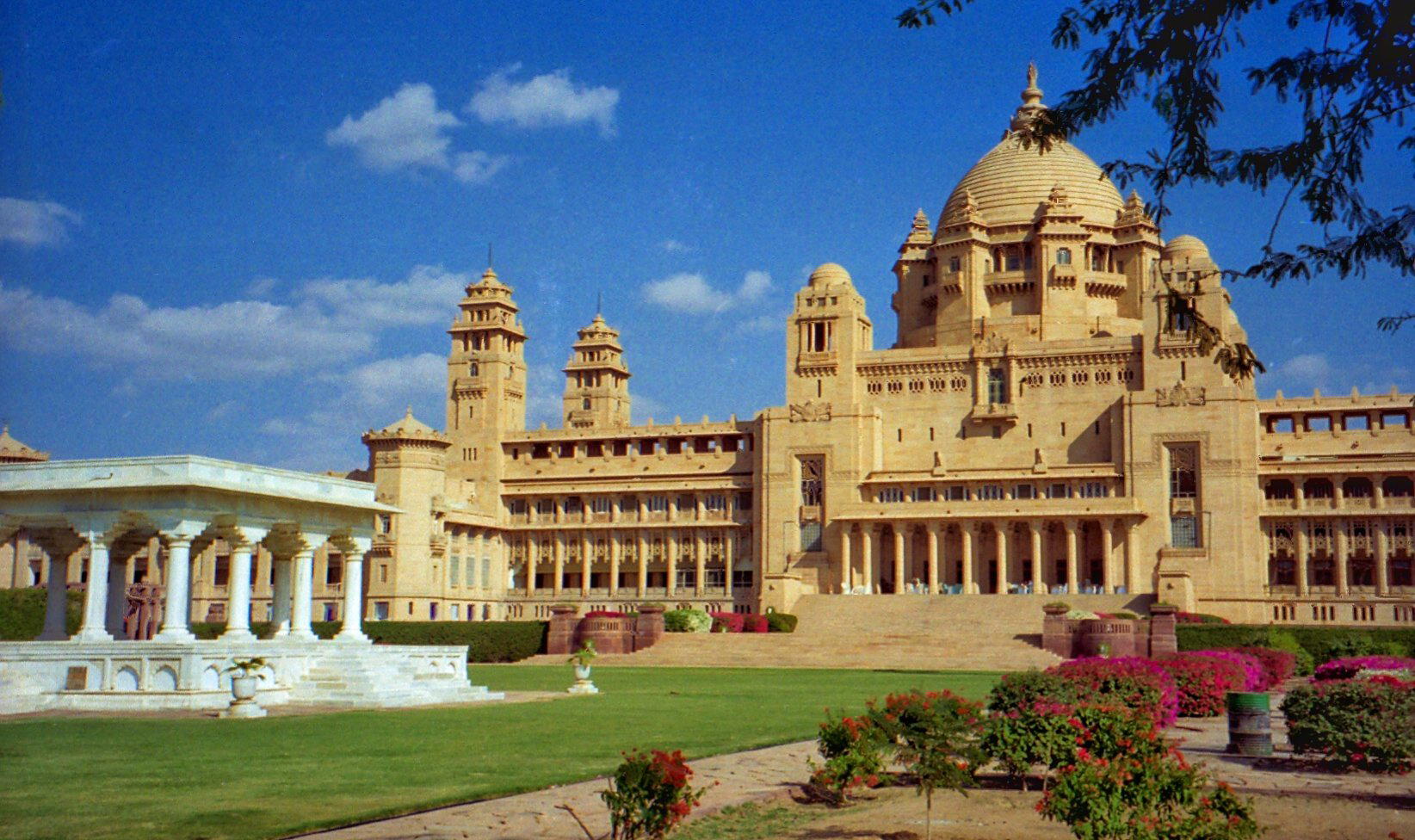
Bars in Jodhpur
Browse all →
Restaurants in Jodhpur
Browse all →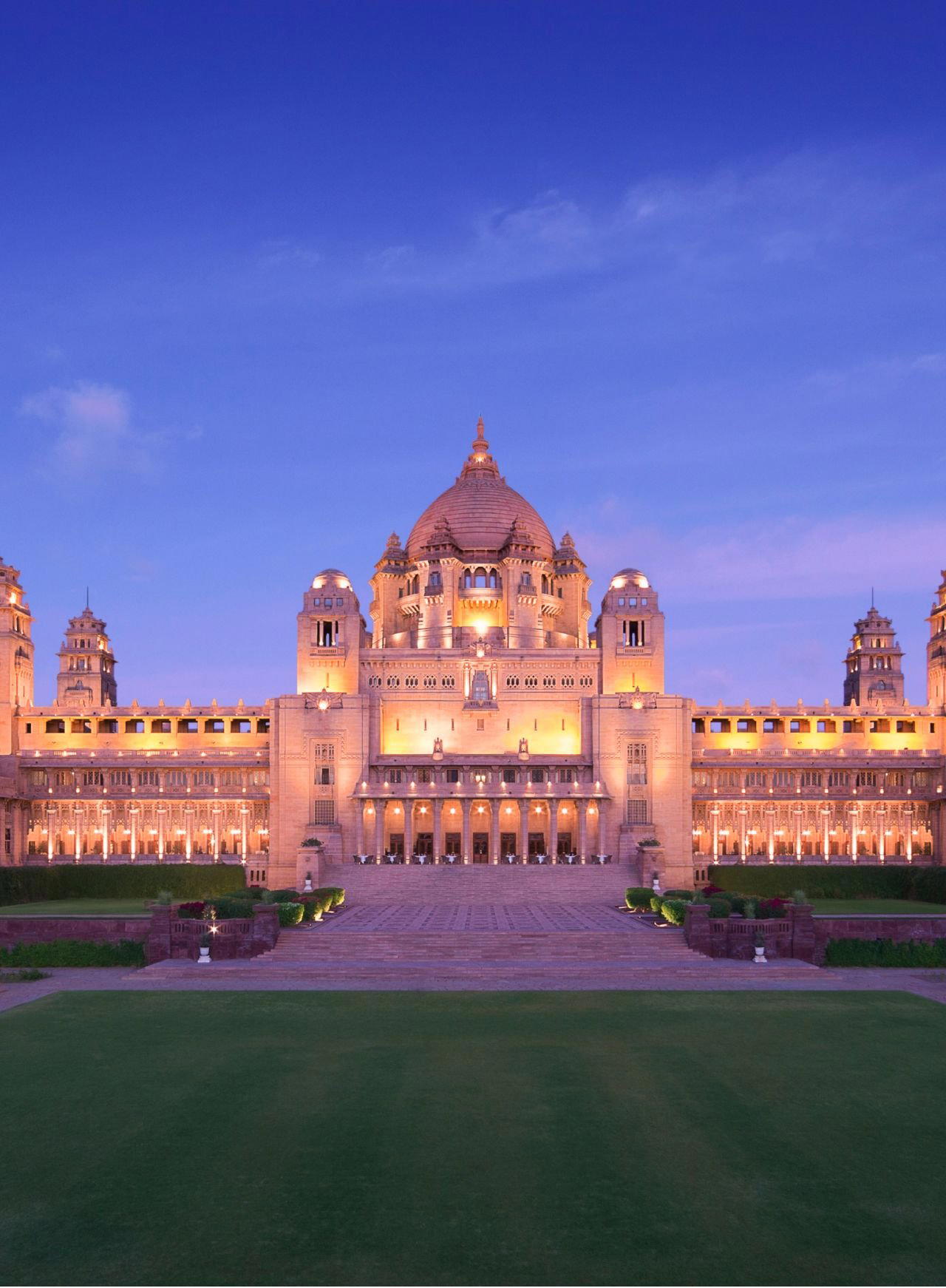
Details
- Quiet
- Elegant
- Sophisticated
- Intimate
- Scenic
- Honeymoon
- Romantic Getaway
- Anniversary
- Panoramic View
- Historic Building
- Pool
- Spa
- Wi Fi
- Mountain
Serene courtyard oasis blending historic Rajput charm with contemporary elegance, peaceful escape offering panoramic fort views.