
PortoBay Teatro occupies a converted theatre building on Rua Sá da Bandeira, placing guests at the commercial and cultural centre of Porto's downtown grid. The property holds a MICHELIN Selected designation for 2025, positioning it among Porto's more carefully vetted mid-to-upper hotel tier. For travellers who want immediate access to the Aliados corridor and Bolhão market without the remove of Vila Nova de Gaia, this address delivers.
Pearl is the En Primeur Club membership app — saves, bookings, and concierge access live there. Same editors, same standards.
- Address
- Rua Sá da Bandeira, 84, Porto, Portugal
- Phone
- +351 22 0409620
- Website
- portobay.com
- Directions
- Get directions
 Saves & bookings on Pearl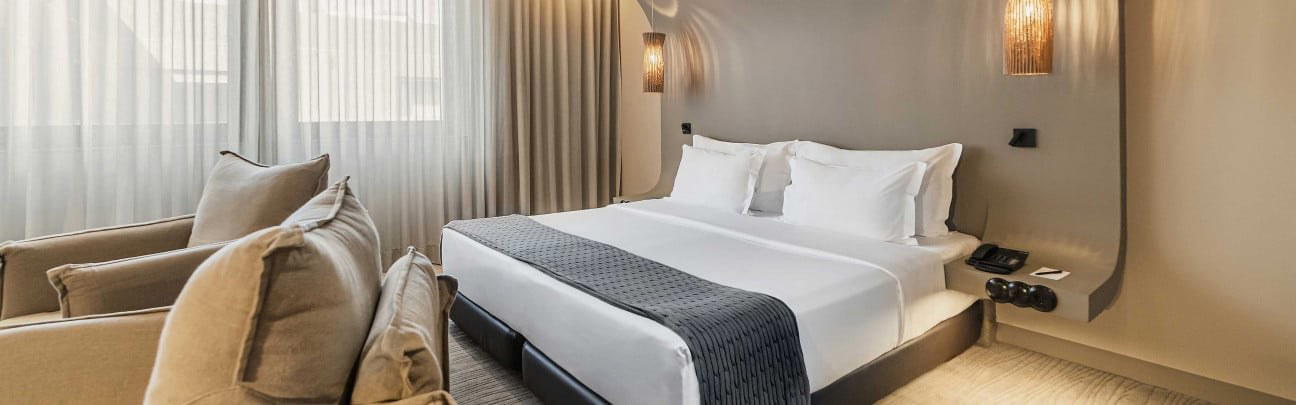
A Theatre Address in Porto's Downtown Core
Porto's hotel market has split along a familiar axis: large international properties anchored near the riverside and Aliados, and smaller design-led conversions working with the city's architectural inheritance. Rua Sá da Bandeira sits inside that second category, a commercial street that connects the Bolhão market quarter to the broader Baixa grid. PortoBay Teatro occupies a converted theatre building on this street, which places it at a specific intersection of the city's working downtown rather than its postcard waterfront.
What the Michelin Selection Signals
The MICHELIN Selected designation for 2025 places PortoBay Teatro inside a curated tier of Porto accommodation. In Porto's current hotel pool, that distinction separates it from volume-led properties and aligns it closer to peers such as InterContinental Porto Palácio das Cardosas, GA Palace Hotel & SPA, Altis Porto Hotel, and Hospes Infante Sagres Porto, all of which operate in the city's considered-choice segment. The selection also carries an implicit point: the building's theatrical origin is not decoration but a substantive part of the property's character, and that character passed editorial scrutiny.
The Regulars' Calculus
Hotels with repeat clientele in city-centre positions tend to earn that loyalty through operational consistency and location rather than novelty. For PortoBay Teatro, the returning guest profile follows a pattern recognisable across Porto's better downtown addresses: business travellers who want a walkable radius to the financial and commercial districts, and leisure travellers who prefer to walk out of the door onto a functioning city street rather than a tourist promenade. The Aliados boulevard, Porto's formal civic axis, is within direct walking range. So is the São Bento railway station, which makes day trips to the Douro Valley or north to Braga direct without car dependency.
Public spaces in such buildings carry volume and proportion that standard-footprint hotels cannot replicate. Corridors, lobbies, and transitional spaces in converted theatres often retain a sense of ceremony that guests absorb without necessarily naming it. That quality is durable in a way that design interventions applied to neutral boxes are not.
Seasonal Timing and When to Book
Porto draws peak visitor numbers from late spring through early autumn, with June, July, and August concentrating demand across the city's better-positioned properties. The São João festival in late June is Porto's most attended annual event and compresses accommodation availability significantly across the downtown grid. Travellers with flexibility who target shoulder periods, April to May or September to October, find the city more navigable and the nightly rate environment less pressured. Winter in Porto, from November through February, brings lower visitor volumes but also the city's characteristic Atlantic rain; for guests whose programme is museum, market, and restaurant-heavy rather than terrace-dependent, the off-season offers a different and more honest read of the city. The hotel's Baixa location remains functional in all weather in a way that properties requiring transport to reach dining or cultural anchors do not.
Porto's Broader Hotel Context
The city's accommodation market has matured considerably since the tourism surge of the mid-2010s. Converted palacetes and azulejo-faced townhouses now compete with purpose-built boutique properties and international chain entries. Among the city's design-led conversions, Casa da Companhia, Casa do Conto, and Canto de Luz occupy a smaller, more character-specific tier. Exmo Hotel by Olivia represents a newer entry with a design-forward brief. What distinguishes the hotel within this competitive set is the theatrical building type itself: theatre conversions are numerically rare in European city-centre hotel stock, and the specific scale and proportion they bring is structurally different from palacete or warehouse adaptations.
Travellers extending their Portugal itinerary beyond Porto will find related quality benchmarks in other regions. In the Douro Valley, Ventozelo Hotel & Quinta in Ervedosa do Douro and Vidago Palace in Norte anchor the northern interior. To the north, The Lince Braga provides a city-centre reference point in Braga. Westward on the Minho, Carmo's Boutique Hotel in Ponte de Lima covers the historic market town option. Further south, Hotel Casa Palmela in Setúbal, Sheraton Cascais Resort in Cascais, and MS Collection Aveiro – Palacete Valdemouro extend the coastal and estuary options. Lisbon's design-heritage tier is represented by Hotel Britânia Art Deco. For Alentejo and the south, The Lince Ecorkhotel Évora and Palácio de Tavira anchor their respective territories. The Azores offer Aqua Pópulo – Eco Village in Ponta Delgada and Octant Furnas in Furnas for thermal and volcanic landscape contexts.
Planning Your Stay
The hotel is located at Rua Sá da Bandeira, 84, in central Porto. InterContinental Porto Palácio das Cardosas and GA Palace Hotel & SPA.
Comparable Spots
Comparable venues nearby, for context on price, style, and recognition.
| Venue | Cuisine | Price | Notes |
|---|---|---|---|
| PortoBay TeatroThis venue — the venue you are viewing | Theatrical-themed boutique hotel in historic center | $$$ | Not listed |
| Vincci Bonjardim | Modern design hotel inspired by Porto's Bolhão Market with traditional Portuguese elements. | $$$ | Santo Ildefonso |
| Vincci Porto | Modern architecture in historic fish market building | $$$ | Massarelos |
| Casa do Conto | Renovated 19th-century bourgeois townhouse blending heritage architecture with contemporary arts residence concept. | $$$ | Cedofeita |
| Pousada do Porto - Rua das Flores | Historic boutique hotel in restored 18th-century building | $$$ | Sé |
| M Maison Particulière Porto | Owner-managed luxury boutique hotel blending historical authenticity with contemporary comfort in a UNESCO-listed heritage district. | $$$$ | Vitória |
Recognition history
Dated appearances from independent guides and award organizations, with the underlying list record or original source where available.
Mr & Mrs Smith Smith Seal of Approval
Mr & Mrs Smith
Michelin Selected
Michelin
Continue exploring
More in Porto
Hotels in Porto
Browse all →
Bars in Porto
Browse all →
Restaurants in Porto
Browse all →
At a Glance
- Elegant
- Modern
- Sophisticated
- Intimate
- Romantic Getaway
- Weekend Escape
- Historic Building
- Terrace
- Wi Fi
- Restaurant
- Bar
- Room Service
- Concierge
- Business Center
- Street Scene
- Wi Fi
- Restaurant
- Bar
- Room Service
- Concierge
- Business Center
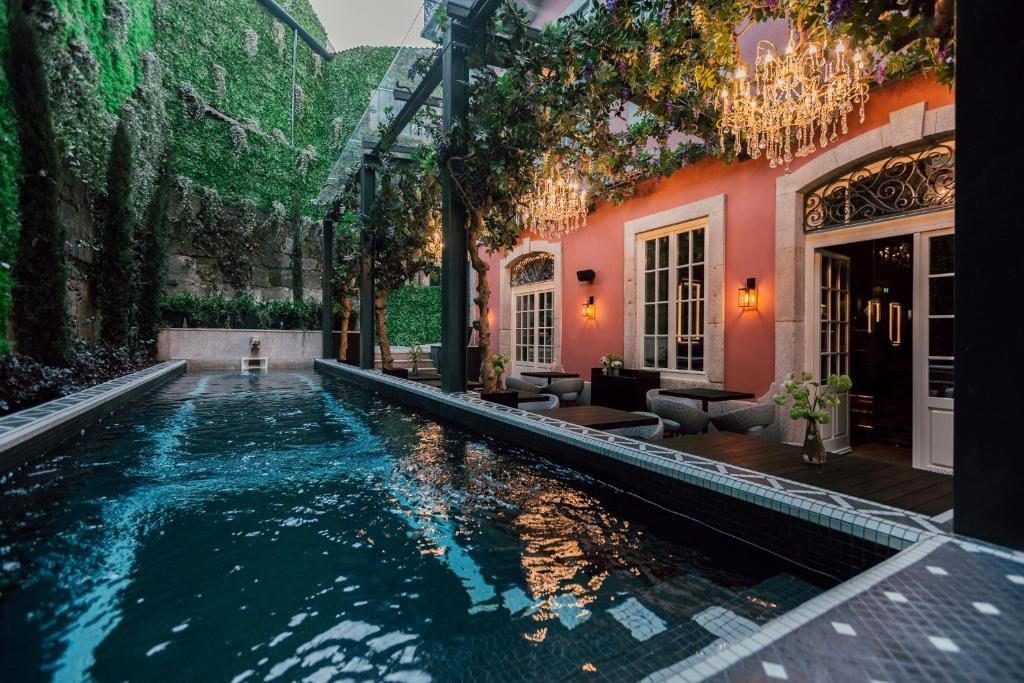
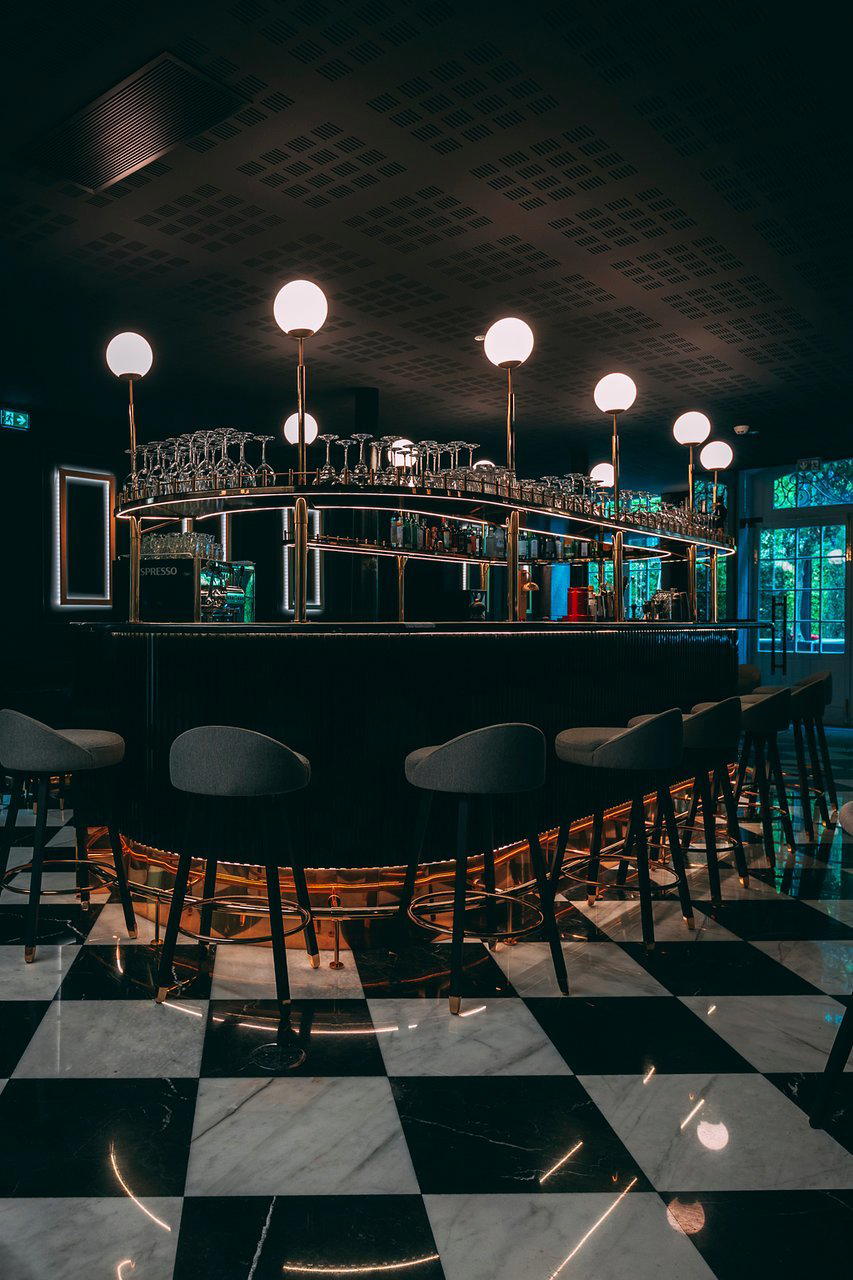
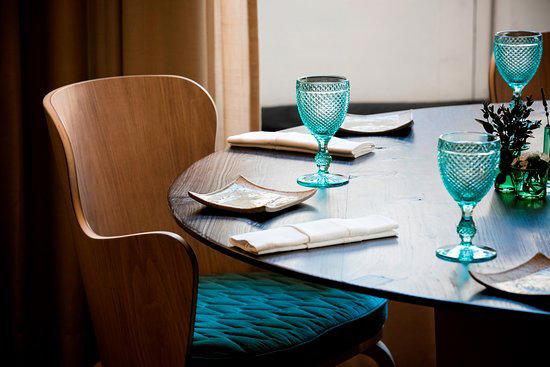
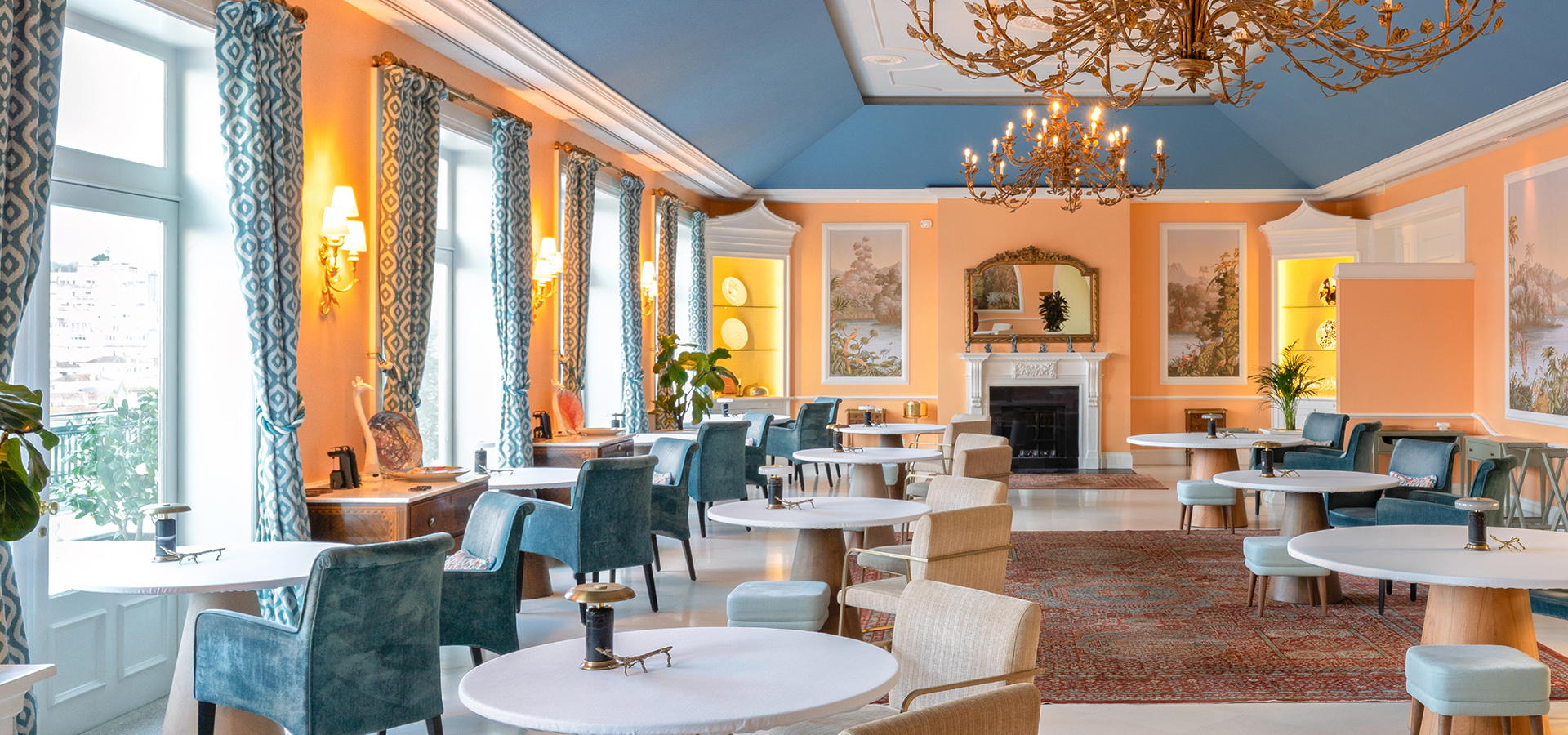
Modern and light-filled with soft statement lighting, neutral palettes, and a calm, peaceful atmosphere despite the central location.