Park Hyatt Johannesburg


A 1930s Melrose Estate residence transformed into a 31-room boutique hotel, Park Hyatt Johannesburg pairs high ceilings, marble tubs, and locally sourced textiles with a serious open-fire restaurant and a spa grounded in native-ingredient therapies. At around $512 per night, it occupies a quieter, more residential register than Sandton's tower hotels, with Rosebank's walkable streets and gallery strip on the doorstep.
Pearl is the En Primeur Club membership app — saves, bookings, and concierge access live there. Same editors, same standards.
- Address
- 6 Tottenham Ave, Melrose Estate, Johannesburg, 2196
- Phone
- +27 10 022 5786
- Website
- hyatt.com
- Directions
- Get directions
 Saves & bookings on Pearl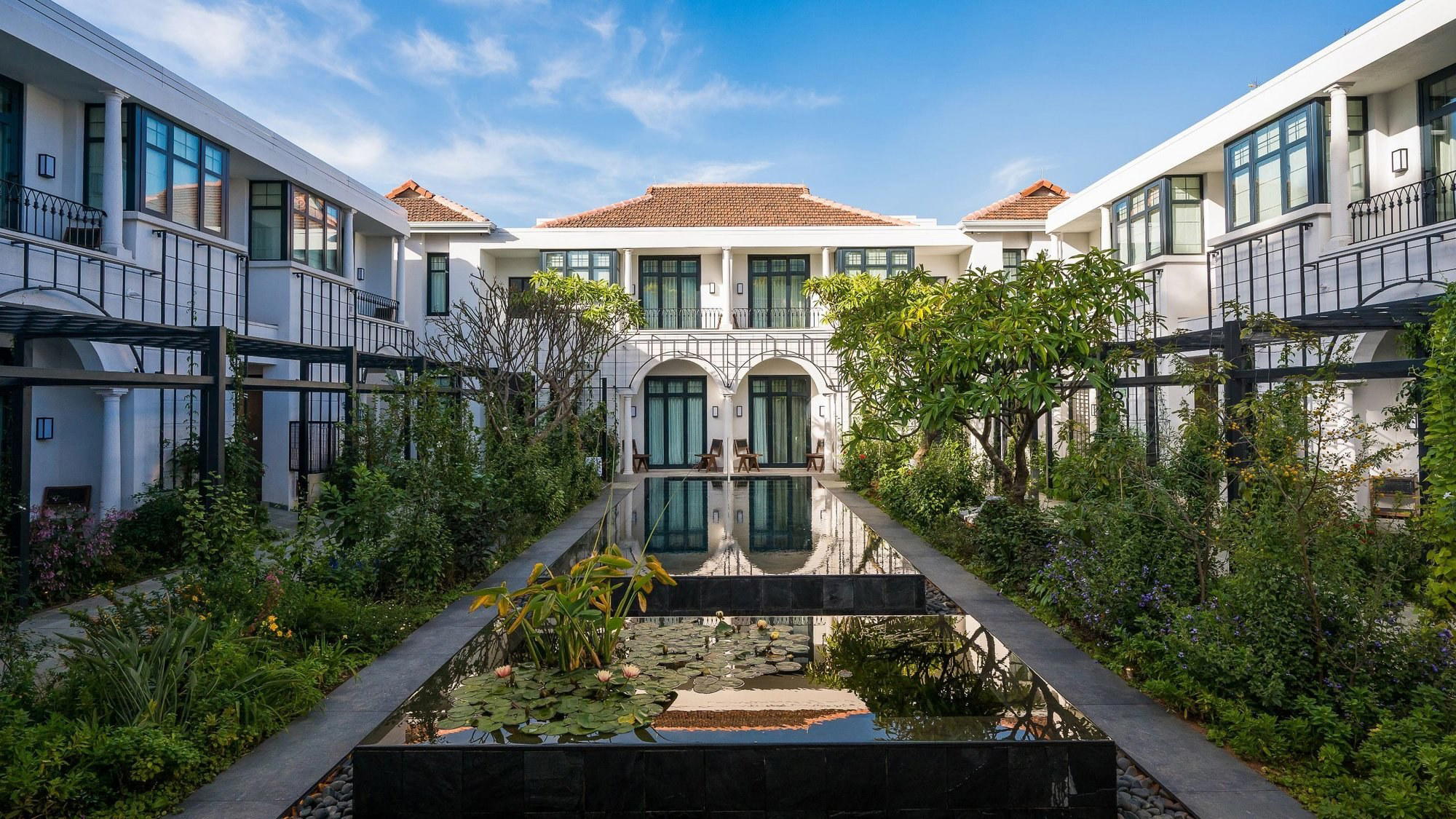
A Residential Quarter That Sets the Tone
Johannesburg's Park Hyatt is a 5-star hotel in Melrose Estate with 31 rooms, set in a former 1930s residence on Tottenham Avenue. Tree-lined streets, a manageable gallery and retail strip, and proximity to the Zoo Lake precinct give it a residential calm that the Sandton corridor cannot replicate. Within this context, the conversion of a 1930s manor house into a 31-room hotel is less a novelty act and more a natural extension of what the neighbourhood already offers: considered scale, architectural character, and a pace that doesn't default to the transactional.
Park Hyatt Johannesburg occupies a former residence on Tottenham Avenue in Melrose Estate, and the building's original proportions are central to what the property delivers. High ceilings and generous room footprints are not retrofitted features, they were built into the structure decades before hospitality was ever a consideration. That inheritance gives the rooms a quality that new-build hotels in this price bracket struggle to manufacture.
The Wellness Logic Here
On one side sit the safari and bush lodge properties, Singita in the Kruger National Park, Makanyane Safari Lodge in Thabazimbi, Abelana River Lodge in Phalaborwa, where wellness is framed around nature immersion and early-morning game drives. On the other sit the urban properties, where spa programming, sleep quality, and food offer must compensate for the absence of landscape spectacle.
Park Hyatt Johannesburg sits firmly in the second category, and it is designed accordingly. The spa anchors its treatment menu in native ingredients, a decision that carries both cultural weight and practical credibility: South African botanicals, rooibos, marula, indigenous fynbos extracts, have documented applications in skincare and relaxation therapies, and grounding a treatment list in locally sourced material differentiates the offering from the generic international spa template found in most business-class hotels. The heated courtyard pool and a well-equipped gym complete a wellness infrastructure that functions as a genuine recovery environment, not an amenity checklist.
For the guest arriving from London, New York, or elsewhere after a long-haul flight, the combination of a deep marble tub, high ceilings that prevent the room from feeling compressed, and access to a spa operating outside the mass-market formula is a coherent proposition. Compare this to the approach at Saxon Hotel, Villas and Spa or Fairlawns Boutique Hotel and Spa, both of which position around similar wellness credentials but operate in more secluded garden settings. Park Hyatt Johannesburg offers the same retreat mindset from a more urban, walkable base, a different trade-off, but a deliberate one.
Room 32 and the Open-Fire Dining Tradition
The leading urban dining rooms that work within this tradition are not re-staging it for tourists; they are operating inside it with access to serious South African wine lists that allow the food to be matched properly.
At Park Hyatt Johannesburg, Room 32 is the in-house restaurant where chefs work the open fire and the wine list features South African producers. This is the correct format for a property that has staked its identity on local materials and authentic regional character. An extensive South African wine program at this level gives guests direct access to a wine-producing culture that remains underexposed internationally, particularly relative to what Stellenbosch and the wider Western Cape are now producing. For those planning travel that connects Johannesburg with the wine country, Clouds Estate in Stellenbosch or Bosjes Manor House in Witzenberg are worth considering as extensions, Room 32's wine program serves as a useful introduction to what the Cape produces.
The restaurant sits within the property's broader commitment to local materials. It is not a standalone signature that operates independently of the hotel's identity; it is integrated into the same logic that drives the spa treatment menu and the textile choices in the rooms.
Where It Sits in Johannesburg's Premium Tier
Four Seasons Hotel The Westcliff and African Pride Melrose Arch, Autograph Collection represent larger-footprint, more conventional luxury operations. Ten Bompas and AtholPlace Hotel and Villa compete more directly with the hotel on scale and boutique register. SEVEN VILLA HOTEL AND SPA and Steyn City Hotel occupy different geographic and experiential niches.
At 31 rooms and $500 per night, the hotel prices at the upper end of the boutique category. The rate buys a combination of architectural heritage, wellness infrastructure, and food programming that is local in character. The Hyatt Regency Johannesburg in Sandton operates under the same parent brand but in a different register: larger, more business-hotel in orientation, and without the residential conversion that defines Melrose Estate's Park Hyatt.
For comparison across South Africa's premium hospitality at the city-hotel end, Mount Nelson, A Belmond Hotel in Cape Town occupies a structurally similar position, a historic property, city location, spa programming, garden setting, at a comparable price point. The two properties serve different cities and different itinerary logics, but the guest profile overlaps considerably. The Hyatt Regency Cape Town offers an alternative for those who want the Hyatt footprint in Cape Town proper.
Planning a Stay
Rosebank is one of Johannesburg's more accessible premium neighbourhoods for guests without a fixed car arrangement. The Gautrain Rosebank station connects directly to O.R. Tambo International Airport, a journey of under 30 minutes, and to Sandton, making the location genuinely practical for business travelers who need both airport proximity and CBD access without depending on a driver. The property address on Tottenham Avenue in Melrose Estate sits within walking distance of the Rosebank Mall, The Zone, and the weekend Rosebank Rooftop Market, which runs on Sundays and is one of the city's better informal food markets.
For those building a longer South African itinerary, the property functions well as an entry or exit point before extending into bush territory, andBeyond Kirkman's Kamp in Skukuza and African Flair Boutique Safari Lodge in Limpopo are both within range of a domestic connection from O.R. Tambo, or before moving south to the Cape. Guests exploring Cape Town's boutique hotel scene might also consider Clico Boutique Hotel or Akademie Street Boutique Hotel in Franschhoek for the wine country leg. For those comparing the Park Hyatt format against other small-luxury properties internationally, ! Xaus Lodge in the Kalahari offers a completely different register but a similarly considered approach to place and materiality. Outside South Africa, the small-luxury boutique format finds analogues at Aman Venice and The Fifth Avenue Hotel in New York, both historic-conversion properties that price against peer performance rather than category averages.
Credentials Lens
Comparable venues nearby, for context on price, style, and recognition.
| Venue | Cuisine | Price | Awards | Notes |
|---|---|---|---|---|
| Park Hyatt JohannesburgThis venue — the venue you are viewing | Colonial heritage mansion reimagined as a contemporary luxury boutique hotel with curated art and tailored experiences. | $$$$ | Michelin 1 Key | Not listed |
| Four Seasons Hotel The Westcliff, Johannesburg | Chic hillside village with nine sun-splashed villas, courtyards, fountains, and gardens. | $$$$ | Michelin 1 Key | Westcliff |
| VIVARI HOTEL AND SPA | Contemporary eco-luxury retreat harmonizing nature and sophistication | $$$$ | 5-Star | Featherbrook |
| The Peech Hotel | Contemporary boutique in former family home with Art Deco elements | $$$$ | 4-Star | Birnam |
| The Houghton Hotel Spa, Wellness and Golf | Contemporary luxury urban resort with striking glass and wooden beam architecture. | $$$$ | 5-Star | Houghton Estate |
| SEVEN VILLA HOTEL AND SPA | Luxury boutique urban retreat with contemporary design and personalized service. | $$$$ | 5-Star | Sandown |
Recognition history
Dated appearances from independent guides and award organizations, with the underlying list record or original source where available.
TIME 2026 TIME World's Greatest Places
TIME
Michelin 1 Key
Michelin
Continue exploring
More in Johannesburg
Hotels in Johannesburg
Browse all →
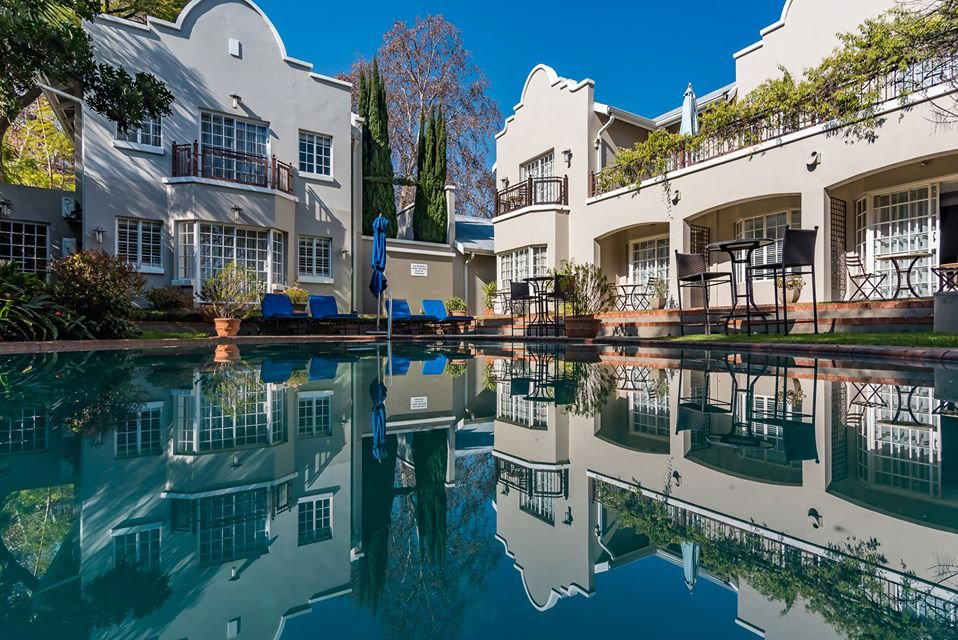
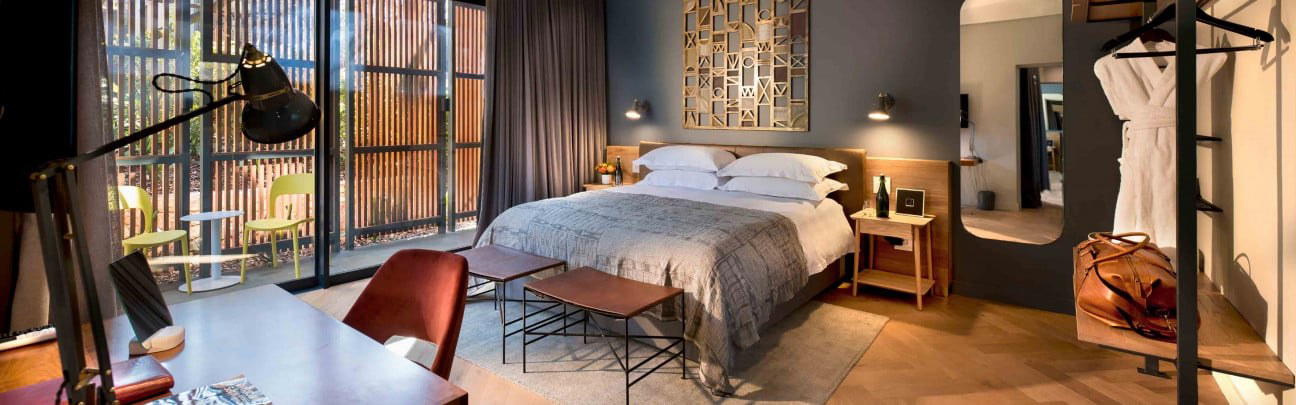
Bars in Johannesburg
Browse all →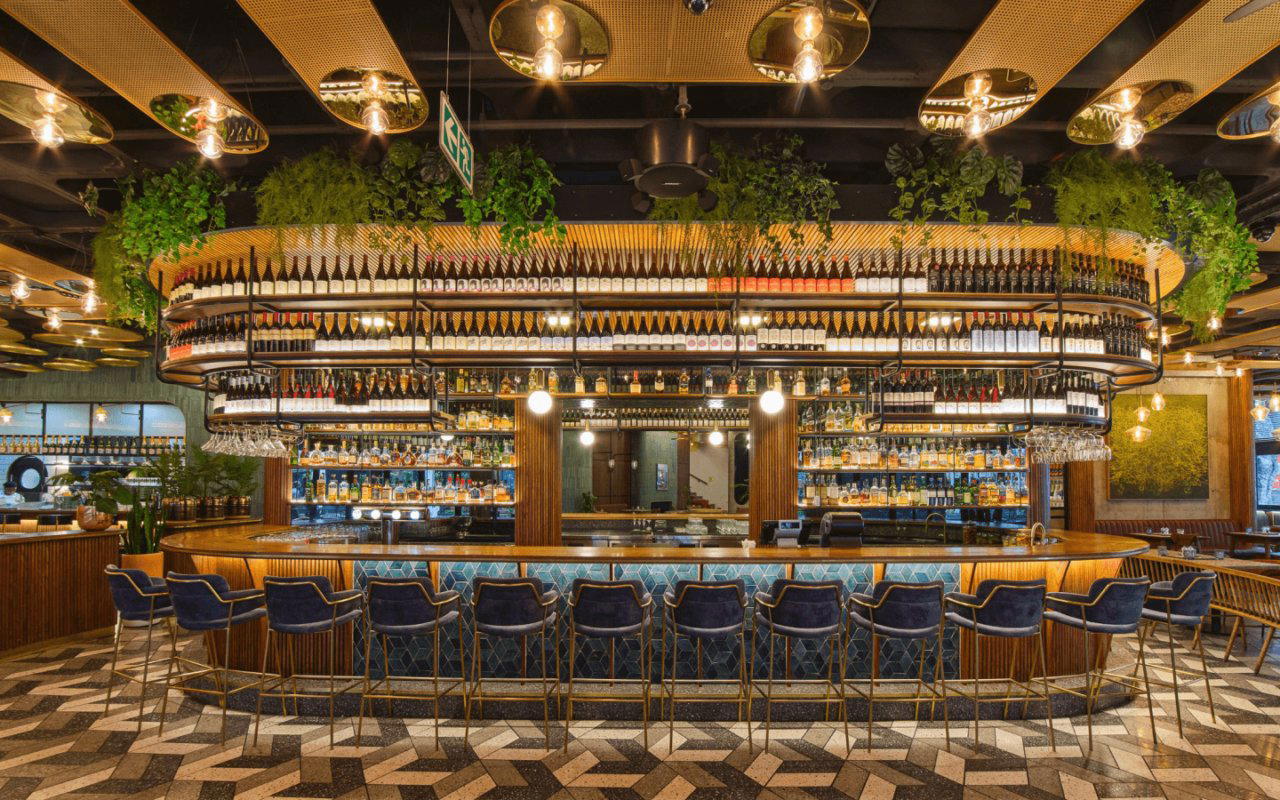
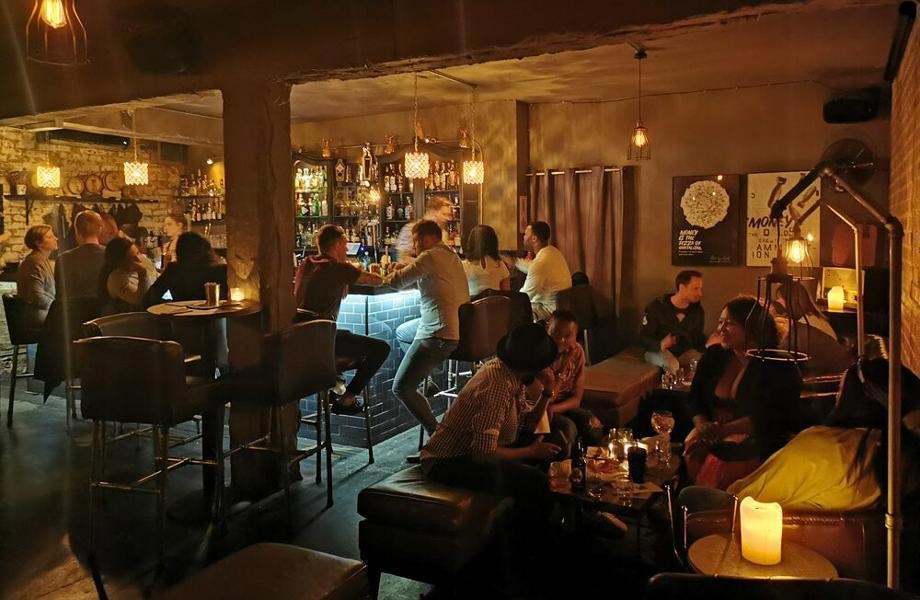
Restaurants in Johannesburg
Browse all →
Wineries in Johannesburg
Browse all →
At a Glance
- Elegant
- Sophisticated
- Intimate
- Quiet
- Classic
- Romantic Getaway
- Business Trip
- Weekend Escape
- Anniversary
- Historic Building
- Garden
- Terrace
- Destination Spa
- Private Dining
- Design Destination
- Wi Fi
- Pool
- Spa
- Fitness Center
- Room Service
- Concierge
- Valet Parking
- Restaurant
- Garden
- Wi Fi
- Pool
- Spa
- Fitness Center
- Room Service
- Concierge
- Valet Parking
- Restaurant
Refined and peaceful with soft lighting, marble accents, nature-inspired decor, and an atmosphere of quiet elegance rooted in architectural heritage and cultural depth.