Parc national du Mont-Saint-Bruno
Parc national du Mont-Saint-Bruno occupies a forested drumlin rising above the flat agricultural plain southeast of Montreal, offering a compact but layered landscape of glacial lakes, orchards, and mixed hardwood trails within the provincial park network. The terrain shifts character by season, from spring mud and apple blossom to deep-winter cross-country skiing on groomed circuits. For visitors based in the city, it functions as the closest genuine wilderness threshold in the greater Montreal orbit.
Pearl is the En Primeur Club membership app — saves, bookings, and concierge access live there. Same editors, same standards.
- Address
- 330 Rang des Vingt-Cing E, Saint-Bruno-de-Montarville, QC J3V 4P6, Canada
- Phone
- +1 450 653 7544
- Website
- sepaq.com
- Directions
- Get directions
 Saves & bookings on Pearl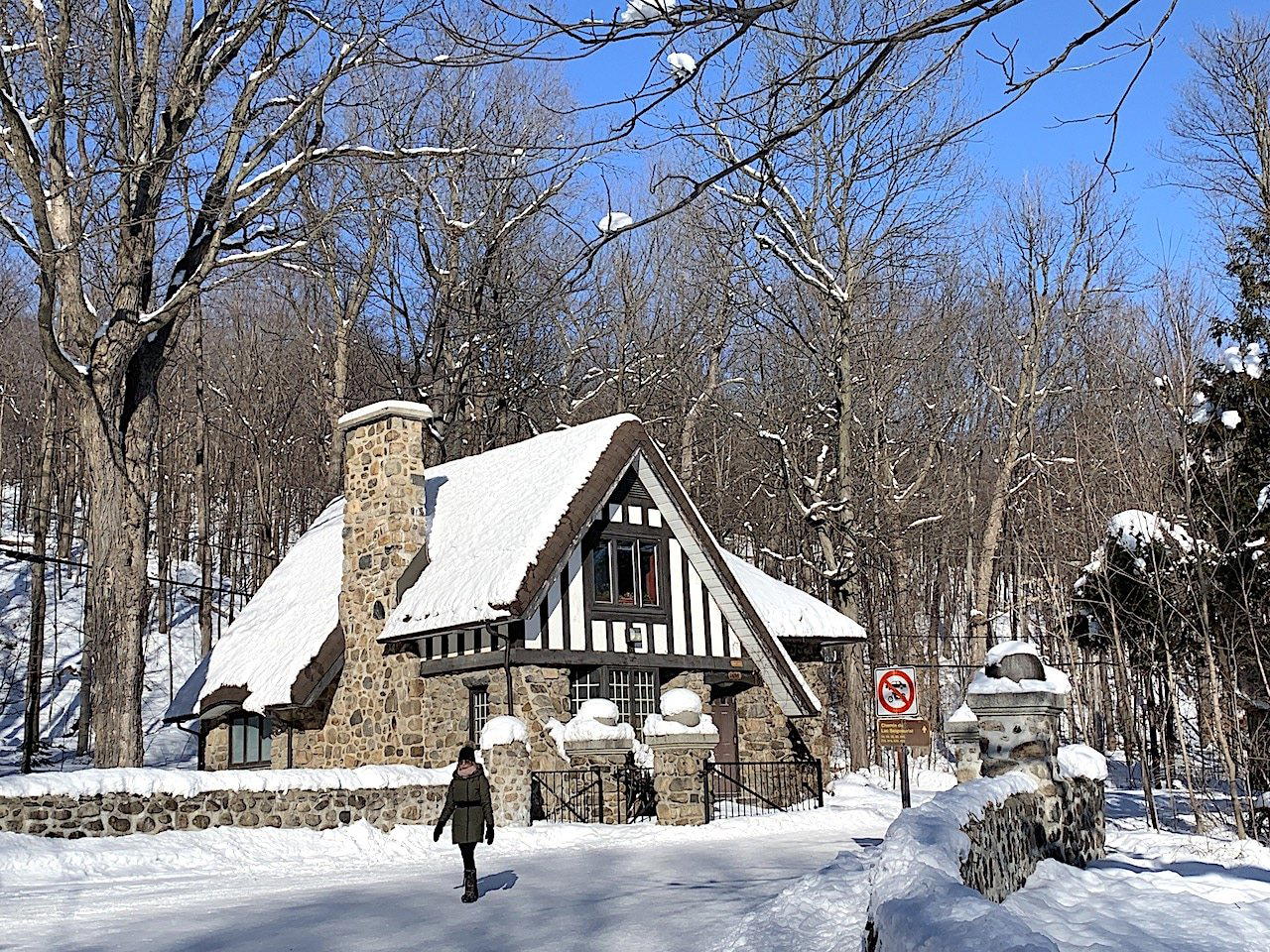
A Drumlin in the Lowlands: The Physical Logic of Mont-Saint-Bruno
Most of the land between Montreal and the St. Lawrence lowlands runs flat, shaped by post-glacial lake beds and centuries of agriculture. Mont-Saint-Bruno is the exception that registers immediately on approach: a rounded glacial drumlin rising roughly 200 metres above the surrounding plain, its forested crown visible from the highway before you reach the park gates at 330 Rang des Vingt-Cinq E in Saint-Bruno-de-Montarville. The abruptness of the hill is the first architectural fact of the place. There is no gradual transition from suburb to wilderness. The boundary is structural, carved by glaciation and maintained by the provincial park designation under Sépaq, Quebec's parks authority.
Within Quebec's network of national parks, Mont-Saint-Bruno occupies a specific niche: it is one of the smallest parks by area, but it sits within commuting distance of a major metropolitan centre, which gives it a different relationship to its visitors than remote parks like those in the Laurentians or on the North Shore. The park draws from a dense urban catchment, which shapes everything from trail design to seasonal programming. For anyone staying in Montreal and looking for an outdoor day anchored by physical terrain rather than infrastructure, this is the closest option that delivers actual ecological variety rather than a groomed urban green space. For context on broader Quebec accommodation options, properties like Hôtel Quintessence in Mont-Tremblant or Hôtel Manoir Victoria in Quebec serve as bases for exploring other corners of the province's park network.
Terrain and Ecology: What the Hill Actually Contains
The drumlin's elevation supports a mixed hardwood forest dominated by maple, beech, and yellow birch, which makes the park one of the more compelling destinations in the Montreal region specifically in mid-October, when the canopy turns. The forest sits atop a series of kettle lakes formed by retreating glacial ice, and the trail network connects most of them in circuits that range from flat lakeside paths to steeper ridgeline traversals. The presence of a working orchard inside park boundaries is unusual for the provincial system and adds an agricultural layer to the ecology that most Quebec parks do not have. Apple harvest season, which runs from late August through October, overlaps with foliage season, creating a period when the park is under the most visitor pressure.
In winter, the same trail network converts to groomed cross-country ski circuits, and the park operates within the Sépaq seasonal pass system. This dual-season utility, combined with the park's proximity to the Montreal metropolitan area, means it functions differently from destination wilderness parks. It is closer in character to the model of accessible urban-edge parks found near other major Canadian cities, though the underlying glacial topography gives it more vertical interest than most comparable properties in the lowlands.
Design by Terrain: How the Park's Physical Layout Shapes the Experience
The editorial angle worth applying here is architectural in the landscape sense: the park's designers, working within Sépaq's framework, have largely allowed the drumlin's own geometry to dictate movement. Trails follow the natural ridgelines and lake margins rather than imposing a grid. The result is a circuit logic that feels organic rather than engineered, which is not the default outcome when parks this close to major cities are developed. Many urban-edge parks over-sign, over-bench, and over-facility their trails to the point where the built environment competes with the natural one. At Mont-Saint-Bruno, the infrastructure remains subordinate to the terrain, at least on the main circuits away from the entry facilities.
The entry area at the park gate does carry the standard Sépaq signature: a reception building, parking, and the beginning of the trail signage system. From that threshold, the forested canopy closes in quickly, and within ten minutes of walking, the suburban context of Saint-Bruno-de-Montarville recedes. That transition speed, given the park's small footprint, is one of its more underrated spatial qualities. Parks with larger buffers achieve the same effect through distance. Mont-Saint-Bruno achieves it through density of canopy and the rapid gain in elevation on the hill's slopes.
Placing Mont-Saint-Bruno in the Broader Canadian Outdoor Context
Quebec's provincial park system occupies a middle tier in the Canadian outdoor spectrum, between the raw scale of national parks in Alberta and British Columbia and the more manicured conservation areas of Ontario. Within that system, Mont-Saint-Bruno represents the accessible, ecologically modest end of the range. It does not compete with the vertical drama of parks in the Rockies, where properties like the Fairmont Banff Springs or Fairmont Chateau Lake Louise anchor overnight stays for park visitors, or with the coastal wilderness experience available through lodges like Clayoquot Wilderness Lodge in Tofino. It is not trying to.
The more useful comparison is with other accessible day-use parks within an hour of a major Canadian city. In that frame, Mont-Saint-Bruno performs well on ecological variety relative to its size. The combination of glacial lakes, working orchard, mixed hardwood forest, and genuine elevation change within a compact area gives it more terrain types per hectare than most urban-edge alternatives. For visitors based in Montreal, it offers a day-trip format that does not require logistics planning beyond checking Sépaq's online reservation system, which manages trail access during peak periods. Those looking for overnight wilderness stays in the broader Quebec context might consider Le Germain Charlevoix Hotel & Spa in Baie-St-Paul as a gateway to Charlevoix's more expansive park network, or Manoir Hovey in North Hatley for the Eastern Townships. For a wider look at what the region offers, see our full Saint Bruno De Montarville guide.
Canada's broader destination park hotel scene, for reference, includes properties like Fogo Island Inn on Newfoundland's northeast coast, Cathedral Mountain Lodge in Field within Yoho National Park, and Deer Lodge near Lake Louise. These serve a different visitor profile, one travelling specifically for the park, rather than using it as a supplement to a city visit. Mont-Saint-Bruno's position as a day-use complement to Montreal is its functional identity, and the park's infrastructure is correctly calibrated for that role rather than for multi-day destination visitors.
Planning a Visit: Practical Orientation
The park is accessed via its main gate on Rang des Vingt-Cinq E in Saint-Bruno-de-Montarville, approximately 25 kilometres southeast of central Montreal. Sépaq manages access and seasonal programming through its online reservation platform, which is advisable to consult during peak autumn and ski seasons when trail capacity is actively managed. The park operates year-round with different trail circuits available depending on season and conditions. No specific pricing or hours data is available through EP Club's verified records, so current admission and booking details should be confirmed directly through Sépaq's official channels before visiting.
For visitors combining the park with an urban Montreal base, hotel options with proximity to the autoroute south include Hotel Le Germain Montreal, which sits in the downtown core at a reasonable driving distance from the park gate. Those approaching from further afield, including cross-border travellers from New York, might note that properties like The Fifth Avenue Hotel or Aman New York serve as departure points for a Quebec road trip that could include both Montreal and the park. The drive from downtown Montreal to the park gate takes approximately 30 to 40 minutes by car, depending on traffic on the A-20 corridor.
Quick Comparison
| Venue | Cuisine |
|---|---|
| Parc national du Mont-Saint-BrunoThis venue — the venue you are viewing | This venue |
| Four Seasons Hotel Toronto | Michelin 2 Key |
| Fairmont Chateau Whistler | Michelin 2 Key |
| Four Seasons Resort Whistler | Michelin 2 Key |
| Rosewood Hotel Georgia | Michelin 2 Key |
| Fairmont Banff Springs | Michelin 1 Key |
Continue exploring
More in Saint Bruno De Montarville
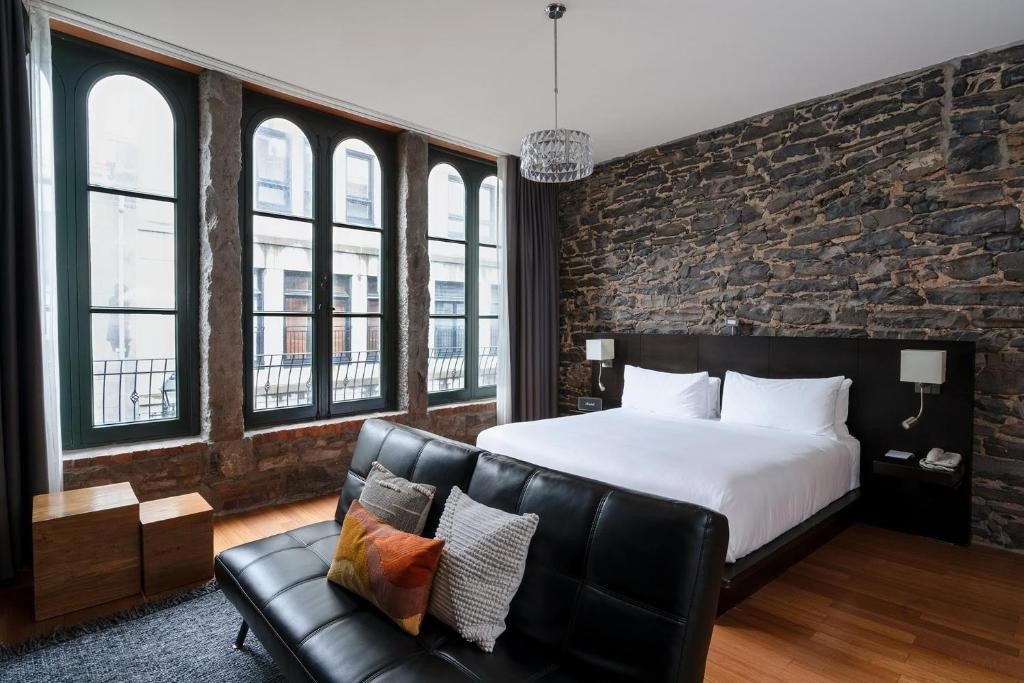
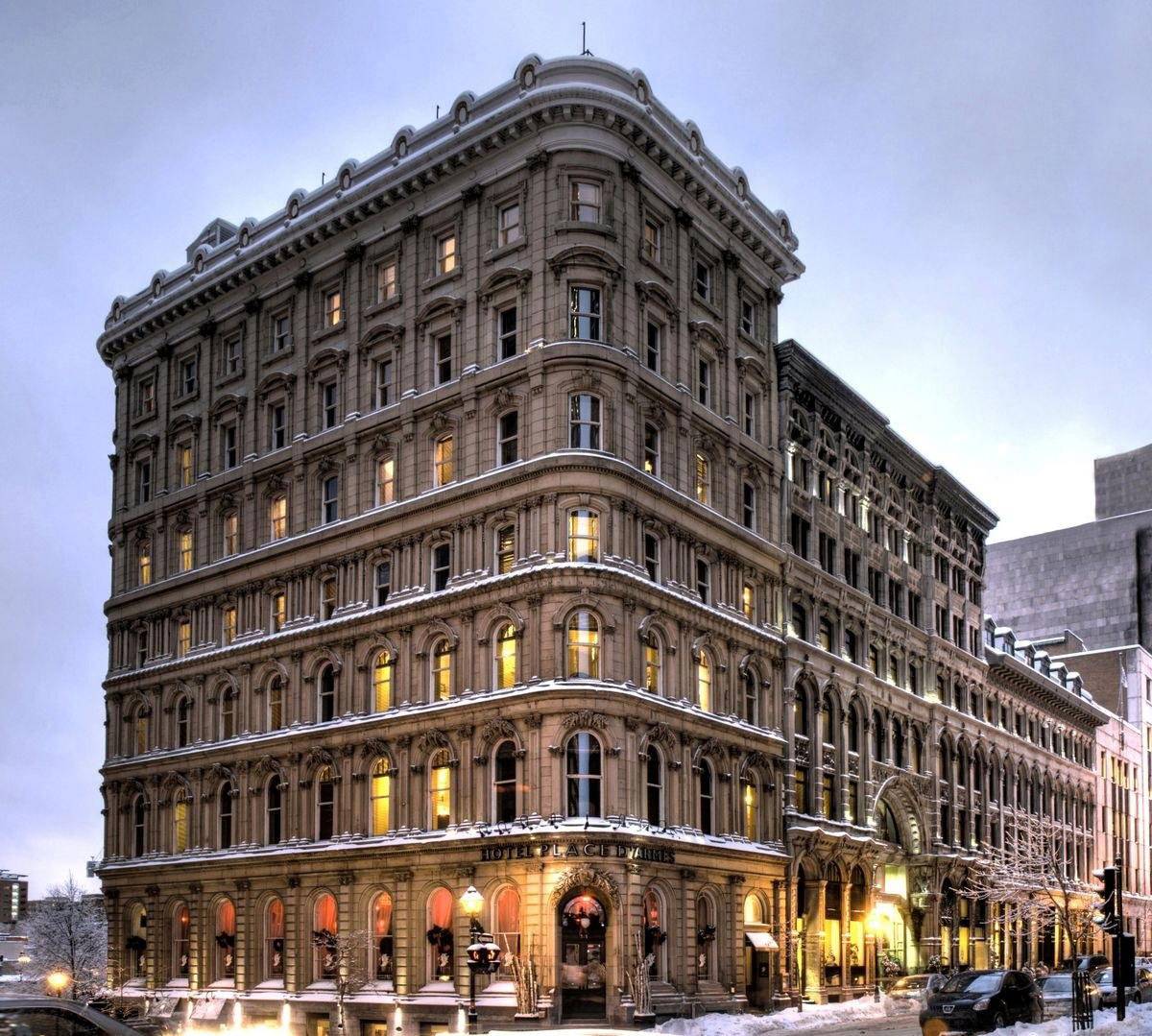
Hotels in Saint Bruno De Montarville
Browse all →
Bars in Saint Bruno De Montarville
Browse all →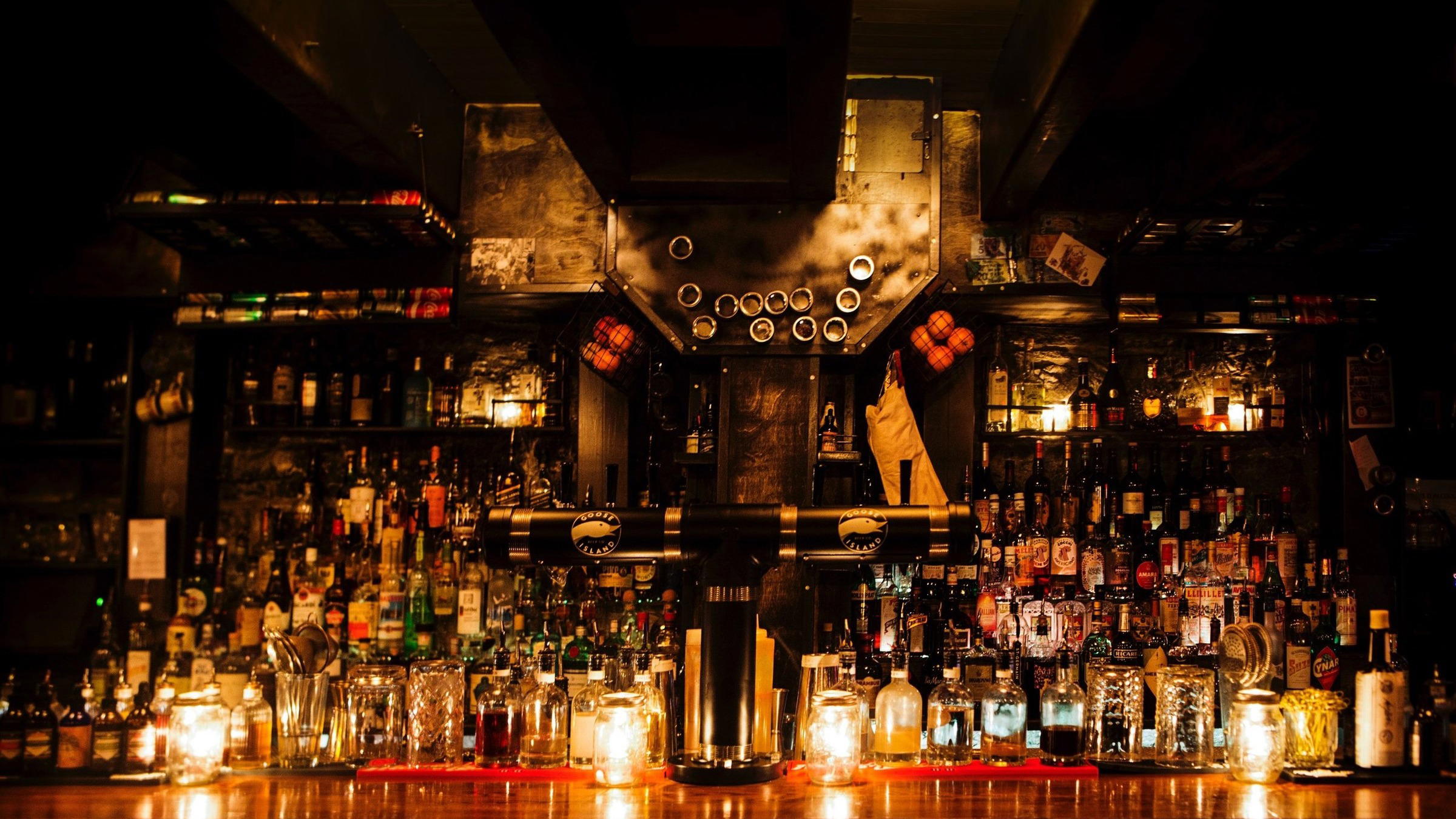
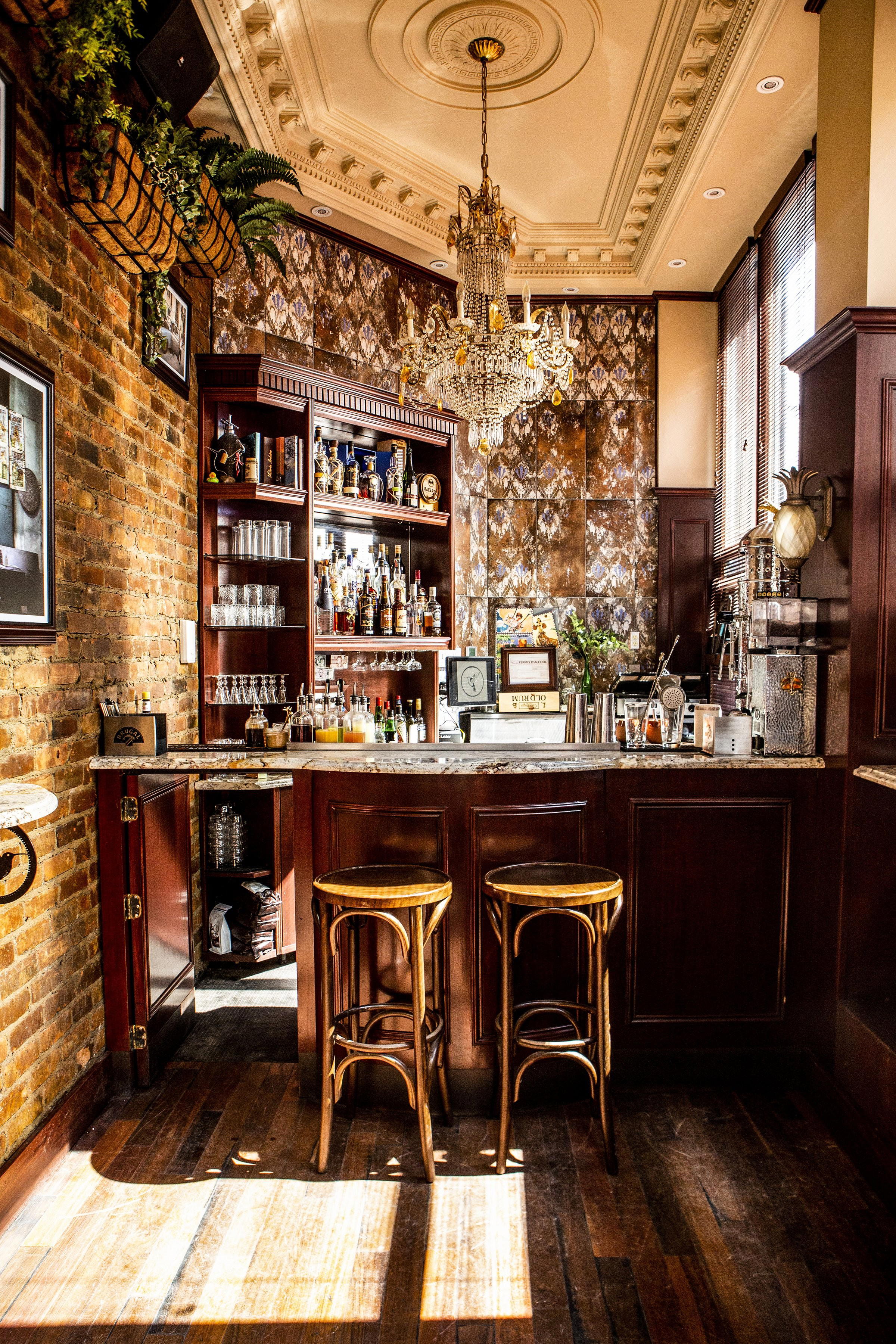
Restaurants in Saint Bruno De Montarville
Browse all →
At a Glance
- Scenic
- Rustic
- Quiet
- Weekend Escape
- Family Vacation
- Panoramic View
- Mountain
Serene natural forest atmosphere with fresh scents and wildlife encounters.
Know Before You Go
- Getting there
- 330 Rang des Vingt-Cing E, Saint-Bruno-de-Montarville, QC J3V 4P6, Canada