Bar el Colón is a lobby bar in Seville’s Casco Antiguo, positioned on Calle Canalejas rather than in the louder tapas lanes around Santa Cruz and Alfalfa.

Pearl is the En Primeur Club membership app — saves, bookings, and concierge access live there. Same editors, same standards.
- Address
- C. Canalejas, 1, Casco Antiguo, 41001 Sevilla (lobby)
- Directions
- Get directions
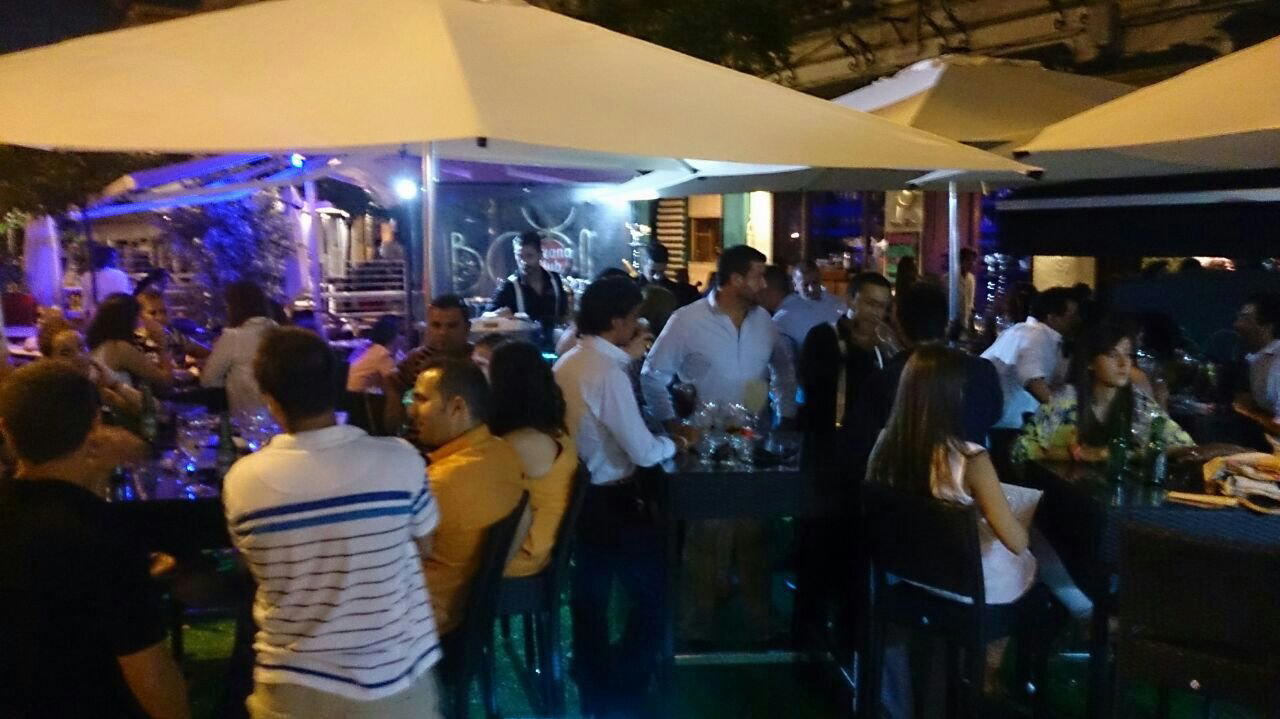
First impression: a lobby bar in Seville’s old centre
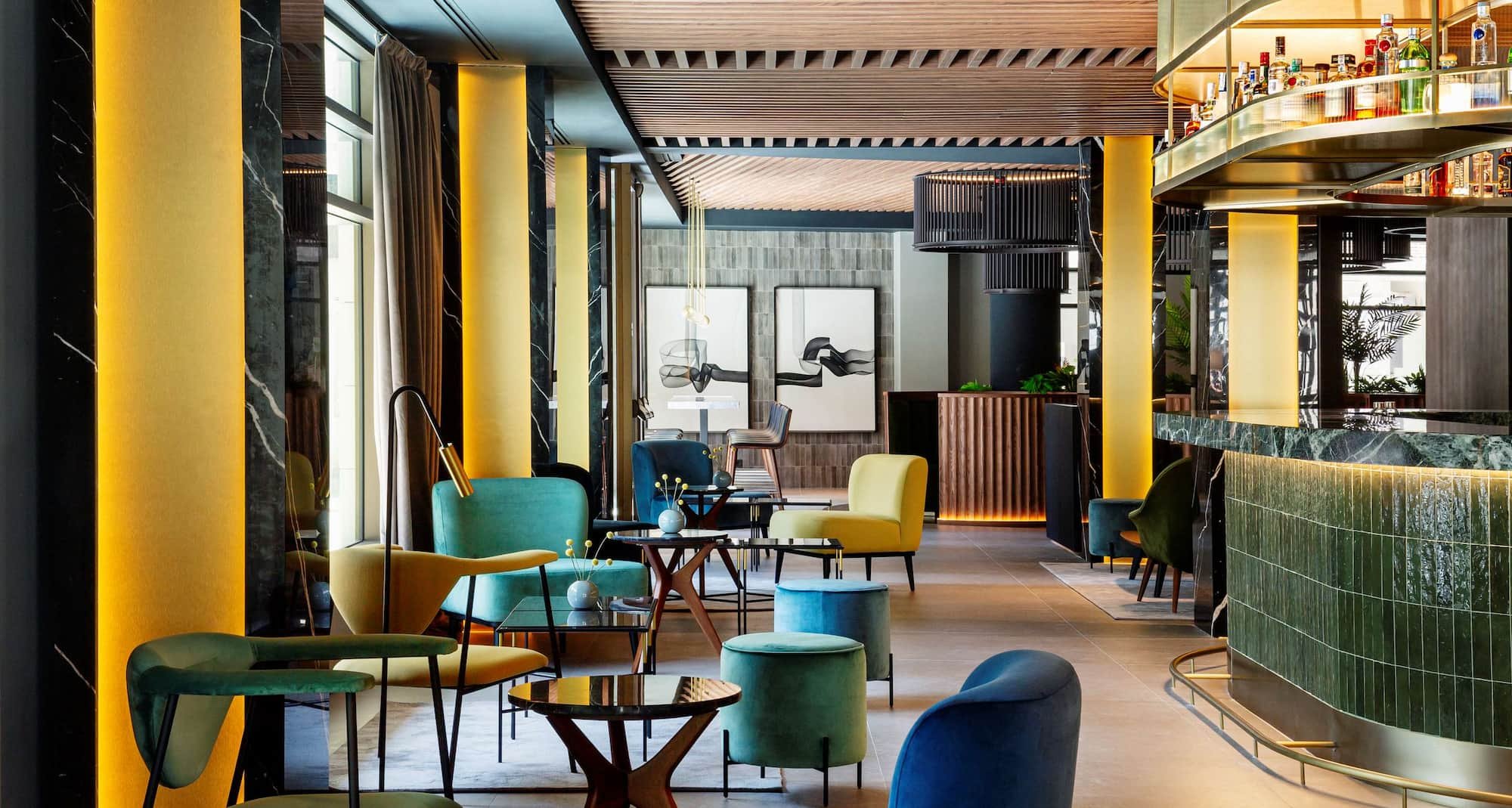
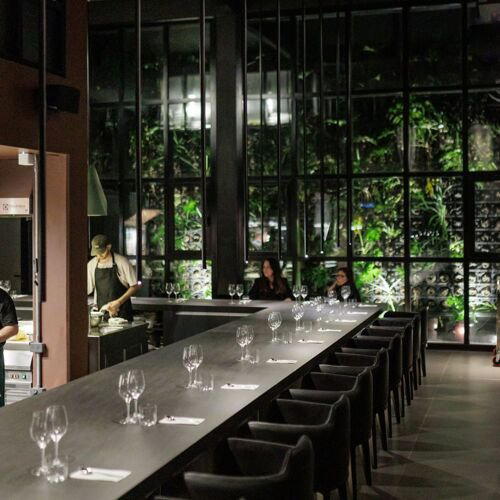
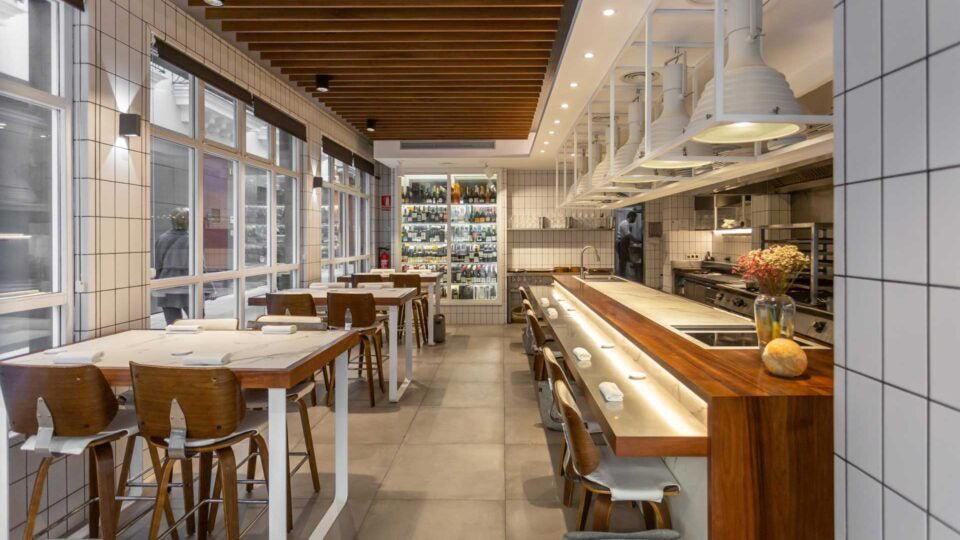
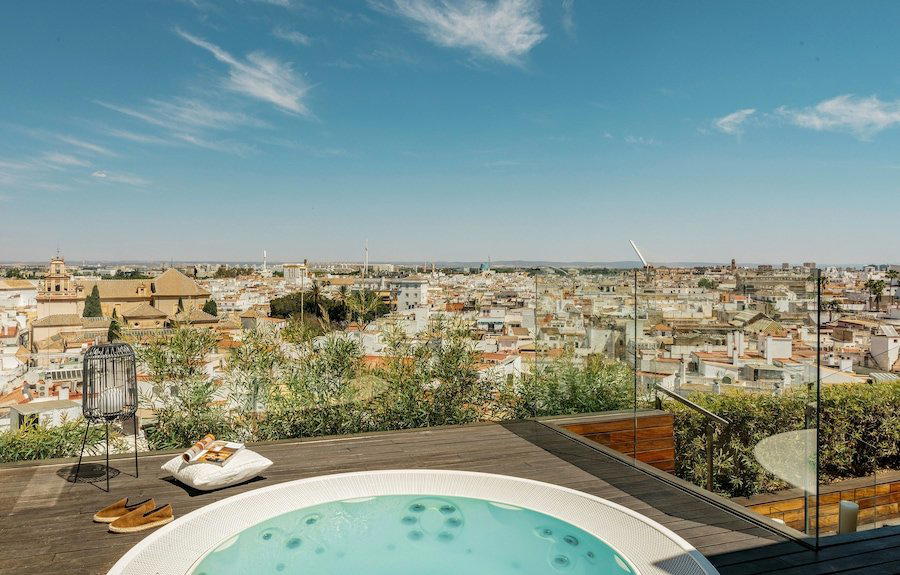
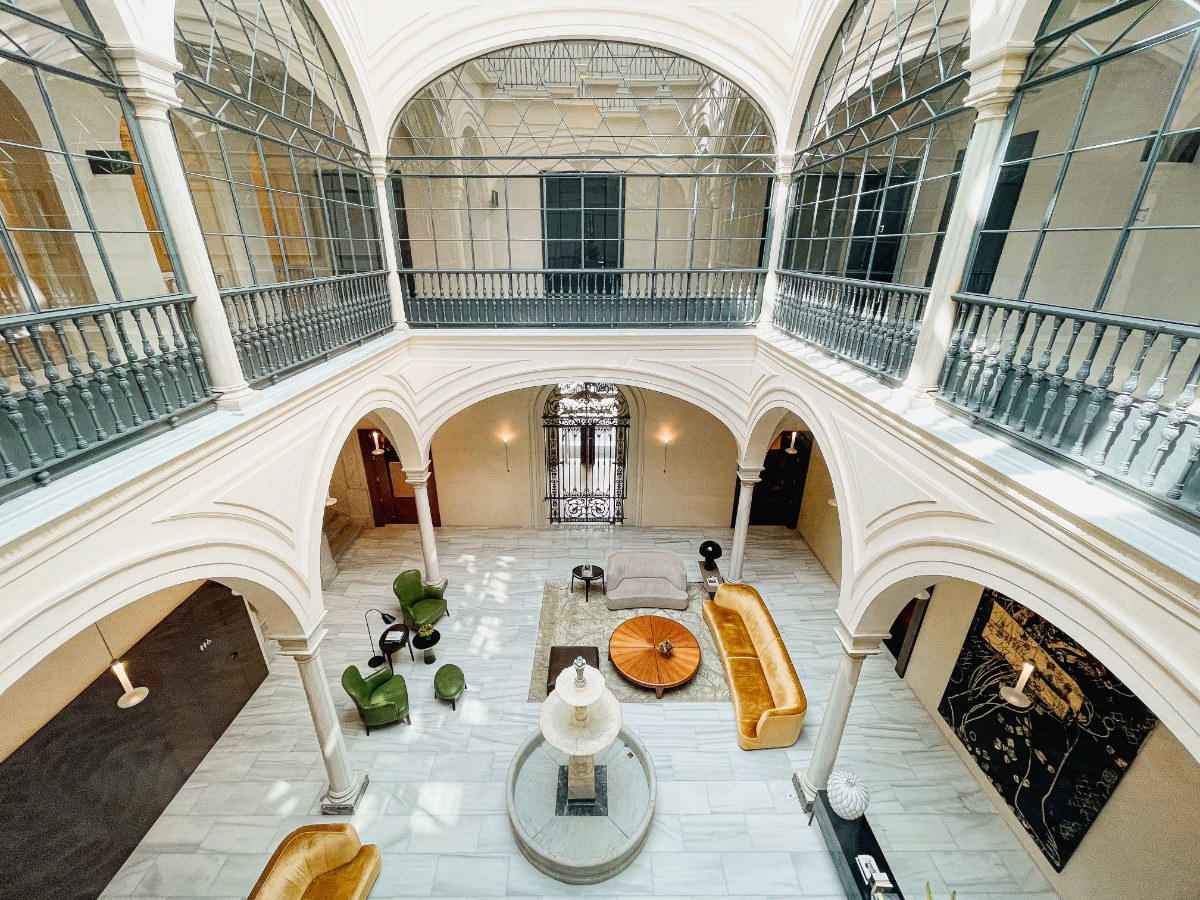
Approaching Calle Canalejas from Seville’s Casco Antiguo puts the city in one of its more layered moods: hotel thresholds, commercial streets, church shadows, taxi movement, and the old habit of folding a drink into the late afternoon rather than treating it as a separate ceremony. Bar el Colón is listed at C. Canalejas, 1, in a lobby setting, and that single logistical fact matters. A lobby bar changes the terms of a Seville drink. It is less tied to the shoulder-to-shoulder ritual of tapas counters and more connected to pause, arrival, departure, and the quiet sorting of an evening before the city gets louder.
How the spirits question changes the bar conversation
Spanish bar culture has long treated spirits with a different rhythm from London, New York, or Barcelona. Gin-tonic service, aged rum, brandy, sherry-adjacent aperitifs, and vermouth have often mattered as much as shaken cocktail theatrics. Seville adds its own pressure: heat, late dinners, and the habit of moving between addresses rather than settling for a three-hour session. A central lobby bar has to answer a practical question before any romantic one: does it give the traveller a reason to stop here instead of heading directly into the tapas streets?
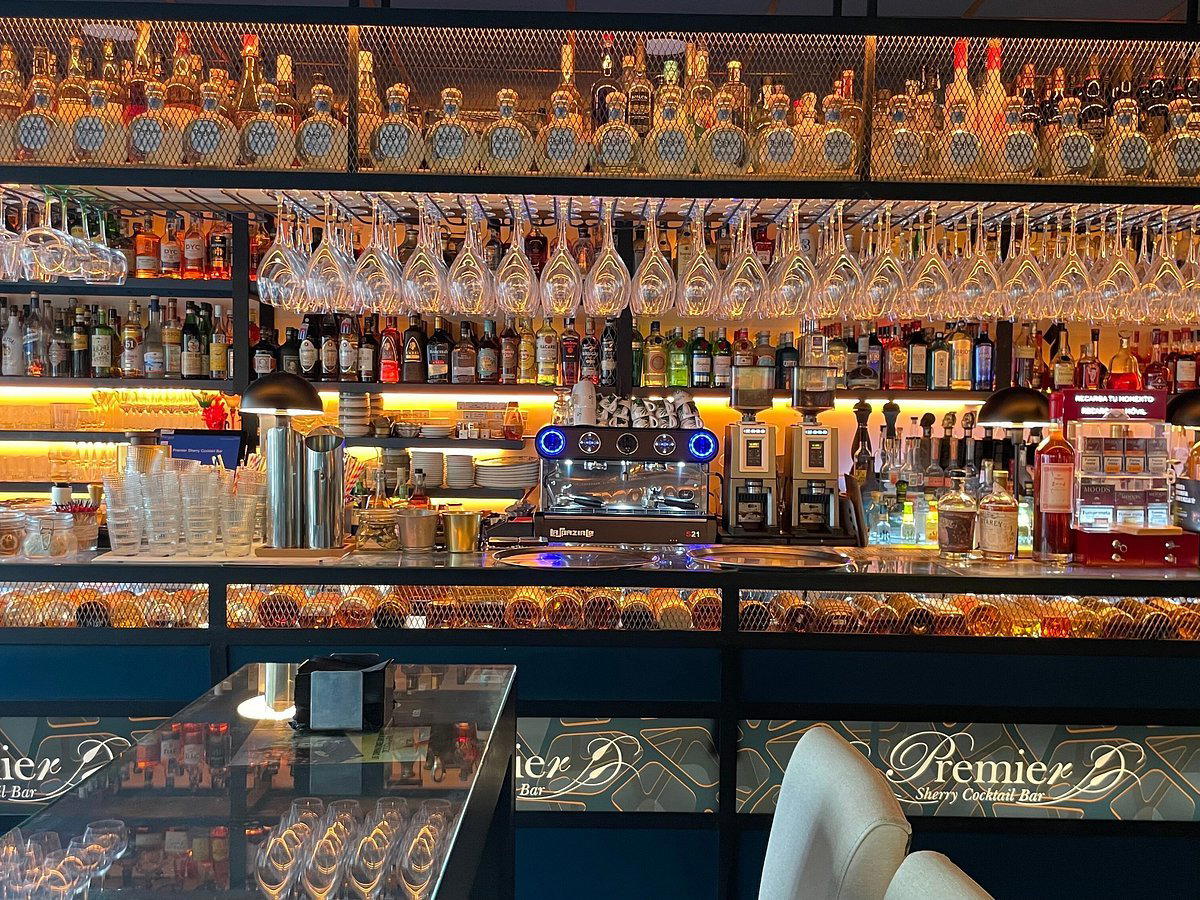
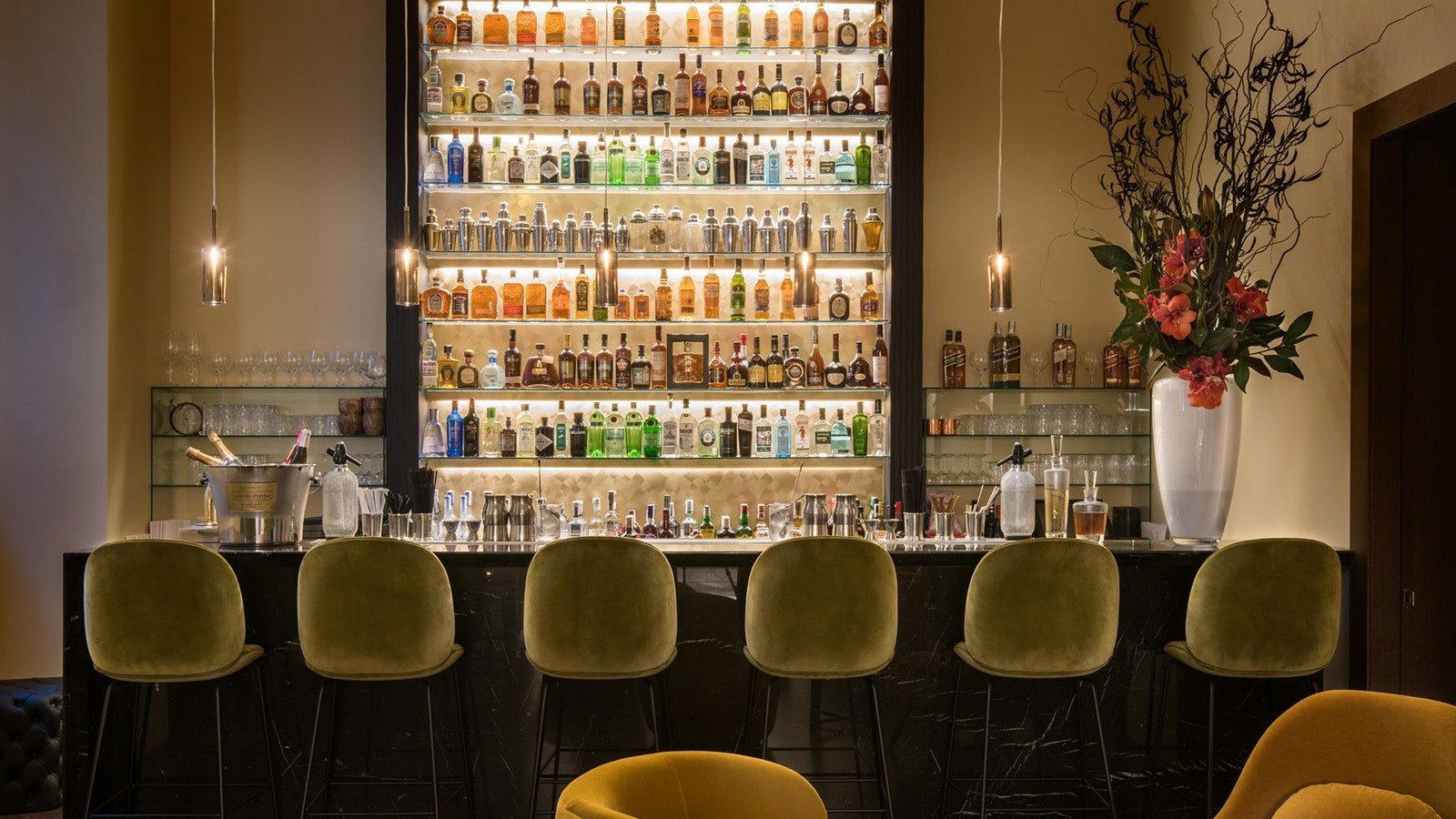
That answer usually depends on curation. A serious spirits bar is not defined by the number of bottles alone. It is defined by whether the back bar has structure: aperitif bottles that suit early evening, brown spirits with age and range, Spanish brandies treated as more than afterthoughts, and enough classic cocktail discipline to avoid turning every order into decoration. The more useful editorial stance is to evaluate it as part of Seville’s quieter central drinking tier, where location, format, and bottle selection carry the experience more than public accolades.
For a broader read on how the city divides its bars, compare the lobby format here with the street-level informality of Bar Alfalfa, the cathedral-side practicality of Bar Catedral, the theatrical religious imagery associated with Bar Garlochí, and the more food-led old-town rhythm at Bar Sal Gorda. Those comparisons matter because Seville is not a single bar scene. It is a set of overlapping habits: tapas bars that happen to pour well, hotel bars that work as civilised intervals, and late-night rooms where atmosphere can outrun the glass.
Seville, but seen through the back bar
The city’s cocktail identity is less formalised than Madrid’s or Barcelona’s. Barcelona has historic counters such as Boadas in Barcelona, where the classic cocktail canon has long been part of the address. Madrid has moved more visibly into contemporary technique, with venues such as Salmon Guru in Madrid shaping a louder, design-forward conversation. Seville works differently. Its stronger tradition is social pacing: a drink before tapas, a second stop after dinner, a hotel bar when the heat or crowds make another standing-room counter less appealing.
That does not make the city less serious; it changes the criteria. In Seville, a polished bar near the historic centre has to manage travellers who may arrive early, locals who know the surrounding streets, and hotel guests using the room as a hinge between sightseeing and dinner. The spirits collection becomes an instrument of flexibility. A good pour of vermouth, a properly built highball, a classic stirred drink, or a restrained digestif can all make sense in the same room. Treat it as a central Casco Antiguo lobby bar and ask to see the current drinks list before settling into a round.
Within Spain, the comparison set is broadening. Regional bars increasingly sit between local drinking custom and international cocktail literacy, from La Plaça in Folgueroles to GU San Sebastián in San Sebastián, Idilio Cocina y Vino in Palma de Mallorca, and Somos Raro in València. Even outside Spain, the Cuban-cocktail tradition at Café La Trova in Miami shows how a bar can use heritage, music, and spirits to define a room. Seville’s version is quieter: the test is not spectacle, but whether the bottle selection, service tempo, and central location justify lingering.
What to order when the menu is not published
The directive is simple: start with the back bar. In a lobby-bar setting, the safest intelligent order is usually a classic that reveals fundamentals. A dry martini, Negroni, Old Fashioned, highball, vermouth serve, or gin-tonic can show whether the room understands dilution, temperature, garnish restraint, and spirit quality. If the shelves show Spanish brandy, sherry-cask influence, aged rum, or a meaningful vermouth selection, ask the staff to point toward the bottle they would pour neat or with minimal intervention.
This is also where Seville’s climate matters. In warmer months, early evening drinking often rewards lower-alcohol or longer serves before dinner. After dinner, darker spirits and stirred classics make more sense if the room’s list supports them. Without verified hours, the planning assumption should be conservative: confirm on arrival or through the hotel lobby rather than building an itinerary around a late-night service window. For a wider city plan that pairs drinks with restaurants and neighbourhood movement, use Our full Seville restaurants guide.
Planning notes for Calle Canalejas
Dress should follow the lobby context rather than a formal restaurant code. Smart casual clothing is the safest reading, especially if arriving before dinner or using the bar as a first stop. The strongest use case is a measured drink in the old centre, especially when the tapas lanes feel crowded or when a spirits-led pause is preferable to another food-first counter.
Details
- Lively
- After Work
- Late Night
- Group Outing
- Casual Hangout
- Waterfront
- Terrace
- Standalone
- Seated Bar
- Outdoor Terrace
- Street Scene
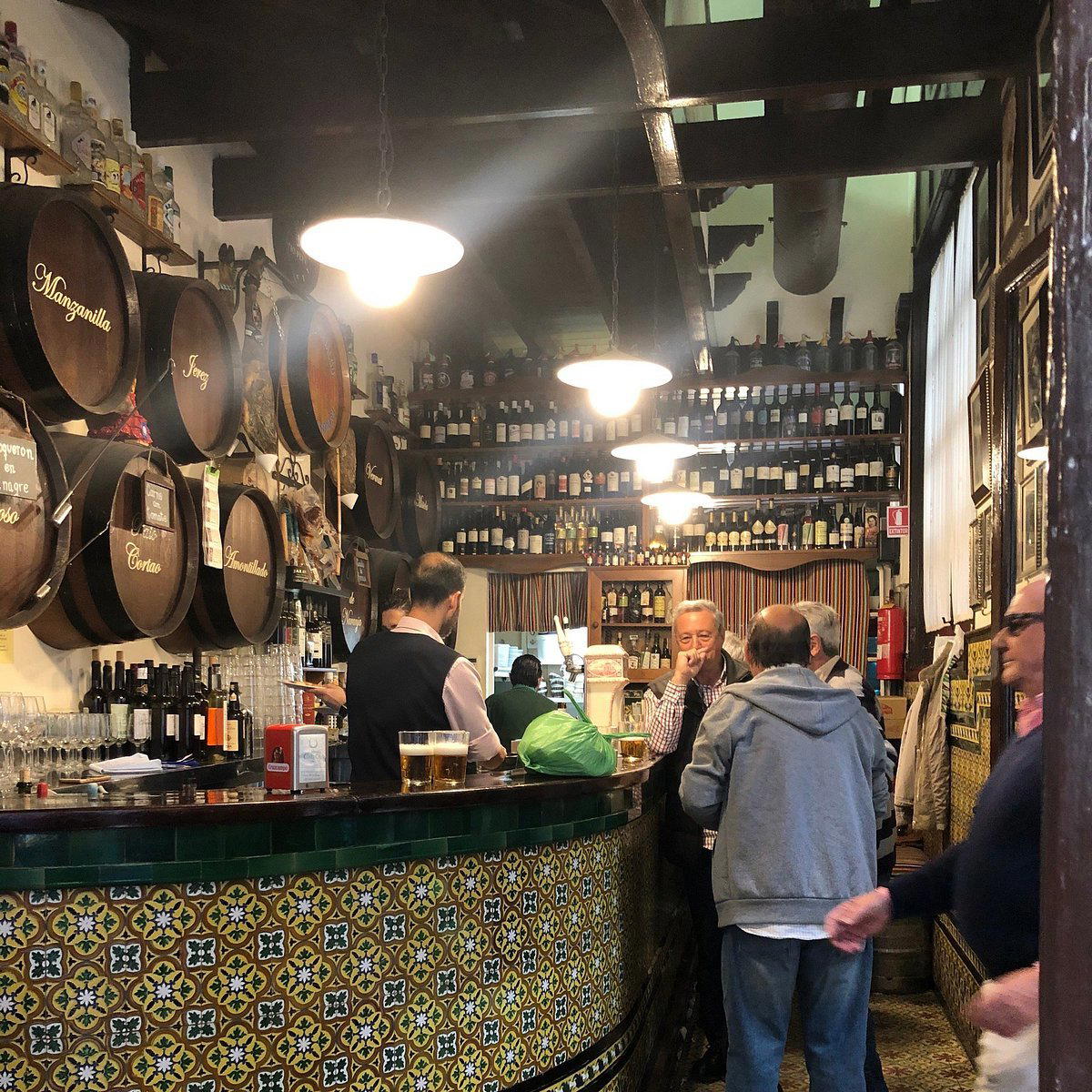
Bustling, informal atmosphere with typical Spanish bar interiors and a large sidewalk terrace where people stop for drinks while watching the constant flow of pedestrians and traffic along the riverfront boulevard.