Palé Hall Hotel

Palé Hall sits on a private estate in the Dee Valley, a Victorian country house that earned a Michelin Key in 2025 and operates as one of the few genuinely remote luxury properties in Wales. The scale of the building, its position against the Snowdonia foothills, and the deliberate absence of commercial noise put it in a distinct tier among British country house hotels.
Pearl is the En Primeur Club membership app — saves, bookings, and concierge access live there. Same editors, same standards.
- Address
- Pale, Estate, Bala LL23 7PS, United Kingdom
- Phone
- +44 1678 530285
- Website
- palehall.co.uk
- Directions
- Get directions
 Saves & bookings on Pearl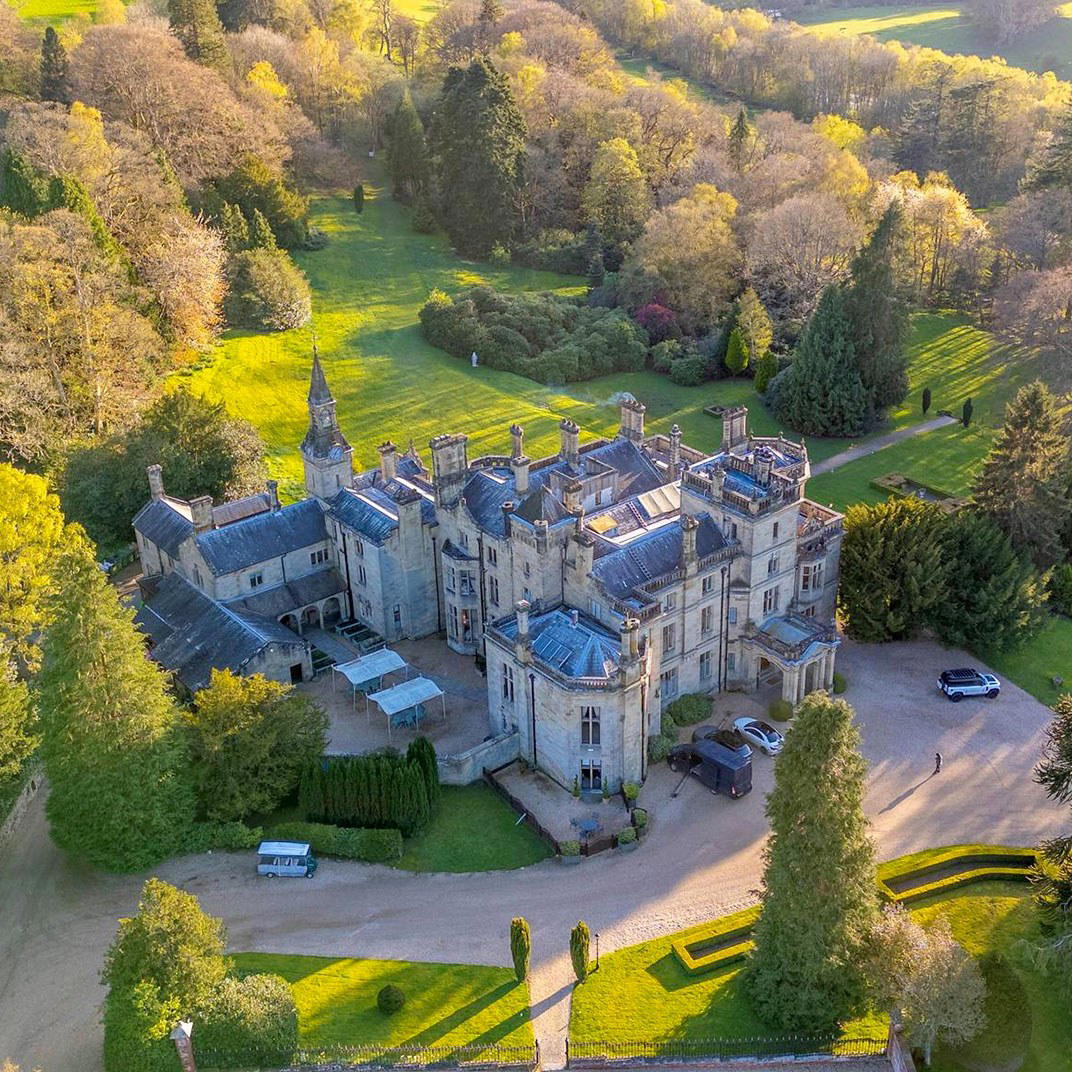
A Victorian Hall at the Edge of Snowdonia
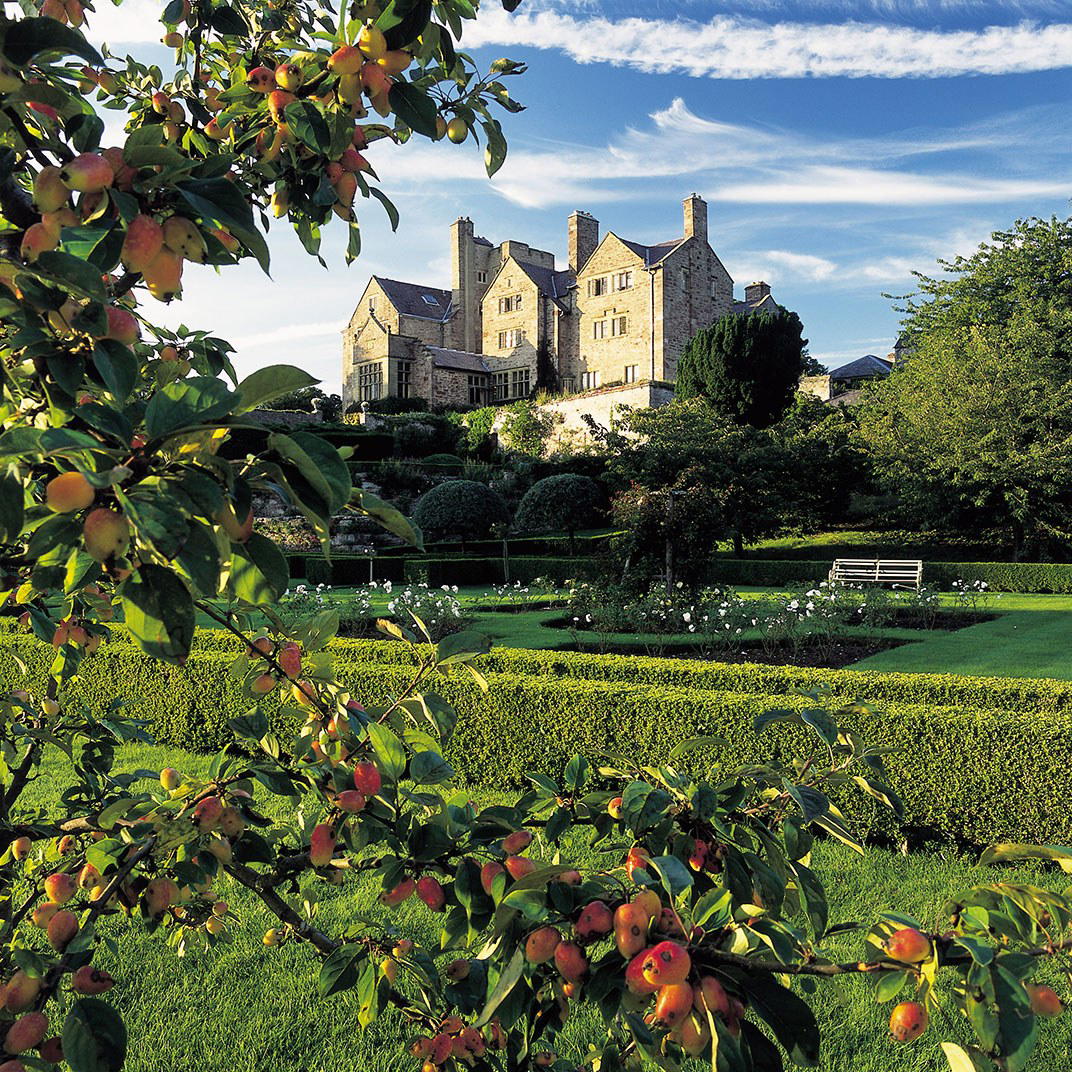
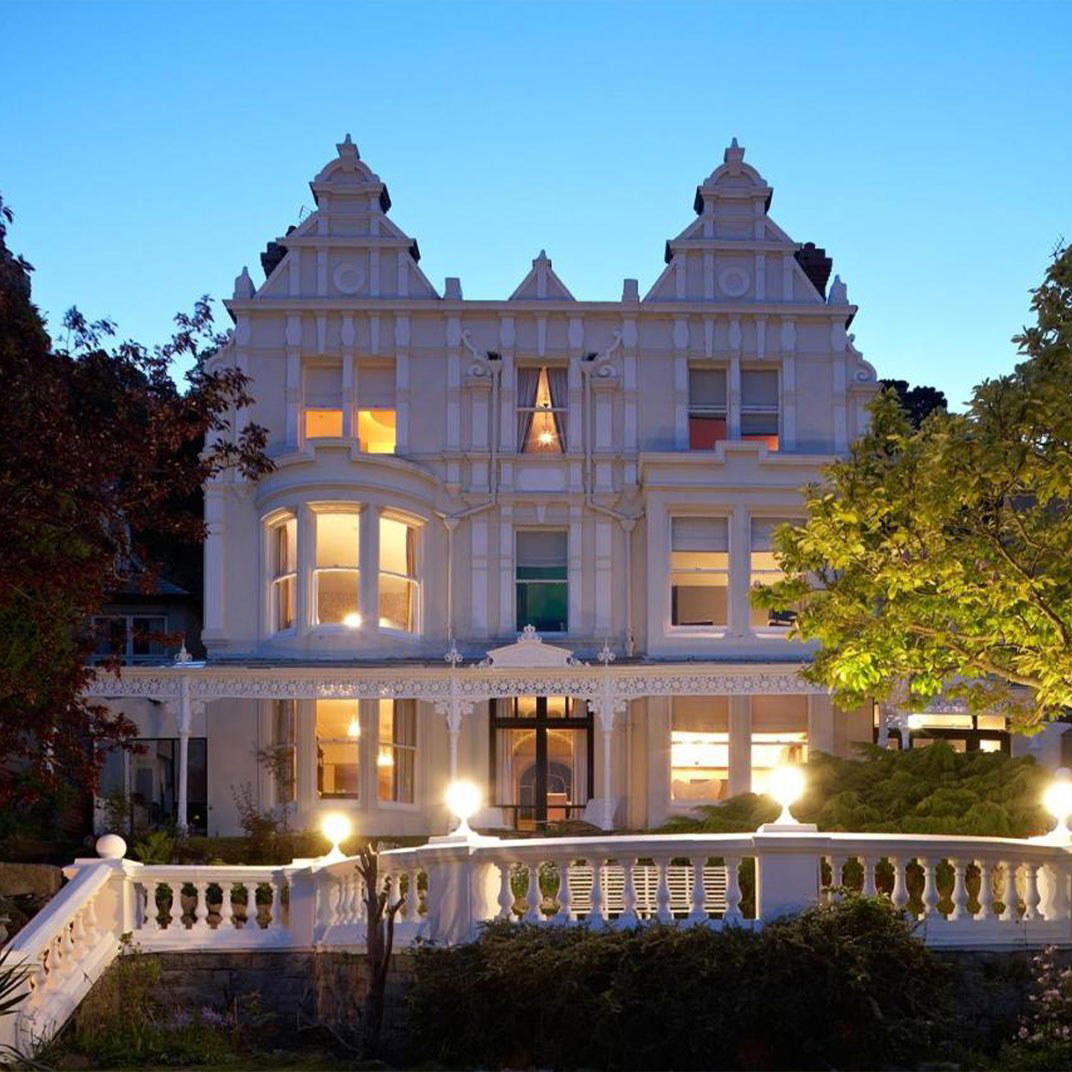
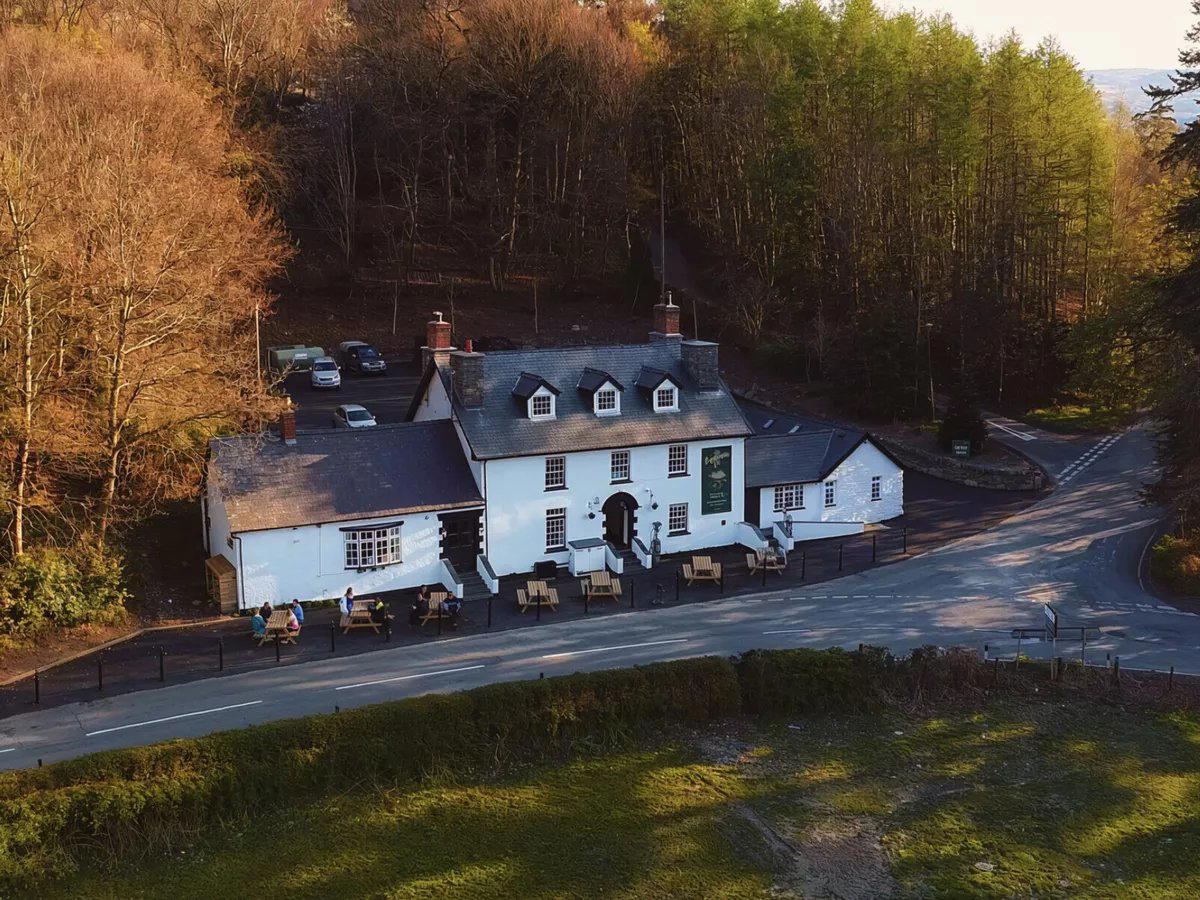
The approach to Palé Hall sets the terms before you reach the front door. The estate sits at Palé, Estate, Bala LL23 7PS, United Kingdom, a few kilometres from Bala in north Wales, and the drive in through mature woodland makes the separation from the outside world feel architectural rather than accidental. When the hall itself comes into view, it reads unmistakably as high Victorian: stone, scale, and the kind of confident massing that wealthy industrialists of the 1870s commissioned to signal permanence. The building is Grade II listed, and that designation matters to how the hotel operates: interventions are constrained, which means the interiors lean into the original fabric rather than overlaying it with a contemporary fit-out.
That restraint is a design position in itself. The country house hotel category in Britain has split over the past decade between properties that have chased a modernised, boutique aesthetic and those that have committed to restoration over reinvention. Palé Hall belongs firmly to the latter group, and the choice shapes everything from the proportions of the reception rooms to the texture of the experience. For guests who associate luxury with minimalist renovation, the hall may read as traditional; for those who understand the cost and discipline of maintaining Victorian craftsmanship at this level, the calculus looks different. Estelle Manor in North Leigh and The Newt in Somerset represent the estate-hotel model applied with heavy capital investment; Palé Hall operates on a smaller, more intimate scale, with the focus placed on the building's existing character rather than transformation.
The Architecture as the Experience
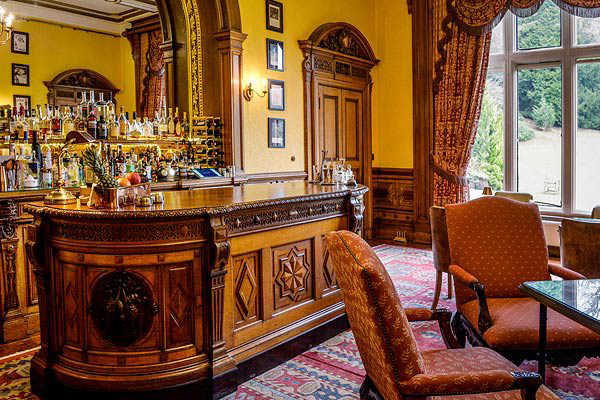
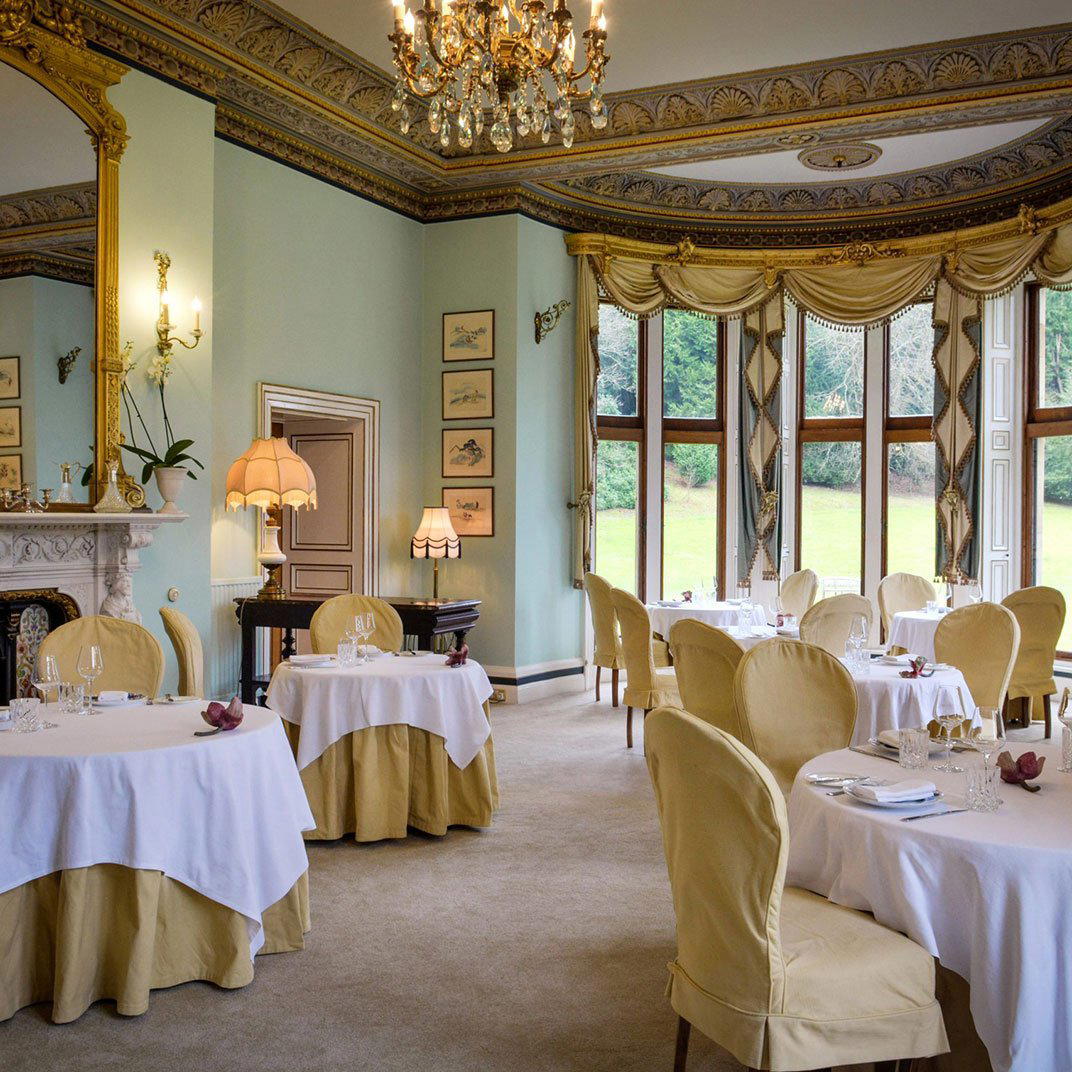
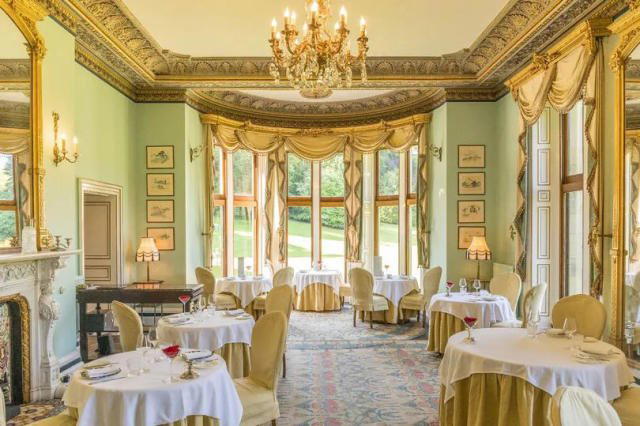
Victorian country houses were built to impress through interior sequence as much as exterior silhouette, and Palé Hall's layout follows that logic. The principal rooms are generous without being cavernous, proportioned for habitation rather than display. Original fireplaces, carved woodwork, and period cornicing remain in place throughout the public areas, and the effect is less museum than occupied house, which is the harder register to achieve and the more comfortable one to inhabit over several days.
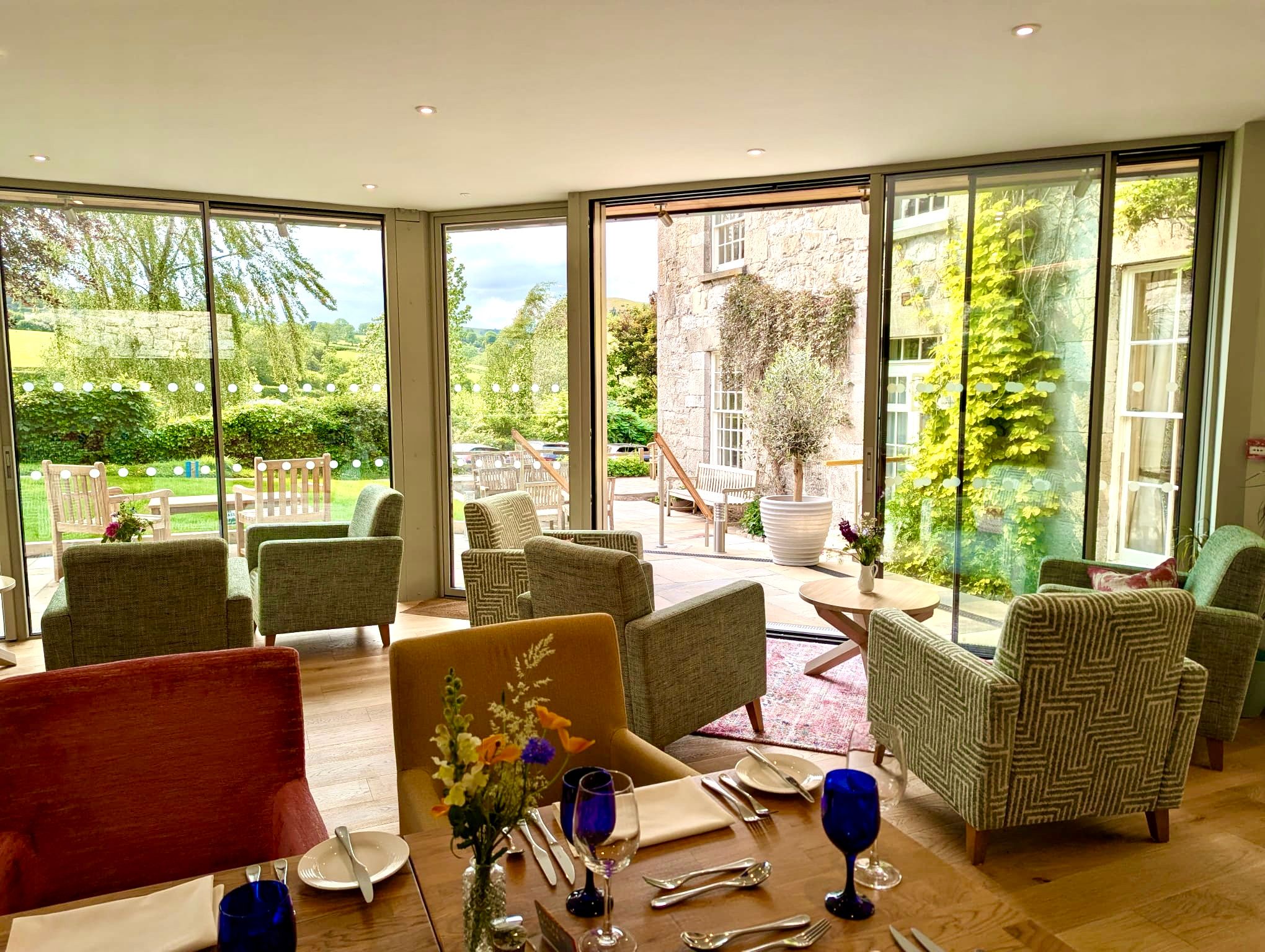
The Dee Valley setting amplifies this. The estate grounds connect directly to the river corridor and the broader range of the Berwyn mountains, so the visual frame from the hall's windows is continuously engaging without requiring the hotel to manufacture activity. This kind of site relationship is increasingly rare in British country house hospitality: properties near motorway corridors or commuter belts can replicate the architecture but not the separation. Palé Hall's position is a genuine differentiator within its category.
For context on how this positions the property within the Welsh luxury hotel tier, there is almost no comparable offering in north Wales at the same standard. Gleneagles in Scotland and Lime Wood in Lyndhurst occupy adjacent positions in the British country house conversation but operate in different landscapes and at different scales. Palé Hall is smaller, quieter, and more geographically committed to its place.
The Michelin Key and What It Signals
In 2025, the Michelin Guide awarded Palé Hall one Key under its hotel distinction programme, which launched as a parallel track to the restaurant stars. The Key system assesses hotels specifically, with criteria centred on character, quality of welcome, and the coherence of the overall experience rather than facilities checklists. For a property of this size and remoteness, the recognition confirms that the experience reads as intentional and consistent to an external panel, not merely comfortable.
The Michelin Key places Palé Hall in a comparable set that includes properties across the UK distinguished more by atmosphere and editorial coherence than by spa square footage or room count. Farlam Hall in the Lake District and Longueville Manor in Jersey occupy similar positions: heritage properties in scenic rural settings where the architecture and the surrounding landscape do the heavy lifting. The award does not imply the scale or resources of a five-key city property; it signals that what the hall does, it does with clarity of purpose.
Reaching Palé Hall
Planning the journey to Palé Hall requires more preparation than for most British country house hotels, and that preparation is part of the contract. The estate address is Palé, Estate, Bala LL23 7PS, United Kingdom. Road access from the English Midlands runs via the A494 through the Dee Valley; from the north of England, the approach through Snowdonia via the A5 is the more scenic route and adds context to the landscape you are entering. A car or pre-arranged transfer is necessary. The relative effort of arrival is not incidental: it is what maintains the quality of the separation that defines the experience. Those looking for comparable remoteness in Scotland might consider Kilchoan Estate in Inverie or Langass Lodge in the Outer Hebrides as reference points for how isolation functions as a design element in British rural hospitality.
Planning Your Stay
As a Michelin Key property in a genuinely remote location, Palé Hall draws a guest profile that books with specific intent rather than convenience. Weekends, particularly in the summer months and during school holiday periods, fill well in advance; the limited room count means that availability can close out several weeks ahead for peak dates. Midweek stays in autumn and early spring offer more flexibility and tend to align with the valley's most photogenic conditions, when the Berwyns carry low cloud and the Dee runs full. Guests who value the architectural experience and the grounds should allow a minimum of two nights; a single night does not give enough time for the property's pace to register. Those comparing country house options at a similar standard elsewhere in Britain might look at Thornton Hall in Heswall or, for a more urban take on the heritage-hotel format, Oddfellows on the Park in Manchester.
Comparable Venues
Comparable venues nearby, for context on price, style, and recognition.
| Venue | Cuisine | Price | Awards | Notes |
|---|---|---|---|---|
| Palé Hall HotelThis venue — the venue you are viewing | Victorian country house hotel blending period authenticity with contemporary luxury service | $$$$ | 5-Star | Not listed |
| Hotel du Vin at One Devonshire Gardens | Victorian townhouse luxury | $$$$ | 5-Star | West End |
| voco St. David's Cardiff | Upscale waterfront landmark with bold, distinctive design and private balconies. | $$$$ | 5-Star | Cardiff Bay |
| Escape Boutique B&B | Restored Victorian villa with contemporary boutique styling | $$$$ | 5-Star | Church Walks |
| St Martins Lane Hotel | Urban resort with Philippe Starck's irreverent design updated by Tim Andreas. | $$$$ | 5-Star | Covent Garden |
| The Edwardian Manchester, A Radisson Collection Hotel | Historic landmark reimagined as a modern luxury lifestyle destination | $$$$ | 5-Star | city centre |
Recognition history
Dated appearances from independent guides and award organizations, with the underlying list record or original source where available.
Michelin 1 Key
Michelin
Continue exploring
More in Bala
Hotels in Bala
Browse all →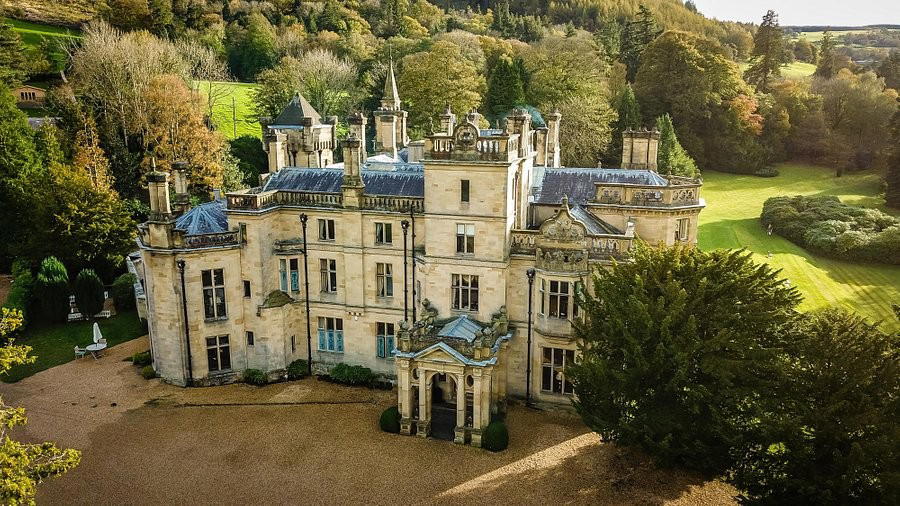
At a Glance
- Quiet
- Elegant
- Romantic
- Classic
- Scenic
- Romantic Getaway
- Anniversary
- Weekend Escape
- Celebration
- Historic Building
- Garden
- Waterfront
- Panoramic View
- Spa
- Massage
- Restaurant
- Bar
- Garden
- Mountain
- Waterfront
- Spa
- Massage
- Restaurant
- Bar
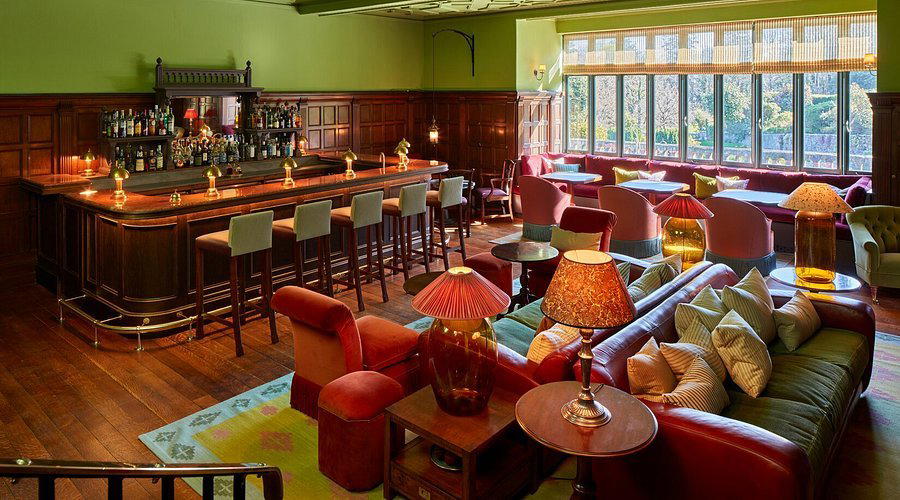
Grand, high-ceilinged spaces with ornate carved wooden staircases, stained glass windows, and period furnishings creating a Downton Abbey-esque atmosphere of refined elegance and historical grandeur.