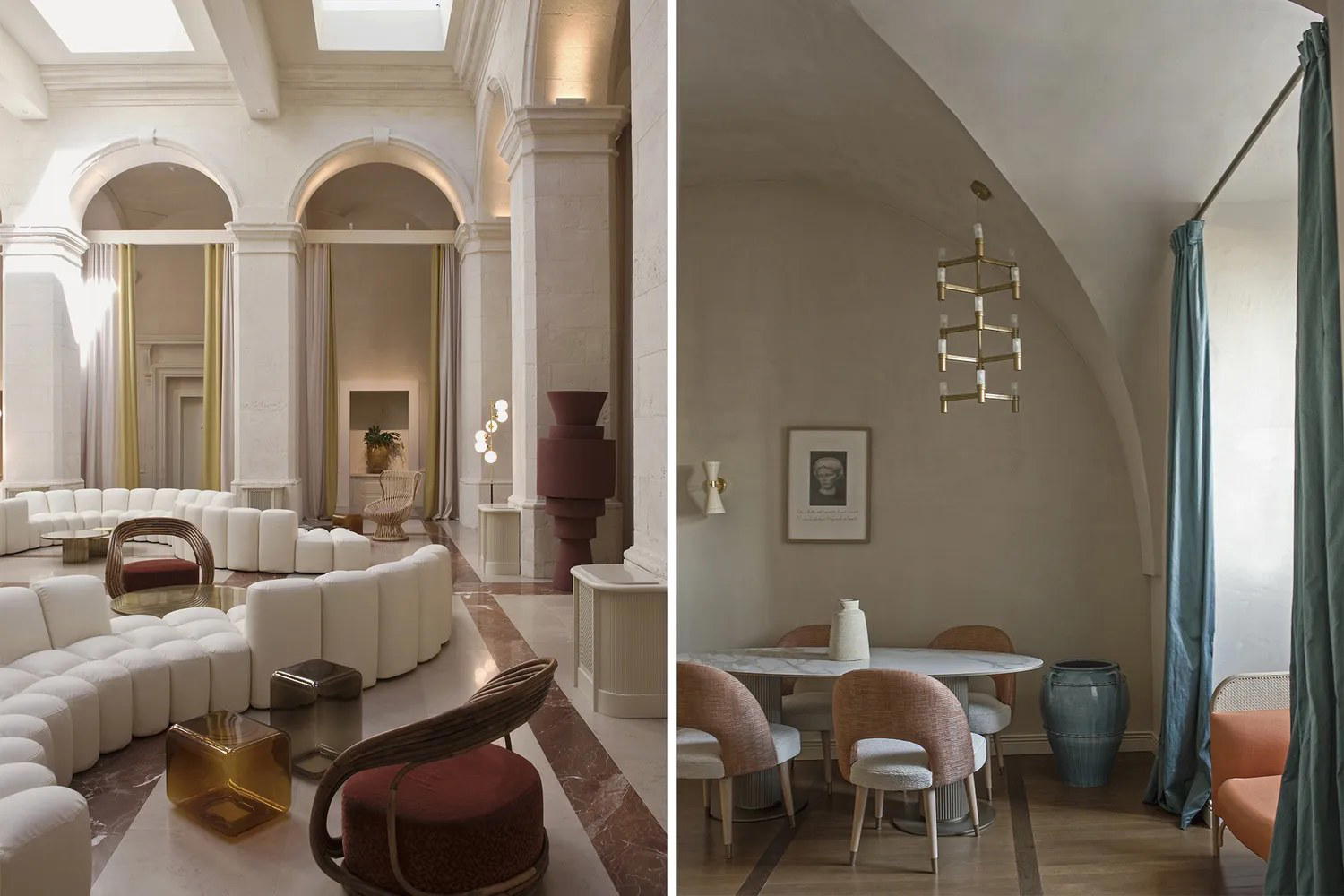
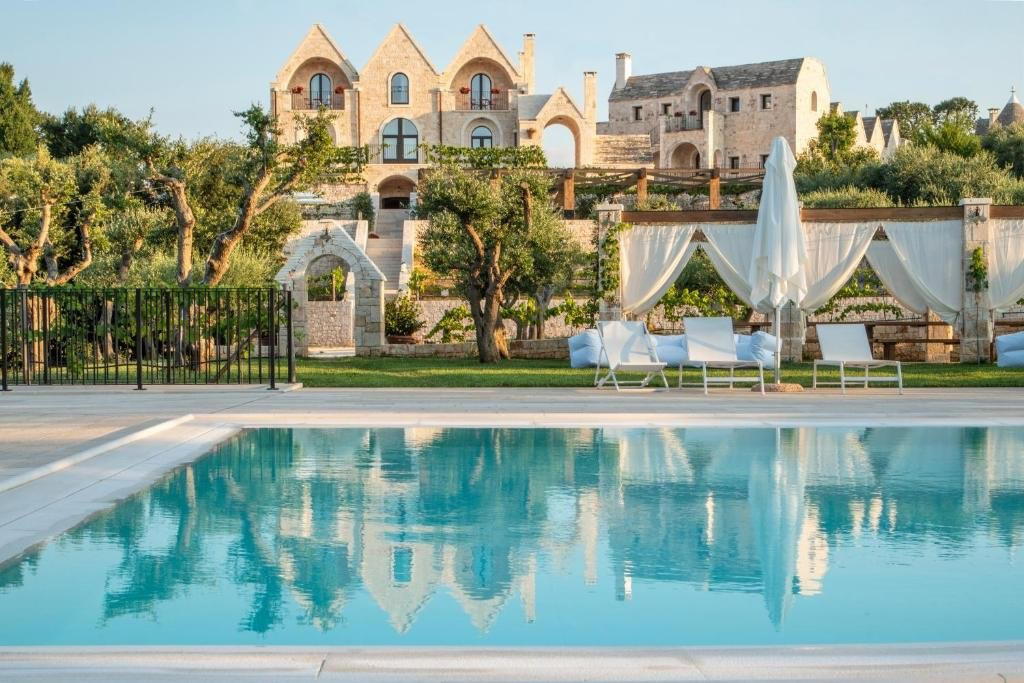
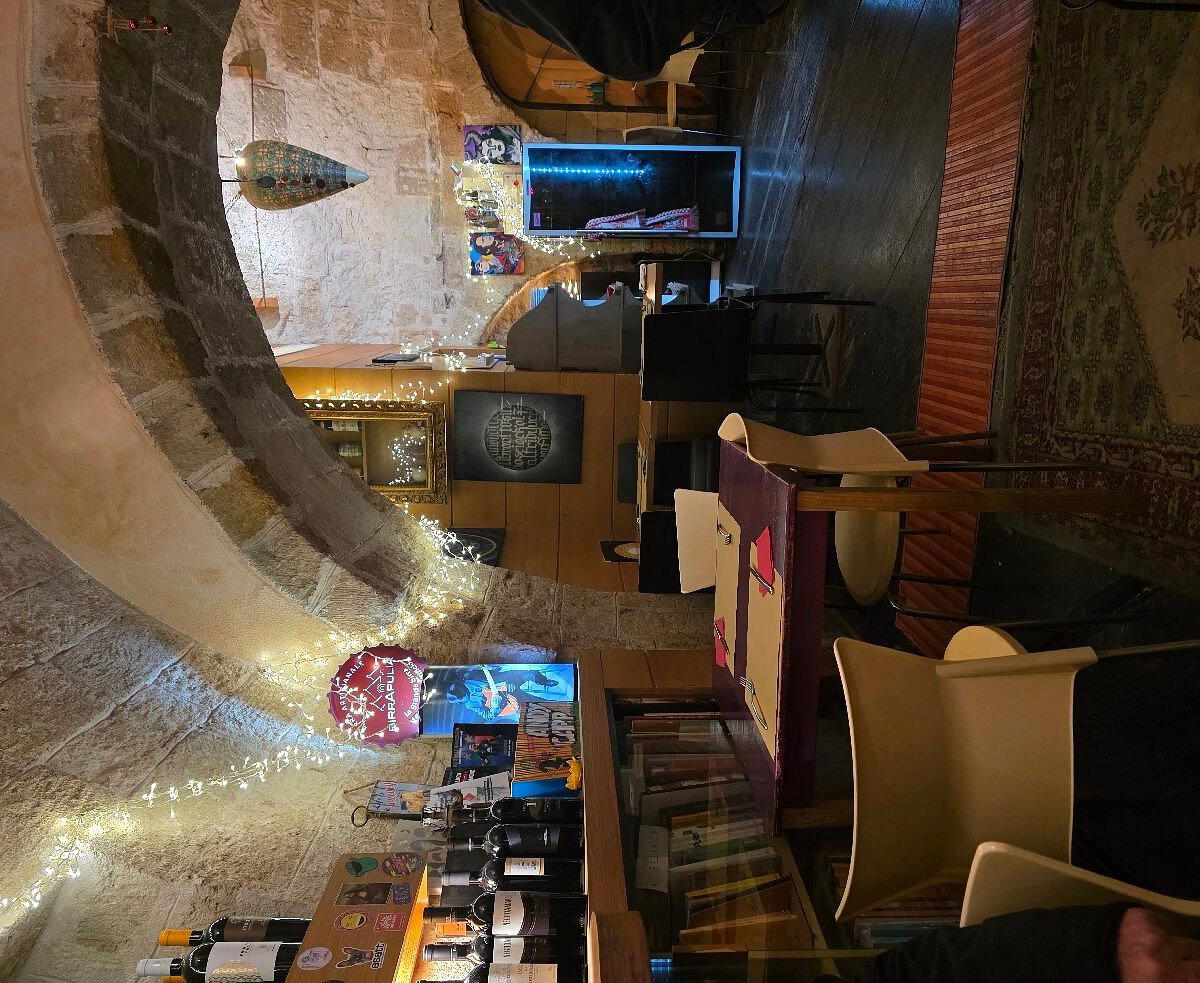
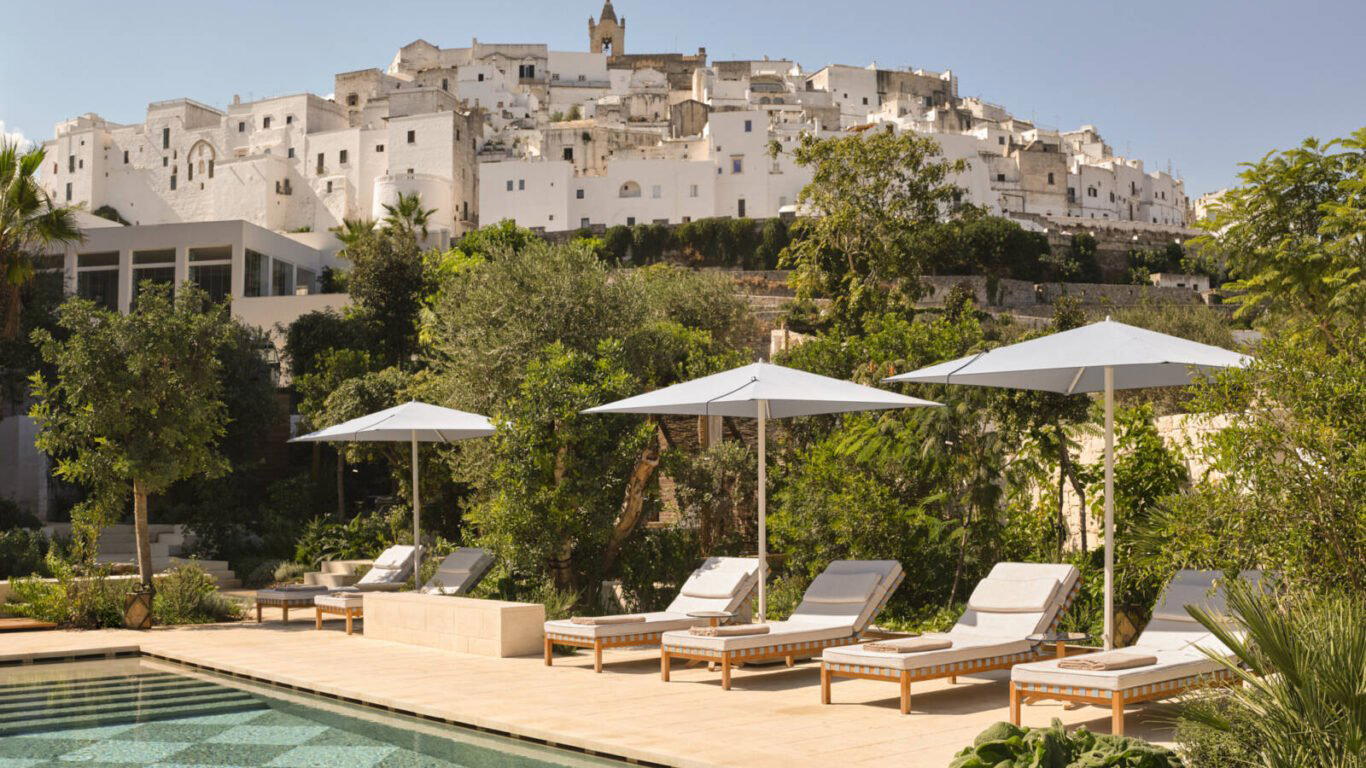
Set in the Apulian countryside outside Ostuni's whitewashed old town, Ostuni Art Resort occupies a rural masseria property where contemporary art and agrarian architecture meet. The address, Contrada Fumarola, places it among the trulli-dotted valleys south of the città bianca, a quieter alternative to the town's more prominent design hotels. For travellers drawn to the intersection of Italian rural heritage and modern aesthetic sensibility, it represents a distinct position in the local accommodation tier.

Pearl is the En Primeur Club membership app, where members save venues, book tables and use the concierge.
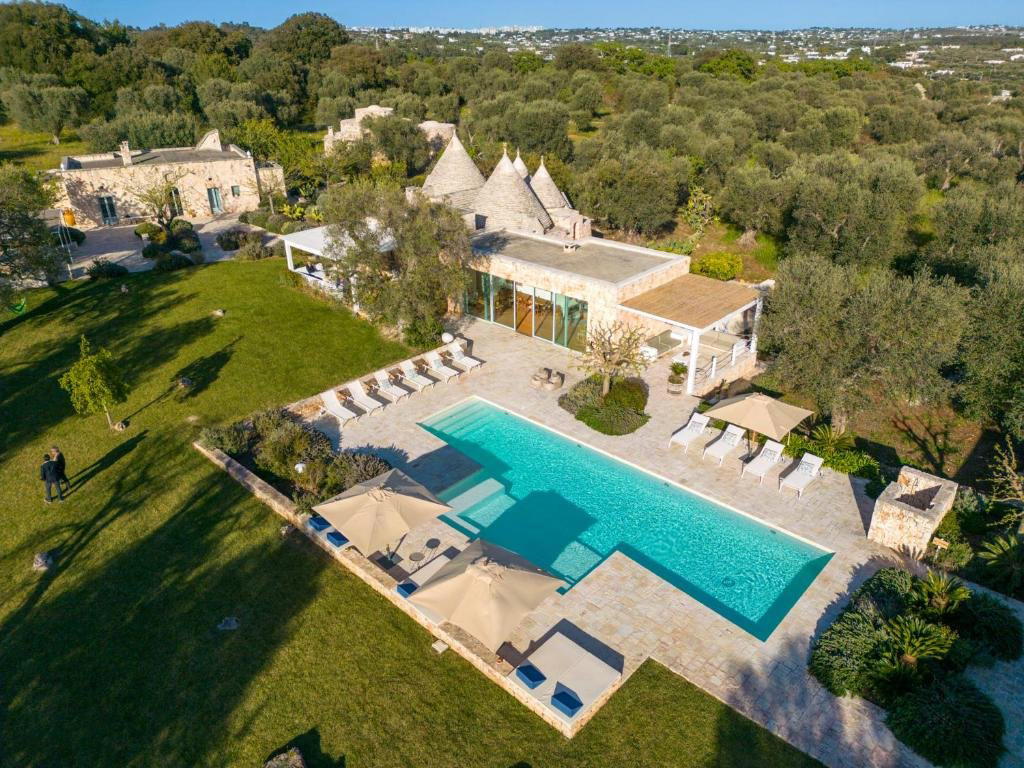
Where Apulian Masseria Meets Contemporary Art
The approach to any rural property outside Ostuni tells you something about what waits inside. The road through Contrada Fumarola runs between low dry-stone walls and ancient olive groves, the kind of agricultural geometry that has defined this corner of Puglia for centuries. What distinguishes a masseria art resort from the broader category of converted farmhouse hotels in southern Italy is the deliberate friction between that agrarian heritage and a contemporary curatorial sensibility, old limestone walls set against modern works, pastoral silence interrupted by visual provocation. Ostuni Art Resort positions itself at exactly that intersection.
Southern Italy has developed a recognisable typology of the converted masseria: a fortified farmhouse repurposed as a design hotel, with the agricultural past preserved as aesthetic texture. The Valle d'Itria, which fans out below Ostuni toward Alberobello and Locorotondo, contains a higher concentration of this property type than almost anywhere else on the peninsula. What separates individual entries in that category is the confidence of the curatorial gesture, whether the art program feels like a genuine organizing principle or a decorative afterthought. The resort's address in Contrada Fumarola, on the outskirts of Ostuni rather than in its whitewashed old town, signals a deliberate choice to anchor the experience in the countryside rather than the town's tourist infrastructure.
The Architectural Logic of the Apulian Countryside
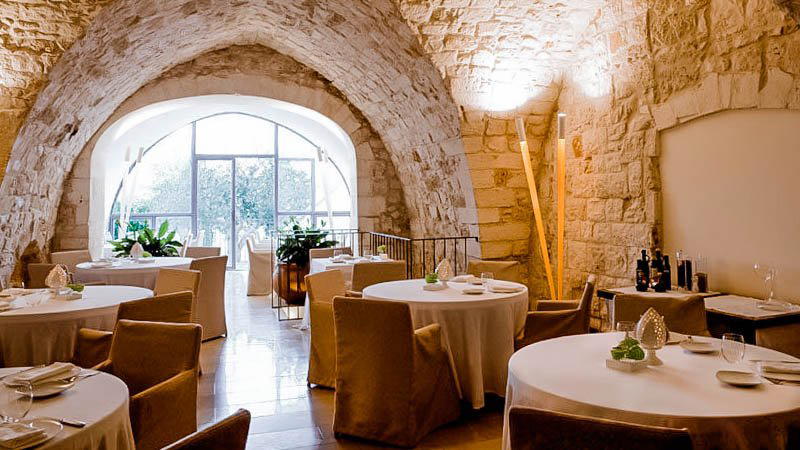
Masseria architecture in Puglia evolved for function rather than beauty: thick limestone walls to retain cool air through summer, compact internal courtyards for shade, outbuildings for animals and equipment arranged around a central structure. The aesthetic appeal that contemporary travelers find in these properties is largely incidental to their original engineering. When designers and hoteliers engage seriously with that vernacular, preserving load-bearing walls, retaining original stone floors, working with the proportions imposed by centuries-old construction, the result has a specificity that purpose-built resort architecture rarely achieves.
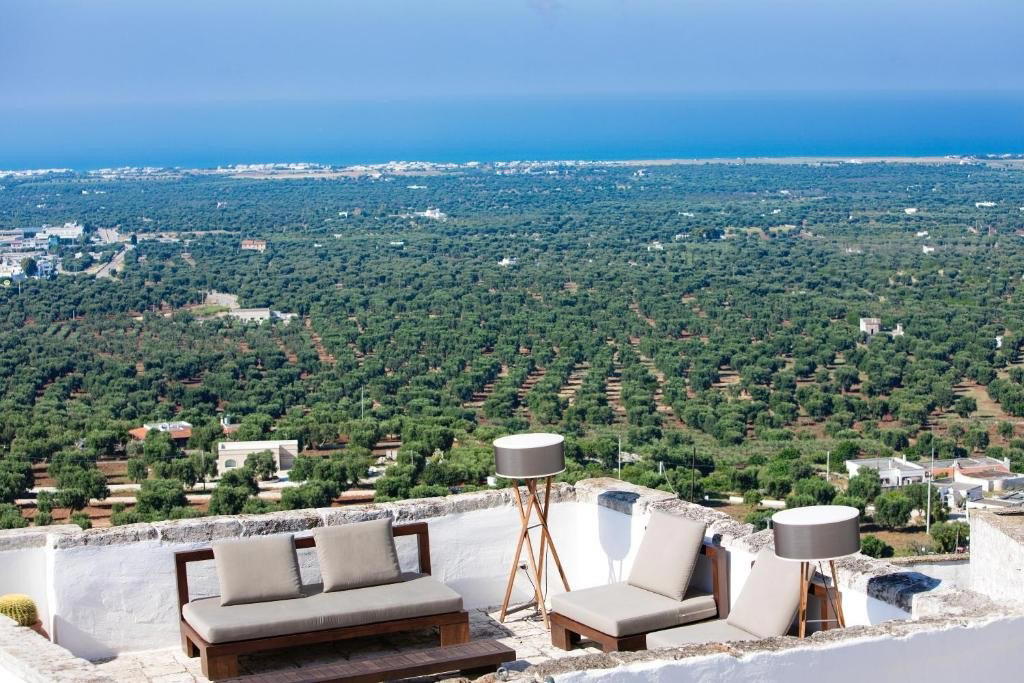
The countryside around Ostuni adds a further layer. The Murge plateau and the trulli valleys below are among the more photographically insistent landscapes in Italy: the whitewashed facades of the old town visible for miles across the plain, the conical trulli roofs punctuating the olive groves, the quality of Apulian light, stronger and more directional than Tuscany, bleaching stone to near-white by midday and warming it to amber by late afternoon. Any property that engages seriously with this setting has material to work with that no design decision can replicate. The question is always whether the architecture works with that context or despite it.
In the broader Italian hotel market, the properties that have most successfully fused historical structure with contemporary art programs tend to share certain characteristics: restraint in the art selection (allowing individual works to breathe rather than filling every surface), a clear visual dialogue between old material and new objects, and a level of site-specificity that prevents the collection from feeling transported from a generic gallery context. Borgo Egnazia in Savelletri di Fasano represents the large-scale version of this ambition in Puglia; Ostuni Art Resort, from its scale and address, occupies a quieter tier of the same conversation.
Ostuni's Hotel Tier and Where This Property Sits
Ostuni supports a layered accommodation market. At the leading end, Paragon 700 Boutique Hotel & SPA and La Sommità Relais operate within the old town walls, trading on their proximity to the medieval fabric of the città bianca. VISTA Ostuni takes a different approach, anchoring its offer to views across the valley. Ostuni Art Resort, sitting in the countryside at Contrada Fumarola, belongs to a separate segment: rural immersion over urban access, with the town itself requiring a drive rather than a walk.
That distinction matters for how you use a stay. A countryside masseria in this part of Puglia works well as a base for unhurried days, mornings in the olive groves, afternoon visits to Ostuni's old town or the coastal towns of Torre San Giovanni and Monopoli, evenings returned to a property where the quiet is structural rather than accidental. Travelers who want to walk out of their hotel into Ostuni's aperitivo circuit will find the countryside location a friction; those who treat the rural setting as the point of the trip will find it confirms the logic of the choice.
For reference, comparable art-oriented rural properties elsewhere in Italy, including Castello di Reschio in Lisciano Niccone and Casa Maria Luigia in Modena, demonstrate that the category performs at a high level when the curatorial program has genuine depth and the architecture is engaged with rather than merely preserved. Both set a useful benchmark for what serious integration between art and agrarian structure looks like at the property scale.
Planning a Stay
Ostuni and the Valle d'Itria operate on a strong seasonal curve. The period from late June through August brings significant visitor volume to the region, with the old town's narrow lanes and coastal beaches at their most crowded. The shoulder months, May, early June, September, and October, deliver the better version of this part of Puglia: warm enough for the landscape to read at its most characteristic, quiet enough for the countryside to function as countryside. For a property defined by its rural positioning, the shoulder season is the natural alignment.
Contrada Fumarola places the resort south of Ostuni's centro storico. Access by car is the practical reality for any countryside masseria in this area; the nearest major transport hub is Brindisi airport, roughly 30 kilometres to the southeast, which connects to major Italian cities and, seasonally, to a range of European destinations. Those arriving into Bari Karol Wojtyla Airport, approximately 75 kilometres north, will find a longer transfer but a larger range of flight connections year-round.
For travelers building a wider southern Italian itinerary, the region pairs logically with the Amalfi Coast, Borgo Santandrea and Il San Pietro di Positano represent the western anchor of that circuit, or with a swing through Campania before or after the Puglia segment. Those drawn to the art-and-architecture angle across the whole of Italy will find useful comparisons in Aman Venice, Four Seasons Hotel Firenze, and Passalacqua in Moltrasio, each of which handles the relationship between historic Italian architecture and contemporary hospitality in a distinct register.
Our full editorial coverage of accommodation, restaurants, and planning details for the region is available in the Ostuni city guide.
Fast Comparison
| Venue | Price | Awards |
|---|---|---|
| ostuni art resortThis venue (the venue you are viewing) | Not listed | Not listed |
| Paragon 700 Boutique Hotel & SPA | $300–500 | 1 Michelin Key · La Liste Top Hotels |
| La Sommità Relais | $300–500 | Michelin Selected · Relais Chateaux Award |
| VISTA Ostuni | Not listed | 1 Michelin Key · Town & Country Hotel Awards |
Continue exploring
More in Ostuni
Hotels in Ostuni
All hotels in Ostuni →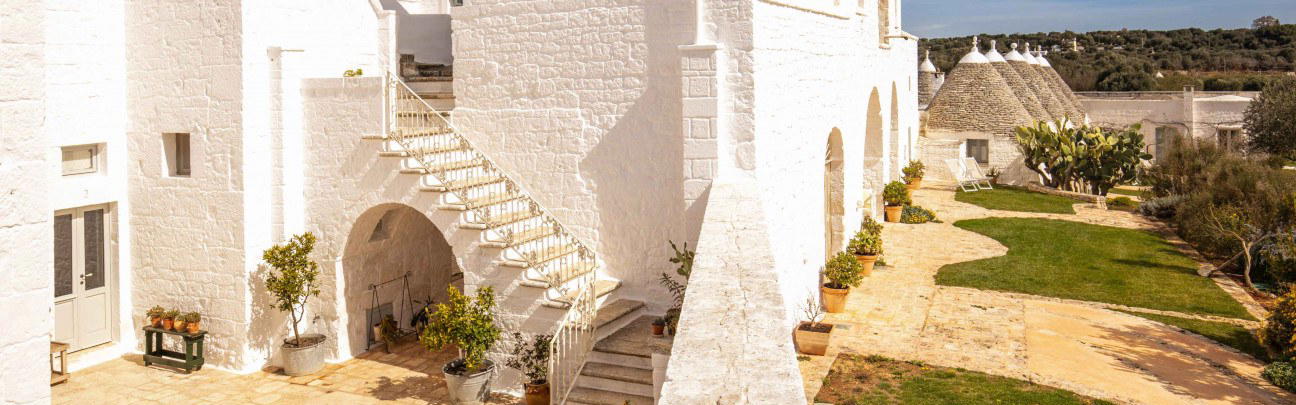
Bars in Ostuni
All bars in Ostuni →

Details
- Romantic
- Scenic
- Rustic
- Elegant
- Sophisticated
- Bohemian
- Romantic Getaway
- Family Vacation
- Group Retreat
- Destination Wedding
- Celebration
- Private Villa
- Garden
- Historic Building
- Design Destination
- Panoramic View
- Private Dining
- Infinity Pool
- Pool
- Fitness Center
- Massage
- Garden
- Vineyard
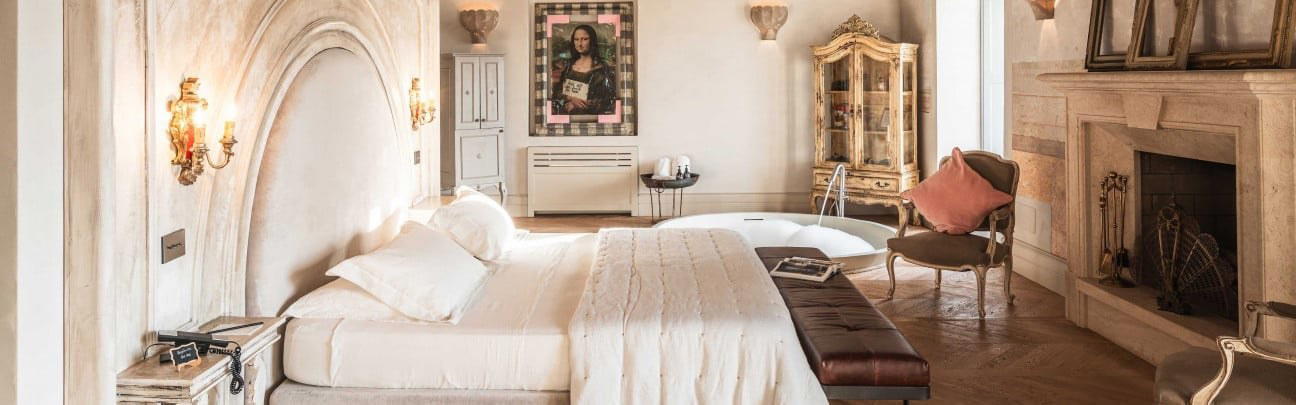
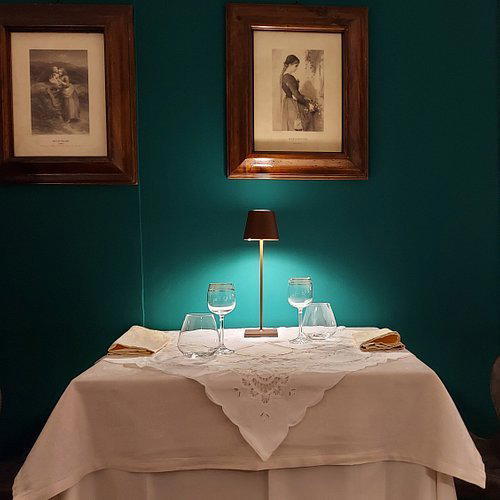
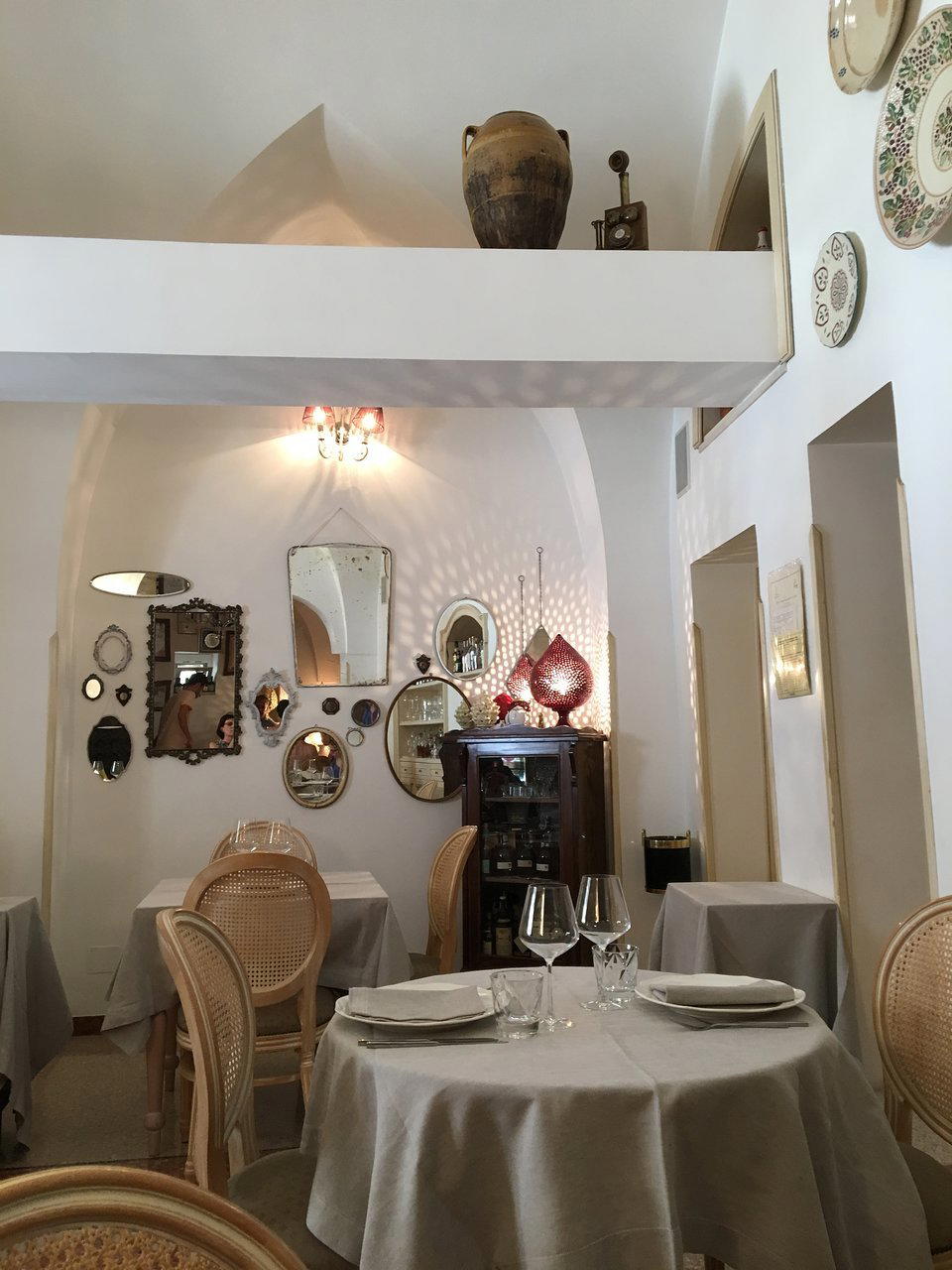
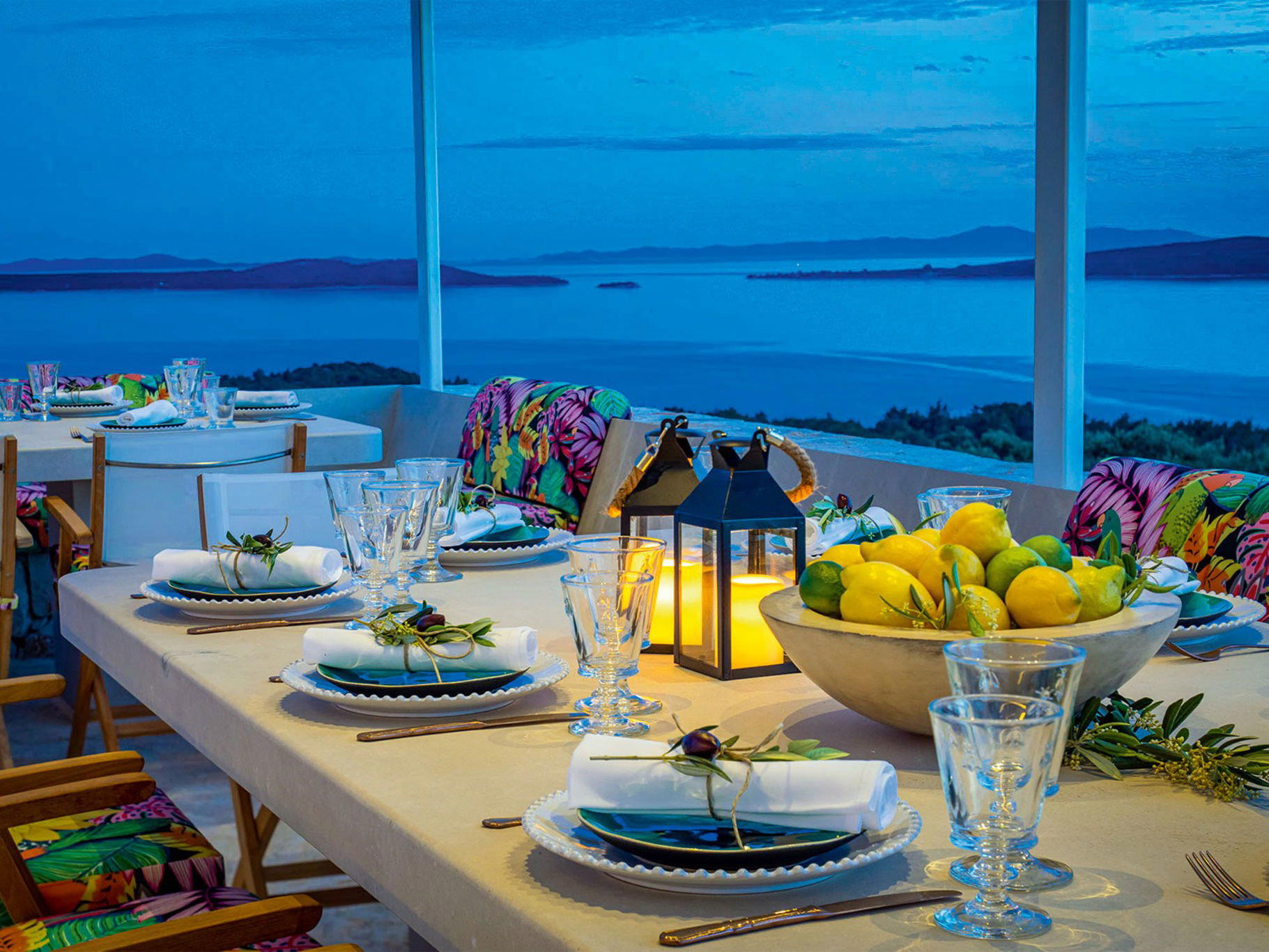
Serene and sophisticated with natural light throughout restored stone structures, blending rustic Apulian charm with modern artistic elements and outdoor poolside relaxation spaces.