C'est la vie
Our verdict
C'est la vie sits at Badhuisstraat 2 in Huisduinen, a quiet coastal village at the northern tip of North Holland, where the North Sea sets the rhythm for what ends up on the plate. The address places it firmly in a dining register shaped by proximity to tidal waters, seasonal catch, and the spare, wind-scoured character of the Dutch coast. For visitors making the detour from Den Helder, the setting alone earns the trip.

Pearl is the En Primeur Club membership app — saves, bookings, and concierge access live there. Same editors, same standards.
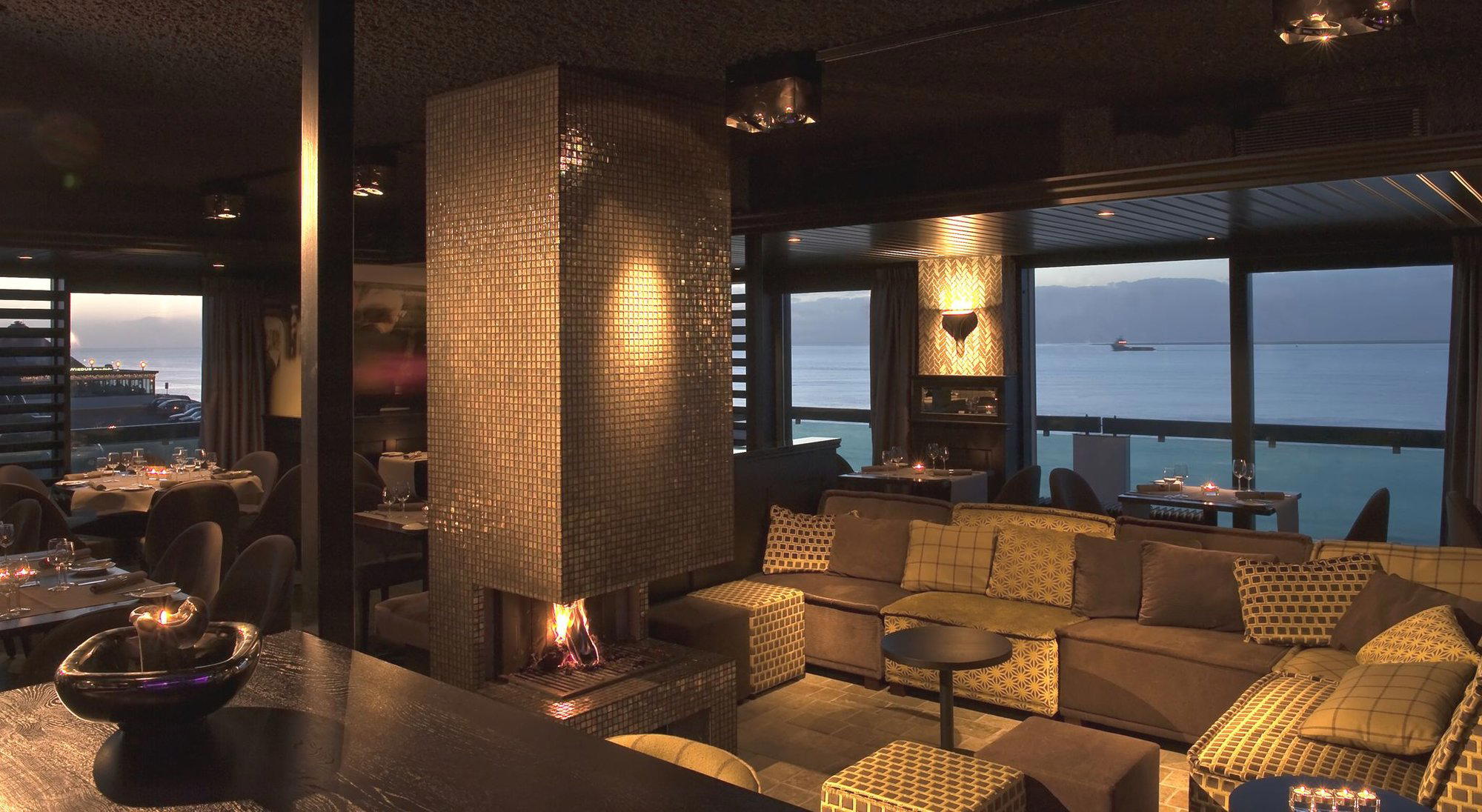
Where the North Sea Becomes the Menu
Huisduinen occupies the northwestern edge of the North Holland peninsula, a strip of dune, sea wall, and low-rise village where the built environment has never overwhelmed the landscape it sits inside. The wind off the North Sea is a constant presence, and it shapes the local food supply in ways that matter: bivalves pulled from cold, high-salinity waters, flatfish from the Wadden Sea approaches, coastal herbs and samphire that grow in conditions no inland farm can replicate. In villages at this latitude, the sourcing question is not an ethical posture — it is a geographic fact. Whatever reaches the kitchen at C'est la vie, located at Badhuisstraat 2, has almost certainly travelled a short distance over open water or across dune terrain before it arrives at the table.
That geographic specificity puts Huisduinen dining in a different frame from the ingredient-sourcing conversations happening at, say, De Nieuwe Winkel in Nijmegen, where the organic credentials are signalled explicitly and the menu is built around a declared philosophy. Coastal kitchens tend to work differently: the provenance is in the address, not the programme notes. The North Holland coast has always supplied its own tables. What shifts across generations is how consciously a kitchen acknowledges that fact, and how much technique it applies to material that already has something to say for itself.
The Setting at Badhuisstraat
Badhuisstraat runs through the older residential core of Huisduinen, a street name that carries the memory of the bathing-house culture that drew visitors to this coast in the nineteenth century. The address is not a restaurant row — there is no cluster of competing venues, no foot traffic from a busy market square. A table here requires a decision, which is itself a useful filter. Guests who make the trip to Huisduinen tend to be oriented toward the specific rather than the convenient, and that shapes the atmosphere inside. The North Sea light, which arrives at low angles for much of the year and changes colour through the afternoon, is a defining feature of any dining room in this part of the country. It does more for the mood than most interior design budgets could.
For context on what the Dutch coast does well in a fine-dining frame, De Bokkedoorns in Overveen, on the western dune edge south of Haarlem, offers a useful reference point: a kitchen working with coastal proximity and serious technique. Further south, Inter Scaldes in Kruiningen represents the Zeeland approach, where estuary ingredients and a two-Michelin-star kitchen intersect. Huisduinen operates outside both of those reference sets, smaller, more removed, and without the institutional recognition those addresses carry. Whether that translates into a worthwhile detour depends on what a diner is looking for from a coastal address.
Ingredient Sourcing and the North Holland Supply Chain
The North Holland coast is not a neutral sourcing territory. The Wadden Sea, a UNESCO World Heritage tidal zone that runs along the north of the peninsula, produces cockles, mussels, shrimp, and flatfish under conditions that generate distinctive flavour profiles, colder water, higher salinity, slower growth cycles than warm-water equivalents. Samphire and sea purslane grow along the dune margins. Coastal dairy from the polders directly inland is among the richest in the country, a function of clay-rich soil and a cattle tradition that predates the Dutch Golden Age. A kitchen in Huisduinen that pays attention to its supply lines has access to raw material that venues in Amsterdam or Rotterdam pay a premium to source and ship.
This is the context in which to read any North Holland coastal kitchen. The question is not whether good ingredients are available, they are, but how a given kitchen situates itself relative to that supply. The leading regional kitchens in the Netherlands, from De Librije in Zwolle to De Lindenhof in Giethoorn, have built their identities in part around a specific regional larder. A coastal address near the Wadden approaches offers a larder that is, in seasonal and ecological terms, among the more compelling in northwestern Europe.
Where C'est la vie Sits in the Dutch Dining Map
The Dutch restaurant scene has consolidated its serious fine-dining addresses in a handful of cities and a select group of rural or small-town locations that have built reputations through sustained recognition. Ciel Bleu in Amsterdam, FG in Rotterdam, and Aan de Poel in Amstelveen represent the urban tier. Beyond those cities, kitchens earn their reputations through a different mechanism, repeat local loyalty, word-of-mouth from within a regional network, and occasional coverage in Dutch food media. Huisduinen sits outside the main recognition circuits.
That absence of institutional signal is not itself a judgement. Some of the more interesting dining in the Netherlands happens in addresses that the major guides have not yet reached, or have passed over for reasons of scale or format rather than quality. De Groene Lantaarn in Staphorst and Brut172 in Reijmerstok are two examples of small-address Dutch kitchens that operate with seriousness in locations the guides rarely spotlight. For diners comfortable making decisions without institutional scaffolding, those are the addresses worth knowing. C'est la vie sits in similar territory.
Planning a Visit
Huisduinen is reached from Den Helder, which connects to the national rail network, putting the village within practical reach of Amsterdam in under two hours by train and taxi or local bus. The address at Badhuisstraat 2 is in the village core, close to the beach approach road. Given the absence of published contact or booking data, the most reliable approach is to verify hours and availability directly through local search or mapping platforms before making the trip, particularly out of season when coastal village businesses often adjust their schedules. The area draws summer visitors for the beach, which means tables may be easier to secure in spring or autumn, when the village quiets and the light on the dunes shifts toward the low, amber quality that characterises the North Sea coast through September and October. For broader orientation on what the region offers, our full Huisduinen restaurants guide covers the wider dining context. Readers building a longer Dutch itinerary might also consider 't Nonnetje in Harderwijk, Tribeca in Heeze, De Treeswijkhoeve in Waalre, or Central Park in Voorburg as part of a circuit of serious provincial Dutch dining. For international comparisons in the coastal fine-dining tier, Le Bernardin in New York City and Lazy Bear in San Francisco represent the high end of what a kitchen rooted in local supply and serious technique can achieve at destination scale. De Lindehof in Nuenen rounds out a useful Dutch peer reference for contemporary regional cooking.
Frequently asked questions
Is C'est la vie okay with children?
Huisduinen is a quiet residential village rather than a tourist resort, and Badhuisstraat itself is a low-traffic residential street, which generally suits a relaxed family outing.
What kind of setting is C'est la vie?
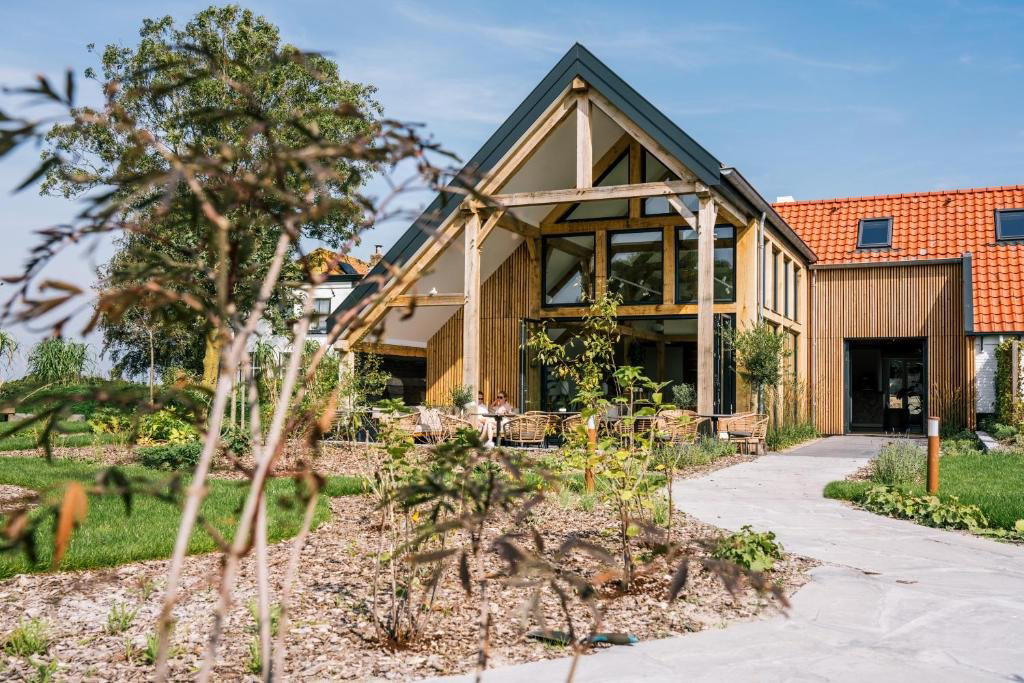
C'est la vie sits on Badhuisstraat 2 in Huisduinen, a small dune-edge village at the northwestern tip of the North Holland peninsula where the built environment stays deliberately low-rise. The address places it within the older residential core of the village, a neighbourhood shaped by the nineteenth-century bathing-house culture that first drew visitors to this stretch of North Sea coast. The result is a setting closer to a working coastal community than a resort strip.
Is C'est la vie in Huisduinen easy to reach without a car?
Huisduinen adjoins Den Helder, which sits on the national rail network and puts the village within practical reach of Amsterdam in under two hours by train. From Den Helder station, Huisduinen and the Badhuisstraat address are accessible by local bus or a short taxi ride. Checking current Dutch rail schedules via NS.nl before travel is recommended.
What's the best thing to order at C'est la vie?
Given the venue's position on the North Holland coast, the regional supply chain — which includes Wadden Sea shellfish, North Sea fish, and local dairy — typically shapes what kitchens in this area do well. Asking the team on arrival what is sourced locally that day is the most reliable approach.
A Quick Peer Check
Comparable venues nearby, for context on price, style, and recognition.
| Venue | Cuisine | Price | Awards | Notes |
|---|---|---|---|---|
| C'est la vieThis venue — the venue you are viewing | Modern French Fine Dining | $50–100 | Not listed | Not listed |
| Restaurant Unique | Creative French Fine Dining | Not listed | Not listed | Gouda Vest |
| Glasz | Modern French Seafood with Breton Influences | $50–100 | Not listed | Hillegersberg Noord |
| Bistrot du Bac | Classic French Bistro | $50–100 | Not listed | Katendrecht |
| Roux Amsterdam | Modern French Seafood Bistro | $50–100 | Michelin Plate · Star Wine List | Anjeliersbuurt Noord |
| Le Mortier | Seasonal French Fine Dining | $50–100 | Not listed | Centrum |
Continue exploring
More in Huisduinen
Restaurants in Huisduinen
All restaurants in Huisduinen →
Hotels in Huisduinen
Browse all →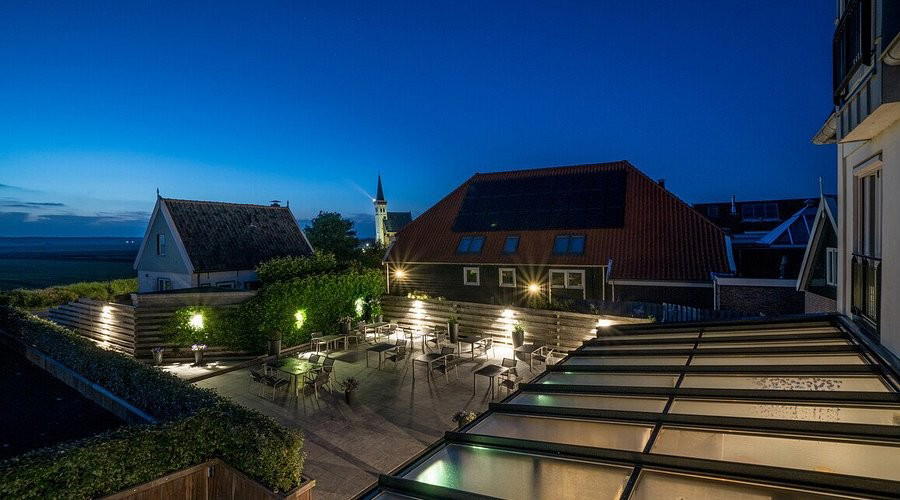
C'est la vie
The wine
- Wine program
- Curated wine list
- Extensive wine list
Details
- Elegant
- Intimate
- Sophisticated
- Date Night
- Special Occasion
- Waterfront
- Hotel Restaurant
- Extensive Wine List
- Local Sourcing
- Waterfront
- Tasting Menu
Current opening hours
- Monday
- Closed
- Tuesday
- Closed
- Wednesday
- 6–10 PM
- Thursday
- 6–10 PM
- Friday
- 6–10 PM
- Saturday
- 6–10 PM
- Sunday
- Closed
Hours can change for holidays and private events. Last verified .
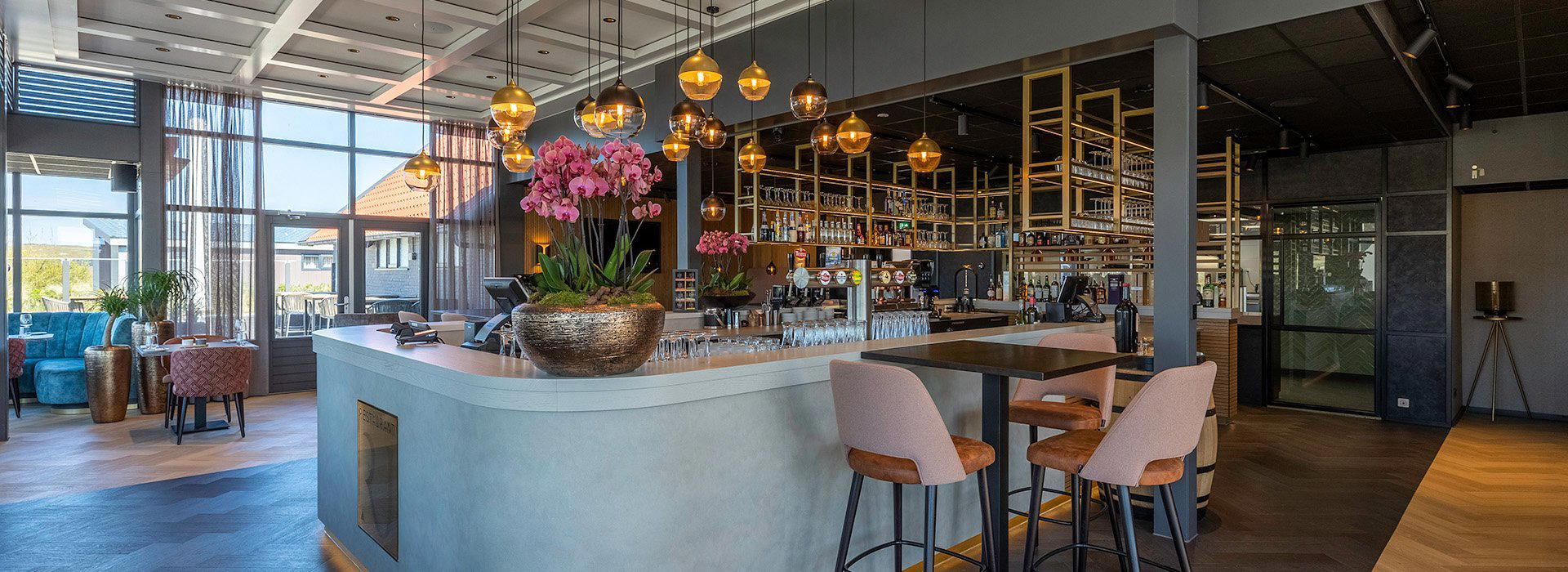
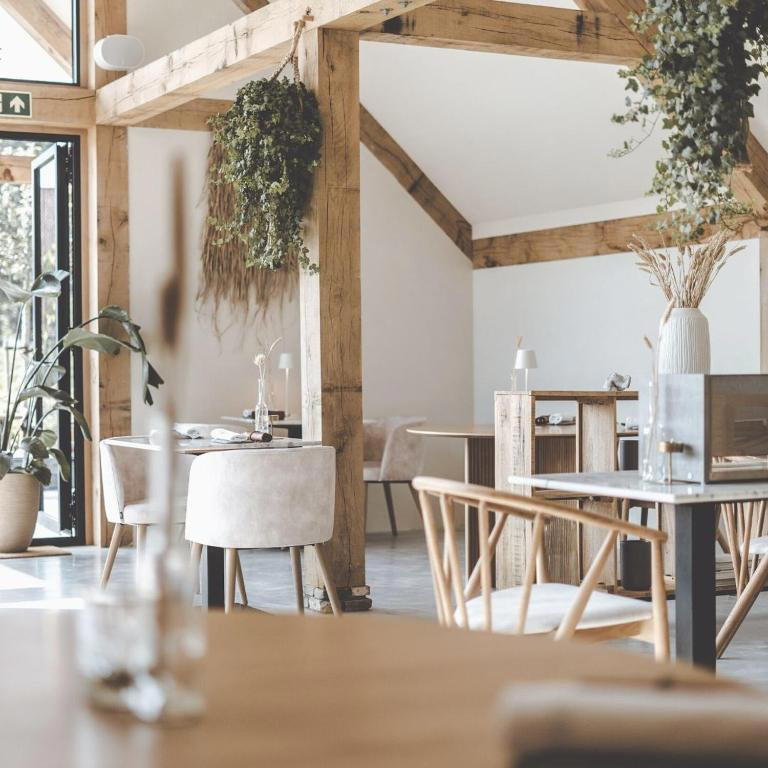
Refined and elegant atmosphere with far-reaching sea views, radiating comfort and sophistication.