Ojo Caliente Mineral Springs Resort & Spa
One of the oldest continuously operated mineral springs resorts in North America, Ojo Caliente sits in the high desert of New Mexico's Taos County, where geothermal pools fed by four distinct mineral sources have drawn visitors for centuries. The property occupies a stretch of red-rock terrain that makes it unlike most wellness retreats in the American Southwest, with adobe architecture rooted in the land rather than imposed on it.

Pearl is the En Primeur Club membership app, where members save venues, book tables and use the concierge.
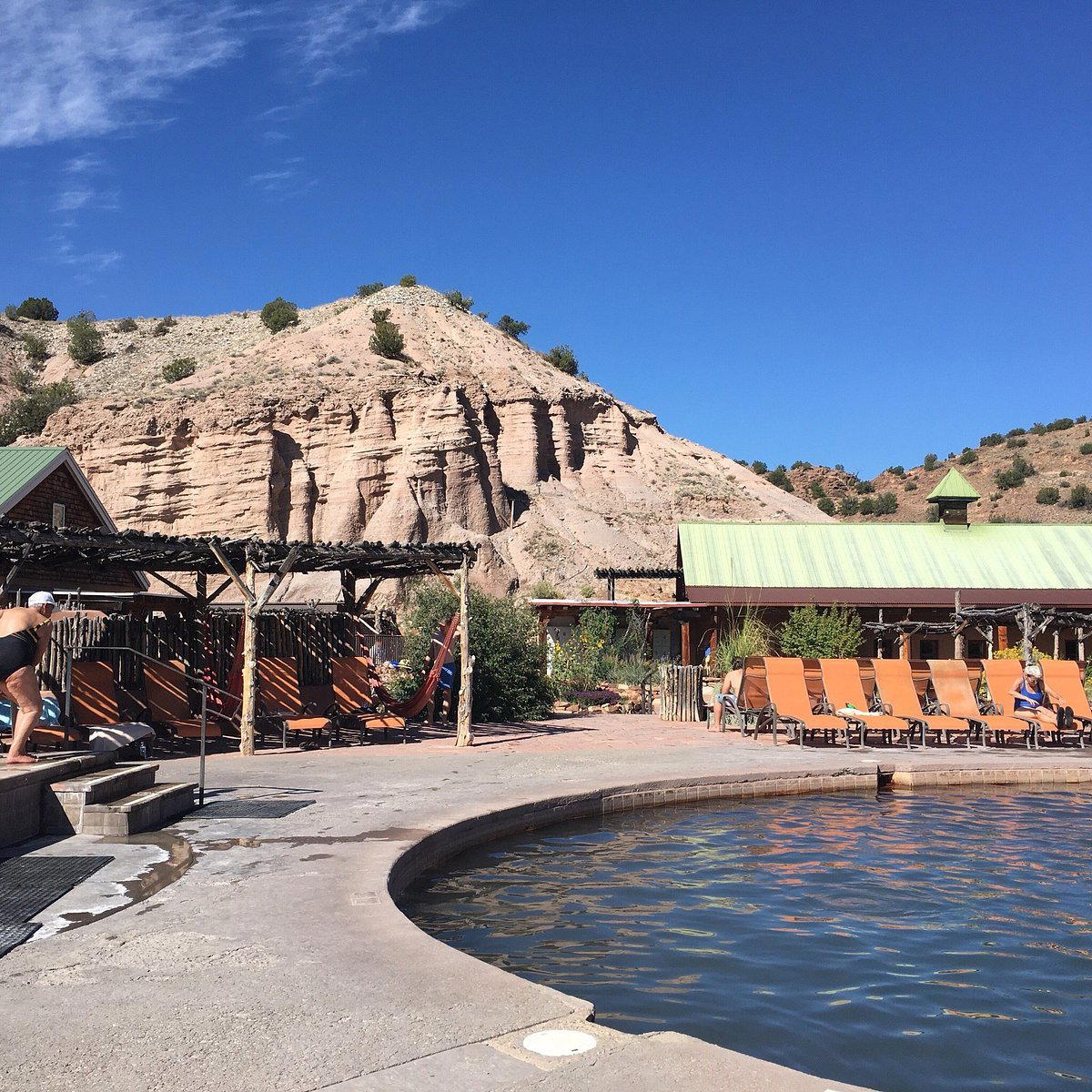
Water, Stone, and the Architecture of an Ancient Site
The American Southwest has developed a well-defined category of luxury wellness resort over the past two decades: polished desert compounds with infinity pools, imported stone, and spa menus that could belong to any property from Scottsdale to Palm Springs. Ojo Caliente, located roughly 50 miles north of Santa Fe in Taos County, occupies a different position entirely. The site's claim to continuity is geothermal rather than commercial, fed by four chemically distinct mineral springs that have been in documented use for centuries, predating the resort industry by a considerable margin. That history is embedded in the physical fabric of the place, and it shapes the architectural logic of everything built around it. For context on how this fits into the wider Taos County hospitality scene, the resort operates in a region that rewards visitors who treat distance from Santa Fe as a feature rather than an inconvenience.
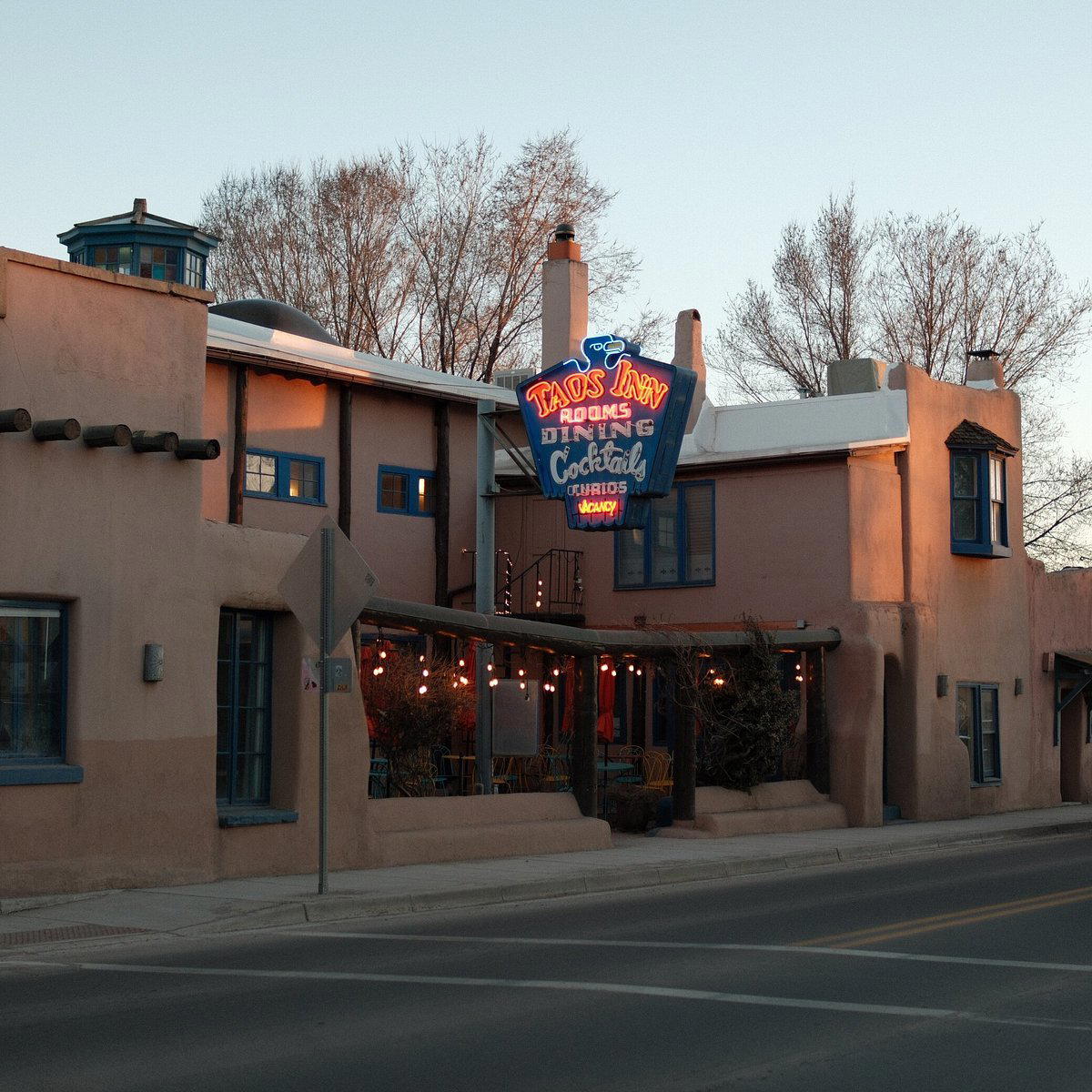
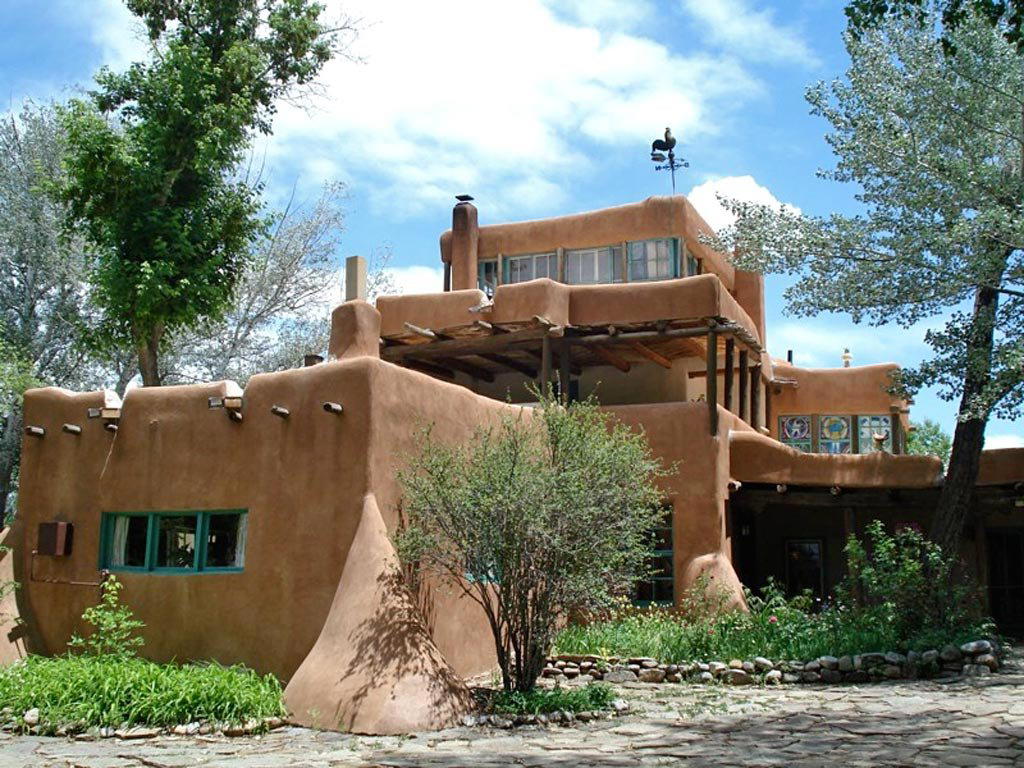
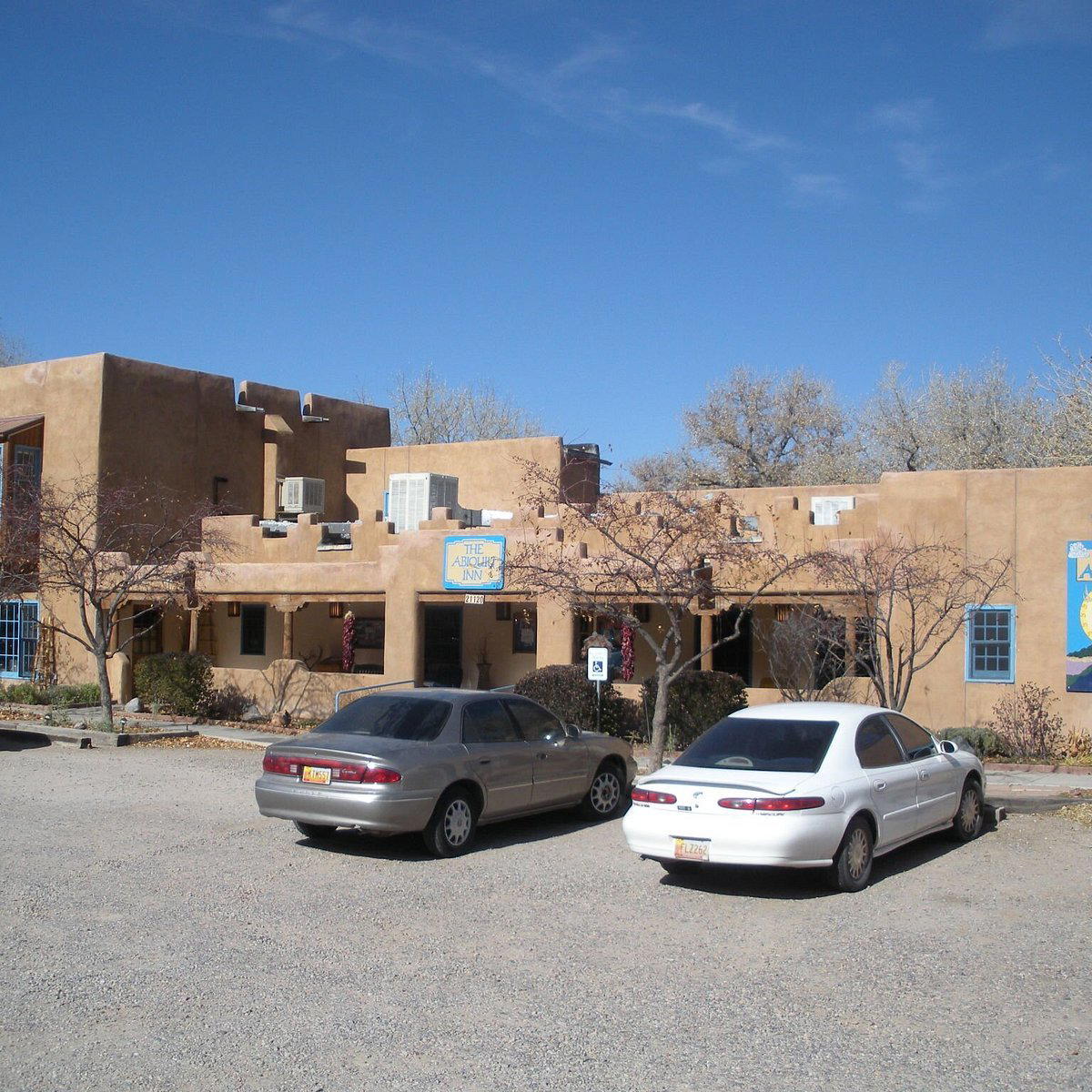
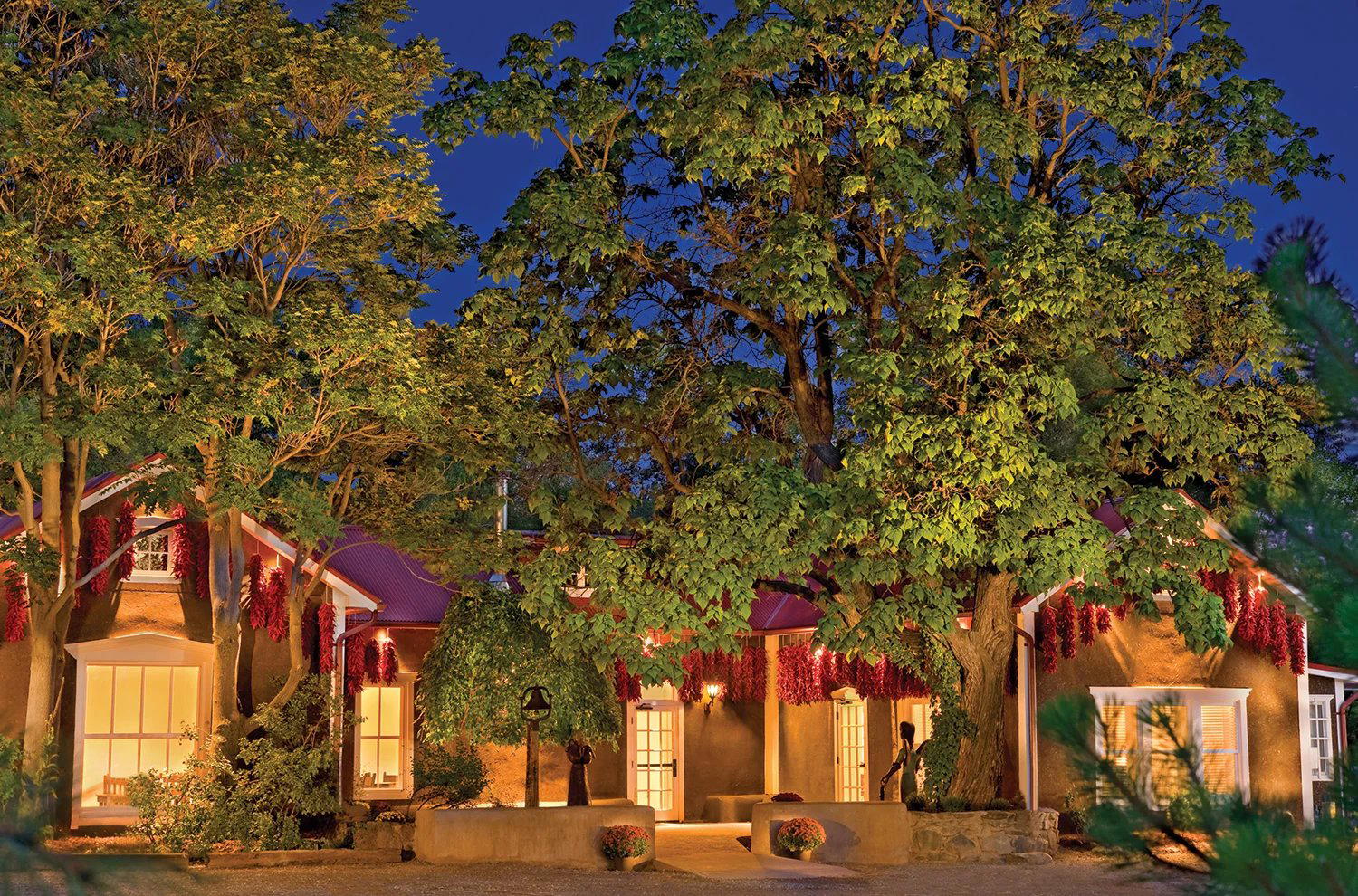
The design sensibility at Ojo Caliente is rooted in regional adobe tradition, a construction method that ties buildings to the high desert terrain through material continuity rather than decorative reference. Adobe walls absorb the heat of the New Mexico sun through the day and release it slowly after dark, a passive thermal logic that predates modern HVAC by centuries. The result is a property where the built environment feels climatically calibrated rather than climatically controlled, which is a meaningful distinction in a place where outdoor temperature swings of 40 degrees Fahrenheit between afternoon and night are routine. That thermal intelligence in the architecture mirrors the thermal intelligence of the springs themselves, and together they produce an environment where the relationship between building, land, and water is unusually coherent.
Four Springs, Four Mineral Profiles
Most mineral spring destinations in North America draw from a single source and market around its chemistry. Ojo Caliente is defined by the presence of four separate springs, each with a distinct mineral composition: iron, lithia, soda, and arsenic. The arsenic spring, now understood through contemporary chemistry rather than 19th-century cure claims, carries historical weight that distinguishes the site from newer wellness properties that have no such archive to draw on. The pools fed by these sources are the architectural and experiential center of the property. Everything else, the accommodation, the dining, the treatment facilities, orbits around them. That hierarchy of use is not common in the modern resort format, where the pool complex typically functions as one amenity among many. Here it is structurally primary, and the site plan reflects that priority.
The broader American wellness resort market has bifurcated sharply in recent years. At one end sit intensive destination health programs, where Canyon Ranch Tucson represents the structured, medically adjacent model. At the other sit immersive landscape retreats, where properties like Amangiri in Canyon Point and Ambiente in Sedona sell the terrain as the primary experience. Ojo Caliente sits outside both of those categories. It lacks the clinical scaffolding of Canyon Ranch and the architectural minimalism of the Aman-affiliated desert properties, but it possesses something neither competitor can replicate: an operational history measured in generations rather than decades, and a geothermal infrastructure that cannot be engineered elsewhere.
Accommodation in a High Desert Setting
The accommodation spectrum at a property like this tends to split between historic rooms in original structures and newer builds that prioritize comfort over character. Both exist at Ojo Caliente. The older rooms carry the proportional logic of vernacular adobe construction, lower ceilings, thicker walls, smaller windows oriented for passive solar performance rather than panoramic views. Newer additions and casita-style units trend toward larger footprints and more direct integration with the outdoor spaces, which in the high desert means covered porches and unobstructed sightlines toward the Jemez Mountains. Neither category should be read as superior across the board. Guests who treat the room as a place to sleep between morning and evening pool sessions will find the older structures more than adequate. Those who plan to work remotely or spend significant time indoors will find the newer options more functional.
Compared to properties that prioritize design spectacle, such as Post Ranch Inn in Big Sur or Sage Lodge in Pray, Ojo Caliente makes no particular architectural statement in its accommodation. The rooms are a support structure for the outdoor experience, not the primary event. That calibration is either entirely appropriate or somewhat disappointing depending on what you came for.
Getting There and Timing Your Visit
Ojo Caliente sits at 50 Los Banos Drive in Ojo Caliente, New Mexico 87549, approximately halfway between Santa Fe and Taos on Highway 285. The drive from Santa Fe takes around 50 minutes under normal conditions; from Albuquerque International Sunport, the nearest major airport, plan for roughly 90 minutes. There is no public transit option. The property is a self-contained destination rather than a base for regional day-tripping, though proximity to the Rio Grande Gorge and the high road to Taos means that guests with a car can connect the springs visit to broader landscape exploration without significant logistical difficulty.
Seasonally, the experience shifts considerably. Spring and autumn bring mild daytime temperatures and cooler nights, which enhance the outdoor pool experience by sharpening the temperature contrast. Summer afternoons can exceed 90 degrees Fahrenheit in the valley, which pushes pool use toward early morning and evening hours. Winter, while cold, produces the most atmospheric conditions for outdoor soaking, with steam rising off geothermally heated water against a cold sky. The property draws a mix of weekend visitors from Santa Fe and Albuquerque alongside longer-stay guests who arrive with a recovery or retreat agenda. Weekend mornings at the pools are significantly busier than weekday sessions, a logistical fact worth accounting for when timing an arrival.
Other domestic resort properties that attract a comparable mix of wellness intent and landscape immersion include Blackberry Farm in Walland, Bernardus Lodge in Carmel Valley, and Troutbeck in Amenia, though none share the geothermal and historical specificity that defines Ojo Caliente's position in this category. For those constructing a broader American Southwest itinerary, pairing a stay here with properties like Amangani in Jackson Hole or Alpine Falls Ranch in Superior produces a landscape-led itinerary with meaningful variation in terrain and resort format.
How It Stacks Up
| Venue | Price | Awards |
|---|---|---|
| Ojo Caliente Mineral Springs Resort & SpaThis venue (the venue you are viewing) | Not listed | Not listed |
| Aman New York | Not listed | 3 Michelin Keys · World's 50 Best #87 |
| Amangiri | $1,000–1,500 | 3 Michelin Keys · World's 50 Best #45 |
| Hotel Bel-Air | $750–1,000 | 3 Michelin Keys · World's 50 Best #57 |
| The Beverly Hills Hotel | Not listed | 3 Michelin Keys · World's 50 Best #65 |
| The Carlyle, A Rosewood Hotel | $1,500–2,500 | 2 Michelin Keys · World's 50 Best #64 |
Ojo Caliente Mineral Springs Resort & Spa
Featured Guides

Continue exploring
More in Taos
Hotels in Taos
All hotels in Taos →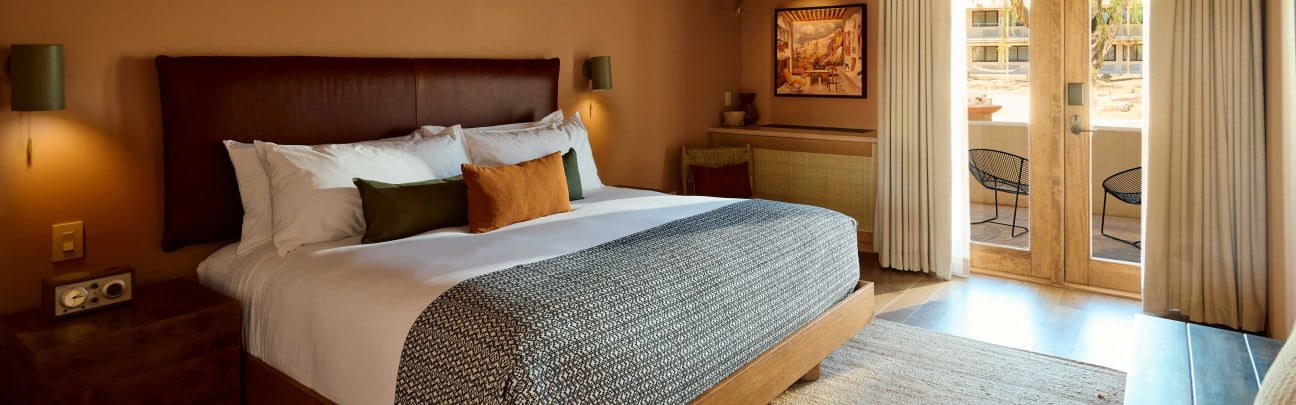
Details
- Quiet
- Rustic
- Scenic
- Cozy
- Wellness Retreat
- Romantic Getaway
- Weekend Escape
- Destination Spa
- Pool
- Spa
- Mountain
Relaxed and rustic atmosphere with natural geothermal pools, historic adobe architecture, and a contemplative, Birkenstock-style wellness retreat vibe.