Mabel Dodge Luhan House
One of the most architecturally layered properties in the American Southwest, Mabel Dodge Luhan House in Taos has drawn writers, painters, and thinkers since the 1920s. The adobe compound at 240 Morada Lane operates as a historic inn and retreat center, placing guests inside a building that shaped American modernist cultural history. It belongs to a small category of properties where the architecture is the primary experience.

Pearl is the En Primeur Club membership app, where members save venues, book tables and use the concierge.
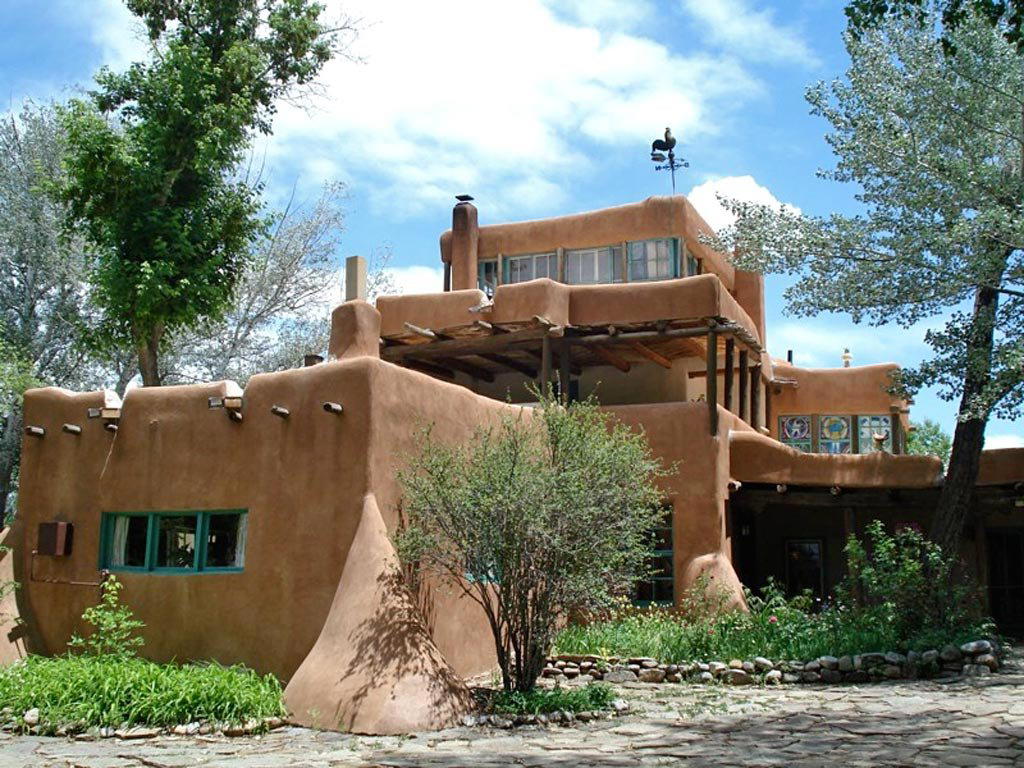
Adobe, Atmosphere, and a Century of Creative Residency
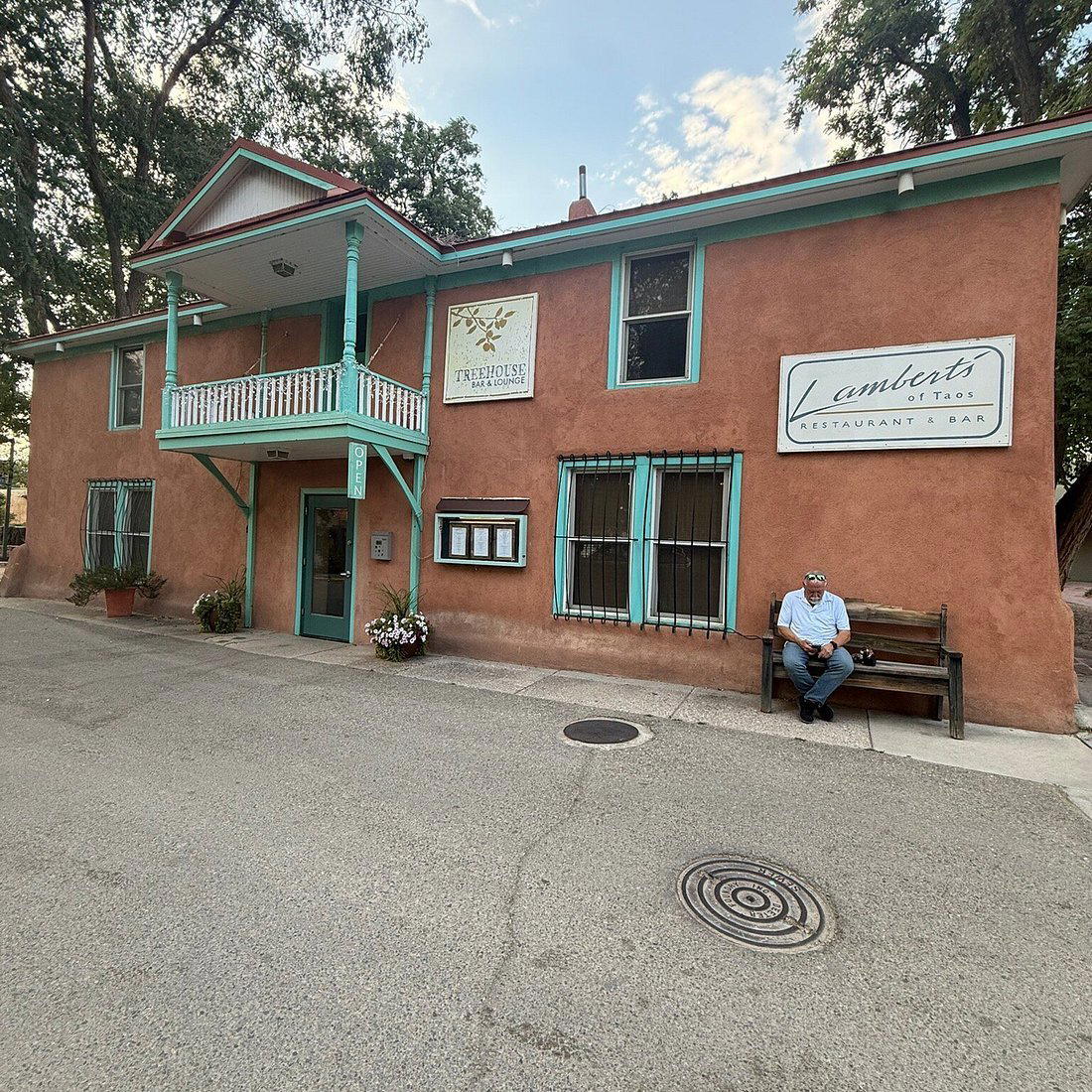
Approaching 240 Morada Lane, the Mabel Dodge Luhan House announces itself not through signage or spectacle but through mass and materiality. The main structure is a Pueblo Revival adobe compound in the foothills north of Taos Plaza, where thick earthen walls absorb the high-desert light and exhale cool air even in midsummer. The surrounding range of sage, cottonwood, and the distant profile of Taos Mountain frames the compound the way a gallery frames a painting, with space left deliberately empty. For visitors accustomed to hotels that announce themselves through lobbies and branding, the arrival here requires a recalibration.
Pueblo Revival architecture, the regional vernacular that blends Spanish Colonial and Indigenous Pueblo building traditions, has produced some of the American Southwest's most distinctive built environments. The Mabel Dodge Luhan House sits in that tradition but carries additional cultural weight: it was built and expanded by socialite and arts patron Mabel Dodge Luhan in the 1920s, and it became one of the most consequential literary and artistic gathering places in the American West. D.H. Lawrence, Georgia O'Keeffe, Ansel Adams, and Willa Cather were among those who stayed and worked here. That history is not decoration, it is embedded in the rooms themselves, some of which retain the hand-painted detailing and kiva fireplaces from the original construction period.
The Architecture as the Experience
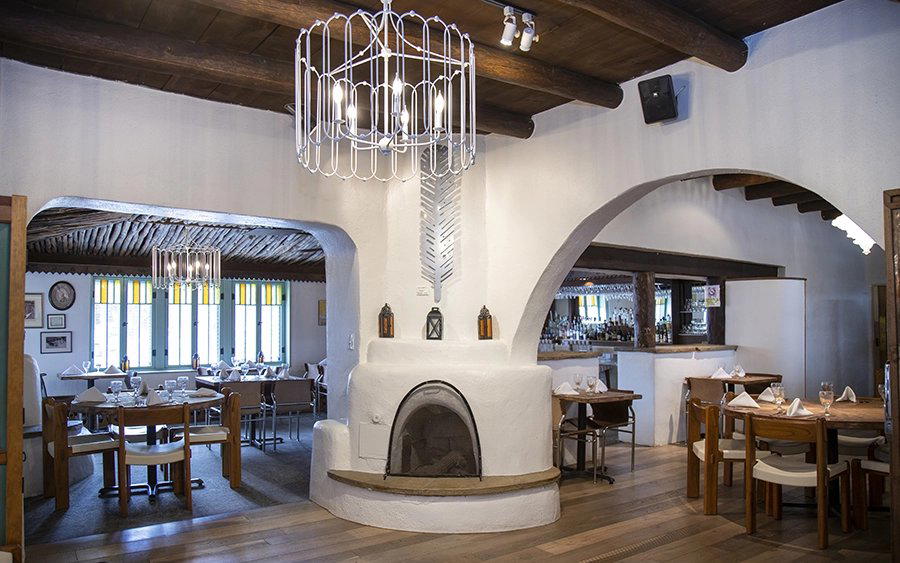
Where most historic property conversions compromise structural authenticity for contemporary comfort, the Mabel Dodge Luhan House preserves the spatial logic of its original Pueblo Revival form. Rooms vary significantly in character: some occupy the thick-walled main house, others are distributed across outbuildings and former artist studios on the property grounds. Kiva fireplaces, the circular corner hearths that have heated adobe rooms in New Mexico for centuries, remain functional in many guest spaces. Ceilings follow the traditional vigas-and-latillas construction, rough-hewn log beams with smaller sticks laid diagonally between them, which is as structurally honest as it is atmospheric.
This is not a property that has been styled to evoke a southwestern aesthetic. The aesthetic is the original structure, preserved and inhabited. That distinction matters when comparing it to the broader Southwest luxury property segment, where Pueblo Revival gestures often appear as decorative cladding on otherwise conventional hotel formats. Properties like Amangiri in Canyon Point or Ambiente, A Landscape Hotel in Sedona sit in a different tier, larger budgets, higher service ratios, contemporary construction, and signal that the Southwest luxury segment has room for radically different approaches. The Mabel Dodge Luhan House competes on authenticity and historical density rather than amenity count.
Taos as Context
Taos Pueblo, the UNESCO World Heritage Site less than two miles from the property, is among the oldest continuously inhabited communities in North America, with occupation documented for more than a thousand years. The town of Taos, which developed around the Pueblo and the Spanish colonial plaza, has long attracted artists and writers drawn by the quality of light and the layered cultural history. The Mabel Dodge Luhan House was central to that attraction: Mabel deliberately recruited creative figures to the area in the 1920s and 1930s, and the community she helped build persists in the galleries, studios, and institutions that characterize Taos today.
For travellers orienting a trip around cultural immersion rather than resort amenities, Taos occupies a position in the American Southwest that few other towns match. The combination of Indigenous heritage, Spanish Colonial architecture, twentieth-century arts history, and high-desert geography creates a layered reading that rewards slower, more attentive visits. Staying at the Mabel Dodge Luhan House places a guest inside that history in a way that no contemporary-build property in the region can replicate. For broader orientation on what the area offers, our full Taos Pueblo restaurants guide covers the dining and cultural context in depth.
Where It Sits in the Wider Range of Literary and Historic Hotels
Historic literary hotels occupy a specific niche in premium travel. They trade on the credibility of documented association with artists, writers, and thinkers, and their value proposition depends almost entirely on the integrity of that association and the physical evidence that remains. The Mabel Dodge Luhan House holds its position in this category through an unusually well-documented guest history and a building that has not been substantially altered to accommodate contemporary hotel conventions.
Comparable properties in other contexts include Troutbeck in Amenia, a Hudson Valley estate with its own literary residency history, and Chicago Athletic Association in Chicago, a historic building conversion that preserves architectural character within a more conventional hotel format. The Mabel Dodge Luhan House sits closer to the residency-and-retreat end of this spectrum than the polished-historic-hotel end. It functions as much as a conference and retreat center as a conventional accommodation, regularly hosting writers' workshops, academic gatherings, and artist residencies, an operational model that distinguishes it from most properties in the historic-hotel category.
For those whose travel reference points are properties like Hotel Bel-Air in Los Angeles, The Fifth Avenue Hotel in New York City, or Raffles Boston, the Mabel Dodge Luhan House represents a significant format shift. Service is less formalized, amenities are more spare, and the experience centers on place and history rather than curated comfort. That is a feature for the right traveller, not a compromise.
Planning a Stay
The property sits at 240 Morada Lane in Taos, a short drive from the historic Taos Plaza and within reach of Taos Pueblo itself. Given its dual function as retreat center and guest accommodation, availability varies depending on whether a group booking has reserved the property for a dedicated event or residency. Prospective guests are advised to plan well ahead, particularly for high-demand periods in spring and fall when the New Mexico climate is at its most accommodating. The property does not publish standard hotel booking infrastructure in the conventional sense, reaching out directly is the appropriate approach, and website details should be confirmed at time of inquiry. Other properties in the American West that pair landscape engagement with meaningful architecture, including Post Ranch Inn in Big Sur, Blackberry Farm in Walland, Sage Lodge in Pray, and Amangani in Jackson Hole, offer useful comparison points for calibrating expectations before booking.
A Quick Peer Check
| Venue | Price | Awards |
|---|---|---|
| Mabel Dodge Luhan HouseThis venue (the venue you are viewing) | Not listed | Not listed |
| Aman New York | Not listed | 3 Michelin Keys · World's 50 Best #87 |
| Amangiri | $1,000–1,500 | 3 Michelin Keys · World's 50 Best #45 |
| Hotel Bel-Air | $750–1,000 | 3 Michelin Keys · World's 50 Best #57 |
| The Beverly Hills Hotel | Not listed | 3 Michelin Keys · World's 50 Best #65 |
| The Carlyle, A Rosewood Hotel | $1,500–2,500 | 2 Michelin Keys · World's 50 Best #64 |
Continue exploring
More in Taos Pueblo
Hotels in Taos Pueblo
All hotels in Taos Pueblo →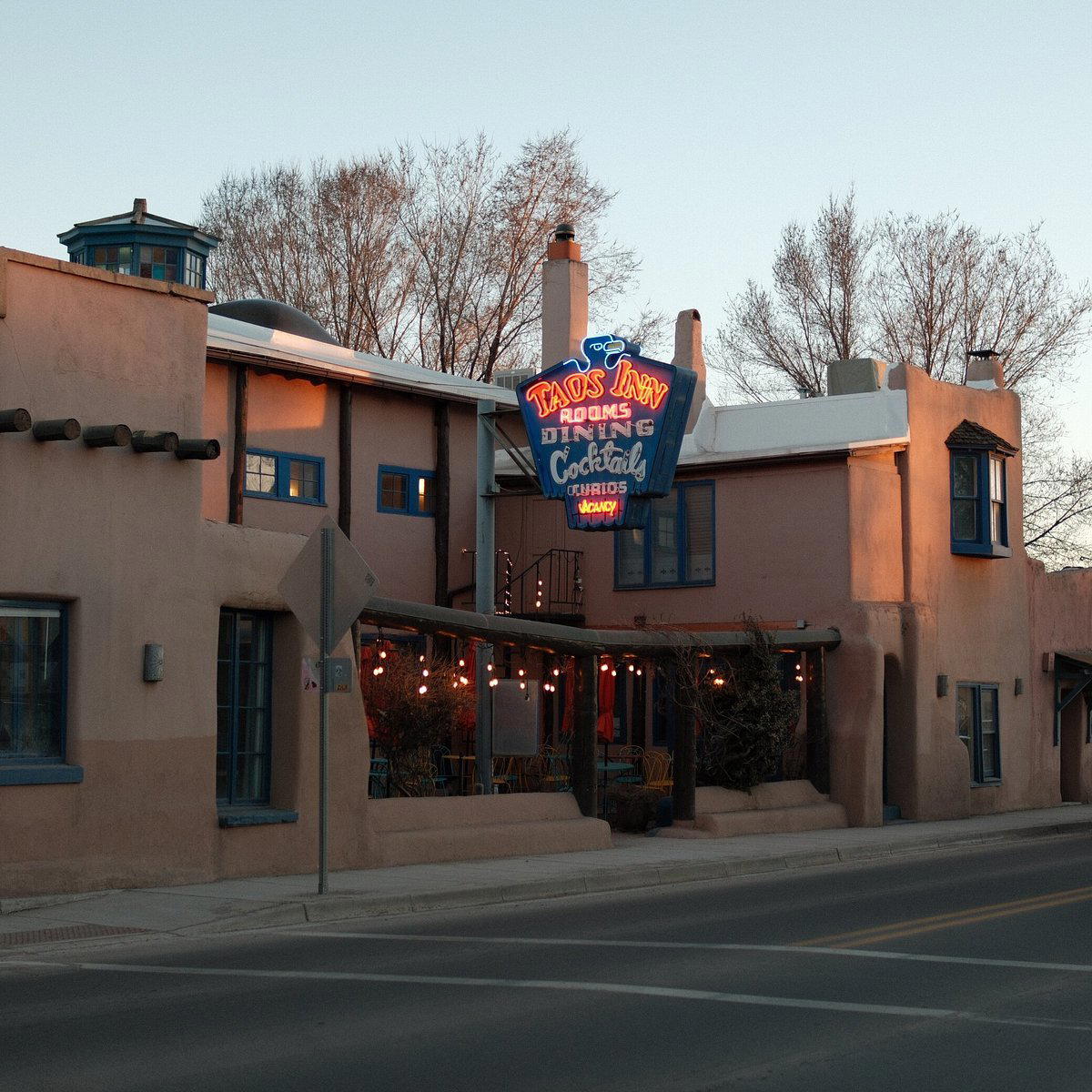
Details
- Bohemian
- Historic
- Quiet
- Rustic
- Scenic
- Romantic Getaway
- Weekend Escape
- Historic Building
- Garden
- Terrace
- Panoramic View
- Garden
- Wi Fi
- Mountain
- Garden
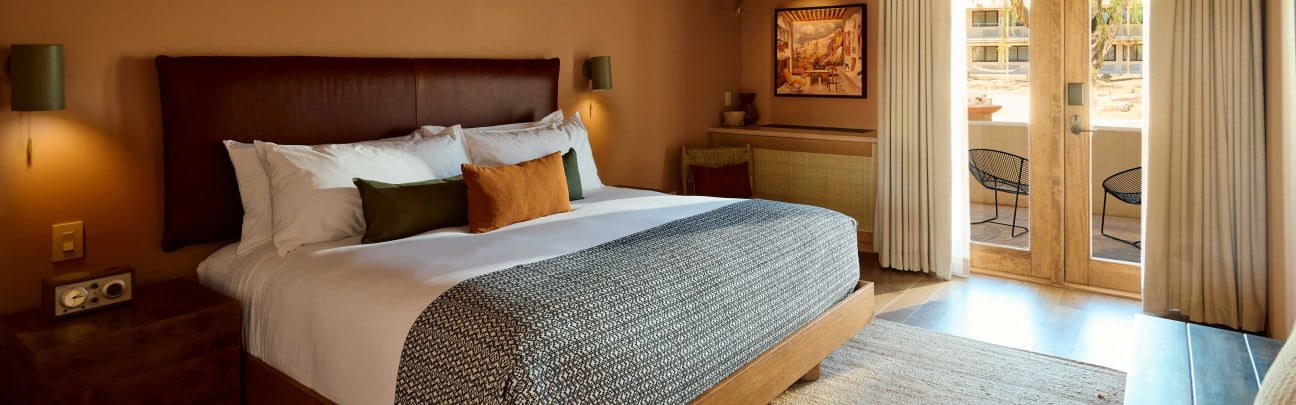
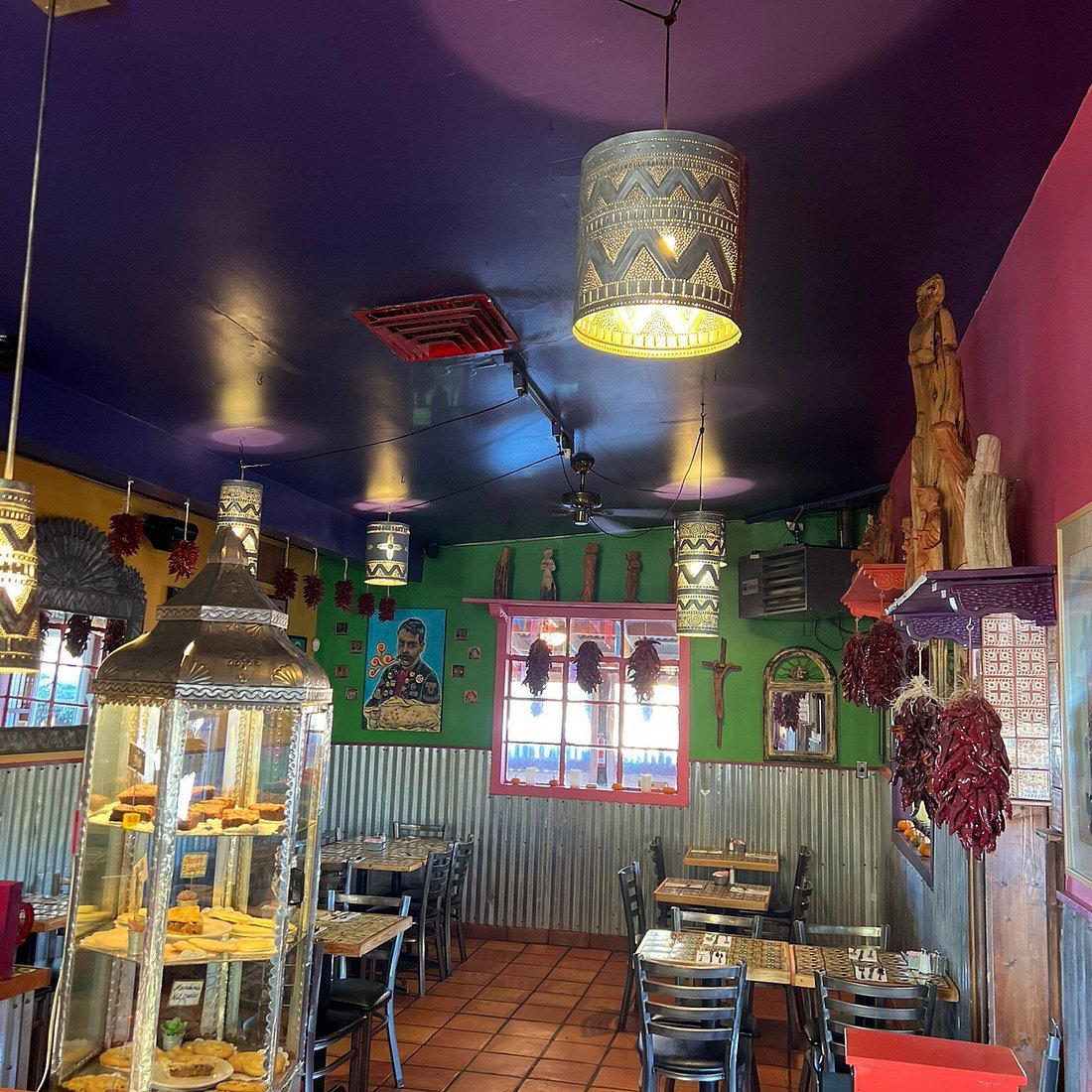
Warm adobe charm with early-century elegance, featuring traditional kiva fireplaces, vigas, carved pillars, and tree-lined courtyards that evoke a relaxed, artistic retreat atmosphere.