Rancho de Chimayó
Our verdict
One of New Mexico's most enduring family-run restaurants, Rancho de Chimayó has operated for decades in the village of Chimayó, drawing on the region's long tradition of New Mexican cooking rooted in Hispano agricultural heritage. The kitchen leans on locally sourced chiles, corn, and beans that reflect the Rio Grande corridor's distinct terroir. For anyone tracing the origins of New Mexican cuisine, this address on Juan Medina Road is a primary source.

Pearl is the En Primeur Club membership app, where members save venues, book tables and use the concierge.
The menu
What to order
- Carne adovada
- Stuffed sopaipilla
- Blue corn enchiladas
- Hand rolled tamales
- Chile rellenos
Where the Soil Shows Up on the Plate
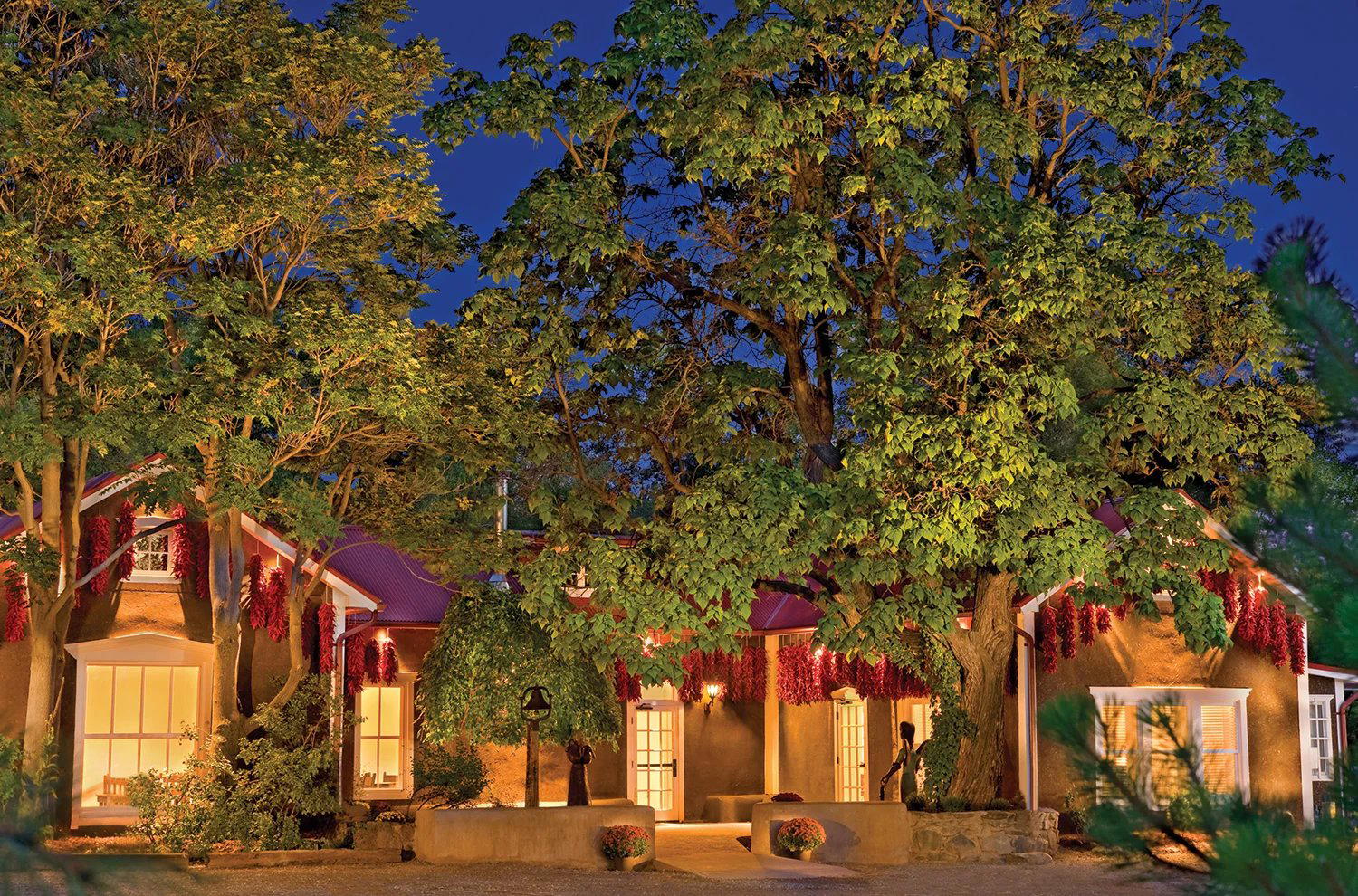
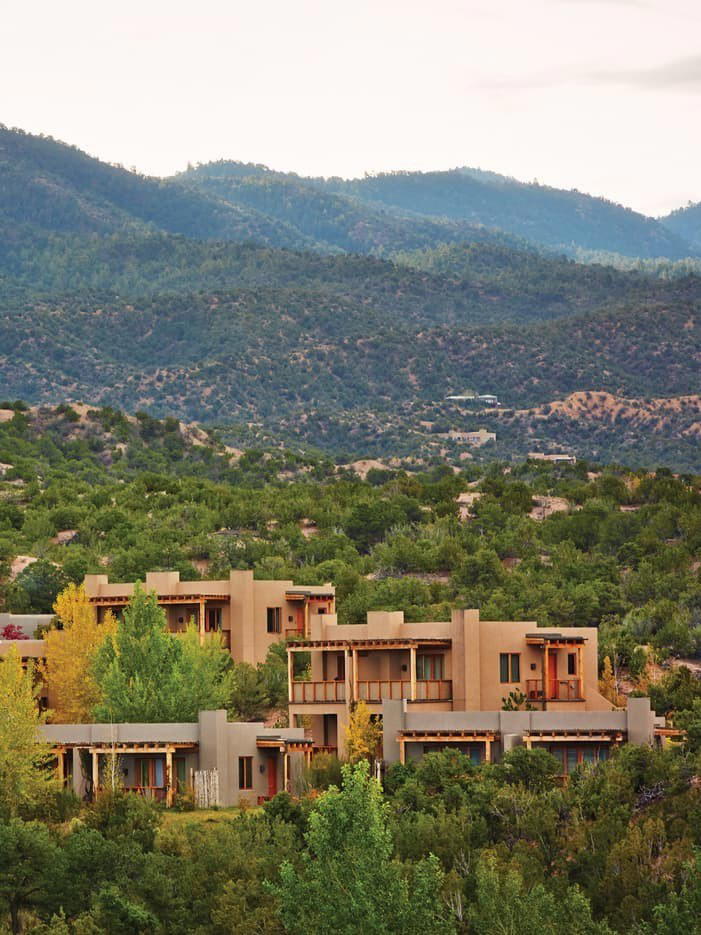
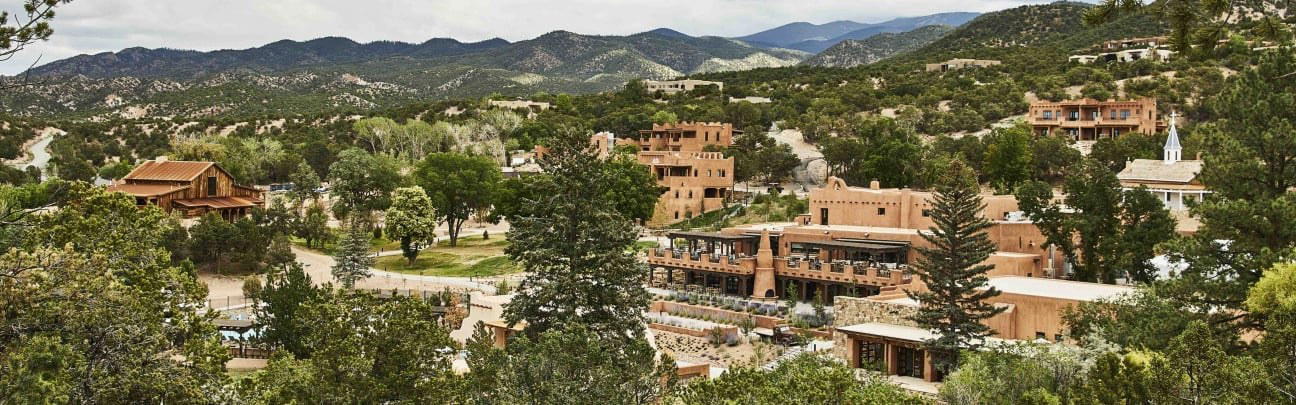
The village of Chimayó sits in the Sangre de Cristo foothills roughly 25 miles north of Santa Fe, at an elevation where the growing season is short, the light is sharp, and agricultural tradition runs deep. This is not backdrop, it is the operative fact about the food served at Rancho de Chimayó. The restaurant occupies a historic adobe compound on Juan Medina Road, and the physical approach alone communicates something that a menu description cannot: you are eating in a place that predates the category of "New Mexican restaurant" by several generations.
New Mexican cuisine is among the most geographically specific food traditions in the United States. Its foundation is the Hatch and Chimayó chile, each tied to a particular valley, altitude, and soil chemistry. The Chimayó chile, grown in this specific stretch of the Rio Grande corridor for centuries by Hispano farming families, carries a heat profile and sweetness that is demonstrably different from peppers sourced elsewhere. Restaurants as far afield as Lazy Bear in San Francisco and Single Thread Farm in Healdsburg have built entire philosophies around hyperlocal sourcing, Rancho de Chimayó has simply been doing it longer, and in a place where the ingredient itself is native rather than adopted.
The Sourcing Argument, Made in Adobe
The broader American fine-dining conversation around provenance has largely been led by institutions like Blue Hill at Stone Barns in Tarrytown and The French Laundry in Napa, both of which have built international reputations on the relationship between kitchen and land. What Rancho de Chimayó represents is a parallel tradition that developed not from a culinary movement but from cultural continuity. The Hispano agricultural practices of northern New Mexico, the acequia irrigation systems, the heirloom corn varieties, the chile cultivation passed between generations, were never framed as a sourcing philosophy because they were simply how food was grown and cooked.
That distinction matters when you consider how restaurants across the country have positioned local sourcing as a differentiator. At Bacchanalia in Atlanta or Frasca Food and Wine in Boulder, the connection between supplier and kitchen is deliberate and documented. In Chimayó, the connection is older than documentation, it is embedded in how the village economy functioned before restaurants existed as a commercial category. Rancho de Chimayó sits at the intersection of those two worlds: it is a business serving travelers and locals, but it operates inside a food tradition that long preceded it.
The Food Itself: Red or Green?
New Mexico's unofficial state question, red or green, referring to chile sauce, is answered differently here than in Albuquerque or Las Cruces. The Chimayó red chile sauce, made from dried and ground locally grown peppers, carries an earthiness and subtle fruit note that distinguishes it from the sharper commercial variants common in chain New Mexican restaurants. For first-time visitors, this specificity can be a genuine revelation: the same dish ordered in Santa Fe and in Chimayó will taste different if the chile source differs, and at Rancho de Chimayó, the source is a point of distinction.
The menu follows the established architecture of New Mexican cooking: enchiladas, tamales, posole, sopaipillas. These are not dishes designed to surprise, they are dishes designed to be executed correctly within a tradition. That is a different achievement than the tasting-menu formats offered at places like Alinea in Chicago or Atomix in New York City, where the goal is novelty and progression. Here, fidelity to a culinary lineage is the editorial point. The question is not what has changed but what has been preserved.
Chimayó as a Dining Destination
Chimayó is a small village that draws disproportionate visitor traffic relative to its size, primarily because of the Santuario de Chimayó, a Catholic pilgrimage site roughly half a mile from the restaurant. That geographic fact shapes the dining context considerably: the restaurant serves both serious food travelers making a deliberate stop and pilgrims who have walked long distances and want a substantial, grounding meal. Few restaurants in the American Southwest occupy this particular intersection of the sacred and the agricultural in quite the same way.
The Rio Grande corridor has produced other serious food destinations. Santa Fe supports a dining scene that now includes restaurants reaching toward the register of Providence in Los Angeles or Addison in San Diego in terms of ambition and price point. Rancho de Chimayó occupies a different position entirely, not the aspirational fine-dining bracket, but the category of restaurant that preserves something those ambitious kitchens often look to for inspiration. For anyone working through our full Chimayo restaurants guide, this address functions as a reference point rather than a comparison.
Planning a Visit
Chimayó is approximately 25 miles north of Santa Fe via US-285 and NM-503, a drive through high desert terrain that takes under an hour from the city center. The restaurant is located at 300 Juan Medina Road and is most accessible by car; there is no practical public transit connection from Santa Fe. Visits are worth coordinating with a stop at the Santuario de Chimayó, which is within walking distance. The area also supports a small network of local weavers and studios, and the combination makes for a half-day or full-day excursion rather than a standalone meal stop. Seasonal timing favors spring through fall; northern New Mexico winters can make the approach roads less predictable. For the widest context on dining in the region, the Santa Fe and broader northern New Mexico dining scene provides a useful frame, restaurants like Causa in Washington, D.C. or Brutø in Denver show how regional traditions migrate and transform; coming to Chimayó is one way to encounter the source material directly.
Frequently asked questions
Is Rancho de Chimayó a family-friendly restaurant?
Rancho de Chimayó has operated as a family-run establishment in Chimayo, NM for decades, and the setting reflects that history, adobe architecture, a village pace, and a menu built around regional New Mexican traditions that spans generations. The environment is unhurried rather than formal, which tends to suit families who are making the trip out from Santa Fe. That said, confirm current hours and seating directly before visiting, as the restaurant is roughly 25 miles from the city and planning ahead is advisable.
What should I expect atmosphere-wise at Rancho de Chimayó?
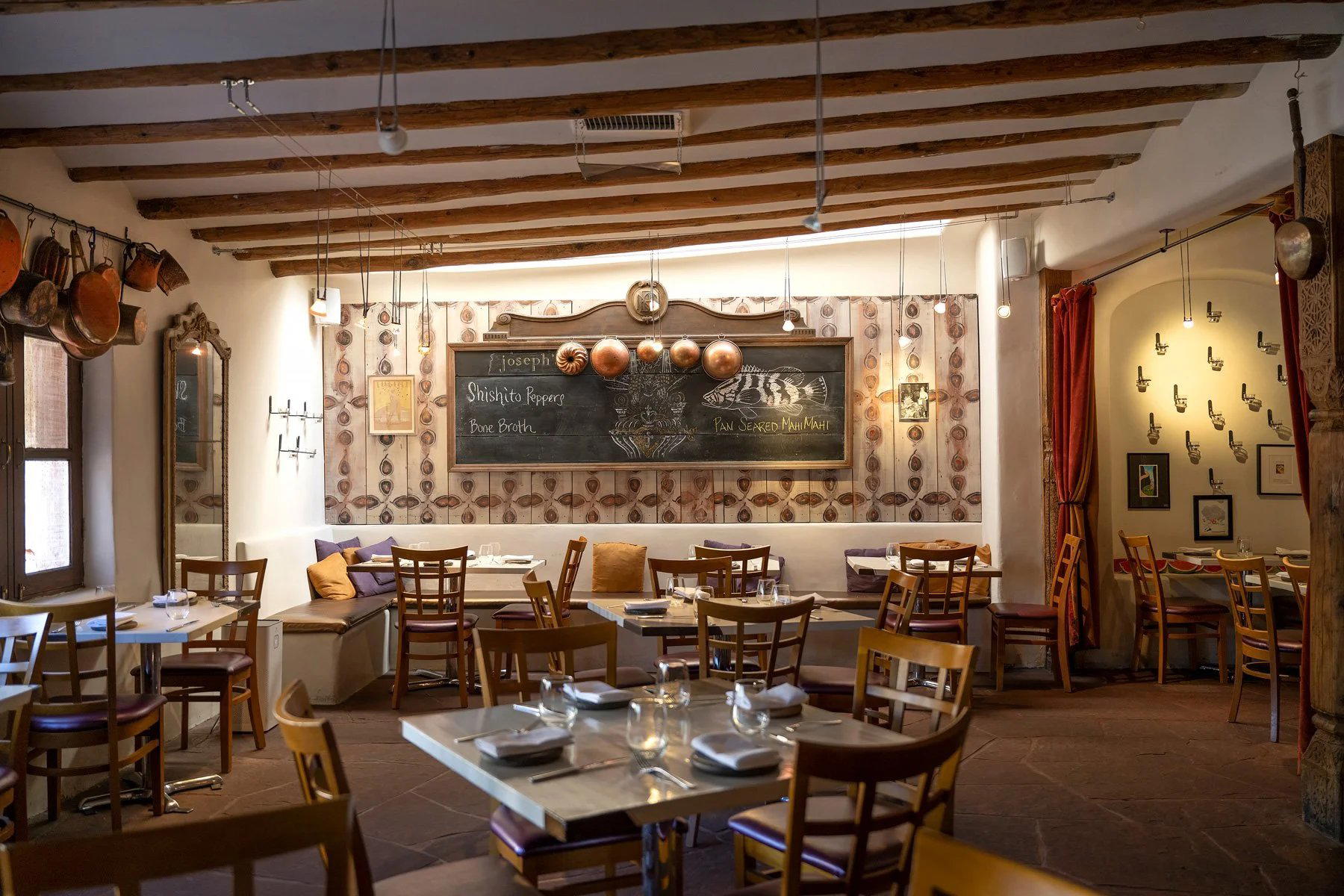
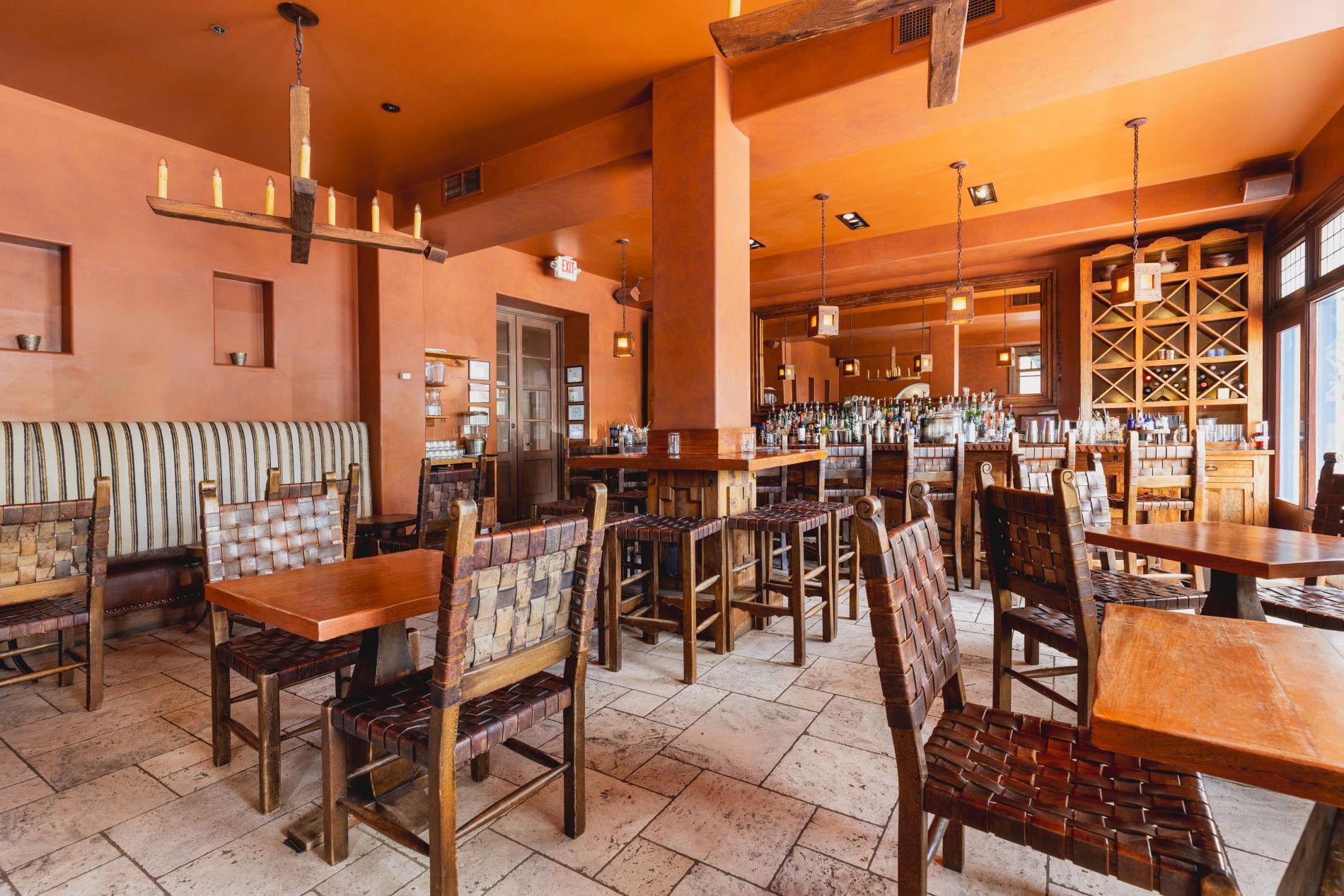
The dining room occupies a historic adobe structure on Juan Medina Road in Chimayo, which means low ceilings, thick walls, and an interior that reads as a working part of the village rather than a designed restaurant concept. The surrounding Sangre de Cristo foothills set the wider context, this is high desert New Mexico, not Santa Fe's tourist corridor. Service pace follows the village rhythm, and the room fills with a mix of locals, pilgrims visiting the nearby Santuario de Chimayó, and Santa Fe visitors making the 25-mile drive north.
How far is Rancho de Chimayó from Santa Fe, and is it worth the drive?
Rancho de Chimayó sits at 300 Juan Medina Rd in Chimayo, NM 87522, approximately 25 miles north of Santa Fe via US-285 and NM-503, under an hour through high desert terrain. Most visitors combine the trip with a stop at the Santuario de Chimayó, a Catholic pilgrimage site that draws significant foot traffic to this otherwise small village. The restaurant's long operating history and its use of locally sourced Chimayó chile give the drive a specific culinary purpose that a Santa Fe restaurant cannot replicate.
What dish is Rancho de Chimayó famous for?
The restaurant's identity is built around the Chimayó chile, a locally grown heirloom variety that is processed and used differently here than the commercial chiles found in Albuquerque or Las Cruces. New Mexico's defining question, red or green, is answered at this table with product that comes from the valley itself rather than from standardized supply chains. That sourcing argument, specific to this village and its growing conditions, is what separates the chile preparations here from comparable dishes elsewhere in the state.
Comparable Spots, Quickly
Comparable venues nearby, for context on price, style, and recognition.
| Venue | Cuisine | Price | Awards | Notes |
|---|---|---|---|---|
| Rancho de ChimayóThis venue (the venue you are viewing) | Traditional New Mexican | $20–30 | Not listed | Not listed |
| El Paragua Restaurant | Authentic New Mexican | $20–30 | Not listed | Santa Cruz |
| The Pantry | New Mexican Diner | $10–20 | Not listed | Cerrillos Road |
| Eloisa | Modern Northern New Mexican | Not listed | Not listed | Downtown Santa Fe |
| Sophia's Place | New Mexico-inspired Mexican | Not listed | Not listed | Southwest Albuquerque |
| Mary & Tito's Cafe | New Mexican | $10–20 | James Beard Award America's Classics | North Valley |
Continue exploring
More in Chimayo
Restaurants in Chimayo
All restaurants in Chimayo →
Bars in Chimayo
Browse all →
Details
- Rustic
- Cozy
- Historic
- Well Known
- Family
- Special Occasion
- Historic Building
- Terrace
- Craft Cocktails
- Local Sourcing
- Mountain
- A La Carte
- Margaritas
- Chimayo Cocktail
- Vegetarian Friendly
Current opening hours
- Monday
- Closed
- Tuesday
- 11:30 AM–8 PM
- Wednesday
- 11:30 AM–8 PM
- Thursday
- 11:30 AM–8 PM
- Friday
- 11:30 AM–8 PM
- Saturday
- 8:30 AM–8 PM
- Sunday
- 8:30 AM–8 PM
Hours can change for holidays and private events. Last verified .
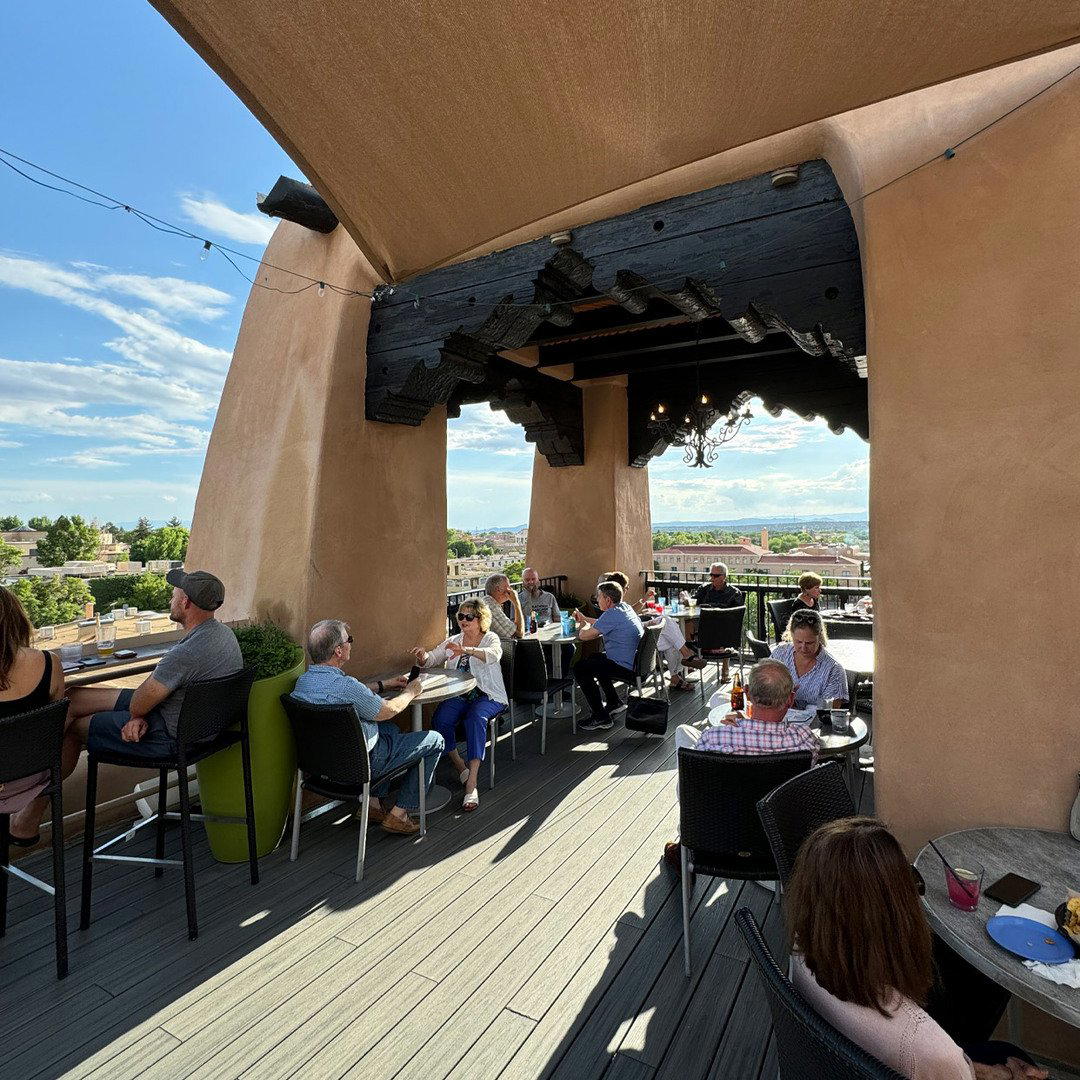
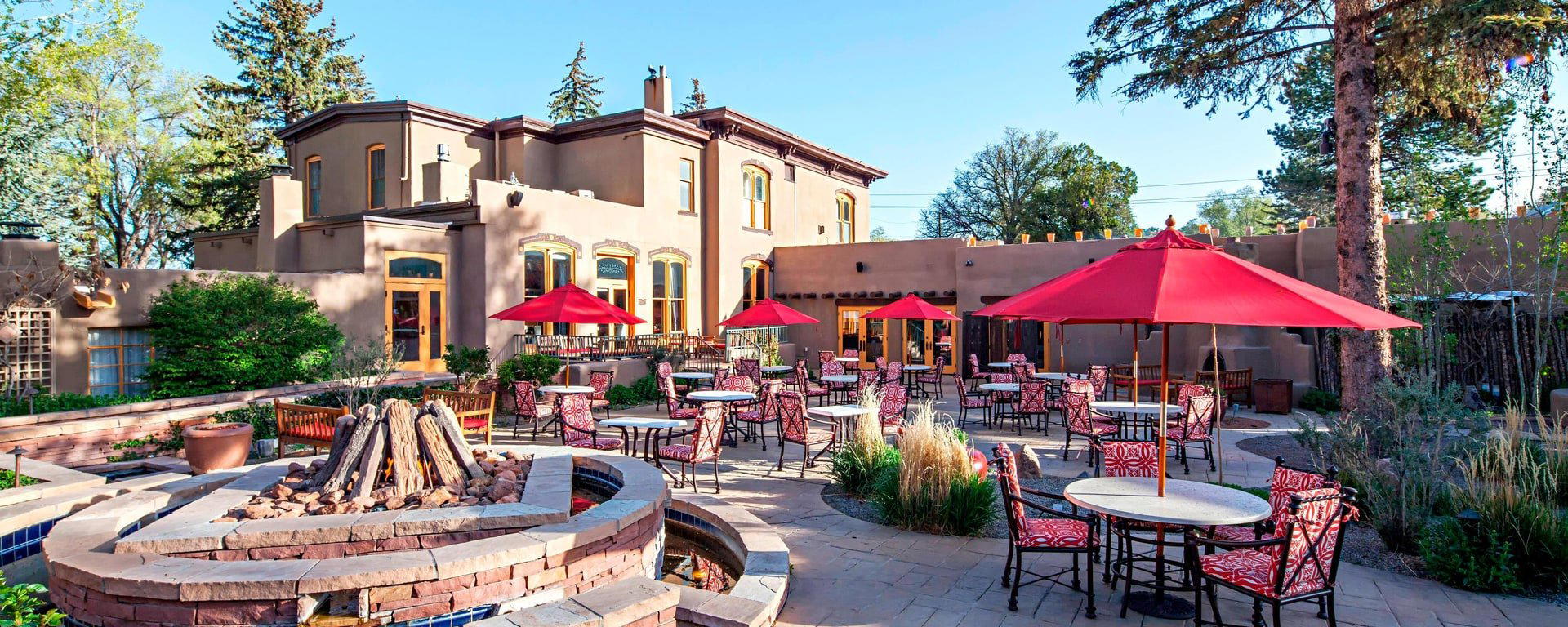
Charming rustic adobe setting with cozy fireplaces, white-washed walls adorned with family photos, and a terraced patio for outdoor dining amid mountain views.