21120 US-84
Our verdict
Located on US-84 in Abiquiu, New Mexico, this address sits within one of the American Southwest's most distinctive agricultural and high-desert environments, where the sourcing traditions of the Rio Chama valley shape what ends up on the plate. Abiquiu's remote positioning north of Santa Fe places it at the intersection of Pueblo, Hispanic, and Anglo culinary inheritances, a combination that defines regional cooking in ways few urban dining scenes replicate.

Pearl is the En Primeur Club membership app, where members save venues, book tables and use the concierge.
The menu
What to order
- Ribeye Steak
- Elote Dip
- Green Chili Cheeseburger
High Desert, Hard Miles: Eating Along US-84 in Abiquiu
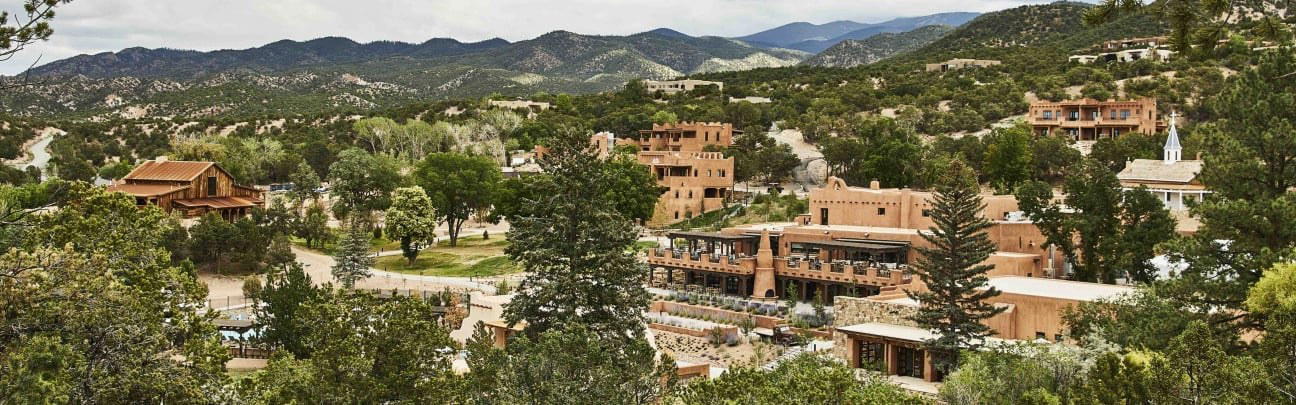
The stretch of US Highway 84 that runs through Abiquiu, New Mexico moves through country that makes most American dining scenes look decorative by comparison. Red clay mesas, the Rio Chama cutting through cottonwood groves, and a sky wide enough to lose yourself in: this is the physical context for whatever ends up on a plate here. Abiquiu sits roughly 50 miles north of Santa Fe, far enough from the capital's restaurant density to operate by different rules, where the question of where food comes from is not a marketing angle but a practical constraint. The surrounding land answers that question, and the answer shapes everything.
What the Land Produces Here
New Mexico's high desert has a short growing season and extreme temperature swings between day and night, conditions that concentrate flavor in ways that more temperate agricultural zones do not replicate. The Española Valley and the broader Rio Chama corridor, which frames Abiquiu to the south and west, have supported subsistence farming since Pueblo communities established the region's agricultural foundations centuries ago. Acequia irrigation systems, some still operational, move snowmelt from the Jemez and Sangre de Cristo mountains into fields that produce chile, corn, squash, and stone fruit. That continuity of practice matters to any serious conversation about ingredient sourcing in this geography: the food traditions here are not curated or revived, they are ongoing.
Chile, specifically the Hatch and Chimayó varieties grown in nearby valleys, functions as both ingredient and cultural identifier across northern New Mexico. Chimayó red chile, dried and ground from a landrace variety cultivated in the village of the same name roughly 30 miles southeast of Abiquiu, carries a terroir argument comparable to the kind made for wine appellations. It is not interchangeable with generic dried chile, and cooks who work with it make that distinction loudly. For visitors arriving from coastal dining scenes where farm-to-table operates as aspiration, the sourcing infrastructure here is older, less branded, and more functional. Places like Single Thread Farm in Healdsburg or Blue Hill at Stone Barns in Tarrytown have built reputations around direct agricultural relationships with their properties; in the Abiquiu corridor, that relationship between cook and land is the inherited default, not the differentiator.
The Abiquiu Dining Context
Abiquiu is not a dining destination in the way Santa Fe functions as one, with its concentrated restaurant strip and competition for James Beard attention. The village has a population measured in the hundreds, a post office, a monastery, and a ghost ranch that draws artists and researchers. What eating here looks like in practice is calibrated to that scale. Visitors driving US-84 north from Española or south from Chama are passing through rather than arriving, and the food options along that corridor reflect the needs of a working agricultural and tourist-adjacent community rather than an aspirational dining scene.
The regional cooking traditions that do operate along this corridor draw from three distinct inheritances. Pueblo cooking, the oldest layer, emphasizes corn in its dried, ground, and fresh forms, beans, and wild plants gathered from the mesa. Spanish colonial influence introduced pork, dairy, and wheat, integrating into the existing Pueblo base to create what is now called New Mexican cuisine, distinct from Tex-Mex and from the Mexican border traditions further south. Anglo settler patterns introduced a third register that is less defined but visible in certain meat-forward preparations and baking traditions. What a thoughtful cook working in Abiquiu today draws from is not a single tradition but a layered one, and the ingredient sourcing question is inseparable from that layering.
Where 21120 US-84 Fits Into This
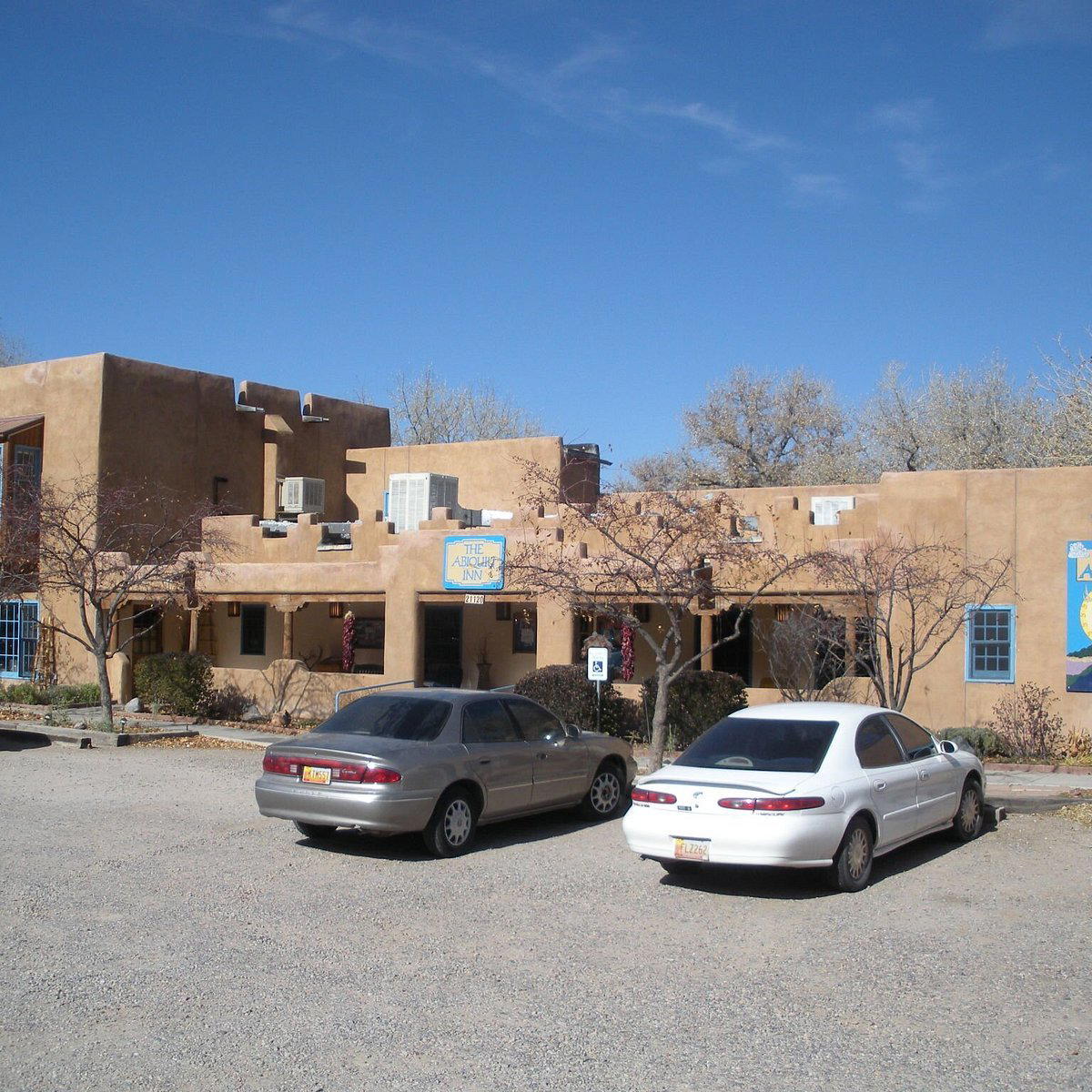
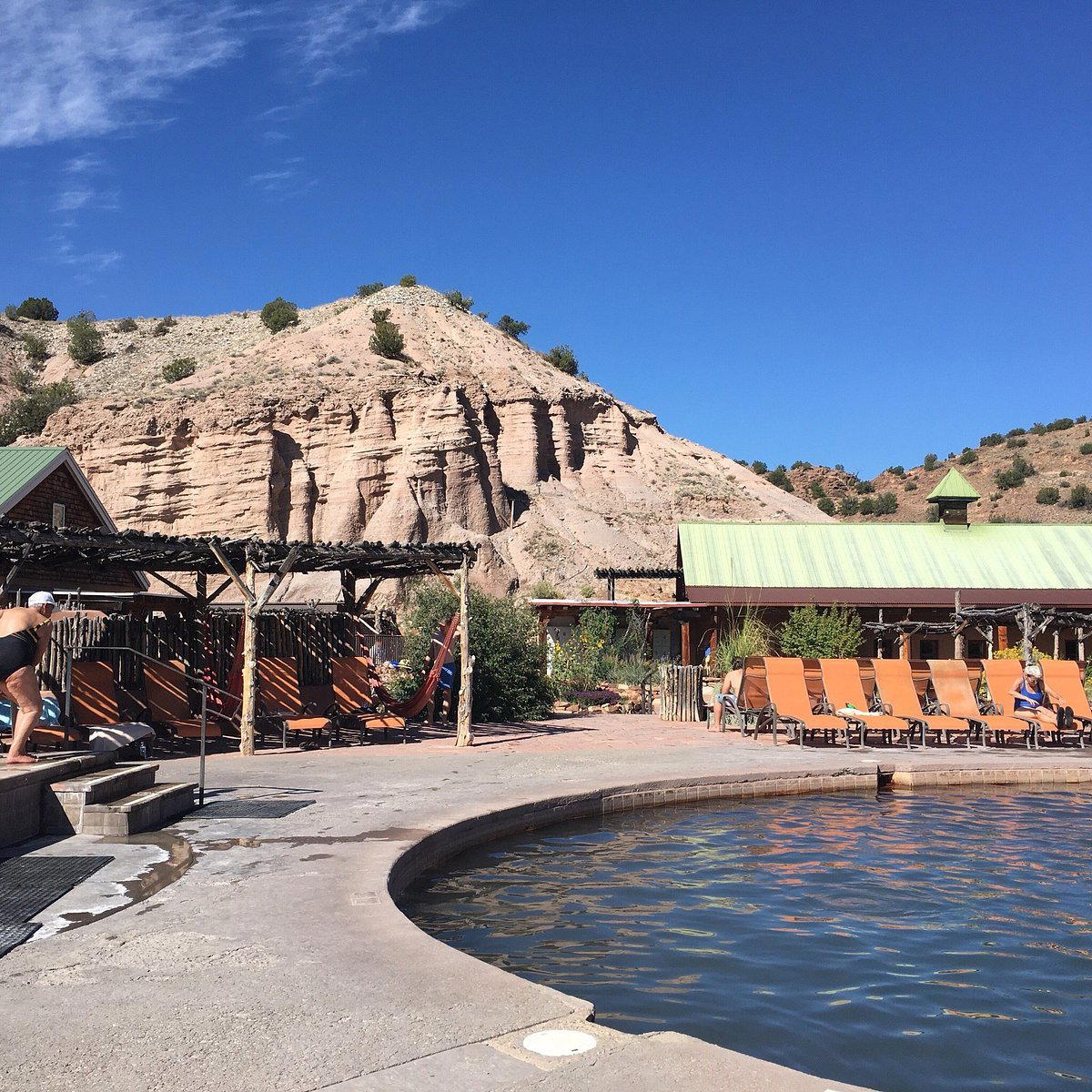
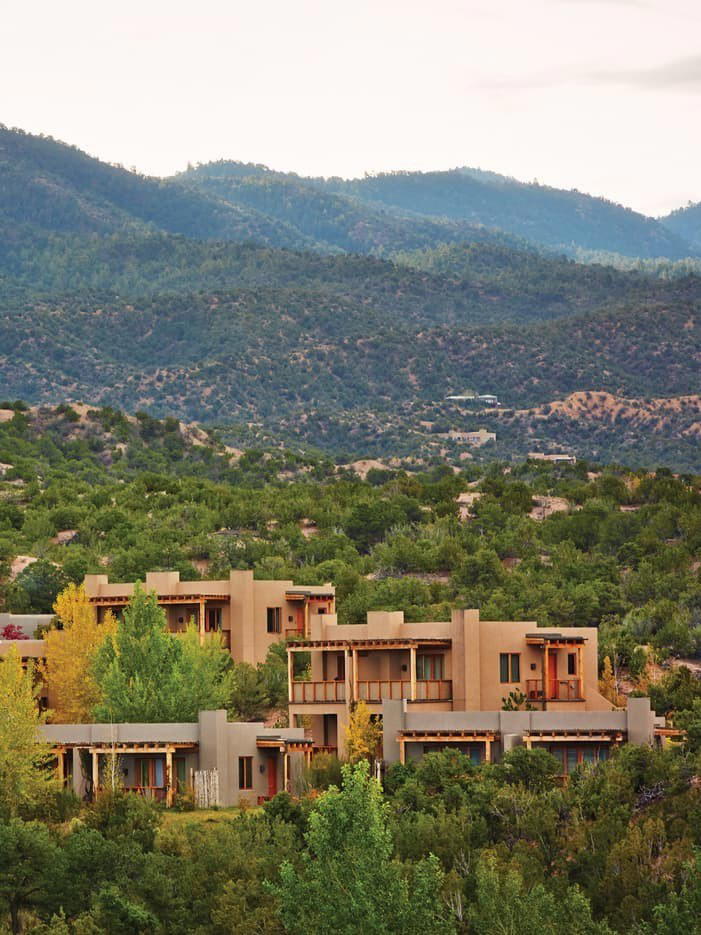
The address 21120 US-84 occupies a stretch of highway where the physical grandeur of the Piedra Lumbre land grant country is immediate. Abiquiu Lake sits a short drive north; Ghost Ranch, the property made permanently associated with Georgia O'Keeffe's decades of work in this landscape, is within a few miles. The visitor population arriving at this address skews toward people who came for the landscape and the art history rather than for a dining itinerary, which frames expectations usefully. This is not a destination you book a table at six weeks in advance the way you might approach The French Laundry in Napa or Atomix in New York City.
Within the broader Southwest dining scene, the corridor running from Abiquiu through Española to Santa Fe represents an underexamined region compared to the attention directed at Santa Fe itself, Albuquerque, or the culinary programming visible at destinations like Brutø in Denver or Frasca Food and Wine in Boulder. The remoteness that keeps the area from competing in that tier is also what preserves the ingredient integrity that more commercially developed food scenes spend considerable effort and money trying to approximate. For visitors prepared to engage with that trade-off, the sourcing authenticity available in northern New Mexico is not replicated elsewhere in the American West.
Planning a Stop Along US-84
US-84 through Abiquiu is leading approached as part of a longer circuit: north from Santa Fe through Española, up through Abiquiu and Ghost Ranch, continuing to Chama and potentially into Colorado, or looping back via the High Road to Taos. Food stops along this route reward flexibility over precision planning. The village of Abiquiu itself has limited commercial infrastructure, and options on the highway corridor are sparse, making any dining stop worth treating as an event rather than a convenience. Visitors arriving from larger Southwest food scenes, those familiar with operations like Addison in San Diego or Providence in Los Angeles, should recalibrate format expectations entirely. What northern New Mexico offers in exchange for that recalibration is access to ingredient sourcing traditions that coastal dining has largely lost and is actively trying to reconstruct. See our full Abiquiu restaurants guide for more options along this corridor, and consider extending the trip to include the broader regional dining scene that connects this stretch to Santa Fe and beyond. Comparable ingredient-driven operations in the broader American scene include Bacchanalia in Atlanta, Lazy Bear in San Francisco, and The Inn at Little Washington, though the comparison is atmospheric rather than culinary: the ambition here is different, and more local.
Frequently asked questions
Is 21120 US-84 suitable for children?
The address sits on a working stretch of US-84 in Abiquiu, a rural highway corridor rather than a purpose-built dining district. Abiquiu itself is a small community with limited commercial infrastructure, so families travelling with children should plan around the broader circuit, Ghost Ranch and Abiquiu Lake are nearby anchors that suit all ages, and provisions are better assembled before leaving Santa Fe or Española.
Is 21120 US-84 better for a quiet night or a lively one?
Abiquiu is not a lively-night town. US-84 through this stretch runs through open plateau country with sparse commercial activity after dark. If solitude and a dramatically clear sky are the draw, this corridor delivers; if you want a buzzing room, Santa Fe, roughly 50 miles south, is the better call.
What makes the US-84 corridor near Abiquiu, NM worth a detour from the Santa Fe–Taos route?
The US-84 corridor through Abiquiu cuts through Piedra Lumbre land grant country, with Abiquiu Lake and the red rock formations that shaped Georgia O'Keeffe's career sitting directly alongside the highway. Unlike the more-travelled US-285 corridor, this stretch puts the high desert geology immediately in view rather than in the distance. For travellers connecting Santa Fe to Chama or Taos via the longer scenic loop, the added mileage through Abiquiu is the route's primary argument.
Side-by-Side Snapshot
Comparable venues nearby, for context on price, style, and recognition.
| Venue | Cuisine | Price | Awards | Notes |
|---|---|---|---|---|
| 21120 US-84This venue (the venue you are viewing) | Northern New Mexico and American | Not listed | Not listed | Not listed |
| Bow & Arrow Brewing Co | Southwest-Inspired Craft Brewery | $20–30 | James Beard Award Semi Finalist | Downtown |
| Indian Pueblo Kitchen | Authentic Pueblo Indigenous Cuisine | $20–30 | Not listed | Near North Valley |
| Bert's Burger Bowl | Classic New Mexico Green Chile Cheeseburgers | Not listed | Not listed | Downtown Santa Fe |
| Joe's Dining | European-influenced American Comfort Food | $20–30 | Not listed | Rodeo Plaza |
| Brekki Brekki | American Brunch & Brew Pub | $20–30 | Not listed | Northeast Heights |
Continue exploring
More in Abiquiu
Details
- Rustic
- Cozy
- Scenic
- Casual Hangout
- Family
- Terrace
- Extensive Wine List
- Local Sourcing
- A La Carte
- Vegetarian Friendly
- Vegan Options
- Gluten Free Options
Current opening hours
- Monday
- 7 AM–9 PM
- Tuesday
- 7 AM–9 PM
- Wednesday
- 7 AM–9 PM
- Thursday
- 7 AM–9 PM
- Friday
- 7 AM–9 PM
- Saturday
- 7 AM–9 PM
- Sunday
- 7 AM–9 PM
Hours can change for holidays and private events. Last verified .
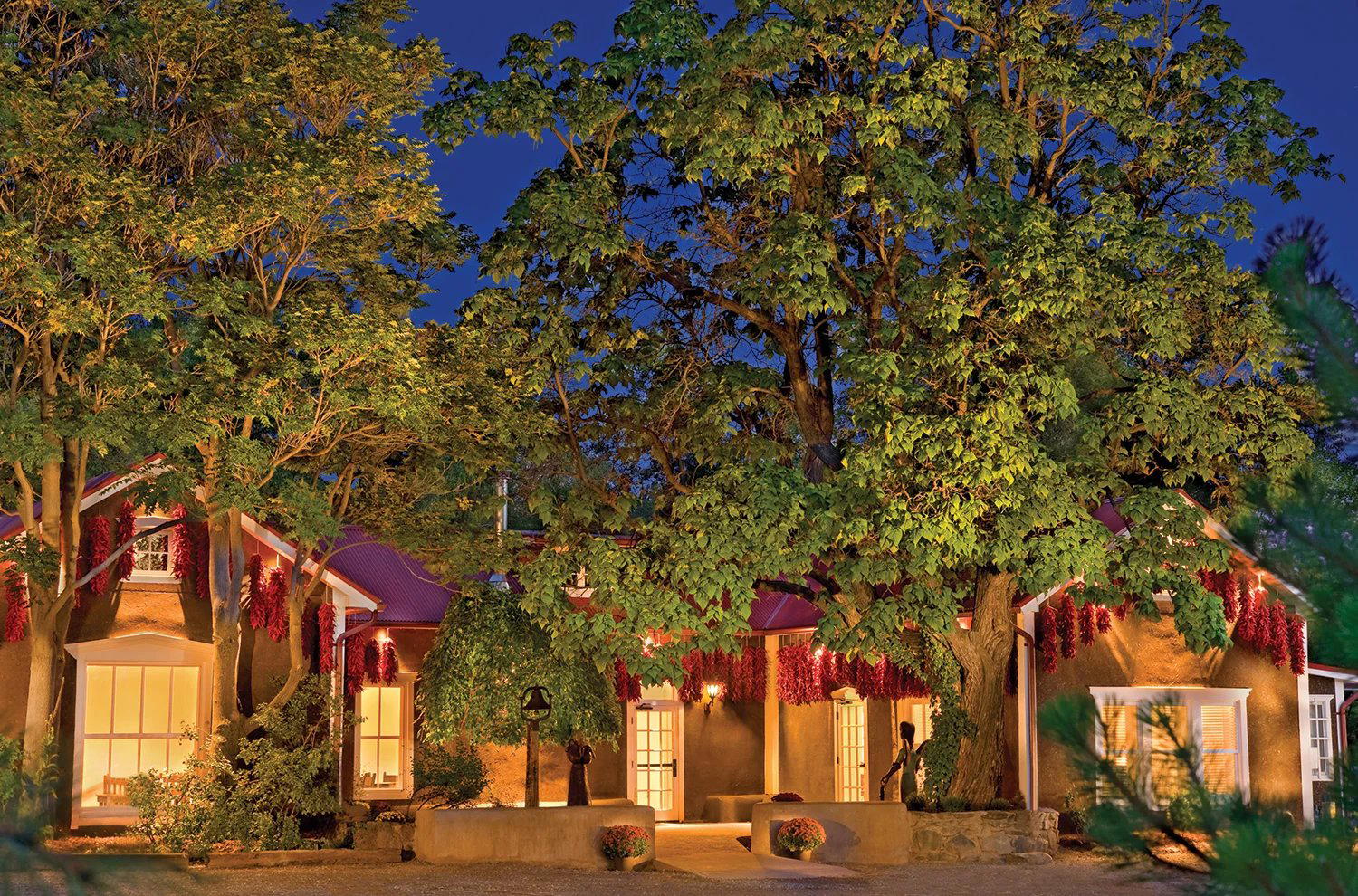
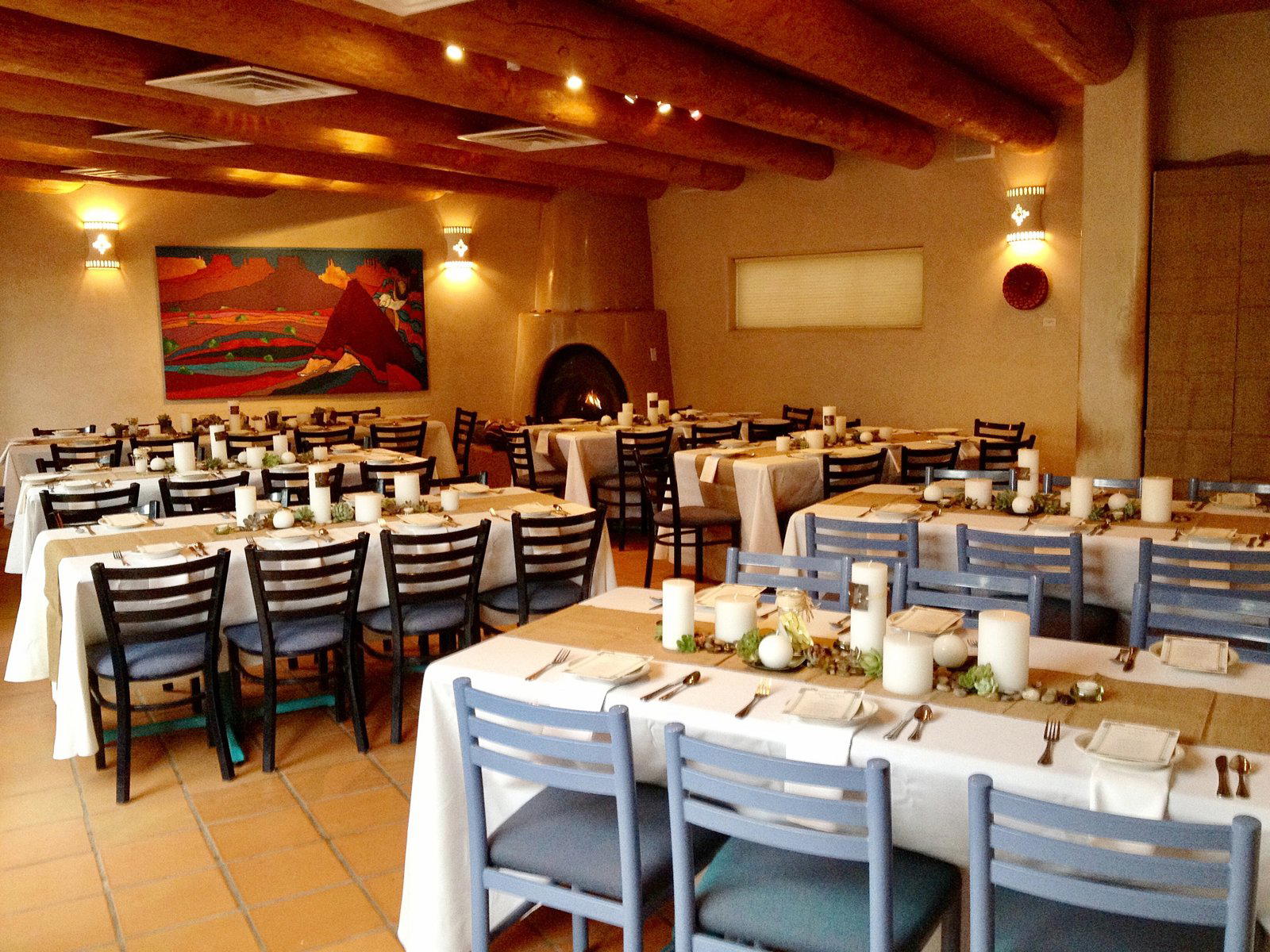
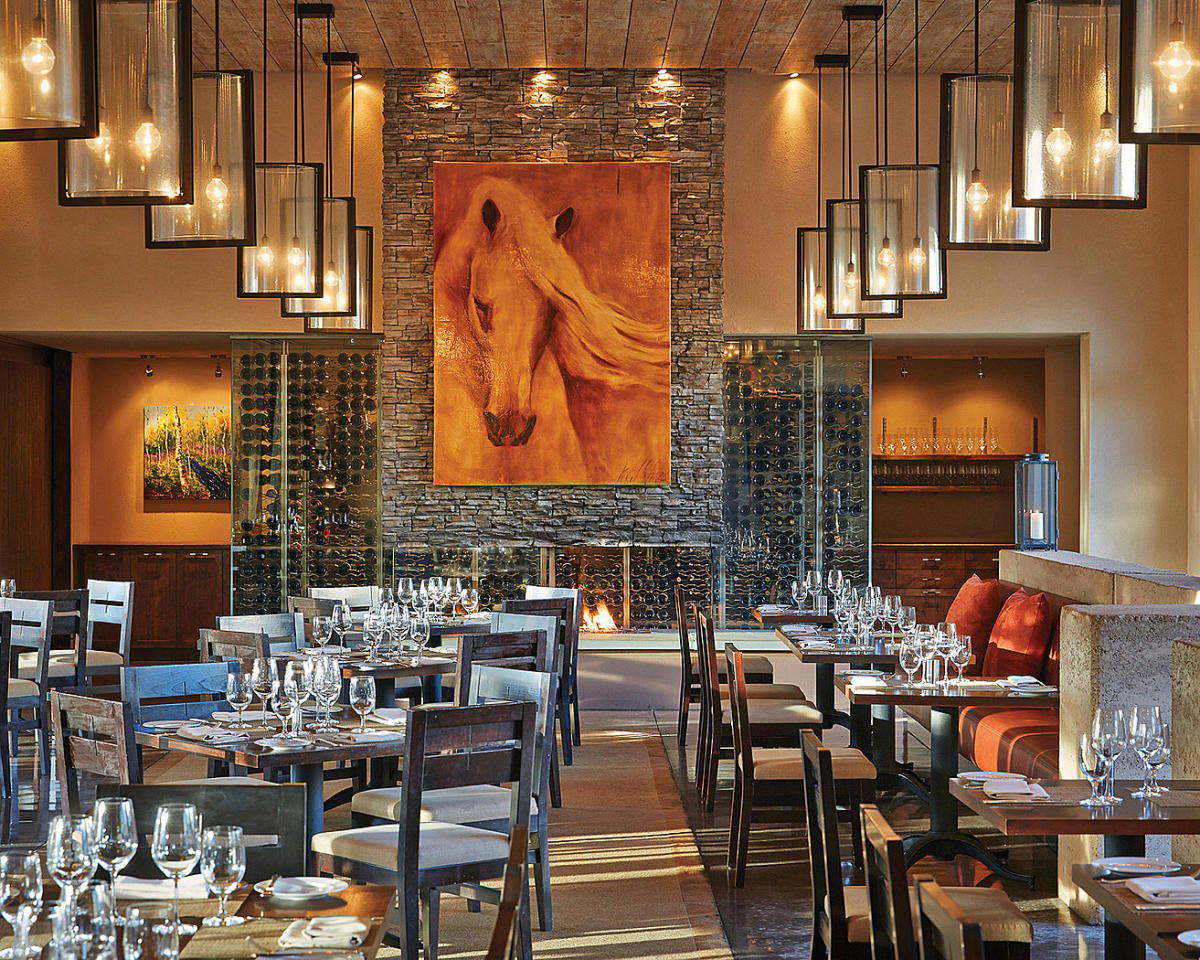
Cozy dining room adorned with local artists' work and capacious inviting covered terrace for al fresco meals.