The Historic Taos Inn
One of Taos's most historically significant lodging addresses, the Historic Taos Inn occupies a cluster of adobe structures on Paseo Del Pueblo Norte that date to the 1800s. The property sits at the centre of downtown Taos, within walking distance of the Plaza, and operates Adobe Bar, a longtime gathering point for artists, locals, and travellers passing through northern New Mexico.

Pearl is the En Primeur Club membership app, where members save venues, book tables and use the concierge.
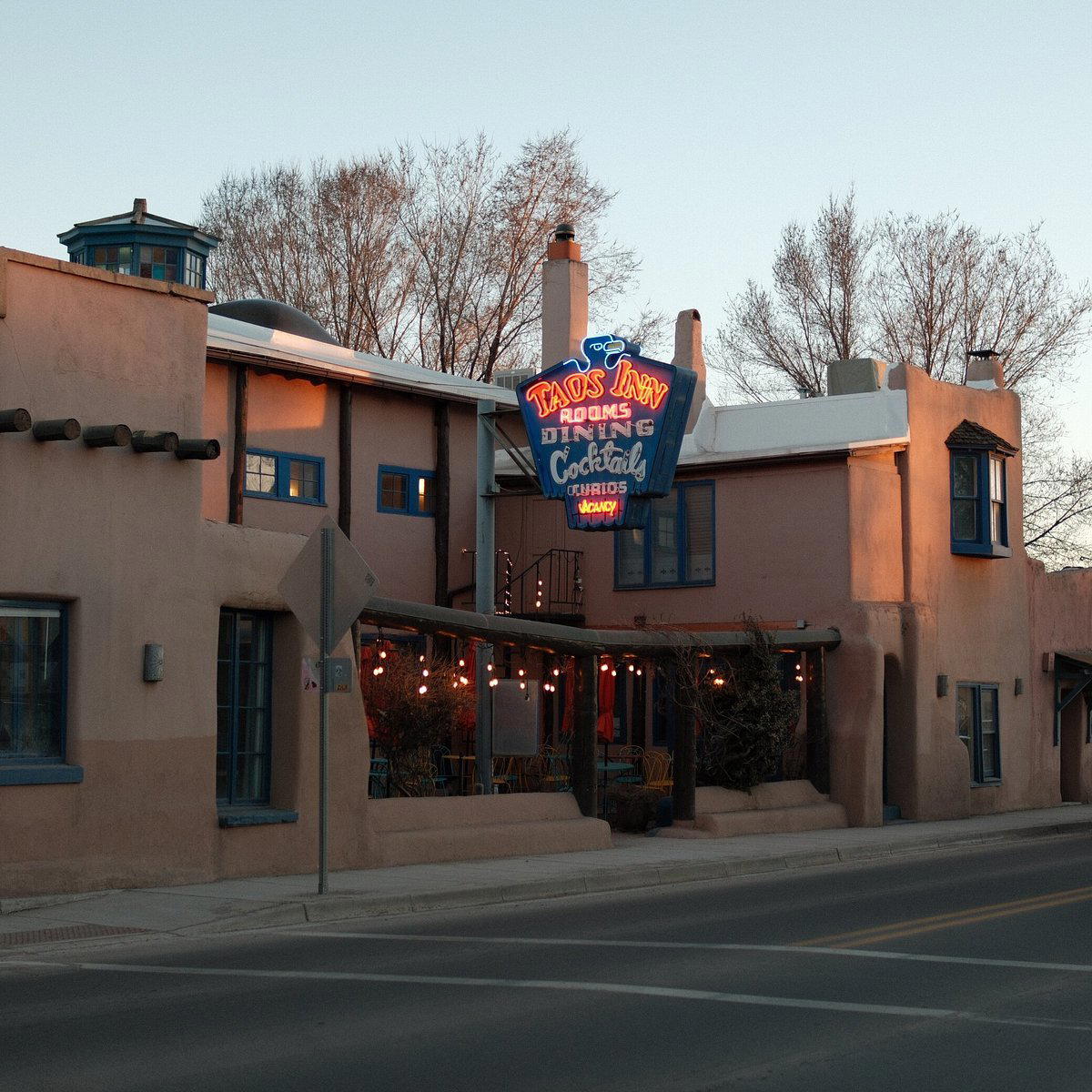
Adobe Walls and an Open Courtyard: The Architecture That Defines Taos Hospitality
In Taos, the built environment is not decorative, it is historical argument. The town's surviving Spanish Colonial and Pueblo Revival structures carry centuries of layered occupation: Indigenous, Spanish, Mexican, and American territorial. The Historic Taos Inn at 125 Paseo Del Pueblo Norte sits within that continuum, a property assembled from several nineteenth-century adobe homes that once surrounded a communal well. That well, now enclosed within the hotel's central atrium and lobby, is the organizing fact of the building. The architecture does not imitate a tradition, it is one of its primary surviving examples in northern New Mexico.
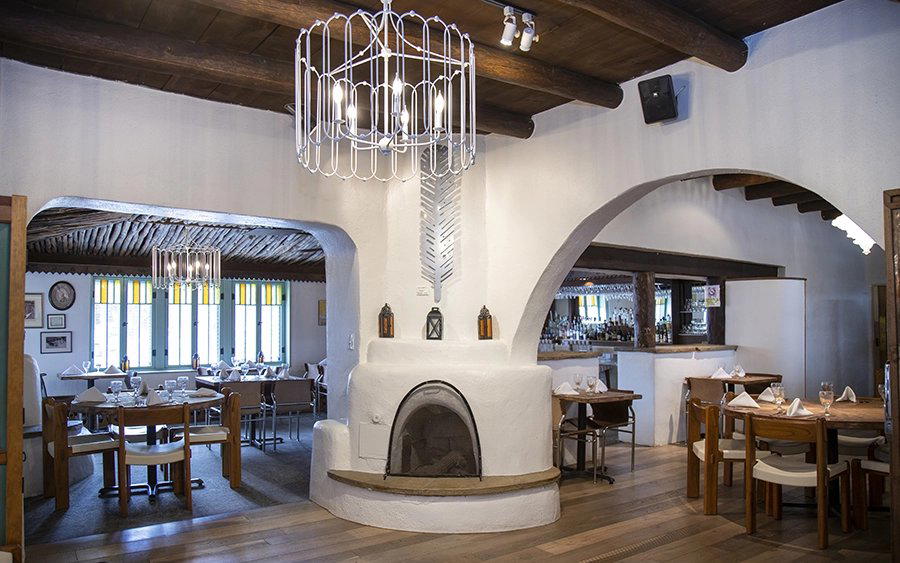
Adobe construction in the high desert Southwest serves a logic that European masonry never needed to solve: walls thick enough to absorb the fierce midday heat and release it slowly through cold nights at altitude. Taos sits above 6,900 feet, and the thermal performance of its historic structures is not an aesthetic choice but a climate response developed over centuries. The inn's thick earthen walls, vigas crossing the ceilings, and low-linteled doorways are not period reproductions but original fabric. That distinction matters in a region where much of what looks historic was built within the last fifty years.
The Lobby Well and the Logic of Gathered Space
The central atrium at the Historic Taos Inn rewards the kind of attention that hotel lobbies rarely receive. The original well, the water source around which the cluster of private homes was organized before the property became an inn in 1936, now anchors a room that functions as lounge, meeting point, and social fulcrum simultaneously. This is a different spatial grammar than the contemporary hotel lobby, where the desk is the focal point and everything else organizes around check-in efficiency. Here the room pre-dates the concept of a lobby entirely. It was a courtyard, then an atrium, and the hotel grew around what was already there rather than constructing an identity from scratch.
That history places the Taos Inn in a category of American historic hotels defined less by renovation ambition than by preservation discipline. The comparable American examples, properties where the building's archaeological character is the primary offering, are relatively few. It sits closer to the category of properties where the structure itself is the credential, alongside places like Chicago Athletic Association in Chicago or Troutbeck in Amenia, buildings where the guest experience is inseparable from the age of the walls.
The Adobe Aesthetic in Its Regional Context
Northern New Mexico's Pueblo Revival style codified in the early twentieth century what local builders had been doing for generations: earthen walls with rounded corners, portals supported by rough-hewn posts, interior spaces scaled to human rather than monumental proportion. Santa Fe took that aesthetic and institutionalized it through municipal code; Taos absorbed it more organically. The Historic Taos Inn represents the Taos version, less regulated, more accumulated, the product of organic growth rather than planned consistency.
That regional specificity is worth taking seriously when comparing the inn to Southwest properties that import desert aesthetics without the historical underpinning. Ambiente in Sedona deploys a landscape-responsive design philosophy with contemporary construction. Canyon Ranch Tucson uses Southwest architectural references within a wellness resort framework. Neither is making the same argument the Taos Inn makes, which is simply: this building has been here since before any of these categories existed. For readers interested in how the Southwest's design traditions developed, staying at the inn is a form of primary research.
Taos as a Setting for Design Literacy
Taos has sustained an arts community since the early twentieth century, when painters began arriving to work in the particular high-desert light. That tradition produced the Taos Society of Artists, founded in 1915, and shaped the town's relationship to visual culture in ways that persist. The Historic Taos Inn sits on Paseo Del Pueblo Norte, the main artery running through the historic core, within walking distance of galleries, the Taos Art Museum, and the plaza. The inn's position is not incidental, it is geographically embedded in the same blocks that attracted artists, writers, and collectors for a century.
For guests arriving from urban hotel environments, the scale adjustment is immediate. This is not a property that competes with The Fifth Avenue Hotel in New York City or Aman New York on amenity depth or service elaboration. The offer is different in kind: proximity to one of the most architecturally coherent historic towns in the American West, inside a building that is itself a document of that history. Guests who approach the inn as an architectural object rather than a service product will find more of what they came for. Those interested in broader Taos dining and local context can consult our full Taos restaurants guide.
Planning a Stay: Practical Bearings
Taos sits roughly 70 miles north of Santa Fe via US-68, a drive that climbs through the Rio Grande Gorge and delivers the town's high-mesa setting with some geographic drama before arrival. The inn's address on Paseo Del Pueblo Norte places it at the northern edge of the historic plaza district, walkable to most of what makes Taos worth the trip. Other comparators worth considering for historic character in different American contexts include Blackberry Farm in Walland, SingleThread Farm Inn in Healdsburg, and Bowie House in Fort Worth. For those traveling internationally after Taos, the same interest in buildings that carry genuine historical weight is well-served by Aman Venice or Badrutt's Palace Hotel in St. Moritz.
At-a-Glance Comparison
| Venue | Price | Awards |
|---|---|---|
| The Historic Taos InnThis venue (the venue you are viewing) | $100–200 | Not listed |
| Aman New York | Not listed | 3 Michelin Keys · World's 50 Best #87 |
| Amangiri | $1,000–1,500 | 3 Michelin Keys · World's 50 Best #45 |
| Hotel Bel-Air | $750–1,000 | 3 Michelin Keys · World's 50 Best #57 |
| The Beverly Hills Hotel | Not listed | 3 Michelin Keys · World's 50 Best #65 |
| The Carlyle, A Rosewood Hotel | $1,500–2,500 | 2 Michelin Keys · World's 50 Best #64 |
Continue exploring
More in Taos
Hotels in Taos
All hotels in Taos →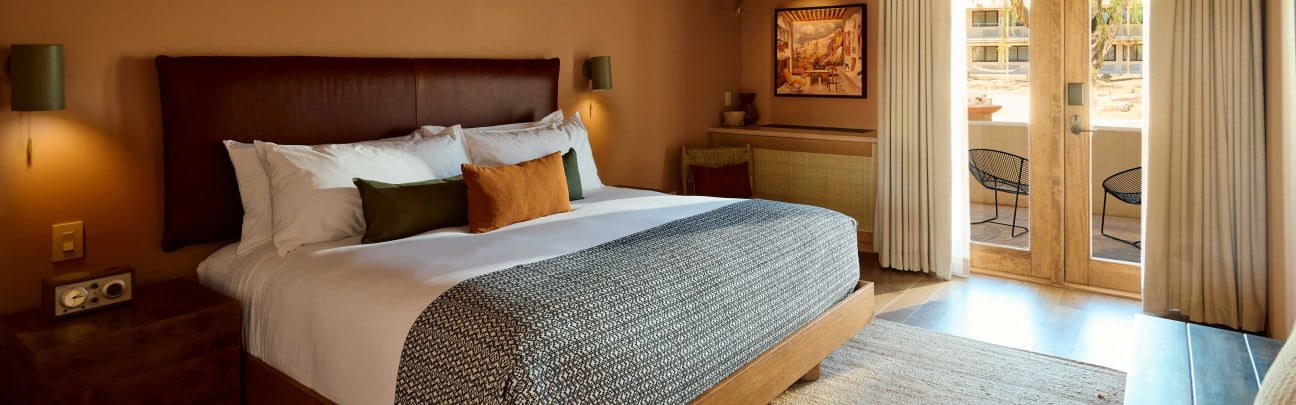
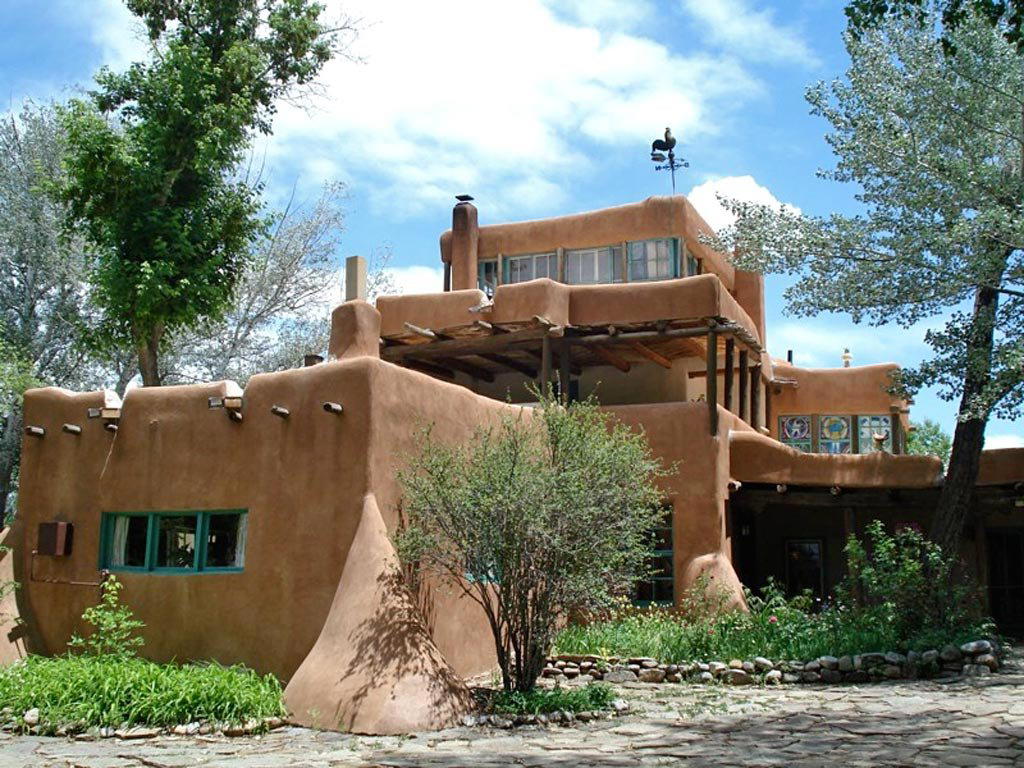
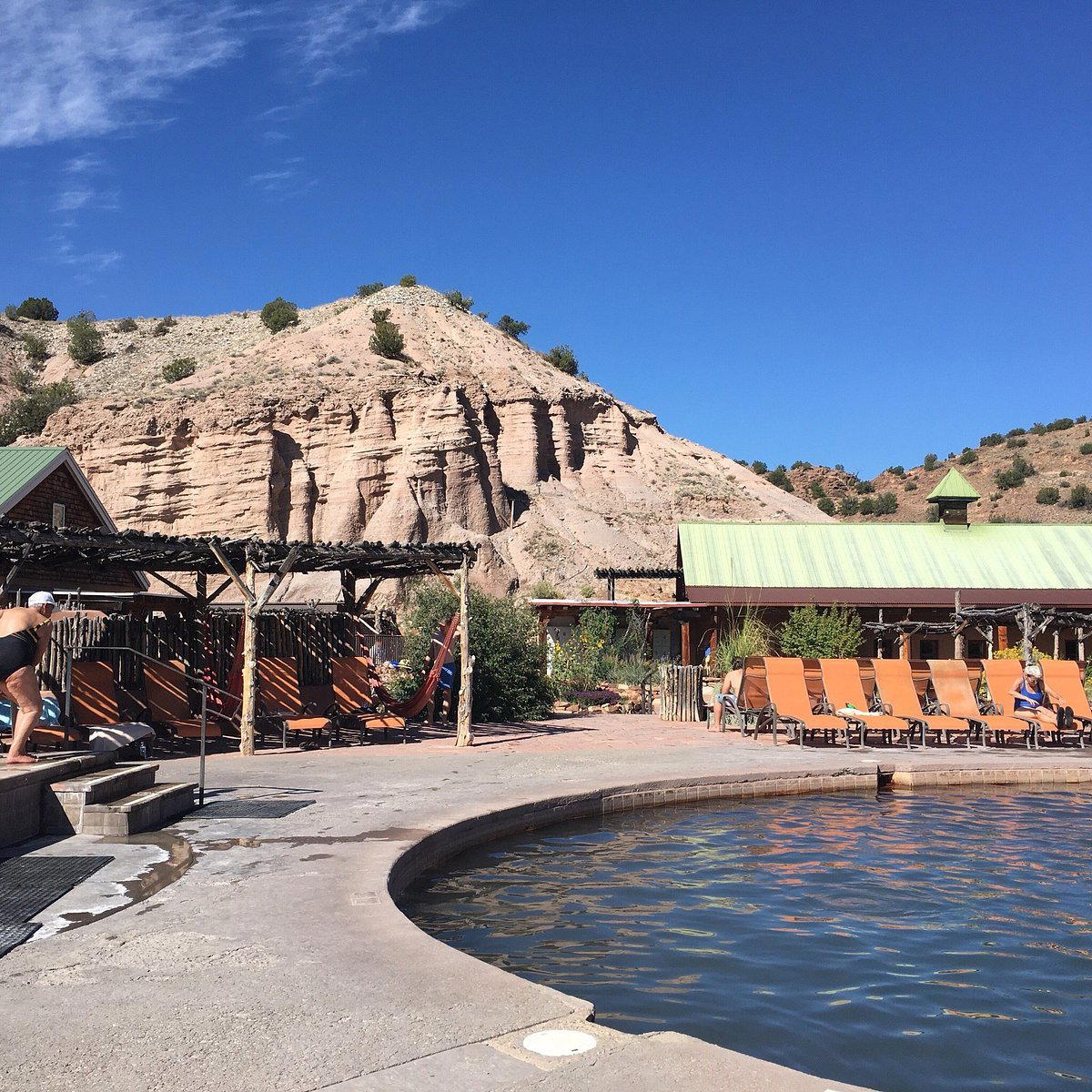
Details
- Rustic
- Cozy
- Historic
- Well Known
- Romantic Getaway
- Weekend Escape
- Historic Building
- Wi Fi
- Wheelchair Accessible
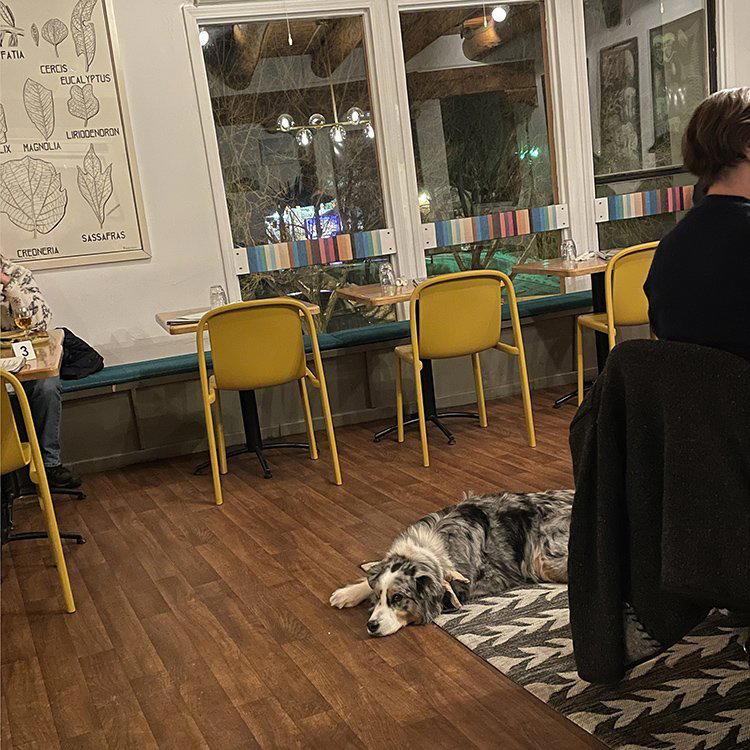
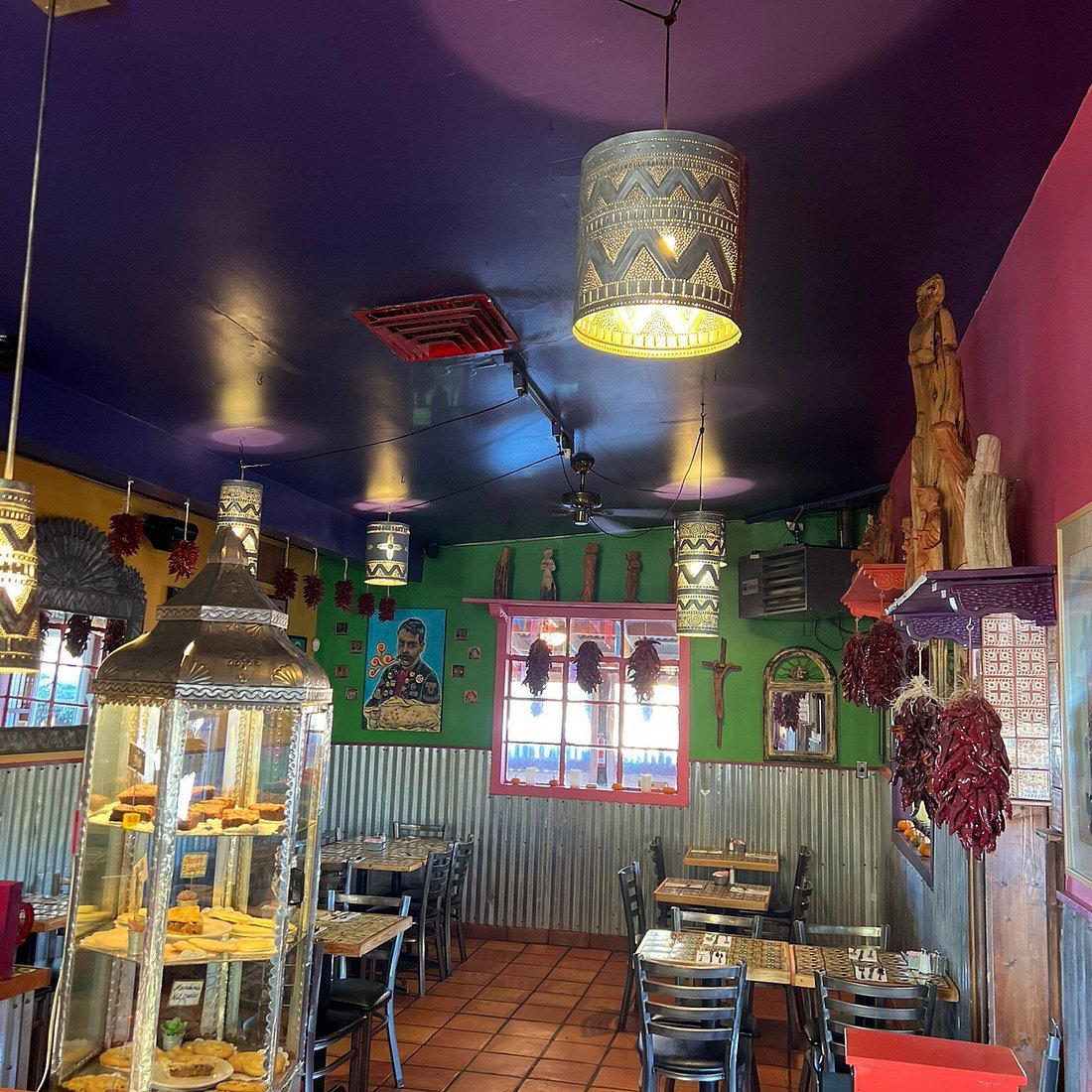
Cozy and authentic Southwestern atmosphere with adobe walls, wooden beams, antique furniture, and kiva fireplaces evoking a timeless rustic elegance.