El Paragua Restaurant
Our verdict
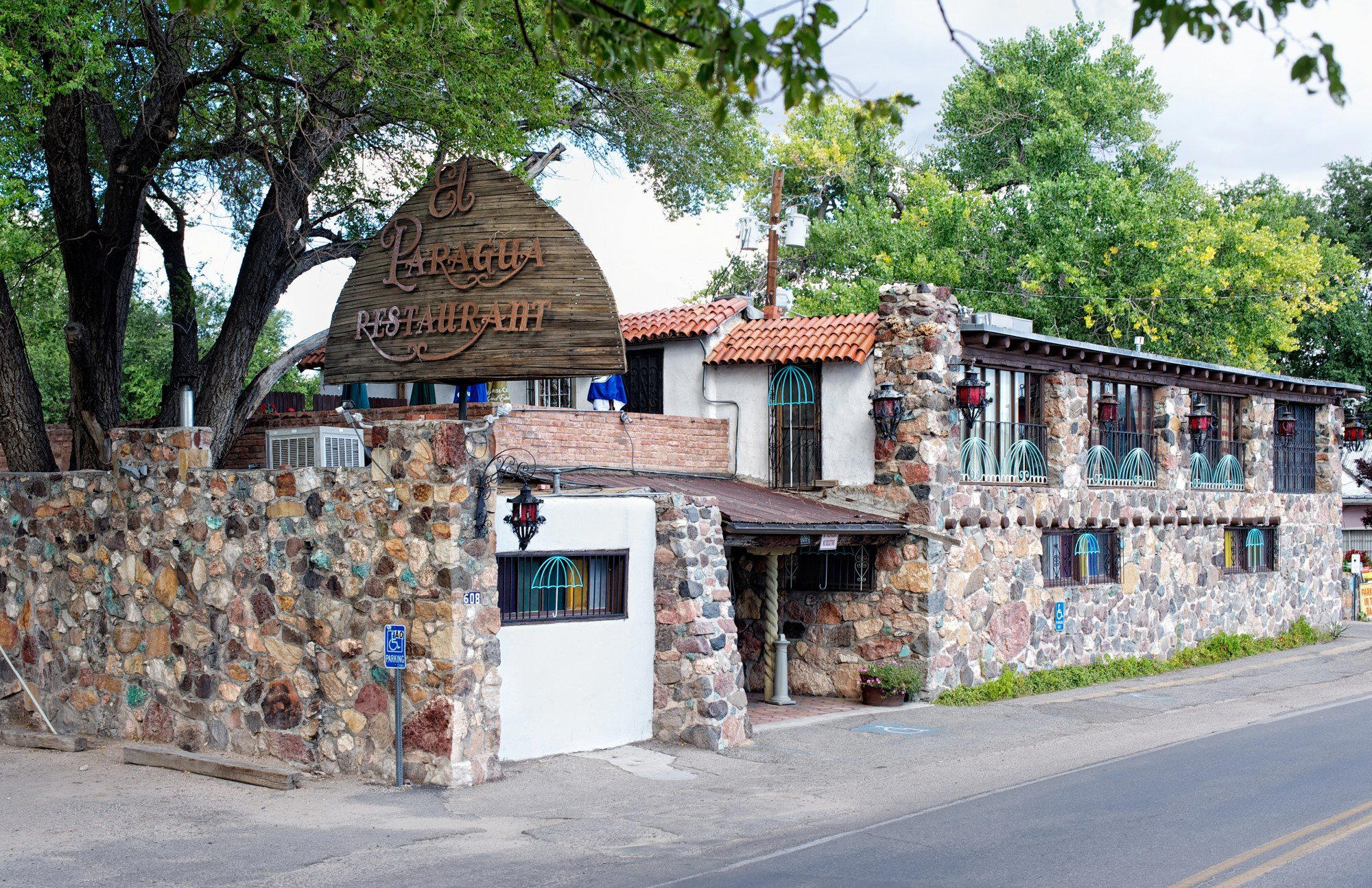
El Paragua Restaurant on Santa Cruz Road has served Northern New Mexico cooking in Española for decades, drawing on the agricultural traditions and chile-growing heritage of the Española Valley. The cooking here is rooted in place in a way that distinguishes it from the broader Southwest restaurant category. For anyone tracing the origins of New Mexican cuisine, Española is a logical starting point, and El Paragua is among its most established addresses.

Pearl is the En Primeur Club membership app, where members save venues, book tables and use the concierge.
Where the Food Comes From First
Northern New Mexico has one of the most place-specific food cultures in the United States, and Española sits at its geographic and historical center. The Española Valley, flanked by the Sangre de Cristo and Jemez mountains, has been farmed continuously for centuries. The chile fields here, the acequia-fed corn plots, the small-scale cattle operations on surrounding ranchland: these are not romantic backstory. They are the direct supply chain for the cooking that defines restaurants like El Paragua, located at 603 Santa Cruz Road on the edge of town. At this address, the connection between what grows in the valley and what reaches the table is shorter than at almost any comparable restaurant in the American Southwest.
The ingredient geography of Northern New Mexico is worth understanding before you eat in it. Hatch gets the national press, but many chile growers and food scholars will tell you that the Española Valley and nearby Dixon and Chimayó produce chile with a more complex flavor profile, shaped by higher elevation, older seed stock, and drier growing conditions. Chimayó red chile in particular has near-cult status among New Mexican cooking practitioners: it is smaller, earthier, and less sweet than lowland varieties, and it appears in the sauces, stews, and rubs that form the backbone of the regional table. When a Northern New Mexico restaurant sources locally rather than supplementing with commodity Hatch product, the difference shows in the depth of the red sauce.
The Scene in Española
Española does not attract the volume of culinary tourism that Santa Fe does, despite sitting roughly 25 miles to the north on US-84/285. That geographic and cultural gap works in the town's favor for diners who find Santa Fe's restaurant market increasingly shaped by visitor expectations rather than local tradition. In Española, the reference points for what a meal should taste like are set by the families who have been cooking this food for generations, not by out-of-state restaurateurs retrofitting the aesthetic for a different audience.
El Paragua occupies a category that has largely disappeared from American dining: the long-established, family-run regional restaurant that predates the national interest in its cuisine. These restaurants function as institutional memory for a food culture. They hold preparation methods, family recipes, and sourcing relationships that no amount of research-driven menu development can replicate. Across the country, the equivalent institutions in other regional traditions have either closed or been absorbed into a broader hospitality market. In New Mexico, a handful survive, and El Paragua is among the more durable examples in the north of the state.
For broader context on how American restaurants at different price points and with different sourcing philosophies approach place-specific cooking, the contrast is instructive. Operations like Single Thread Farm in Healdsburg and Blue Hill at Stone Barns in Tarrytown have built international reputations on farm-to-table sourcing at the highest price tier. Smyth in Chicago and Lazy Bear in San Francisco pursue similar sourcing discipline within progressive tasting menu formats. El Paragua operates in a different register entirely: no tasting menus, no national press profile, no prix-fixe architecture. The sourcing fidelity here is older than the trend.
Northern New Mexico Cooking as a Distinct Category
It is worth being precise about what Northern New Mexico cuisine is and is not. It is not Tex-Mex. It is not the Sonoran cooking of southern Arizona. It is not California Mexican. It shares ancestry with the Spanish colonial and Indigenous Pueblo foodways that shaped the entire region, but centuries of geographic isolation, distinct agricultural conditions, and a specific set of locally grown ingredients have produced something that does not map cleanly onto any adjacent tradition.
The structural elements are consistent across the leading Northern New Mexico tables: red and green chile sauces made from locally grown pods, posole prepared from dried hominy corn, sopapillas served alongside savory dishes as bread rather than dessert, and slow-cooked meats that reflect the ranching economy of the high desert. The decision to order red, green, or "Christmas" (both) is not a novelty question for tourists. It is a meaningful choice that changes the character of the dish, and local restaurants expect you to have a preference.
This regional specificity is what separates the Northern New Mexico dining tradition from the more broadly marketed Southwest cuisine category. Restaurants operating at the high end of the national market, from Le Bernardin in New York City to Addison in San Diego to The French Laundry in Napa, build their identities on the specificity of a cuisine or a place. Northern New Mexico cooking at its most authentic operates on the same principle of specificity, just without the tasting menu format or the international press attention. Frasca Food and Wine in Boulder and The Wolf's Tailor in Denver represent the kind of regionally grounded serious cooking found in the broader Mountain West, each anchored to a culinary tradition with geographic specificity. El Paragua's tradition is older than any of them.
Planning a Visit
Española sits on US-84/285 between Santa Fe and Taos, making it a logical stop on the high road or low road between those two destinations. Visitors driving from Santa Fe should allow roughly 30 to 40 minutes depending on traffic on the corridor. El Paragua is located at 603 Santa Cruz Road, which runs east from the main highway through the older residential part of town. The restaurant has operated at this address long enough that it functions as a local landmark rather than a destination requiring navigation assistance.
For travelers building a wider itinerary across the American Southwest and beyond, EP Club's coverage extends across the country and internationally, from Providence in Los Angeles to Emeril's in New Orleans, ITAMAE in Miami, Oyster Oyster in Washington D.C., Bacchanalia in Atlanta, The Inn at Little Washington, Atomix in New York City, and Atelier Moessmer Norbert Niederkofler in Brunico. For the full picture of what Española and the surrounding region offer, see our full Española restaurants guide.
Frequently asked questions
Is El Paragua Restaurant suitable for children?
El Paragua sits on Santa Cruz Road in Española, a working town with a deeply local dining culture rather than a tourist-oriented one. Northern New Mexico cooking, built around red and green chile, beans, and posole, tends to be family food by origin, and the restaurant's community-rooted setting reflects that. Families visiting the area between Santa Fe and Taos regularly stop here as part of a practical road itinerary rather than a special-occasion detour.
What kind of setting is El Paragua Restaurant?
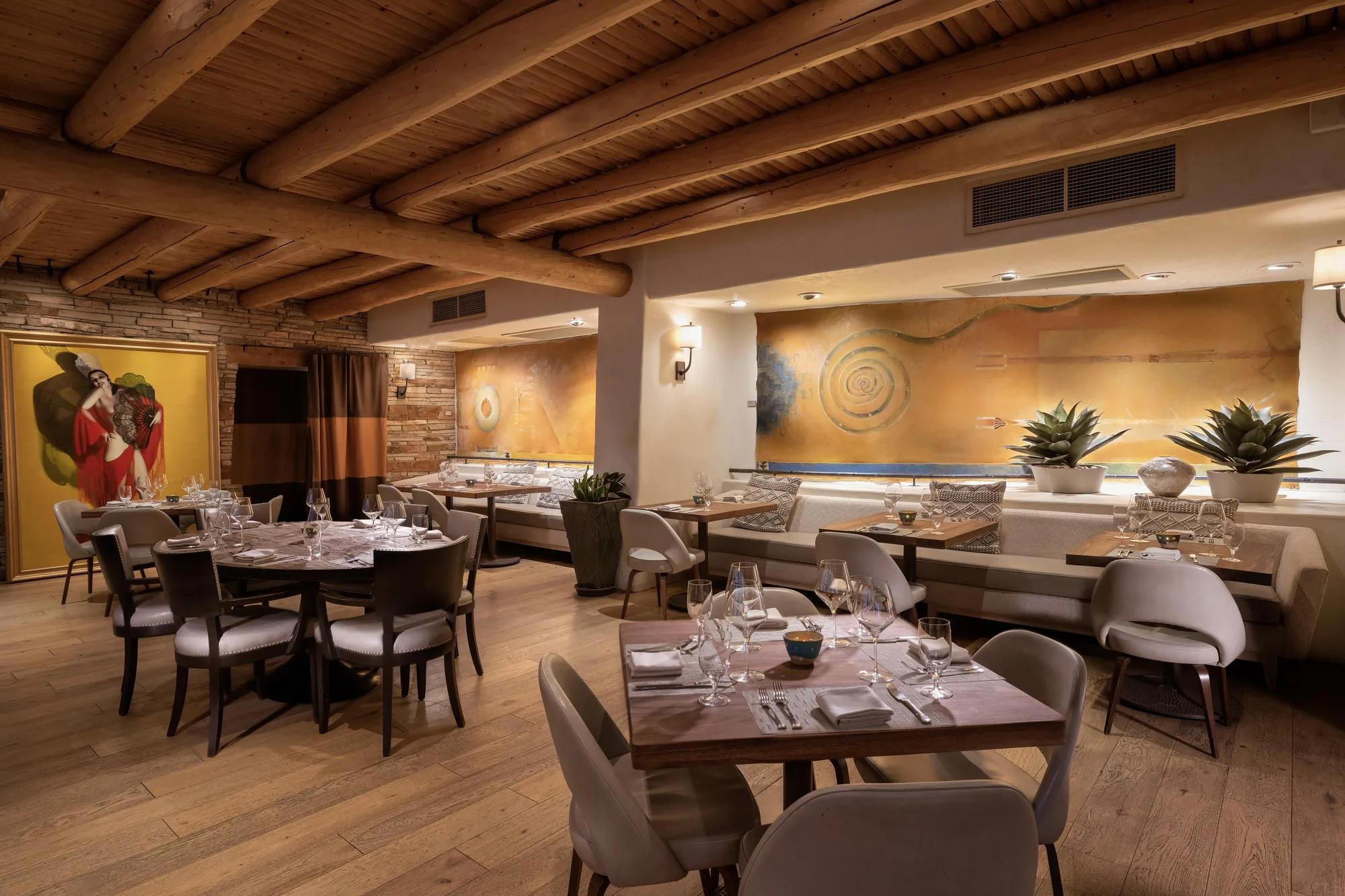
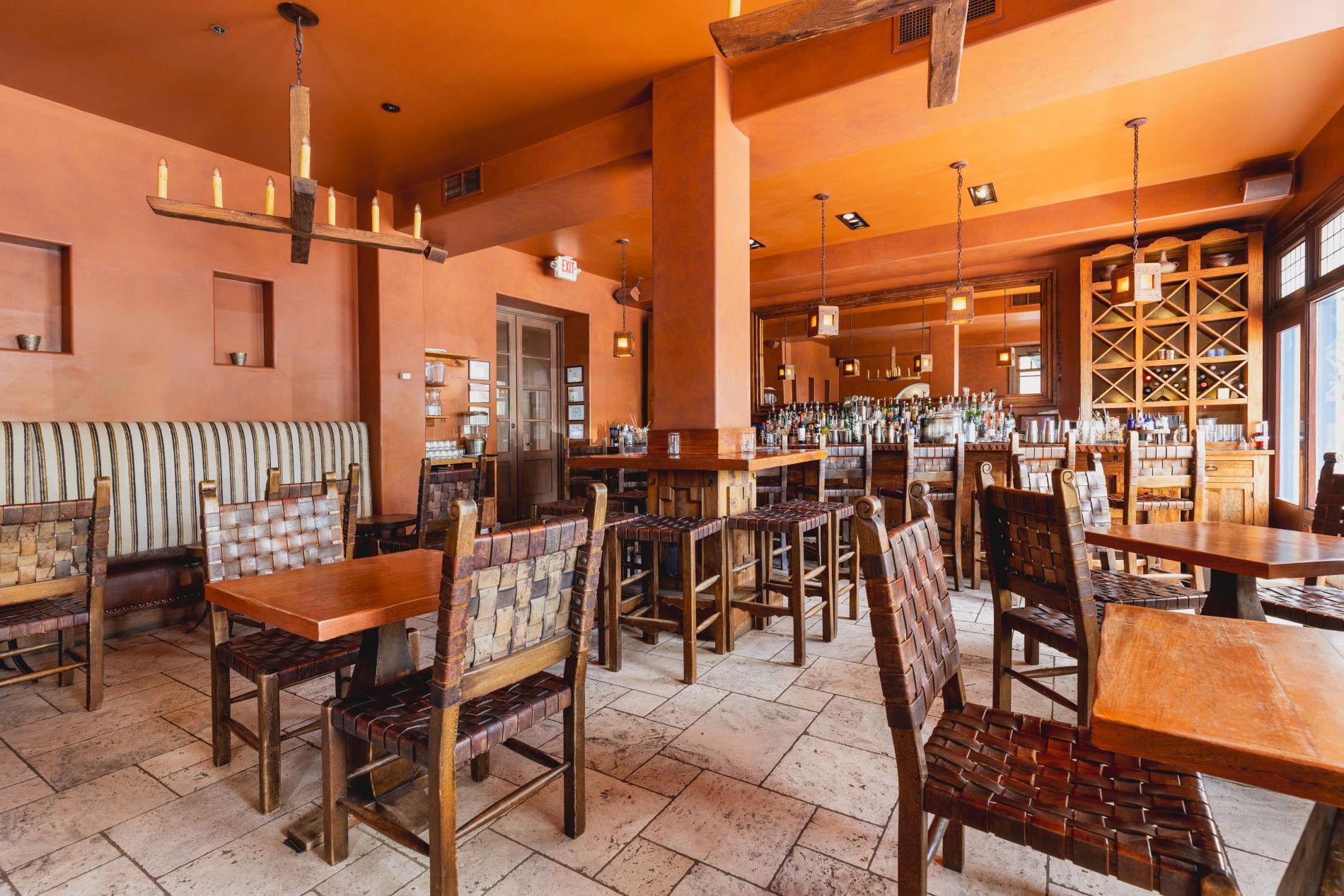
El Paragua is located at 603 Santa Cruz Road in Española, New Mexico, a town that functions as a regional hub rather than a tourist destination. The setting reflects the character of Northern New Mexico itself: grounded in place, without the polish of Santa Fe's restaurant row. Visitors should expect an environment shaped by decades of local use rather than one designed for culinary tourism.
Is El Paragua Restaurant a good stop between Santa Fe and Taos on the low road?
Española sits directly on US-84/285, the low road corridor connecting Santa Fe and Taos, placing El Paragua at 603 Santa Cruz Road as a geographically logical midpoint stop. Unlike the tourist-facing restaurants of Santa Fe, it operates within a community that has sustained Northern New Mexico cooking as everyday practice rather than curated experience. For travellers prioritising regional authenticity over convenience infrastructure, the Española detour is the point, not an obstacle.
What dish is El Paragua Restaurant famous for?
Northern New Mexico cuisine, distinct from Tex-Mex and from the Sonoran cooking of southern Arizona, centers on red and green chile grown in the region, particularly Hatch and Chimayó varieties. El Paragua, as one of Española's longstanding addresses for this cooking, is associated with dishes that use these chiles as a base rather than a garnish. Specific menu details are best confirmed directly with the restaurant at 603 Santa Cruz Road, Española.
Where is El Paragua Restaurant in Espanola?
El Paragua Restaurant is located at 603 Santa Cruz Rd, Española, NM 87532, Espanola.
Side-by-Side Snapshot
| Venue | Cuisine | Price | Awards | Notes |
|---|---|---|---|---|
| El Paragua RestaurantThis venue (the venue you are viewing) | Authentic New Mexican | $20–30 | Not listed | Not listed |
| Le Bernardin | French Seafood Fine Dining | $300–500 | 3 Michelin Stars · World's 50 Best #13 | French, Seafood |
| Lazy Bear | Modern American Tasting Menu | Not listed | 2 Michelin Stars · World's 50 Best #25 | Progressive American, Contemporary |
| Atomix | Modern Korean Tasting Menu | $300–500 | 2 Michelin Stars · World's 50 Best #7 | Modern Korean, Korean |
| Per Se | French Fine Dining Tasting Menu | $300–500 | 3 Michelin Stars · World's 50 Best #40 | French, Contemporary |
| Masa | Traditional Japanese Omakase | $500+ | 2 Michelin Stars · World's 50 Best #27 | Sushi, Japanese |
Continue exploring
More in Espanola
Restaurants in Espanola
All restaurants in Espanola →
Bars in Espanola
Browse all →
Details
- Classic
- Rustic
- Cozy
- Well Known
- Family
- Casual Hangout
- Group Dining
- Historic Building
- Craft Cocktails
- A La Carte
Current opening hours
- Monday
- Closed
- Tuesday
- Closed
- Wednesday
- Closed
- Thursday
- 11 AM–9 PM
- Friday
- 11 AM–9 PM
- Saturday
- 11 AM–9 PM
- Sunday
- Closed
Hours can change for holidays and private events. Last verified .
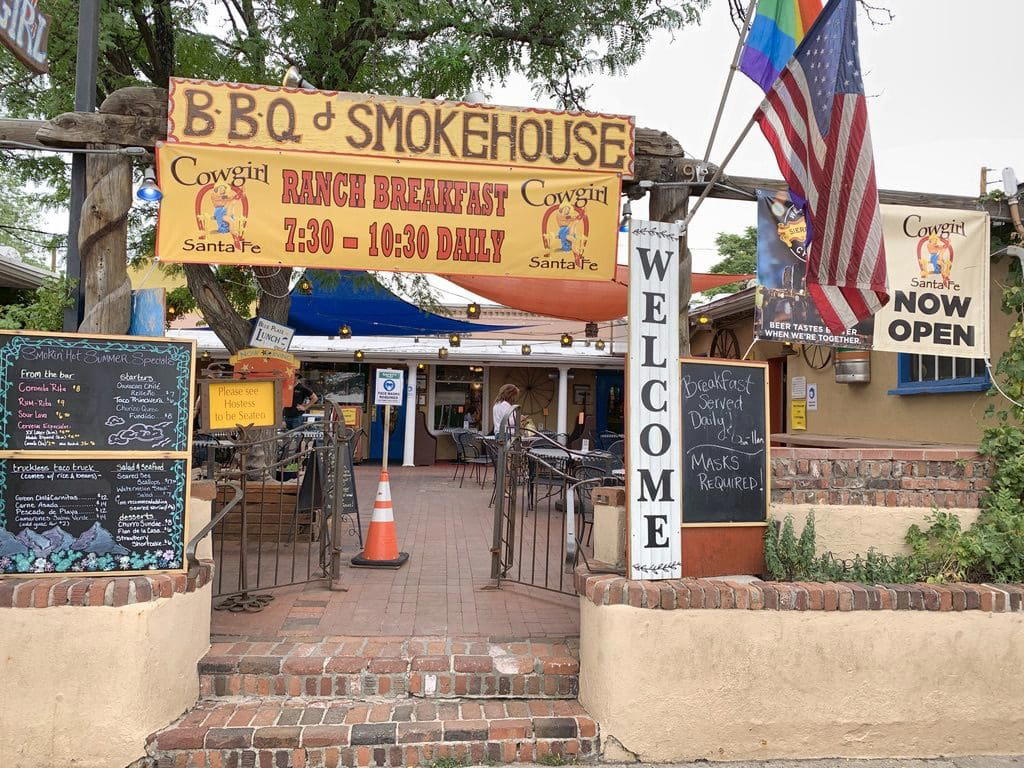
Welcoming home-like atmosphere reflecting northern New Mexico's distinctive culture with a rich family history.