Ojo Santa Fe Spa Resort
Set along the high desert terrain southwest of Santa Fe, Ojo Santa Fe Spa Resort at 242 Los Pinos Road offers a full-immersion wellness retreat where adobe architecture and New Mexican landscape work together rather than against each other. The property draws guests seeking deliberate disconnection and serious spa programming within reach of one of the American Southwest's most culturally layered cities.

Pearl is the En Primeur Club membership app, where members save venues, book tables and use the concierge.
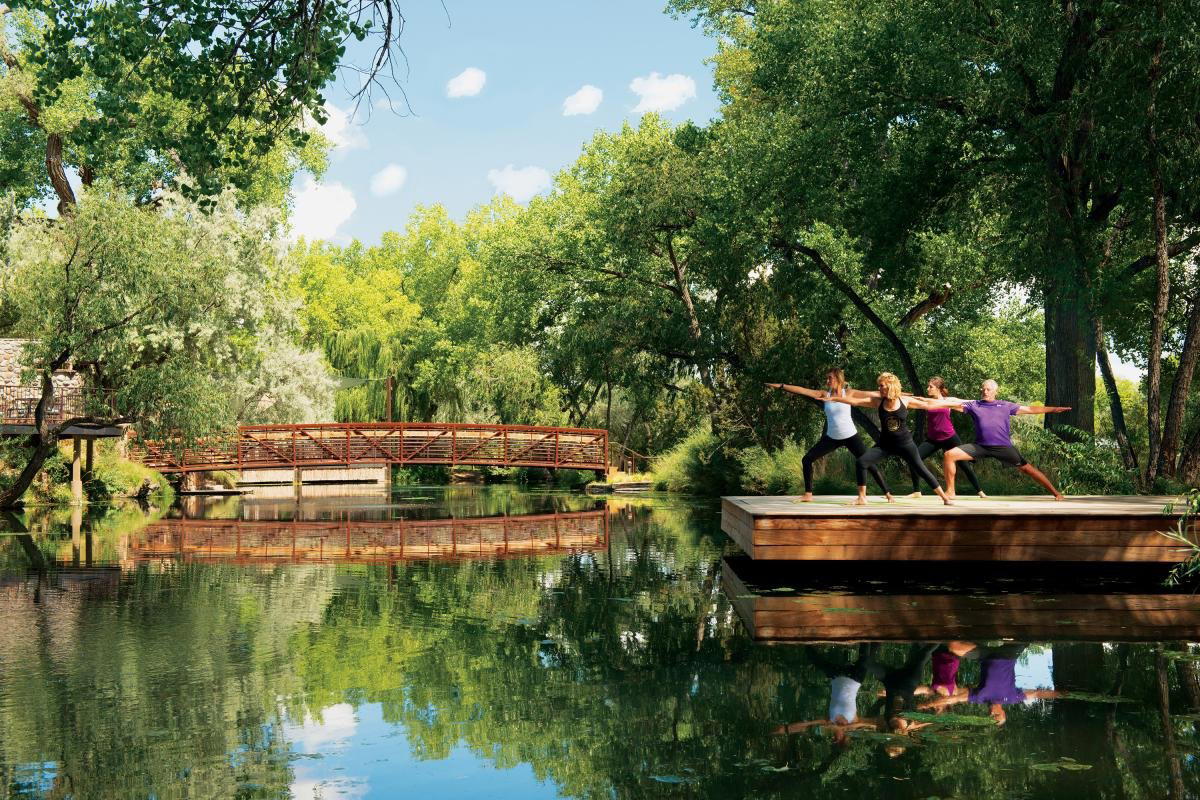
Desert Architecture as the Organizing Principle
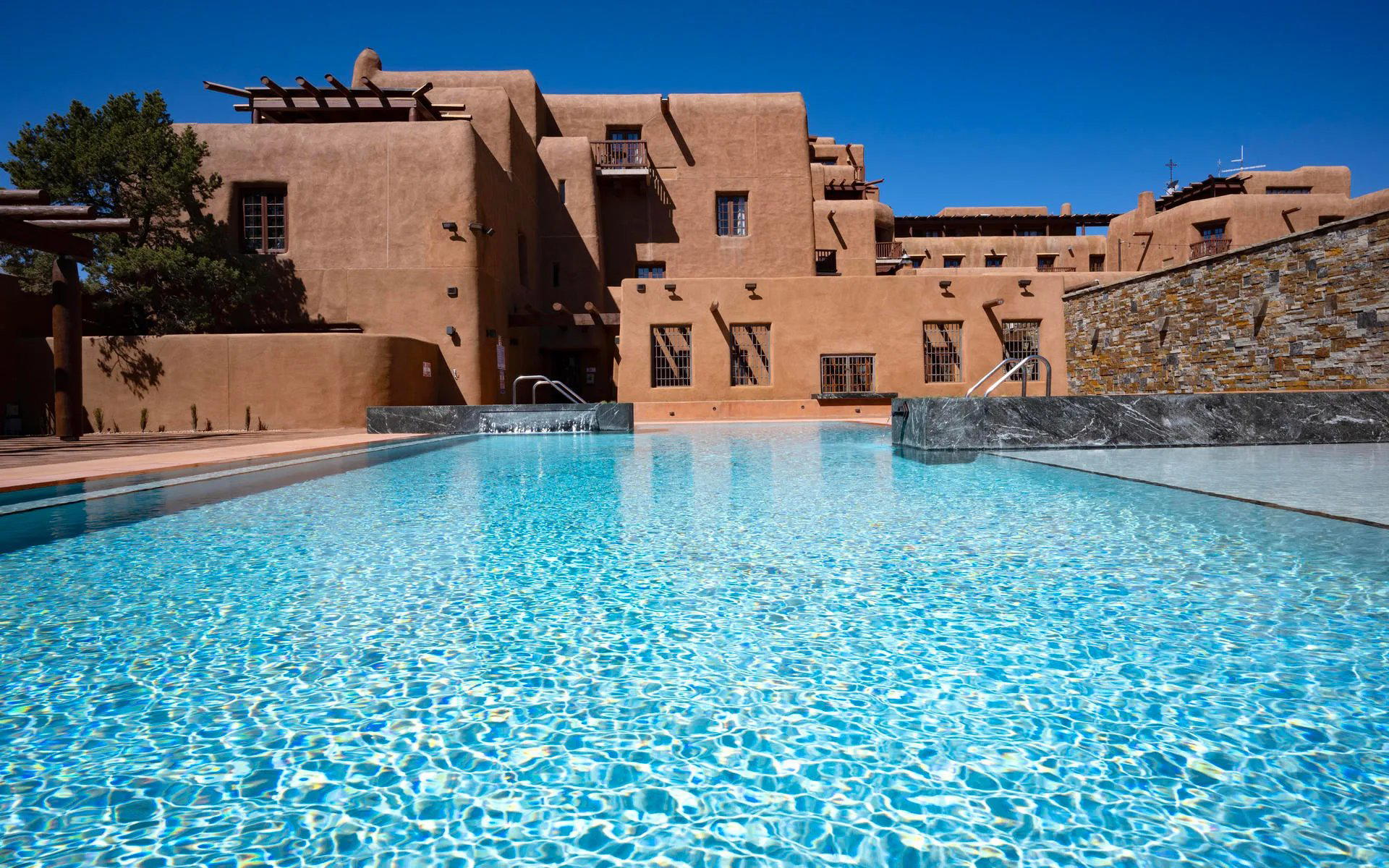
Southwest of Santa Fe proper, the high desert plateaus that stretch toward La Cienega carry a particular quality of light, flat and pewter-blue in winter, copper-bright in late afternoon summer, that has shaped how builders have worked here for centuries. Adobe construction is not an aesthetic choice in this region so much as a structural logic: the thick earthen walls regulate interior temperatures across a climate that swings dramatically between seasons, and the low horizontal profiles resist the wind rather than fighting it. Ojo Santa Fe Spa Resort, situated at 242 Los Pinos Road, belongs to a lineage of properties that have taken this local vernacular seriously rather than importing a generic resort idiom and applying a regional veneer.
The distinction matters when comparing properties across the American West. A portion of the luxury wellness market has converged on a recognizable template: glass-and-steel structures with mountain views, modular spa suites, and locally sourced menus deployed as branding. The properties that hold a more specific identity are those where architecture and terrain were planned together from the outset. Amangiri in Canyon Point achieves this through concrete poured directly into canyon rock. Ambiente in Sedona orients every structure to the red rock formations. Ojo Santa Fe operates in a similar register, using the high desert terrain as a design constraint rather than a backdrop.
Where Ojo Santa Fe Sits in the Wellness Property Spectrum
The American wellness resort has split into clearly differentiated tiers. At one end sit the legacy destination spas, Canyon Ranch Tucson being the most referenced example, which built their reputations on structured programming, clinical credibility, and multi-week stays. At the other end, many resort hotels now offer spa amenities as a secondary feature layered onto a food-and-beverage or rooms-focused product. Ojo Santa Fe occupies the middle ground that has grown in the last decade: properties where wellness is genuinely central but the format is more open and self-directed than the structured retreat model. Guests are not enrolled in prescribed daily schedules; instead, the physical environment and the breadth of spa offerings create conditions for self-guided recovery and rest.
The comparison is instructive: all three draw guests who are willing to travel specifically for the property rather than incidentally staying near a major attraction.
La Cienega and the Santa Fe Context
La Cienega sits just south of Santa Fe in a stretch of Río Grande corridor territory that reads as open land from most approaches, irrigated fields, cottonwood stands, and the flat-roofed profiles of older New Mexican settlements. Santa Fe itself, roughly twelve miles north, is one of the oldest continuously occupied capitals in North America, with a food and arts culture that has drawn sustained outside attention without entirely losing its regional character. The proximity to Santa Fe gives Ojo guests access to Canyon Road galleries, the Plaza, and a restaurant scene that has developed meaningful depth over the past two decades, while the resort's position in La Cienega provides meaningful physical separation from the city's visitor traffic.
For travellers considering how Ojo fits into a broader Southwest itinerary, the New Mexico high desert is genuinely distinct from the Arizona red-rock corridor anchored by properties like Amangiri or the California coastal wellness corridor running from Big Sur to Carmel Valley, where Bernardus Lodge and Spa holds its position. The light is different, the elevation is higher, and the cultural material is specifically Pueblo and Spanish Colonial rather than broadly Western. That specificity either lands as the main draw or reads as peripheral, depending on what a guest is after. Those for whom it is the draw tend to stay longer and return.
Design Logic and the Outdoor-Interior Relationship
Properties that work in high desert settings tend to foreground the relationship between sheltered interior space and the exposed outdoor environment rather than smoothing that transition into irrelevance. Ojo Santa Fe's architecture reflects this by maintaining the thermal mass logic of traditional adobe, rooms that hold overnight cold into the morning and resist afternoon heat, while integrating outdoor thermal facilities that make the outdoor-interior movement part of the spa experience itself. This approach is well-established in Japanese onsen culture and in the Central European spa tradition, but its application in the American Southwest draws on a different material vocabulary: local stone, earth tones derived from the surrounding terrain, and water features calibrated to the arid context rather than borrowed from humid-climate spa design.
The design conversation is worth placing alongside properties in other American natural settings. Sage Lodge in Pray, Montana manages a similar tension between exposed mountain environment and sheltered comfort. Amangani in Jackson Hole resolves it through sandstone-and-wood construction that reads as warm rather than monumental. Each represents a regional answer to the same architectural problem. Ojo Santa Fe's answer is adobe-rooted and specific to the Río Grande valley rather than transferable to another climate.
Planning a Stay
Guests arriving from major airports should account for the Albuquerque-to-Santa Fe transfer, which runs approximately an hour by road, a logistics detail worth building into arrival schedules, particularly for evening check-ins when the high desert temperature drops sharply. The La Cienega location at 242 Los Pinos Road places the resort west of the main Santa Fe thoroughfares, meaning access runs through secondary roads rather than the busier Cerrillos corridor. For travellers comparing New Mexico against other Southwest wellness destinations, the elevation here sits considerably higher than Tucson or Scottsdale, which affects both climate expectations and physical adjustment time, particularly in the first day of arrival. Spring and fall offer the most temperate conditions, while winter stays come with stark light and cold mornings that the adobe environment handles better than most modern construction. See our full La Cienega guide for broader context on the area's character and nearby draws.
For those building a multi-property Southwest or mountain West itinerary, Ojo Santa Fe pairs logically with Amangiri to the northwest or with Santa Fe as a cultural anchor before moving toward the Texas properties like Bowie House in Fort Worth. Travellers whose interest runs more toward ranch-format properties in open terrain may find Alpine Falls Ranch in Superior or Sage Lodge in Pray a useful contrast for longer western itineraries.
| Venue | Cuisine | Price | Awards |
|---|---|---|---|
| Ojo Santa Fe Spa ResortThis venue (the venue you are viewing) | This venue | Not listed | Not listed |
| Aman New York | Michelin 3 Key, World's 50 Best | Not listed | 3 Michelin Keys · World's 50 Best #87 |
| Amangiri | Michelin 3 Key, World's 50 Best | $1,000–1,500 | 3 Michelin Keys · World's 50 Best #45 |
| Hotel Bel-Air | Michelin 3 Key, World's 50 Best | $750–1,000 | 3 Michelin Keys · World's 50 Best #57 |
| The Beverly Hills Hotel | Michelin 3 Key, World's 50 Best | Not listed | 3 Michelin Keys · World's 50 Best #65 |
| The Carlyle, A Rosewood Hotel | Michelin 2 Key, World's 50 Best | $1,500–2,500 | 2 Michelin Keys · World's 50 Best #64 |
Continue exploring
More in La Cienega
Hotels in La Cienega
All hotels in La Cienega →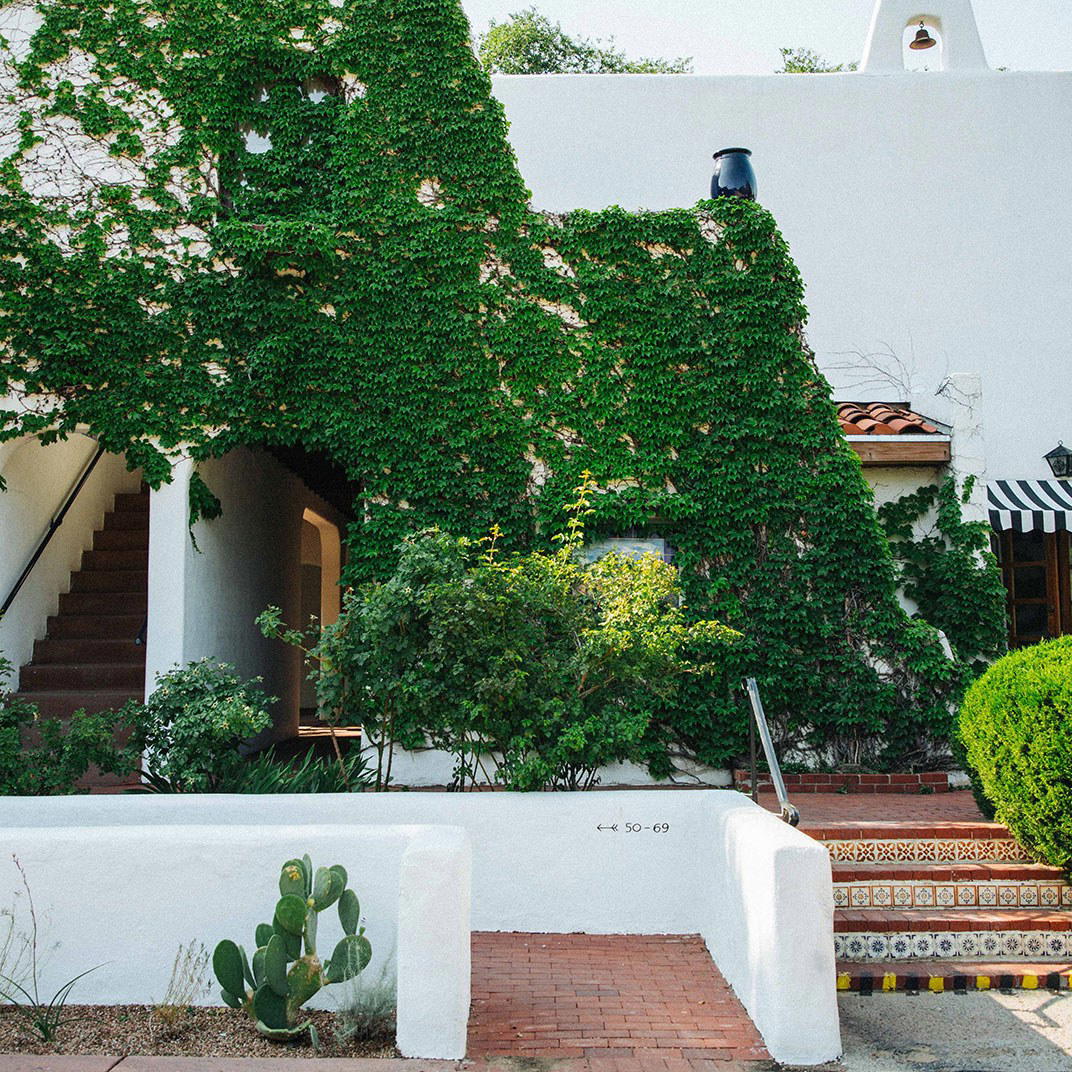
Details
- Quiet
- Scenic
- Elegant
- Rustic
- Sophisticated
- Wellness Retreat
- Romantic Getaway
- Weekend Escape
- Destination Spa
- Infinity Pool
- Panoramic View
- Garden
- Spa
- Pool
- Hot Tub
- Sauna
- Wi Fi
- Garden
- Restaurant
- Garden
- Mountain
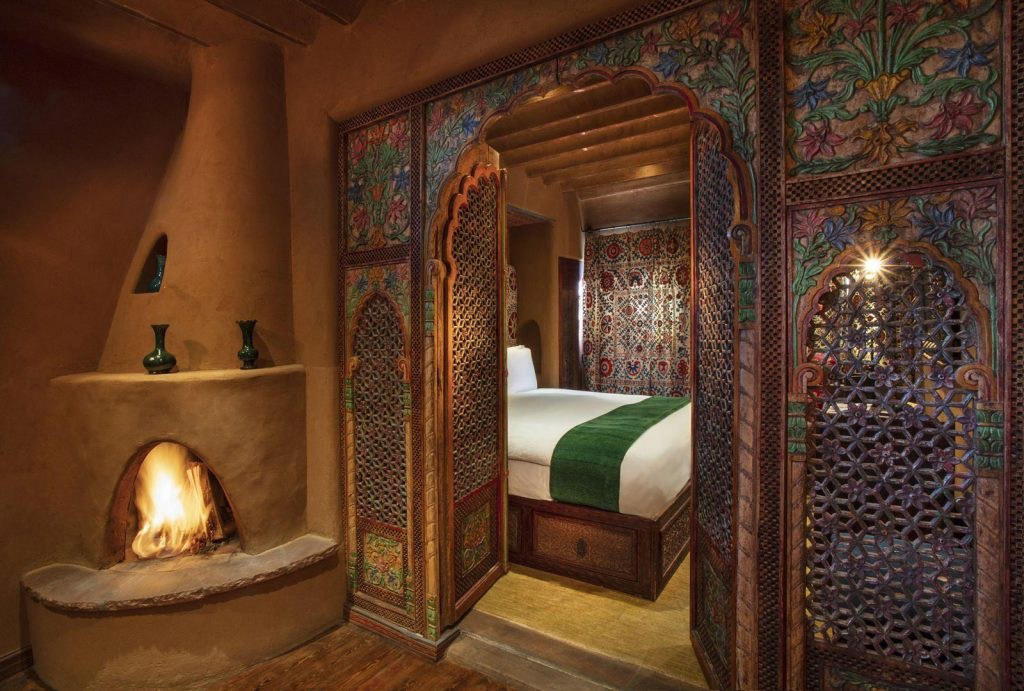
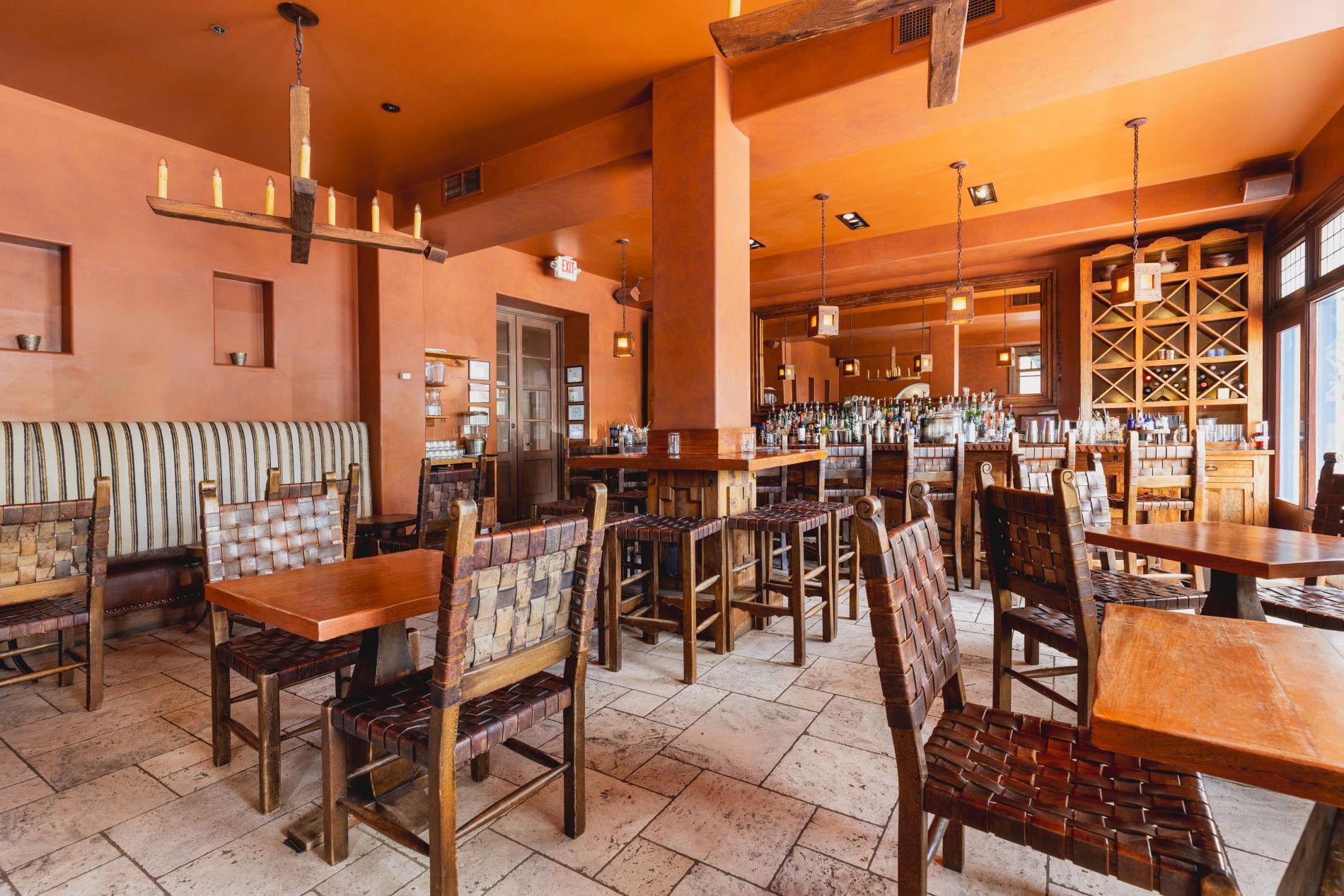
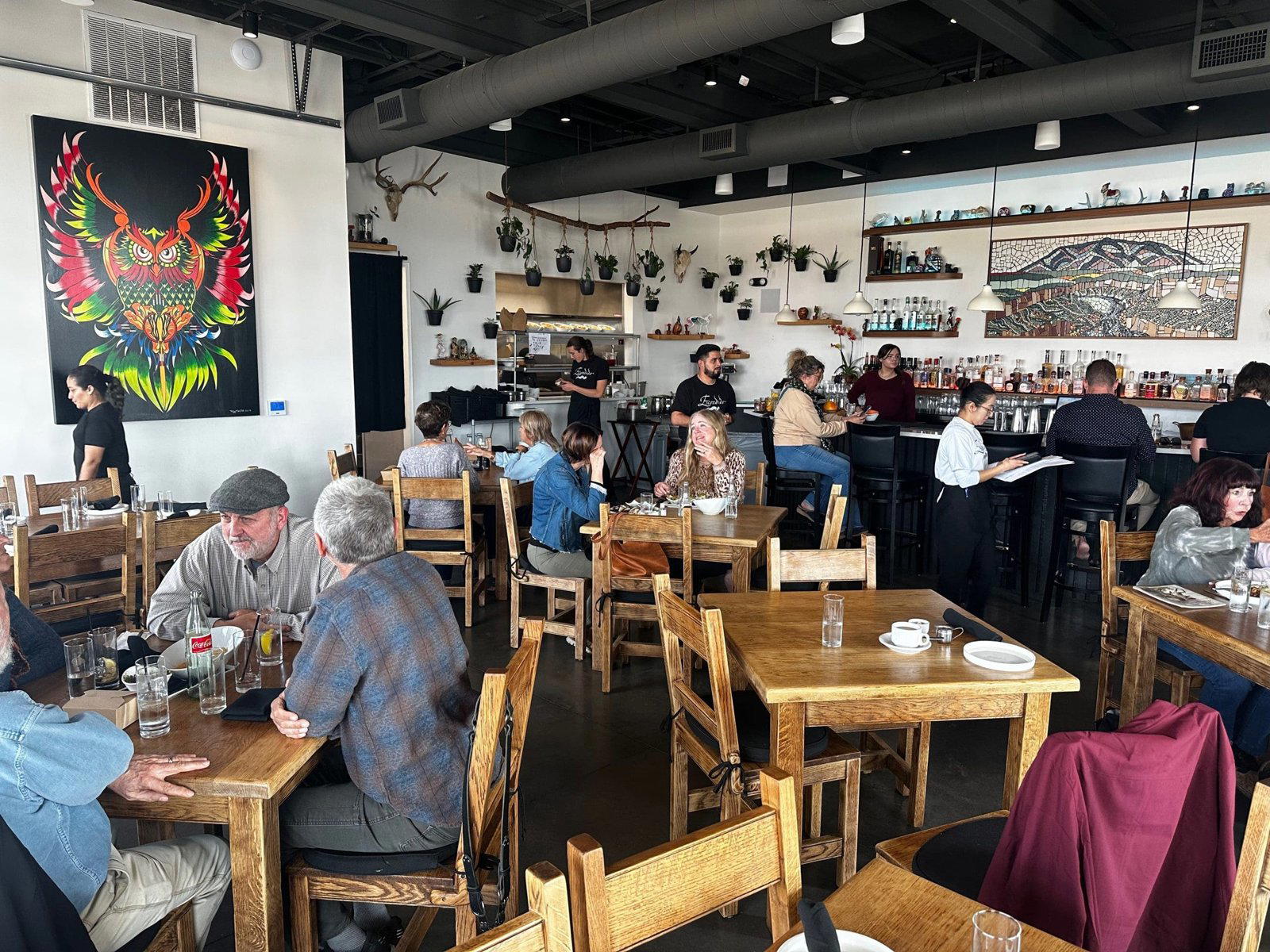
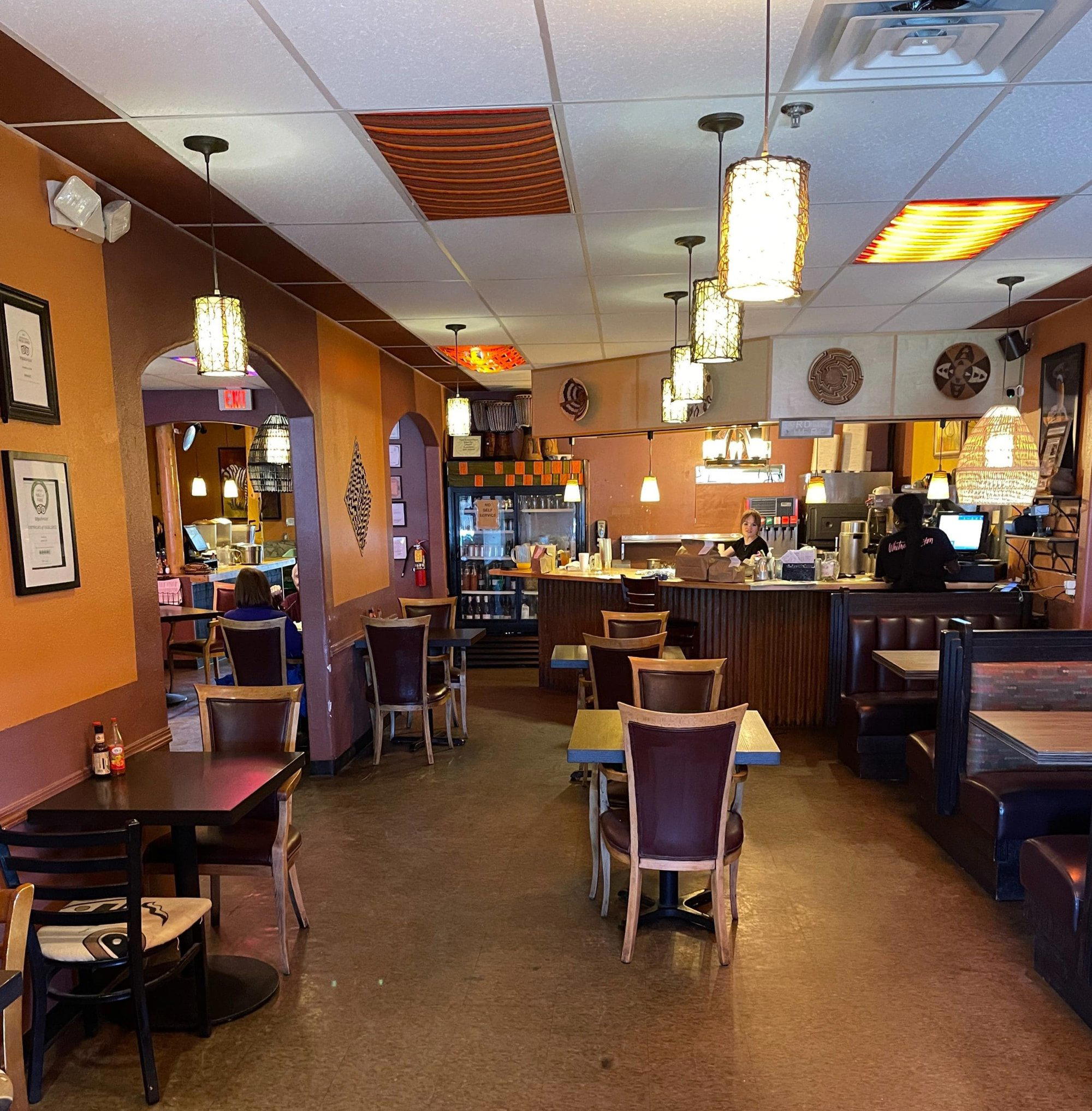
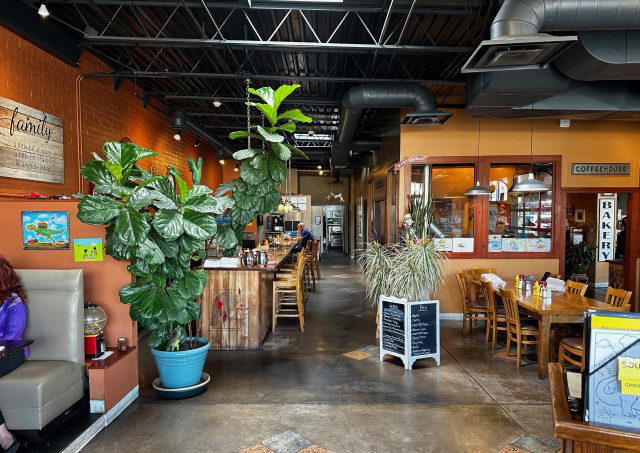
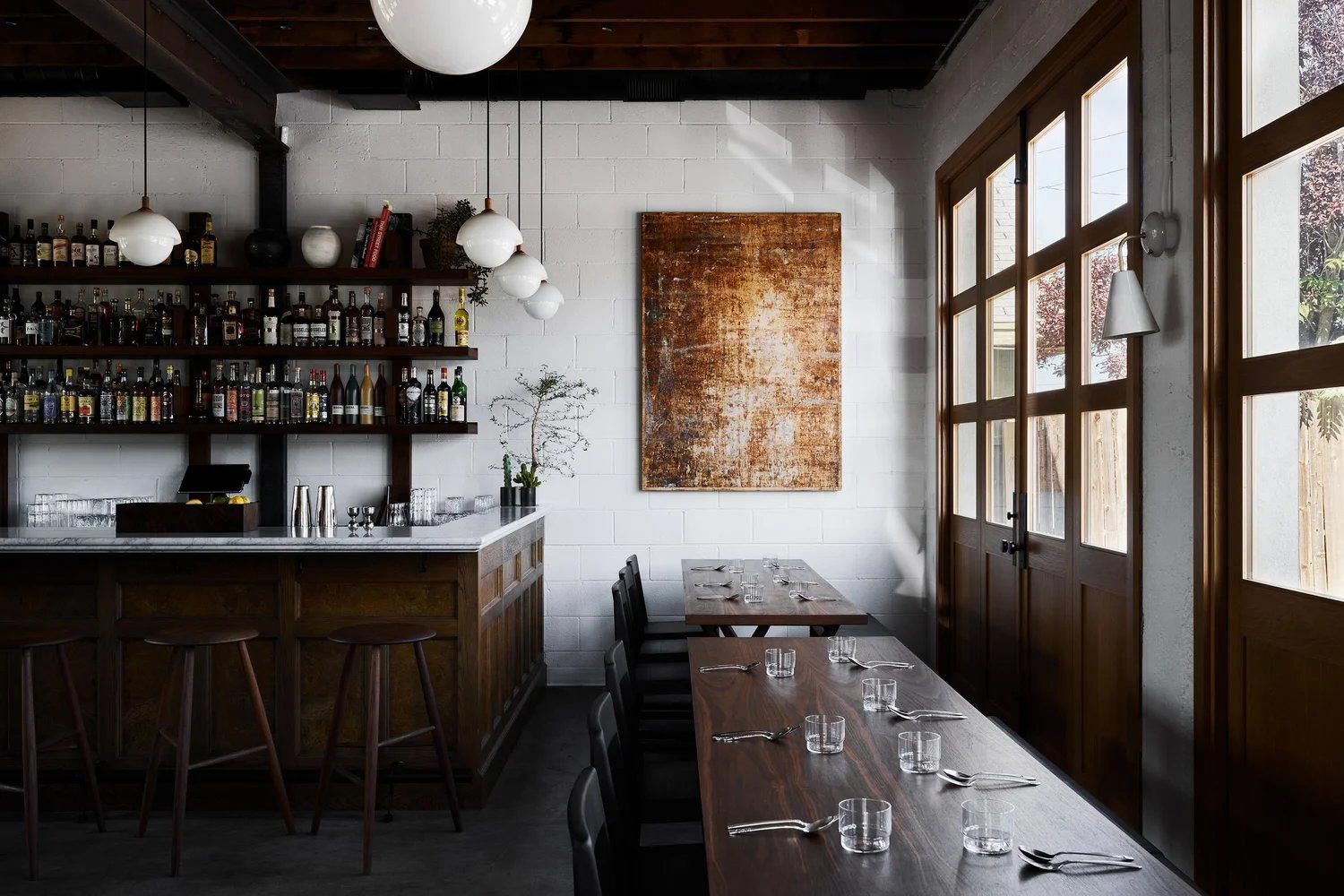
Tranquil and lush with natural desert textures, local artisan touches, floor-to-ceiling windows overlooking ponds and gardens, serene outdoor patios, and contemplative spaces like hammocks and rockers.