Hotel Willa





Michelin Selected · Conde Nast Hot List Hotels · Mr & Mrs Smith Seal of Approval
A Michelin Selected boutique hotel in Taos, Hotel Willa transformed a 1960s motor lodge into a 51-room property rooted in New Mexican design: hand-troweled adobe walls, carved viga beams, and locally woven textiles. An on-site gallery curated by arts nonprofit Paseo Project, a farm-fed restaurant, and a courtyard anchored by a century-old willow tree make it the most considered address at the edge of Taos's Downtown Historic District.

Pearl is the En Primeur Club membership app — saves, bookings, and concierge access live there. Same editors, same standards.
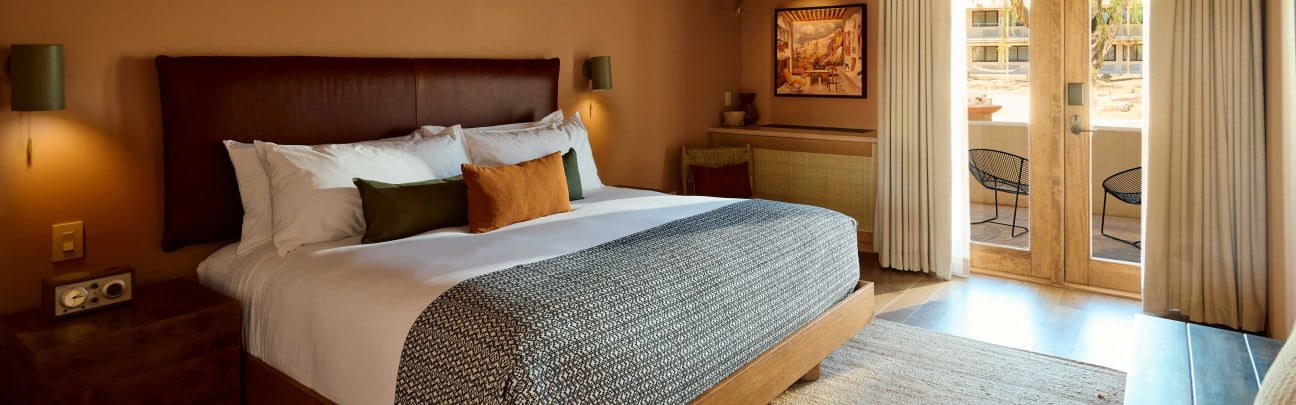
Where the High Desert Comes Inside
Approach Hotel Willa from Paseo Del Pueblo Sur after dark and the building reads as something older than it is: warm light filtering through softly illuminated adobe, the faint smell of piñon smoke drifting across the road. The property sits at the gateway to Taos's Downtown Historic District, and its palette — clay tones, earthen plaster, ochre and umber — aligns it with the built environment of a town that has resisted the homogenizing pull of regional tourism for decades. The architecture here is not decorative. In northern New Mexico, adobe construction is a centuries-old vernacular that regulates temperature, absorbs light differently across the day, and carries the weight of Pueblo and Spanish colonial history. Hotel Willa works within that language rather than sampling from it.
The property began as a condemned 1940s motor lodge, a building type that once lined American highways in considerable numbers and has since been repurposed, razed, or left to deteriorate. California-based Casetta Group's transformation into a 51-room boutique hotel involved the Taos community at a level that motor lodge conversions rarely attempt: the hotel's name itself, Willa, came from a community naming event, and refers to the ancient willow tree standing in the courtyard. That specificity of reference signals how the renovation was approached. Nothing here is imported Southwest-themed decor. The viga beams crossing the ceilings are the structural timber tradition of New Mexican architecture. The textiles on the walls and beds were woven locally, in Southwestern motifs that carry regional craft history rather than resort-shop aesthetics.
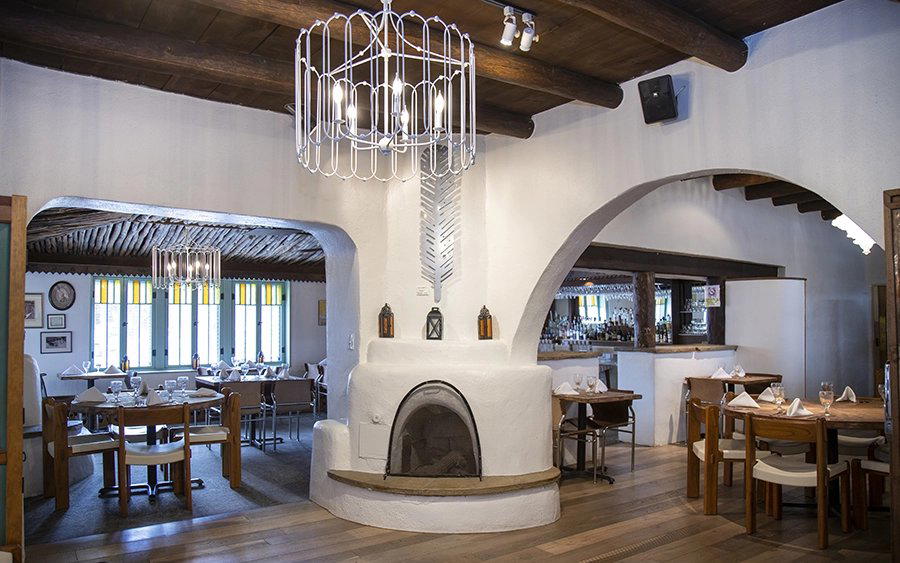
Hand-troweled adobe walls flank the entrance lobby, where a crackling hearth anchors the arrival sequence. Kiva-style fireplaces, the round, corner-set form characteristic of Pueblo architecture, appear in the communal spaces, and the overall color register stays within the desert spectrum: no sharp contrasts, no imported European grandeur. Boutique amenities (Dandy del Mar robes, Aesop toiletries) sit alongside this vernacular design without overwhelming it. The balance is more deliberate than it might appear, because the competing risk for properties of this type is that boutique lifestyle signifiers overtake the local design logic entirely. At Hotel Willa, those amenities read as additions rather than the point.
The Gallery as Structural Feature
The 2,000-square-foot art gallery inside Hotel Willa is not a lobby installation or a rotating display of prints for purchase. Operated in partnership with Paseo Project, a Taos-based arts nonprofit, it functions as a programming entity with its own exhibition calendar, emerging and international artists, and a monthly artist-in-residence who offers workshops and open studios. The gallery's permanent collection, if that term applies to a rotating program, includes work like Debbie Long's Bullet Cities, a wall installation of glass-cast bullet casings that shifts in color and depth as natural light moves across it. Other exhibited works have included pieces by local tradespeople: a sculpture from plumbing pipe, drawings by a former security guard. The editorial logic of that curation is clear. Taos has drawn artists for over a century, from the Taos Society of Artists founded in 1915 through the counterculture migrations of the 1960s and 1970s. A hotel gallery that reflects that lineage rather than safe commercial art programs places Hotel Willa in a more serious position within the town's creative geography. For guests arriving primarily as art travelers, the gallery alone justifies the address.
Taos's position in the American Southwest places it in comparative conversation with other design-forward desert properties. Amangiri in Canyon Point operates at a far higher price point with a remote canyon setting and monumental architecture. Dunton Hot Springs in Dunton operates at small scale in a restored ghost-town format. Hotel Willa's niche is different: an urban-adjacent, community-integrated boutique with a genuine arts program, sitting at the accessible end of boutique pricing while holding a Michelin Selected designation for 2025. Among American Southwest design hotels, that combination of accessibility and editorial seriousness is a narrower group than the category suggests.
Juliette and the Edible Garden
The Southwest has a distinct farm-to-table tradition that differs from its coastal counterparts. Altitude, aridity, and the specific agricultural heritage of northern New Mexico, blue corn, local chiles, heritage legumes, high-desert herbs, define what sourcing actually means in this region. Juliette, the on-site restaurant at Hotel Willa, draws from an edible garden on the property that produces herbs, rhubarb, spinach, and seasonal vegetables that supply the kitchen directly. The menu connects to the broader Taos dining scene that EP Club tracks in our full Taos restaurants guide, where Southwest-inflected farm-to-table cooking has developed a serious following among both locals and the town's considerable creative population.
Verified accounts from journalists who have eaten at Juliette describe a fermented blue-corn daiquiri and a cheeseburger topped with roasted local chiles. These two items, one a technical fermented cocktail, one a regional-ingredient interpretation of a broadly familiar dish, describe a menu that works in both directions: technically ambitious without being exclusive, regionally specific without being folkloric. The restaurant spills into a bar where, by documented account, a mixed crowd of musicians, healers, artists, and hipsters gathers for mezcal-spiked margaritas and acoustic performances. That social mix is not incidental to Taos. The town has functioned as a gathering point for countercultural and artistic communities for generations, and Juliette's bar appears to have absorbed that character rather than replacing it with hotel-bar polish.
The Courtyard and Wellness Amenities
The outdoor spaces at Hotel Willa gather around the willow tree the property was named for, a tree estimated at roughly 100 years old. Adjacent to it: a heated pool, hot tub, cedar sauna, and cold plunge. That sequence of thermal amenities has become standard at properties operating in the wellness-adjacent boutique category, but the setting here is materially different from wellness properties in milder climates. Taos sits at approximately 6,900 feet elevation, with temperatures that drop sharply at night even in summer. The outdoor amenity sequence, in that context, carries a different practical logic: moving between sauna and cold plunge at altitude, in desert air, is a sensory experience grounded in the environment rather than in spa-hotel convention.
Properties that have built entire identities around high-altitude and hot springs wellness, like Canyon Ranch Tucson or Canyon Ranch Lenox, operate at significantly larger scale and price points with structured programming. Hotel Willa's wellness footprint is modest by comparison, a courtyard amenity set rather than a destination spa, but it functions as a complement to the design and art program rather than competing with them for primacy.
Accessibility and Design Integration
Hotel Willa includes four ADA-accessible rooms with roll-in showers and layouts designed to integrate accessibility without visual separation from the rest of the property's design language. Most common areas are accessible; the pool area is noted as an exception. In boutique hotel design, where aesthetic coherence often conflicts with accessible design requirements, the degree to which a property treats accessibility as integrated rather than compliant-minimum is a meaningful signal. Regional art and wide doorways appear across the accessible rooms, matching the design register of the standard inventory.
Planning Your Stay
Hotel Willa sits at 233 Paseo Del Pueblo Sur, at the edge of Taos's Downtown Historic District, close enough to walk to the Taos Plaza, the Taos Art Museum at Fechin House, and the galleries along Kit Carson Road. Published room rates have been cited at $180 to $200 per night for doubles, which positions the property at the accessible end of boutique hotel pricing in a town where accommodation options range from the historically rooted Historic Taos Inn to short-term rentals in the surrounding high desert. At its price point, with an active gallery program and a restaurant drawing from an on-site garden, Hotel Willa occupies a position in the American boutique hotel category that few properties at this rate can credibly claim.
Side-by-Side Snapshot
Comparable venues nearby, for context on price, style, and recognition.
| Venue | Cuisine | Price | Awards | Notes |
|---|---|---|---|---|
| Hotel WillaThis venue (the venue you are viewing) | hacienda rooted in Taos heritage with adobe walls and local artisanal works | $200–300 | Michelin Selected · Conde Nast Hot List Hotels | Not listed |
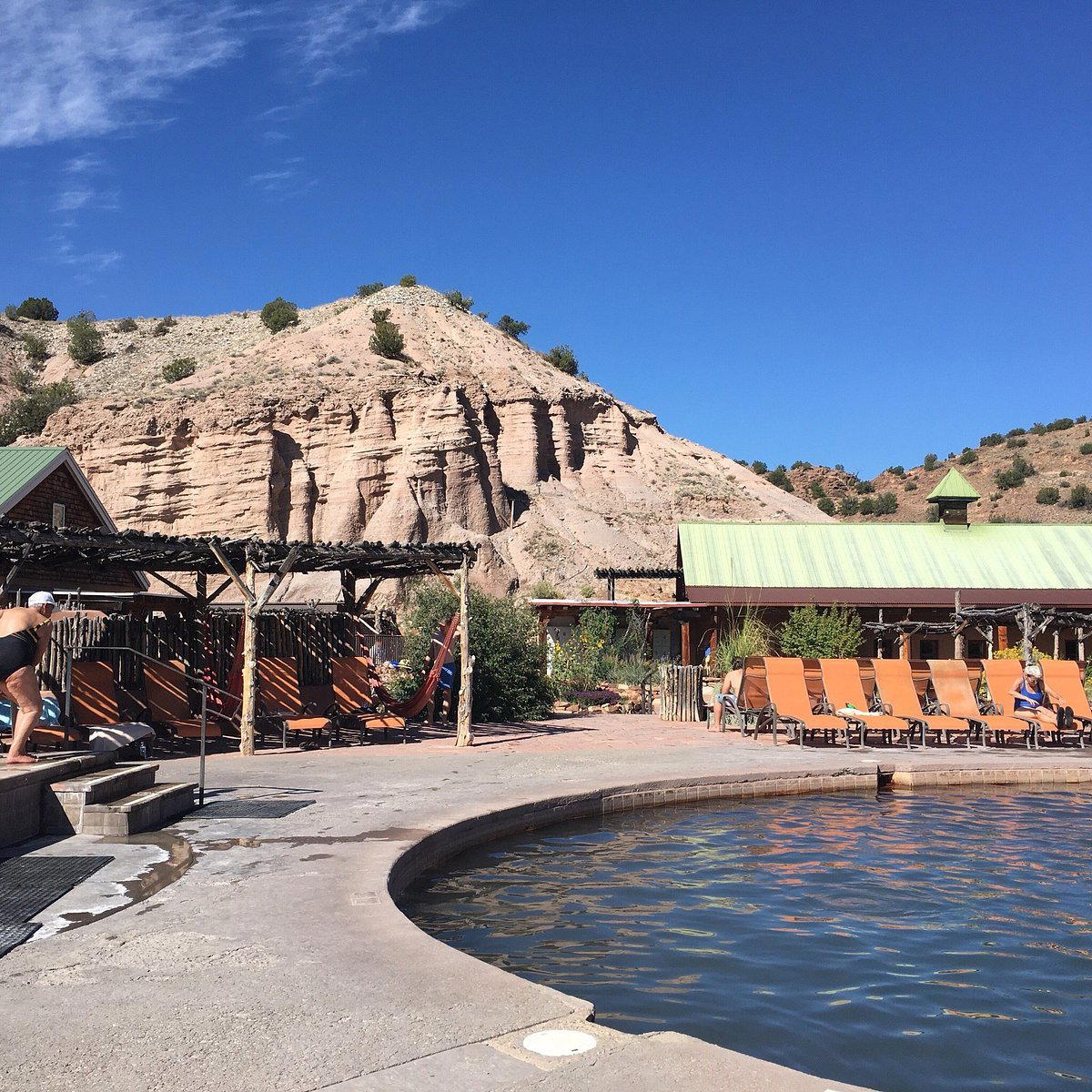
| Ojo Caliente Mineral Springs Resort & Spa | Historic adobe resort with Mission Revival style buildings and modern restorations preserving natural wellness heritage. | Not listed | Not listed | Ojo Caliente |
| The Historic Taos Inn | Restored historic adobe inn with Southwestern hospitality. | $100–200 | Not listed | historic district |
| Ojo Santa Fe Spa Resort | Authentic New Mexico style destination spa resort with private casitas and garden-view rooms featuring local artisan details. | Not listed | Not listed | La Cienega |
| Ten Thousand Waves | Japanese ryokan-inspired | Not listed | Not listed | Ten Thousand Waves Way |
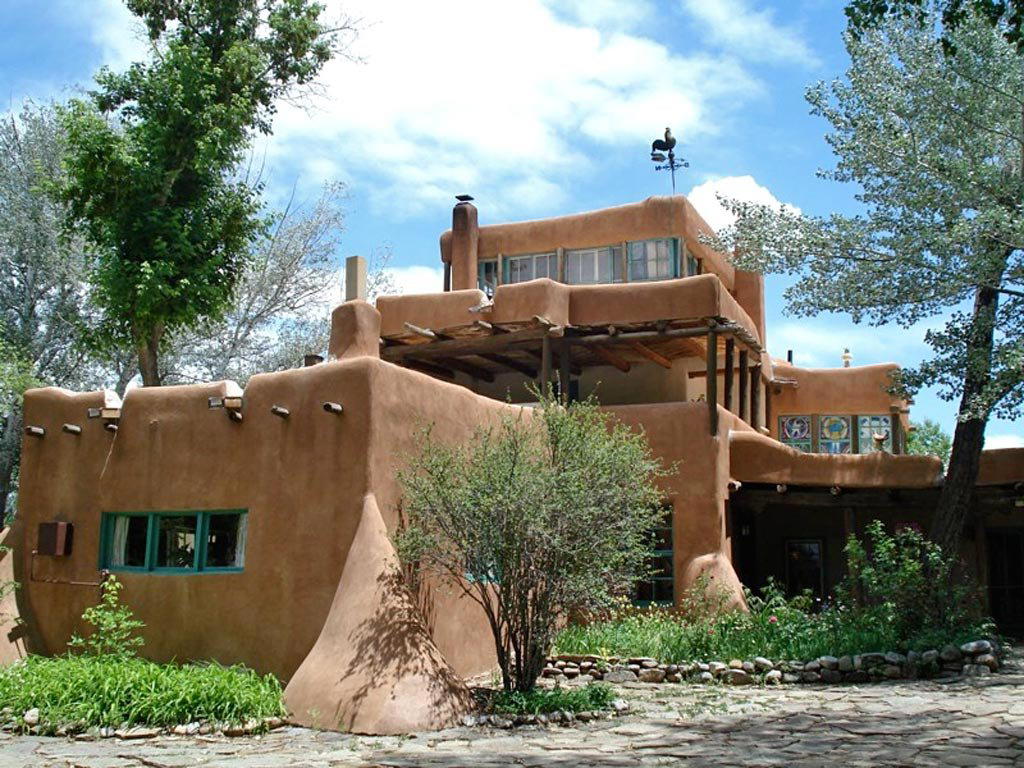
| Mabel Dodge Luhan House | Pueblo Revival adobe compound blending Native American and Spanish Colonial architectural traditions with Italian villa influences. | Not listed | Not listed | Taos Pueblo border |
Recognition history
Dated appearances from independent guides and award organizations, with the underlying list record or original source where available.
Michelin Selected
Michelin
Conde Nast Hot List Hotels
Conde Nast
Esquire Best New Hotels
Esquire
Mr & Mrs Smith Seal of Approval
Mr & Mrs Smith
Travel + Leisure It List Hotels
Travel + Leisure
Continue exploring
More in Taos
Hotels in Taos
All hotels in Taos →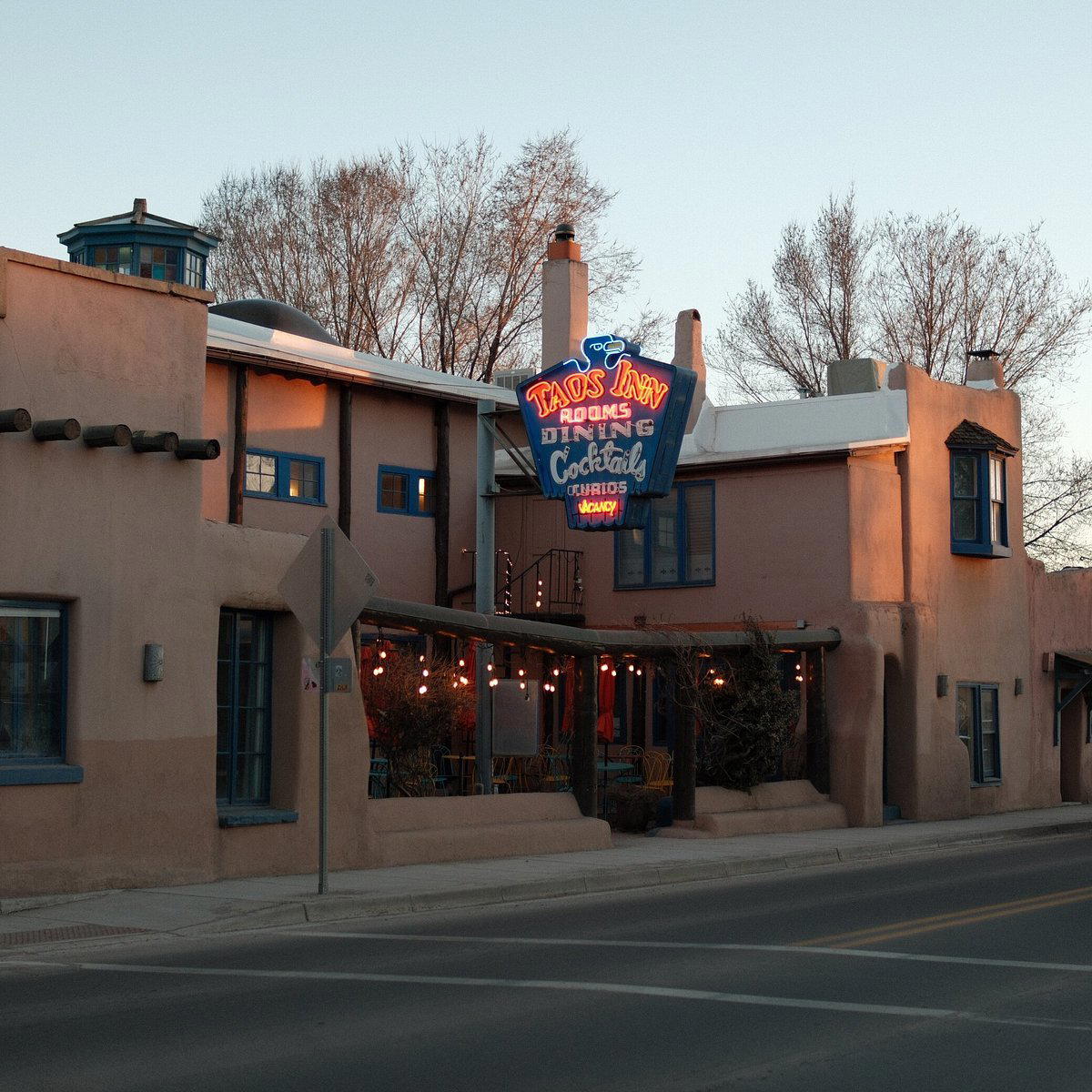
Details
- Rustic
- Cozy
- Scenic
- Elegant
- Modern
- Romantic Getaway
- Weekend Escape
- Wellness Retreat
- Panoramic View
- Garden
- Terrace
- Wi Fi
- Pool
- Spa
- Fitness Center
- Room Service
- Concierge
- Mountain
- Garden
- Wheelchair Accessible
- Step Free Entrance
Earthy tones, sun-bleached neutrals, warm woods, exposed beams, and natural light creating a serene, place-driven atmosphere rooted in Taos' creative spirit.