Nobu Tel Aviv
Nobu Tel Aviv belongs in a city where hotel dining is often judged against the energy of the street: beach cafés, late dinners, market cooking, and serious cocktail rooms. With no published database details for price, awards, chef, rooms, or booking channels, it is better read through the Nobu signal itself and Tel Aviv-Yafo’s appetite for international dining formats.

Pearl is the En Primeur Club membership app — saves, bookings, and concierge access live there. Same editors, same standards.
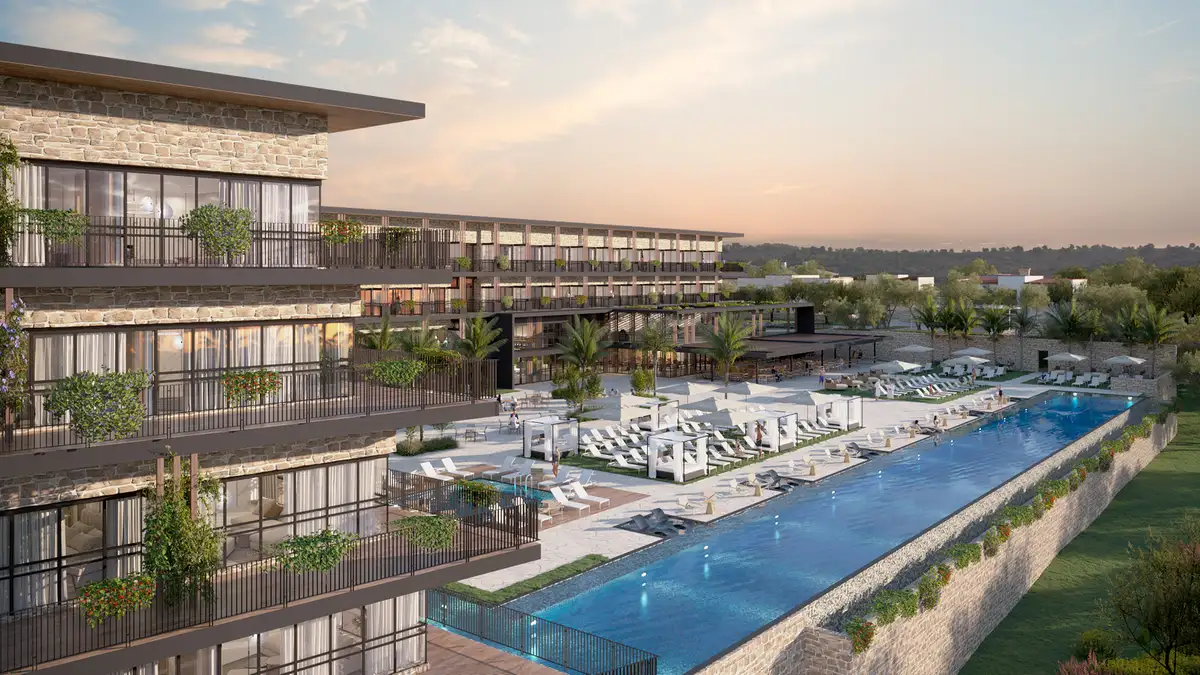
Arrival, atmosphere, and the Tel Aviv hotel-dining test
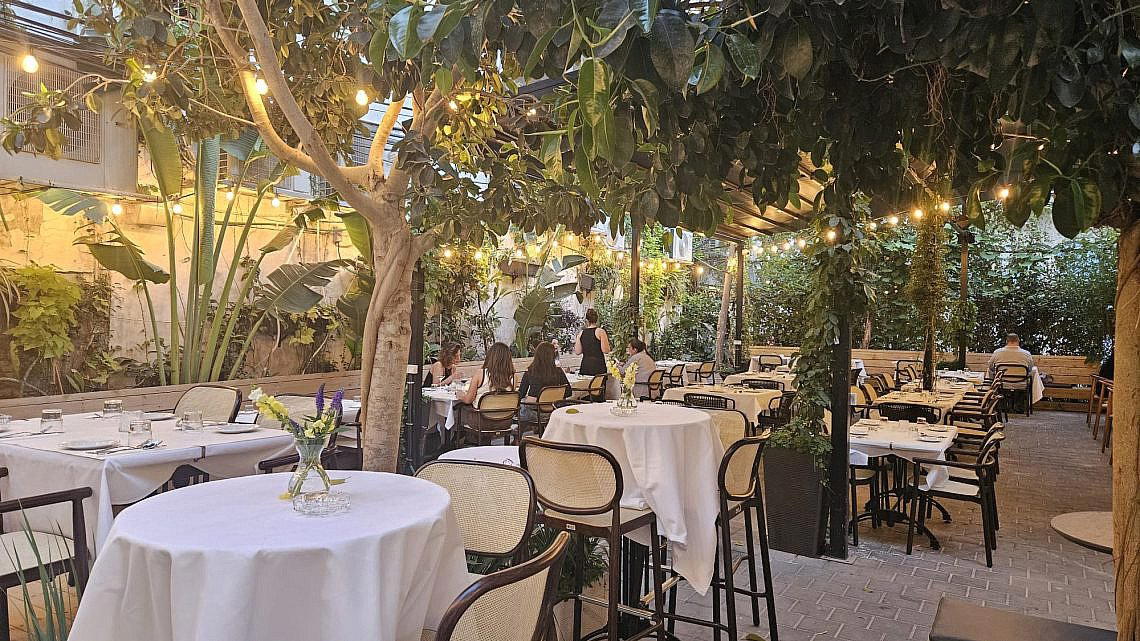
Approaching a hotel dining room in Tel Aviv-Yafo is never a neutral act. The city is loud, late, salt-aired, and informal even when the bill is not. Its hospitality culture has to compete with beachside breakfasts, market lunches, chef-led counters, and bars that do not need hotel infrastructure to feel serious. Nobu Tel Aviv enters that setting with a name that carries global recognition, but the more useful question is not whether the name travels. It is whether a polished international dining programme can make sense in a city that tends to prize tempo, directness, and a certain resistance to ceremony.
The Nobu reference point gives the room an immediate culinary grammar: Japanese technique filtered through a cosmopolitan luxury-hotel lens, the sort of dining language that works in cities where guests move between meetings, coastal leisure, and late reservations. Tel Aviv-Yafo adds a sharper edge. Here, hotel restaurants are measured against independent kitchens as much as against other hotels, and a room with an international name has to justify itself through pacing, atmosphere, and clarity rather than reputation alone. The city’s dining culture is not short on confidence; imported polish needs local friction to avoid feeling detached.
For travellers mapping the city, Nobu Tel Aviv should be understood as part of a broader premium-hospitality conversation rather than a stand-alone restaurant listing. Tel Aviv-Yafo’s hotel scene now ranges from Jaffa heritage properties to beach-adjacent urban addresses, while the restaurant scene has its own rhythm and audience. Readers comparing the category should keep Our full Tel Aviv-Yafo hotels guide open alongside Our full Tel Aviv-Yafo restaurants guide, because the decision is less about sleeping arrangements alone and more about how much of the trip should be anchored around dining, drinks, and neighbourhood movement.
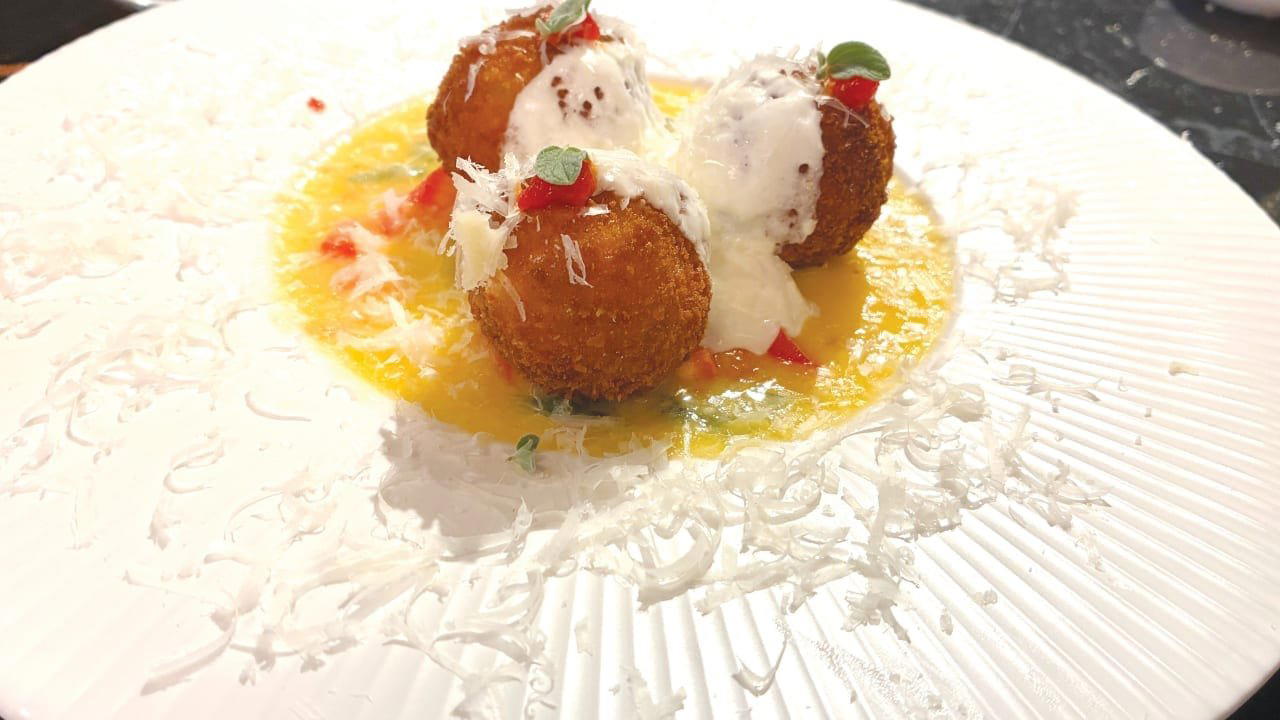
The dining programme as the real point
The assigned lens is the dining programme, and that is the right way to read the property. In hotel terms, a Nobu address is not merely lodging with a restaurant attached; the dining identity is central to the promise. The brand name signals a particular kind of international restaurant culture: sharp service, recognisable culinary codes, and an audience comfortable with hotel dining as a social setting rather than a fallback for guests who do not want to leave the building.
Tel Aviv-Yafo complicates that model in useful ways. The city’s strongest meals often come with minimal distance between kitchen, counter, pavement, and bar. Casual does not mean unserious here. A place can feel relaxed while operating at a high technical level, and late-night energy matters as much as linen. That means a hotel dining room in this market has to do more than import a familiar global template. It needs to offer a reason to stay in when the city outside is persuasive.
Because the venue database does not list cuisine type, chef name, signature dishes, awards, pricing, hours, or seat count for Nobu Tel Aviv, any responsible reading has to stop short of menu claims. No specific dish, room count, booking window, chef biography, or nightly rate should be inferred. In that respect, the comparison is less with ordinary business hotels and more with culinary-led luxury properties in cities such as Tokyo, Paris, Madrid, Bangkok, and New York.
At properties such as Bvlgari Hotel Tokyo in Tokyo, Le Bristol Paris in Paris, and Mandarin Oriental Bangkok in Bangkok, dining is part of the hotel’s identity system. Tel Aviv-Yafo is a smaller, more compressed market, but the same principle applies: the restaurant and bar programme can determine whether a hotel feels like a local address or only a place to sleep.
Where it sits in Tel Aviv-Yafo's hospitality map
Tel Aviv-Yafo is not a city that divides neatly into hotel districts and dining districts. Jaffa brings stone architecture, Ottoman and port-city memory, galleries, and a slower evening cadence. Central Tel Aviv runs faster, with beach access, Bauhaus streets, all-day cafés, and late dinner culture. The hotel choice shapes the itinerary: a Jaffa stay pulls the traveller toward old-city walks and coastal evenings, while central locations make restaurants, bars, and shopping feel more immediate.
Nobu Tel Aviv should be read against that geography. Without a database address, precise neighbourhood guidance is unavailable, and no walking distances should be assumed. The safer planning point is that Tel Aviv-Yafo rewards location discipline. A hotel that works for dining-led travellers should reduce friction between dinner, drinks, and the next morning’s movement. If the trip is built around restaurant reservations, a guest should compare the hotel’s position against the independent dining map rather than relying on brand familiarity alone.
The city’s wider hotel context also gives useful contrast. Soho House Tel Aviv, Jaffa in Jaffa sits in the members-club and social-hotel lane. The Setai Tel Aviv in Tel Aviv belongs to the historic-building, waterfront-facing conversation. Beyond the city, Israel’s premium-hospitality map stretches from desert isolation at Beresheet in Mizpe Ramon and Six Senses Shaharut in Shaharut to heritage-led stays such as The Efendi Hotel in Acre. Nobu Tel Aviv belongs to a different urban category, where dinner, bar culture, and city access carry more weight than seclusion.
What the name tells you, and what it does not
A global restaurant name can be useful shorthand, but shorthand is not evidence. Nobu tells a traveller to expect an international hospitality language rather than a purely local dining room. It suggests a guest mix that may include hotel residents, Tel Aviv locals, business travellers, and visitors who prefer a known culinary frame on the first or last night of a trip. That matters in a city where the open-ended restaurant search can be rewarding but time-consuming.
The absence of published database details is equally important. There are no EP-listed awards, Michelin references, chef credentials, room categories, price range, dress code, booking method, website, or phone number in the record provided. That does not make the venue weak; it simply changes how a serious reader should assess it.
This is where Tel Aviv-Yafo differs from cities with more formalised luxury-hotel dining hierarchies. In Monte Carlo, Venice, or Vienna, grand-hotel tradition often carries its own social code, as seen in properties such as Hôtel de Paris Monte-Carlo in Monte Carlo, Aman Venice in Venice, Cipriani, A Belmond Hotel, Venice in Venice, and Hotel Sacher Wien in Vienna. Tel Aviv-Yafo is less deferential. The room has to work in the present tense: good pacing, believable atmosphere, and a dining identity that feels suited to the city rather than sealed off from it.
How to compare it with regional and global peers
For Israel-focused travellers, the comparison set should start locally. Waldorf Astoria Jerusalem in Jerusalem brings capital-city formality and a different cultural tempo. Beresheet Hotel in Mitzpe Ramon and Beresheet Hotel - מלון בראשית in Beersheba point toward landscape-driven resort thinking, while Elma Arts Complex Luxury Hotel - אלמא מלון ומרכז אמנויות in Hadera brings an arts-and-architecture lens. Nobu Tel Aviv, by contrast, is easier to understand as an urban hospitality proposition where the restaurant identity carries much of the signal.
Globally, the reference points are hotels where food and beverage do real positioning work. The Fifth Avenue Hotel in New York City, Aman New York in New York City, Mandarin Oriental Ritz, Madrid in Madrid, and Badrutt's Palace Hotel in St. Moritz each show how a hotel can use restaurants, bars, and social rooms to define its audience. Nobu Tel Aviv sits closer to that conversation than to conventional accommodation-only planning.
The practical implication is simple: choose it if the dining name is part of the reason for the stay, not an incidental benefit. If the trip is centred on independent restaurants across the city, compare location and flexibility first. If the appeal lies in having a recognisable culinary address within the hotel environment, the Nobu proposition becomes more persuasive, provided current rates and reservation access align with the itinerary.
Planning notes for a dining-led stay
That means travellers should verify live details before fixing dinner plans around the hotel. In Tel Aviv-Yafo, this is not a minor point. Restaurant schedules, holiday periods, private events, and security considerations can all affect how a night moves, and a hotel restaurant with international demand may require more planning than a casual walk-in meal.
The cleanest planning sequence is to decide what role the property should play. For a first night after arrival, a hotel dining room can reduce decision fatigue and keep the evening contained. For a peak social night, the better move may be to use it as part of a wider circuit that includes the city’s bar culture, tracked separately through Our full Tel Aviv-Yafo bars guide. For a food-focused trip, compare hotel dining against independent kitchens in the restaurants guide, then use the hotel choice to minimise transfers rather than to replace the city.
Wine and broader cultural planning should not be ignored. Israel’s wine regions and tasting culture sit outside the immediate Tel Aviv hotel frame, but they matter for travellers building a fuller itinerary; Our full Tel Aviv-Yafo wineries guide is the natural companion for that angle. For non-restaurant programming, Our full Tel Aviv-Yafo experiences guide helps separate dining-led nights from daytime cultural structure.
Editorial verdict
Nobu Tel Aviv is strongest as an idea when viewed through hotel dining rather than hotel hardware. That tension is the point. Tel Aviv-Yafo does not automatically reward polish; it rewards rooms that understand pace, appetite, and social charge.
For travellers who want a recognisable culinary frame within an urban hotel setting, the address has a clear logic. For travellers whose priority is deep local discovery, it should be compared carefully against independent restaurants and neighbourhood hotels before committing. The name opens the conversation, but in Tel Aviv-Yafo the city gets the final vote.
In Context
Comparable venues nearby, for context on price, style, and recognition.
| Venue | Cuisine | Price | Awards | Notes |
|---|---|---|---|---|
| Nobu Tel AvivThis venue — the venue you are viewing | Not listed | $$$$ | 5-Star | Not listed |
| Leon Towers | Hotel | Not listed | Not listed | Not listed |
| The Vista at Hilton Tel Aviv | Not listed | $$$$ | 5-Star | Ṣummeil, Polished luxury wing within Hilton Tel Aviv featuring exclusive lounge and sea-view rooms. |
| Beresheet | Not listed | $$$$ | 5-Star | Mizpe Ramon, luxurious desert resort with private villas |
| Beresheet Hotel - מלון בראשית | Not listed | $$$$ | 5-Star | Mitzpe Ramon, Low-rise villas blending local stone with desert landscape on Ramon Crater rim |
| Waldorf Astoria Jerusalem | Not listed | $$$$ | 5-Star | Mamilla, Historic luxury hotel with contemporary touches in pale Jerusalem stone. |
Continue exploring
More in Tel Aviv-Yafo
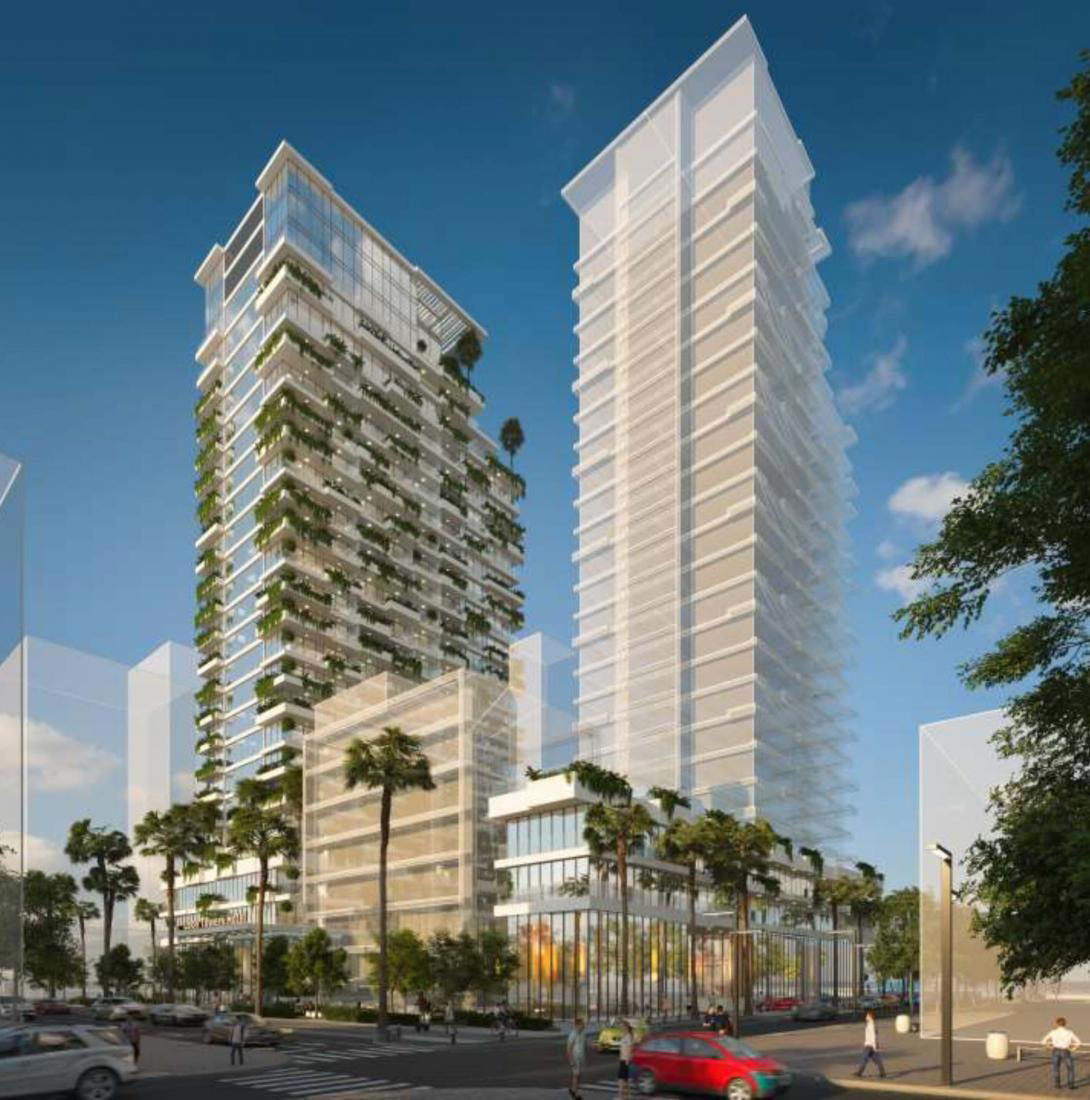
Hotels in Tel Aviv-Yafo
Browse all →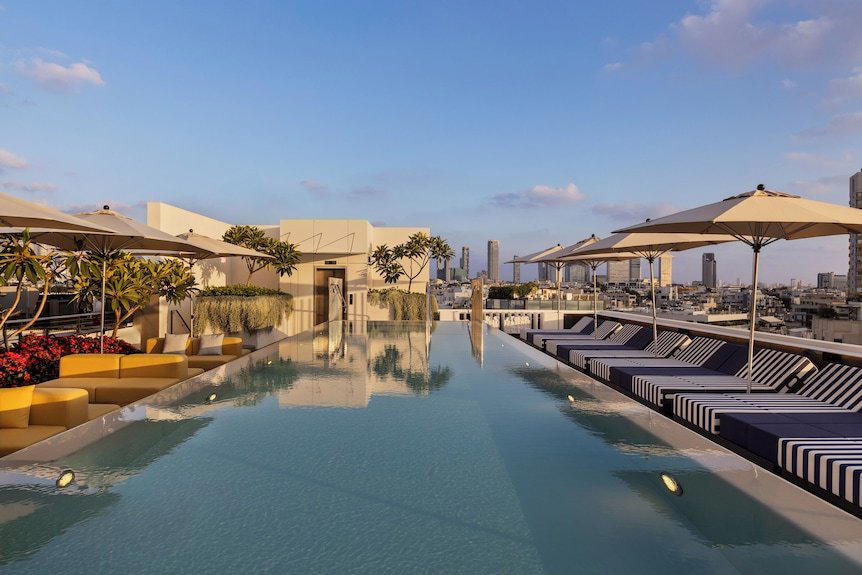
Bars in Tel Aviv-Yafo
Browse all →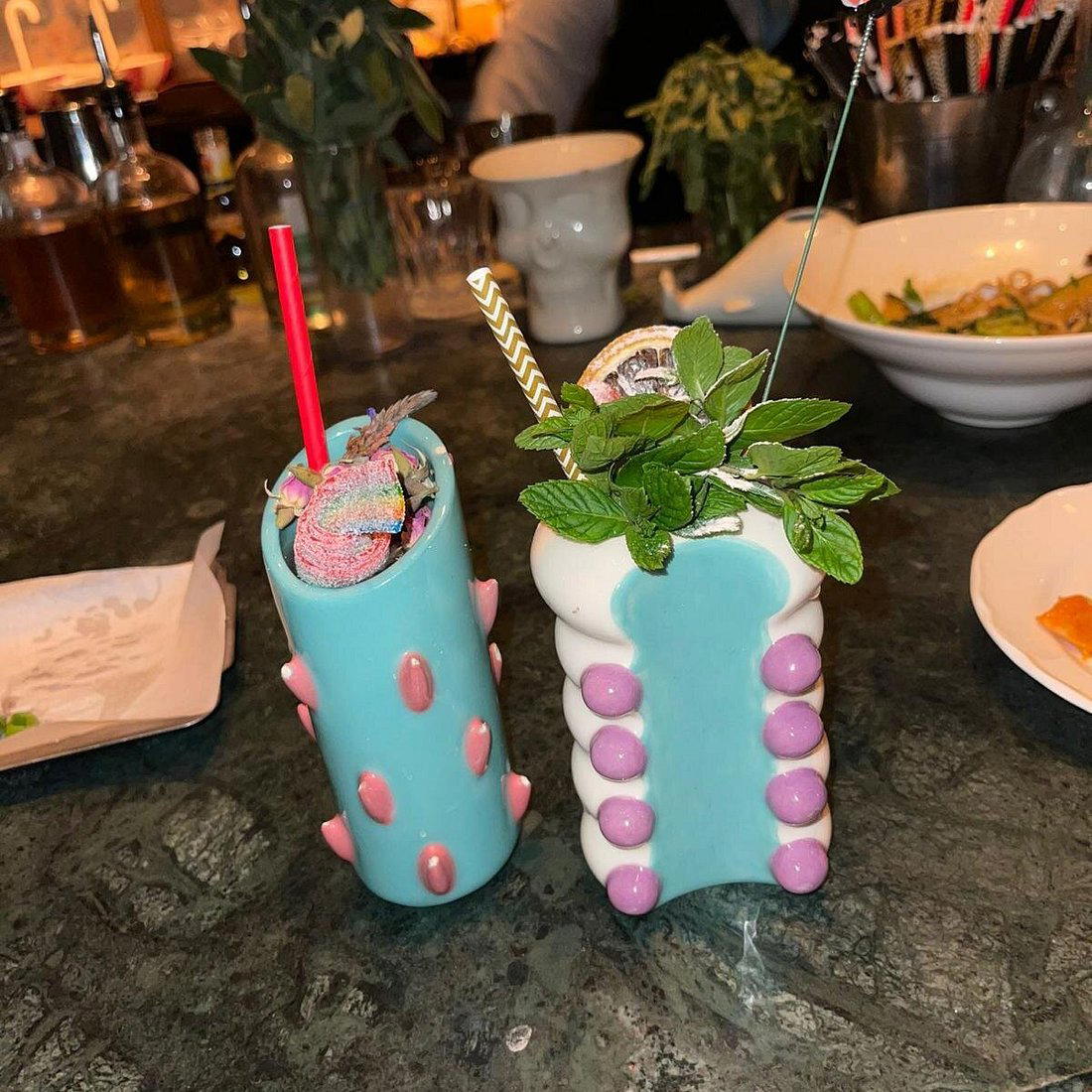


At a Glance
- Modern
- Elegant
- Trendy
- Sophisticated
- Intimate
- Romantic Getaway
- Weekend Escape
- Business Trip
- Celebration
- Group Retreat
- Rooftop Pool
- Terrace
- Garden
- Design Destination
- Historic Building
- Pool
- Fitness Center
- Wi Fi
- Room Service
- Garden
- Street Scene
- Pool
- Fitness Center
- Wi Fi
- Room Service
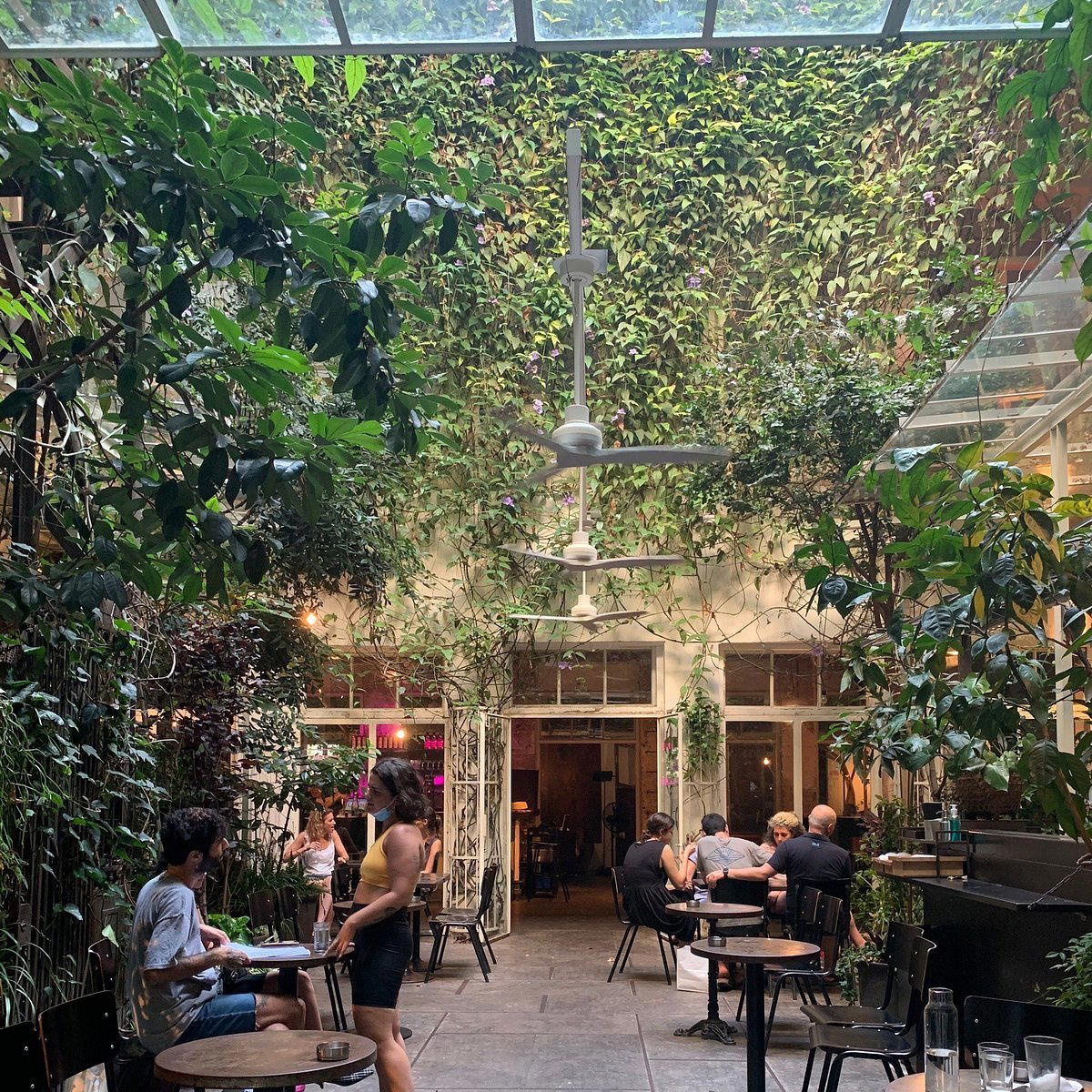
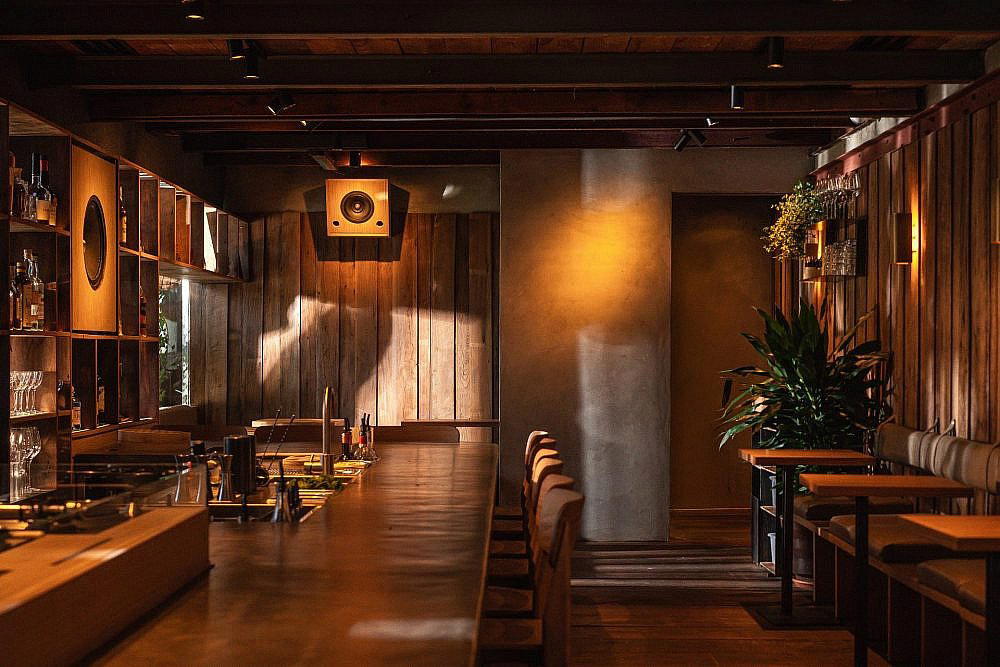
A design-forward boutique atmosphere that blends Nobu’s minimalist luxury with Tel Aviv’s Bauhaus-influenced urban setting, centered around a tranquil garden, pool, and an exclusive rooftop for cocktails and events.