Google: 4.3 · 1,053 reviews
Nobu London Portman Square

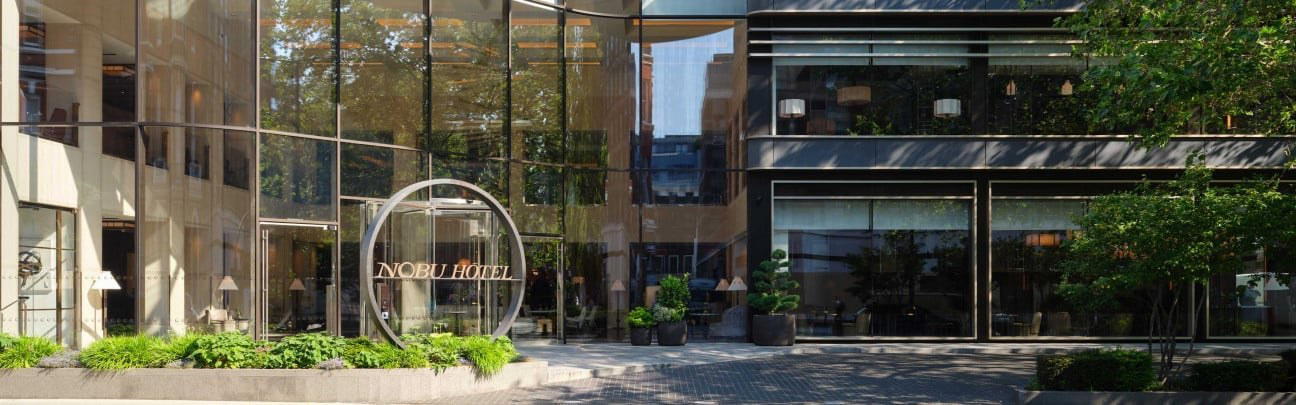
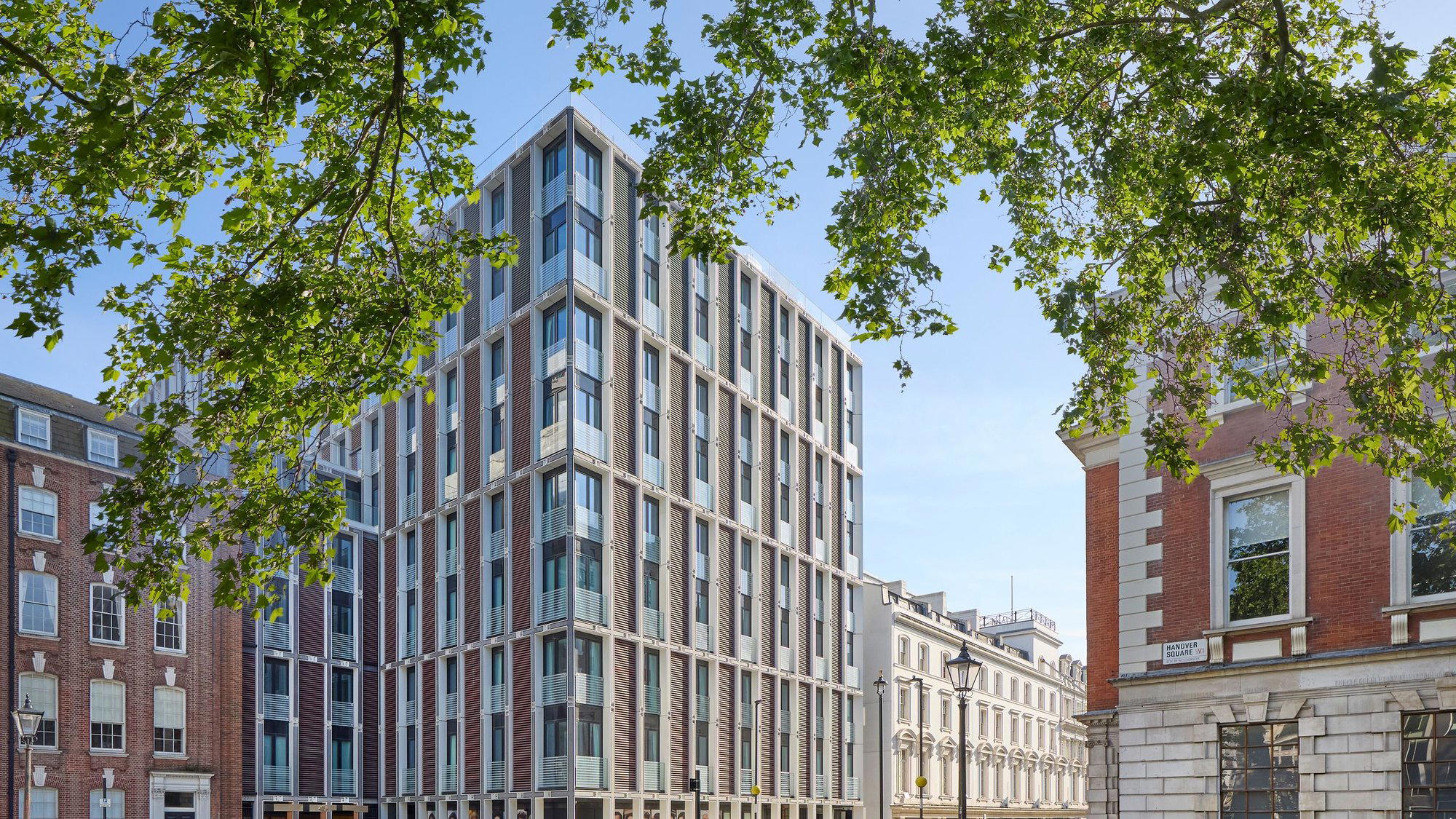
Nobu London Portman Square brings the globally recognised Japanese-Peruvian format to Marylebone, earning Michelin Selected status in 2025. The property sits at 22 Portman Square, placing it within reach of Mayfair's hotel corridor while maintaining a distinct address. For travellers already weighing options like The Connaught or Claridge's, this is a different kind of proposition: a brand-anchored hotel with a kitchen identity that travels with it.
 Discover on Pearl
Pearl is the En Primeur Club membership app — saves, bookings, and concierge access live there. Same editors, same standards.
A Brand That Carries Its Kitchen With It
Portman Square is one of those Marylebone addresses that does the positioning work before you even arrive. The Georgian garden square, a short walk north of Oxford Street and within the gravitational pull of Mayfair's hotel corridor, has accumulated a quiet density of serious properties. Nobu London Portman Square at 22 Portman Square sits within that fabric, but it operates on a different logic to the legacy London houses nearby. Where The Connaught or Claridge's have built their reputations over generations around place-specific identity, Nobu's proposition is precisely the inverse: a kitchen philosophy and aesthetic that moves with the brand across cities, and which guests booking Nobu in London, Tokyo, or Malibu broadly expect to find consistent.
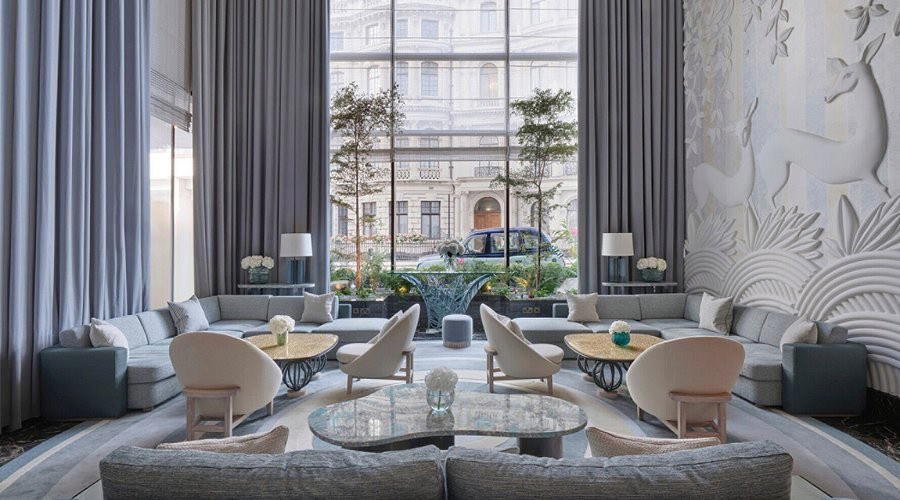
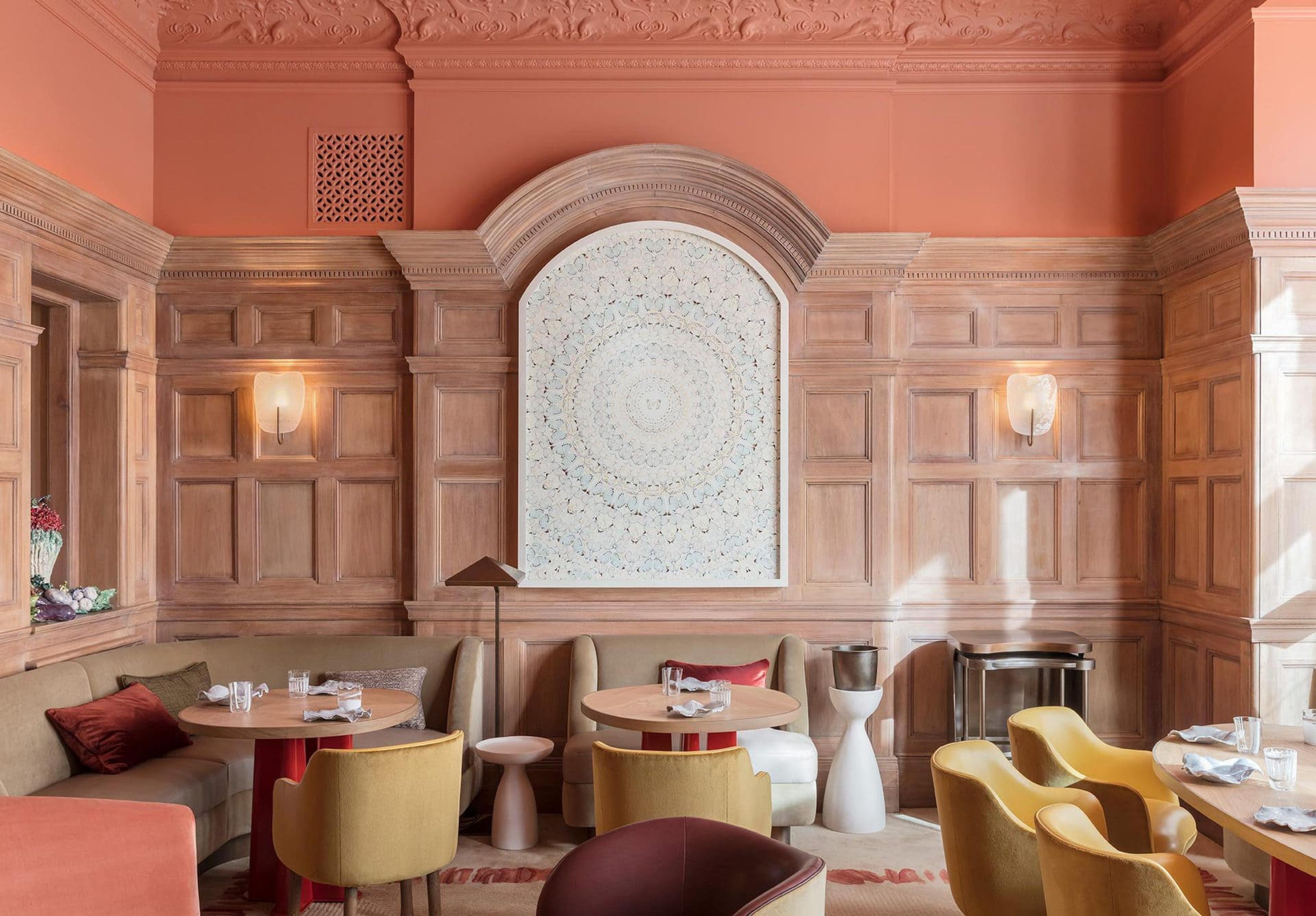
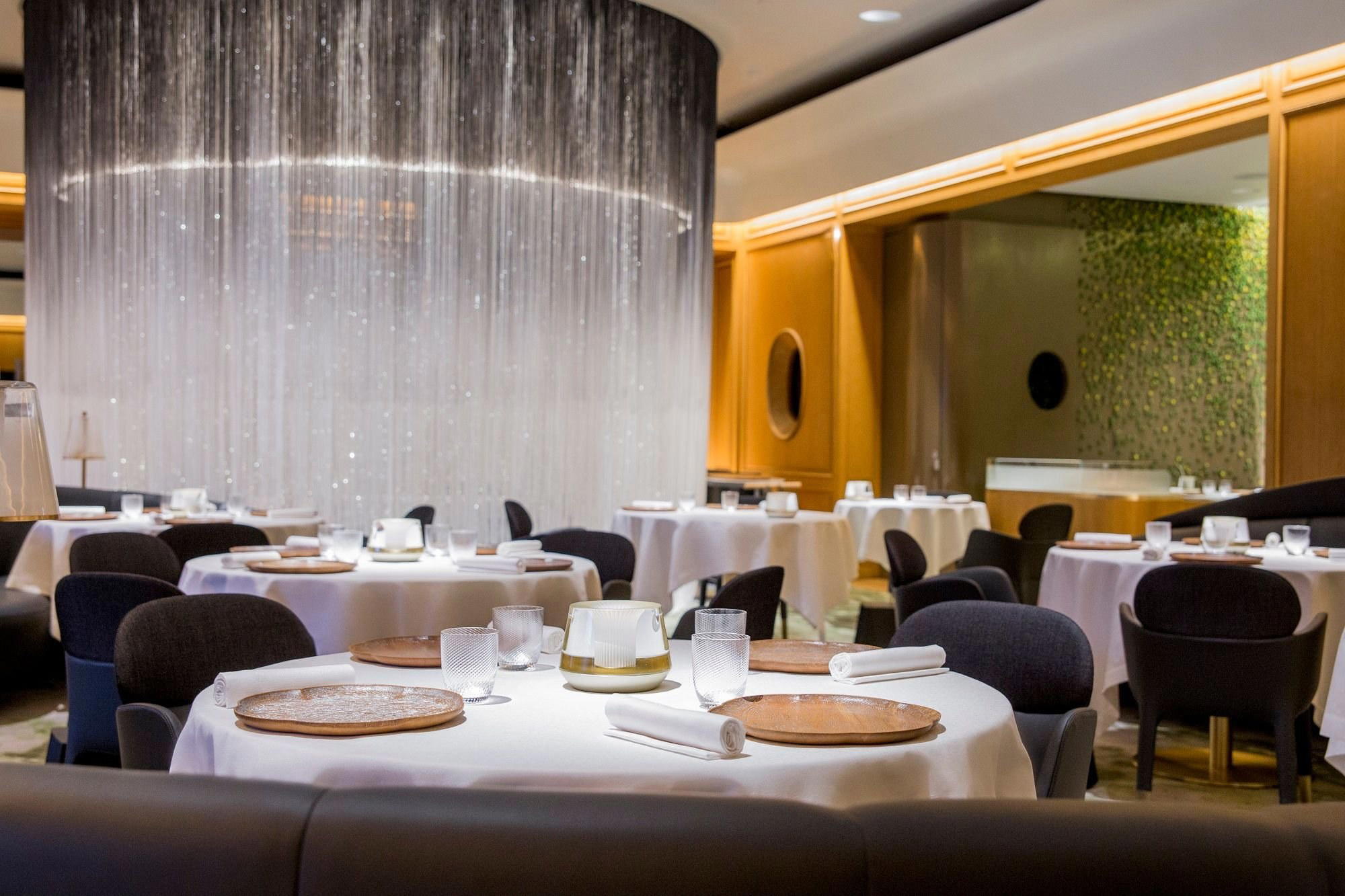
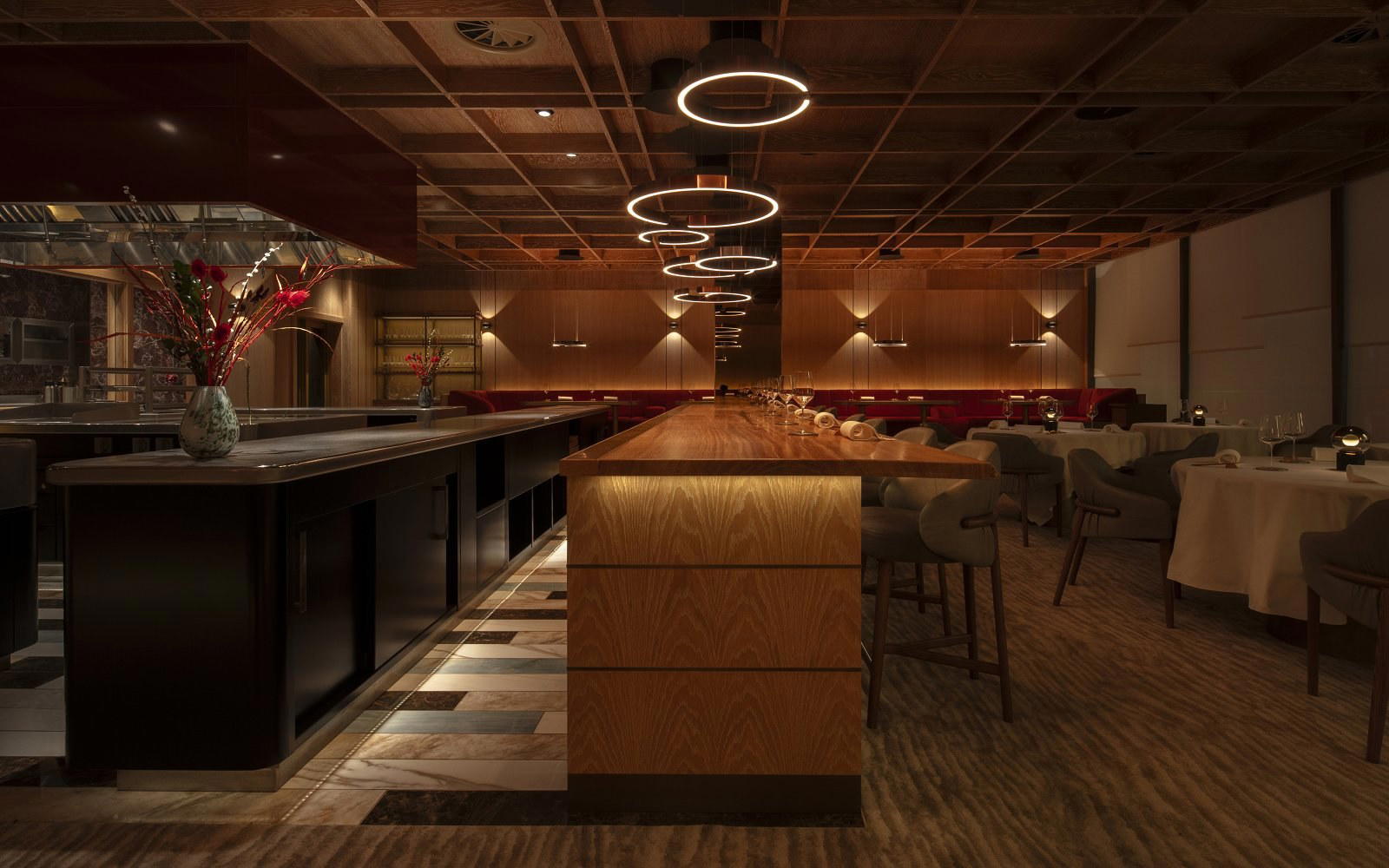
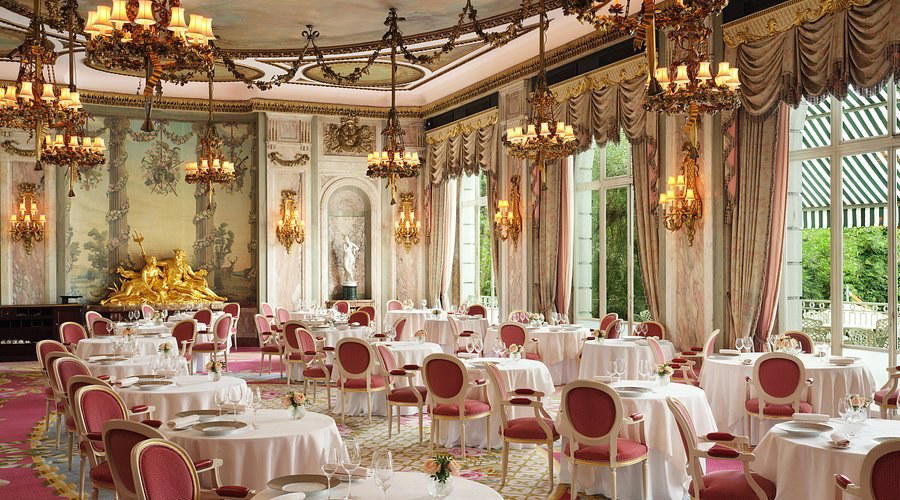
That consistency is not a weakness. For a particular kind of traveller, it is the point. The Nobu format, built around the Japanese-Peruvian fusion that Nobuyuki Matsuhisa developed in Los Angeles in the early 1990s, has proved durable enough to underpin both restaurants and hotels across four continents. The London Portman Square outpost arrived with that inherited vocabulary already in place: black cod preparations, tiradito-influenced fish dishes, sake-forward bar programmes, and an interior language that balances dark timber, warm lighting, and a sense of deliberate calm. Michelin's 2025 hotel selection programme added the property to its Selected tier, a designation that signals a standard of considered hospitality without the starred restaurant hierarchy that the red guide applies to kitchens.
What the Menu Architecture Tells You
The Nobu menu format is one of the more instructive examples of how a globally scaled restaurant group can maintain editorial coherence without freezing its offer. The structure across Nobu properties typically layers Japanese technique with South American inflection at every tier of the card: raw preparations that read as both sashimi and ceviche simultaneously, sauces that draw on yuzu and aji amarillo in the same reduction, and cooked dishes where miso and anticucho marinades appear as parallel rather than competing logics.
What this architecture tells a reader of menus is that the kitchen is not offering fusion as novelty. The integration happened decades ago, and the card now reflects a settled grammar rather than an experimental one. At the Portman Square address, that means a dining experience where the range of the menu, from light sashimi through to richer robata and miso-braised proteins, is designed to support the table across multiple hours rather than to deliver a single signature moment. The breadth of the card is deliberate: Nobu properties have consistently priced and structured their menus to work for both business dining and social eating, without a tasting-menu format that would force a single pace on the room.
This stands in contrast to the direction many London Japanese kitchens have moved in over the past decade. The upper tier of the city's Japanese dining has migrated strongly toward the omakase counter format, where the chef controls sequence, ingredient, and pacing. Nobu's continued commitment to an à la carte structure across a wide room is, at this point, itself a statement about who the restaurant is designed for and how it expects guests to use the space.
Portman Square in the Context of London's Hotel Geography
London's premium hotel market has bifurcated in ways that matter for how you use a property. On one side sit the grand independents and palace hotels, Raffles London at The OWO, The Savoy, and Claridge's among them, where the hotel's history and address are inseparable from the experience. On the other sit the newer entrants, design-forward or brand-anchored properties like NoMad London and The Emory, where the proposition is a distinct sensibility rather than inherited prestige.
Nobu Portman Square fits the second category, though it carries the additional layer of a globally recognised food identity that most brand-anchored hotels cannot claim. The Michelin Selected 2025 designation places it in a curated tier of London accommodation that includes properties across very different price points and formats, from heritage houses to newer arrivals. What the designation signals here is a level of consistent quality in the hospitality operation rather than a specific culinary distinction at the restaurant level.
The Portman Square address also positions the property usefully for guests whose London itinerary takes in Marylebone, Mayfair, and the West End equally. It is not a destination-neighbourhood hotel in the way that Soho or Shoreditch properties require you to engage with their immediate surroundings. Portman Square is a transit-efficient address, which suits guests who are using London as a base for a packed programme rather than those seeking immersion in a specific quarter of the city.
Planning a Stay: What to Know Before You Book
Nobu London Portman Square carries Michelin Selected status as of 2025, which places it within a vetted tier of London accommodation. Specific room rates, availability windows, and reservation methods are leading confirmed directly with the property at 22 Portman Square, as pricing in this segment of the London market moves with demand and season. London's premium hotel occupancy tends to compress availability during the major cultural and commercial calendars: the summer months from June through August, the autumn trade season, and the December festive period all see tighter availability across the Mayfair and Marylebone corridor. Guests comparing this property against alternatives like 1 Hotel Mayfair or 11 Cadogan Gardens will find that the Nobu name carries a specific dining identity that neither of those properties replicates.
For those extending travel beyond London, the broader UK hotel circuit offers notable options at very different scales: Gleneagles in Auchterarder for Scotland, The Newt in Somerset for the West Country, and Lime Wood in Lyndhurst for the New Forest. Internationally, the Nobu Hotels network itself offers continuity of format; travellers who respond to the Portman Square model may find similar logic applied at properties in cities where the brand has established a longer presence. For context on how London's full dining and hotel offering maps across the city, our full London restaurants guide covers the range of options by neighbourhood and category.
What It’s Closest To
A quick context table based on similar venues in our dataset.
| Venue | Cuisine | Awards | Notes |
|---|---|---|---|
| Nobu London Portman Square | This venue | ||
| The Connaught | World's 50 Best | ||
| Raffles London at The OWO | World's 50 Best | ||
| Bvlgari Hotel London | |||
| JW Marriott Grosvenor House London | |||
| The Cadogan, A Belmond Hotel, London |
Continue exploring
More in London
Hotels in London
Browse all →
Bars in London
Browse all →
Restaurants in London
Browse all →
At a Glance
- Elegant
- Sophisticated
- Modern
- Minimalist
- Business Trip
- Romantic Getaway
- Weekend Escape
- Historic Building
- Design Destination
- Wifi
- Fitness Center
- Spa
- Room Service
- Concierge
- Business Center
- Valet Parking
- Garden
- Street Scene
Rooms are bathed in natural light with calming minimalist interiors using light timber, textured walls, soft fabrics, and Japanese accents; the lobby has vibrant energy from its open plan and kinetic art, evoking a sultry, hip vibe.