Naviva, A Four Seasons Resort, Punta Mita, Mexico



La Liste Top Hotels · Star Wine List · Forbes 4-Star
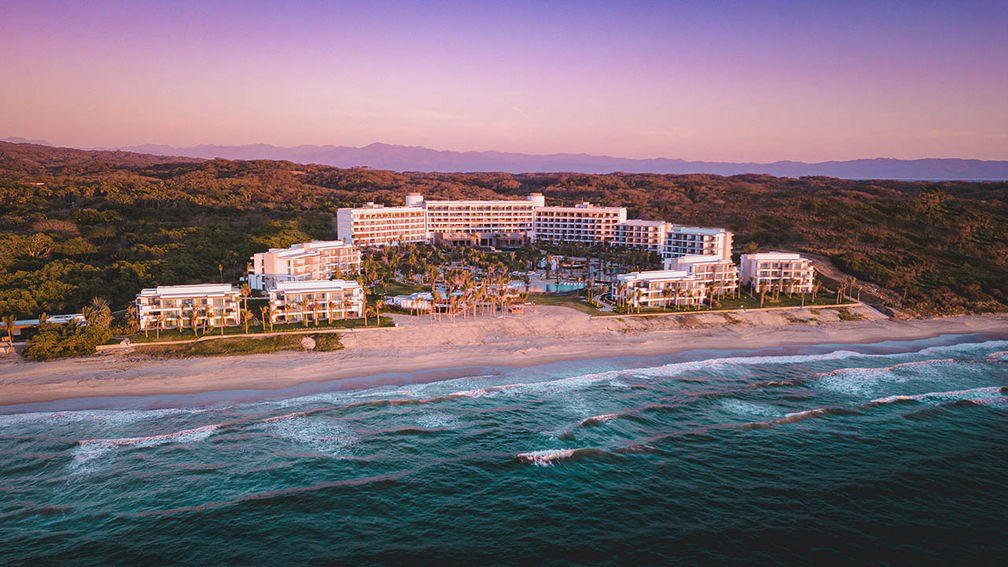
Naviva sits on the Punta Mita peninsula as a tented-villa enclave that operates at a scale and intimacy its sister property, the larger Four Seasons Resort, cannot replicate. Recognised on La Liste's Top Hotels list in 2026 with 97 points and awarded by Star Wine List the same year, it positions itself in Mexico's smallest-footprint luxury tier, where low capacity and anticipatory service define the offer.

Pearl is the En Primeur Club membership app, where members save venues, book tables and use the concierge.
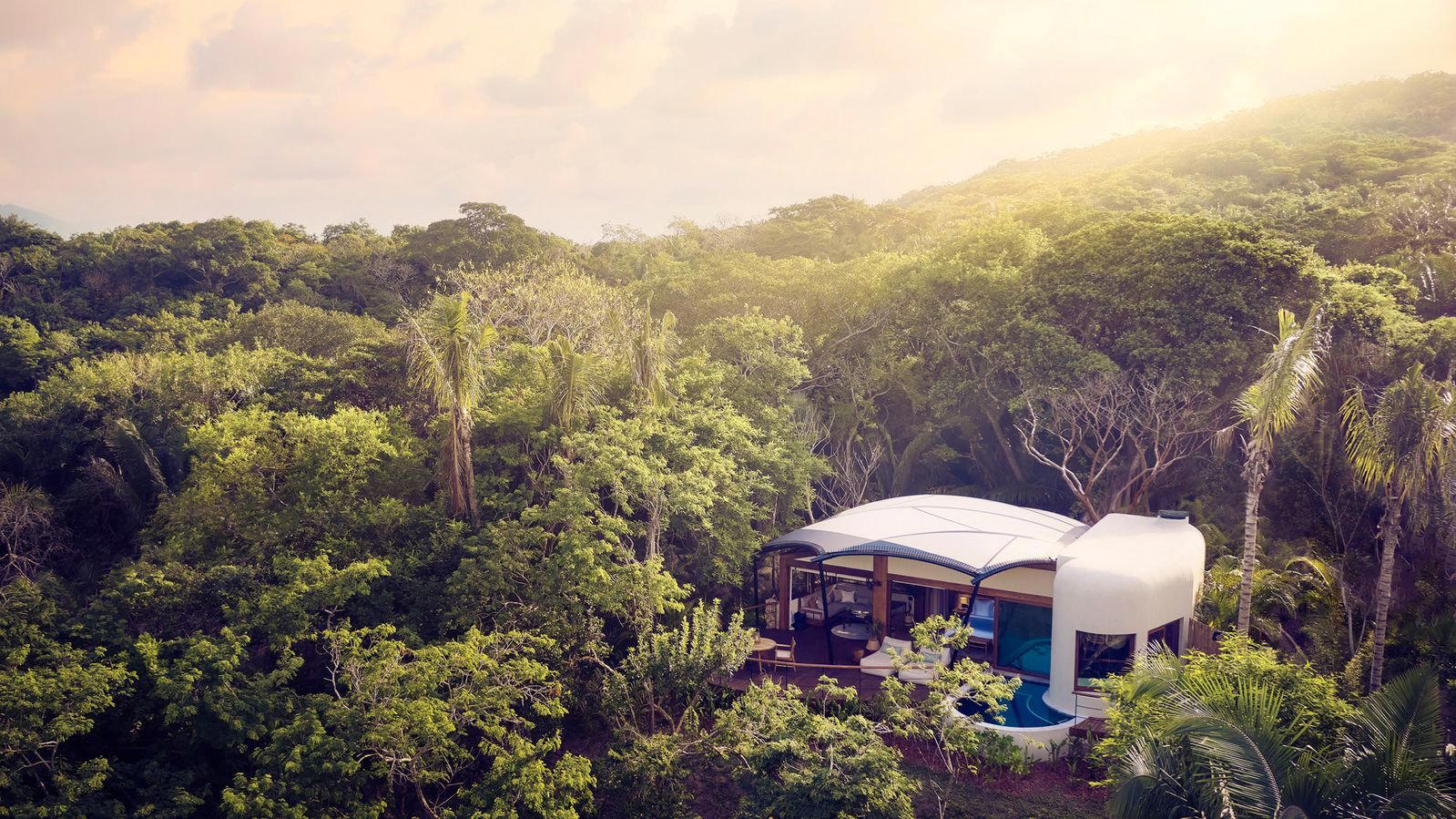
A Different Kind of Arrival on the Nayarit Coast
The Riviera Nayarit has spent the last decade sorting itself into two legible tiers: large-footprint resort complexes with broad amenity menus, and low-capacity enclave properties where the guest-to-staff ratio tells the real story. Naviva, A Four Seasons Resort occupies the second category with deliberate commitment. Situated on the same Punta Mita peninsula as its sister, the Four Seasons Resort Punta Mita, Mexico, Naviva operates as a structurally separate property, with a distinct guest profile in mind. Where the main resort spreads across considerable acreage with pools, multiple restaurants, and a surf break, Naviva contracts everything inward: fewer guests, a single-minded service philosophy, and a jungle setting that reads as intentionally removed from resort conventions.
Arriving at Naviva, the physical transition matters. The access road moves through dense coastal vegetation before opening onto the property, a sequence that functions as a pressure release for guests accustomed to lobbies that announce themselves at volume. This pattern, of using landscape as decompression, is increasingly common in the premium enclave category across Mexico. One&Only Mandarina in Riviera Nayarit uses clifftop isolation to similar effect. Naviva works with jungle density instead.
Where Naviva Sits in the Mexico Luxury Conversation
La Liste's 2026 Leading Hotels ranking placed Naviva at 97 points, a score that places it in competitive company across Mexican luxury accommodation. For reference, properties like Las Ventanas al Paraíso, A Rosewood Resort in San José del Cabo and Zadun, A Ritz-Carlton Reserve in Los Cabos compete in the same conversation around Mexico's top-tier coastal offer. What separates Naviva from the Cabo contingent is geography and format: the Nayarit coast carries a different character, greener and less developed, and Naviva's all-inclusive, low-villa structure removes the per-experience pricing friction that defines stays at many comparable properties.
The Star Wine List recognition, awarded in 2026, signals that Naviva's beverage program is taken seriously as a standalone offer, not merely a room-service appendage. In the all-inclusive tented-camp category, where wine lists can trend toward safe and undistinguished, that credential carries weight. It places Naviva alongside properties where the F&B program is genuinely curated rather than operationally adequate.
Among other Mexican properties worth considering at this level, Chablé Yucatán in Merida offers a comparable philosophy of immersive, low-count luxury anchored in local identity, and Hotel Esencia in Tulum operates in the same design-led, intimate-retreat space. Naviva's distinction within this cohort is its Four Seasons operational infrastructure behind an enclave product, a combination that remains relatively rare in the region.
The Service Architecture
In the tented-villa format, service philosophy is not incidental, it is the primary product. At properties operating with very few guest villas, the ratio of staff to guests allows for a level of anticipatory attention that larger resorts cannot sustain structurally. Naviva's model follows this logic: guests are oriented through a personalized sequence from arrival, with preferences logged and applied throughout the stay rather than re-stated at each interaction.
This approach, common across the small-luxury cohort, achieves its leading results when staff are trained to read context rather than script. The difference between a resort that asks your preferences and one that remembers them without prompting is the gap Naviva is positioned to close. For guests arriving from the broader Four Seasons network, the contrast with a 300-key property is immediate. The service culture here runs on proximity rather than process.
Guests looking for a similar service density elsewhere on Mexico's Pacific coast will find partial equivalents at Imanta Resorts Punta de Mita, which operates in the same low-key, low-capacity register a short distance away. Neither property suits guests who value the programming breadth of a larger resort. Both reward those who treat the stay itself as the activity.
Tented Villas and the Enclave Format
The tented villa category in Mexico and Central America has matured considerably since its earlier association with glamping. Properties like Naviva represent the format at full development: permanent structures with high-specification interiors, positioned within natural settings where the architecture defers to the surroundings rather than imposing on them. The Pacific jungle of Nayarit, with its canopy density and proximity to the ocean, is well-suited to this approach.
Guests who have stayed at properties like Xinalani in Quimixto, further south along Banderas Bay, will recognize the spatial logic: semi-open structures, outdoor shower access, and deliberate sound exposure to the natural environment. Naviva operates at a higher specification and with Four Seasons operational standards behind it, which affects the consistency and reliability of the experience rather than its essential character.
Planning Considerations
Naviva's address on the Punta Mita peninsula places it at the northwestern tip of Banderas Bay, roughly 45 minutes by road from Puerto Vallarta's international airport. The dry season runs November through April, when the Pacific coast of Nayarit delivers consistent sun and low humidity. The summer months bring more vegetation but also more rainfall and heat, which affects the experience of an outdoor-oriented property.
For guests building a broader Mexico itinerary, the Riviera Nayarit pairs logically with Guadalajara, a two-hour drive inland, where Hotel Demetria in Guadalajara offers a well-positioned urban base. Those extending further across Mexico's luxury circuit might look at Maroma in Riviera Maya or Montage Los Cabos in Cabo San Lucas as bookends on the Pacific and Caribbean sides of the country.
For context on the broader Punta Mita dining and accommodation offer, see our full Punta Mita restaurants guide. Further comparisons across Mexico's premium accommodation tier are available through entries including Etéreo, Auberge Resorts Collection in Punta Maroma, Casa de Sierra Nevada, A Belmond Hotel in San Miguel de Allende, and Las Alamandas in Costalegre.
Cuisine and Credentials
Comparable venues nearby, for context on price, style, and recognition.
| Venue | Cuisine | Price | Awards | Notes |
|---|---|---|---|---|
| Naviva, A Four Seasons Resort, Punta Mita, MexicoThis venue (the venue you are viewing) | luxury tented bungalows blending rustic elegance with modern luxury | Not listed | La Liste Top Hotels · Star Wine List | Not listed |
| Imanta Resorts Punta de Mita | Secluded luxury eco-resort blending prehispanic temple architecture with contemporary jungle luxury. | Not listed | Virtuoso Luxury Hotel Partner | Higuera Blanca |
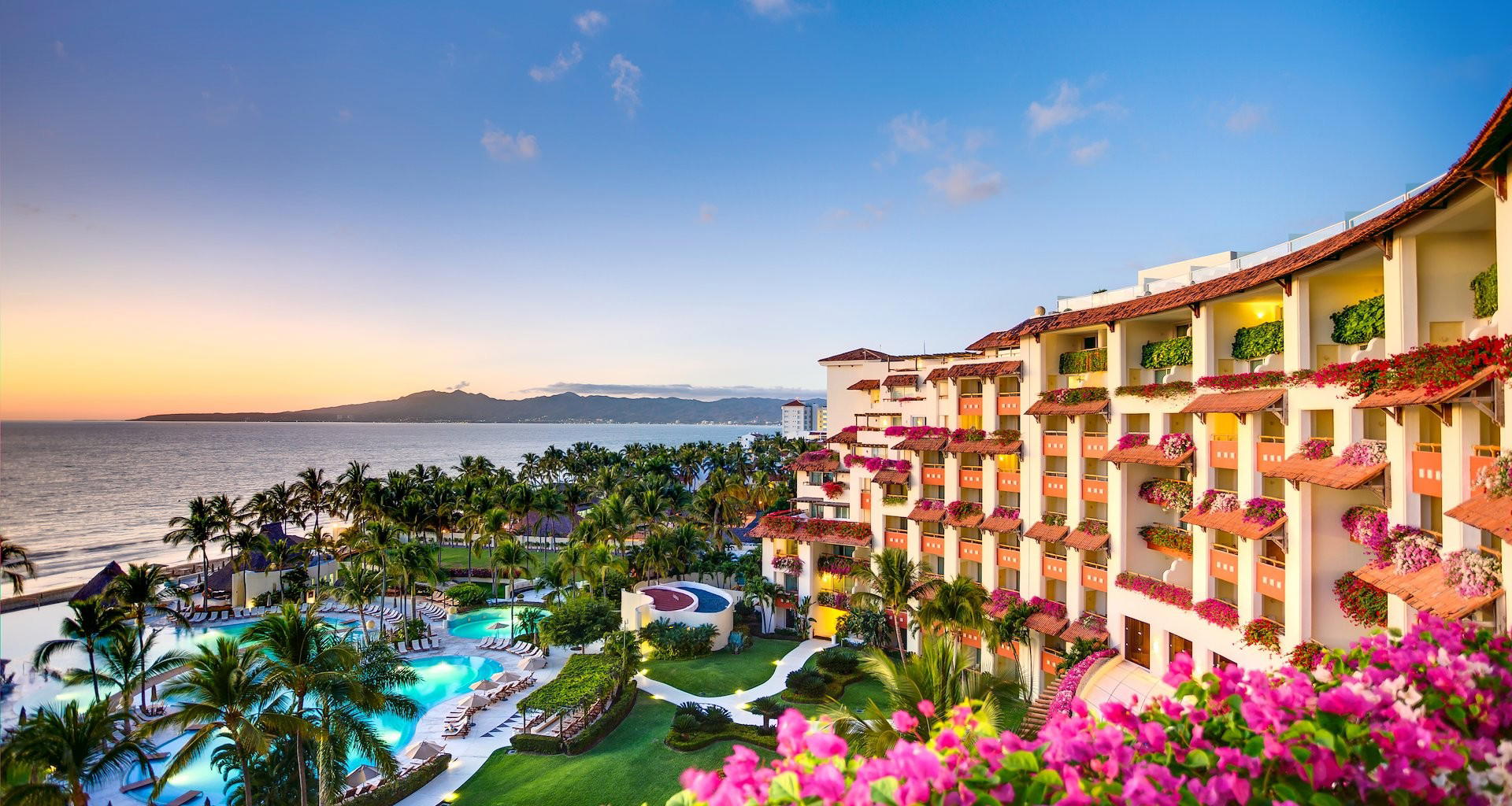
| Four Seasons Resort Punta Mita, Mexico | Luxury beachfront resort with casita-style rooms and private villas | $750–1,000 | 2 Michelin Keys · La Liste Top Hotels | Punta Mita |
| Hyde Mexico City Reforma | Boho-chic lifestyle hotel | Not listed | Not listed | Reforma |
| Montage Los Cabos | Modern coastal estate blending into Baja desert landscape | $1,000–1,500 | 2 Michelin Keys · World's 50 Best #67 | Santa Maria Bay |
| Playa Viva | Regenerative luxury eco-resort with open-air construction using traditional techniques and locally harvested sustainable materials; designed as an immersive nature experience without modern technological distractions. | $300–500 | 2 Michelin Keys | Juluchuca |
Recognition history
Dated appearances from independent guides and award organizations, with the underlying list record or original source where available.
La Liste Top Hotels
La Liste
Star Wine List
Star Wine List
Forbes 4-Star
Forbes
Continue exploring
More in Punta Mita
Hotels in Punta Mita
All hotels in Punta Mita →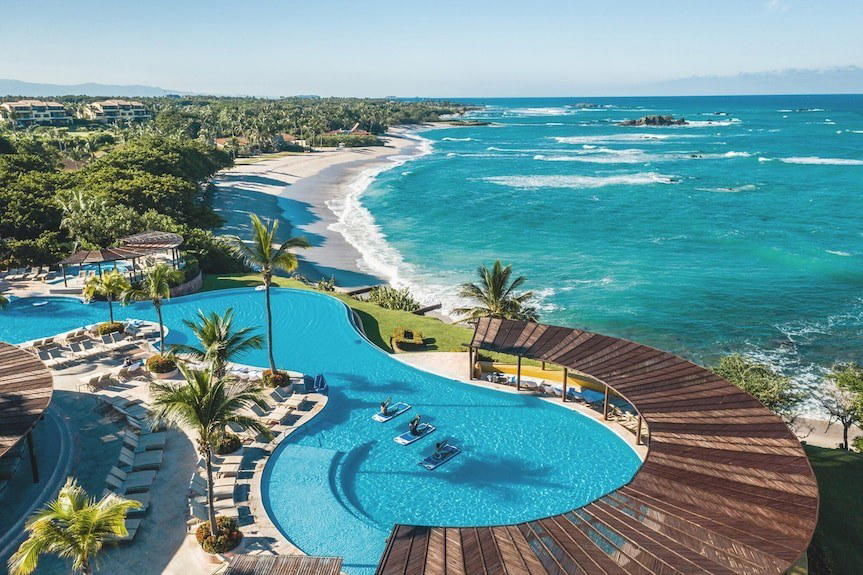
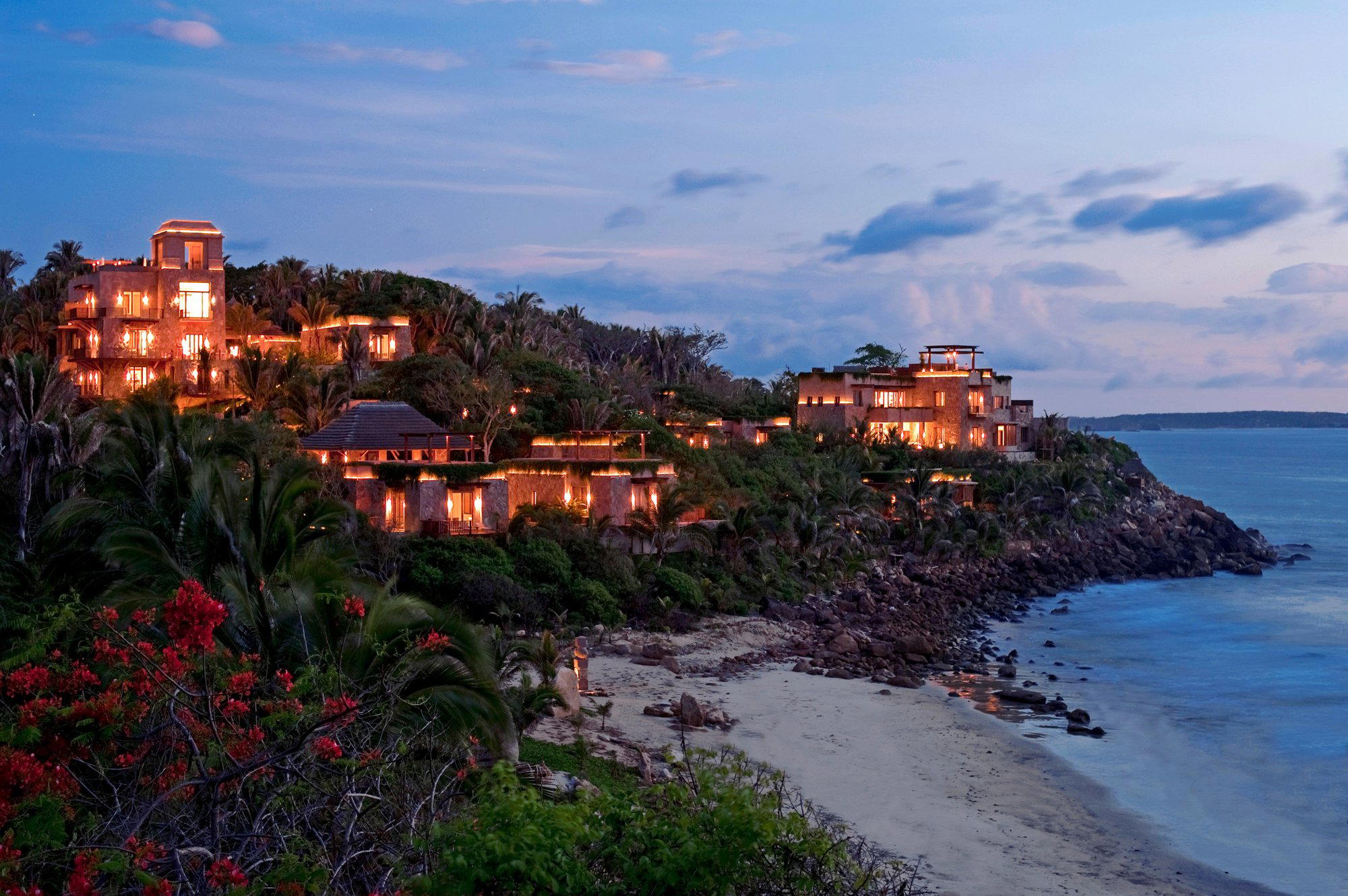
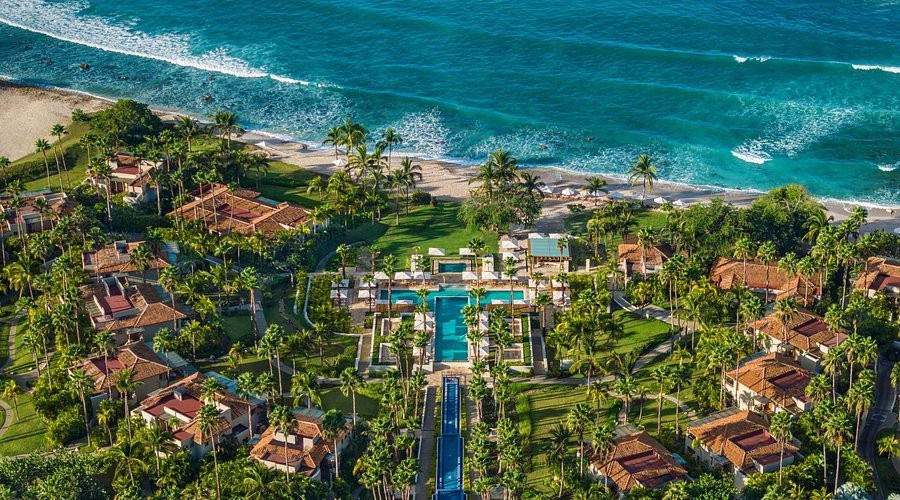
Bars in Punta Mita
All bars in Punta Mita →

Details
- Quiet
- Elegant
- Scenic
- Intimate
- Sophisticated
- Ornate
- Honeymoon
- Romantic Getaway
- Wellness Retreat
- Anniversary
- Beachfront
- Infinity Pool
- Private Villa
- Destination Spa
- Panoramic View
- Pool
- Spa
- Fitness Center
- Room Service
- Concierge
- Wi Fi
- Beach Access
- Waterfront
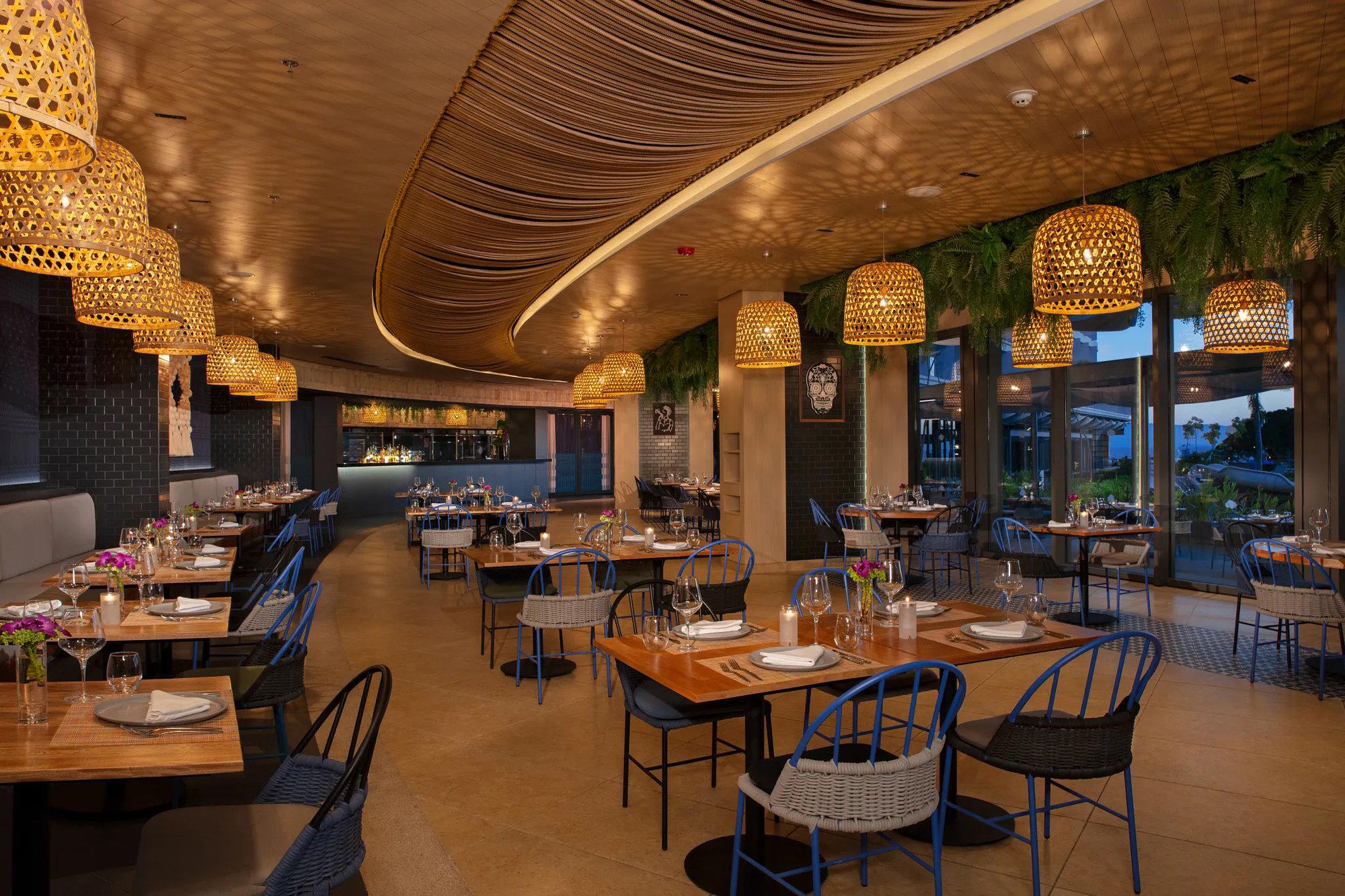
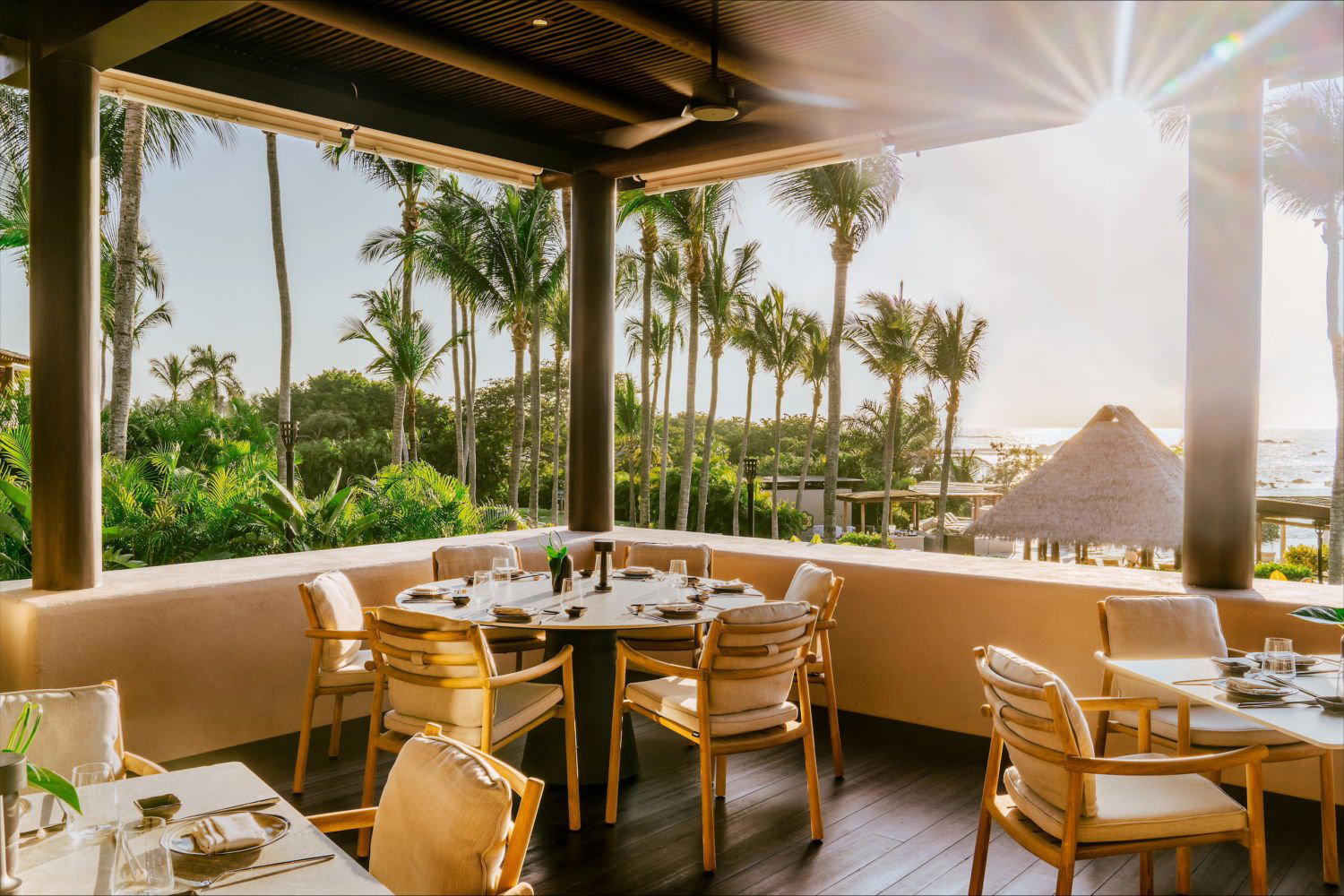
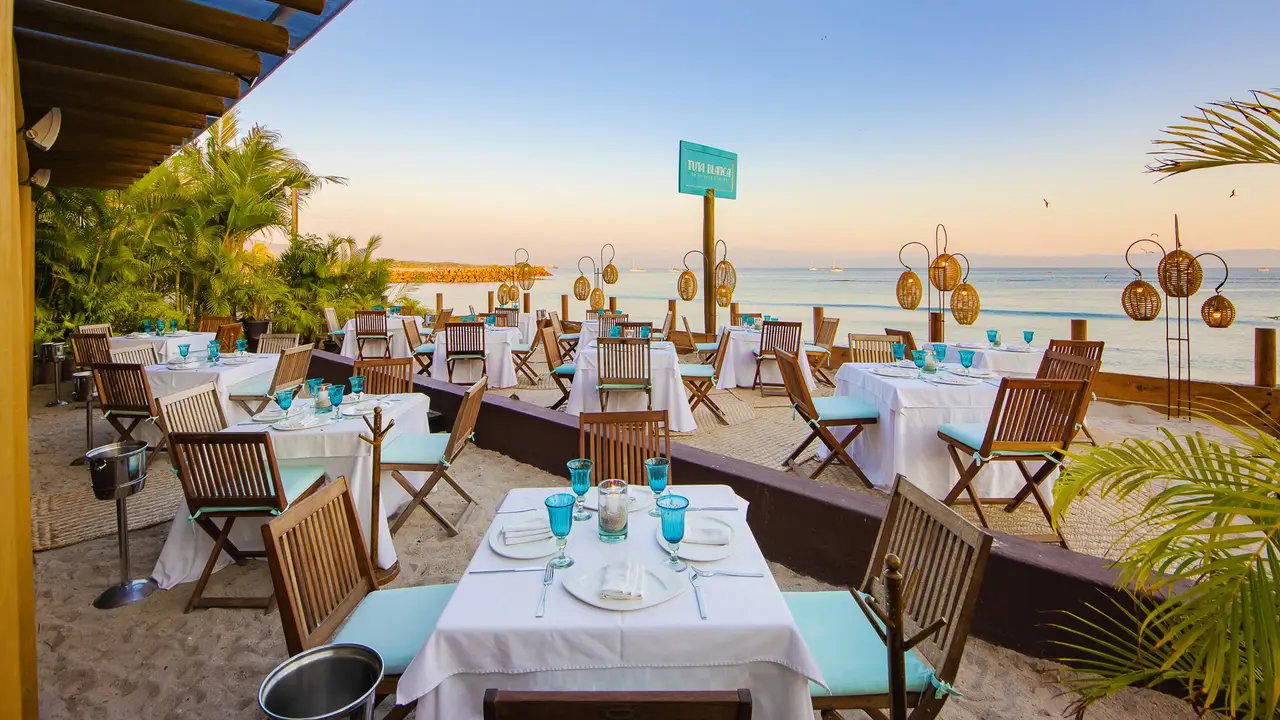
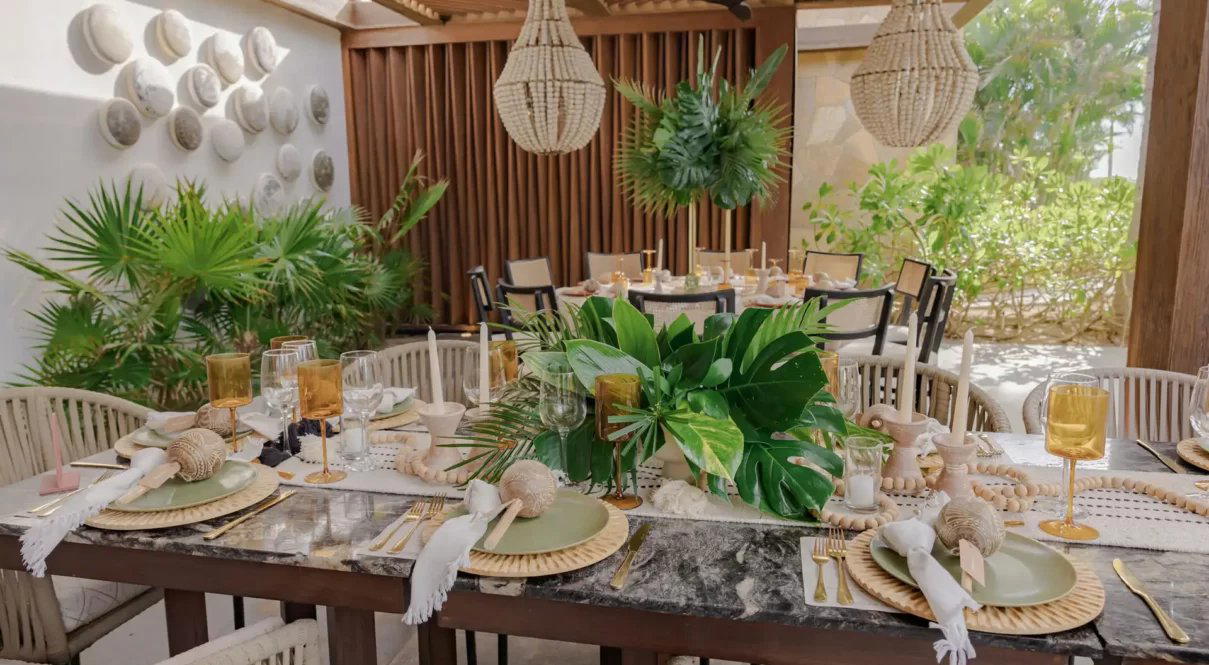
Serene and immersive natural atmosphere with forest-shrouded tents, soft lighting from fairy lights at dinner, and tranquil sounds of ocean waves and jungle wildlife.