Imanta Resorts Punta de Mita

A low-key, all-suite resort on a private stretch of Riviera Nayarit coastline, Imanta occupies 250 acres of jungle and beachfront in Higuera Blanca, a quieter pocket of the Punta Mita peninsula. Its dining programme runs from a sand-floor beach palapa to an refined terrace restaurant with seasonal, locally sourced menus. The format suits guests who want seclusion without sacrificing a sense of place.
Pearl is the En Primeur Club membership app — saves, bookings, and concierge access live there. Same editors, same standards.
- Address
- Montenahuac Lote L, Higuera Blanca
- Directions
- Get directions
 Saves & bookings on Pearl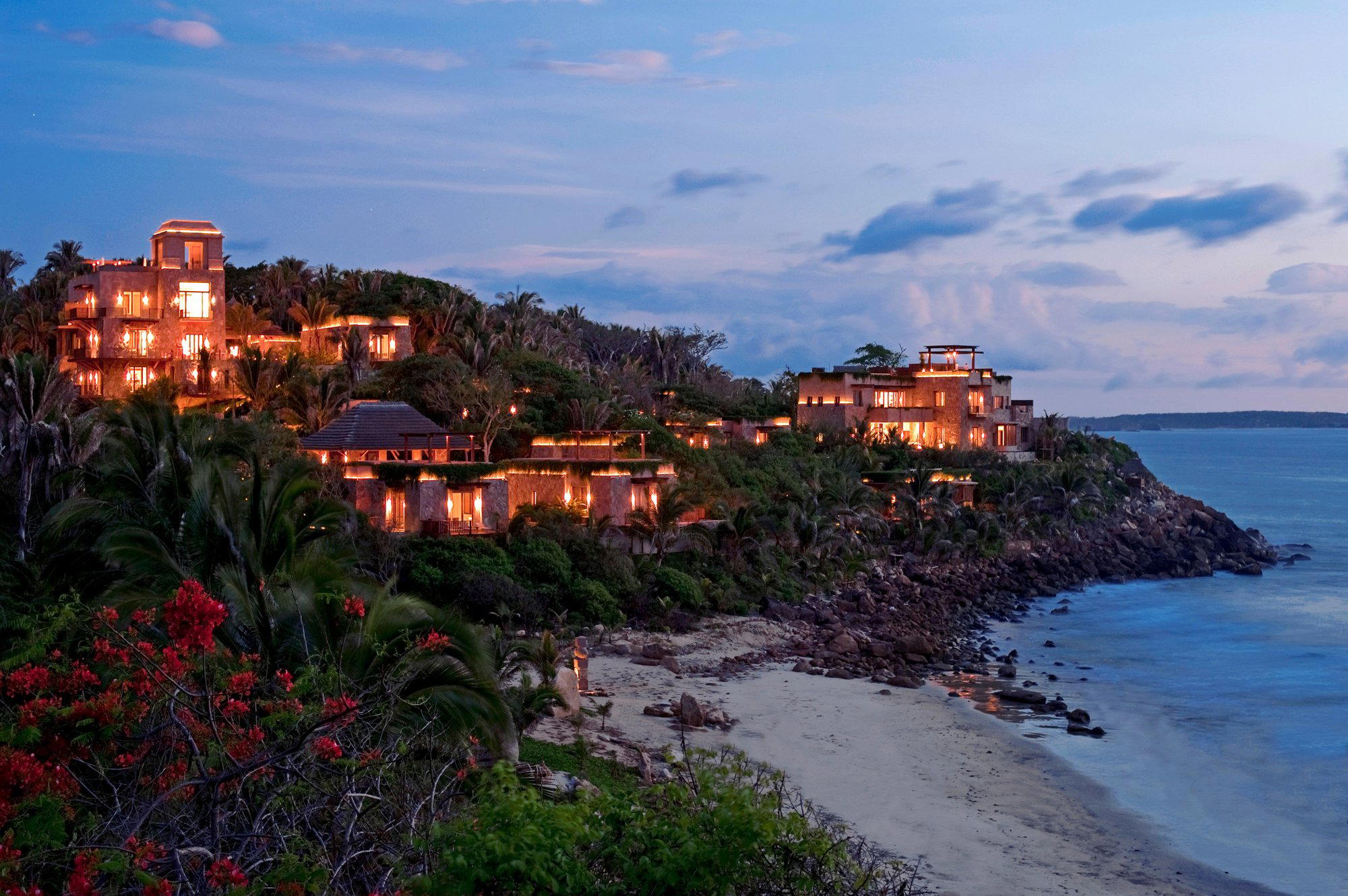
Where the Jungle Meets the Pacific
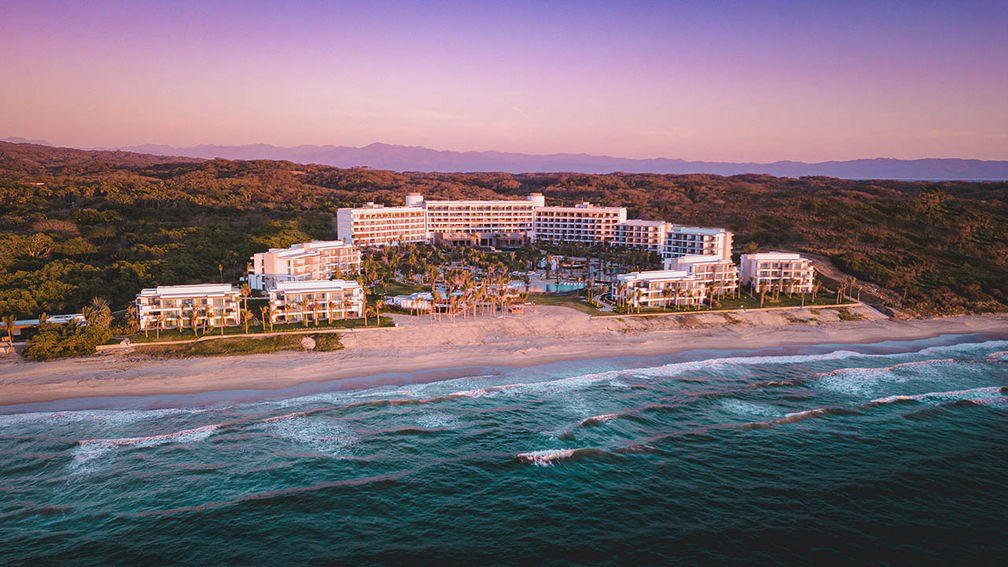
Arrive at Imanta Resorts Punta de Mita through a stretch of coastal jungle in Higuera Blanca, a village at the quieter northern tip of the Riviera Nayarit peninsula, and the first thing you register is the absence of the usual resort machinery. No vast lobby, no check-in queue, no convention-centre scale. The Pacific announces itself through the canopy before you see it, and the property opens outward toward a private beach rather than inward toward a pool deck ringed with sun loungers. This is a deliberate architectural and experiential choice, and it places Imanta in a specific tier of Mexican coastal hospitality: small-footprint, suite-only retreats that trade brand recognition for a more controlled sense of place. Imanta Resorts Punta de Mita is a 5-star hotel in Higuera Blanca, with 12 suites and casonas.
At the larger, more branded end of the spectrum, Four Seasons Resort Punta Mita, Mexico and its newer tented sister property Naviva, A Four Seasons Resort, Punta Mita, Mexico hold the high-visibility positions on the peninsula. Imanta operates differently, occupying 250 acres of jungle, mountain, and beachfront in a format closer to what One&Only; Mandarina in Riviera Nayarit pursues a little further up the coast: intimate scale, serious natural setting, and a dining programme rooted in the immediate geography.
The Dining Programme: From Sand to Canopy
Mexico's Pacific coast has its own distinct culinary logic. The combination of offshore fishing grounds, tropical growing conditions, and indigenous ingredient traditions gives kitchen teams working in this region a supply chain that their counterparts in more developed resort corridors often have to simulate. At Imanta, the dining programme is structured around three distinct formats, each calibrated to a different time of day and a different relationship with the surrounding environment.
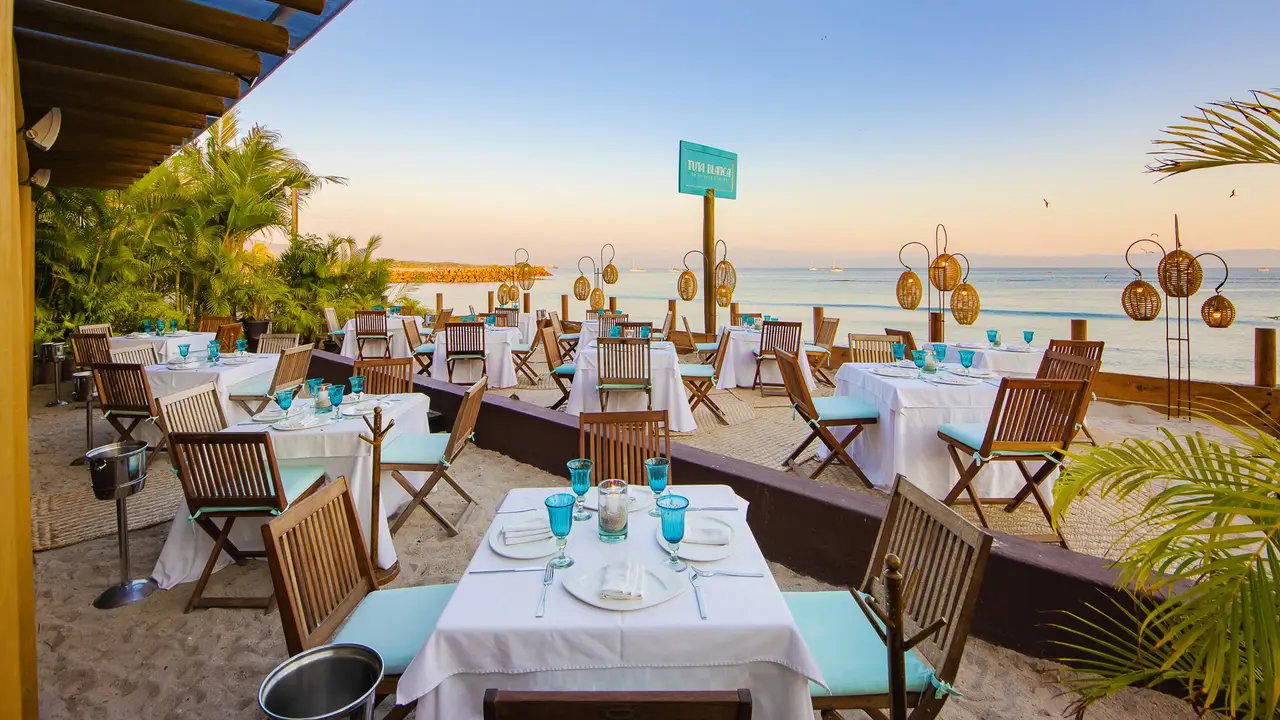
Tzmaika Grill Restaurant operates as the resort's beach palapa, set directly on the private shoreline. The format is lunch-primary, with a menu centred on freshly caught local fish and traditional Mexican preparations. This is not fusion or resort-international cooking dressed in Mexican vocabulary; the sourcing logic is the point. Fish are caught each morning either directly in front of the property or by fishermen working the nearby coastline, which means the menu's range on any given day reflects what the Pacific delivered overnight. The full bar runs alongside the food programme, and the afternoon sun-and-surf context makes Tzmaika particularly relaxed of the three outlets.
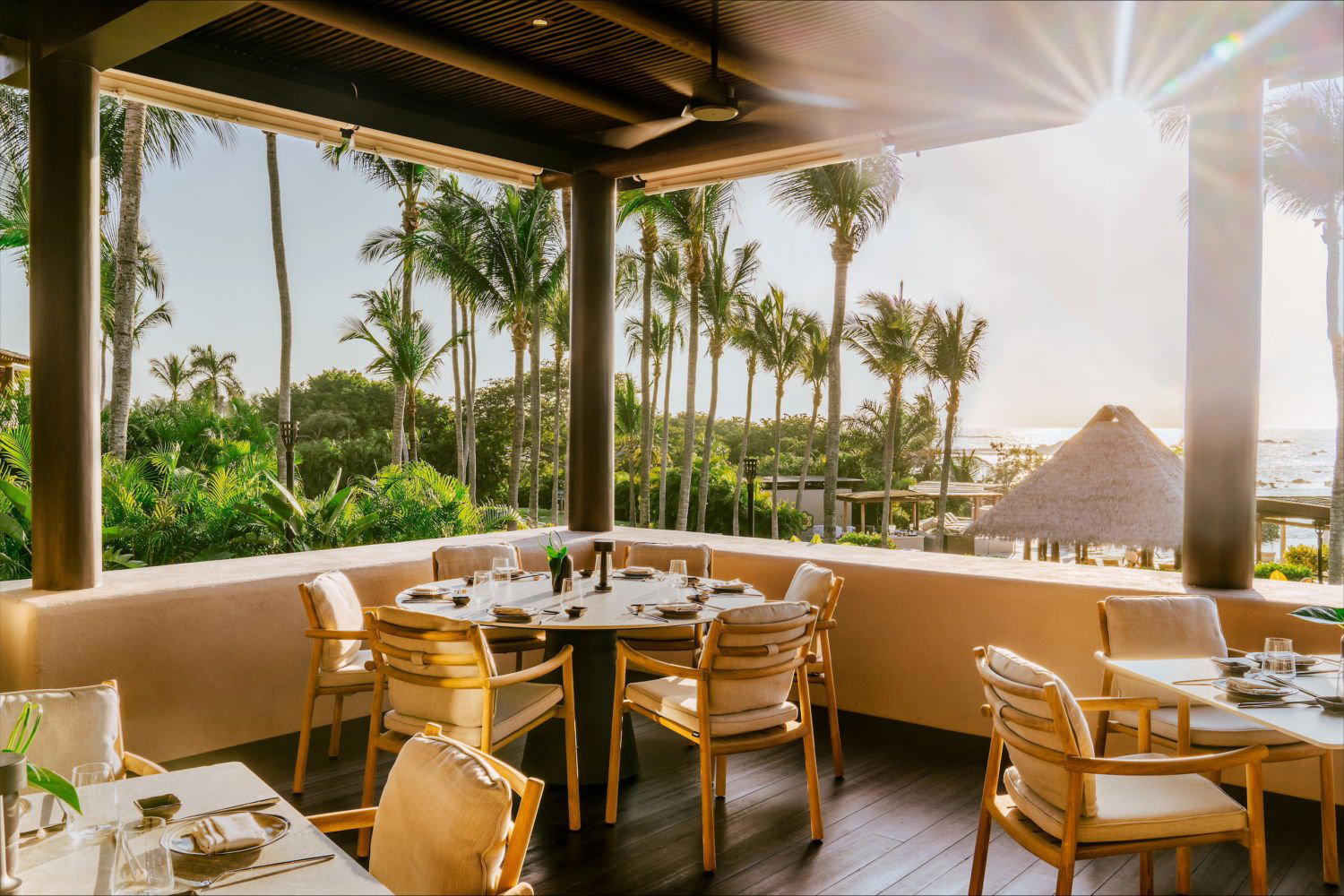
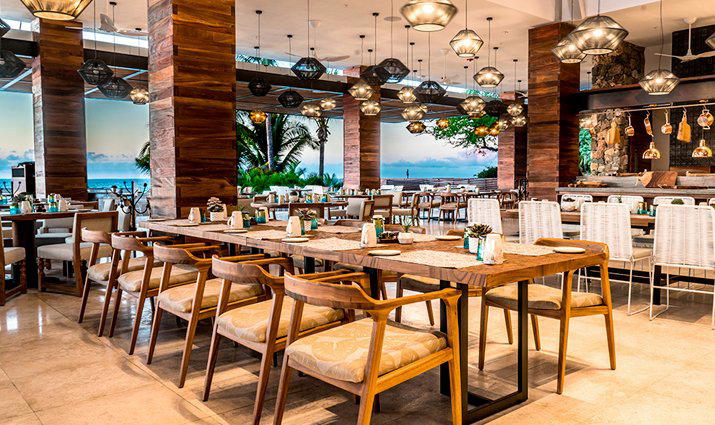
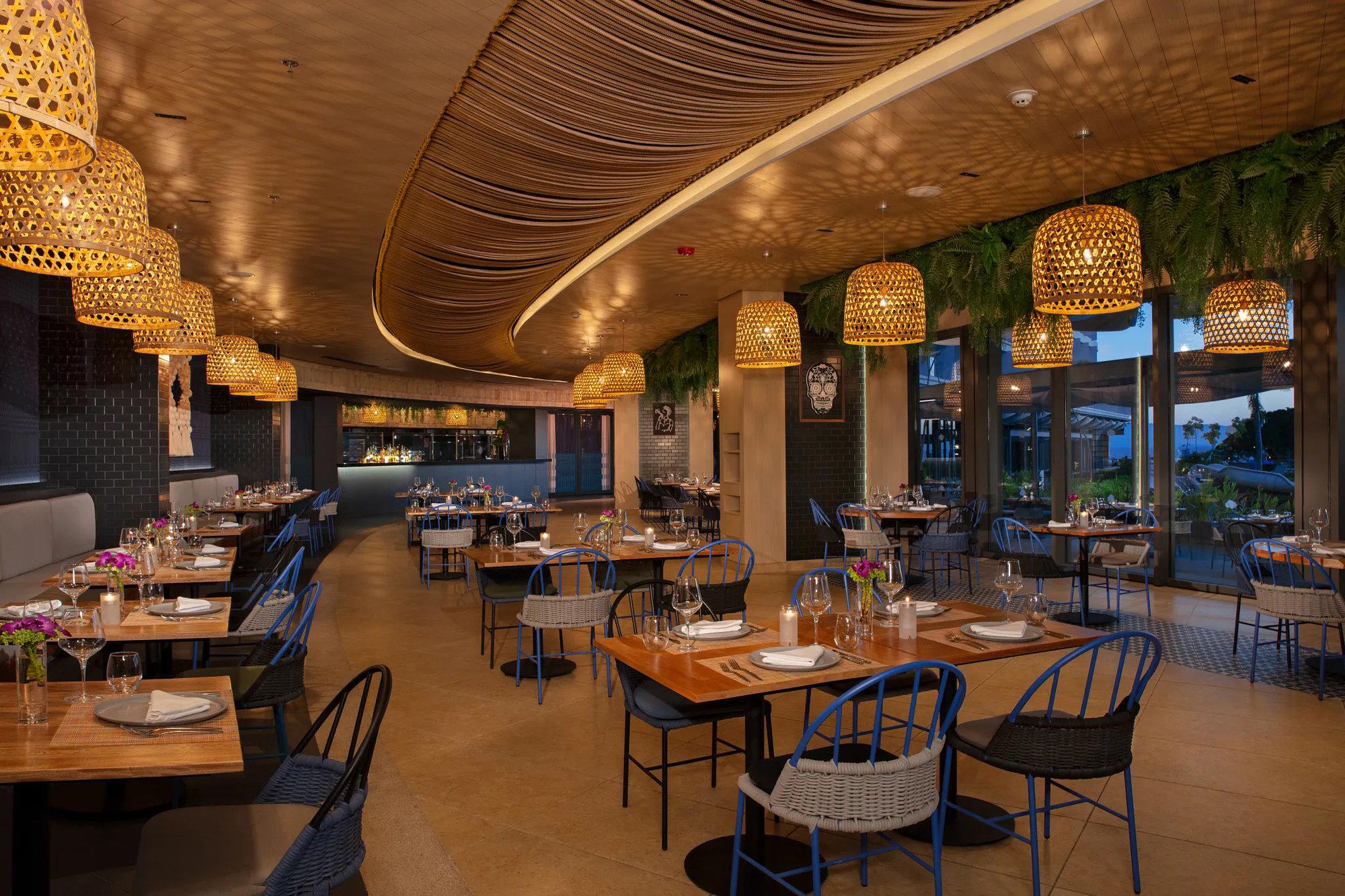
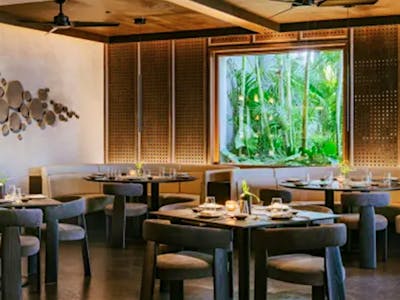
Tukipa, the resort's main restaurant, occupies an refined position with views across the jungle canopy, the Cerro del Mono Mountain, and the Pacific. Breakfast and dinner are served here, and the menu changes with the seasons to reflect what the resort's organic gardens and local suppliers are producing. This kind of kitchen-garden integration is now a marker of serious resort dining across Mexico, from the ecologically focused properties of the Costalegre coast to the jungle-cuisine programmes that have emerged in the Riviera Maya. Tukipa's position, overlooking the jungle with the ocean as a backdrop, gives it a setting that the dinner hour especially rewards.
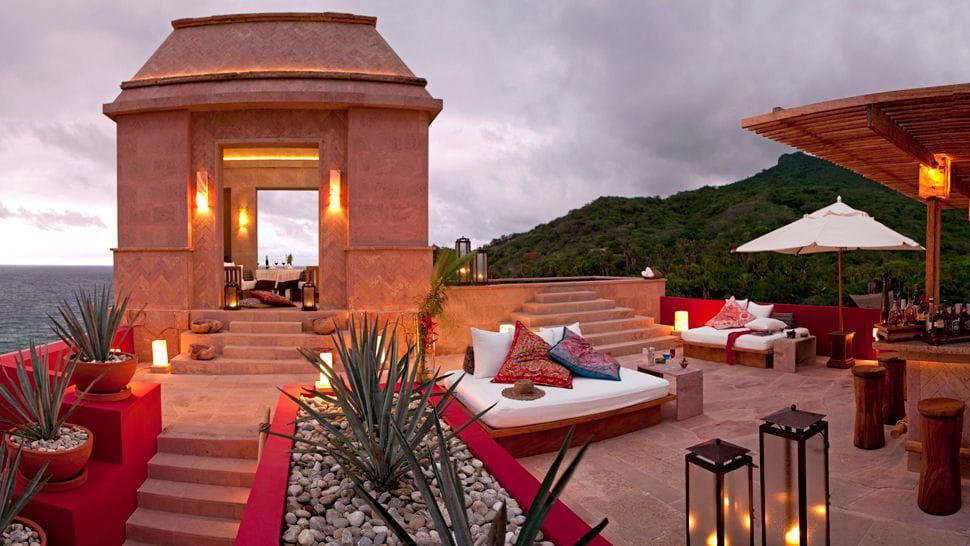
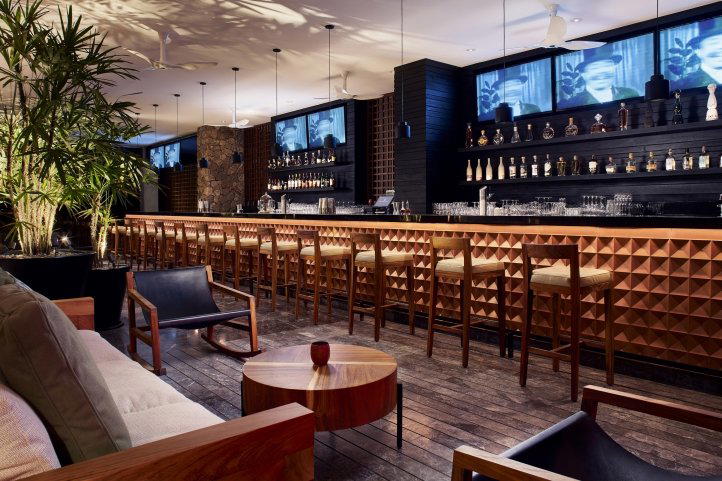
The Observatory functions as the property's evening bar, positioned for sunset viewing and bar snacks rather than full dining. Tapas and small plates accompany cocktails in a format that works as a prelude to dinner rather than a standalone restaurant experience. The cocktail programme draws on both imported spirits and locally produced ingredients, consistent with the sourcing philosophy that runs through the broader dining operation.
For guests comparing the dining ambition here with peers elsewhere in Mexico's premium resort corridor, the relevant reference points include properties like Las Ventanas al Paraíso, A Rosewood Resort in San José del Cabo and Chablé Yucatán in Merida, both of which have invested heavily in local-sourcing narratives as part of their dining identity. Imanta's programme is less chef-driven in the celebrity sense and more terrain-driven in its approach, which suits the overall character of the property.
The Accommodation Format
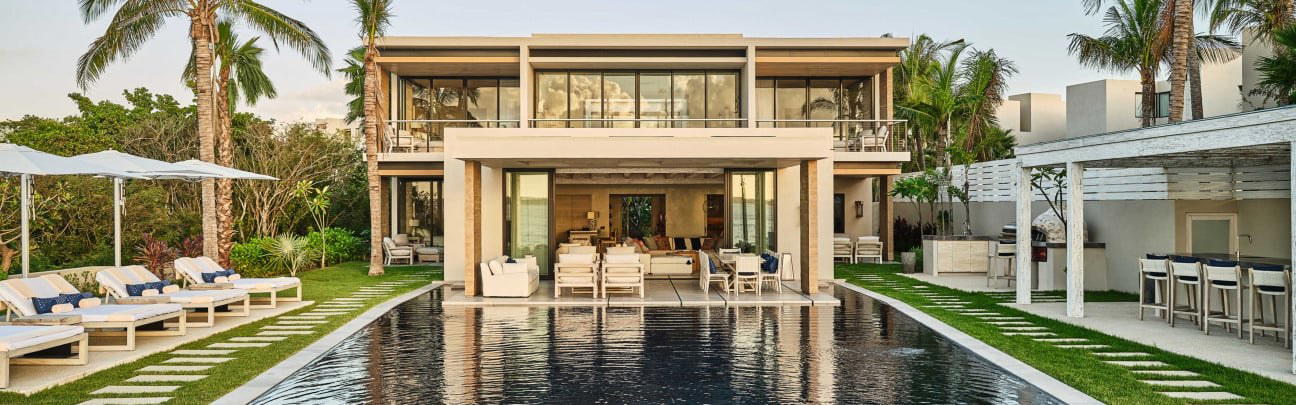
Imanta operates entirely in suites and casonas rather than standard hotel rooms. The casona format, a freestanding structure with the space and privacy of a self-contained compound, is the category that most clearly differentiates Imanta from the region's conventional all-inclusive and large-resort competitors. Several casonas can be combined for family or group use, which gives the property a flexibility that single-format boutique hotels on the coast often lack. The combination of private outdoor space, jungle setting, and beachfront access within this structure puts Imanta in a comparable set that includes independent retreat properties rather than chain-operated resorts, closer in spirit to Hotel Esencia in Tulum or Las Alamandas in Costalegre than to the larger branded properties on the Punta Mita peninsula.
Wellness, Land, and Sea Activity
The 250 acres that Imanta occupies give the property an activity range that most beach resorts of comparable guest capacity cannot offer. The spa operates in multiple environments: a private suite within Tukipa handles standard treatment bookings, while the beach and jungle locations are available for outdoor sessions. Treatments include Shiatsu and other bodywork modalities delivered by resident therapists. The gym faces the Cerro del Mono Mountain and the Pacific, which is an unusual configuration for a hotel fitness facility and one that reflects the broader design logic of the property: the landscape is treated as an amenity rather than a backdrop.
On-property activities include hiking, kayaking, snorkelling, and yoga in multiple jungle and coastal settings. The wider area adds surfing, kitesurfing, windsurfing, sailing, and mountain biking, as well as ATV access to inland ranchos and towns that most resort guests on the Punta Mita peninsula never visit. This inland access is worth noting for guests who want context beyond the resort: the villages and agricultural communities around Higuera Blanca represent a version of Nayarit that the beach-only resort experience consistently misses.
Guests interested in comparing ecologically anchored properties in Mexico's Pacific and Caribbean corridors may also want to look at Playa Viva in Juluchuca and Xinalani in Quimixto, two smaller properties that share Imanta's emphasis on land stewardship and outdoor programming.
Planning Your Stay
Imanta sits in Higuera Blanca on the Montenahuac Lote L address, north of the main Punta Mita resort corridor. The nearest major airport is Puerto Vallarta International (PVR), approximately an hour's drive north along the coast road. The dry season from November through April delivers consistent beach weather, with January and February representing peak demand across the Riviera Nayarit. The resort's private-beach and jungle-property format means the experience is meaningfully different in the wet season, when the jungle is denser and greener but afternoon rain is routine.
Guests exploring the wider Mexican luxury hotel circuit alongside Imanta might also consider Maroma in Riviera Maya, Montage Los Cabos in Cabo San Lucas, Zadun, A Ritz-Carlton Reserve in Los Cabos, and Etéreo, Auberge Resorts Collection in Punta Maroma as reference points across different coastal regions and price tiers.
Price Lens
Comparable venues nearby, for context on price, style, and recognition.
| Venue | Price | Awards | Notes |
|---|---|---|---|
| Imanta Resorts Punta de MitaThis venue — the venue you are viewing | $$$$ | 5-Star | Not listed |
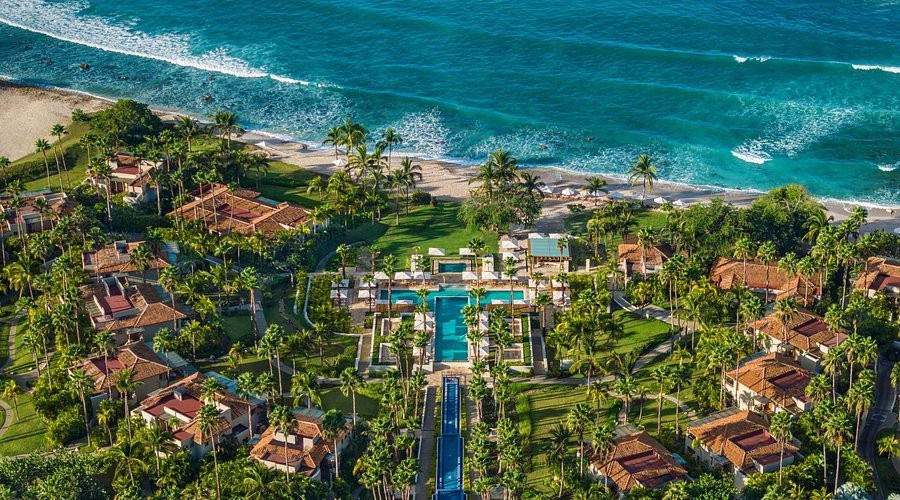
| Four Seasons Resort Punta Mita, Mexico | $$$$ | 5-Star | Punta Mita, Luxury beachfront resort with casita-style rooms and private villas |
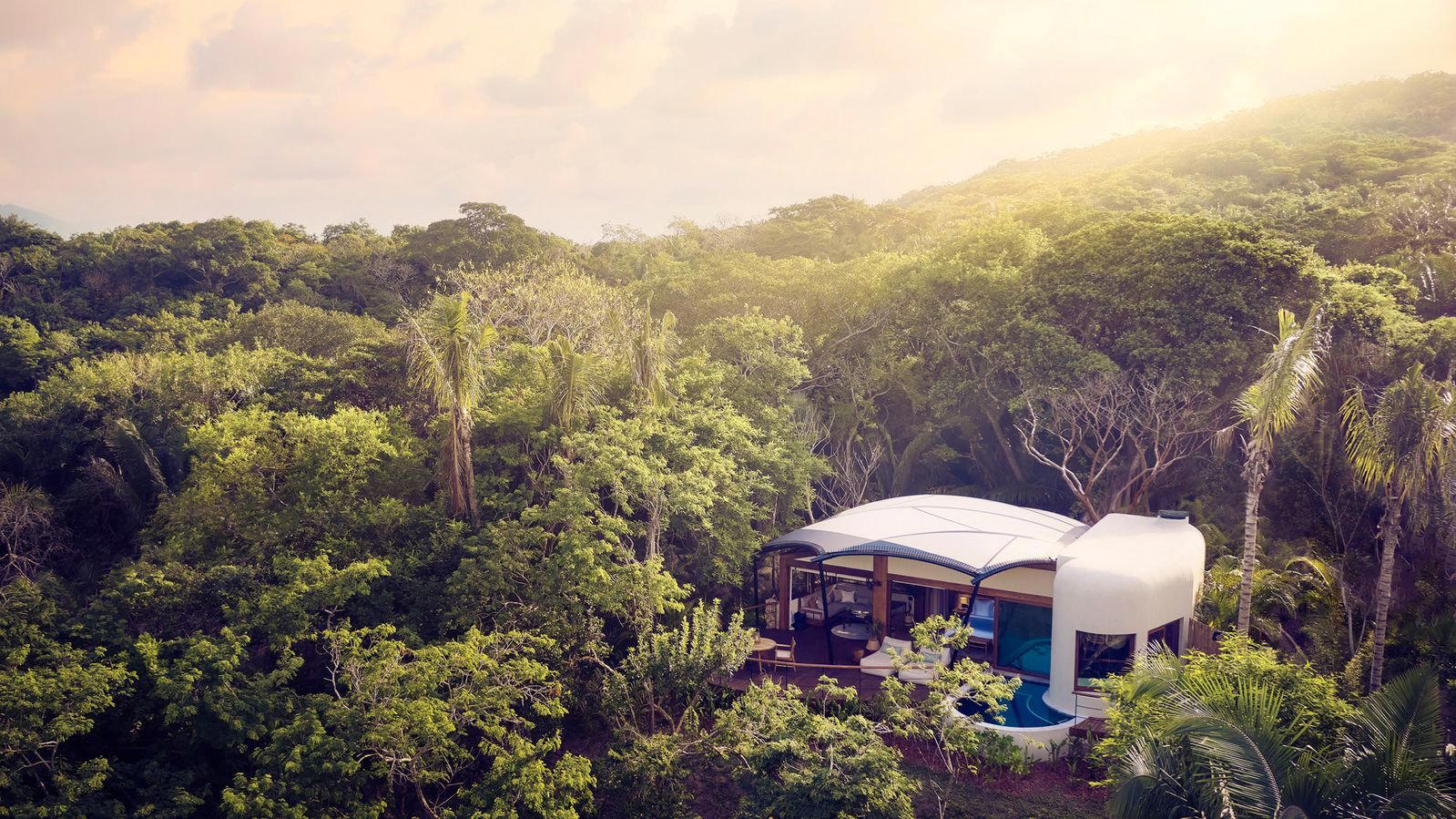
| Naviva, A Four Seasons Resort, Punta Mita, Mexico | $$$$ | 5-Star | Punta Mita, luxury tented bungalows blending rustic elegance with modern luxury |
| One&Only Palmilla Resort | $$$$ | 5-Star | Palmilla, Classic hacienda-style architecture with Baja-chic interiors blending traditional Mexican charm and contemporary design. |
| Playa Viva | $$$$ | 5-Star | Juluchuca, Regenerative luxury eco-resort with open-air construction using traditional techniques and locally harvested sustainable materials; designed as an immersive nature experience without modern technological distractions. |
| Kore Tulum Retreat Wellness Resort | $$$$ | 5-Star | Zona Hotelera, Eco-chic boutique resort blending modern comfort with jungle surroundings |
Recognition history
Dated appearances from independent guides and award organizations, with the underlying list record or original source where available.
Virtuoso Luxury Hotel Partner
Virtuoso

At a Glance
- Quiet
- Elegant
- Scenic
- Intimate
- Sophisticated
- Ornate
- Honeymoon
- Romantic Getaway
- Wellness Retreat
- Anniversary
- Destination Wedding
- Beachfront
- Infinity Pool
- Private Villa
- Destination Spa
- Panoramic View
- Pool
- Spa
- Wi Fi
- Room Service
- Concierge
- Fitness Center
- Beach Access
- Waterfront
- Mountain
- Pool
- Spa
- Wi Fi
- Room Service
- Concierge
- Fitness Center
- Beach Access
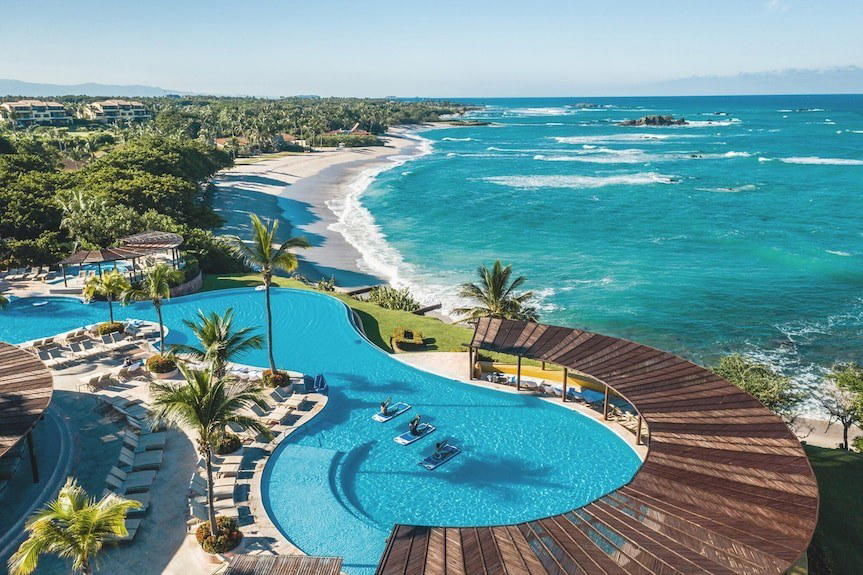
Serene and luxurious jungle immersion with natural light, open-air spa treatments, and tranquil atmosphere enhanced by crashing waves and lush surroundings.