Cafe Del Lago
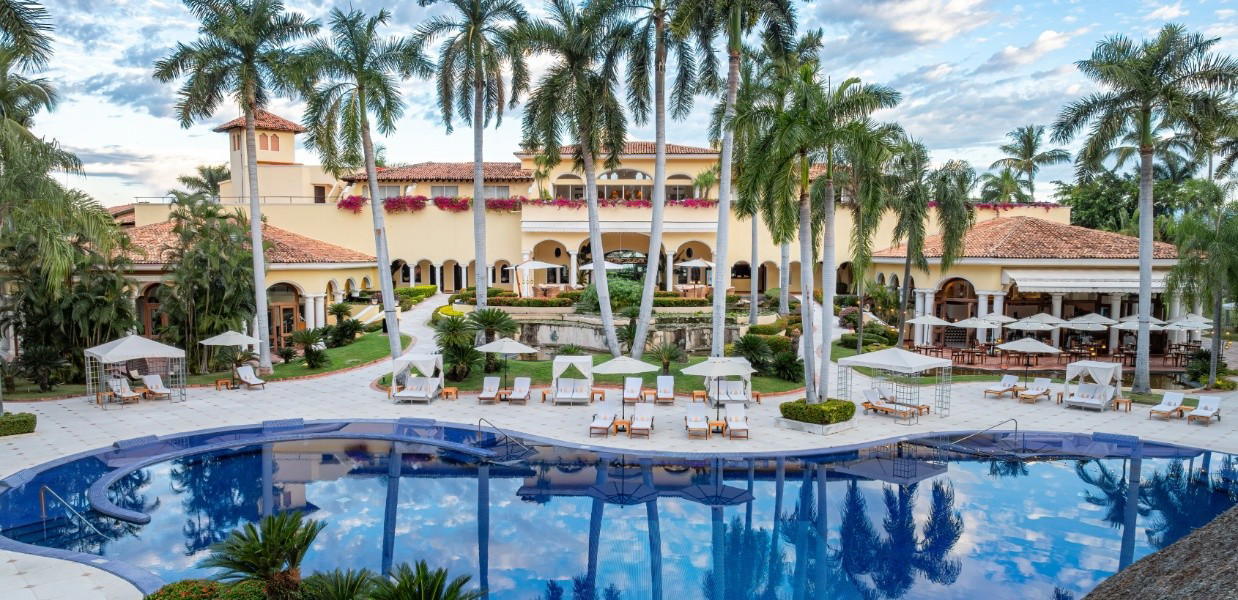
Cafe Del Lago sits along the Riviera Nayarit corridor in Nuevo Vallarta, a stretch of Pacific coastline where the sourcing conversation between land and sea is hard to ignore. The restaurant's lakeside setting places it at an interesting remove from the resort strip, drawing on the agricultural rhythms and coastal catch that define this part of Bahia de Banderas.
Pearl is the En Primeur Club membership app — saves, bookings, and concierge access live there. Same editors, same standards.
- Address
- Blvrd Riviera Nayarit 254, 63735 Nuevo Vallarta, Nay., Mexico
- Phone
- +523222264000
- Website
- vidanta.com
- Directions
- Get directions
 Saves & bookings on Pearl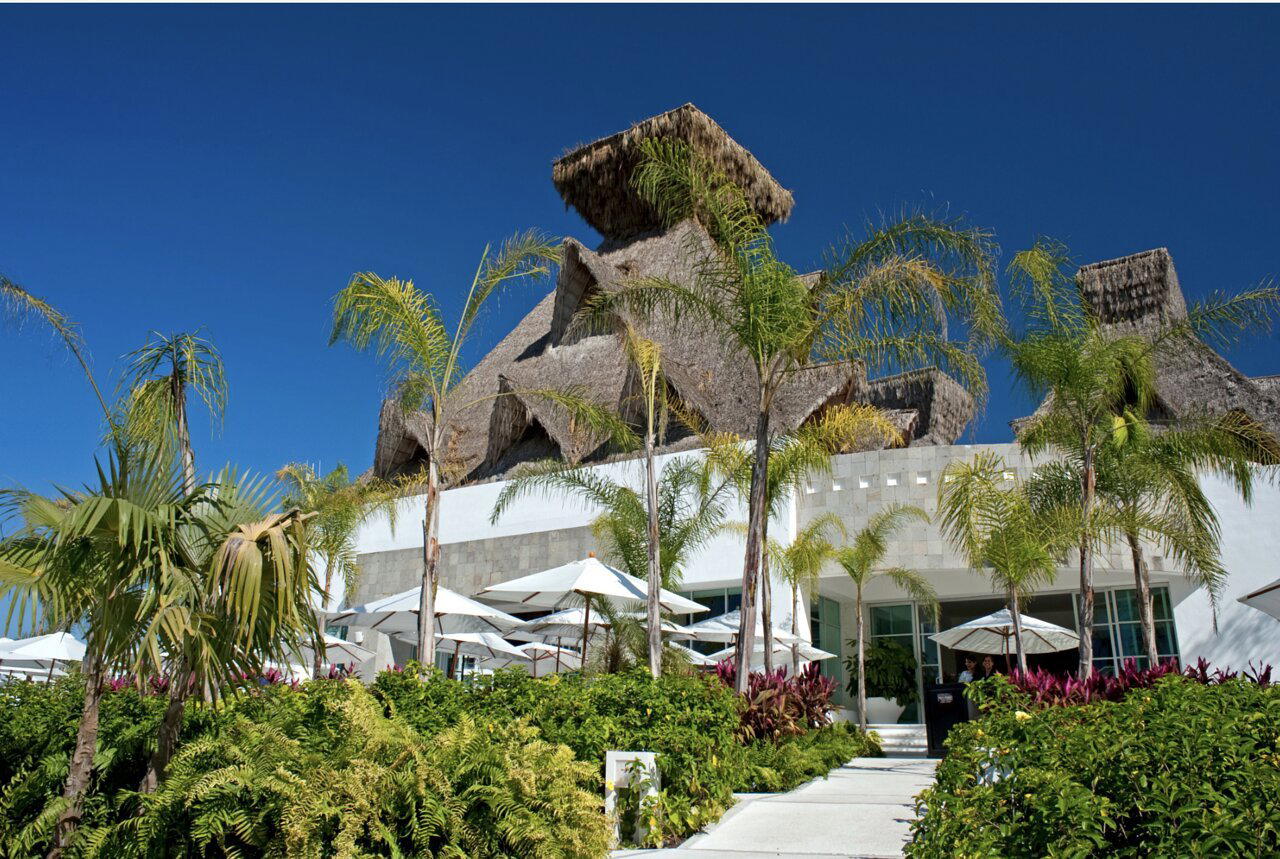
Where the Riviera Nayarit's Sourcing Story Meets the Water's Edge
Nuevo Vallarta occupies a particular position in Mexican coastal dining. It sits along Bahia de Banderas, one of the largest bays in the Americas, where Pacific waters push tuna, snapper, and octopus close to shore with seasonal regularity. Inland, the Nayarit foothills supply corn varieties, chillies, and tropical produce that don't travel far to reach a kitchen. The question for any restaurant along this corridor is how seriously it takes that proximity — whether the geography becomes an ingredient or just a backdrop.
Cafe Del Lago is addressed along the Blvrd Riviera Nayarit in Nuevo Vallarta, and its lakeside position signals something about the dining frame here. This part of the Riviera Nayarit strip has historically served resort visitors whose expectations run toward casual comfort and reliability, rather than the ambitious tasting-menu format you'd find further afield at destinations like Tuna Blanca in Punta de Mita or Le Chique in Puerto Morelos. That context matters when reading what a place like Cafe Del Lago is doing: operating inside a resort-adjacent market while drawing on a region whose agricultural and marine credentials are genuinely compelling.
The Sourcing Logic of Bahia de Banderas
Mexico's Pacific coast dining scene has matured considerably in the past decade, driven partly by the visibility of regional sourcing discussions at restaurants like Pujol in Mexico City and Animalón in Valle de Guadalupe, both of which treat Mexican ingredients as the entire point rather than a starting point. That conversation has filtered outward. Nayarit has a specific claim in this: the state is among Mexico's most productive agricultural zones, known for tobacco historically but also for sugar cane, tropical fruit, and an increasingly documented tradition of small-farm corn cultivation. For a restaurant on the bay, the marine angle is equally pressing. Bahia de Banderas' depth and size mean diverse fish populations, and local fishing communities around La Cruz de Huanacaxtle and Bucerías supply markets and restaurants with catches that shift through the year.
The contrast worth drawing is between restaurants in this region that treat sourcing as a practical necessity and those that treat it as an editorial position. The former group buys local because it's cheaper and fresher. The latter group frames provenance as a reason to visit, building menus around what's available rather than what's expected. Across Mexico's more ambitious dining destinations, from Levadura de Olla Restaurante in Oaxaca to Olivea Farm to Table in Ensenada, that distinction has become the primary dividing line between interesting and forgettable.
The Nuevo Vallarta Setting
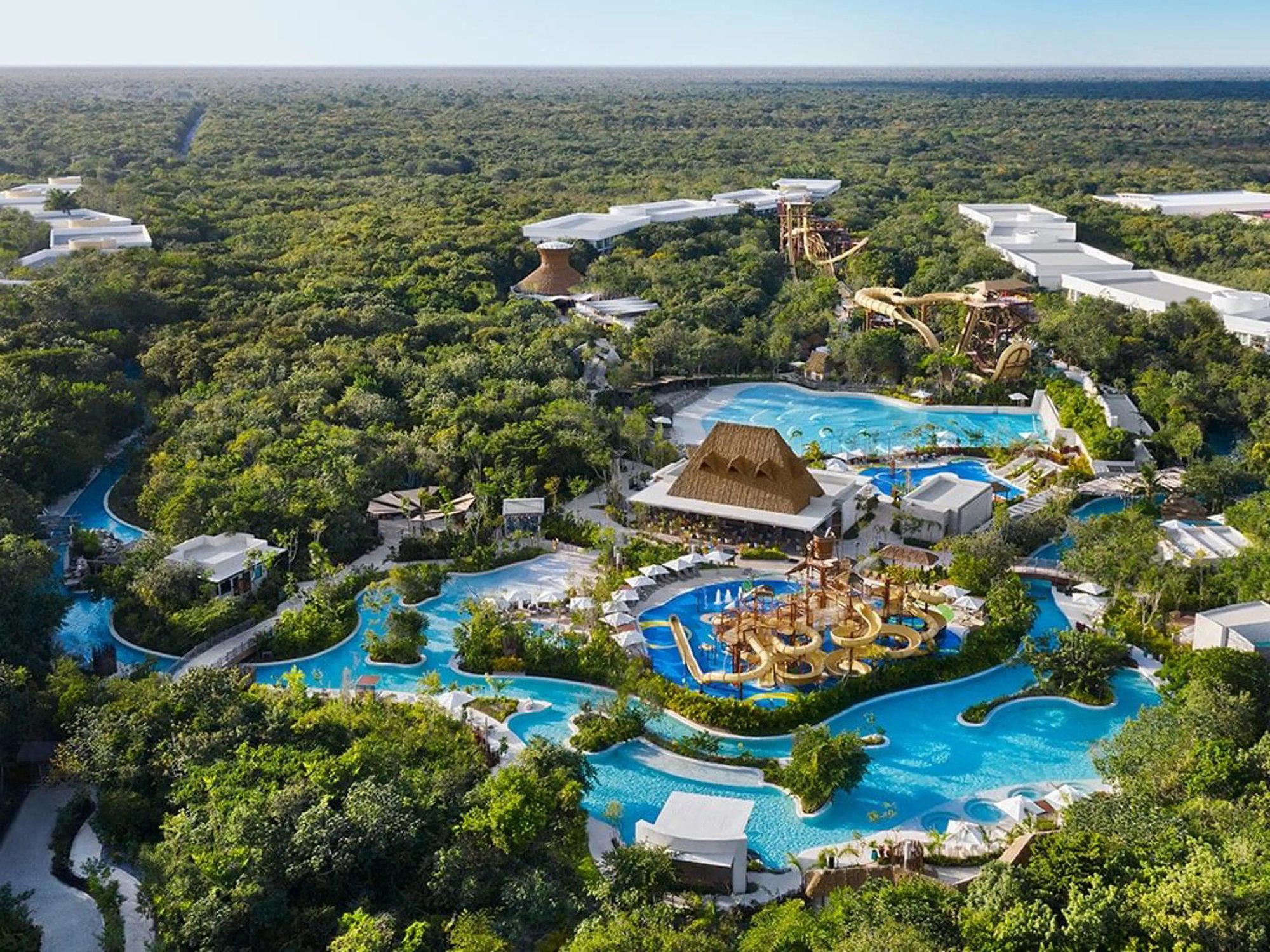
Nuevo Vallarta is a planned resort development that stretches north of Puerto Vallarta along a canal and lagoon system connecting to the Pacific. That waterway geography gives some restaurants here a genuinely different physical frame than the beachfront or hillside settings that dominate the Puerto Vallarta scene. A lagoon-adjacent table operates at a different register than a beach palapa or a rooftop with a bay view — quieter, with a particular flatness to the light in the late afternoon that changes how a meal reads.
The development's character also positions Cafe Del Lago within a specific competitive tier. Nuevo Vallarta's dining runs from resort buffets and hotel restaurants to a smaller tier of independent spots where quality is less guaranteed but potential is higher. The area shares a broader culinary conversation with the Bahia de Banderas restaurant community documented in our full Bahia De Banderas restaurants guide, which includes Sufi among the independent options operating in this market.
How This Fits Mexico's Wider Ingredient Conversation
The sourcing argument that has reorganized Mexican fine dining over the past fifteen years did not start on the Pacific coast. It has roots in Oaxacan ingredient documentation, in Mexico City's shift toward regional pantry thinking, and in the wine-country dining culture of Valle de Guadalupe, where restaurants like Lunario in El Porvenir built reputations around land-to-plate directness. That movement has now reached coastal Nayarit in varying degrees. Some restaurants here have adopted the vocabulary without the practice. Others have found that the bay and its agricultural hinterland offer a genuinely distinct set of ingredients worth building around.
For context on how seriously the sourcing argument can be pressed in a coastal Mexican setting, HA' in Playa del Carmen and Arca in Tulum both demonstrate that resort-adjacent markets can sustain ambitious ingredient-led programs when the kitchen commits to the regional pantry. Gaia at Maykana in Riviera Maya represents another iteration of this, using a resort setting as a platform for regional sourcing rather than an obstacle to it. Across Mexico's northern tier, Pangea in San Pedro Garza Garcia, KOLI Cocina de Origen in Monterrey, and Alcalde in Guadalajara have each pressed the case that Mexican ingredients deserve the same kind of careful, contextual treatment found at benchmark international addresses like Le Bernardin in New York City or Lazy Bear in San Francisco. Huniik in Merida adds a Yucatecan dimension to this national picture, drawing on Mayan ingredient traditions with similar seriousness.
Planning a Visit
Cafe Del Lago is located at Blvrd Riviera Nayarit 254 in Nuevo Vallarta, Nayarit, accessible from Puerto Vallarta's airport in under thirty minutes depending on traffic along the coastal highway. Nuevo Vallarta's dining scene is busiest between November and April, when the winter season brings higher occupancy to the resort corridor and demand for independent restaurants peaks. Visiting outside peak season, from May through October, typically means a quieter experience and closer proximity to the shoulder-season fishing and agricultural cycles that supply the bay's kitchens. Contact details and current hours are best confirmed through local listings or directly on arrival, as the venue's operational information is not publicly centralized.
Continue exploring
More in Bahia De Banderas
Restaurants in Bahia De Banderas
Browse all →
Bars in Bahia De Banderas
Browse all →


At a Glance
- Scenic
- Cozy
- Elegant
- Family
- Celebration
- Brunch
- Group Dining
- Hotel Restaurant
- Waterfront
- Terrace
- Beer Program
- Local Sourcing
- Waterfront
Current opening hours
- Monday
- 7–11 AM
- Tuesday
- 7–11 AM
- Wednesday
- 7–11 AM
- Thursday
- 7–11 AM
- Friday
- 7–11 AM
- Saturday
- 7–11 AM
- Sunday
- 7–11 AM
Hours can change for holidays and private events. Last verified .
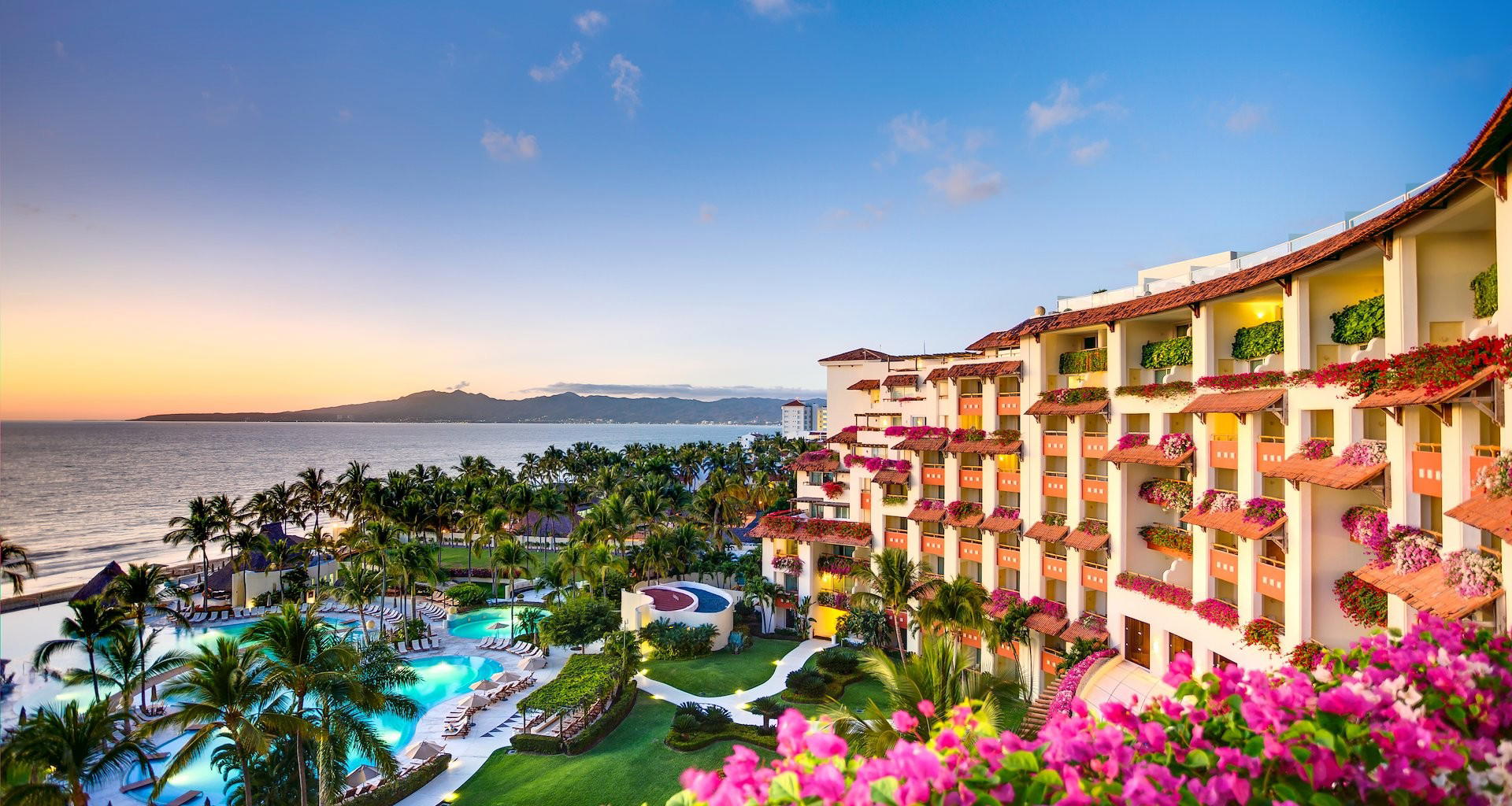
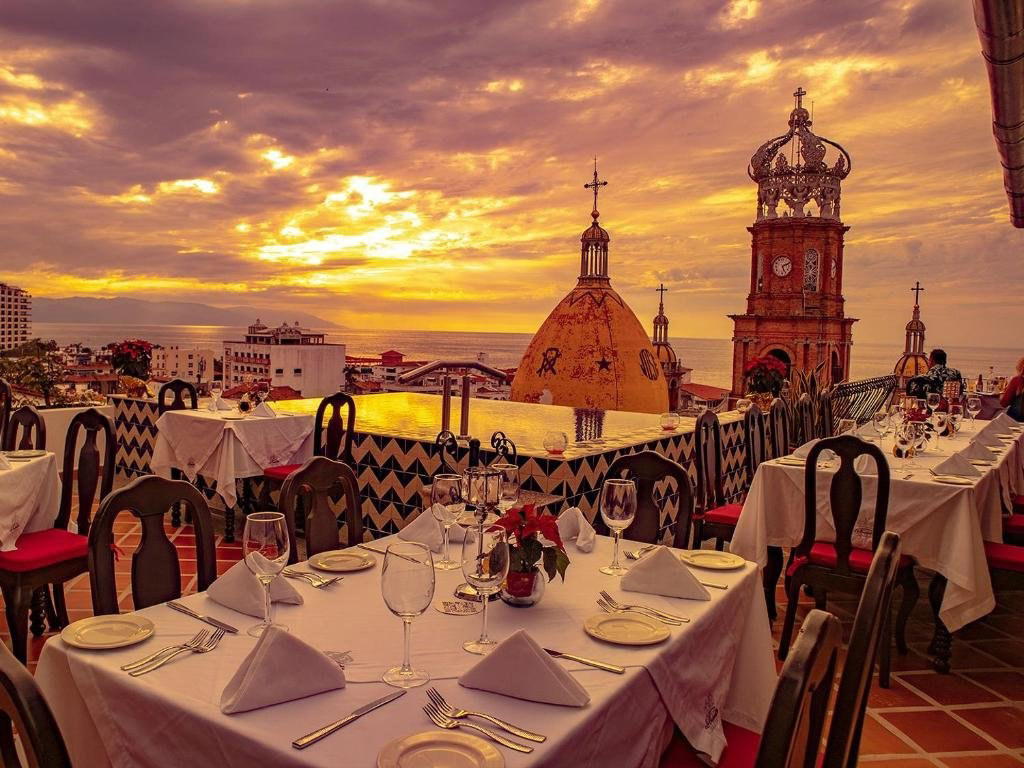
Bright and spacious with beautiful lake views; described as delightful and charming with a relaxed yet lively atmosphere suitable for families and celebrations.
Know Before You Go
- Getting there
- Blvrd Riviera Nayarit 254, 63735 Nuevo Vallarta, Nay., Mexico