
Michelin Selected
Selected by the Michelin guide for 2025, Nasu-Onsen Shinshun no Kago Hewitt Resort sits in the Yumoto onsen district of Nasu, one of Tochigi Prefecture's most-visited highland retreats. The property belongs to a tier of Japanese ryokan-inflected resort hotels that pair thermal bathing traditions with considered design, placing it in the same editorial conversation as the region's most overnight experiences.

Pearl is the En Primeur Club membership app, where members save venues, book tables and use the concierge.
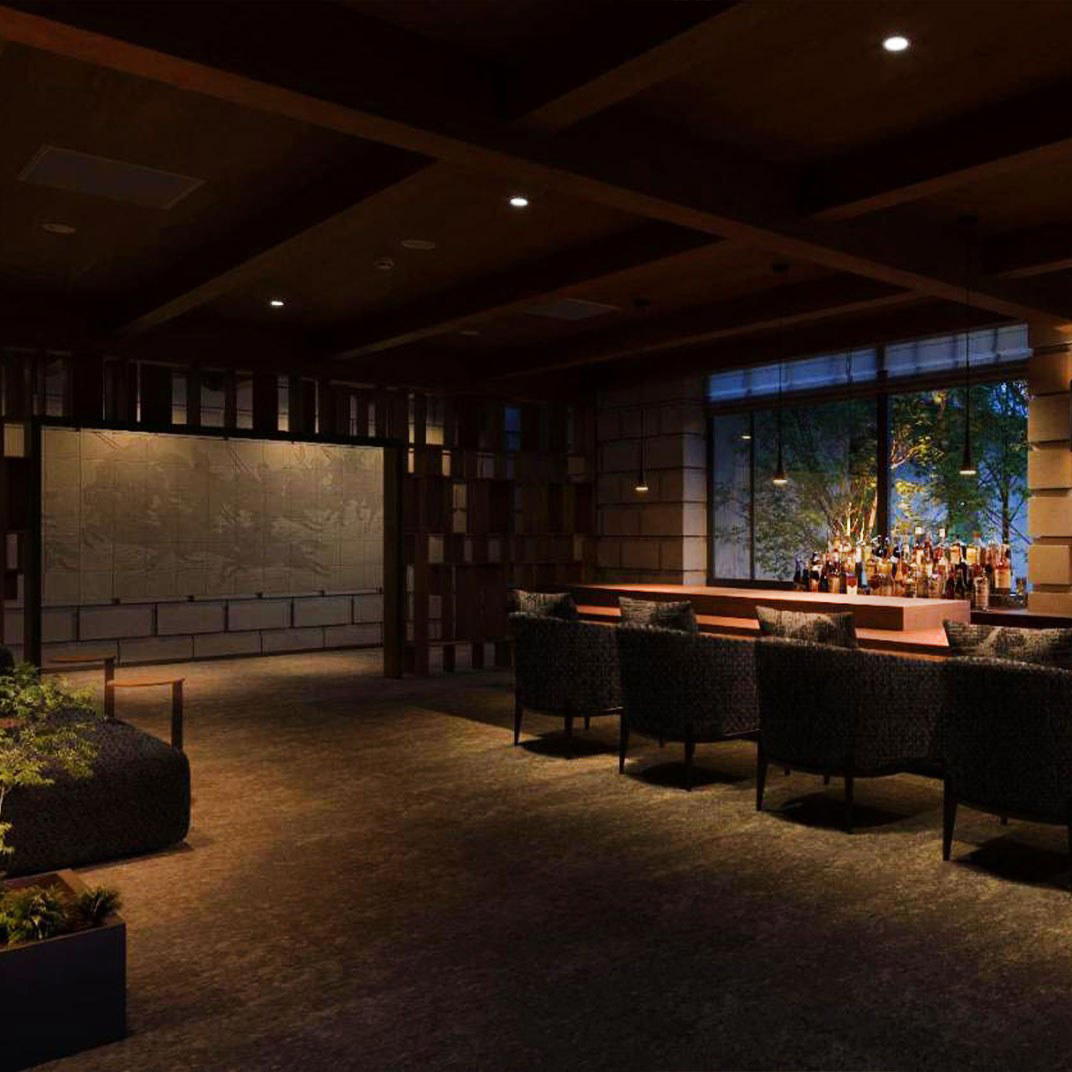
Where Nasu's Highland Character Becomes Architecture
The Yumoto district of Nasu sits at the upper reach of Tochigi Prefecture's most visited highland corridor, roughly two hours from Tokyo by shinkansen and local connection. At this altitude, the light changes faster than it does in the valley, forests run close to the road, and the sulfurous trace of active thermal springs gives the air a faint mineral edge before you have identified the source. Properties in this district inherit that sensory context whether they choose to engage with it or not. The better ones, and Nasu-Onsen Shinshun no Kago Hewitt Resort belongs in that group, make it structural rather than decorative, letting the physical environment determine the logic of the building rather than applying nature as a surface treatment.
This is the design argument that separates Nasu's most considered resort hotels from the larger, conference-oriented properties that dominate the region's lower elevations. The highland ryokan tradition has always prioritised enclosure and threshold: the moment you pass from public road to private garden, from garden to genkan, from genkan to corridor, each transition is a calibrated reduction of stimulation. Nasu-Onsen Shinshun no Kago Hewitt Resort operates within that spatial grammar, which is why the Michelin hotel selection team included it in the 2025 edition of their hotel guide, a list that rewards properties where the hospitality logic is consistent from the gate to the guest room rather than concentrated at the front desk.
The Onsen Architecture of Separation and Immersion
Japanese highland resort design at this tier tends to resolve a single tension: how do you create genuine thermal immersion without sacrificing the privacy that high-tariff guests expect? The volume solution, large communal baths with mountain panoramas and anonymous towel service, works at scale but erodes the sense of arrival that defines the leading onsen ryokan experiences. The better design answer, which properties like Nasu-Onsen Shinshun no Kago Hewitt Resort and its Nasu peers have explored, involves breaking the bathing programme into smaller, more differentiated units, where the architecture of each bath space tells its own story about the water and the surrounding landscape.
Yumoto's thermal waters have a distinct character, sodium chloride content that softens the skin noticeably, temperatures that require managed approach rather than immediate immersion, and the physical design of a bath suite should reflect that. Stone selection, ceiling height, the geometry of the soaking vessel, and the angle of any aperture to the outside all participate in the experience. Across comparable highland onsen properties in Japan, from Gora Kadan in Hakone to Fufu Nikko in Nikko to Asaba in Izu, the properties that earn sustained recognition are those where the thermal architecture feels inevitable rather than applied.
Nasu in the Context of Japan's Onsen Resort Tier
Nasu occupies a specific position in the Japanese domestic resort hierarchy. It is close enough to Tokyo to function as a two-night escape without complex logistics, far enough to feel genuinely removed, and historically associated with imperial retreat, the Imperial Family's Nasu Imperial Villa sits nearby, and that proximity has shaped the area's general tone toward restraint rather than spectacle. This is not a region that competes with Kyoto's cultural density or Hakone's scenic theatrics. It competes on quietness, on the quality of its thermal water, and on the particular atmosphere of highland woodland that surrounds the Yumoto district.
Within that context, the Michelin Selected designation for 2025 positions Nasu-Onsen Shinshun no Kago Hewitt Resort alongside Nasu Mukunone as part of a small cohort of properties the guide considers worth the journey. The selection signals consistency across the areas Michelin evaluates for hotels: welcome, comfort, and the overall quality of the stay experience. It does not imply a restaurant star, and travellers should calibrate accordingly, the case for staying here is the onsen and the design logic, not a destination dining programme. For those extending a broader Japan itinerary, properties like HOTEL THE MITSUI KYOTO in Kyoto or Bvlgari Hotel Tokyo in Tokyo occupy the high-urban end of the same Michelin hotel universe, while Amanemu in Mie represents the furthest reach of the hot spring resort model at the luxury end of the Aman portfolio.
Nasu's peer properties in the broader hot-spring resort category also include Kita Onsen(株)北温泉旅館, which takes a more historically preserved approach to the onsen ryokan format. The two represent different philosophical positions on how tradition should be held: one more conserved, the other more reinterpreted through contemporary hospitality logic.
Regional Comparisons: Japan's Design-Led Onsen Properties
The design-led onsen resort is now a recognisable category across Japan, with strong examples concentrated in the highlands of Tohoku, the mountain districts of Nagano and Tochigi, and the coastal reaches of Kyushu. Zaborin in Kutchan applies Hokkaido's snow-country aesthetic with particular rigour; Kamenoi Besso in Yufu works within Oita's older resort culture; Satoyama-Jujo in Niigata orients around the satoyama agricultural landscape as much as the thermal water. Each makes a different claim about what a Japanese overnight should prioritise. Nasu-Onsen Shinshun no Kago Hewitt Resort's case rests on the Yumoto district itself, the thermal tradition, the highland atmosphere, and a design approach that takes both seriously.
For travellers who want to compare the highland resort format across different Japanese prefectures, Fufu Kawaguchiko in Fujikawaguchiko, Fufu Kyu-Karuizawa Restful Forest in Karuizawa, and Atami Izusan Karaku in Atami offer useful reference points at different price positions and design registers. Internationally, the quiet-luxury resort logic that Nasu-Onsen Shinshun no Kago Hewitt Resort represents has loose parallels at places like Badrutt's Palace Hotel in St. Moritz, though the Japanese version operates at a fundamentally different scale and with a different relationship between guest and staff.
Planning a Stay
Nasu's highland season runs most reliably from late spring through autumn, with the autumn foliage period, typically mid-October to early November, generating the heaviest demand across all Yumoto properties. Winter brings quieter conditions and the particular appeal of outdoor bathing against cold air, which is a different but equally valid case for the visit. The property address at Yumoto 206-730 places it within the thermal district's core, accessible from Nasu-Shiobara Station by local bus or taxi. Booking ahead of any major Japanese holiday period is advisable; Michelin Selected properties in accessible highland districts fill faster than their low-profile addresses suggest. The broader Nasu dining and accommodation scene, including other properties and restaurants in the prefecture, is mapped in our full Nasu restaurants guide.
Additional context on the island-resort end of Japan's Michelin hotel selection can be found at Jusandi in Ishigaki, Halekulani Okinawa in Okinawa, and The Hiramatsu Hotels and Resorts Ginoza in Ginoza, all selected properties that illustrate how differently the same editorial standard translates across Japan's varied geographies. For those whose travel extends beyond Japan entirely, The Fifth Avenue Hotel in New York City and Hôtel de Paris Monte-Carlo in Monte Carlo represent the Michelin Selected standard at the other end of the global hospitality spectrum.
| Venue | Cuisine | Awards |
|---|---|---|
| Nasu-Onsen Shinshun no Kago Hewitt ResortThis venue (the venue you are viewing) | This venue | Michelin Selected |
| Bvlgari Hotel Tokyo | Michelin 3 Key, World's 50 Best | 3 Michelin Keys · World's 50 Best #24 |
| Aman Kyoto | Michelin 2 Key, World's 50 Best | 2 Michelin Keys · World's 50 Best #74 |
| Aman Tokyo | Michelin 2 Key, World's 50 Best | 2 Michelin Keys · World's 50 Best #11 |
| Palace Hotel Tokyo | Michelin 3 Key | 3 Michelin Keys · World's 50 Best #73 |
| Amanemu | Michelin 3 Key | 3 Michelin Keys · La Liste Top Hotels |
Recognition history
Dated appearances from independent guides and award organizations, with the underlying list record or original source where available.
Michelin Selected
Michelin
Continue exploring
More in Nasu
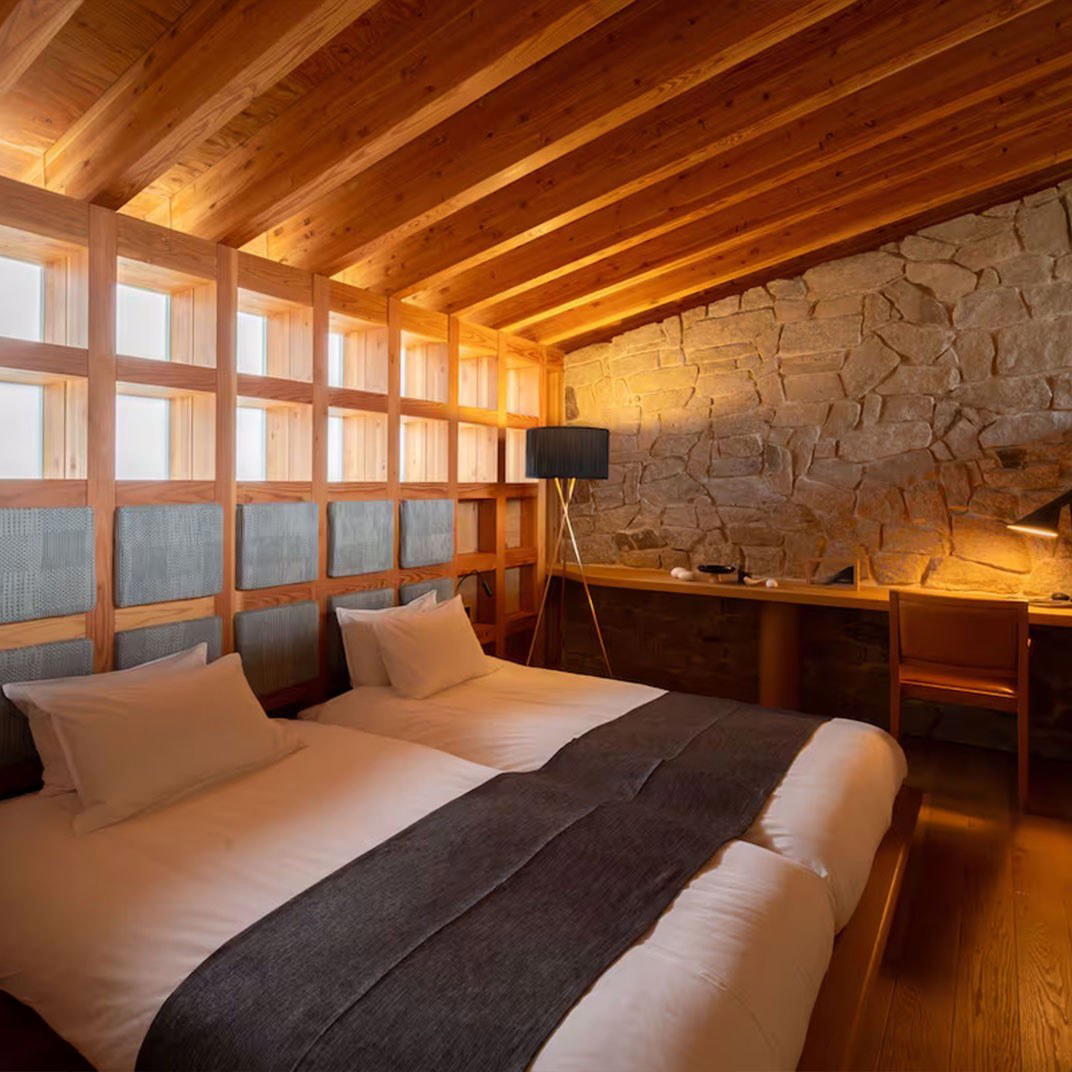
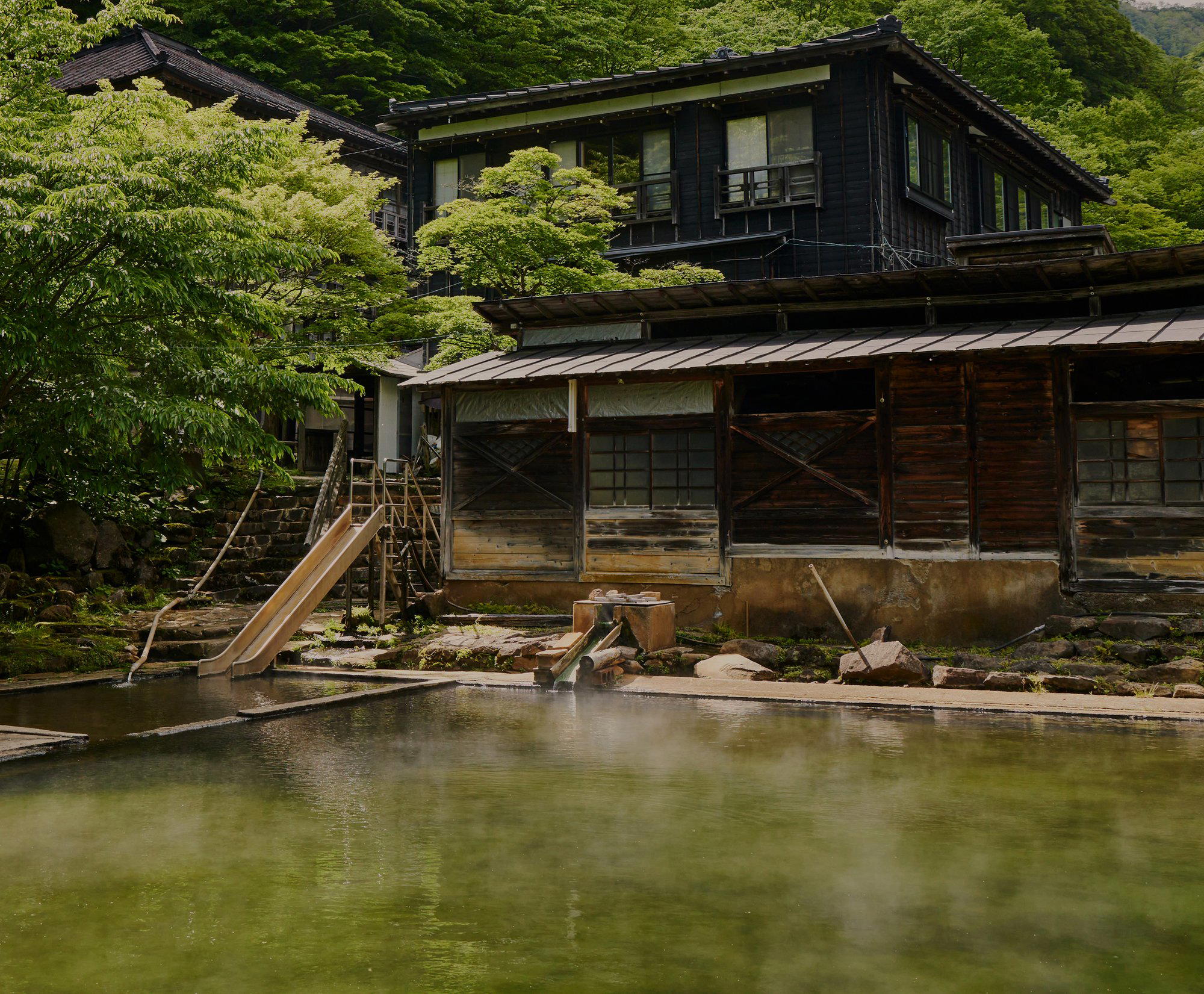
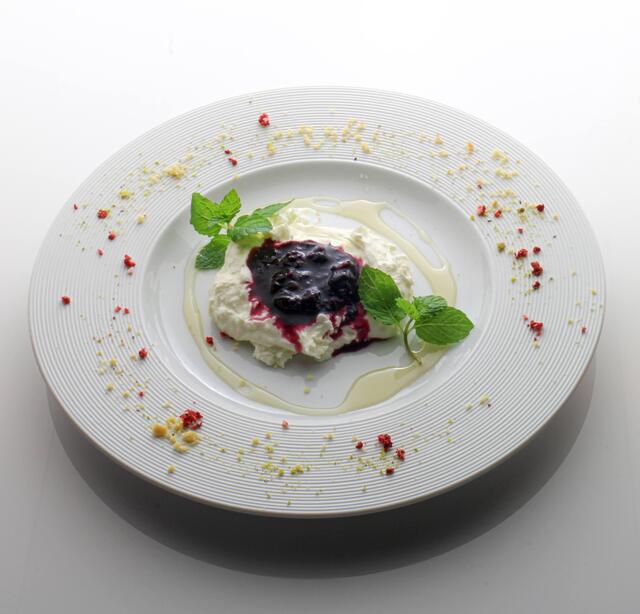
Details
- Quiet
- Scenic
- Minimalist
- Elegant
- Romantic Getaway
- Wellness Retreat
- Weekend Escape
- Panoramic View
- Wi Fi
- Mountain
- Garden
Tranquil and serene with soaring glass windows offering peaceful forest views, cedar paneling, high ceilings, and a classy quiet atmosphere warmed by a communal fireplace.