Morukuru Family De Hoop


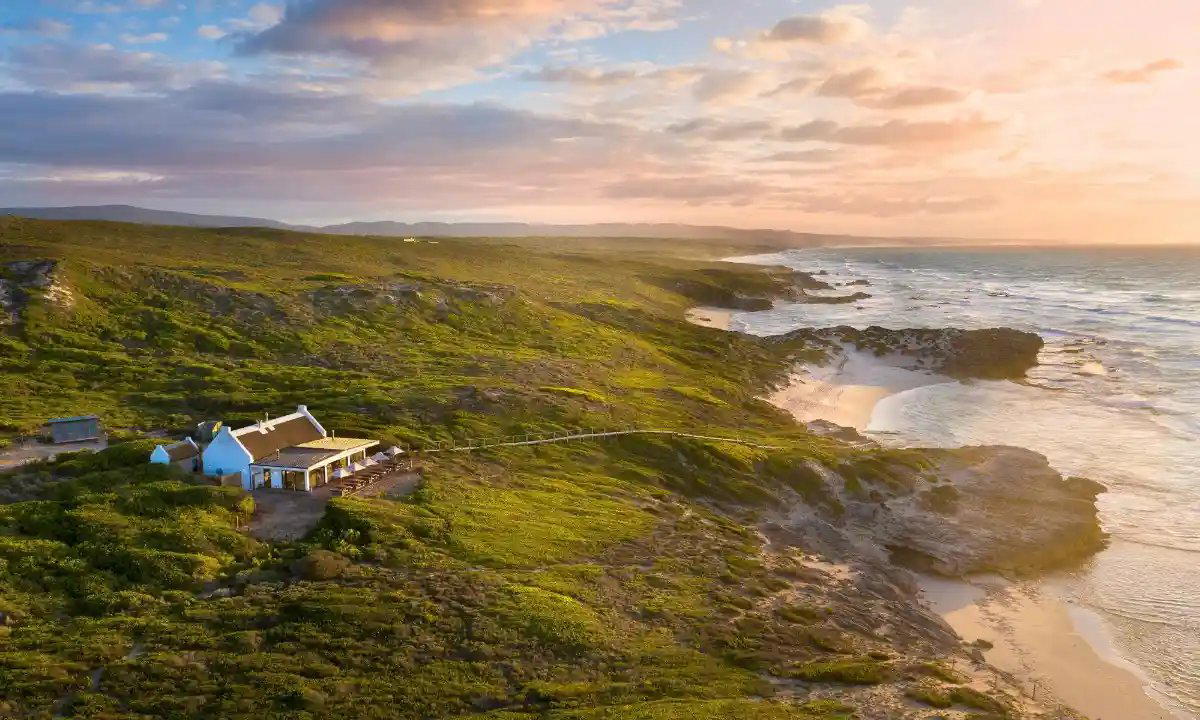
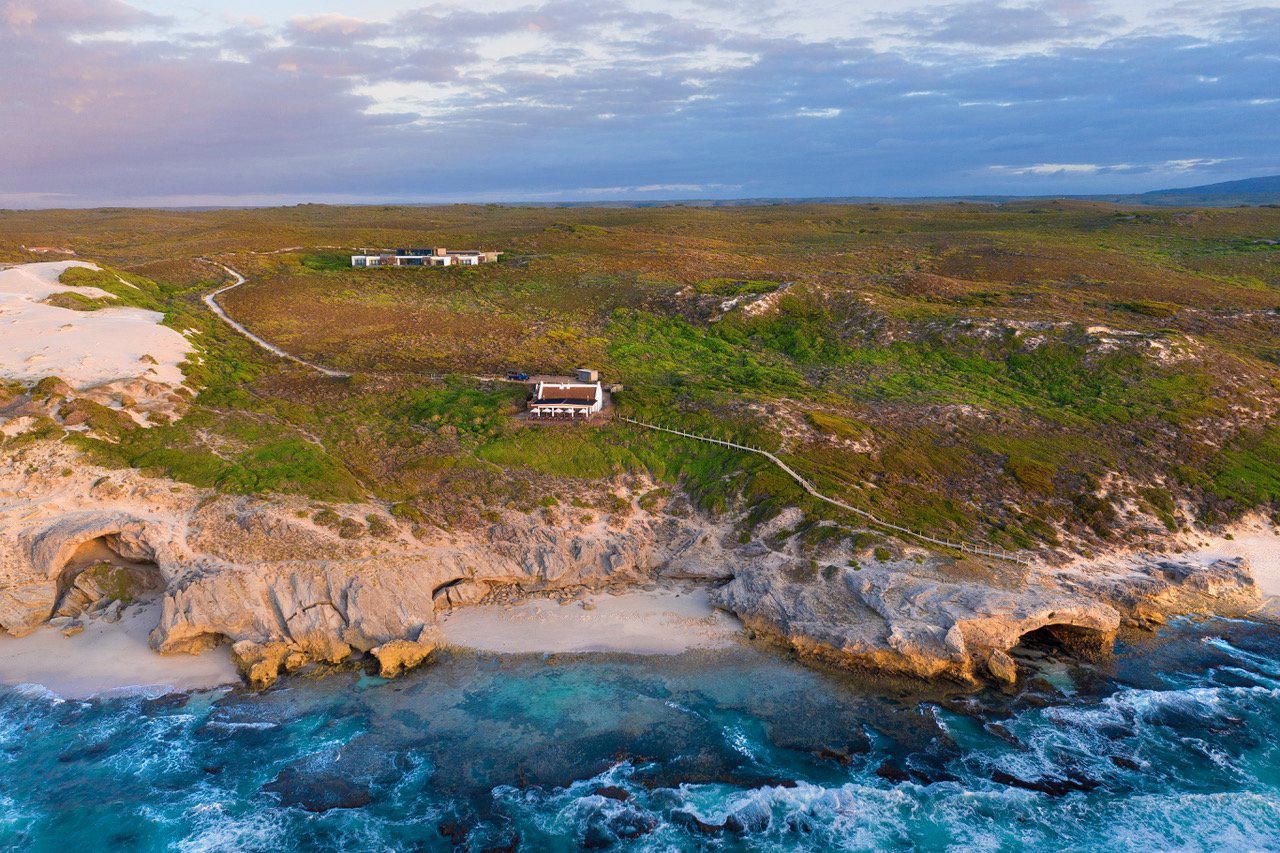
Set within South Africa's De Hoop Nature Reserve, Morukuru Family De Hoop is a low-key, high-integrity property positioned where the fynbos meets the Indian Ocean coastline. Rated 93.5 points on La Liste's Top Hotels 2026 list and holding a 4.8 out of 5 on Google across 104 reviews, it occupies a tier of conservation-led intimacy that urban luxury hotels simply cannot replicate.
Pearl is the En Primeur Club membership app — saves, bookings, and concierge access live there. Same editors, same standards.
- Address
- De Hoop Avenue, De Hoop Nature Reserve, Swellendam, 6740
- Phone
- +27 11 615 4303
- Website
- morukuru.com
- Directions
- Get directions
 Saves & bookings on Pearl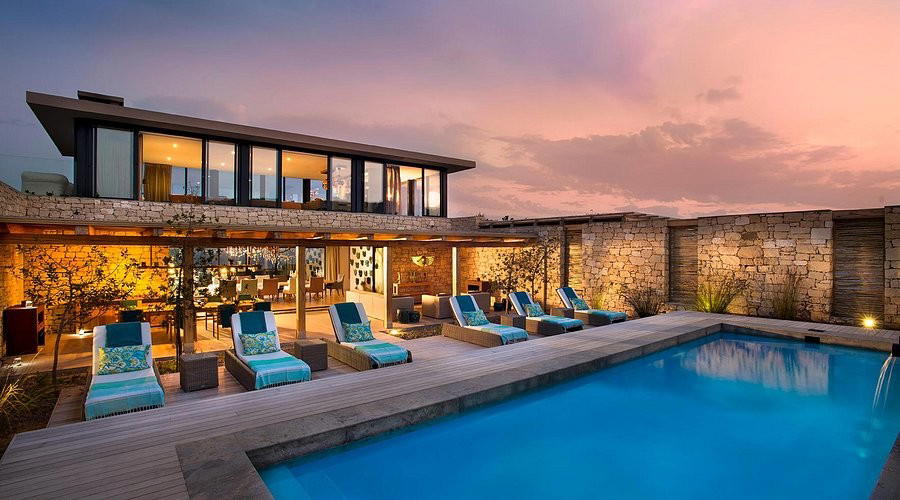
Where the Fynbos Ends and the Ocean Begins
South Africa's Western Cape has long divided premium accommodation into two broad camps: the wine-country manor houses of Stellenbosch and Franschhoek, and the wildlife lodges of the north. De Hoop Nature Reserve sits outside both categories, and properties like Morukuru Family De Hoop occupy a quieter, more ecologically specific tier that has no direct parallel in South African hospitality. The reserve protects one of the largest remaining coastal fynbos ecosystems in the country, and its position along the Indian Ocean, with limestone cliffs dropping toward a marine protected area, creates a physical setting that does the design work before any architect arrives. Morukuru Family De Hoop is a 5-star hotel in De Hoop Nature Reserve, Swellendam, with 5 rooms and a reservation policy that makes advance booking essential.
Approaching the reserve by road, the transition is gradual and then sudden. The agricultural flatlands of the Overberg give way to low, dense fynbos scrub, then to open dune systems, then to the kind of unbroken horizon that reminds you how much of the coast further west has already been developed. De Hoop has been formally protected since 1957, and that longevity shows. The vegetation is intact, the whale sightings between June and November are among the more reliable on the southern African coastline, and there is almost no ambient noise beyond wind and birdcall.
Design Logic in a Protected Landscape
The architectural challenge in any nature reserve is the same: how do you create shelter without asserting dominance over the landscape? In the Kruger corridor, properties like Singita in Kruger National Park answer this with refined platforms and canvas structures that read as deliberately temporary. The Phinda lodges operated by andBeyond embed glass-and-timber rooms into dense bush, using natural materials as camouflage. De Hoop presents a different problem: the landscape is horizontal, coastal, and visually dominated by sky and sea rather than tree canopy. Structures here cannot hide behind vegetation in the same way.
Morukuru Family De Hoop works within those constraints by keeping its footprint intimate. The property's emphasis on a small guest count and private positioning aligns with a model that has become increasingly credible in conservation hospitality: fewer rooms, higher environmental sensitivity, and a guest experience shaped by direct contact with the reserve rather than amenity-stacking. This approach places it in the same design philosophy bracket as Bushmans Kloof in the Cederberg and Birkenhead House in Hermanus, though the specific ecological context is distinct.
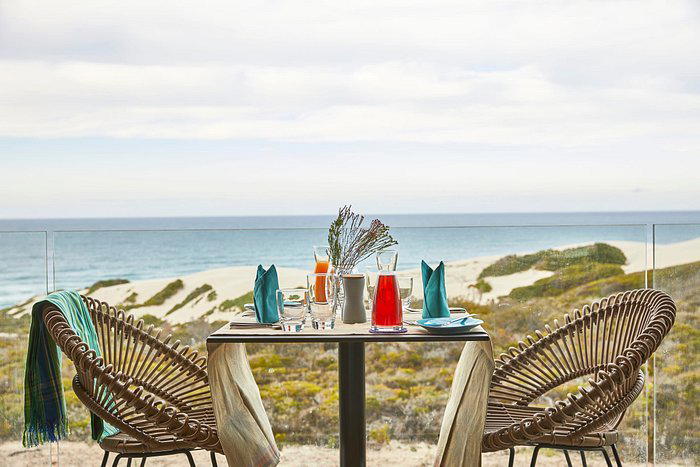
The ocean views referenced in the property's highlights are not incidental. At De Hoop, the marine protected area extends 5 kilometres offshore, which means the water visible from the property is genuinely undisturbed. Southern right whales use the reserve's coastline as a nursery ground from roughly June through November each year, making the view from any refined point on the property a variable, wildlife-active panorama rather than a static seascape.
Where Morukuru Sits in the Broader Conversation
La Liste's 2026 Leading Hotels ranking placed Morukuru Family De Hoop at 93.5 points, a score that positions it credibly within South Africa's premium conservation tier without claiming the metropolitan polish of, say, Mount Nelson in Cape Town or the urban luxury of African Pride Melrose Arch in Johannesburg. The comparison is deliberately unfair: these are different categories of stay. The La Liste recognition matters here because it signals that the property competes on hospitality fundamentals, service quality, physical environment, guest experience, rather than relying purely on location mystique.
High-volume hotels can absorb outlier reviews without statistical distortion; intimate conservation properties cannot. A 4.8 rating at this scale suggests consistent execution rather than occasional brilliance. For context, Babylonstoren in Paarl and Clouds Estate in Stellenbosch represent the wine-country equivalent of this consistency model, where the physical environment anchors the offer and operational discipline does the rest.
Getting There and Planning the Stay
De Hoop Nature Reserve sits approximately 235 kilometres from Cape Town International Airport. By road, the drive runs via Caledon and Bredasdorp and takes around 3.5 hours. From the Garden Route side, Knysna is the equivalent anchor point, also roughly 3.5 hours via Swellendam. Neither route is complicated, but the final approach into the reserve requires attention to road conditions; detailed directions are provided by the property after booking confirmation. There is no scheduled air service to the area, so arriving by car is standard. Guests flying into Cape Town and looking to break the journey meaningfully might consider the Overberg wine route or the Agulhas National Park near Bredasdorp, which marks the southernmost tip of the African continent.
Akademie Street in Franschhoek or Aquila Private Game Reserve near Ceres can construct a Western Cape circuit that moves between wine-country comfort, fynbos wilderness, and coastal wildlife without duplicating experiences. For those extending east into the Kruger ecosystem or KwaZulu-Natal, properties such as andBeyond Phinda or Makanyane Safari Lodge in Thabazimbi offer a natural next chapter in a big-five wildlife context.
Given that the marine protected area makes June through November the period most associated with whale activity, advance planning is advisable for those months. The reserve's ecological calendar also brings southern right whale calving and fynbos flowering in spring, making September and October one visually active period. Demand from Cape Town-based travellers on long weekends means that availability during South African school holidays can be limited, particularly in winter, when whale season peaks. Booking well ahead of those windows is the practical approach, and the property's intimate capacity makes this more pressing than at larger resorts.
The Case for This Category of Stay
The conservation-lodge model succeeds when the protected environment does something that a constructed amenity cannot: it changes the quality of attention. At De Hoop, with the marine protected area offshore and the fynbos intact around the property, the question of what to look at is genuinely open. That is rarer than it sounds along the South African coast, where development pressure has been sustained for decades. Properties in this category, whether ! Xaus Lodge in the Kalahari or Abelana River Lodge near Phalaborwa, trade on precisely this argument: that the value is in what has been left alone, not in what has been built. The hotel makes that case along one of South Africa's most ecologically intact coastlines, and the numbers from both La Liste and its guests suggest it delivers on the premise.
In Context: Similar Options
Comparable venues nearby, for context on price, style, and recognition.
| Venue | Cuisine | Price | Awards | Notes |
|---|---|---|---|---|
| Morukuru Family De HoopThis venue — the venue you are viewing | Exclusive-use luxury beach lodge blending into fynbos landscape | $$$$ | 5-Star | Not listed |
| Makalali Private Game Reserve | Ethnic-style bush retreat blending West African influences with contemporary design; three separate intimate camps along riverbanks offering personalized safari experiences. | $$$$ | 5-Star | Hoedspruit |
| Singita Sweni | Contemporary safari lodge integrated into the African wilderness | $$$$ | 5-Star | Kruger National Park |
| Nedile Lodge | luxury safari lodge | $$$$ | 5-Star | Welgevonden Game Reserve |
| Mont Rochelle | Cape Dutch architecture with contemporary interiors amidst a wine estate | $$$$ | 5-Star | Franschhoek |
| Escape to the Beach | luxury beachfront guesthouse | $$$$ | 5-Star | Wilderness |
Recognition history
Dated appearances from independent guides and award organizations, with the underlying list record or original source where available.
La Liste Top Hotels
La Liste
Relais Chateaux Award
Relais Chateaux
Relais Chateaux Award
Relais Chateaux
Continue exploring
More in De Hoop Nature Reserve
Hotels in De Hoop Nature Reserve
Browse all →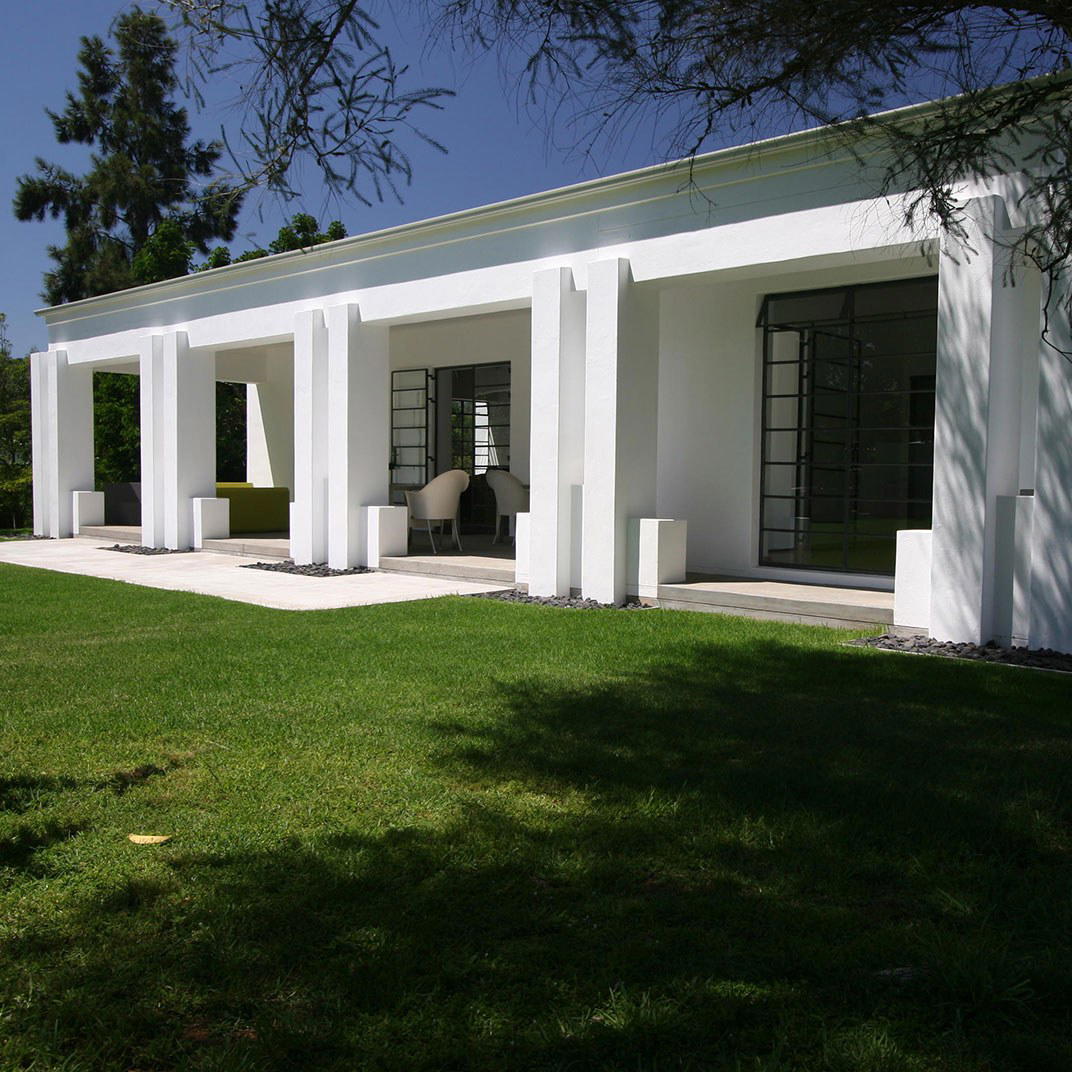
At a Glance
- Scenic
- Romantic
- Quiet
- Rustic
- Elegant
- Intimate
- Cozy
- Romantic Getaway
- Family Vacation
- Honeymoon
- Weekend Escape
- Anniversary
- Beachfront
- Private Villa
- Panoramic View
- Terrace
- Pool
- Hot Tub
- Wi Fi
- Room Service
- Concierge
- Beach Access
- Waterfront
- Mountain
- Pool
- Hot Tub
- Wi Fi
- Room Service
- Concierge
- Beach Access
Airy and sophisticated with natural light from floor-to-ceiling windows, cozy fireplaces, wood and stone elements blending seamlessly with fynbos surroundings, and serene ocean vistas.