Aquila Private Game Reserve & Spa

Aquila Private Game Reserve & Spa sits in the Ceres region of the Western Cape, operating as a continent-recognised luxury wildlife destination with dual awards for both luxury wildlife resort and private game reserve categories. The property occupies a position where accessible safari distance from Cape Town meets semi-arid Karoo terrain, making it a distinct proposition within South Africa's competitive private reserve tier.
Pearl is the En Primeur Club membership app — saves, bookings, and concierge access live there. Same editors, same standards.
- Address
- Ceres, South Africa
- Website
- aquilasafari.com
 Saves & bookings on Pearl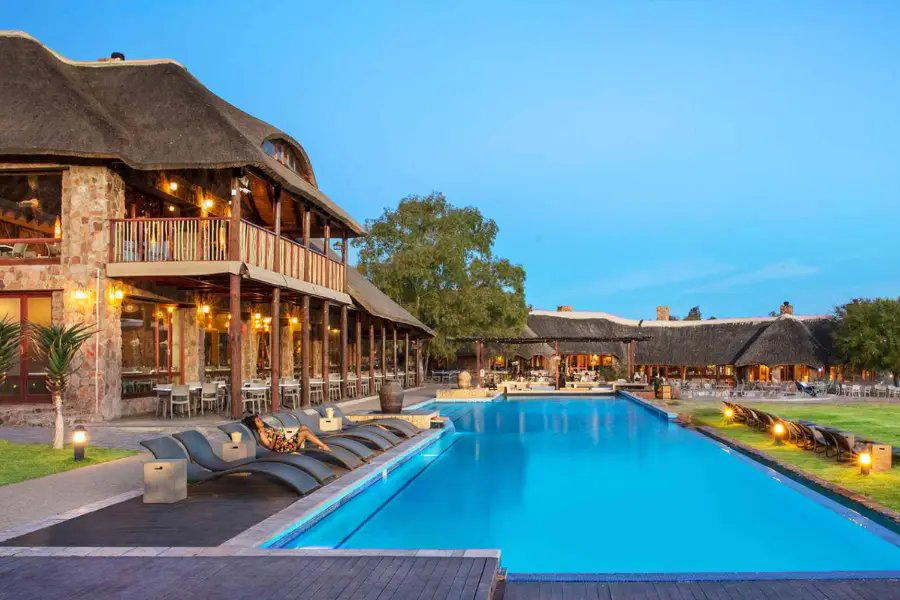
Karoo Light, Open Country: The Physical Logic of Aquila
The Western Cape's safari offer is easy to underestimate. Most travellers route toward Limpopo or Mpumalanga for the classic Big Five experience, and those instincts aren't wrong, Singita in Kruger National Park and andBeyond Ngala Safari Lodge operate in a different ecological register entirely, with dense bushveld and the sheer density of wildlife that defines the northeast. But the Ceres region offers something geographically coherent for visitors based in Cape Town who want an immersive wildlife stay without a domestic flight: a semi-arid range of Karoo scrub and mountain backdrop that has its own austere logic. Aquila Private Game Reserve and Spa is a 4-star hotel in Ceres with 182 rooms and continent-level recognition for doing so on its own terms.
The physical setting matters here as a design premise. Karoo terrain is not softened or romanticised at this latitude, the light is flat and clear, the vegetation spare, the distances wide. A reserve that understands this works with the openness rather than importing a tropical or lush aesthetic that would read as false. The architecture and spatial arrangement of a property in this environment should frame the landscape rather than compete with it: low sightlines, materials that read as local, structures that don't interrupt the horizon. Whether Aquila achieves this specific balance is something visitors assess on arrival, but the broader point is that the Ceres semi-arid context sets a clear design brief that the leading properties in this category take seriously.
Where Aquila Sits in the Western Cape Reserve Tier
South Africa's private reserve market has stratified considerably over the past decade. At one end, the northeastern flagship lodges, andBeyond Phinda Forest Lodge, andBeyond Kirkman's Kamp, and Makanyane Safari Lodge, anchor the premium end of a market that prizes exclusivity, low guest-to-land ratios, and Big Five density. At the other end, day-trip operations serve the Cape Town tourist economy without overnight depth. Aquila occupies a distinct position in this structure: a Western Cape property with the infrastructure for overnight stays, a spa facility that signals wellness positioning, and dual award recognition at both regional and continental levels.
Those awards, Regional Winner for Luxury Wildlife Resort and Continent Winner for Luxury Private Game Reserve, place Aquila in a specific competitive conversation. Continental recognition in the luxury private game reserve category is not automatic; it requires the property to be assessed against peer operations across Sub-Saharan Africa, which is a materially larger comparison set than any regional list. This is a meaningful credential. For a Western Cape property specifically, it represents a form of category legitimacy that distinguishes Aquila from the volume of day-trip reserves operating in the corridor between Cape Town and Ceres. Comparable regional properties worth considering include Inverdoorn Private Game Reserve, which shares the same general Ceres context and offers a useful comparative data point for travellers deciding between overnight options in this part of the Western Cape.
The Spa as Structural Element, Not Amenity
In premium game reserve design, the spa question has become a useful sorting mechanism. A generation ago, wellness facilities were add-ons, a massage tent near the main lodge, positioned as a quiet-afternoon option between game drives. The better-designed contemporary reserves have integrated spa infrastructure more deliberately, treating it as a spatial and programmatic counterweight to the high-stimulus activity of game viewing. The logic is sound: the emotional rhythm of a multi-day reserve stay benefits from decompression facilities that are architecturally coherent with the main lodge rather than bolted on.
Aquila's spa designation functions as a signal that wellness is structurally present in the property's offer. Within the Western Cape context, this positions the reserve alongside hospitality properties that have moved beyond basic lodge accommodation, a category that includes design-led wine country stays like Bosjes Manor House in Witzenberg and Clouds Estate in Stellenbosch, both of which treat their physical spaces as core to the offer rather than supporting infrastructure.
The Ceres Context and the Cape Town Corridor
Ceres sits in the Warm Bokkeveld plateau, separated from the Cape Winelands by the Hex River Mountains and from the coastal wine belt by a different set of passes. The town itself is known primarily as an agricultural centre, citrus, deciduous fruit, and cold-storage infrastructure dominate the local economy, but the wider district opens into a semi-arid terrain that transitions toward Karoo character as you move inland. This is the landscape that private game reserves in the region work with, and it's a genuinely different visual and ecological register from the wine estates of Franschhoek or Paarl.
For travellers building a Western Cape itinerary around both urban and wilderness experiences, the Ceres corridor offers a logical extension from Cape Town without requiring the logistics of a northeastern safari. Properties like Bushmans Kloof Wilderness Reserve and Wellness Retreat in Clanwilliam occupy a related but distinct niche further north, with a stronger emphasis on rock art and fynbos terrain. Aquila's reserve terrain reads differently, more open Karoo, less mountain fynbos, which is a genuine distinction within the Western Cape wilderness category. For reference points further afield in South Africa's wilderness tier, Abelana River Lodge and African Flair Boutique Safari Lodge in Limpopo illustrate the northeastern alternative.
Travellers arriving via Cape Town who want a base in the city before or after the reserve have strong options across categories: Mount Nelson, A Belmond Hotel represents the historic grand-hotel tier, while Hyatt Regency Cape Town anchors the contemporary business-and-leisure bracket.
Planning a Stay
Booking for Aquila is recommended, particularly for shoulder and peak season travel when the Cape Town day-trip market creates pressure on available rooms. The reserve's continental award status means it draws visitors making deliberate itinerary choices rather than spontaneous decisions, so confirmed reservations in advance of arrival are the operative approach. Visitors considering the broader Ceres private reserve tier alongside Aquila will find that comparing both the overnight accommodation format and the specific game offer across properties is especially useful framing for a decision, the landscape and wildlife composition in this part of the Western Cape differs meaningfully from the northeastern reserves, and that distinction should be understood before booking.
Fast Comparison
Comparable venues nearby, for context on price, style, and recognition.
| Venue | Cuisine | Price | Awards | Notes |
|---|---|---|---|---|
| Aquila Private Game Reserve & SpaThis venue — the venue you are viewing | Luxurious safari lodge with rustic cottages blending into the Karoo landscape. | $$$$ | 4-Star | Not listed |
| Inverdoorn Private Game Reserve | Luxury Big 5 safari lodge blending opulence with Karoo wilderness | $$$$ | 5-Star | Ceres Karoo |
| Gondwana Game Reserve | Luxury safari lodge blending into fynbos landscape with African-inspired architecture. | $$$$ | 5-Star | Kleinberg |
| Radisson Collection Hotel, Waterfront Cape Town | Coastal luxury resort-style hotel at the water’s edge, combining resort relaxation with proximity to Cape Town’s urban attractions. | $$$$ | 5-Star | Granger Bay / V&A Waterfront |
| Hout Bay Manor | Historic Cape Colonial boutique hotel with African-chic interiors | $$$$ | 5-Star | Hout Bay |
| One&Only Cape Town | Contemporary urban resort blending island-style relaxation with cosmopolitan energy and African flair. | $$$$ | 5-Star | Schotschekloof |
Recognition history
Dated appearances from independent guides and award organizations, with the underlying list record or original source where available.
World Luxury Hotel Awards WLHA Continent Winner
World Luxury Hotel Awards
World Luxury Hotel Awards WLHA Regional Winner
World Luxury Hotel Awards
Continue exploring
More in Ceres
Hotels in Ceres
Browse all →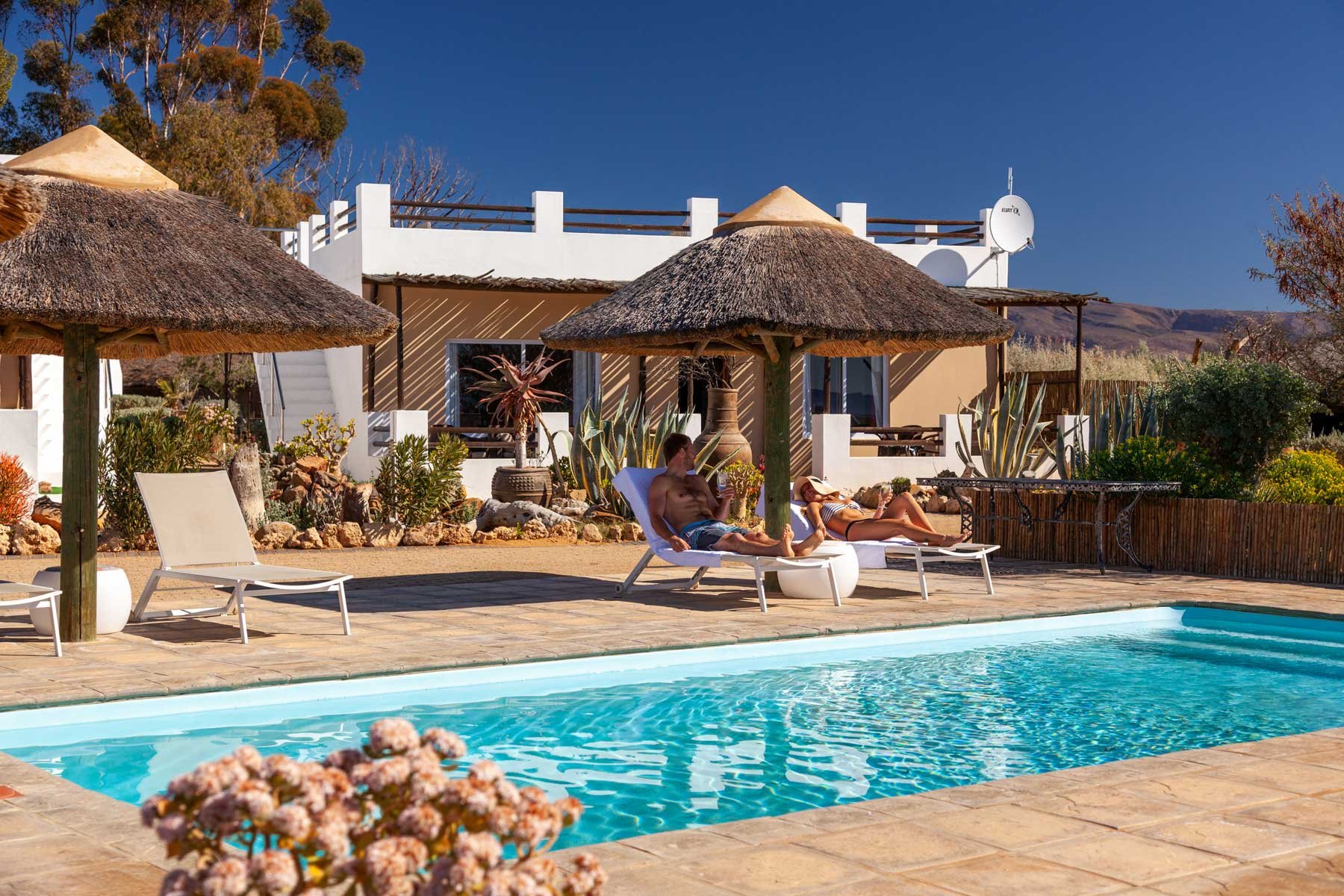
At a Glance
- Scenic
- Elegant
- Rustic
- Intimate
- Sophisticated
- Romantic Getaway
- Family Vacation
- Wellness Retreat
- Weekend Escape
- Infinity Pool
- Destination Spa
- Panoramic View
- Wi Fi
- Pool
- Spa
- Restaurant
- Kids Club
- Mountain
- Garden
- Wi Fi
- Pool
- Spa
- Restaurant
- Kids Club
Peaceful and relaxing atmosphere with natural elements, open fireplaces, and panoramic views over the Karoo mountains.