

Michelin Selected · Relais Chateaux Award
A 15th-century flour mill in the Castilian highlands, Molino de Alcuneza holds a Michelin Star and a Green Star for 2025, making it one of Spain's few rural properties to earn recognition across both culinary excellence and sustainability. Rates start from US$258 per night. The nearest train station is Sigüenza, 5 km away, and Madrid-Barajas International Airport is 125 km by road.

Pearl is the En Primeur Club membership app, where members save venues, book tables and use the concierge.
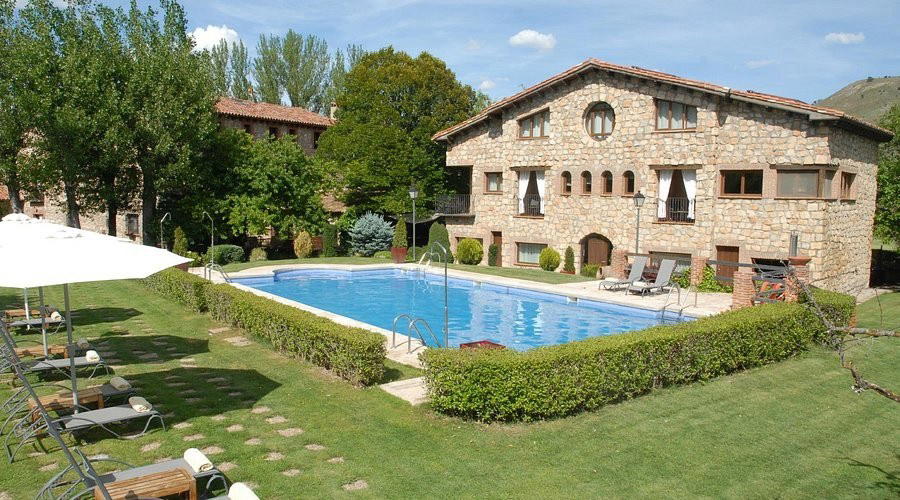
A Fifteenth-Century Mill in the Castilian Highlands
The approach to Molino de Alcuneza sets the tone before you cross the threshold. The road from Sigüenza, a medieval cathedral city five kilometres to the east, cuts through the Castilian meseta where the light falls flat and golden across scrub oak and limestone. The mill itself sits at the edge of a stream valley in the province of Guadalajara, its stone walls the colour of the surrounding terrain. This is not a building that announces itself; it absorbs into the landscape the way structures do when they have been standing since the fifteenth century and have had time to settle into their surroundings.
Spain has accumulated a category of rural luxury properties that convert monastic complexes, water mills, and fortified farmhouses into hotels without erasing the architectural evidence of their origins. Molino de Alcuneza belongs firmly in that category, alongside properties such as Abadía Retuerta LeDomaine, where a twelfth-century abbey frames a wine estate experience, and Mas de Torrent Hotel & Spa in Catalonia, which draws on an eighteenth-century farmhouse.
The Architecture as Argument
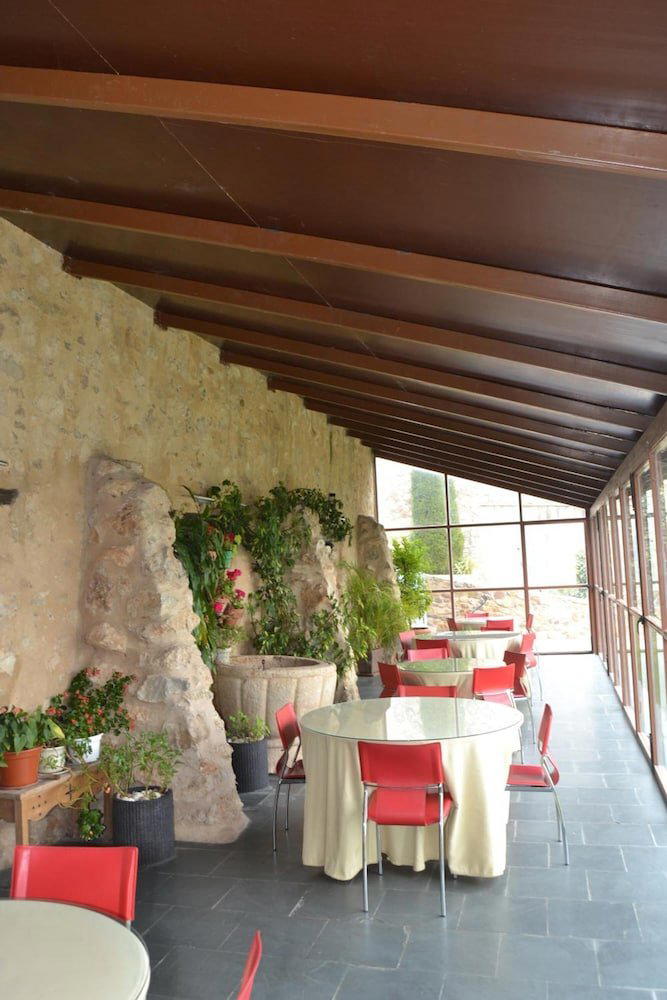
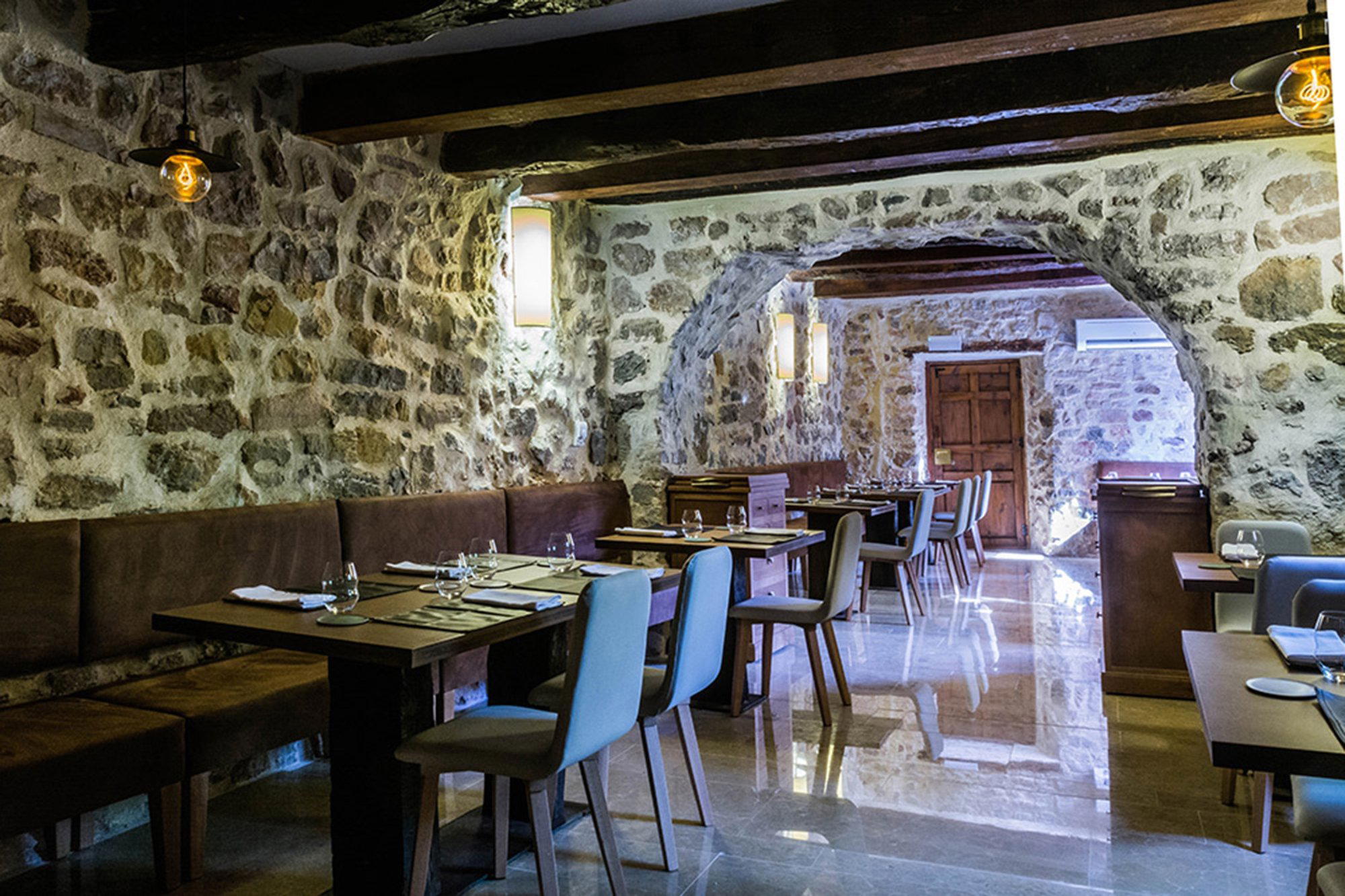
The mill's stone construction is the structural argument the property makes most consistently. Thick walls regulate temperature in ways that modern insulation does not fully replicate, keeping interiors cool through summer afternoons and retaining warmth as the Guadalajara nights turn cold. The wooden beams, the uneven stone floors, the proportions of rooms designed for industrial grain processing rather than hospitality, all of these elements resist the smoothing-over that full renovation would impose. The design approach is restorative rather than transformative, which is both a constraint and the property's primary asset.
For guests arriving by car along the A2 corridor from Madrid, the transition from motorway to rural lane to mill courtyard is itself an architectural experience: the built environment shifts registers three or four times in under two hours, and the mill's materiality reads as a deliberate counterpoint to the capital. Madrid-Barajas International Airport sits 125 kilometres to the west, making the property viable for short international trips that want rural Spain without the longer transfer times associated with Andalucía or Galicia. The GPS coordinates place it at 41.1054, -2.6070, on the edge of the village of Alcuneza, a settlement small enough that the mill is effectively the village's primary point of reference for most visitors.
Michelin Recognition in a Rural Context
The 2025 Michelin Guide awarded the restaurant both a star and a Green Star, the latter recognising sustainable gastronomy practices. The dual distinction places Molino de Alcuneza in a specific subset of Spanish Michelin properties: those where the agricultural and environmental context of the location is legible on the plate, not merely decorative. Spain's Green Star cohort has grown in recent years, but the combination with a conventional star in a property of this scale and remoteness is less common.
For context, Spain's Michelin-starred rural hotel-restaurants occupy a range that extends from the Basque coast, where Akelarre commands clifftop views above San Sebastián, to heritage conversions in the interior. The Castilian plateau rarely features in this conversation, which makes the recognition here a data point worth noting for anyone assembling a tour of Spain's serious rural dining. The Sigüenza railway station, five kilometres from the property, is served by trains from Madrid's Chamartín station, making car-free access realistic for guests staying in the capital at properties such as the Mandarin Oriental Ritz, Madrid.
Family Operation at Scale
The family-run character of Molino de Alcuneza is not simply a marketing designation. In the Spanish rural hotel sector, family ownership at small-to-medium scale typically produces a specific guest experience: consistency of service across longer stays, attention to the kind of detail that revolves around individual guest preferences rather than standardised procedure, and a kitchen identity that is tightly held rather than delegated across a management hierarchy.
For comparison, properties in Spain with similar heritage credentials but larger operational footprints, Atrio Restaurante Hotel in Cáceres, or Terra Dominicata in the Priorat, tend to layer a more formalised hospitality structure over the heritage fabric. Molino de Alcuneza operates at a scale where the family's presence remains structurally central rather than figurative.
Planning a Stay
Rates begin from US$258 per night, which positions the property at the accessible end of Spain's starred rural hotel category. For reference, comparable heritage hotel-restaurants with Michelin recognition in Spain typically begin considerably higher, particularly in Mallorca, where La Residencia, A Belmond Hotel operates at a different price tier entirely, or in the Balearics more broadly. The Guadalajara interior carries lower accommodation premiums than coastal or island markets, which means the Michelin recognition here arrives without the pricing pressure that coastal scarcity typically adds.
The most practical access route for international travellers is via Madrid-Barajas, 125 kilometres to the west by car along the A2. The train from Madrid to Sigüenza takes approximately 80 minutes on regional services, and the five-kilometre gap between station and property requires a taxi or pre-arranged transfer. Those combining the stay with broader Spanish itineraries might consider routing through the Aragón wine country, where Torre del Marqués Hotel Spa & Winery offers a different register of rural heritage hospitality, or extending toward the Atlantic coast properties in Galicia, including Pepe Vieira Restaurant & Hotel in Poio near Pontevedra. For a full picture of dining options in and around the area, see our full Alcuneza restaurants guide.
Castilian winters are cold and clear, and the stone construction of the mill holds the character of the season differently than insulated modern buildings. Spring and early autumn are the windows when the surrounding plateau is most photogenic and when the kitchen's commitment to local and seasonal sourcing, signalled by the Green Star, is most likely to align with produce at its peak. Summer brings heat that the thick walls moderate, though the surrounding terrain is drier and starker in July and August than in the shoulder months. The property's combination of Michelin recognition, an accessible rate structure by the standards of starred rural Spain, and a built environment that reads as genuinely historical rather than heritage-themed makes it the most substantive case for a longer stay in a part of Spain that most international itineraries bypass entirely.
Comparable Spots, Quickly
Comparable venues nearby, for context on price, style, and recognition.
| Venue | Cuisine | Price | Awards | Notes |
|---|---|---|---|---|
| Molino de AlcunezaThis venue (the venue you are viewing) | Restored 15th-century flour mill blending historic charm with modern luxury | $300–500 | Michelin Selected · Relais Chateaux Award | Not listed |
| BLESS Ibiza The Site | Contemporary lifestyle ecosystem merging hospitality, gastronomy, art, and fashion | Not listed | Not listed | Playa d'en Bossa |
| Hotel Viura | Contemporary avant-garde design hotel positioned as a luxury wine destination integrating art and architecture as core experiences. | $200–300 | Michelin Selected | Villabuena de Álava |
| Mas Salagros EcoResort & SPA | Sustainable eco-resort on historic Roman villa estate | Not listed | Michelin Selected · Preferred Hotels Member | Vallromanes |
| Salobre Hotel & Resort Serenity | Modernist resort integrated with nature | $300–500 | Michelin Selected | Maspalomas |
| One Shot Puerta Ruzafa | Contemporary boutique honoring nature through art and architecture | Not listed | Michelin Selected | Ruzafa |
Recognition history
Dated appearances from independent guides and award organizations, with the underlying list record or original source where available.
Michelin Selected
Michelin
Relais Chateaux Award
Relais Chateaux
Full recognition history (3 entries)
Relais Chateaux Award
Relais Chateaux
Continue exploring
More in Alcuneza
Hotels in Alcuneza
All hotels in Alcuneza →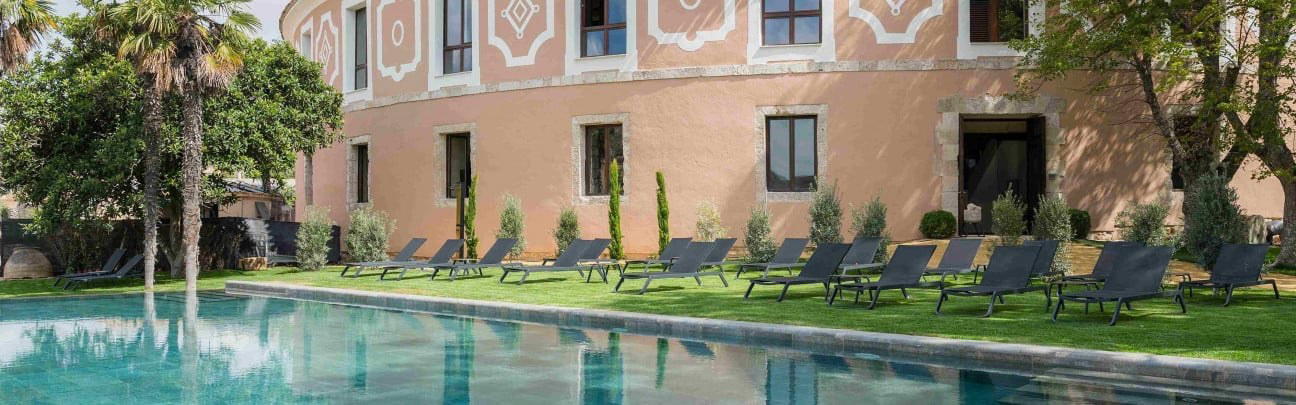
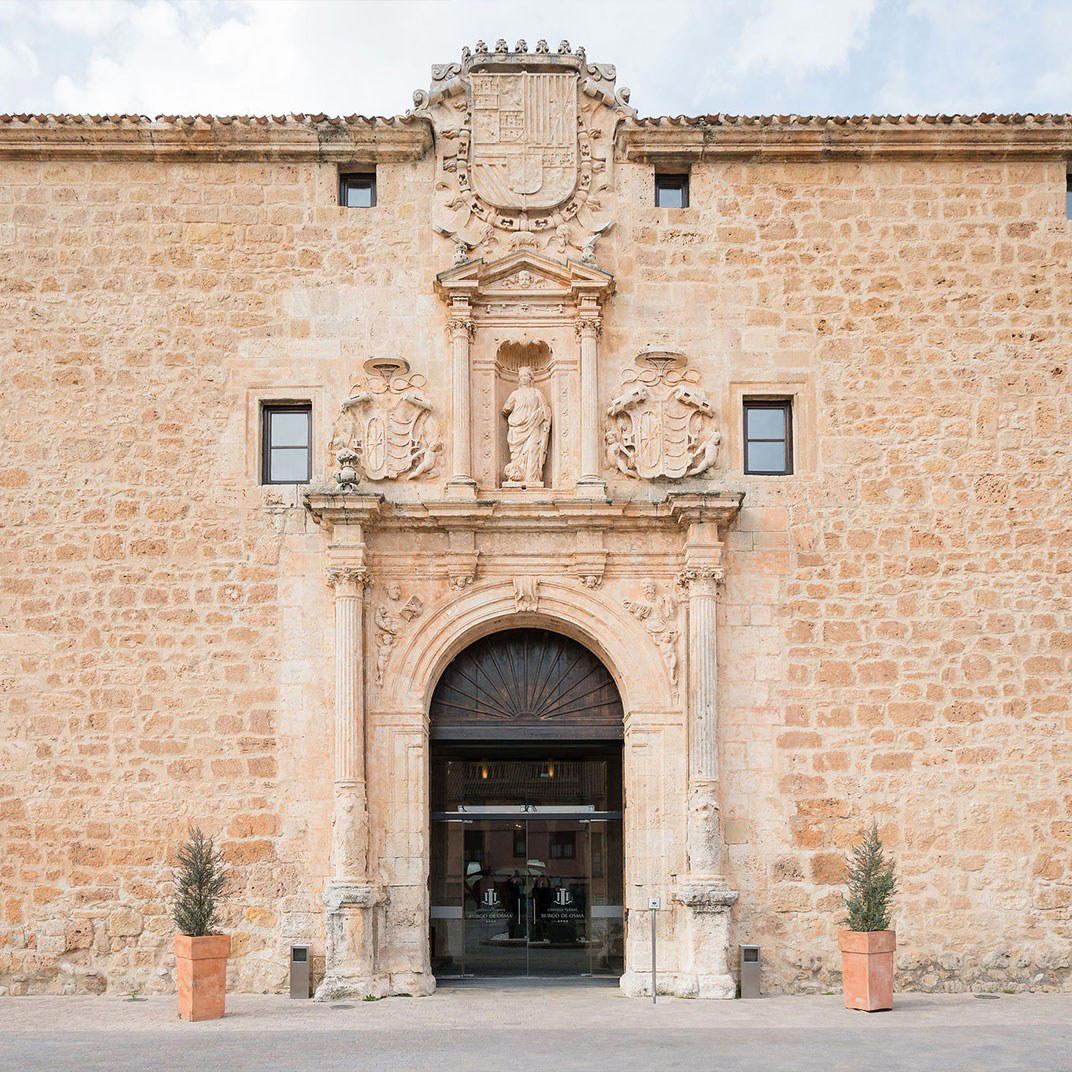
Restaurants in Alcuneza
Browse all →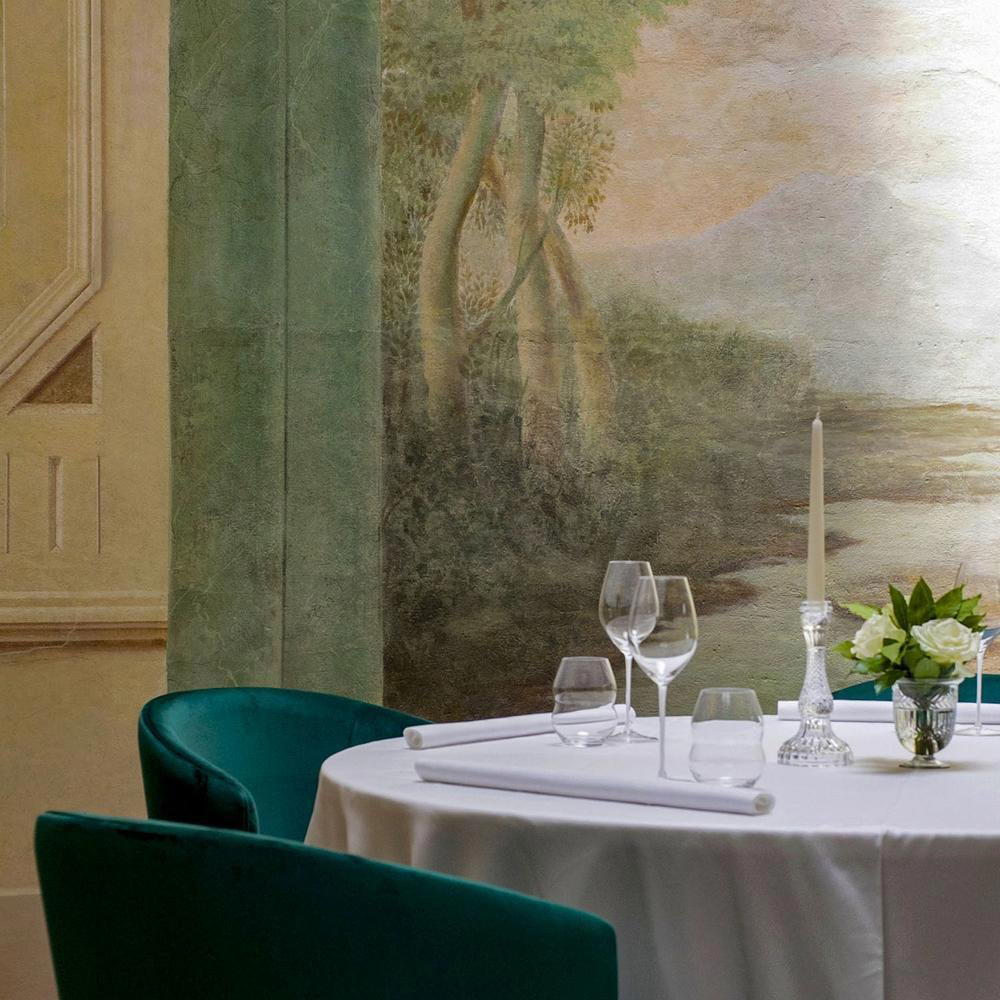
Details
- Romantic
- Rustic
- Scenic
- Cozy
- Elegant
- Romantic Getaway
- Wellness Retreat
- Anniversary
- Weekend Escape
- Historic Building
- Garden
- Terrace
- Panoramic View
- Wi Fi
- Pool
- Spa
- Room Service
- Concierge
- Restaurant
- Sauna
- Hot Tub
- Massage
- Fitness Center
- Garden
- Garden
- Mountain
- Wheelchair Accessible
- Step Free Entrance
Cozy and tranquil with open fireplaces, whitewashed walls, exposed wooden beams, and serene riverside gardens fostering deep relaxation.