MOB Hotel Washington DC
MOB Hotel Washington DC sits in a city where hotel choice is often a question of neighborhood access rather than resort-style seclusion. With no verified room, pricing, awards, or booking details in the current public sources, the useful read is comparative: how a Washington stay can be planned around mobility, nearby dining, museums, meetings, and the city’s shifting hotel scene.
Pearl is the En Primeur Club membership app — saves, bookings, and concierge access live there. Same editors, same standards.
- Address
- Washington DC, United States
- Directions
- Get directions
 Saves & bookings on Pearl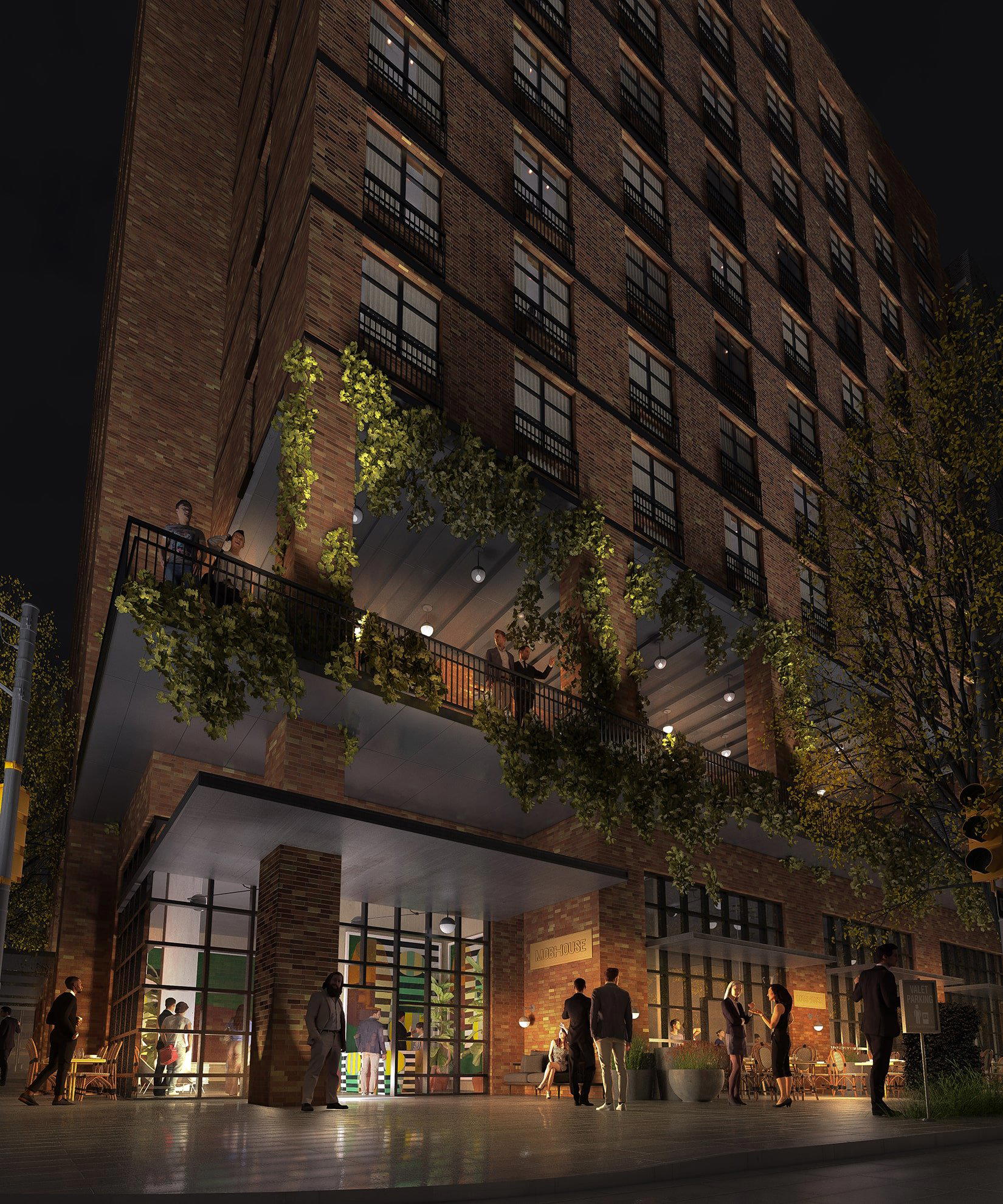
Arrival in a city built around approach
Washington, D.C. announces itself through axes, security perimeters, traffic circles, stone facades, and sudden pockets of restaurant energy. A hotel here is rarely judged only by what happens behind the lobby doors. The better question is what the address lets a guest do with the day: reach a meeting without surrendering an hour to crosstown traffic, move from museum corridors to dinner without changing neighborhoods twice, or keep enough flexibility for a city where plans bend around weather, federal calendars, and private events.
MOB Hotel Washington DC has to be read through that lens. The current record does not list a verified address, phone number, website, room count, star rating, design style, awards, price band, dining program, or booking method. That absence matters editorially, because Washington hotel choice depends heavily on concrete logistics.
In Washington, travelers often choose between heritage formality, political proximity, cultural access, and newer lifestyle formats. The decision is not abstract. A guest staying for embassy meetings, gallery days, Union Station access, or late dinners will have different requirements from a weekend traveler who wants Georgetown, The Wharf, or Dupont Circle within easy reach.
Washington hotels are defined by their radius
D.C. has a hotel scene that splits more by purpose than by pure price. Around Lafayette Square and the White House, the grander properties trade on proximity to power, clubby public rooms, and a sense of continuity. Georgetown leans residential and slower paced, with the river and village-like streets giving hotels a different rhythm. The Wharf has made water views and newer dining density part of the lodging calculation. Dupont Circle and Logan Circle pull in travelers who want restaurants, galleries, bookstores, and a less ceremonial version of the capital.
That context explains why location carries unusual weight here. In New York or Los Angeles, a guest may accept a long ride as part of the urban bargain. In Washington, short distances can feel long when security closures, motorcades, conference schedules, and commuter patterns intervene. The right hotel address can turn a three-appointment day into a clean sequence. The wrong one can make the city feel fragmented. For a property without a published EP Club address, the first editorial test is therefore practical: identify the exact block, then map it against the trip’s fixed points.
Travelers comparing the city’s established options can use nearby peer references to understand those trade-offs. The Hay-Adams Hotel belongs to the old Washington category, where proximity to civic power is part of the value. Rosewood Washington, D.C. speaks more to Georgetown’s polished residential scale. Pendry Washington DC, The Wharf reflects the city’s riverfront shift, where newer restaurants, entertainment, and water-facing rooms have changed how some visitors read D.C. as a leisure city.
Other hotels sharpen the contrast. Riggs Washington DC connects to Penn Quarter’s civic and cultural grid, while The Dupont Circle Hotel sits in a neighborhood where embassies, restaurants, and nightlife overlap. The Jefferson carries a more formal, historically literate register. Eaton D.C. represents a more culture-led, downtown-adjacent model. Mayflower Inn, listed in the Washington hotel set, gives another point of comparison for travelers reading the city through established names rather than new arrivals.
What the address can do, and what must be verified
The useful way to evaluate MOB Hotel Washington DC is to treat the address as the first amenity. If the hotel sits near a Metro line, that changes its value for museum-heavy days and rail arrivals. If it sits closer to convention or government corridors, it may suit travelers whose schedule is built around meetings. If it is positioned near restaurant clusters, the evening becomes easier, particularly in a city where cross-town rides can be inefficient after work hours or during event traffic.
No claim should be made here about walking distance, transit access, room views, parking, check-in style, or lobby atmosphere. Washington rewards precision. A few blocks can alter the feel of a stay: ceremonial near the Mall, residential near Georgetown, social around Logan and Shaw, corporate in parts of downtown, river-focused at The Wharf. A traveler should not rely on a vague promise of centrality when the city’s geography is so specific.
For food-focused travelers, the address question extends beyond the room. D.C. dining has matured beyond steakhouse-and-power-lunch shorthand, with ambitious tasting counters, Ethiopian cooking with deep local roots, Mid-Atlantic seafood, modern Korean, all-day cafés, and serious cocktail rooms distributed unevenly across the city. Before committing to any hotel with limited published details, compare its location with Washington, D.C. restaurants, bars, and experiences guides. The better stay is often the one that removes friction between dinner, drinks, and the next morning’s plan.
The comparable set: lifestyle hotel, civic base, or transit tool?
Without a listed style, price range, or star rating, MOB Hotel Washington DC cannot be responsibly assigned to a luxury, boutique, budget, extended-stay, or design-led category. That missing classification affects the comparable set. In Washington, a hotel’s competitive frame is not only about thread count or bar program; it is about whether the property functions as a social room, a discreet base, a conference anchor, or a convenient bed near transit.
The city’s higher-end hotels often sell certainty: established service rhythms, recognizable public rooms, and a known neighborhood proposition. Newer lifestyle properties tend to sell a looser relationship with the city: flexible public spaces, food-and-drink programming, and a guest profile that mixes leisure, remote work, and local use.
For travelers comparing Washington with other U.S. hotel markets, the contrast is useful. The Fifth Avenue Hotel in New York City sits in a city where neighborhood density and design identity carry the stay. The Beverly Hills Hotel in Los Angeles belongs to a car-driven social geography. Raffles Boston in Boston reflects a compact, mixed academic and commercial city. D.C. is different: the symbolic center is powerful, but the lived city is fragmented into specific dining, cultural, diplomatic, and residential pockets.
How to read awards, ratings, and missing data
That does not mean the hotel lacks merit; it means there is no verified trust signal in the provided data. For a premium travel reader, that distinction matters. Awards and ratings are not the whole story, but they help locate a property in a crowded city, especially when a hotel is unfamiliar or newly visible.
Washington contains hotels with long institutional memory and others that rely on sharper contemporary positioning. A documented award, a recognized hotel group, a published room count, or a clear design authorship would help place this property in that field. In their absence, the address, rate, room category, cancellation terms, and guest reviews become the evidence. Treat any external claim about status with caution unless it can be tied to a named award body, a verified rating platform, or the hotel’s own published information.
The same applies to dining and bar claims. The record does not list cuisine type, chef name, signature dishes, bar program, or hours. D.C. hotels can be strong platforms for restaurants, but a hotel page should not assume a culinary identity without source data. Food-minded guests should plan around confirmed venues in the city rather than rely on an undocumented in-house program. For broader context, Washington, D.C. wineries may also help travelers looking at wine-oriented side trips, tastings, or regional drinking culture connected to a city stay.
Planning a stay with limited confirmed details
The practical approach is simple: verify before committing. That means a traveler should confirm the official booking channel independently, check cancellation terms, identify the exact address, and compare the rate against properties with clearer published specifications. In Washington, that extra step is not administrative fussiness; it protects the trip from avoidable friction.
Timing also matters. Spring brings school groups, museum traffic, and cherry blossom travel. Early autumn can be dense with conferences, fundraisers, and political events. Inaugural periods, major hearings, international summits, and large conventions can tighten availability and push rates across the city. Without a published price band in the record, rate-shopping should be date-specific rather than based on general assumptions about the hotel’s category.
Room selection requires the same caution. In D.C. the room question often turns on sleep quality, work surface, light, and proximity to elevators rather than resort-style amenities. Guests with early meetings may value quiet and check-out efficiency over a dramatic view. Leisure travelers may put more weight on neighborhood feel and evening access. The hotel’s exact location and room inventory should determine the choice, not generic category labels.
For travelers building a broader itinerary, Washington can also be read alongside destination hotels where the property itself drives the trip. Amangiri in Canyon Point, Troutbeck in Amenia, Four Seasons at The Surf Club in Surfside, SingleThread Farm Inn in Healdsburg, Kona Village, A Rosewood Resort in Kailua Kona, and Sage Lodge in Pray operate in a different mode: the address often is the escape. Washington reverses that logic. The city is the engine, and the hotel’s job is to make access feel clean.
International comparisons sharpen the point. Hôtel de Paris Monte-Carlo in Monte Carlo, Badrutt's Palace Hotel in St. Moritz, and Aman Venice in Venice carry destination identity through history, setting, and global recognition. D.C. hotels work under a different pressure. They must serve the tempo of a capital city, where a guest’s day may run from archive to restaurant to reception to early train with little tolerance for wasted movement.
In Context
Comparable venues nearby, for context on price, style, and recognition.
| Venue | Price | Awards | Notes |
|---|---|---|---|
| MOB Hotel Washington DCThis venue — the venue you are viewing | Not listed | Not listed | Not listed |
| Arlo Washington DC | $$$ | Not listed | Judiciary Square, Historic boutique lifestyle hotel blending Romanesque Revival landmark with contemporary addition |
| Yours Truly DC | $$$ | Not listed | Dupont Circle, bohemian-inspired social hub with residential warmth |
| Royal Sonesta Washington DC Capitol Hill | $$$ | Not listed | East End, Modern sustainable urban hotel blending wellness, tech-forward design, and artistic elements. |
| Hilton Washington DC Capitol Hill | $$$ | 4-Star | Capitol Hill, Upscale, business-oriented city hotel near major government and cultural institutions. |
| Fairmont Washington DC Gold Experience | $$$$ | 4-Star | West End, Classic luxury with modern contemporary design rooted in Washington DC history |
Continue exploring
More in Washington DC
Hotels in Washington DC
Browse all →
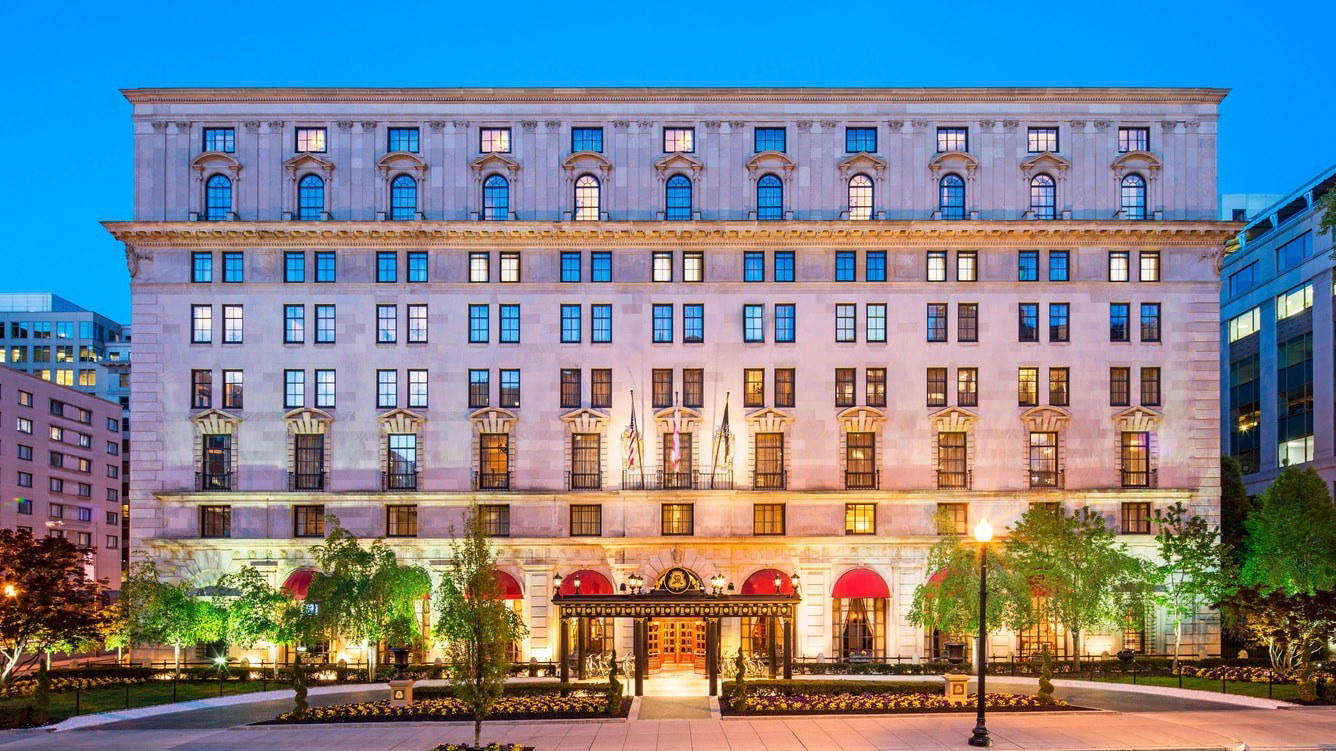
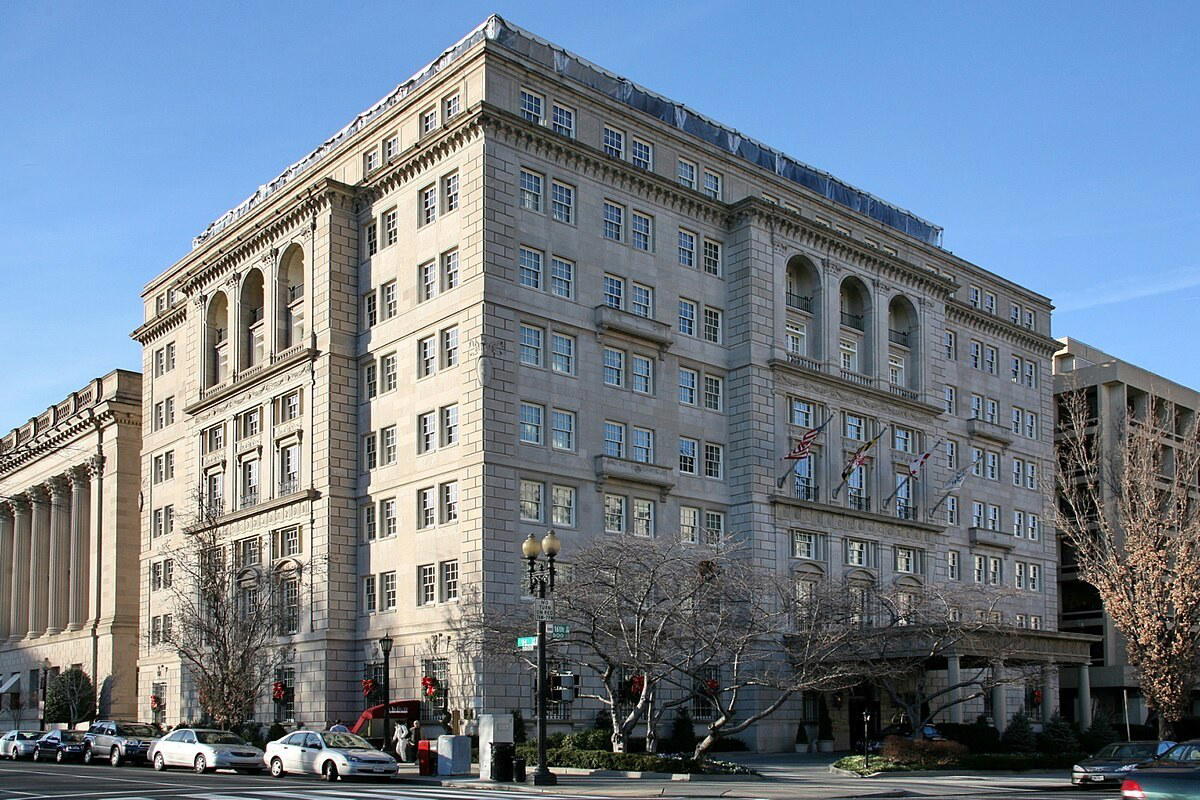
Bars in Washington DC
Browse all →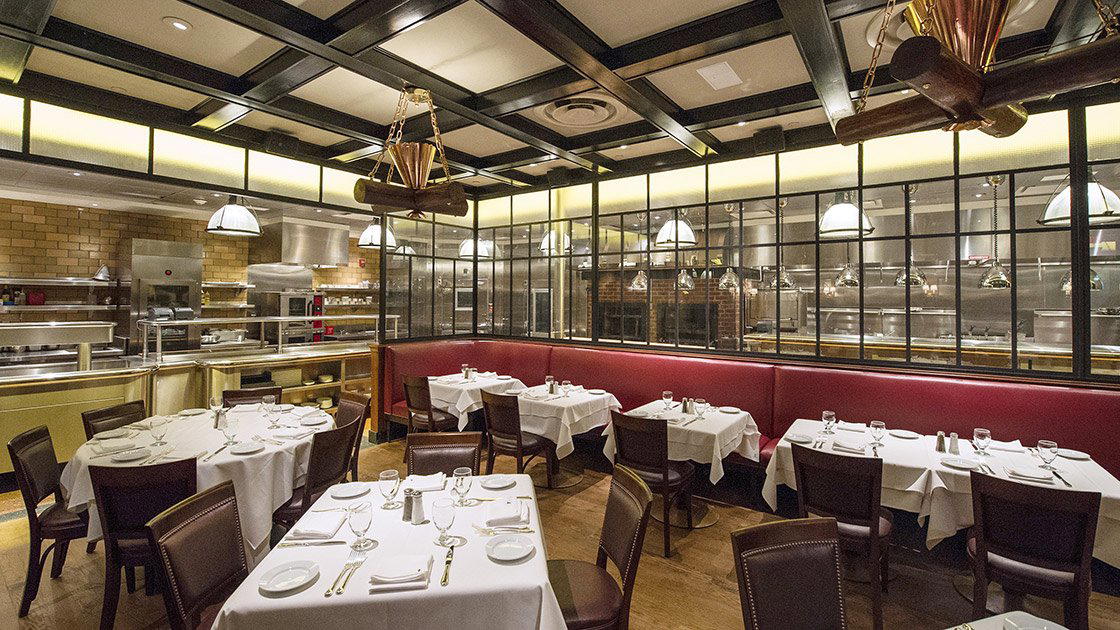
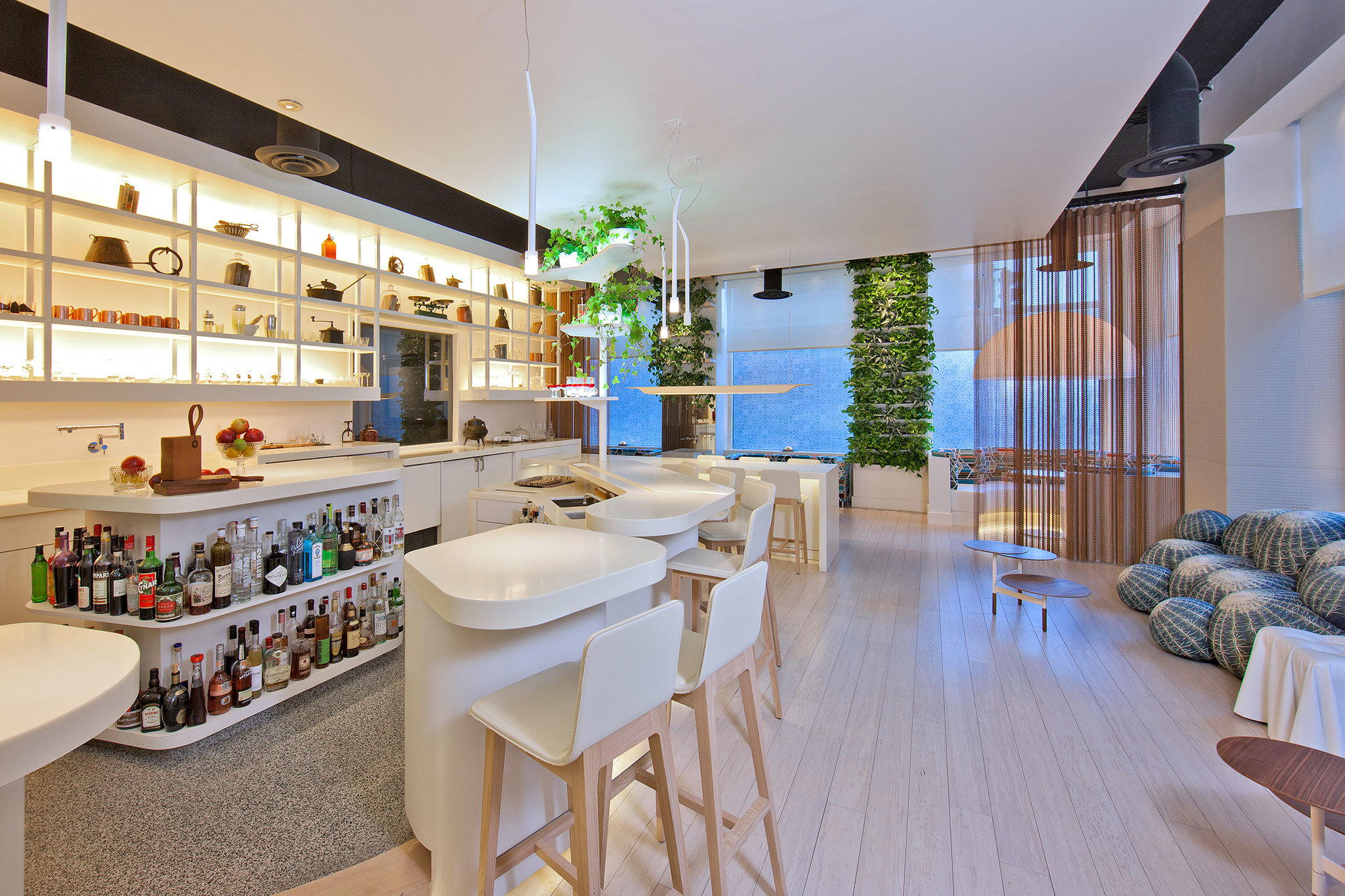
Restaurants in Washington DC
Browse all →
At a Glance
- Modern
- Trendy
- Lively
- Sophisticated
- Business Trip
- Group Retreat
- Weekend Escape
- Rooftop
- Design Destination
- Panoramic View
- Restaurant
- Bar
- Skyline
- Street Scene
- Restaurant
- Bar
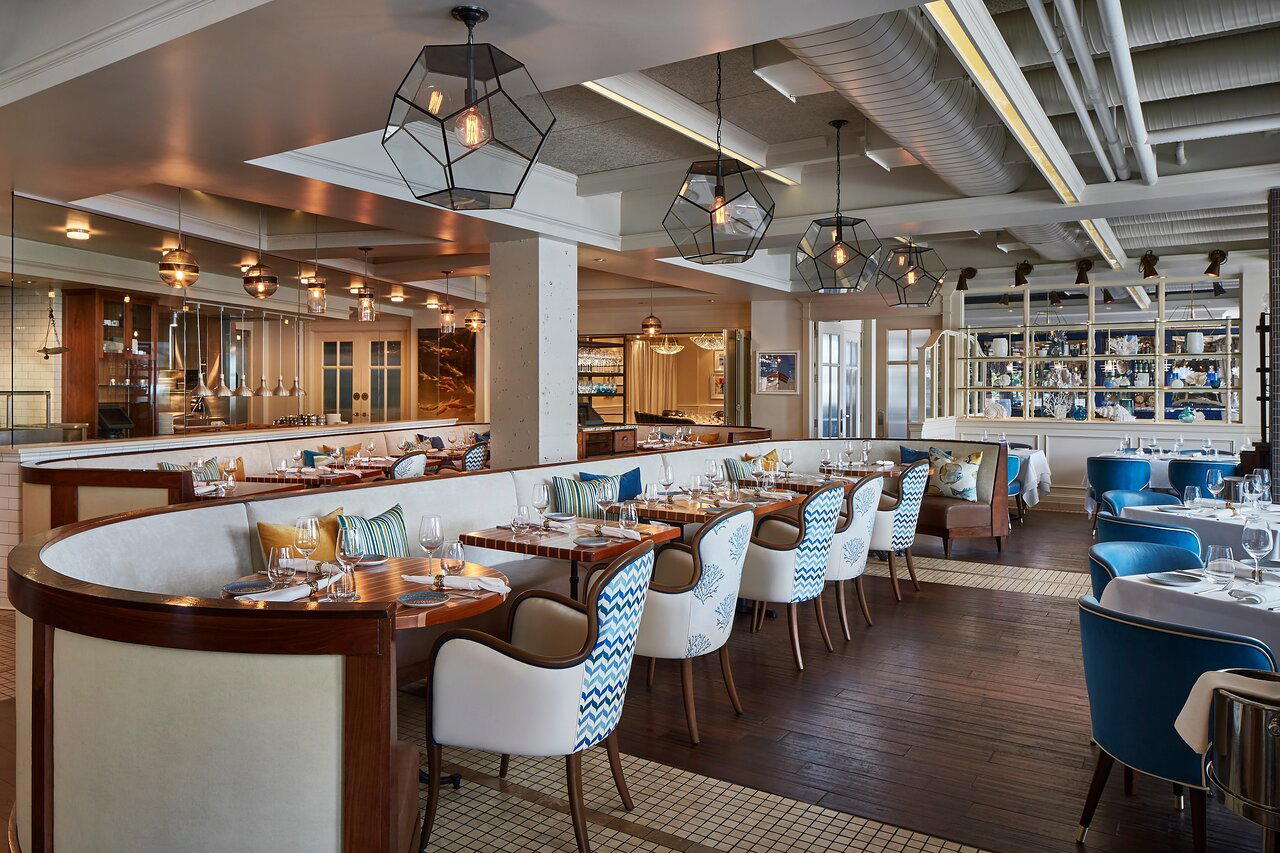
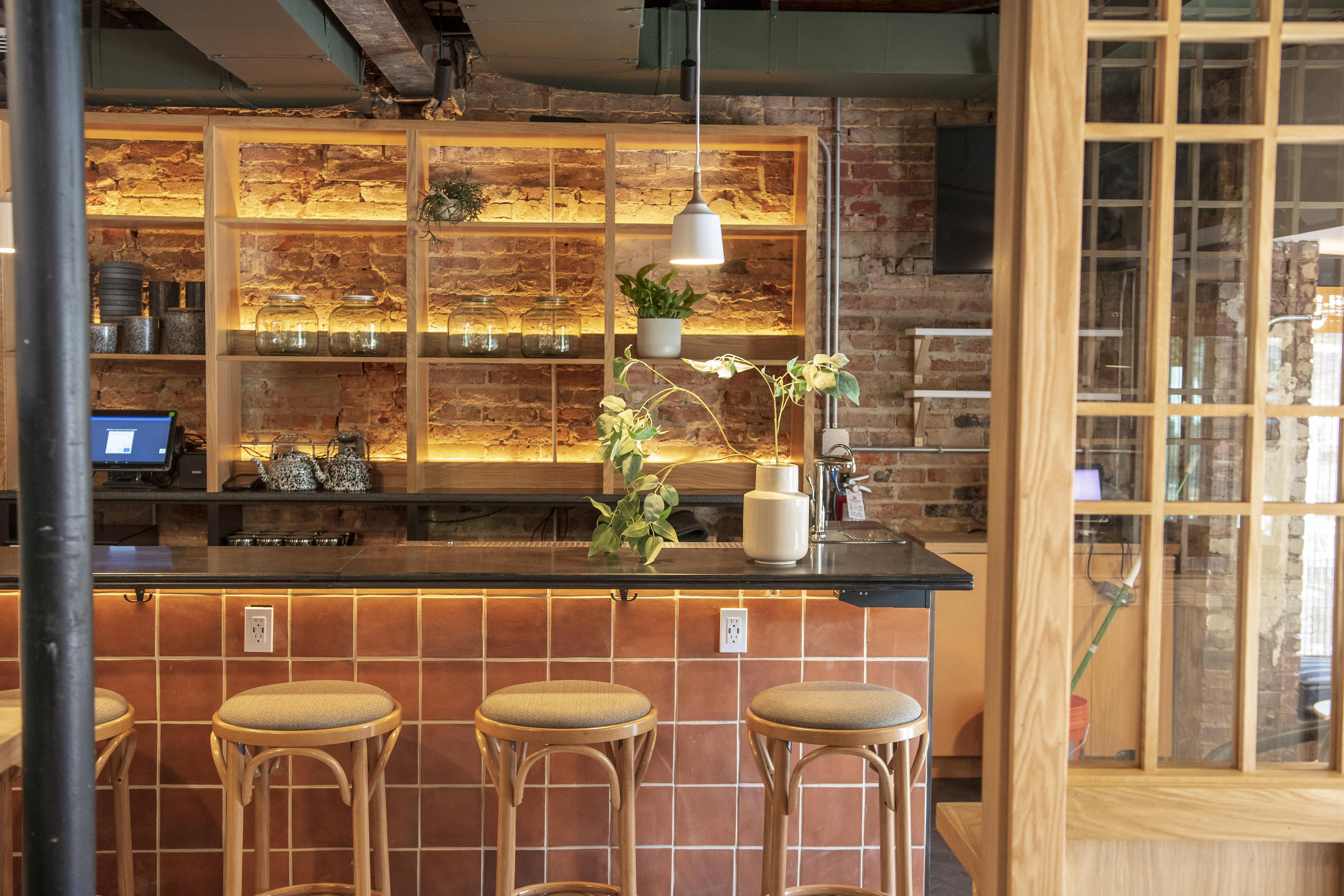
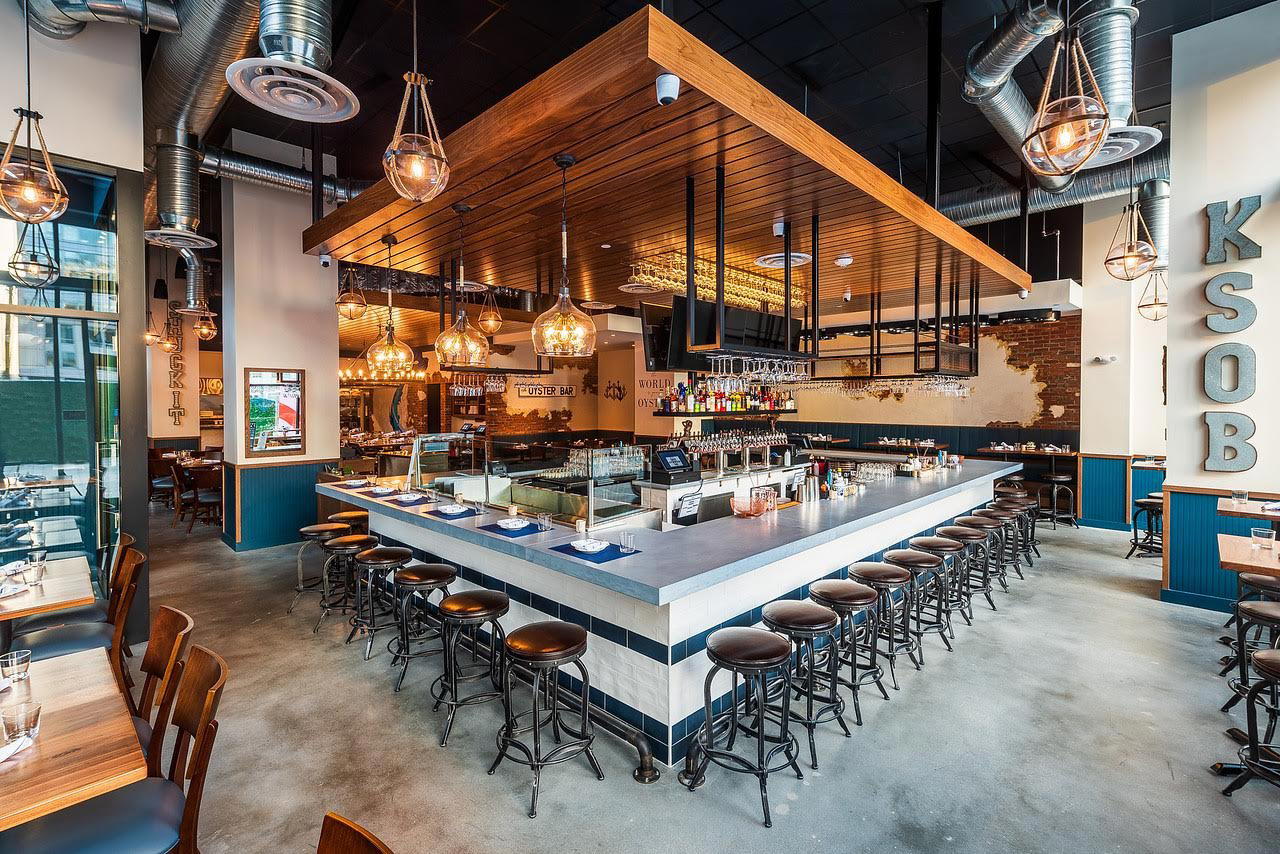
A playful, design-led atmosphere centered on social energy, with a rooftop overlooking the Capitol, live music, a cinema, and restaurant/bar spaces intended to create a lively guest experience.